♦ 20 November 2025 ♦
Philosophy Day 2025
on the occasion of World Philosophy Day
dedicated to Gilles Deleuze
↓↓
DELEUZE – signposts toward a “non-fascist existence”
Is there any thinker today without whom the contemporary world cannot be thought? Yes, of course, there are still living philosophers who think our Jetzt-Zeit radically. Agamben, Badiou, Rancière… to mention only those whose names resonate most forcefully in the consciousness of the author of these lines, or in the self-consciousness of the still-surviving “intellectuals”. But WHO truly is the most important philosopher of the 21st century? Michel Foucault had no doubts. Undoubtedly, it was, and for us today still is – Gilles DELEUZE.
Cui bono? What is it that makes this thinker of Difference and Repetition, The Logic of Sense, and finally Capitalism and Schizophrenia so important and decisive? Nothing less than the very “matter of thinking”! Yet for Deleuze this is not a Heideggerian dictum. For what is at stake here is not the “meaning of Being” and its “forgetting”. Nor is it a Platonically conceived “history of philosophy” as one grand history that considers what we call the “world” from the vantage point of a transcendent IDEA.
Deleuze calls for – ungrounding.
The paradigm of understanding philosophy as the “art of forming, inventing and fabricating concepts” (So, the question is…) – in the joint effort Deleuze undertakes in synergy with Félix GUATTARI – culminates in the “creative construction of becoming”. Philosophy is a matter of IMMANENCE. It concerns what is tangible and vitally present, here and now, in a world understood as “entropically networked orders of SOCIETIES OF CONTROL”.
The concept must be wrested away from the “desiring-machines” within the information-communication universe that controls us and, immanently, precisely “creates/constructs desire”. This “saving of the concept” is possible only through permanent DE-TERRITORIALIZATION and through finding “lines of flight” from the Matrix of an increasingly incomprehensible capitalism that ever more inexorably eludes us and has wholly transformed into a “war machine”.
What is the “task” of philosophy today? It consists in a constant, ever-renewed “struggle against capitalism”. But… what is even more important? What is even more “acute” in our surroundings? To recognize it and then fight its inherent conceptual-semantic “twin brother”. Namely, fascism… No motif of the present is more current, more symptomatic, than this Deleuzian “diagnosis”.
NO… it is not a totalitarian organism, but a cancerous body. When the “war machine takes over the state”, we get precisely what we have deserved through passive indifference – fascism. Let us understand the struggle against it as an effort and a necessary condition of our survival, and the meaningfulness of a “non-fascist existence” as a necessary precondition for the (recovery?) of the humanities, and then of philosophy itself.
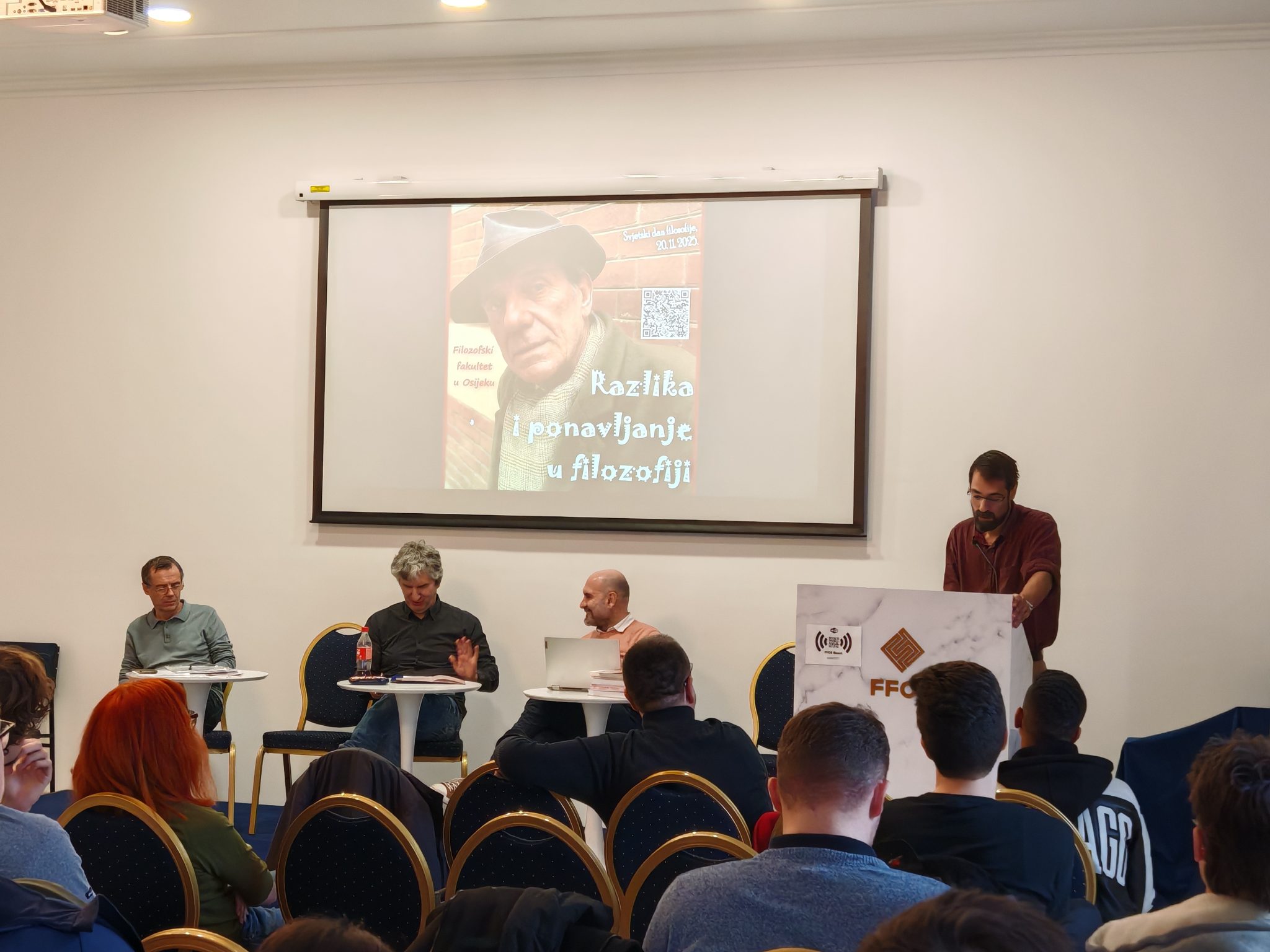
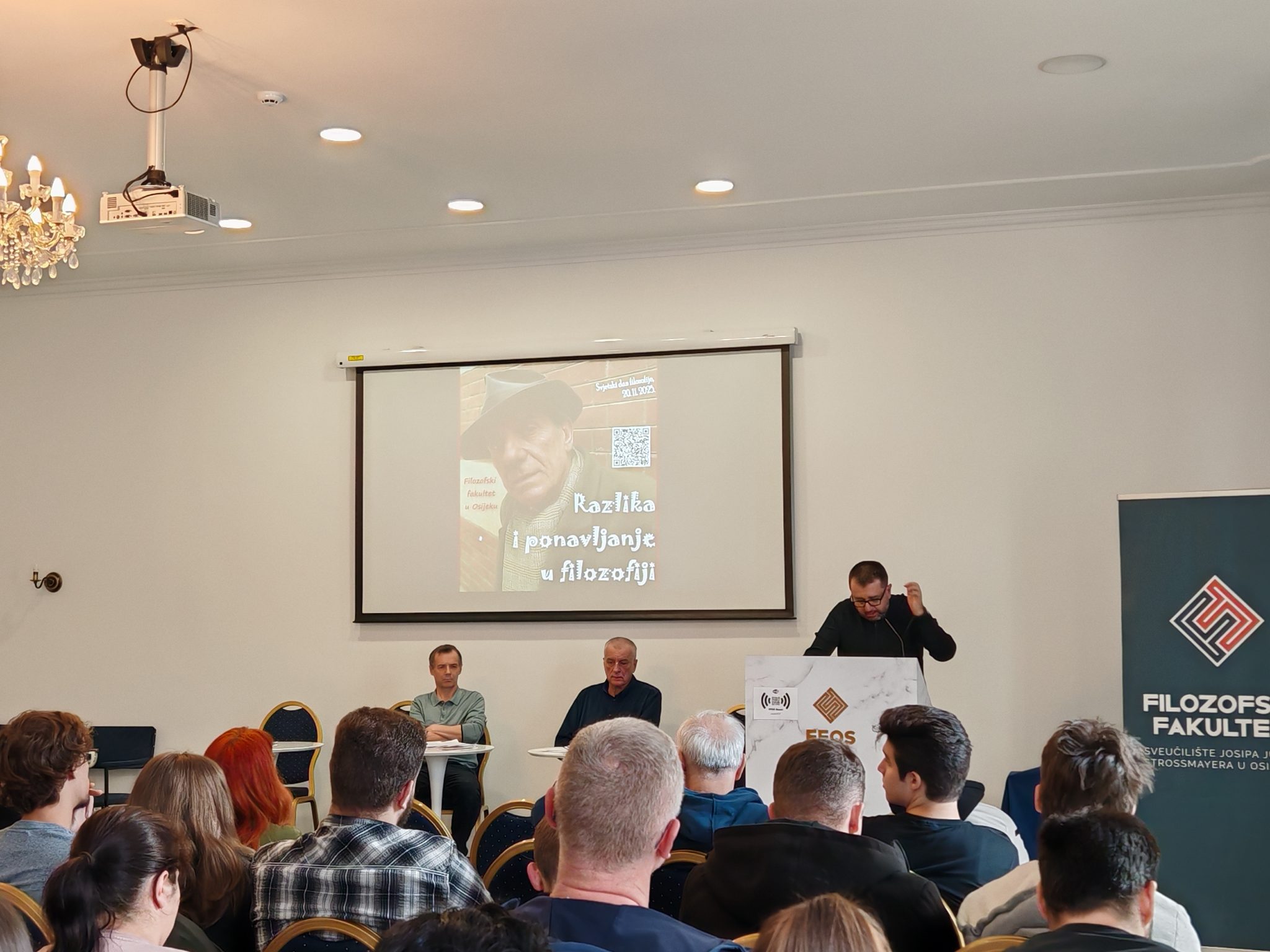
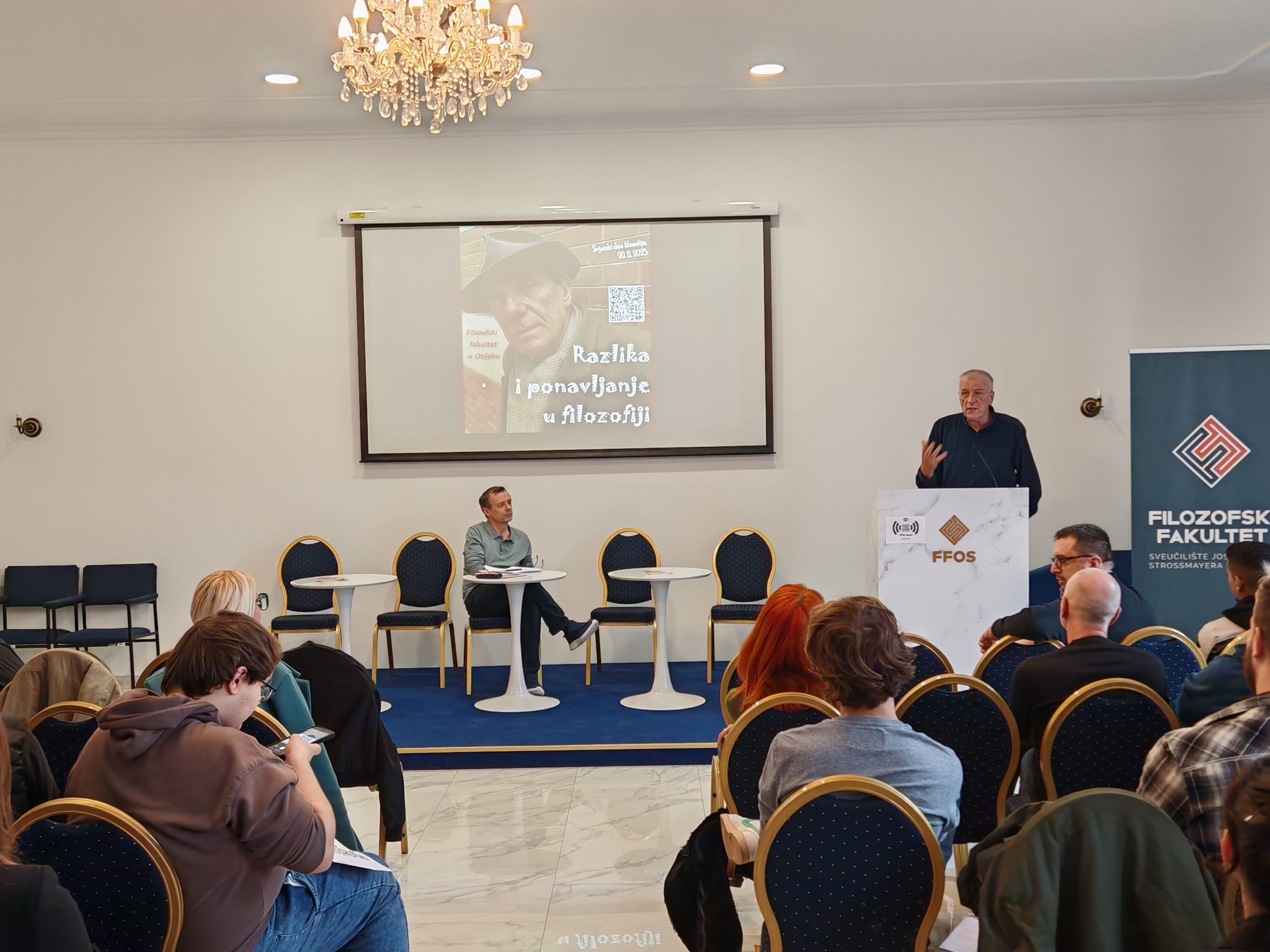
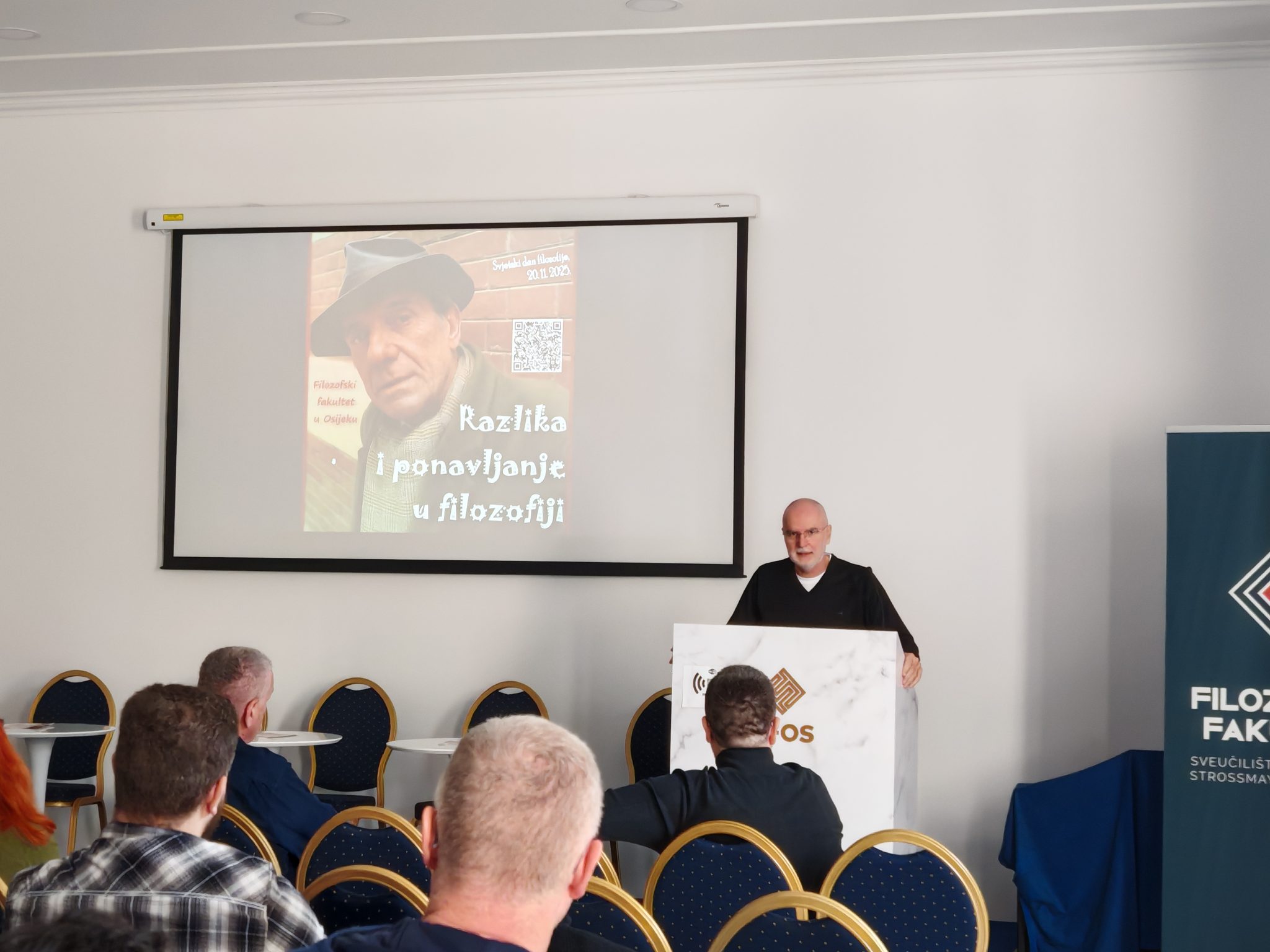
Therefore, for “World Philosophy Day” (wow!), at FFOS, on Thursday, 20 November (Room 39), we will talk about Deleuze and the legacy of his thought.
If there is any reason for us still to be at all…
mk

♦ 29 April 2025 ♦
Guest at EstLab:
Drago Hedl
↓↓
Conversation at the Aesthetics Laboratory:
The Crime and Punishment of Aesthetics
****
We invite you to a special edition of the Aesthetics Laboratory featuring distinguished journalist, publicist and writer Drago Hedl, entitled “The Crime and Punishment of Aesthetics”.
In a conversation situated at the intersection of journalism, literature and social criticism, Drago Hedl will discuss the boundaries between truth and fiction, the writer’s responsibility and the power of aesthetics in shaping stories about real crimes. What are the ethical dilemmas involved in the aesthetic treatment of violence? How does literature shape (or blur) social justice? To what extent is literary self-confession the ultimate stripping bare of life? Can the true be beautiful, and the beautiful true?
In an atmosphere of poetic forensics and aesthetic re-examination, this encounter opens up space for reflection on the role of art in confronting real traumas, in times when a valid punishment may fail to come as a response from the competent institutions.
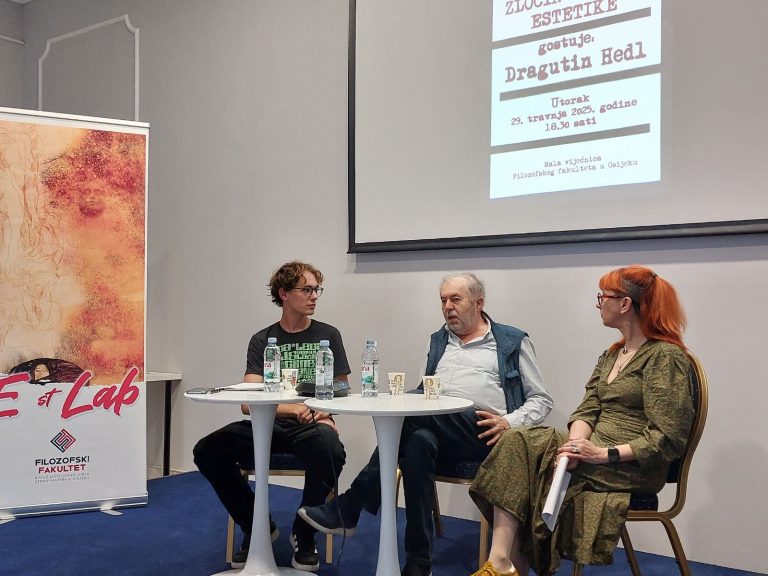
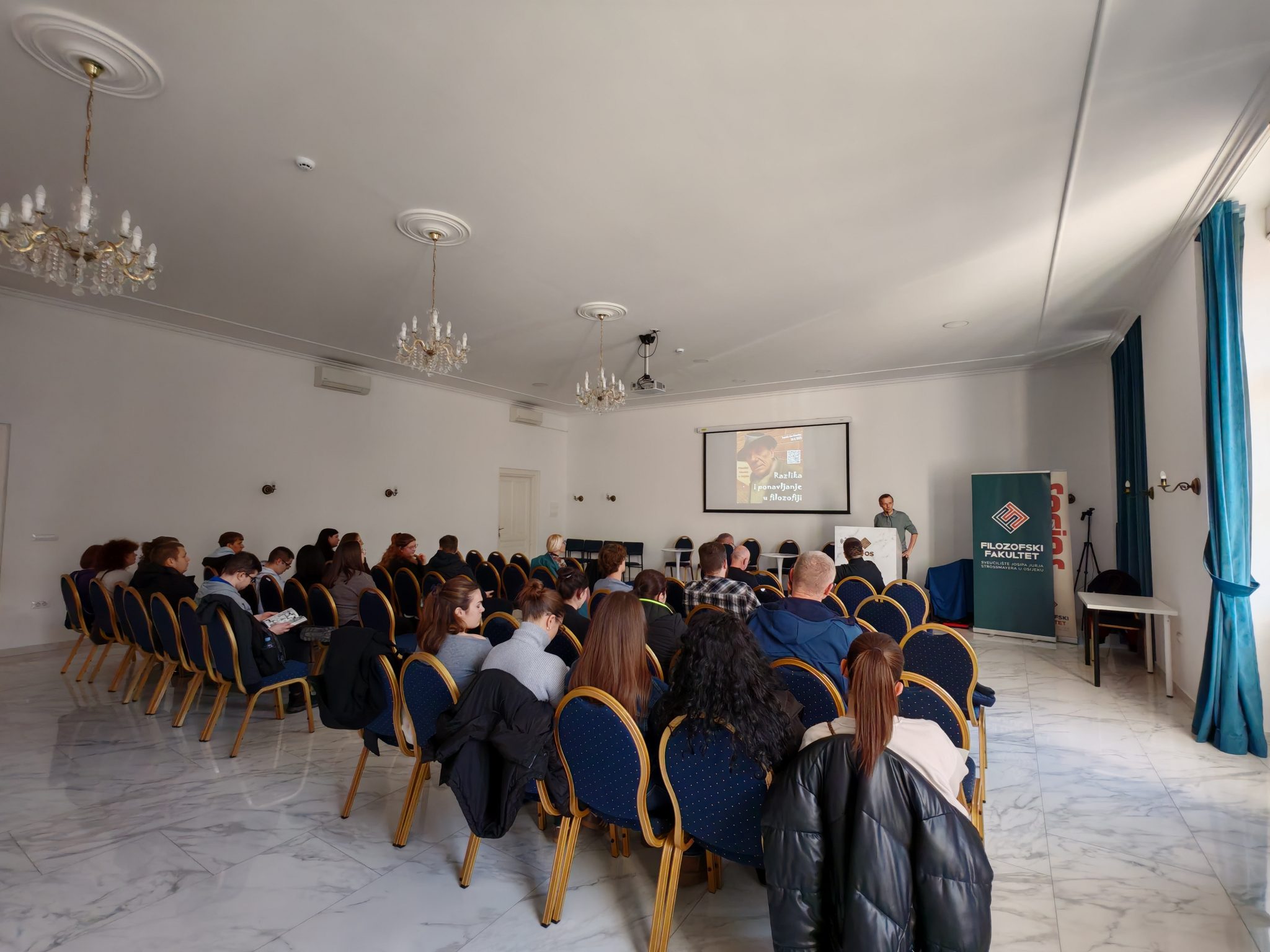
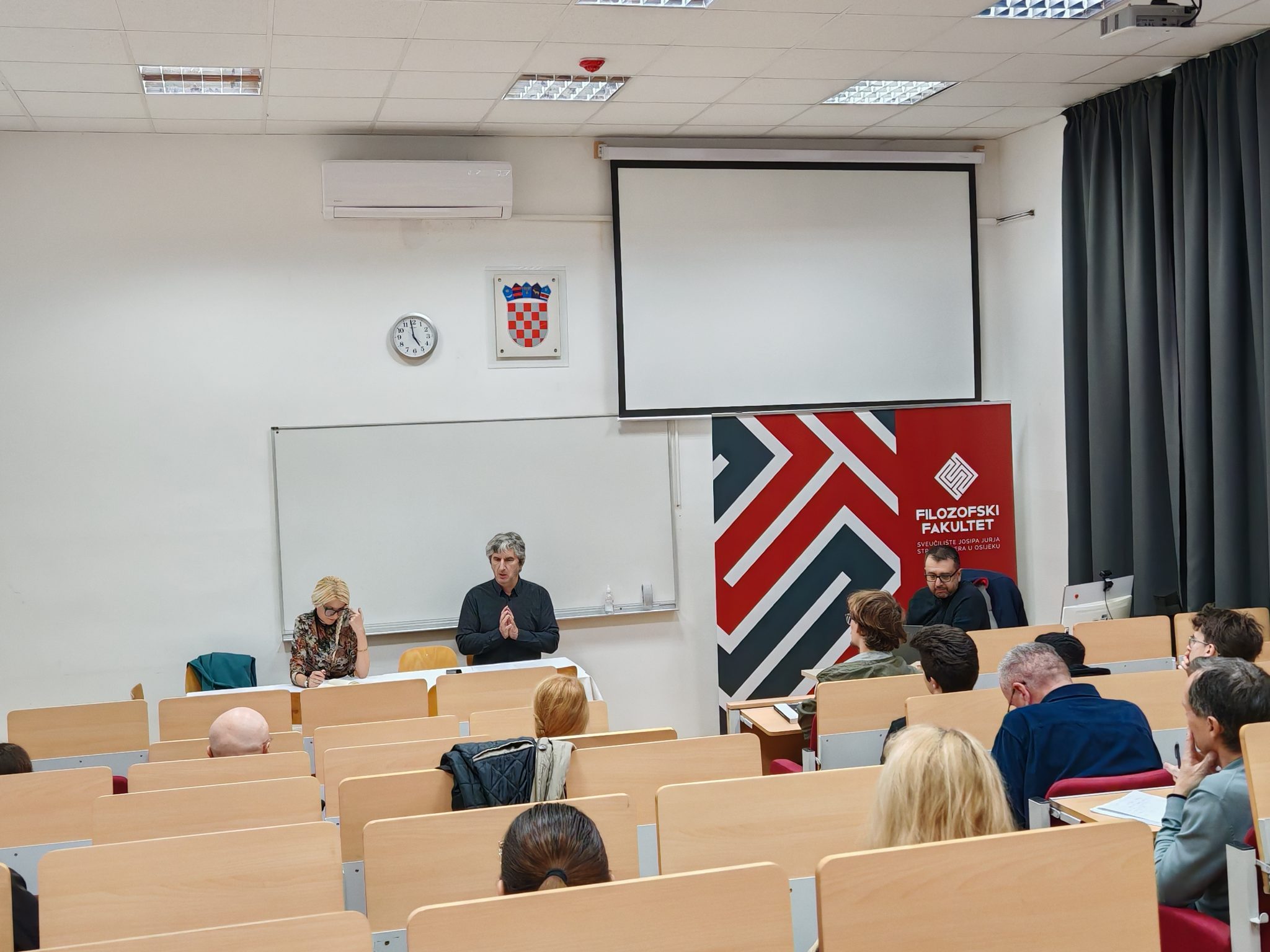
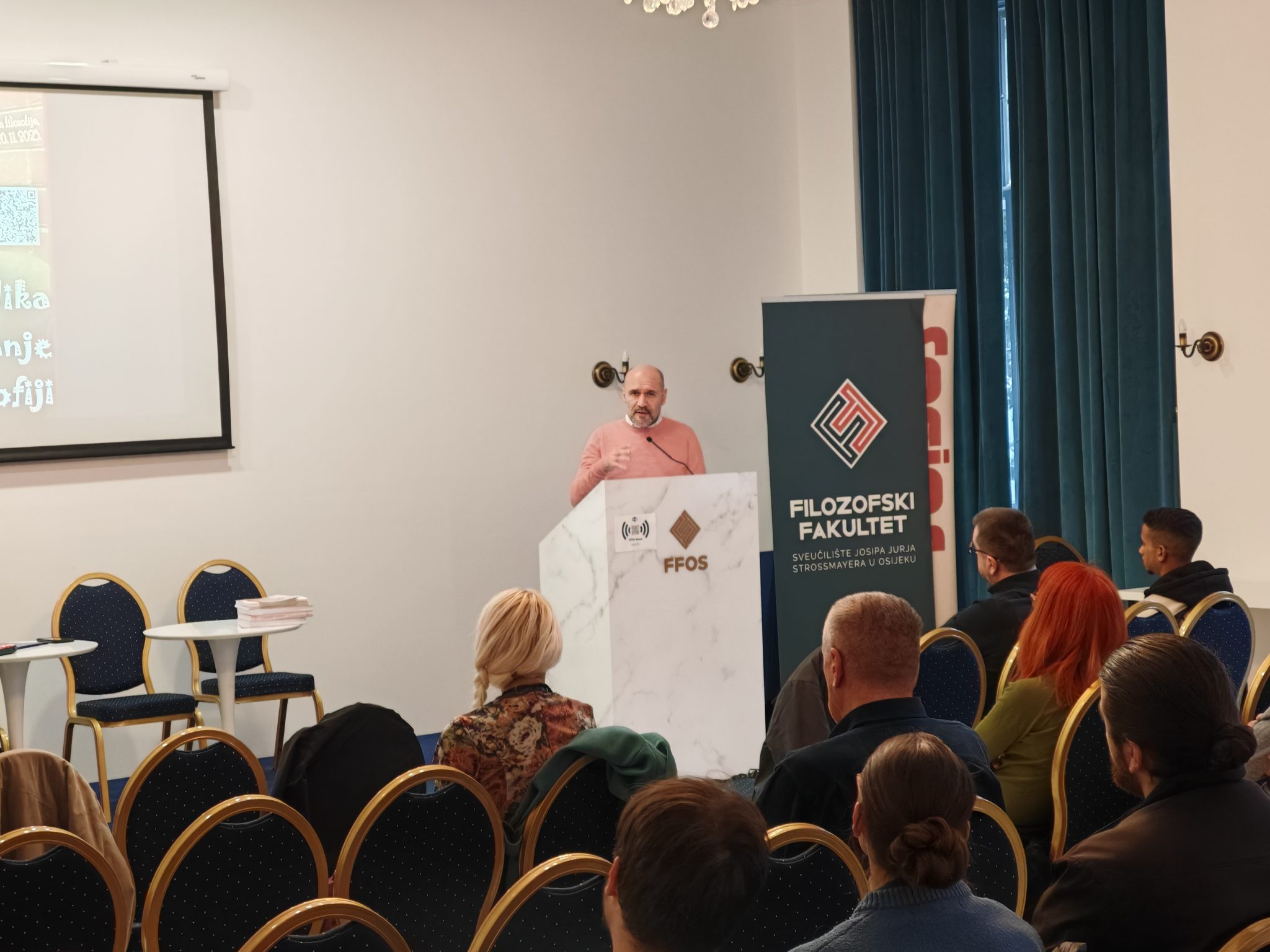
A special edition of the Aesthetics Laboratory held on 29 April 2025 featured distinguished journalist, publicist and writer Drago Hedl. Entitled “The Crime and Punishment of Aesthetics”, the event brought together an audience interested in topics at the intersection of journalism, literature and social criticism.
The conversation with Drago Hedl raised numerous questions about the boundaries between truth and fiction, the role and responsibility of the writer, and the power of aesthetics in shaping narratives about real crimes. Through dialogue and reflection, the discussion addressed ethical dilemmas related to the aesthetic treatment of violence and the role of literature in shaping (or blurring) social justice. Fundamental questions were also posed about the nature of literary confession: is it truly the stripping bare of life, can the true be beautiful, and the beautiful true? In an atmosphere of poetic forensics and aesthetic re-examination, this encounter opened up space for reflection on the role of art in confronting social traumas, especially in times when institutions often fail to provide a valid punishment in response to crimes committed.
The audience showed great interest in the topic, and the event continued with informal conversations after the official programme.
♦ 20–22 November 2024 ♦
Philosophy Week 2024
organised by the Department of Philosophy and the Department of German Language and Literature
on the occasion of World Philosophy Day
dedicated to marking the 300th anniversary of the birth and the 220th anniversary of the death of Immanuel Kant
↓↓
Exhibition “Kant’s Legacy”
Presentation of Immanuel Kant’s book On Pedagogy
Scientific and professional conference with international participation “Kant. 300 Years”
Coordinator and Chair of the Conference Programme and Organising Committee: Assoc. Prof. Boško Pešić, PhD
Student section “Kant and Education”
Student workshop “Kant as an Educator”
****
Three Centuries of Kant
“Now and then one hears complaints about the superficiality of the way of thinking in our age and about the decline of fundamental science. Yet I do not see that those sciences whose foundations are well laid, as is the case with mathematics, natural science, etc., deserve this reproach in the least; on the contrary, they confirm their old reputation for thoroughness and have lately even surpassed it. The very same spirit would prove effective in other kinds of cognition as well, if only care had first been taken to correct their principles. In the absence of this, however, indifference, doubt and finally rigorous criticism are evidence of a thorough way of thinking. Our age is the true age of criticism, to which everything must submit.”
In a year in which the 300th anniversary of Immanuel Kant’s birth and the 220th anniversary of his death are being commemorated in major academic centres around the world, this remark from the “Preface to the First Edition” of the Critique of Pure Reason demands attention on several levels. That the sciences, especially the natural sciences, can themselves be in crisis – a crisis of their own meaning – was later pointed out, among others, by Edmund Husserl, who argued that the rationalisation of the world more geometrico and the mathematisation of reality as a whole gradually brought about a reversal in the general understanding of humanity. In the task of adopting a critical stance, Husserl in fact follows Kant: the crisis of the sciences also appears as a consequence of a crisis of philosophy, particularly with regard to the pronounced rational self-realisation of the human being. The struggle for the meaning of the human in our time reveals not only that this crisis has deepened beyond imagination, but also that it has fully exposed and imposed the need to rethink the very “critical” dimension of the crisis itself.
What the “critical” represents for Kant was perhaps brought closest to us today, in such a task, by Gilles Deleuze, who argued that the fundamental problem of interest-driven rationality, especially mathematical rationality, lies in the fact that it omits questions that are formative for it. In other words, pure reason, which demands self-legislation, will repeatedly end in illusion without its practical confirmation, which is secured precisely and solely by critique as the transcendental method of its immanent use. For philosophy itself, this emerging transcendental idealism in fact marked the beginning of what Gottlieb Fichte, paraphrasing Kant himself, would call a revolution in the way of thinking (Revolution der Denkart). Fichte found in the significance of Kantian critique the decisive intellectual step whose seismic effect on philosophy itself was to bring it, at last, to the strictest scientific rigour as a firm barrier against all destructive tendencies of worldly reality, while at the same time restoring people’s faith in the benefits of shared and universal rationality.
The philosophical power of a man who never for a moment left his native city can be grasped only by illuminating the spiritual situation of the age in relation to the public use of reason demanded by his philosophy. It is the measure by which we demonstrate our ability to confront the rigidity of our own prejudices, regardless of what caused them. His philosophy therefore does not come to us from the past merely as a warning; rather, it approaches us by bringing the future closer as a signpost and encouragement. Speaking sharply about all the key problems of the present thus remains not only a matter of genuine integrity, but, from the standpoint of the present historical moment, unfortunately also proves to be a vital question of survival as a whole. Kant’s critical spirit, which is never separated from the deontological idea of human dignity, offers countless opportunities for joint reflection and in this respect has not diminished in the slightest. His motto might be summarised as follows: philosophy makes what is true intelligible. This is precisely the moment when existential responsibility inevitably becomes part of the process of demythologisation. From this position Kant was particularly aware of the danger inherent in giving precedence to so-called popular moral philosophy, which, as he used to say, always brings with it a “disgusting mishmash of patched-up observations and half-sophistical principles”. In the Groundwork of the Metaphysics of Morals, he therefore writes that such confusion is generally enjoyed by empty heads, satisfied with this seductive everyday chatter, while philosophers who see through the illusion and call for such a popular façade to be set aside, at least temporarily, regularly find too few willing listeners.
Along these lines, one of the larger problems of philosophy today appears to be that students are driven toward the school-learning of philosophy rather than toward philosophising – a distinction which, as our Vladimir Filipović emphasises, Kant knew very well and consistently applied. For Kant, after all, no prescribed science, not even philosophy, is required in order to know what we ought to do to partake in goodness, honesty and virtue. The necessity of philosophy lies only in ensuring, as far as possible, that what is rationally pure and strict is not adapted to our wishes and inclinations. This vitality, which cannot be halted by any so-called fateful circumstances, will certainly present its various historical accounts; yet its uncertain courses will only here and there vindicate a path that answers the philosophically posed why? and even more so what for? – or, as Kant himself concludes in the introduction to the Metaphysics of Morals: “the capacity of a being to act in accordance with its representations is called life.”
Boško Pešić
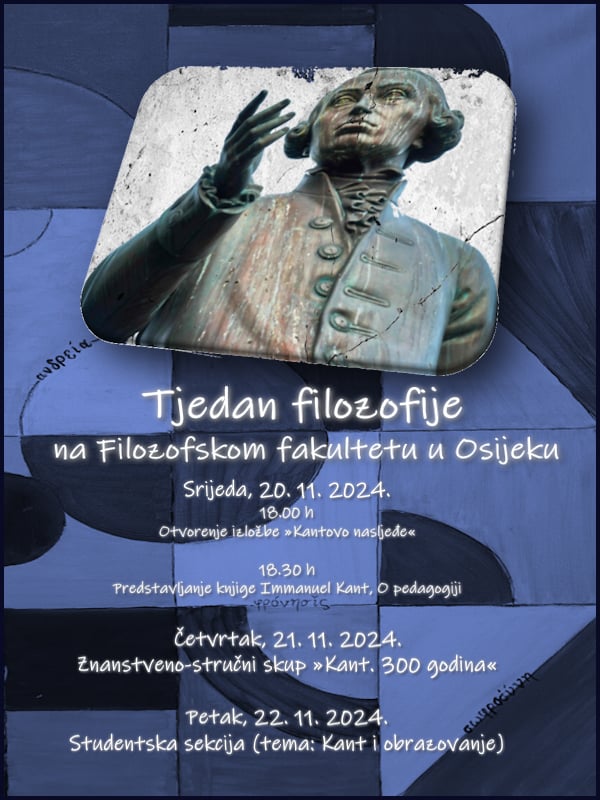
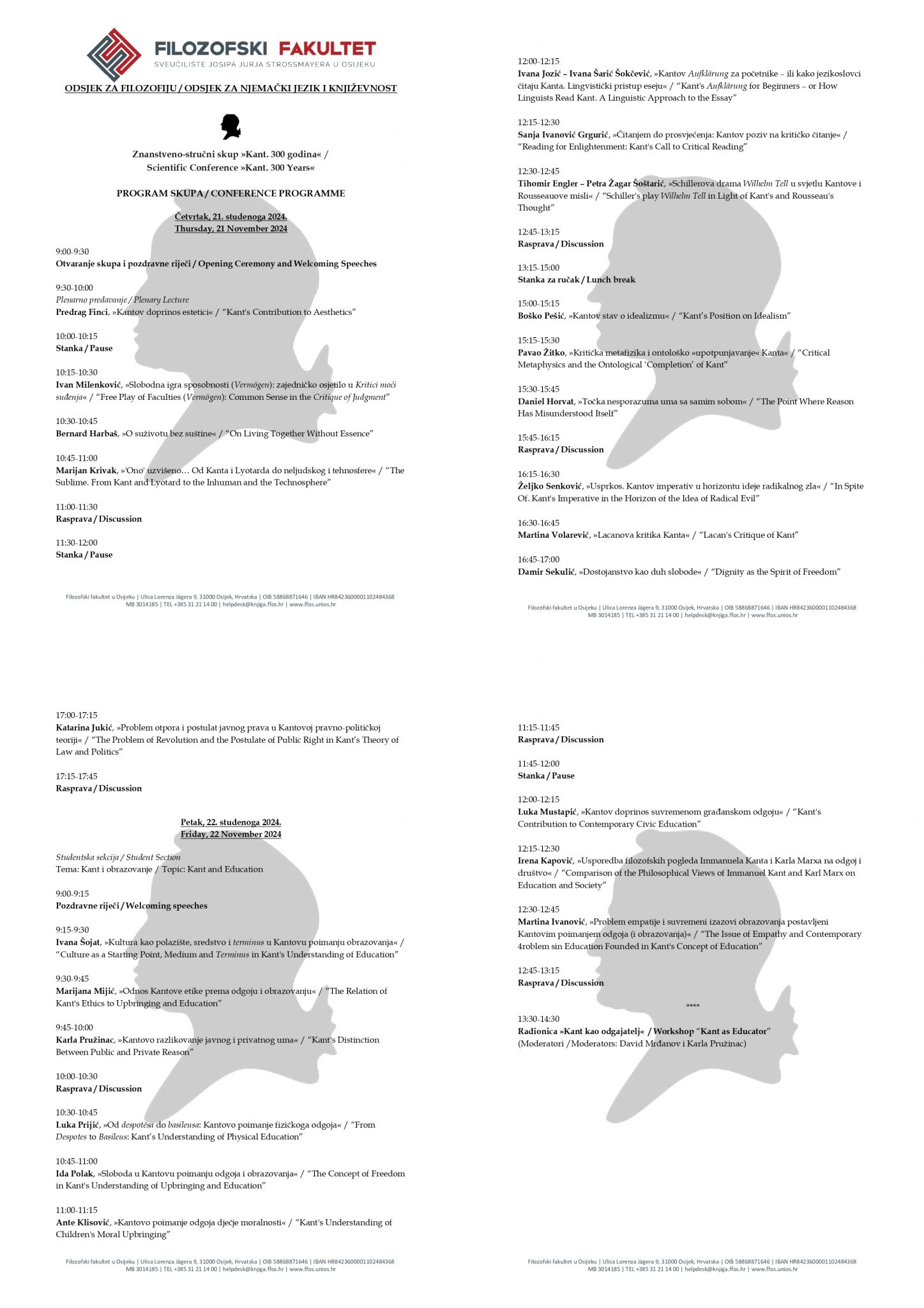
Philosophy Week Dedicated to the Philosopher of the Enlightenment Successfully Held
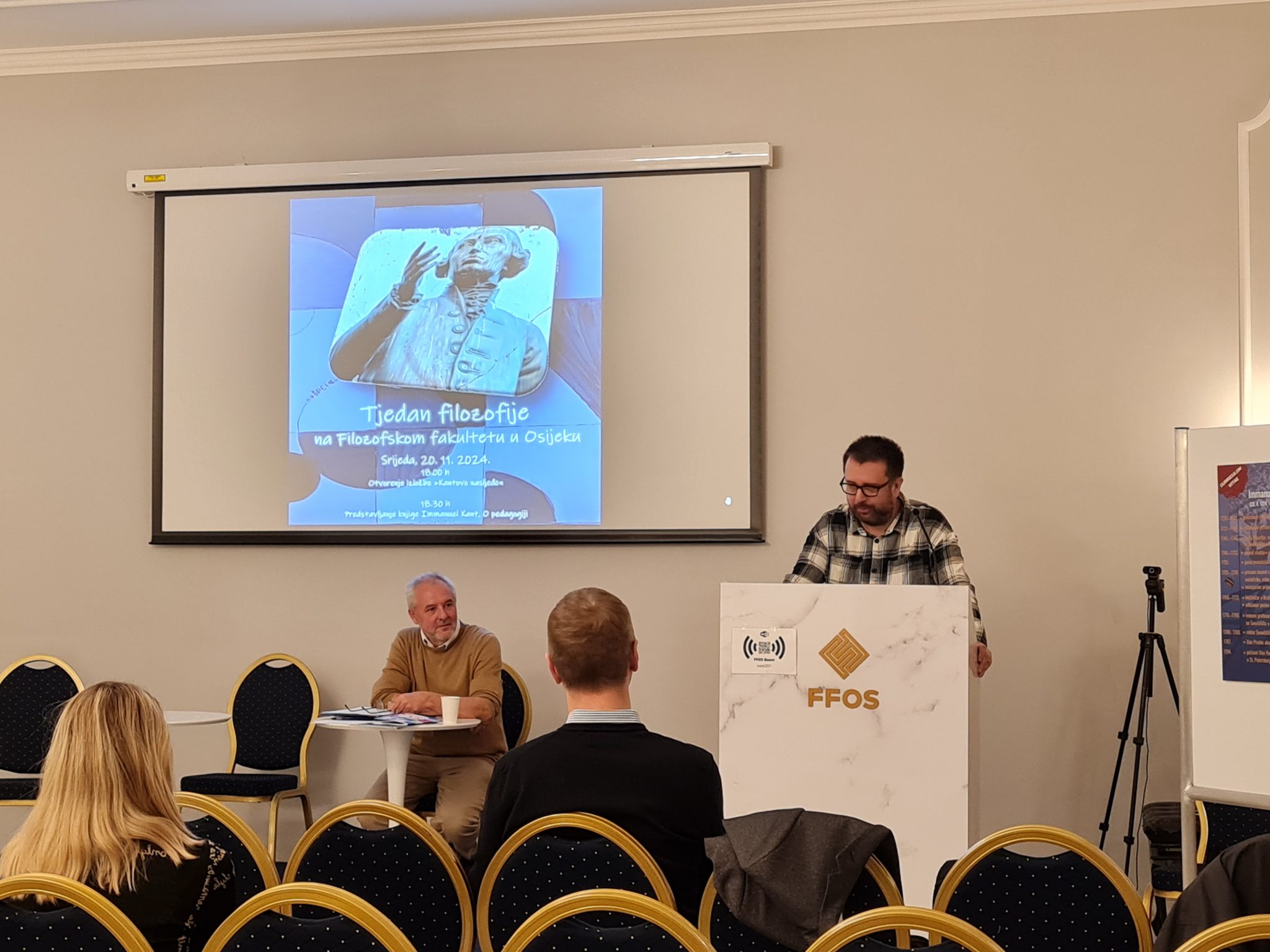
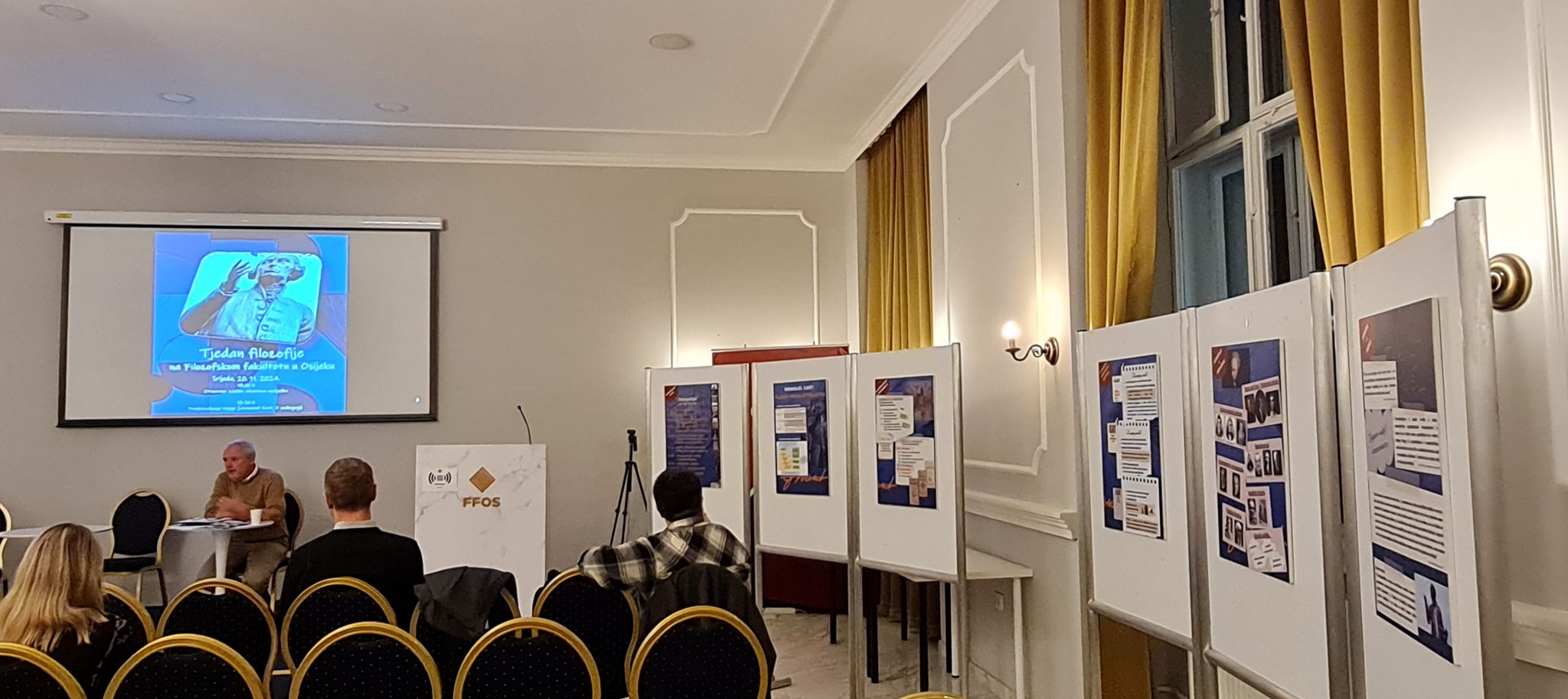
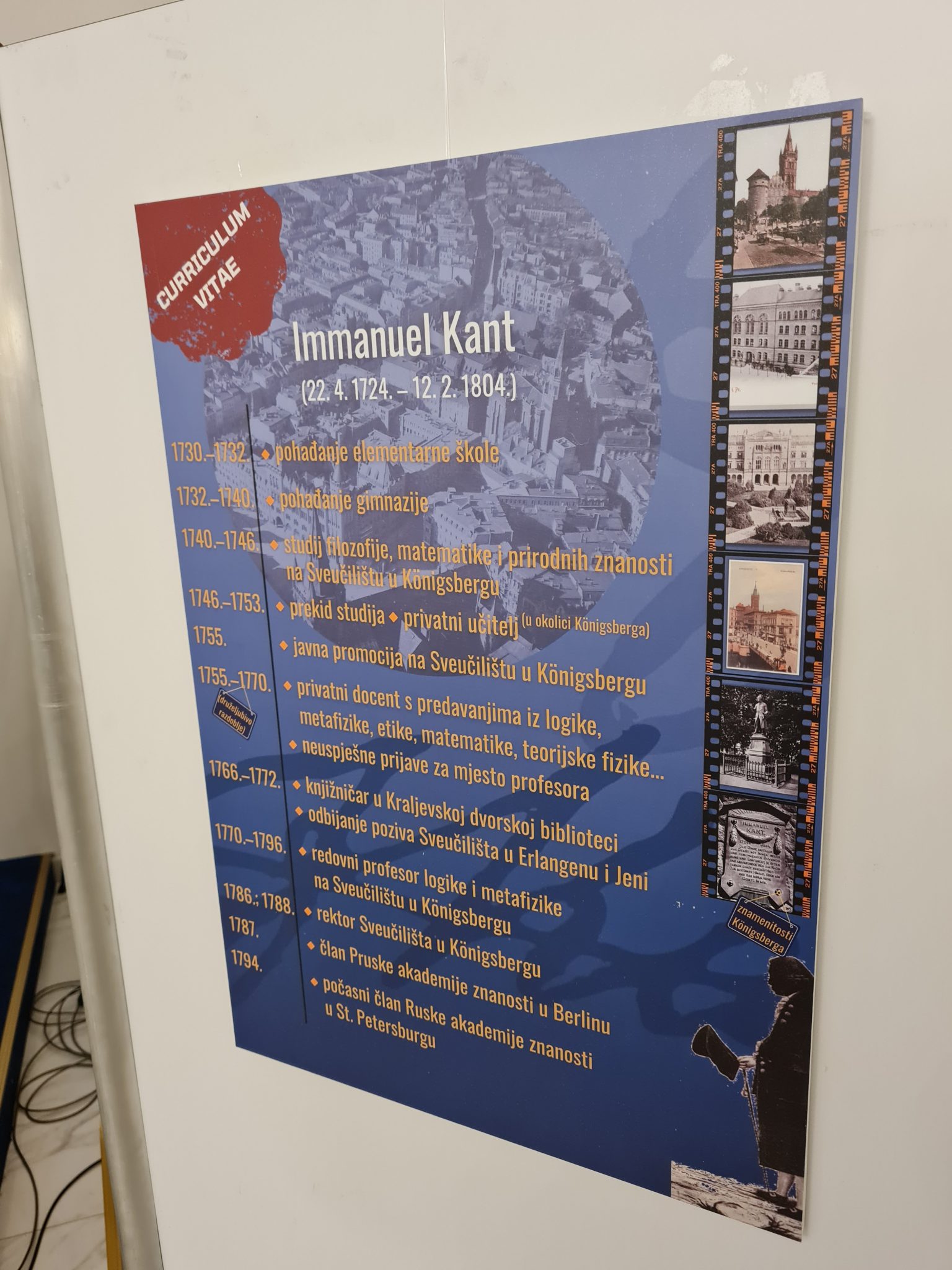
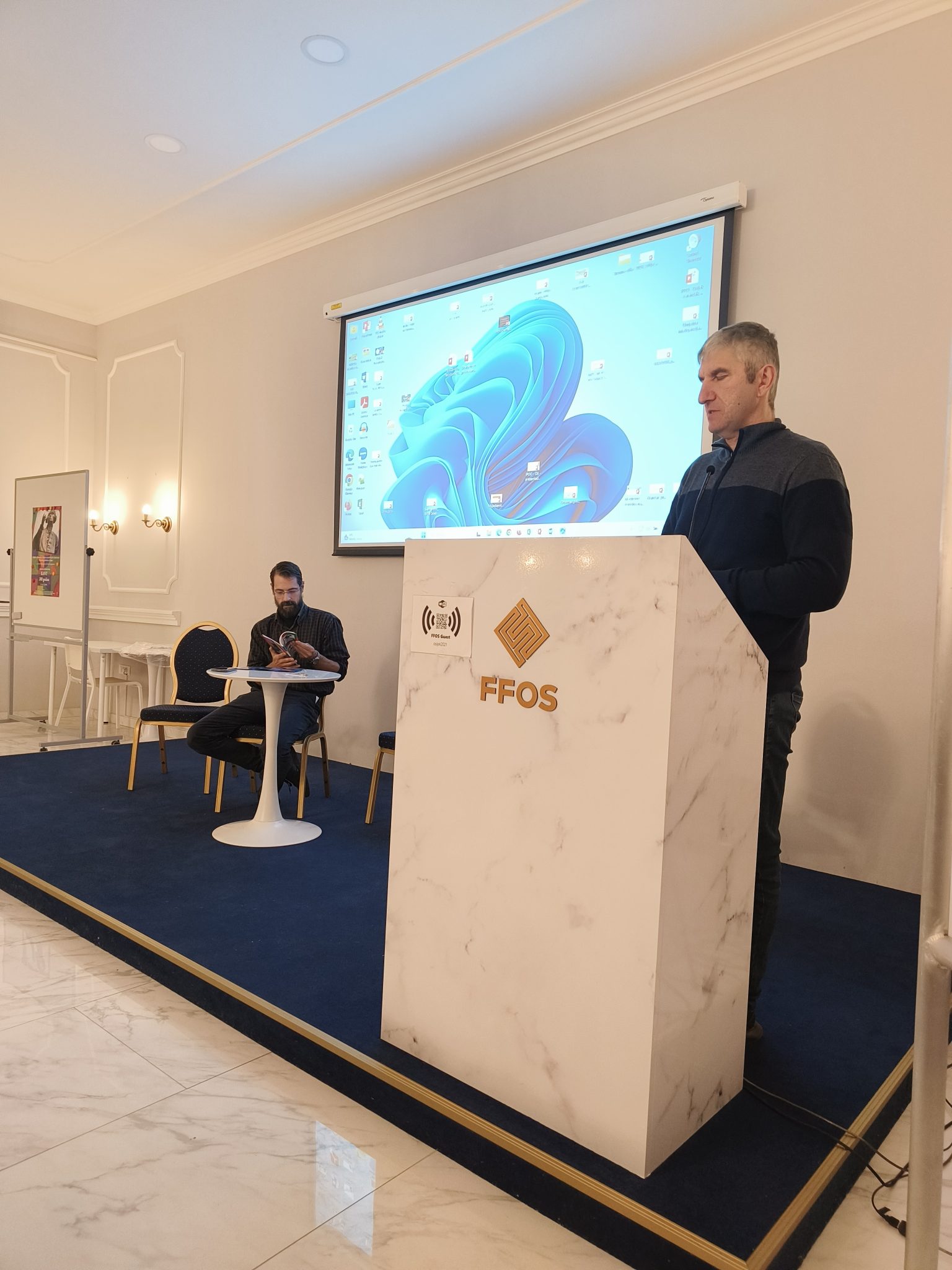
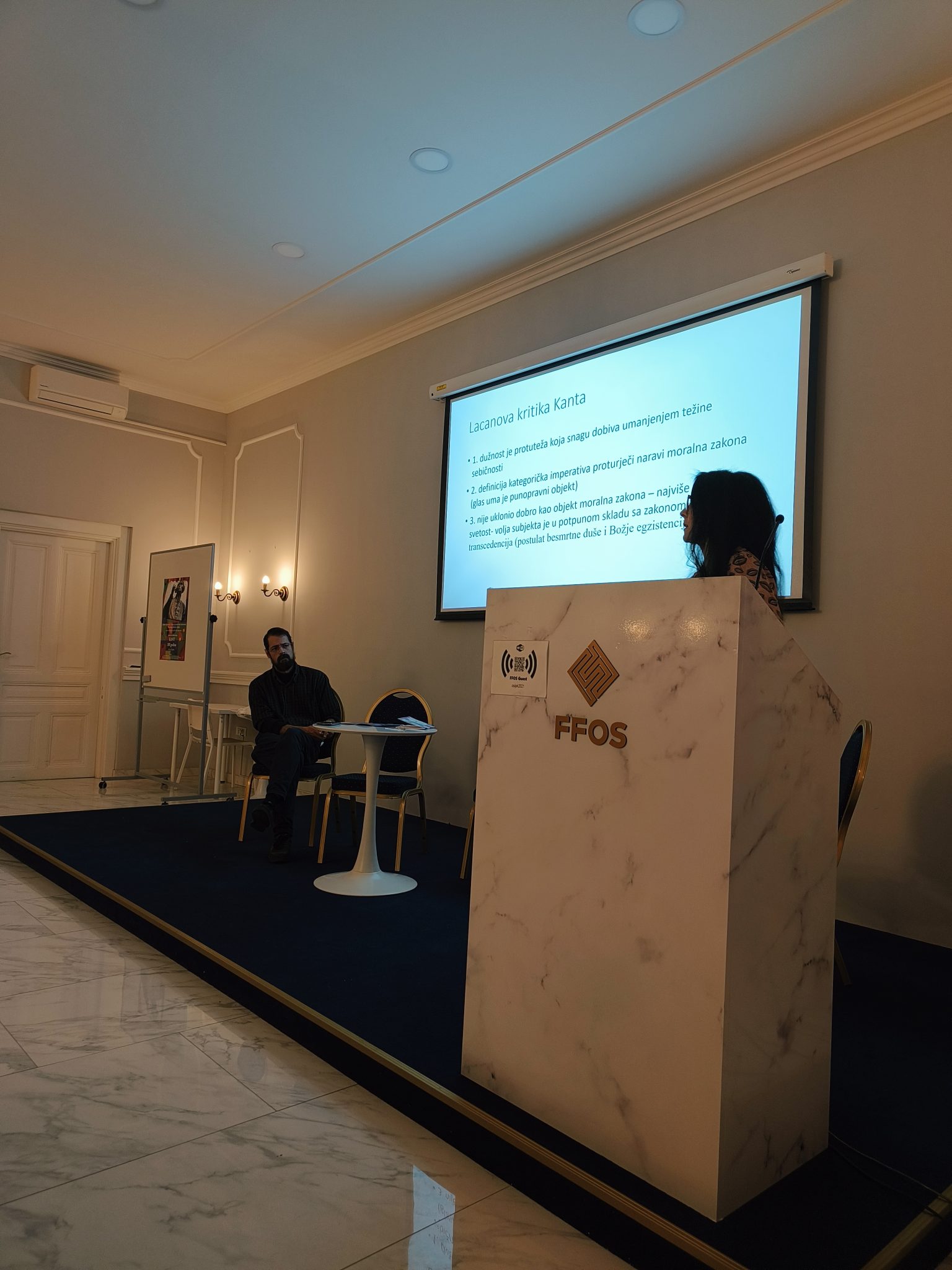
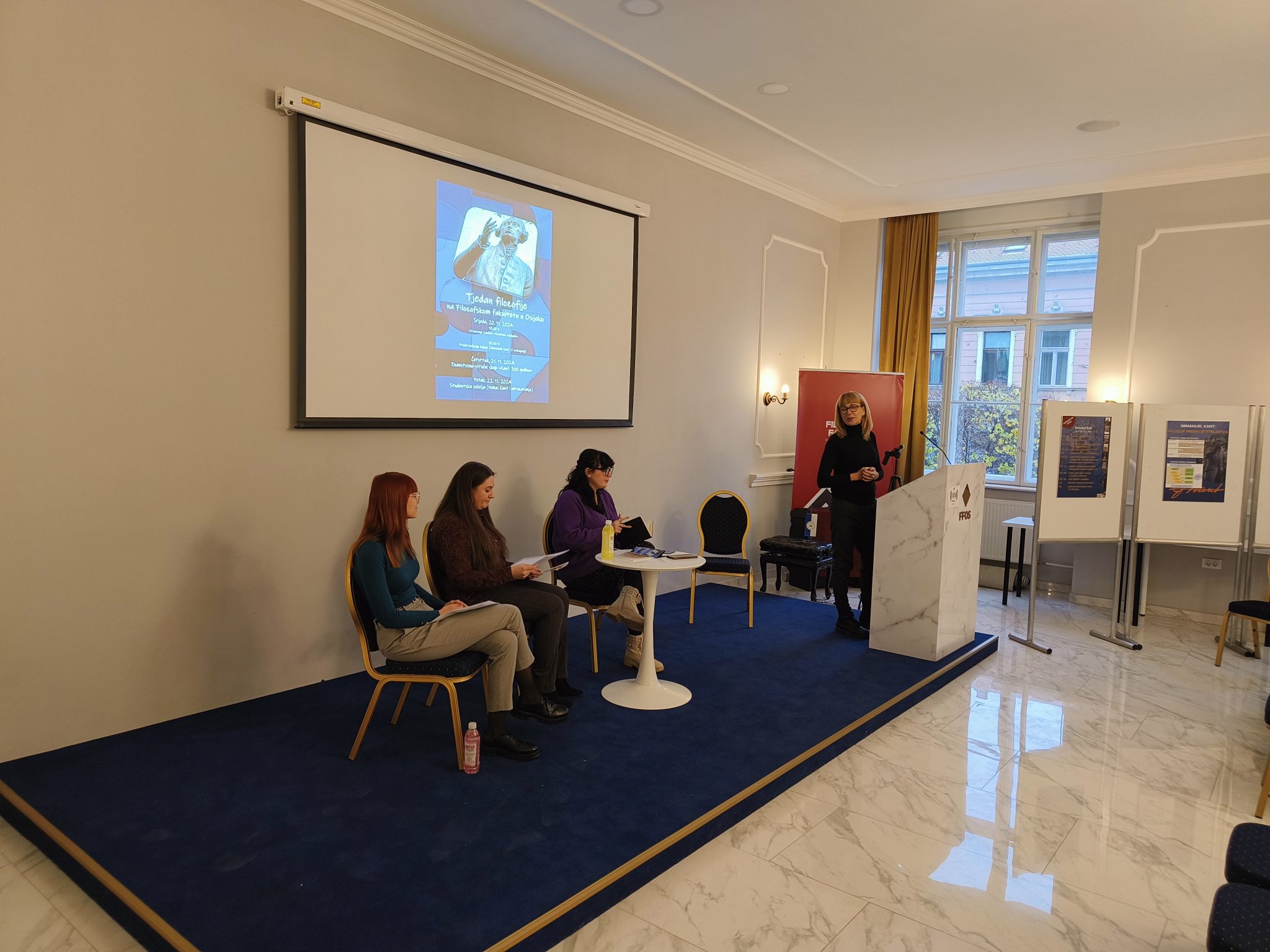
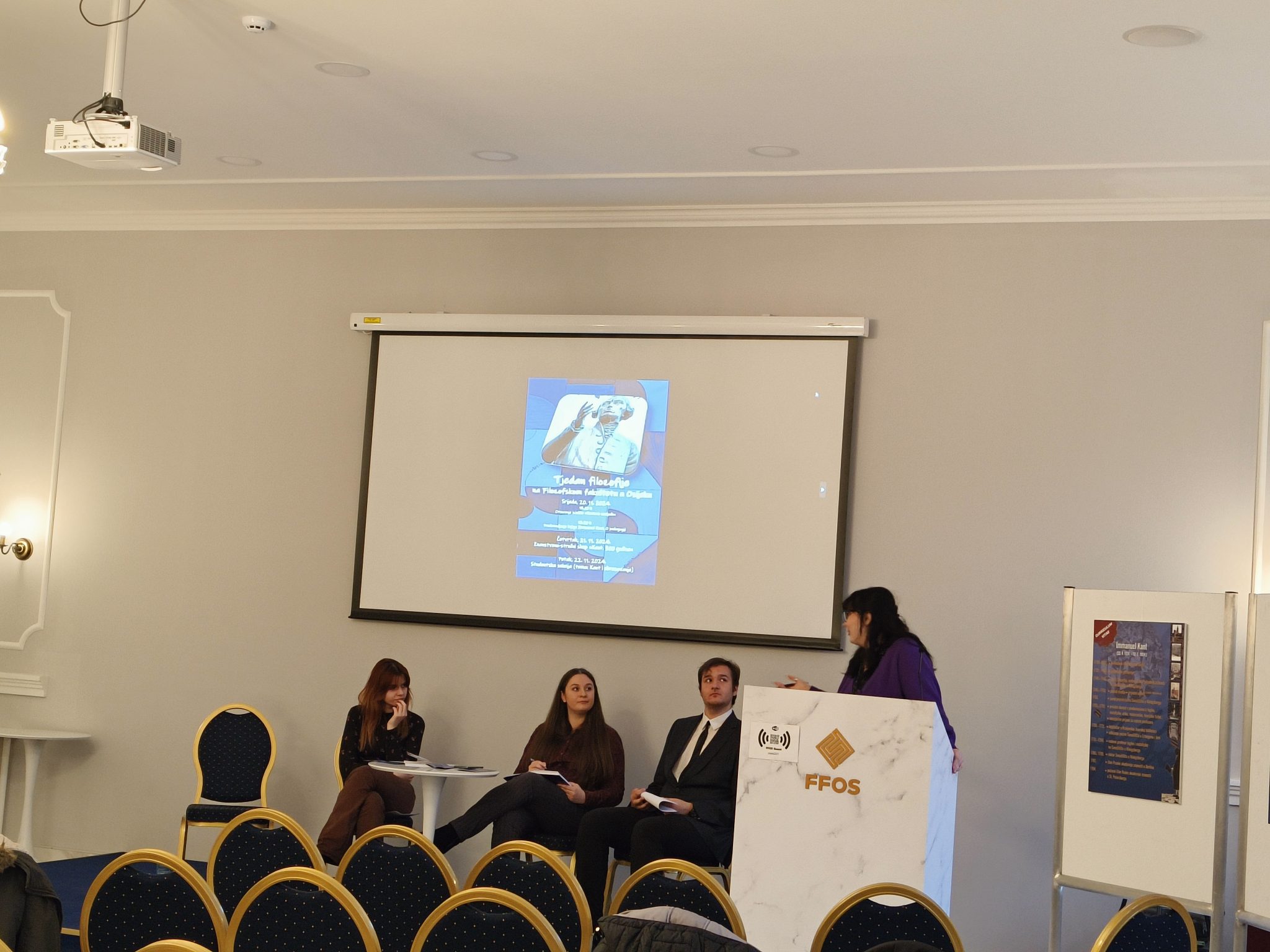
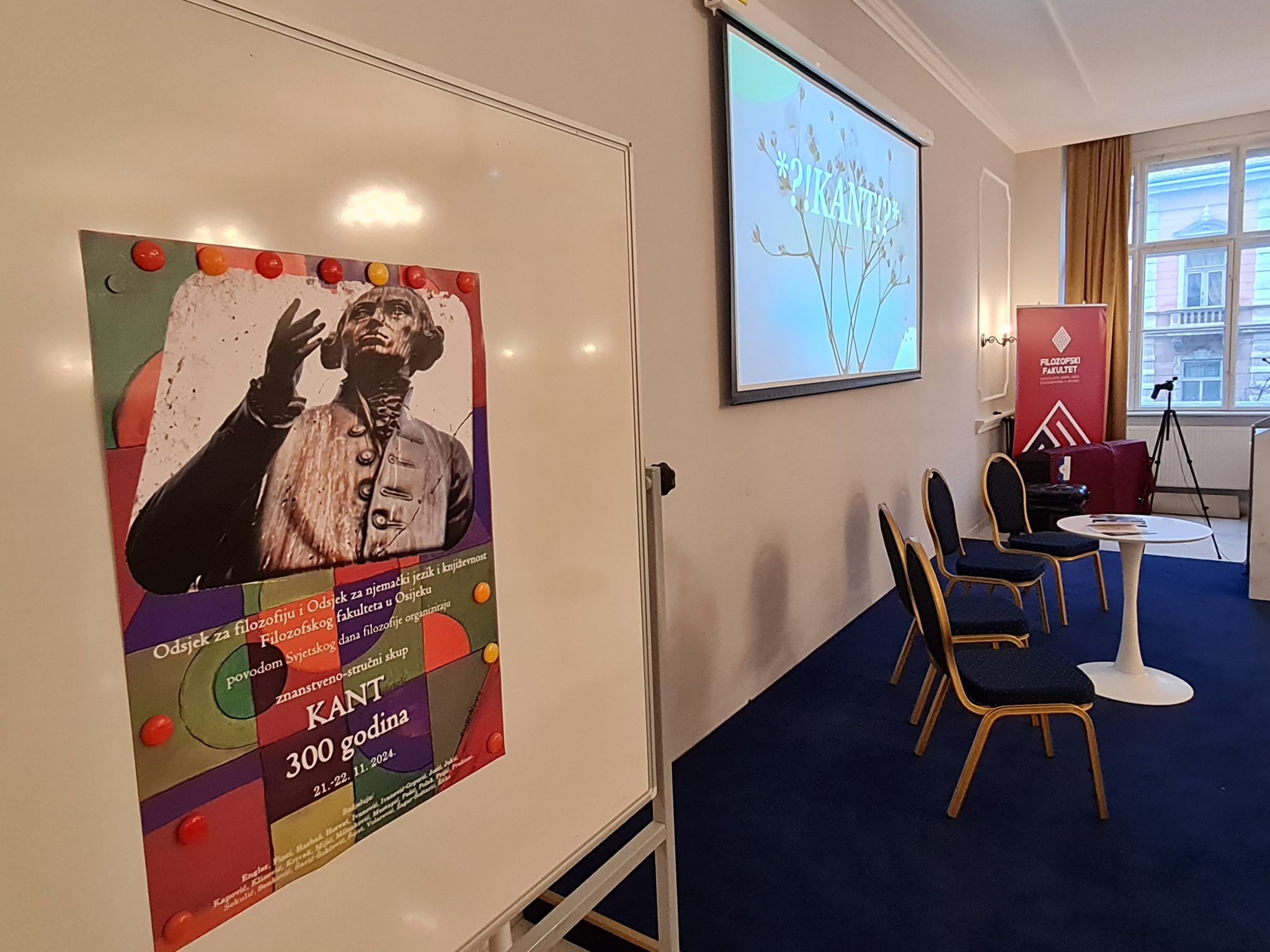
From 20 to 22 November 2024, the Faculty of Humanities and Social Sciences in Osijek successfully held Philosophy Week, organised by the Department of Philosophy and the Department of German Language and Literature on the occasion of World Philosophy Day. The Week was dedicated to the 300th anniversary of the birth and the 220th anniversary of the death of Immanuel Kant, unquestionably one of the few greatest philosophers of all time. The Week included the opening of the exhibition “Kant’s Legacy”, a presentation of Kant’s book On Pedagogy, the scientific and professional conference “Kant. 300 Years”, a student section on the topic “Kant and Education”, and a student workshop entitled “Kant as an Educator”.
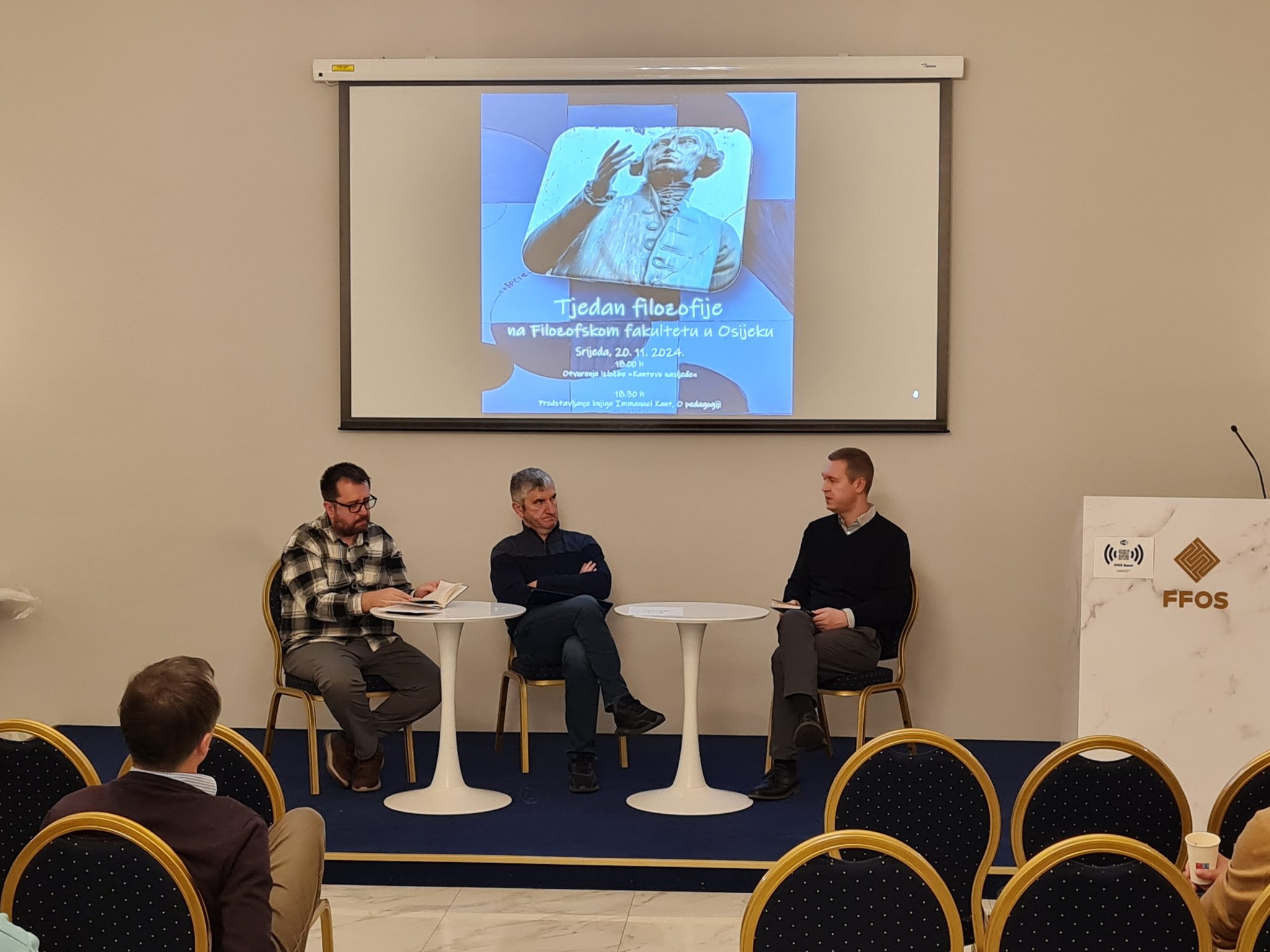
The Week began on Wednesday, 20 November, with an occasional presentation by Assoc. Prof. Tihomir Engler, PhD, from the Department of German Language and Literature, which also opened his exhibition entitled “Kant’s Legacy”. This was followed by the presentation of On Pedagogy, Kant’s newly translated book on the philosophy of education. The speakers were Prof. Goran Livazović, PhD, from the Department of Pedagogy, and Assoc. Prof. Boško Pešić, PhD, and Prof. Željko Senković, PhD, from the Department of Philosophy.
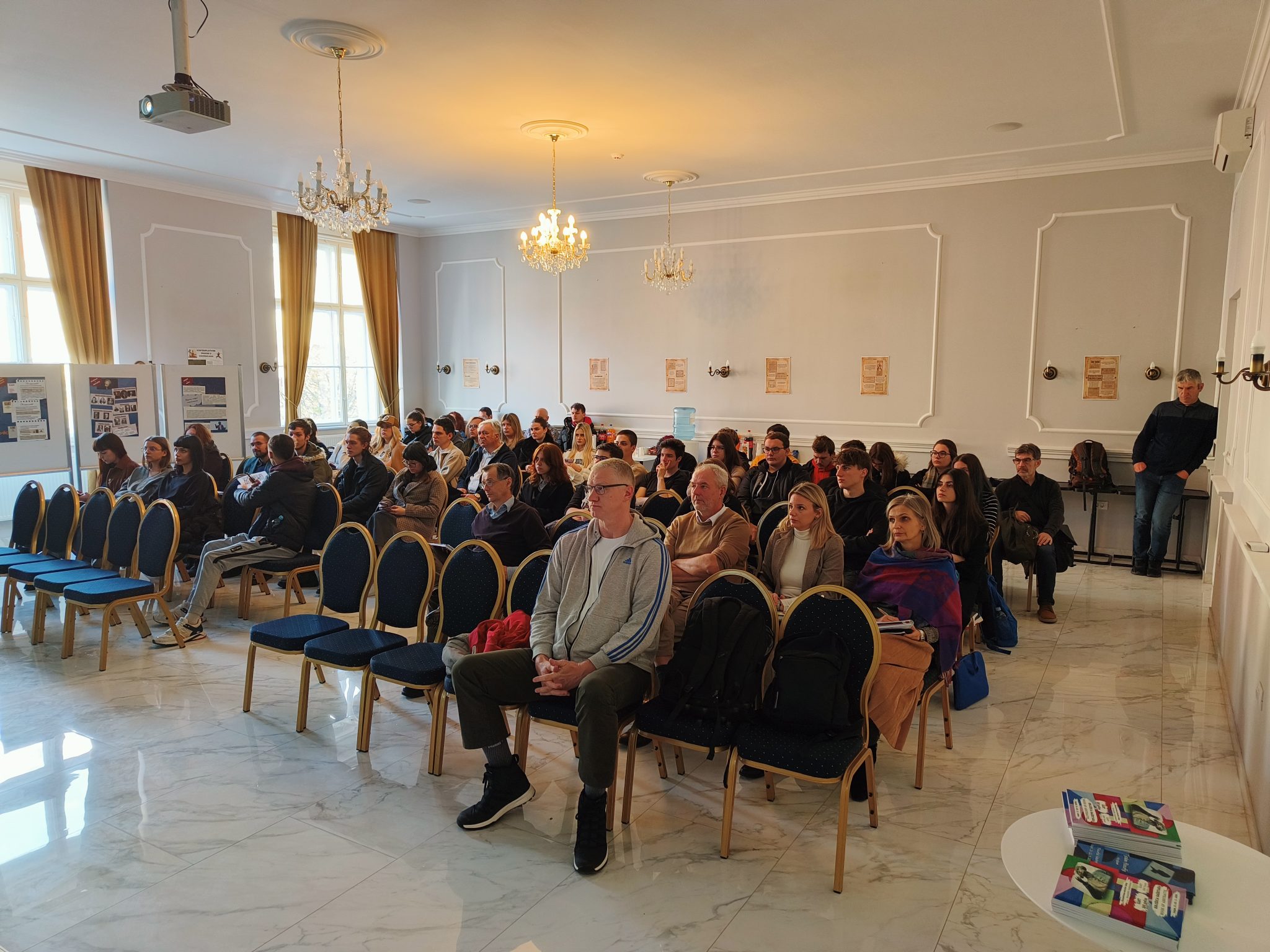
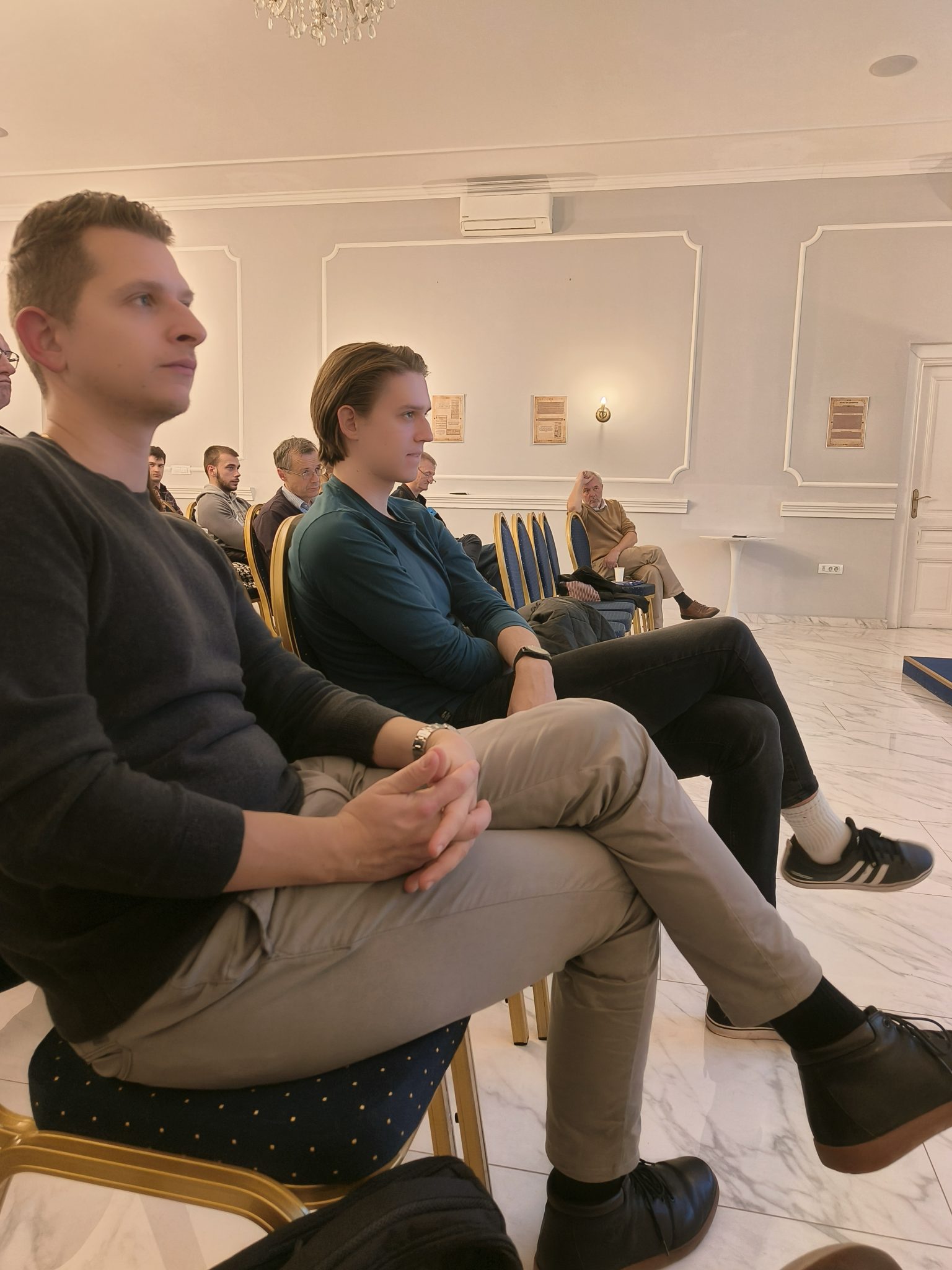
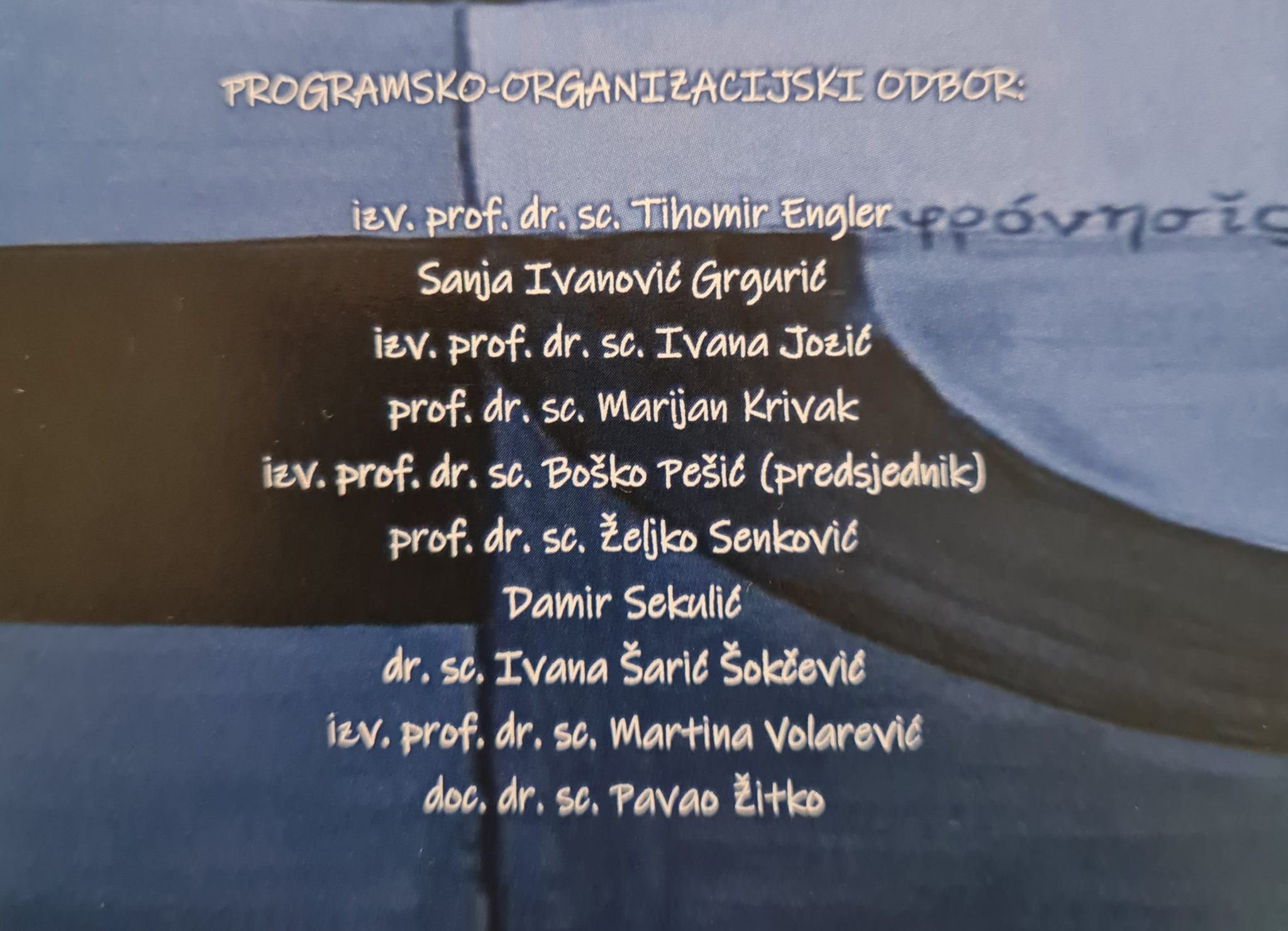
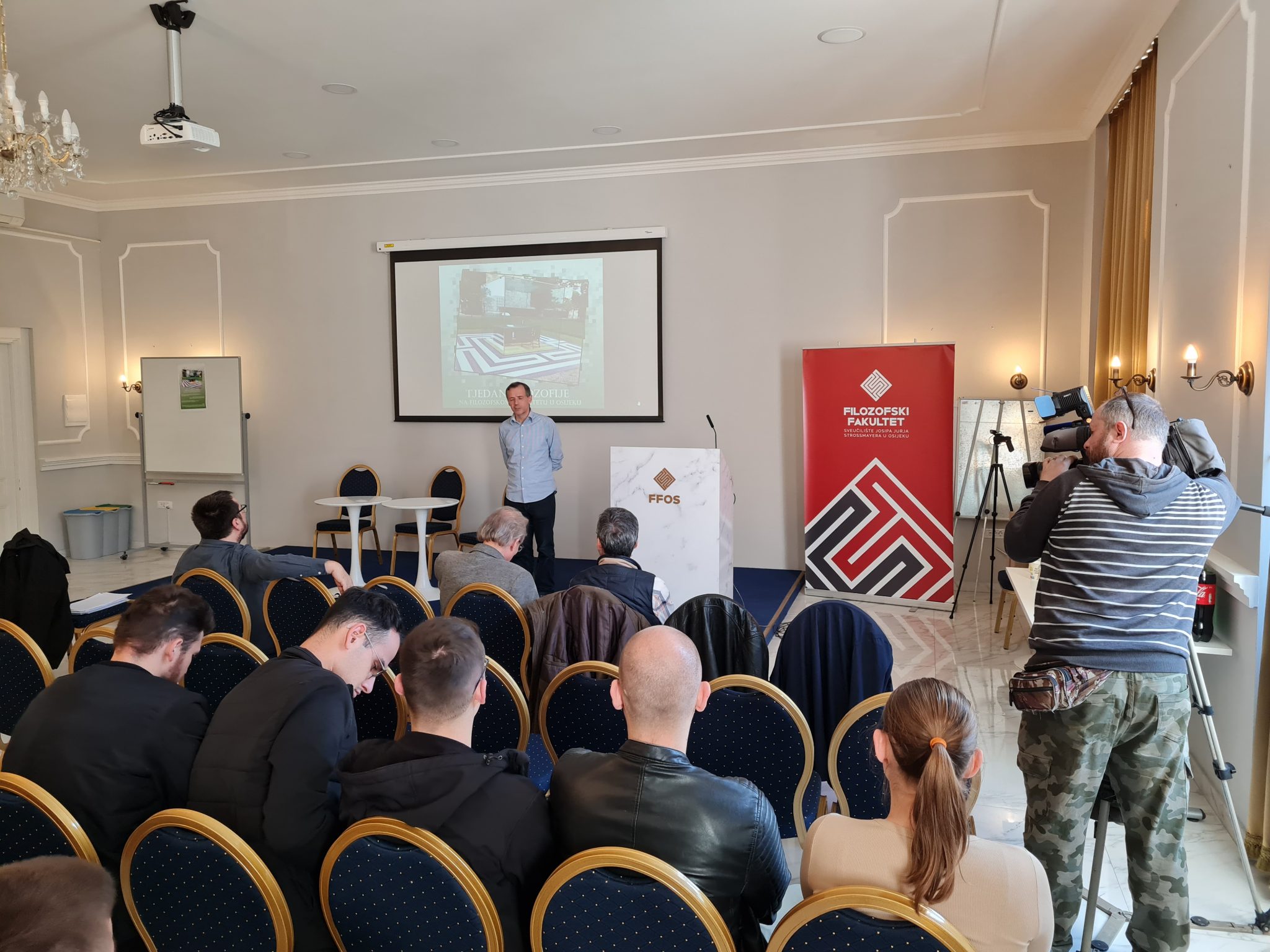
Thursday, 21 November, also the official World Philosophy Day that year, was dedicated to the scientific and professional conference with international participation entitled “Kant. 300 Years”, opened with warm words of welcome by Dean Prof. Ivan Trojan, PhD, and the Chair of the Programme and Organising Committee, Assoc. Prof. Pešić, PhD. Kant’s vast body of work was addressed from various perspectives, including his contribution to aesthetics, contemporary political philosophy and the understanding of idealism; the concepts of common sense, the sublime and the problem of reason; critical metaphysics and ontology; the imperative and the idea of radical evil and Lacan’s critique; as well as the relationship between dignity and freedom, the problem of resistance and the postulate of public law. Kant’s Enlightenment thought was also addressed in particular from linguistic and dramatic perspectives. Participants included Predrag Finci, Ivan Milenković, Bernard Harbaš, Marijan Krivak, Ivana Jozić and Ivana Šarić Šokčević, Sanja Ivanović Grgurić, Tihomir Engler and Petra Žagar Šoštarić, Boško Pešić, Pavao Žitko, Daniel Horvat, Željko Senković, Martina Volarević, Damir Sekulić and Katarina Jukić. The conference was well attended and filled with diverse and fruitful discussions, above all discussions actualised in good will – something Kant himself would certainly have particularly appreciated. World Philosophy Day in its Osijek edition was fittingly concluded in a friendly atmosphere with a shared evening feast.
On the final day of the Week, Friday, 22 November, a student section was held focusing on Kant in the context of education. The section was opened by the Vice-Dean for Teaching and Students, Assoc. Prof. Sanja Jukić, PhD, and Assoc. Prof. Pešić, PhD. Presentations and discussions then addressed the relationship of culture, ethics and freedom to education; the distinction between public and private reason; the understanding of physical education and the cultivation of children’s morality; Kant’s contribution to the concept of civic education and the consideration of contemporary challenges in education; and a comparison of his thematically relevant views with those of Karl Marx. Participants included Ivana Šojat, Marijana Mijić, Karla Pružinac, Luka Prijić, Ida Polak, Ante Klisović, Luka Mustapić, Irena Kapović and Martina Ivanović.
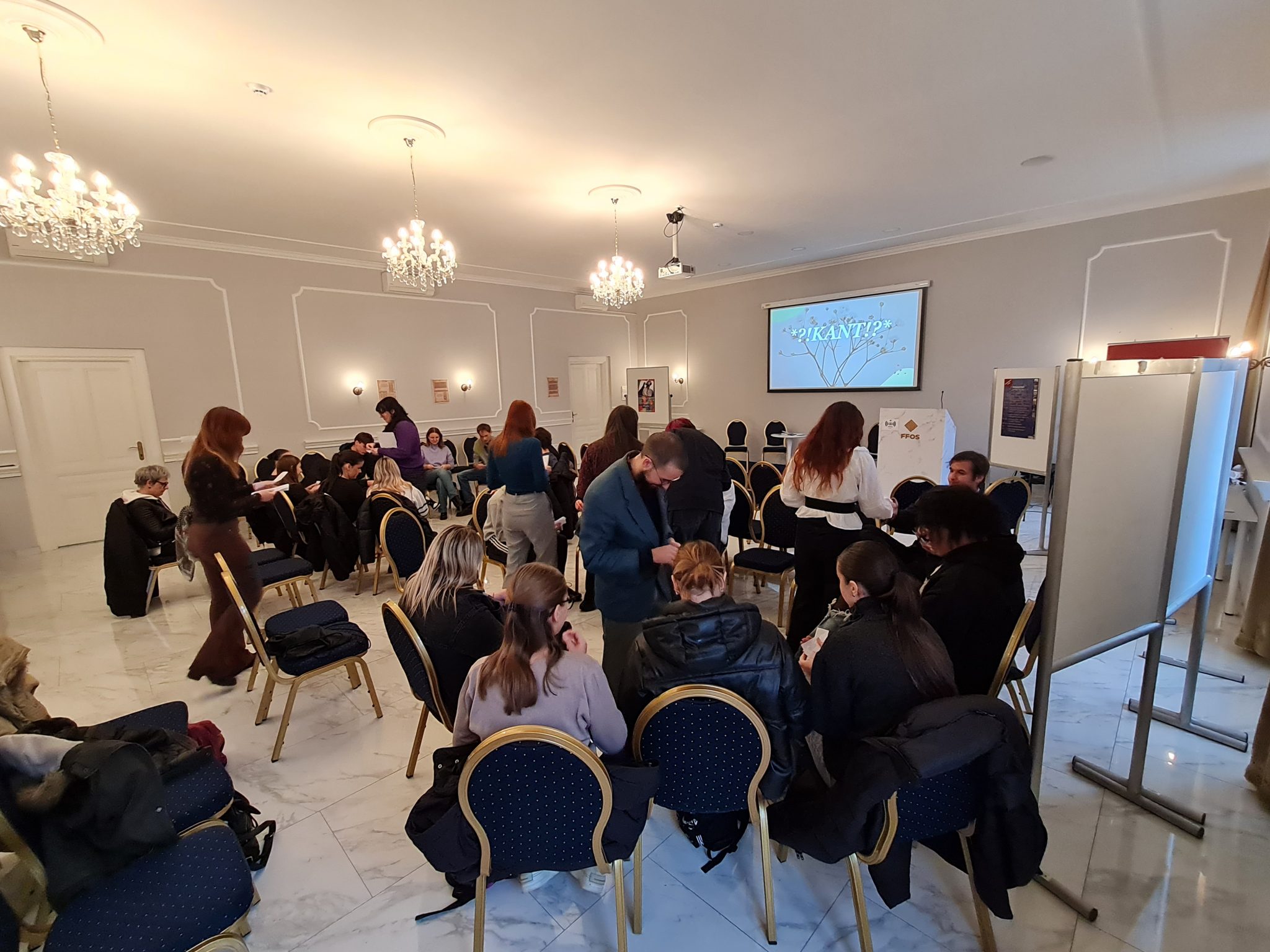
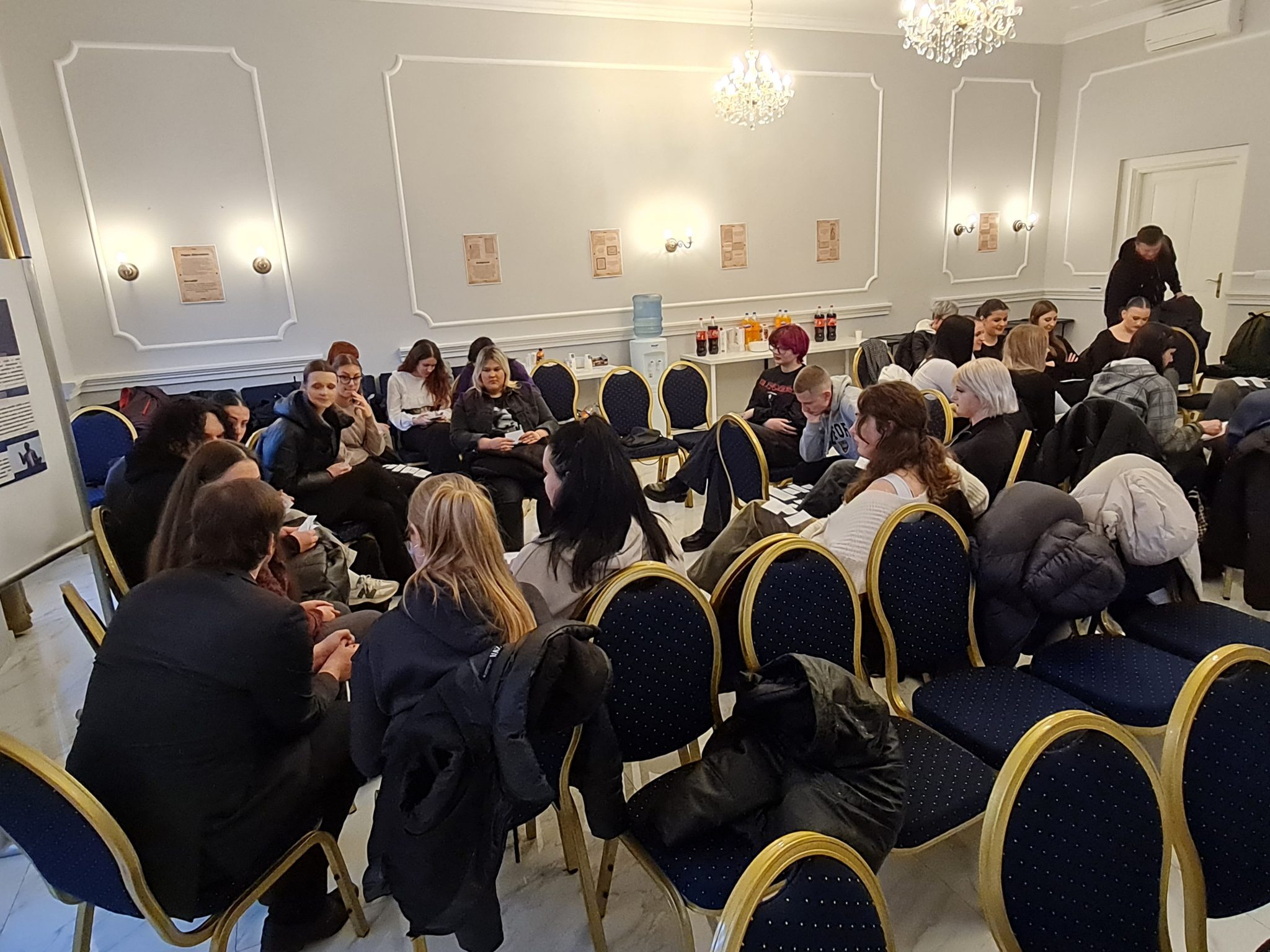
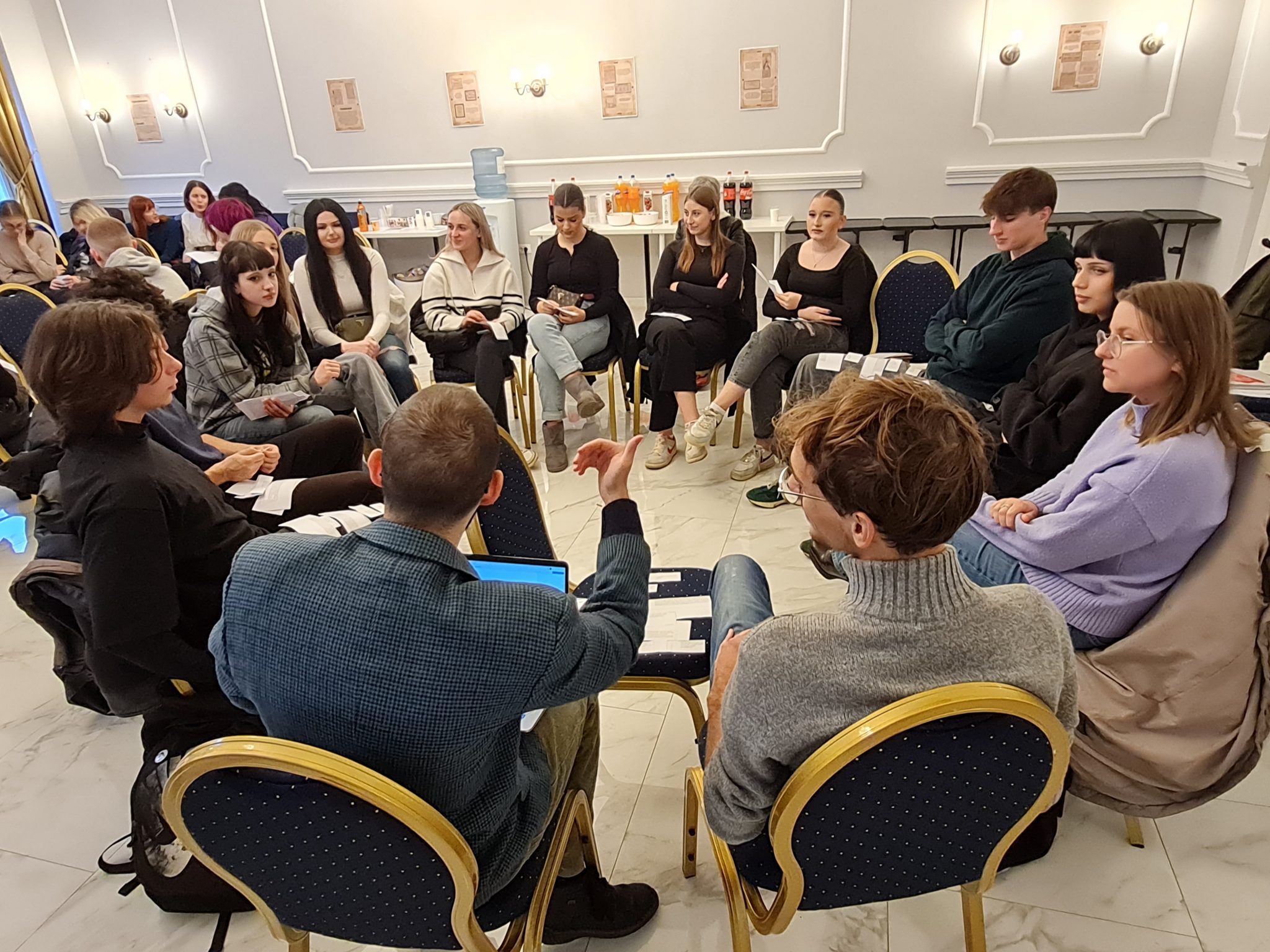
Finally, the Week was completed that same day with the workshop “Kant as an Educator”, moderated by students Karla Pružinac and David Mrđanov. On this occasion, students of the Department of Philosophy, together with secondary-school students from Osijek and Vukovar, reflected on Kant’s views regarding pedagogy and educational sciences in general. Within the thematic framework of Kant’s philosophy broadly and his pedagogical ideas in particular, practical activities, discussion, evaluation and reflection focused first on the concepts of autonomy, freedom, morality and moral laws, and critical thinking – all of which reveal the decisive educational role of the teacher.
Damir Sekulić


♦ 22–27 October 2024 ♦
Study Trip to Istanbul
↓↓
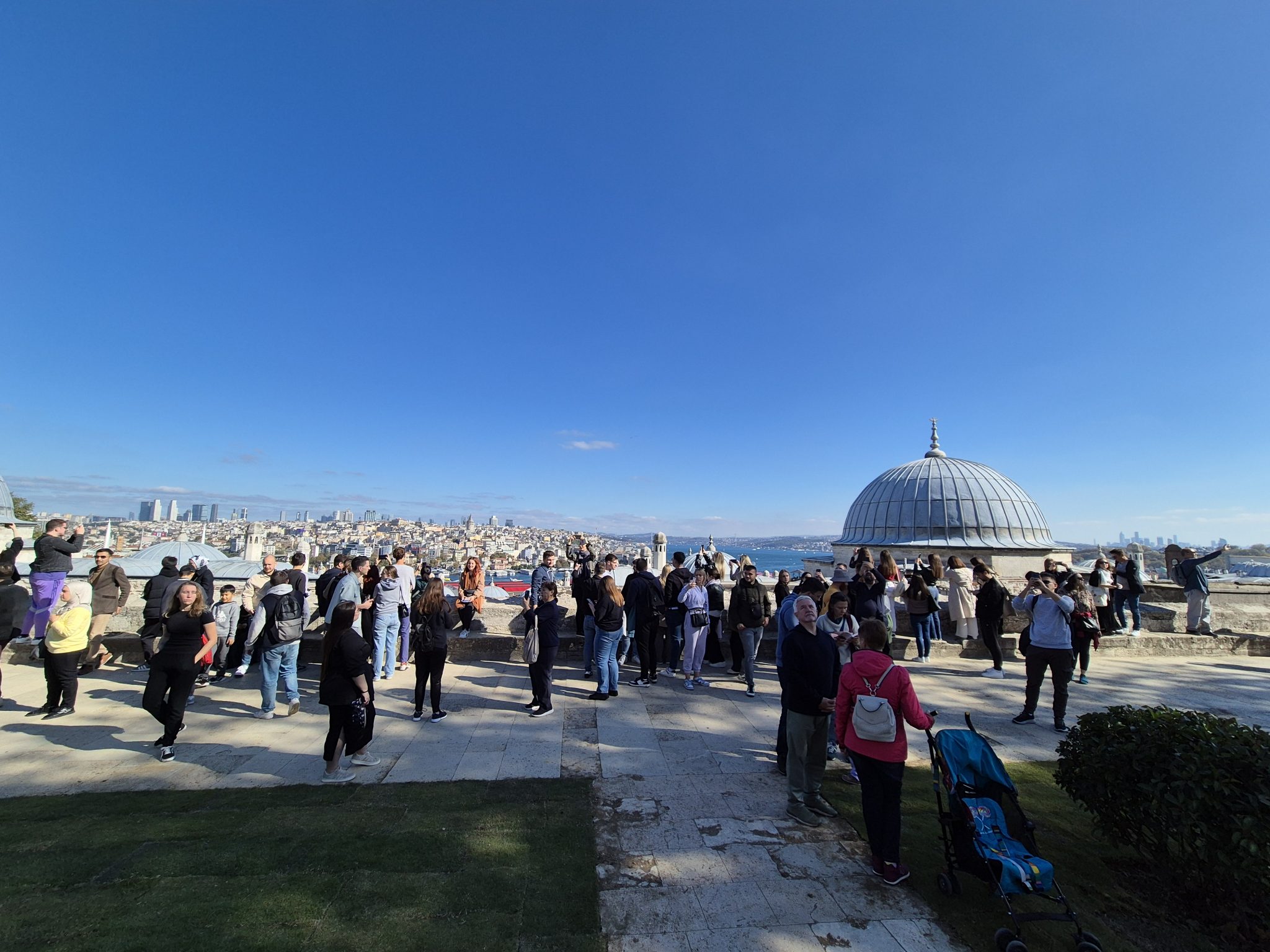
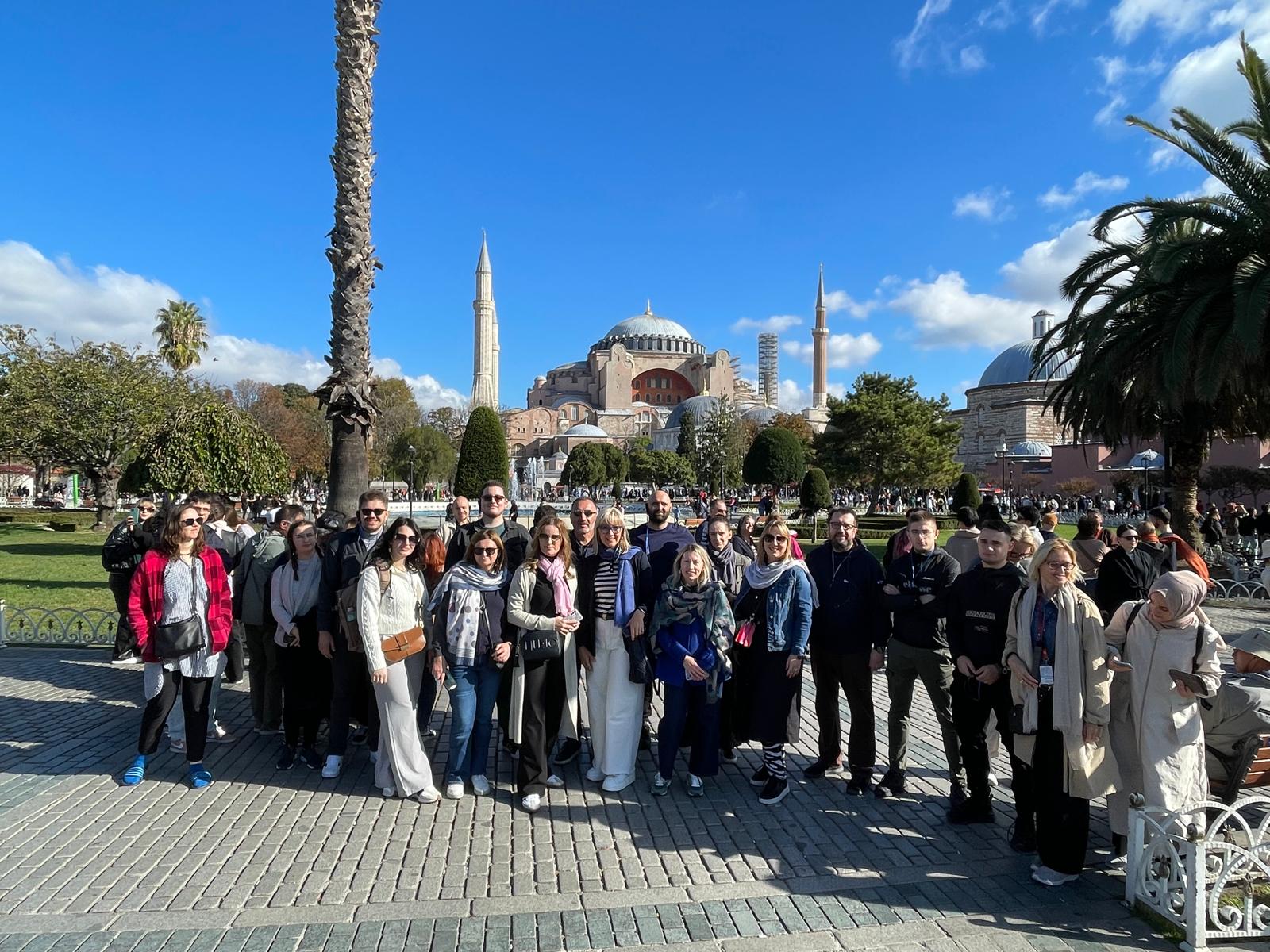
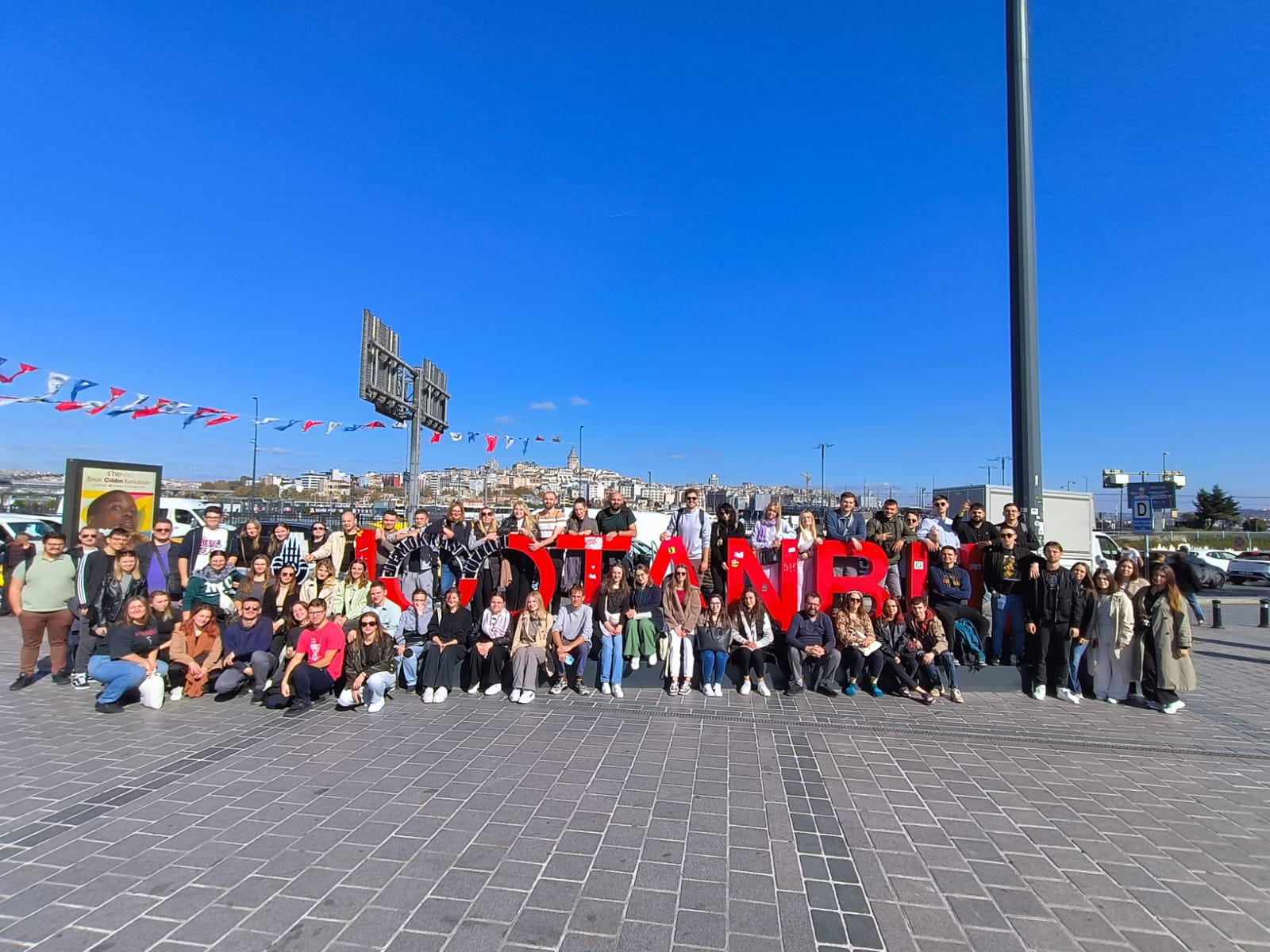
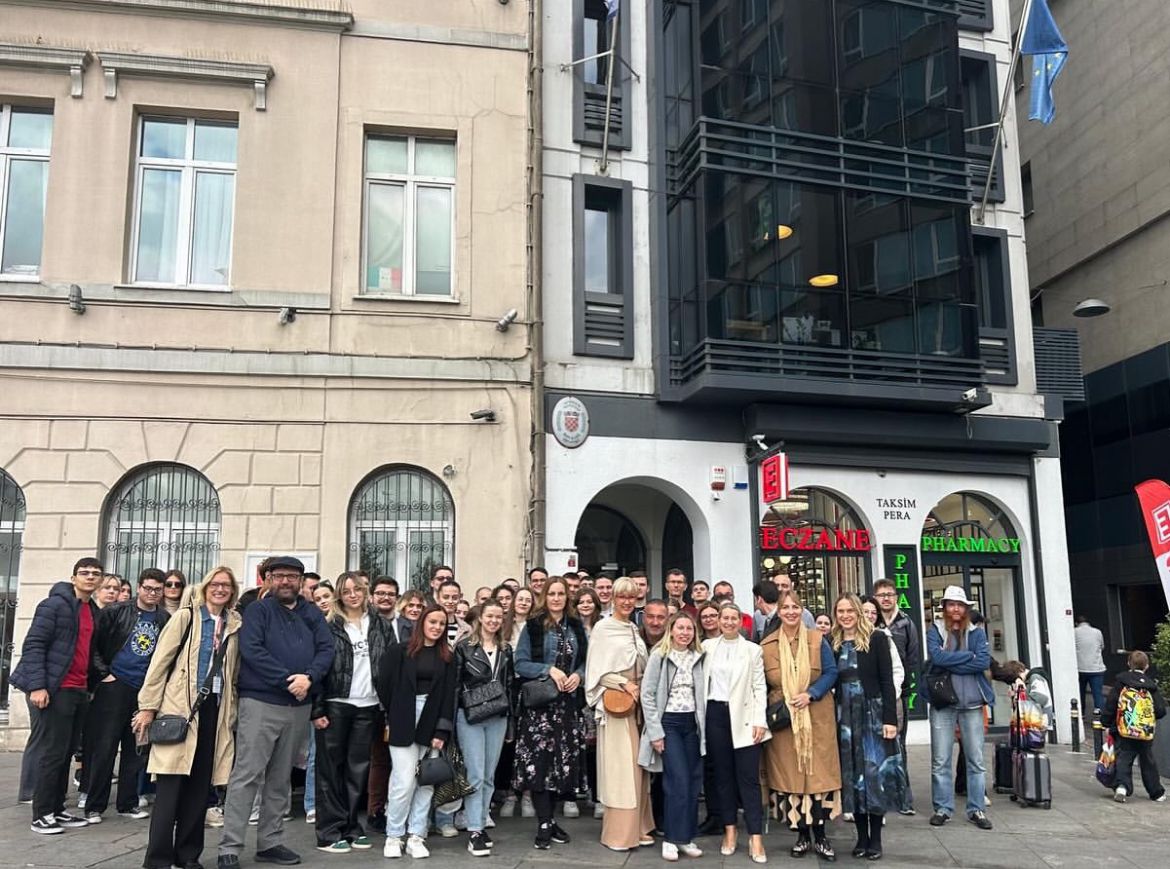
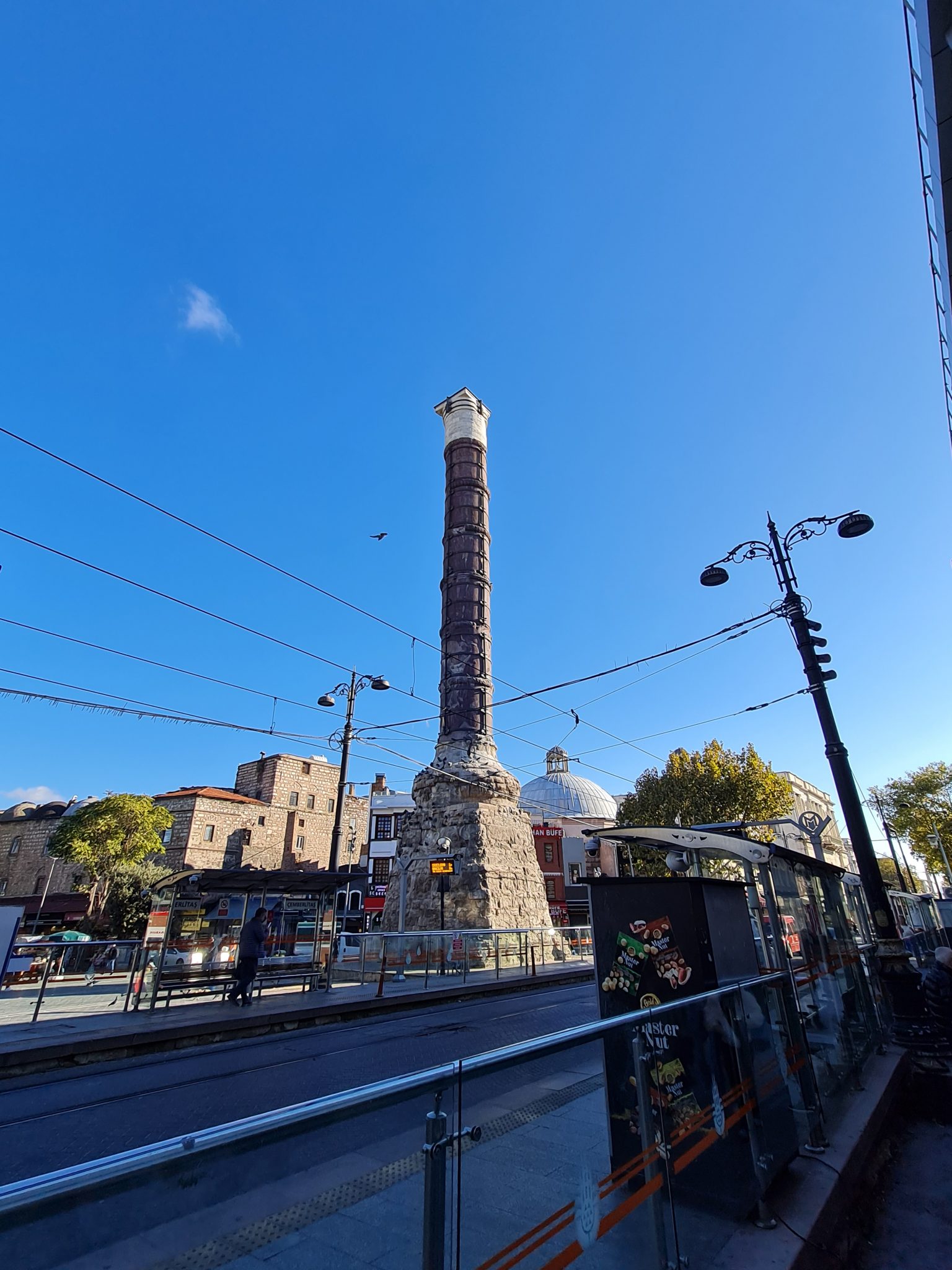
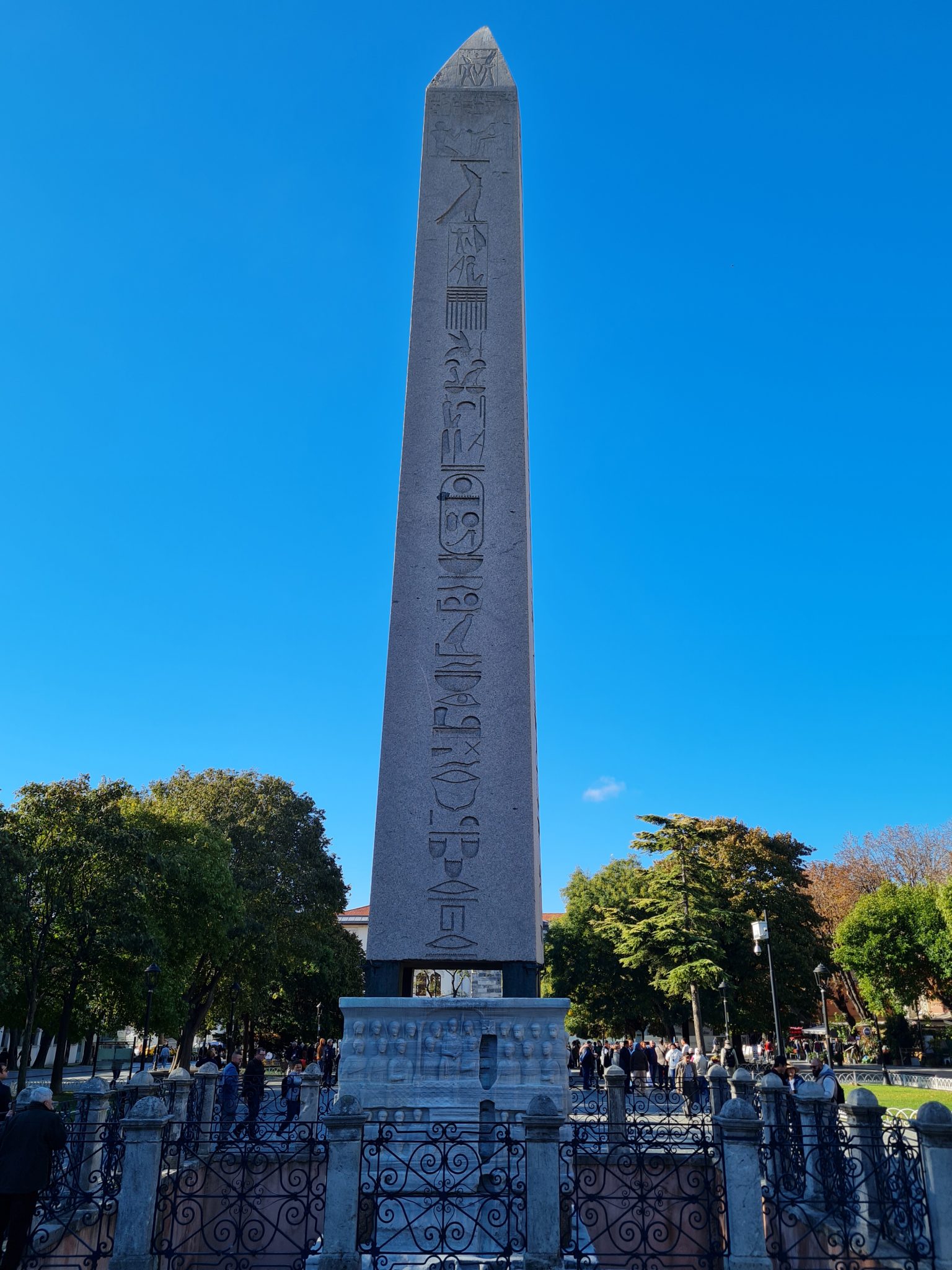
Following an agreement between the Department of History and the Department of Philosophy, a study trip to Istanbul was organised in order to raise students’ awareness of the rich history and culture of civilisations that undoubtedly influenced, to some extent, the shaping of today’s world. The trip began on 22 October, with participants gathering in front of Franjo Krežma Elementary School in the early morning hours.
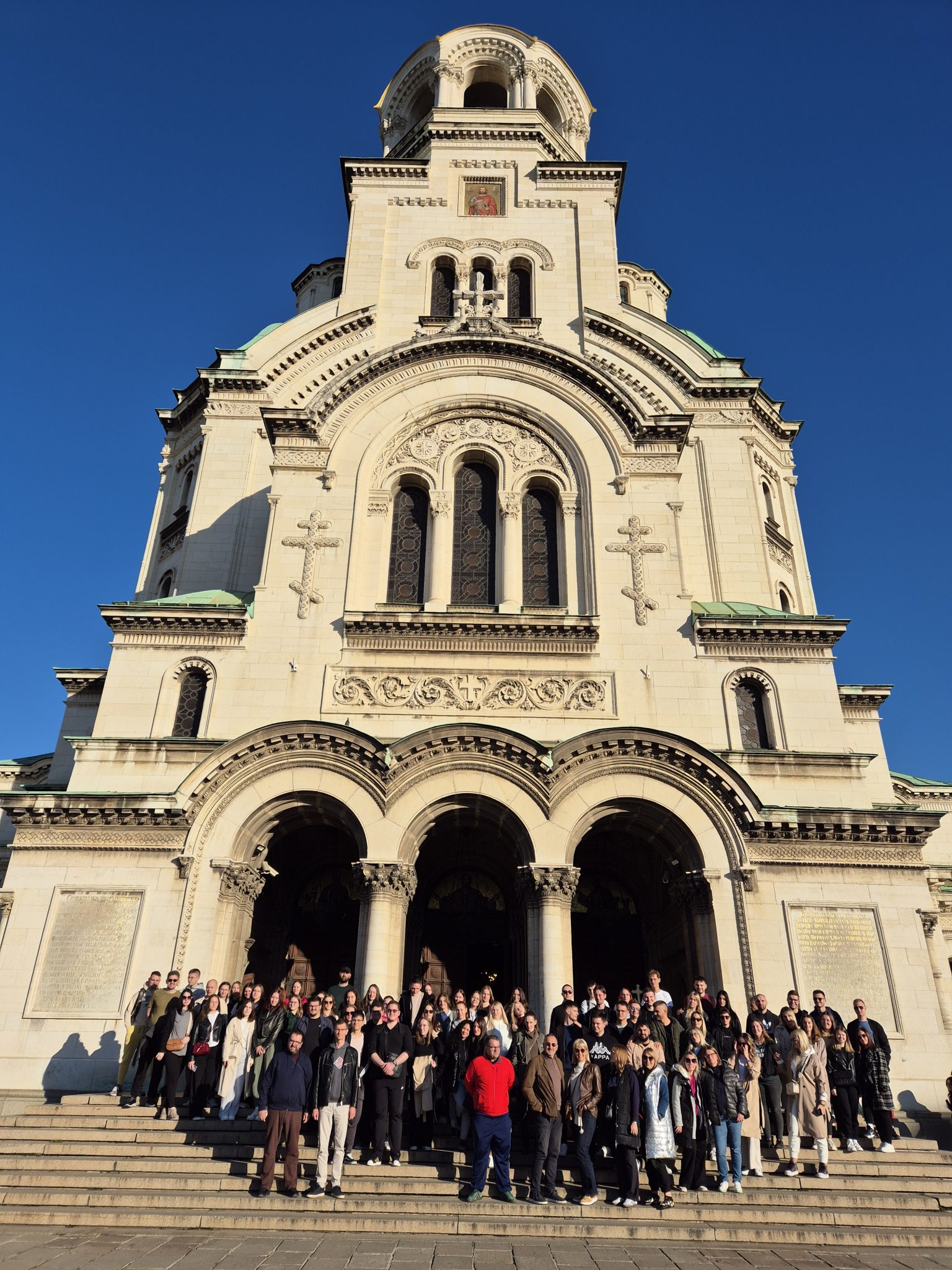
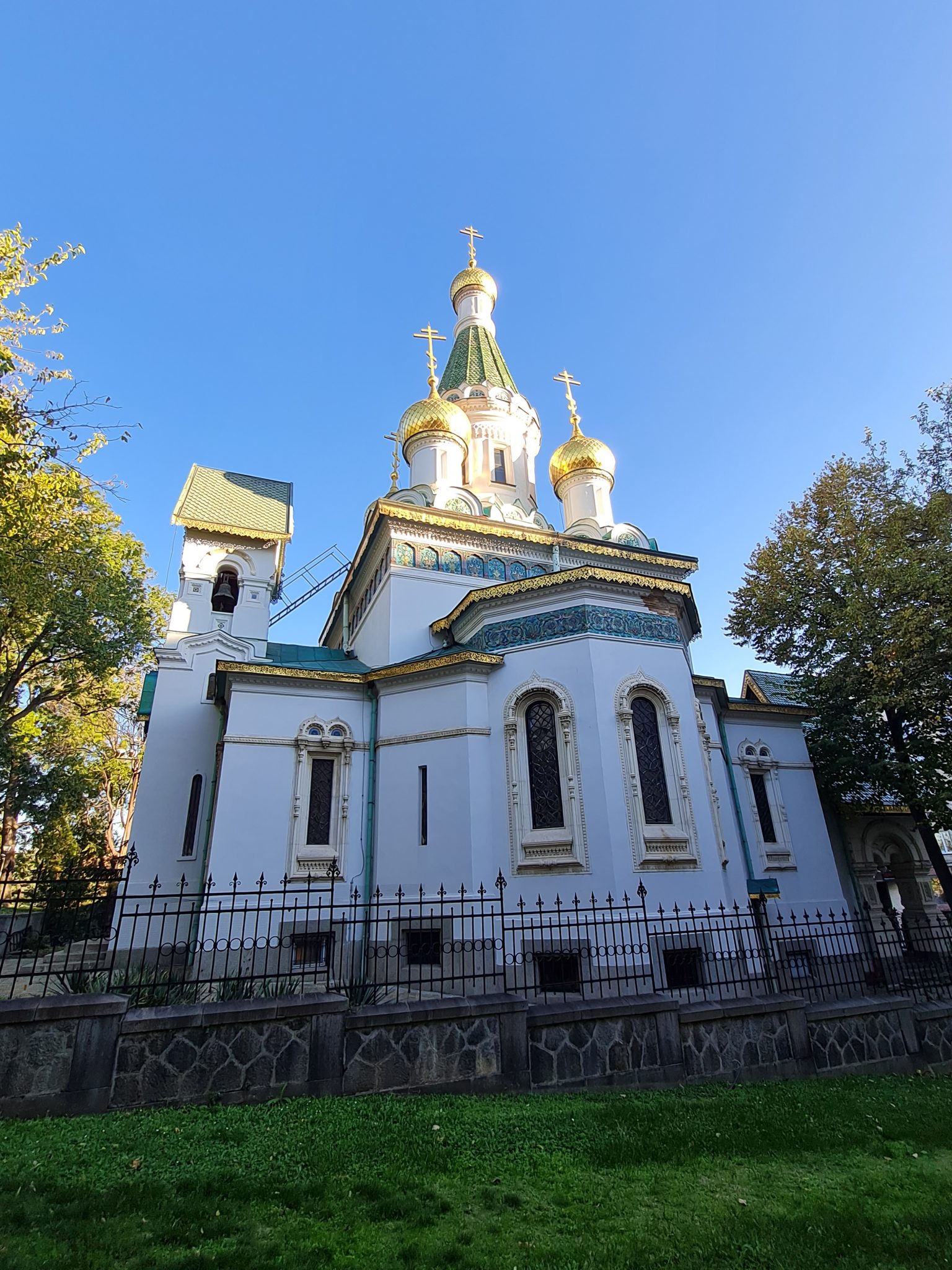
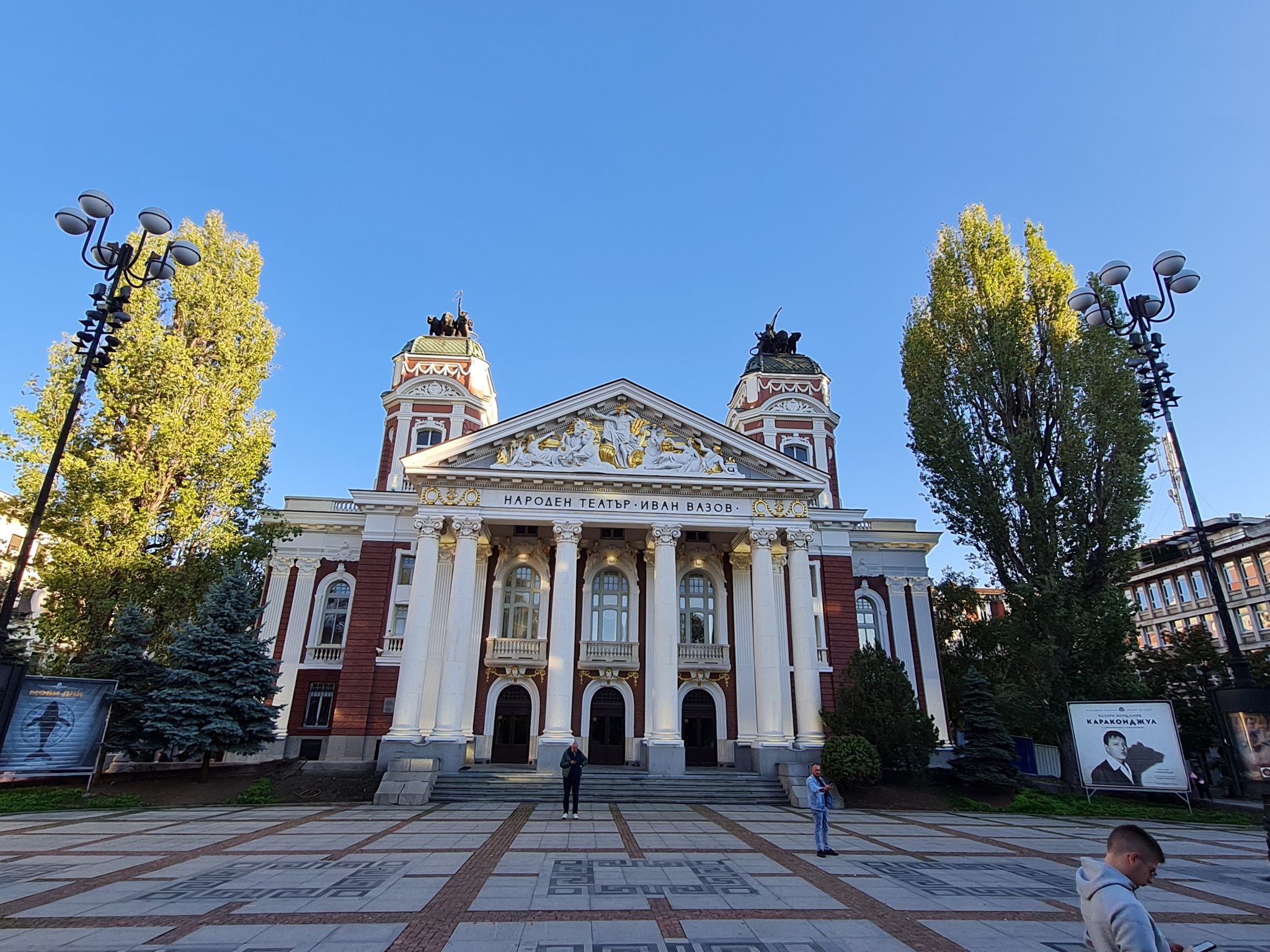
Travelling through Serbia, we reached Sofia in the afternoon and briefly visited some of the city’s main sights, such as Alexander Nevsky Cathedral, Alexander Battenberg Square, the Ivan Vazov National Theatre, the Rotunda of St George, the Church of St Nicholas and others. Alexander Nevsky Cathedral stands out in particular because of its golden dome and, as one of the largest Orthodox cathedrals in the world, is considered an unmissable landmark of Sofia. Alexander Battenberg Square, by contrast, is the city’s main square, where we also had the opportunity to see the Ivan Vazov National Theatre, built in the Neoclassical style. The sightseeing continued with the Rotunda of St George, the oldest building in Sofia, dating from the 4th century BC. Finally, the Russian Orthodox Church of St Nicholas is decorated on the outside with ceramic ornaments and is best known for its frescoes from 1259. After a short sightseeing tour, we headed to the hotel.
The following day, 23 October, an early breakfast and hotel check-out were planned so that we could continue our journey towards Istanbul. On the way, our guide told us many interesting facts from the city’s history. According to Greek mythology, Istanbul was founded by the Megarian leader Byzas. During his lifetime, Greece was struck by a food shortage that brought people to the brink of poverty. Prompted by the crisis, Byzas went to the Temple of Apollo at Delphi – the most famous oracle of ancient Greece. There, the prophets advised him to found a new land overlooking the land of the blind. Byzas followed their advice, which proved significant around 600 BC, when he called the Phrygians of Chalcedon blind because they had failed to see the beauty on the other side of present-day Istanbul – the beauty of the area that Byzas settled with his people. Many have tried to conquer Istanbul throughout history. With the arrival of Emperor Constantine, the city was renamed Constantinople in 340 and was also declared the capital. During his reign, he commissioned many magnificent buildings. At that time, among other things, the city was surrounded by 6.5-kilometre-long walls in the area known as Sultanahmet, and behind those walls stood Hagia Sophia, Topkapı Palace and the main city square, all of which we had the opportunity to visit on this trip. During the Byzantine Empire, much of the city’s economic activity centred on the Hippodrome and its surroundings, while Hagia Sophia was its principal religious centre. In addition to many interesting facts about Istanbul, our guide also spoke about Türkiye as a country with a rich history and culture. This Eurasian country lies in the south-western part of Asia, known as Asia Minor, and is a republic. Its European and Asian parts are separated by the Sea of Marmara together with two straits: the Bosporus and the Dardanelles. Approximately 82 million people live across an area of 815,000 km2. As regards its political system, the republic was founded by Mustafa Kemal in October 1923. He also introduced a series of reforms, including the abolition of the sultanate and caliphate, the introduction of monogamy, access to education for both men and women, and the replacement of the Arabic script with the Latin alphabet. The Ottoman Empire, which represents one of the most important periods of Turkish history, was named after Osman I and expanded its borders as far as Byzantium. With a history spanning more than 600 years and shaped by both Eastern and Western cultures, the Ottoman Empire reached the height of its power in the 17th century and was regarded as the most powerful political force of its time. Its power declined significantly after the Treaty of Karlowitz in 1699. The second day of our trip came to an end with our arrival in Istanbul late in the evening and check-in at the hotel.
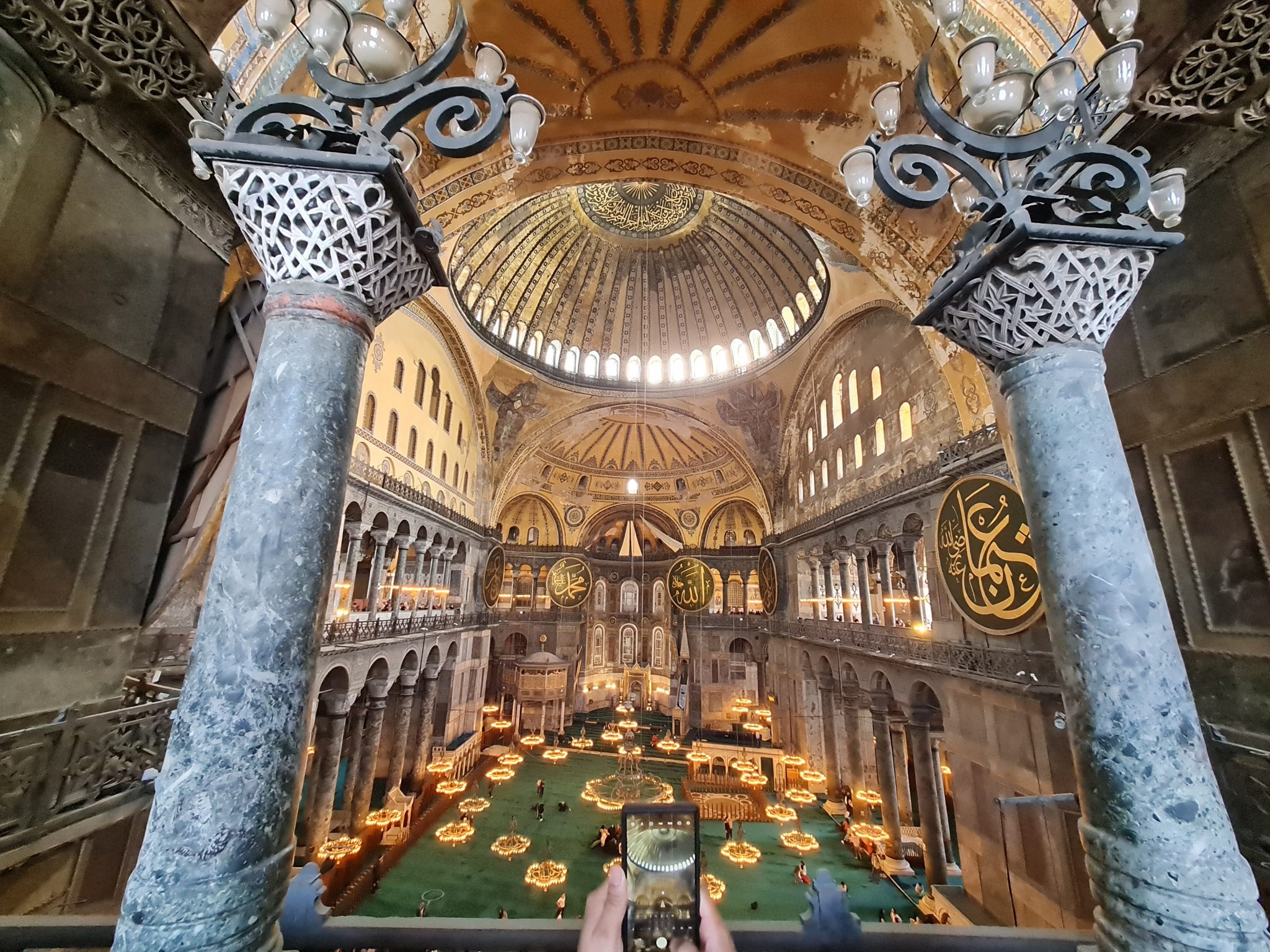
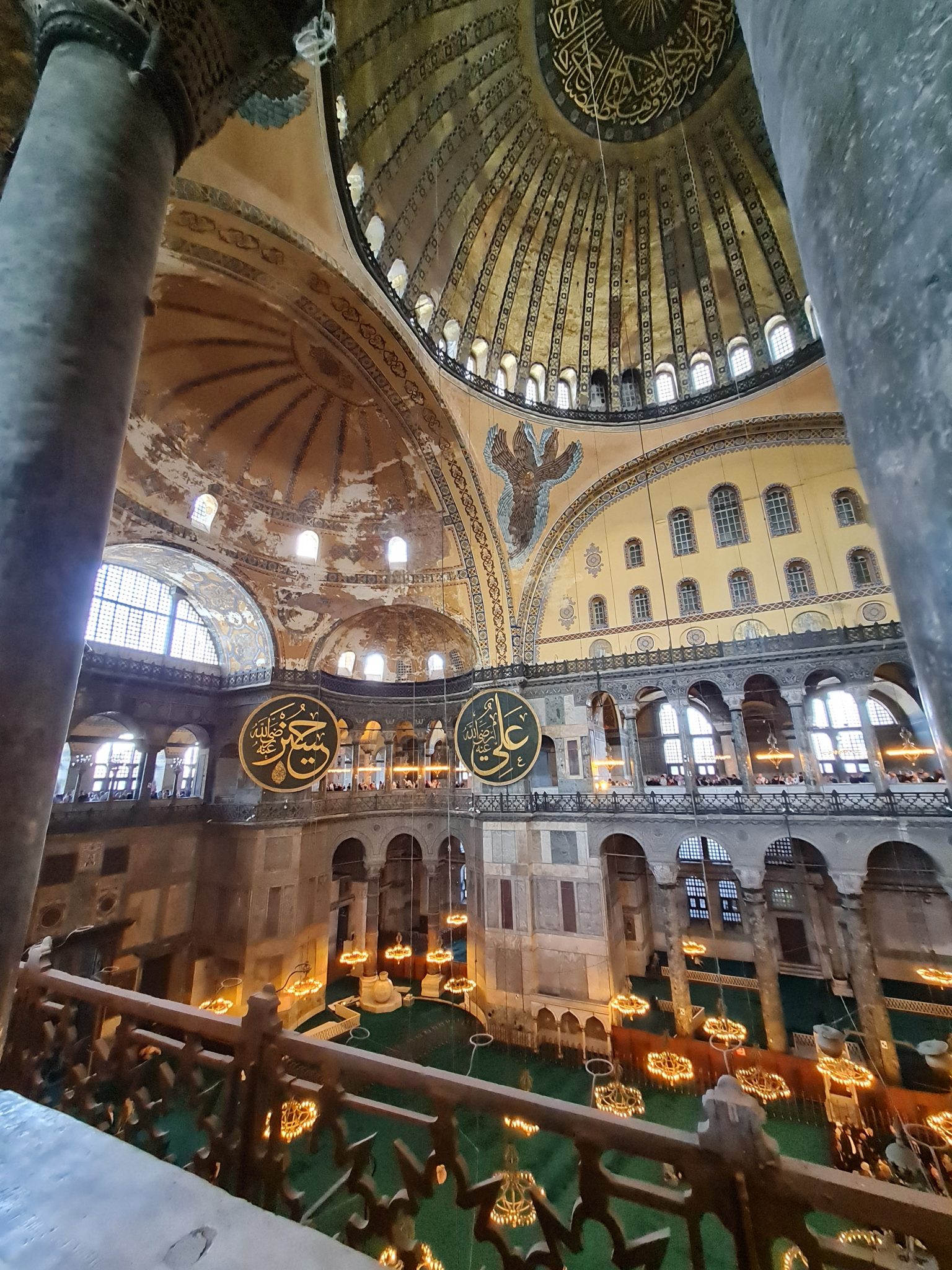
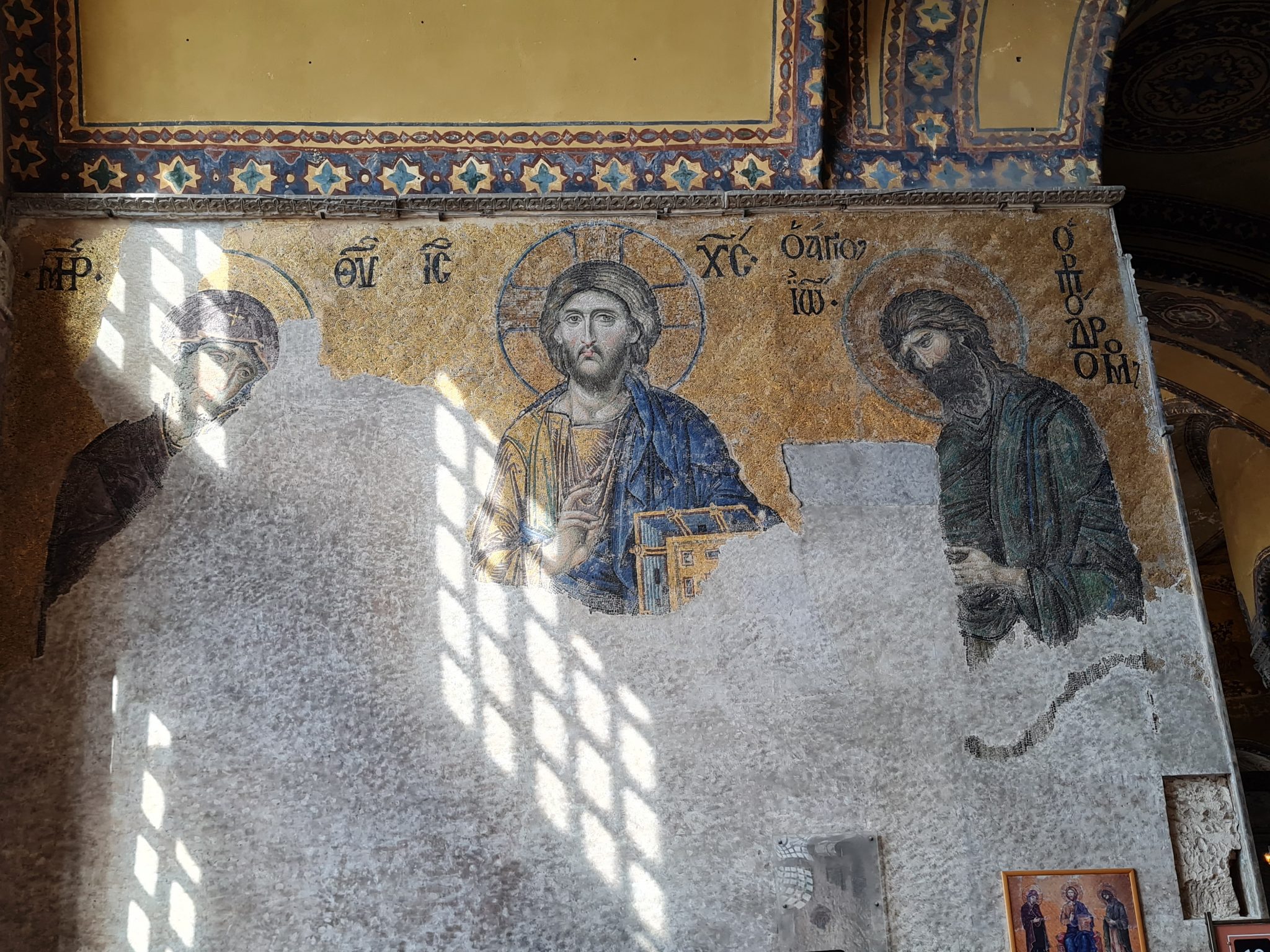
Our first full day in Istanbul was devoted to discovering the many historical landmarks of the old city of Sultanahmet, the heart of former Constantinople and the most important part of the historic centre of this truly astonishing city. Spanning historical periods from Byzantium to the Ottoman Empire, this essential destination gave us an insight into Istanbul’s architectural heritage. Under the expert guidance of local guides, we set out for our first destination, also the main attraction of which Sultanahmet – and indeed all of Istanbul – is proud: the well-known Hagia Sophia. When entering a mosque, including Hagia Sophia, which now functions as one, a dress code must be observed. The female students and professors therefore covered their heads with scarves as a sign of respect for the Islamic religion, which gave us an opportunity to understand it more deeply. One of the most impressive buildings in the history of world architecture, Hagia Sophia was commissioned by Emperor Justinian I in 537, originally as an Orthodox cathedral distinguished by its unique monumental dome, reaching a height of up to 55 metres and making the interior appear to float. As the largest church in the Christian world at the time, it symbolised the power of the Byzantine Empire. Traces of Christianity were visible to us in the mosaic decorations depicting Christ, the Virgin Mary and the saints. After the conquest of Constantinople in 1453, Sultan Mehmed II converted Hagia Sophia into a mosque and added four tall minarets. Climbing to the upper floor, which offers a view over the entire interior, we enjoyed the beauty of this building whose long and rich history makes it a fusion of Christian and Islamic art.
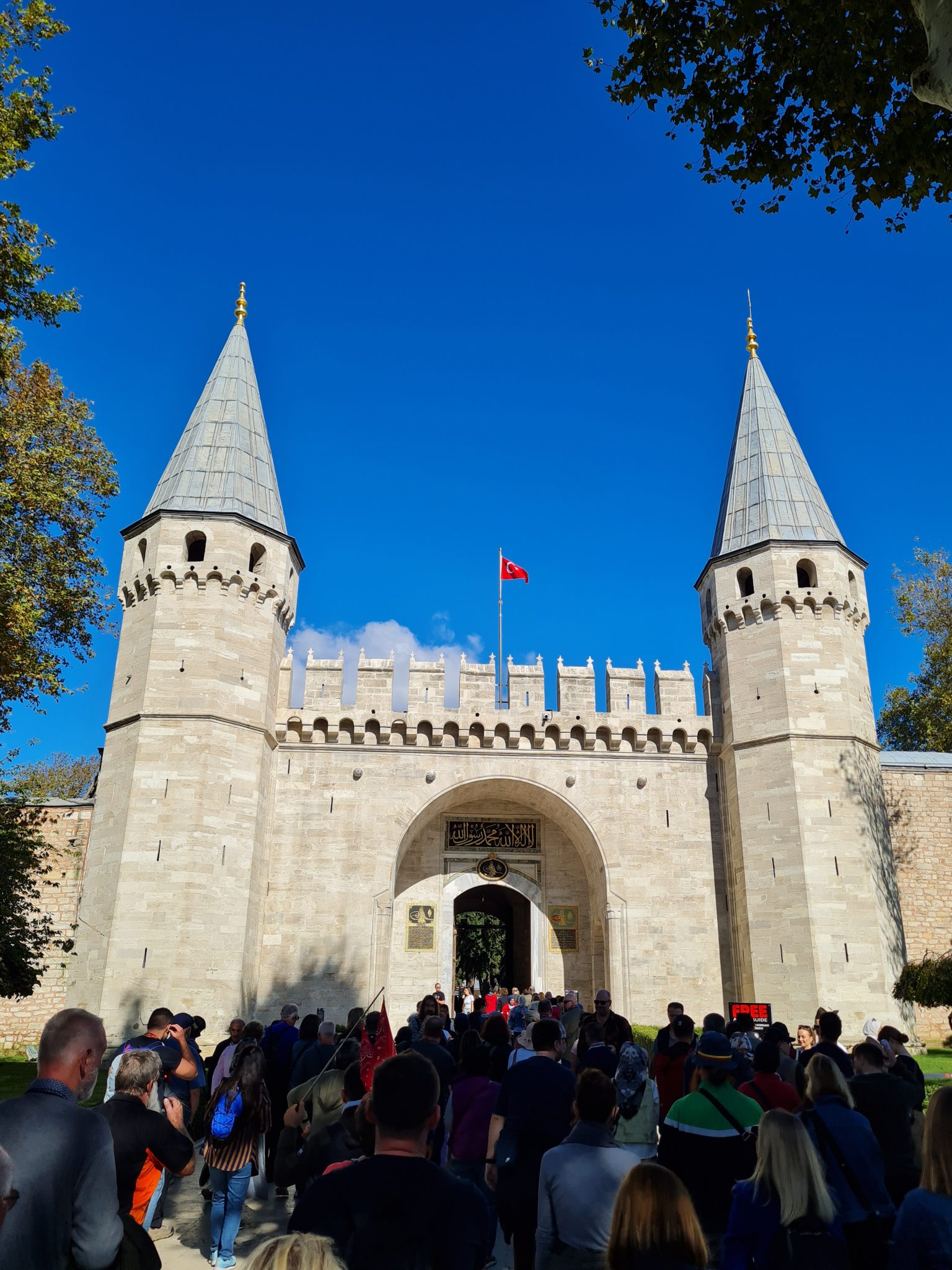
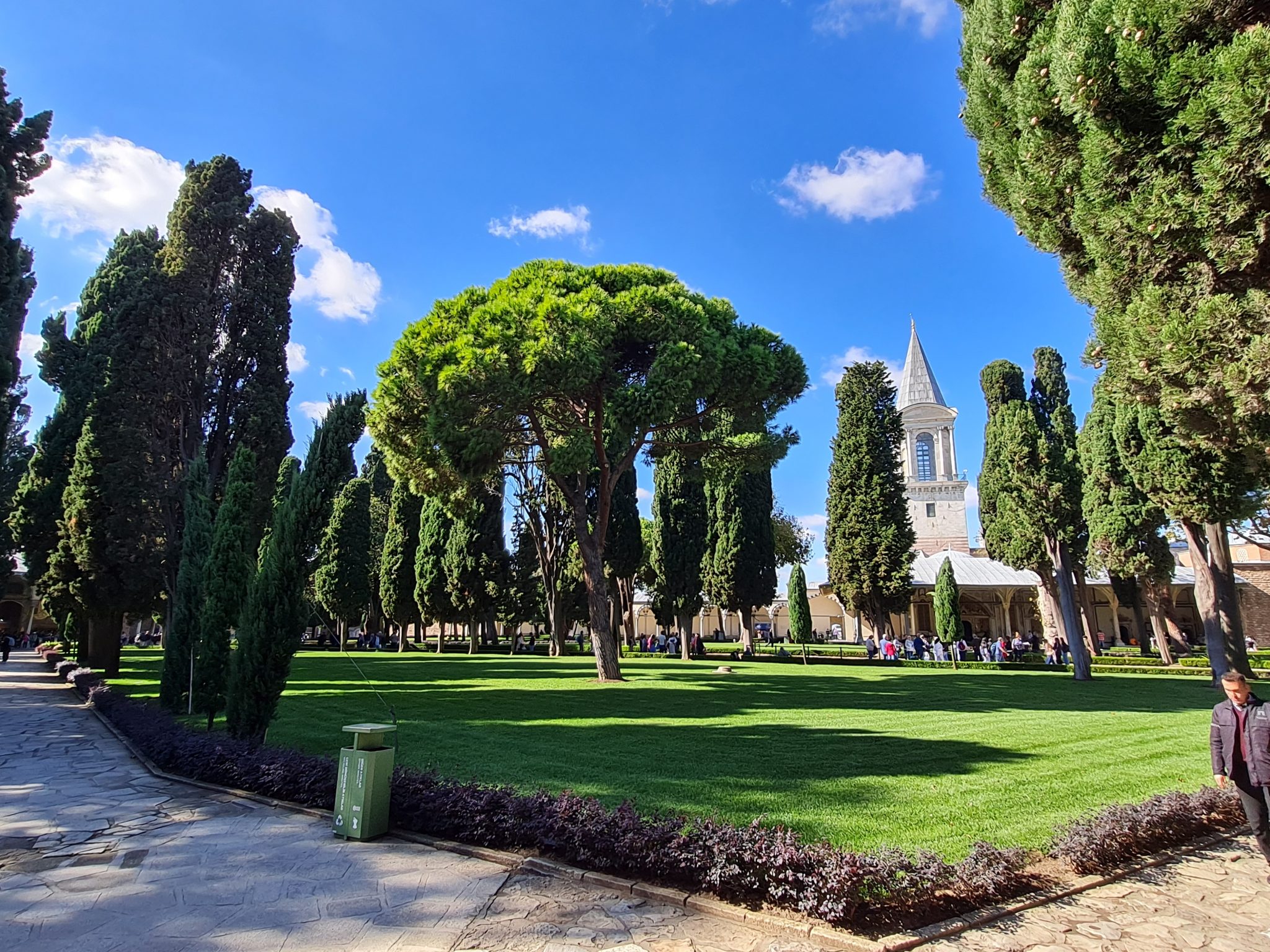
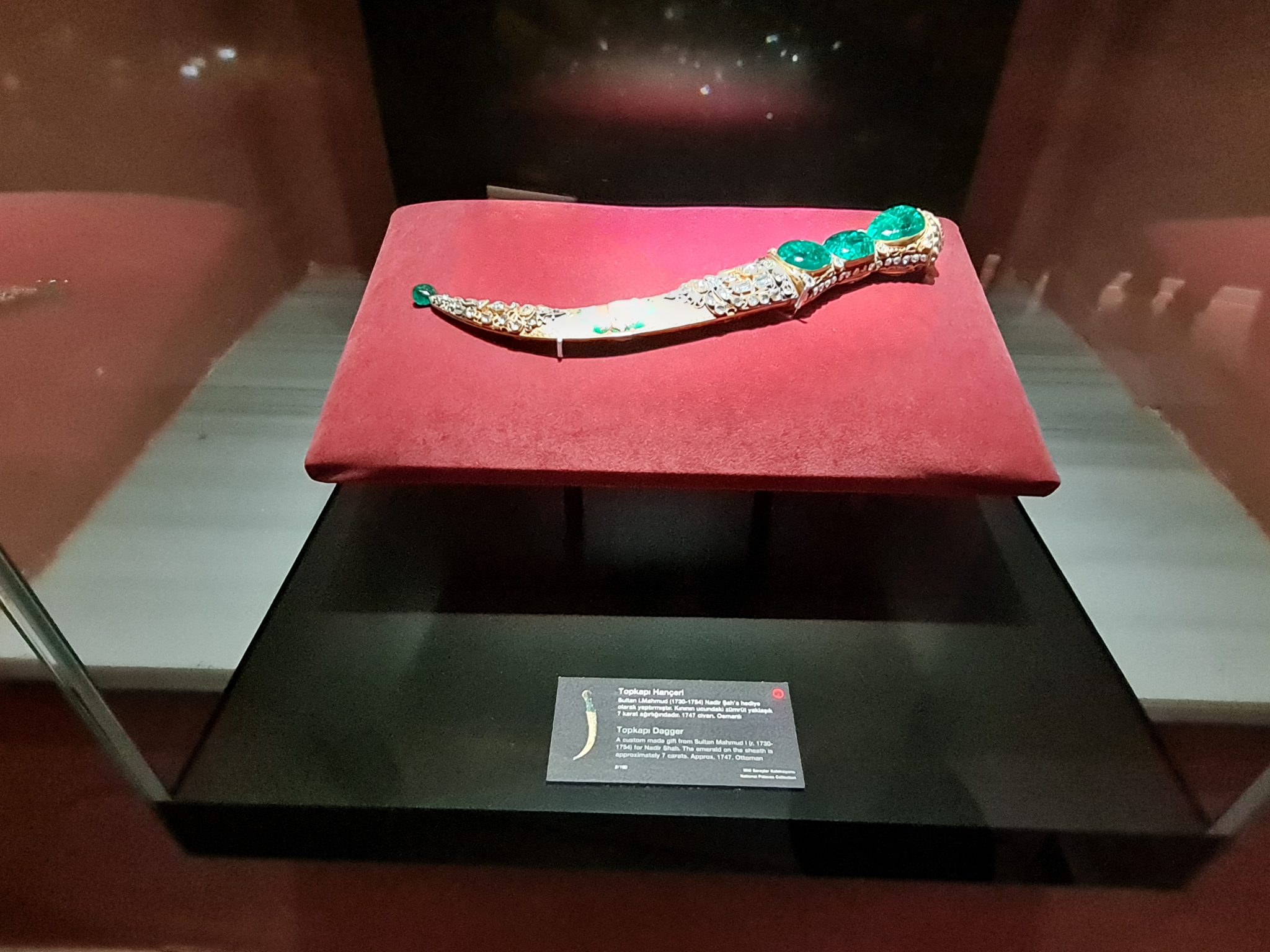
Our next destination was Topkapı Palace, once the seat of the Ottoman sultans and the centre of imperial life for almost 400 years, and today a museum housing a valuable collection of works of art and monuments. The palace extends across a large complex with numerous courtyards, rooms and gardens, so we spent a considerable amount of time there, appreciating the distinctiveness of each space we visited and absorbing the many historical facts and curiosities shared by our guides. Every step through the palace has its own story, but some of the parts that impressed the students most included the treasury, where jewels such as the famous “Topkapı Diamond” are displayed, and the rooms of the harem, such as the Imperial Hall with its throne, which tell stories of court intrigue, power and luxury. The palace is also home to various relics, such as the mantle of the Prophet Muhammad, making it an important Islamic shrine. After touring the palace, we had free time for a meal, a drink and some rest.
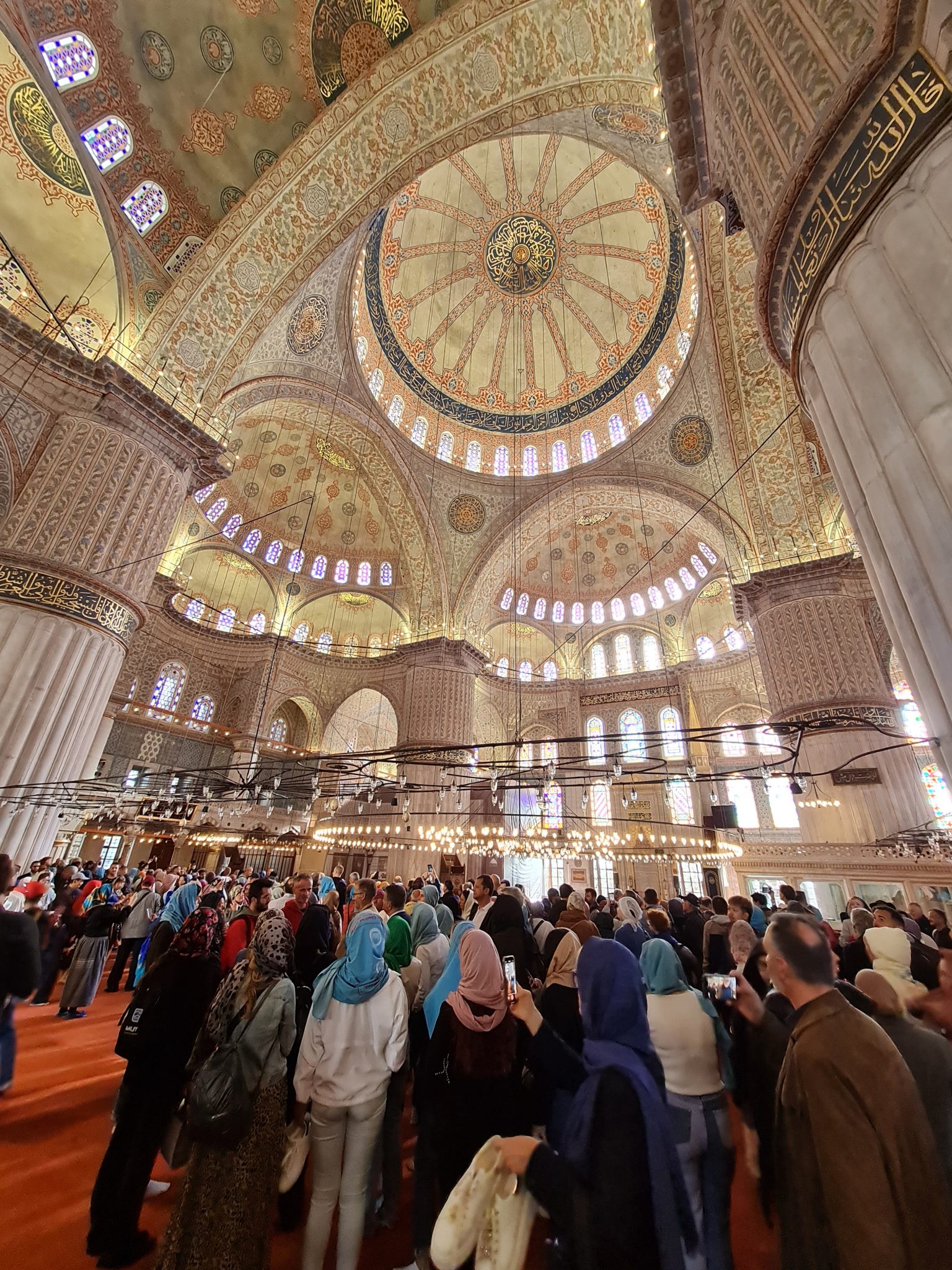
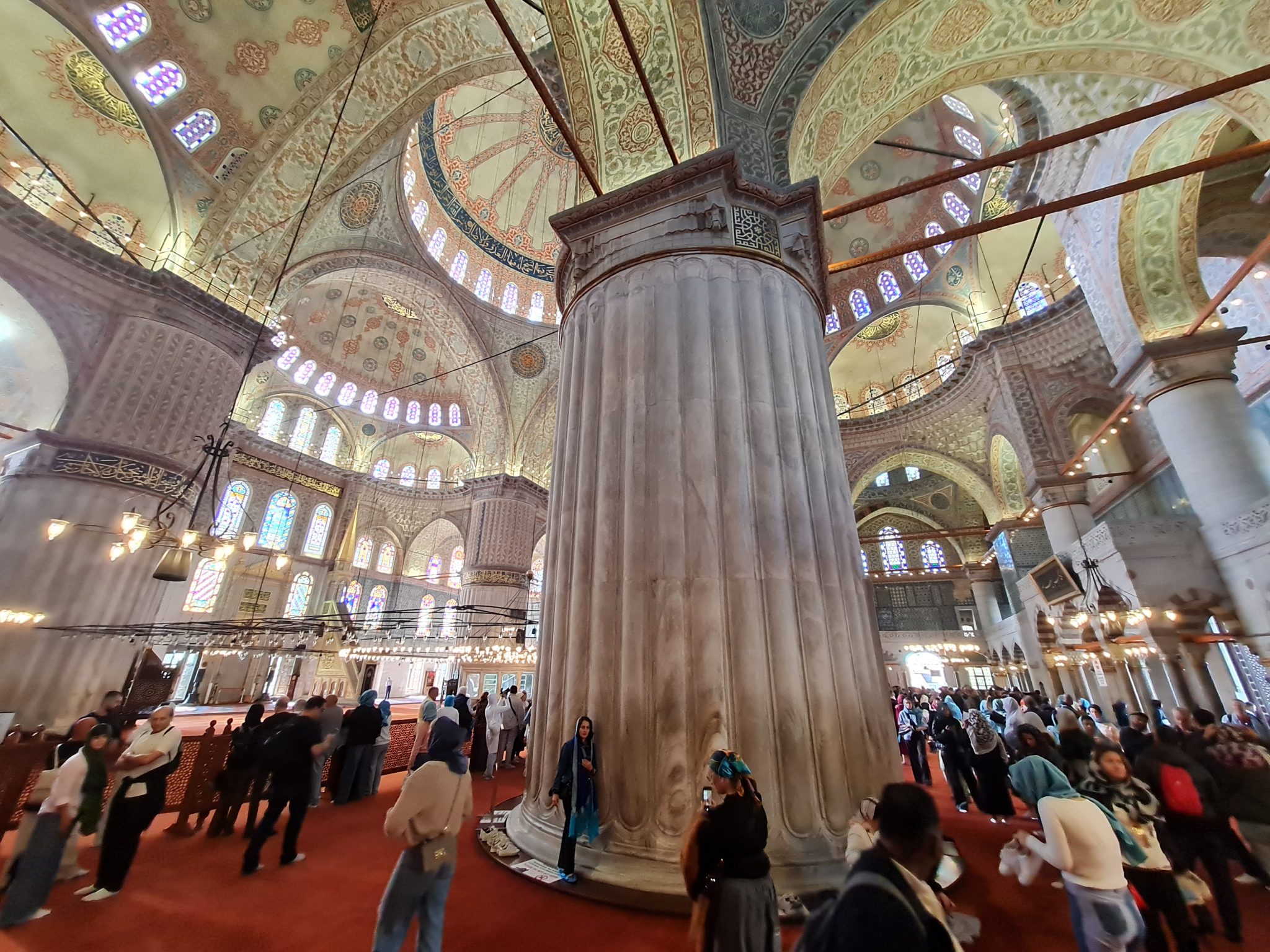
We then headed towards the so-called “Blue Mosque”, which takes its name from its distinctive interior containing more than 20,000 handmade ceramic tiles with different motifs. The visit had a special atmosphere, particularly because its 260 windows allow sunlight to enter the mosque, accentuating the blue tones of the tiles and creating a calming ambience. Another distinctive feature of the building is its six minarets, which is rather unusual because mosques usually have only two or four. According to a popular story, this came about through a mistake or linguistic misunderstanding: Sultan Ahmed I ordered the architect to build golden (altin) minarets, which the architect understood as six (alti) minarets. After an exhausting full-day but certainly rewarding tour of the old city, the mosque gave the students a sense of peace and spirituality.
An optional visit followed to the Basilica Cistern, an underground palace of water and an oasis of mystique. The Basilica Cistern was built during the reign of Emperor Justinian I in the 6th century to ensure a water supply for the imperial palaces and the city’s inhabitants in the event of a siege. One of its most striking features is its connection with Greek mythology, reflected in the Medusa heads placed there, whether for practical reasons or symbolically, to “protect” the Cistern from evil forces. Our visit offered a beautiful illustration of how the Byzantines combined practicality, architecture and art in the broader sense.
After breakfast early the next morning, we continued exploring this incredible city with so much to offer. Our first stop was the famous Galata Bridge, a meeting place of culture, history and everyday life, popular with both tourists and local residents. The Galata Bridge connects the two historic districts of Sultanahmet and Galata and symbolises the interconnectedness of the European part of Istanbul. Its first version was built in the 19th century, while the present bridge, constructed in 1994, continues a centuries-old tradition. The bridge offers a beautiful view of the Golden Horn, a natural inlet that has served as a safe harbour for ships for centuries.
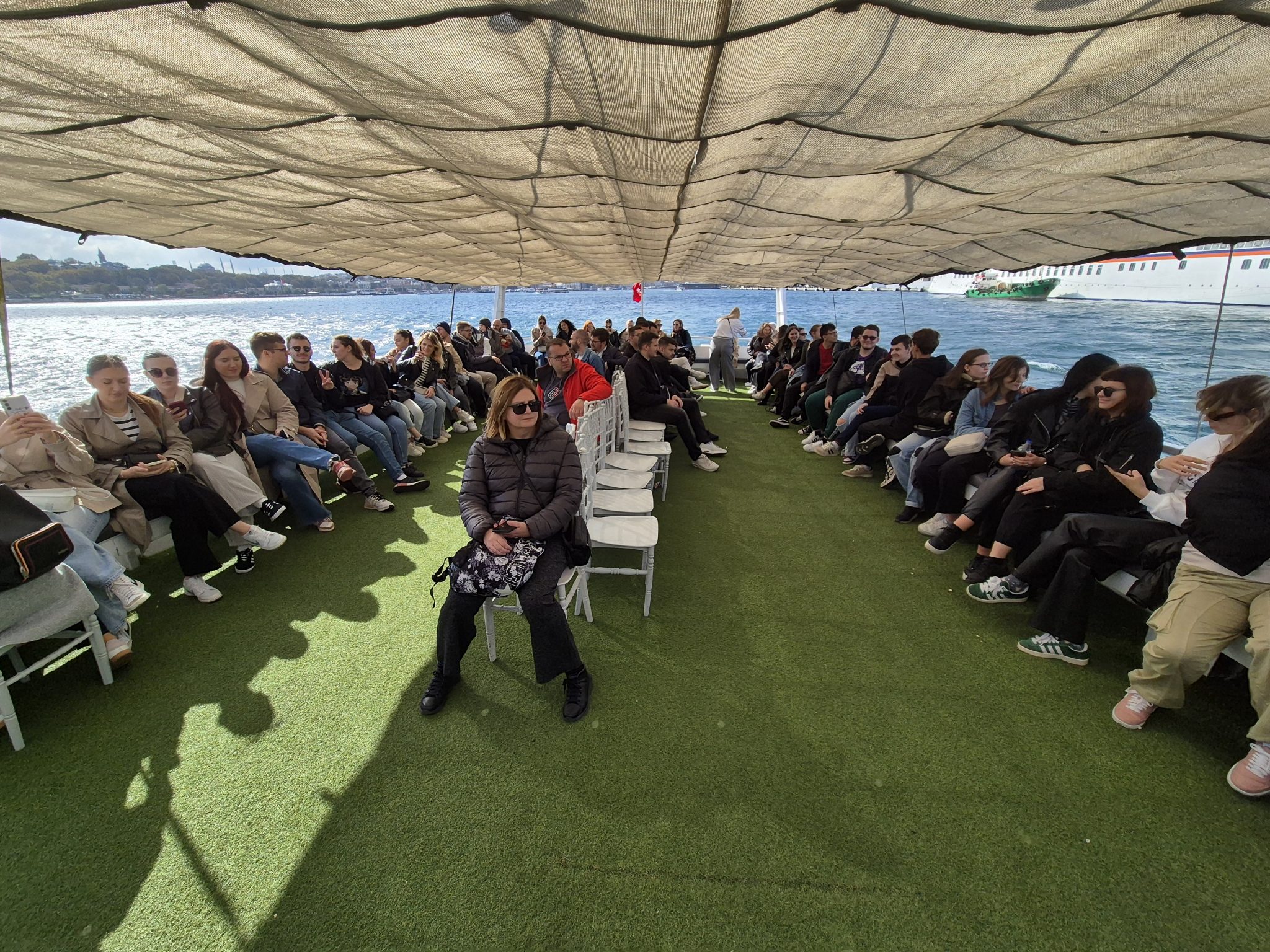
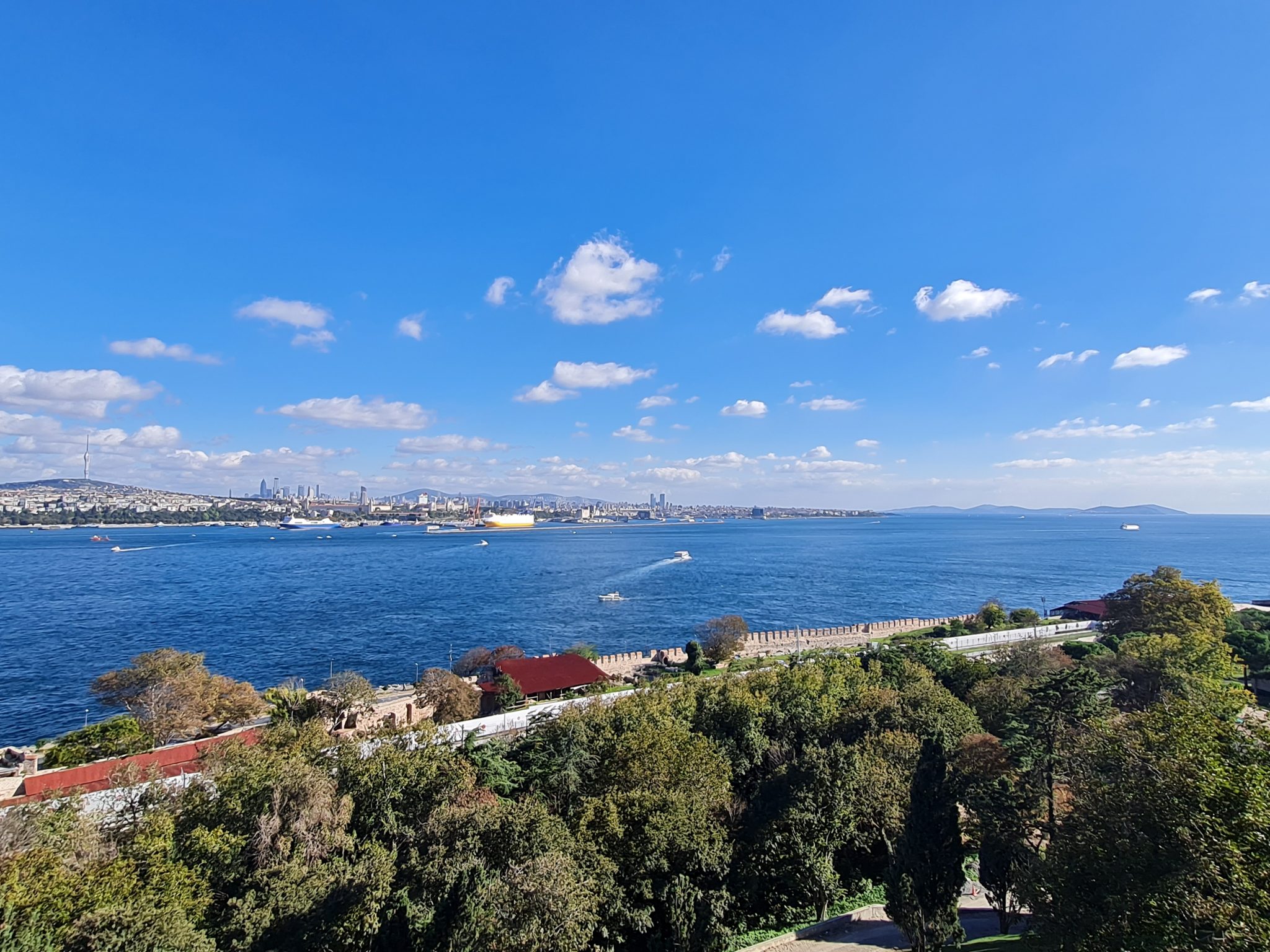
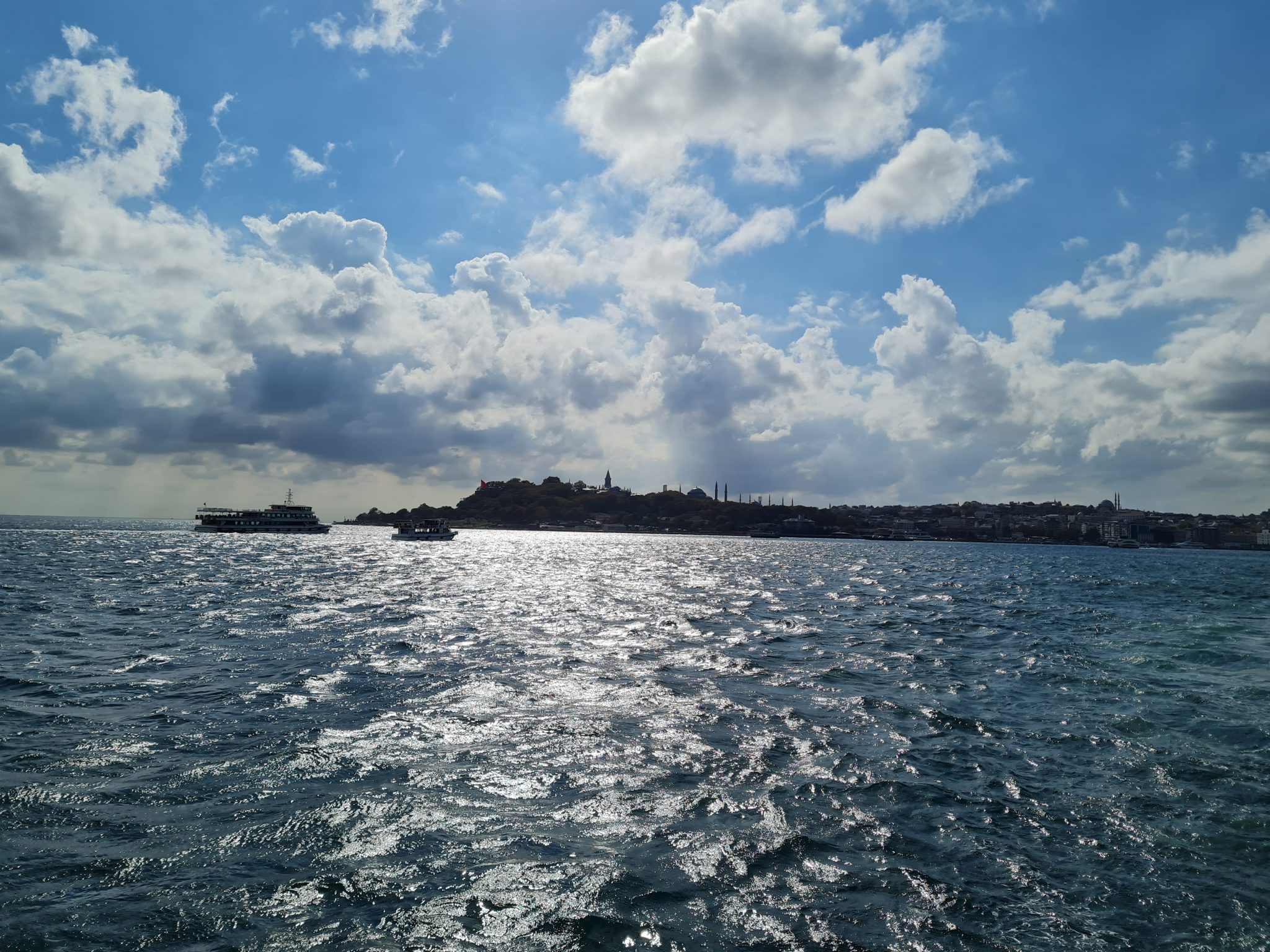
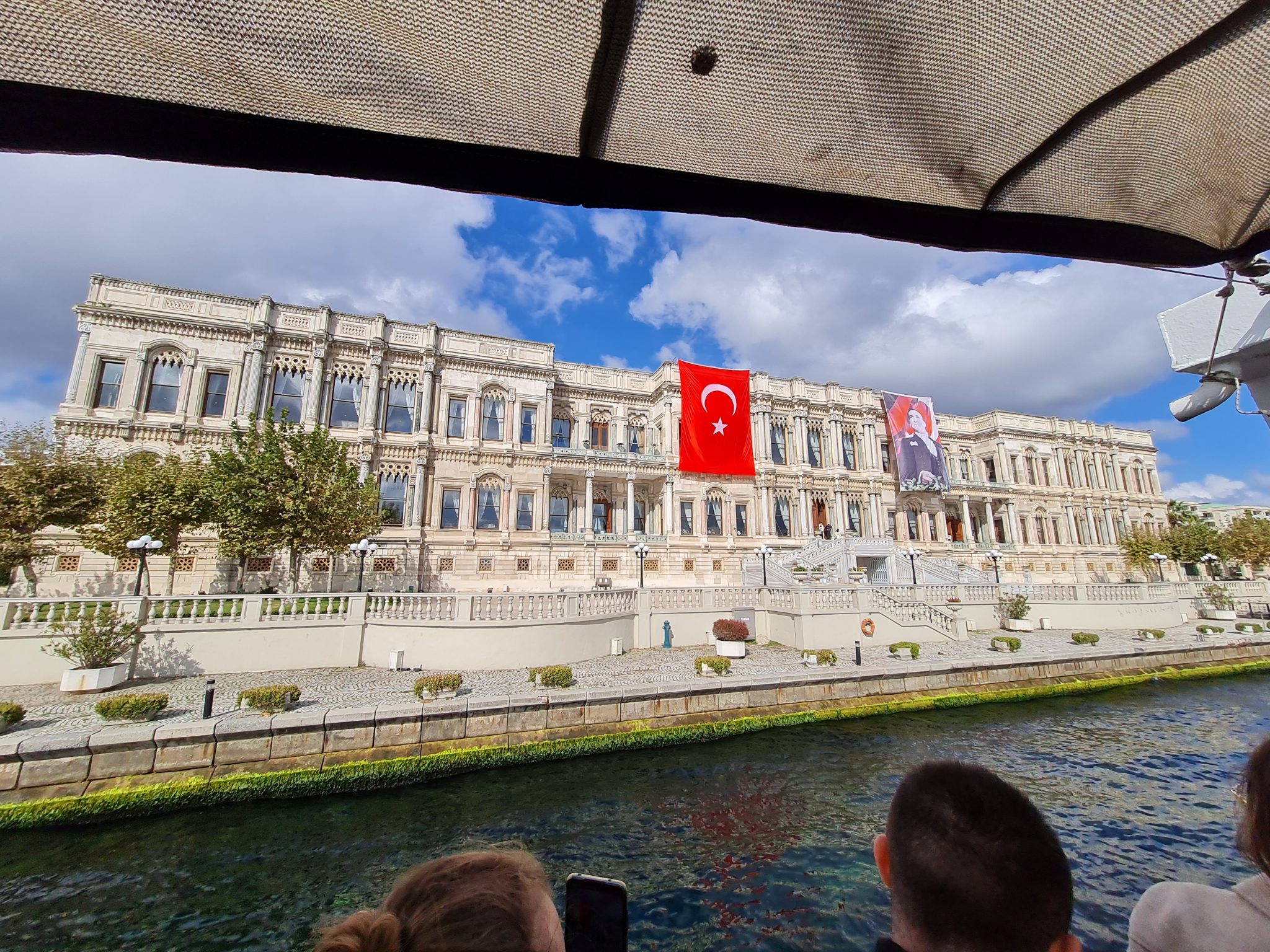
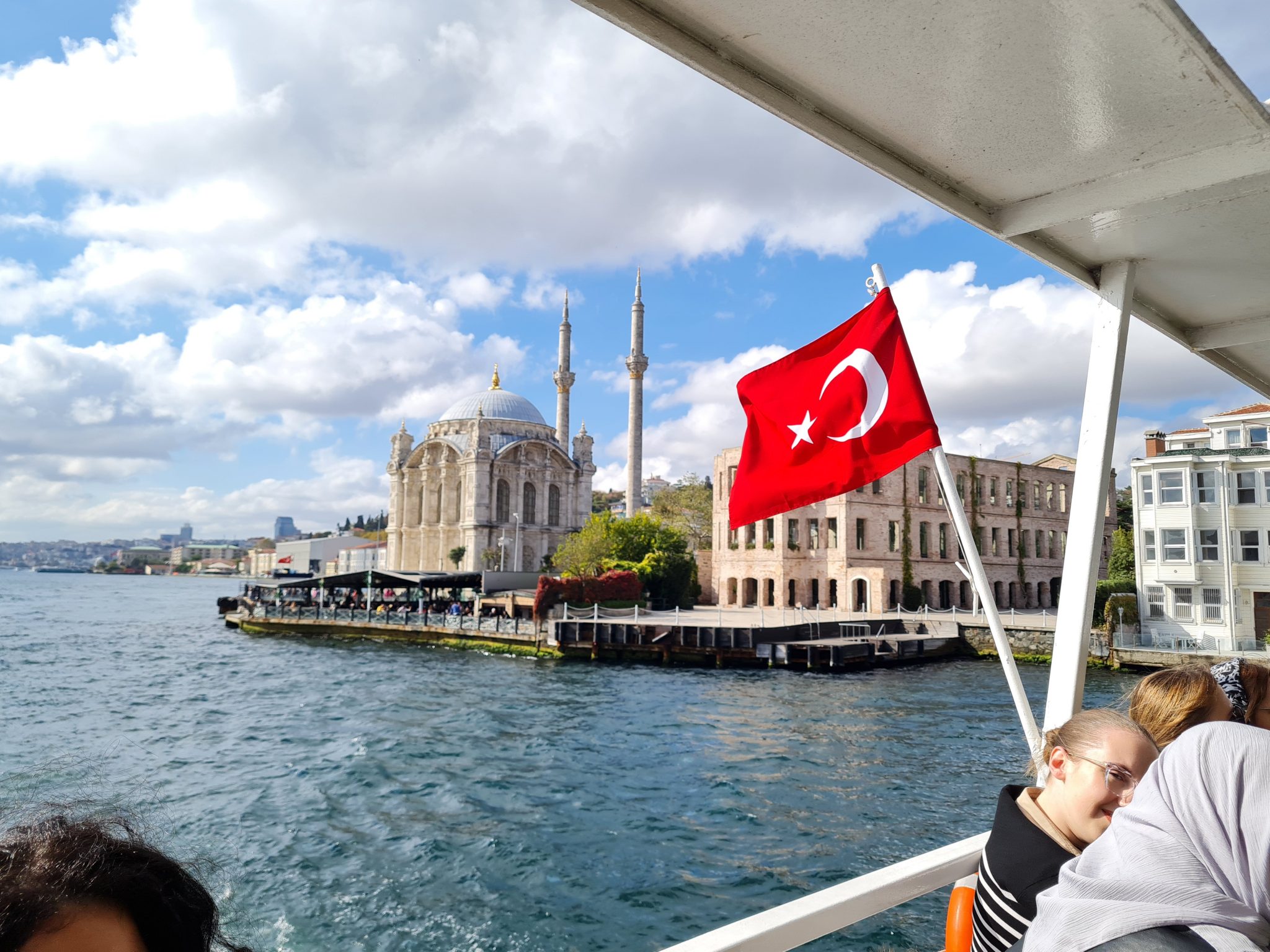
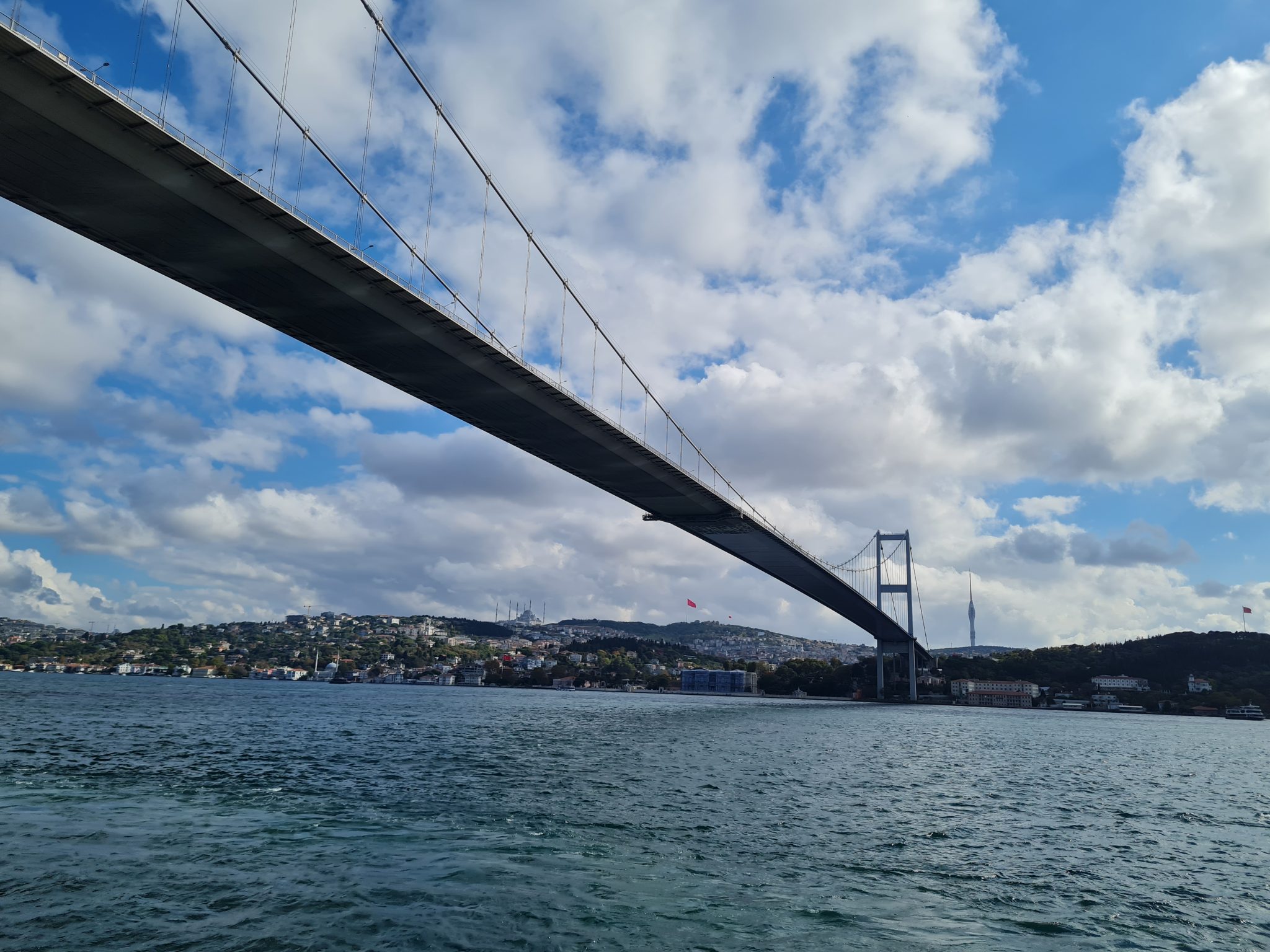
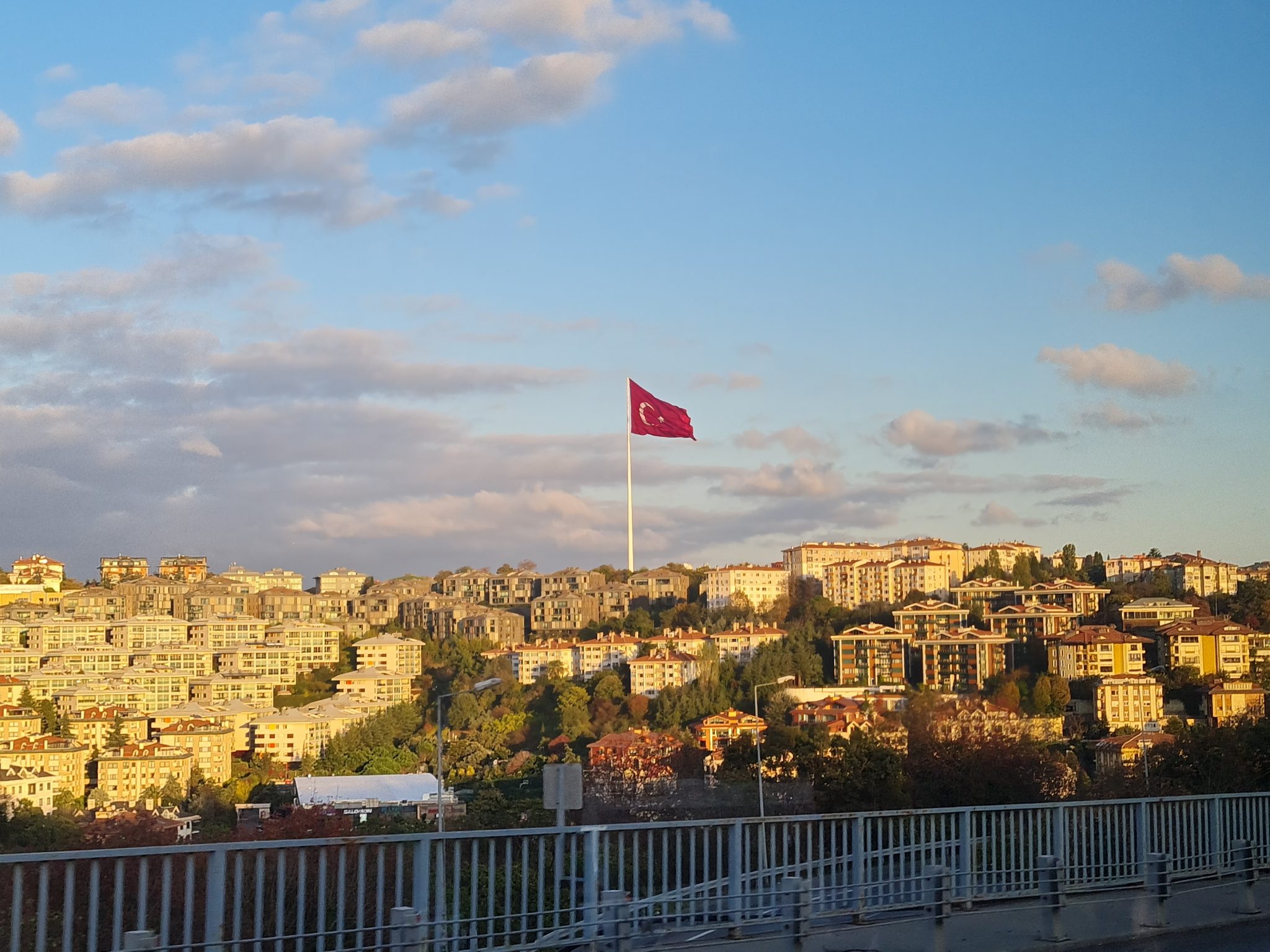
The next activity of the day was a boat trip along the Bosporus, the sea strait that separates Europe and Asia while connecting the Sea of Marmara with the Black Sea. During the cruise, we enjoyed views of Istanbul’s elite districts and magnificent Ottoman palaces, as well as of the city as a whole, with Hagia Sophia standing out most prominently in the distance. Throughout history, the Bosporus has been a key strategic and commercial passage, while its shores, covered with luxurious villas and historic fortresses, tell stories of past civilisations. The boat trip lasted approximately an hour and a half, after which we disembarked on the Asian side of the city.
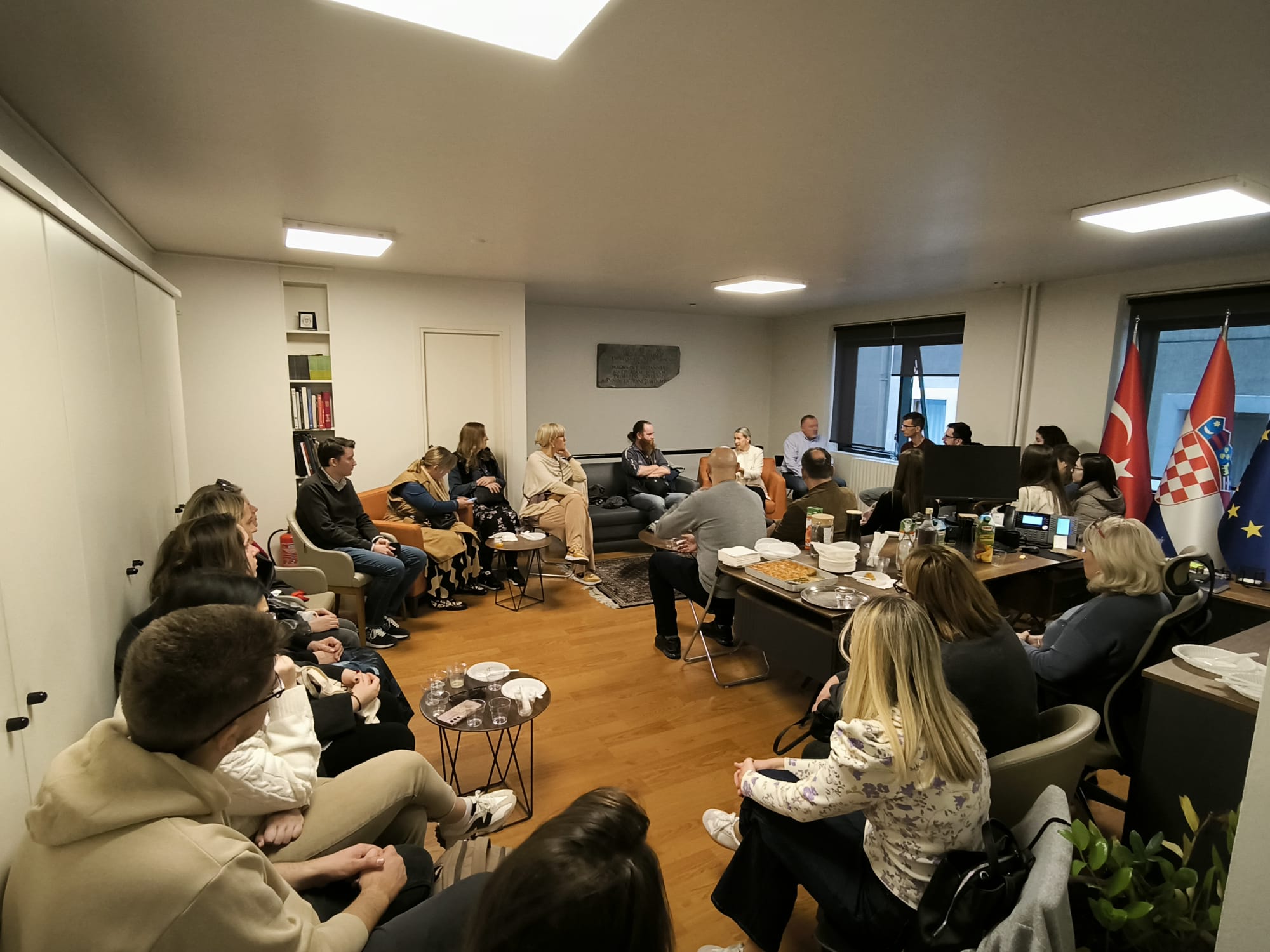
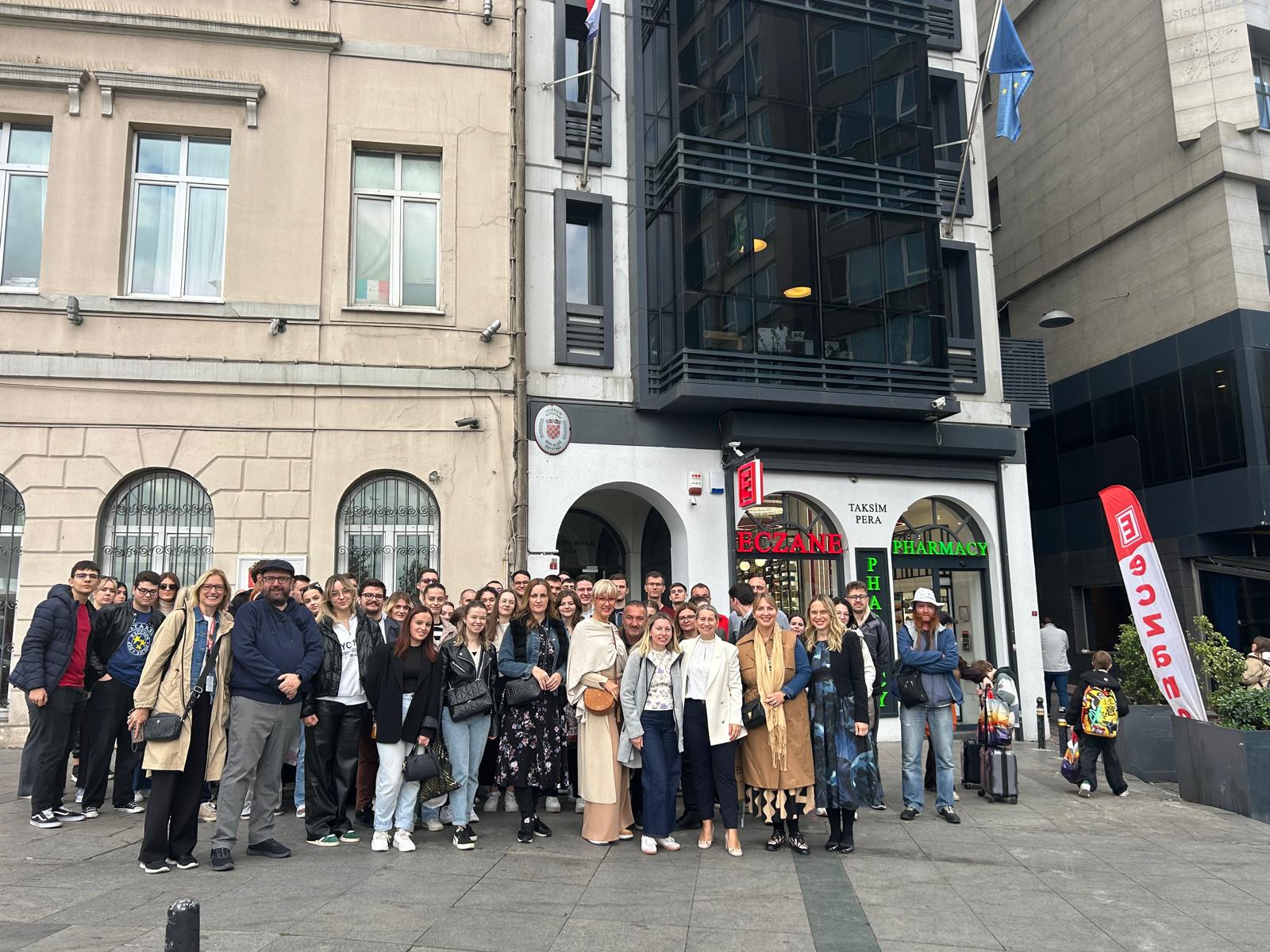
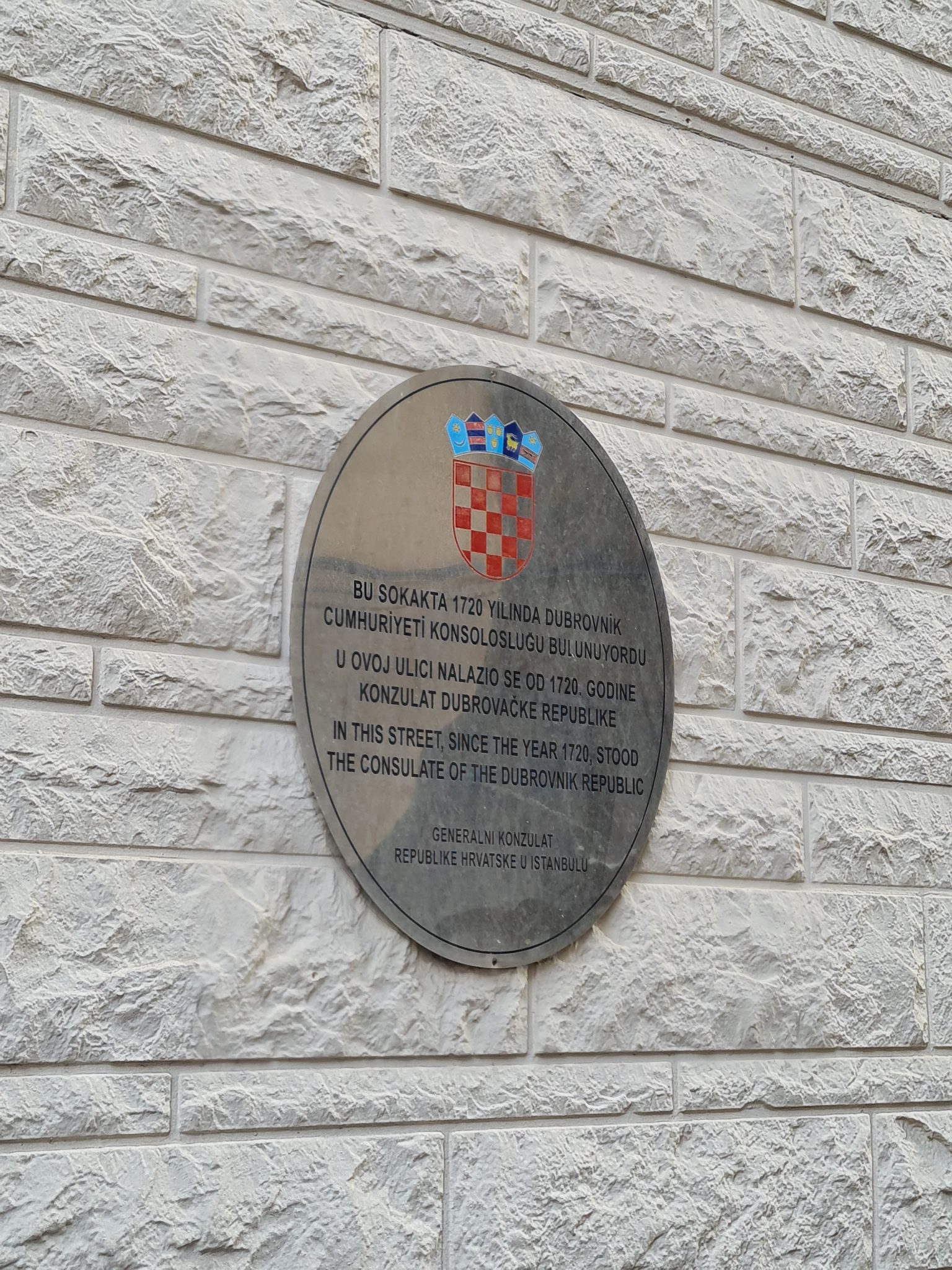
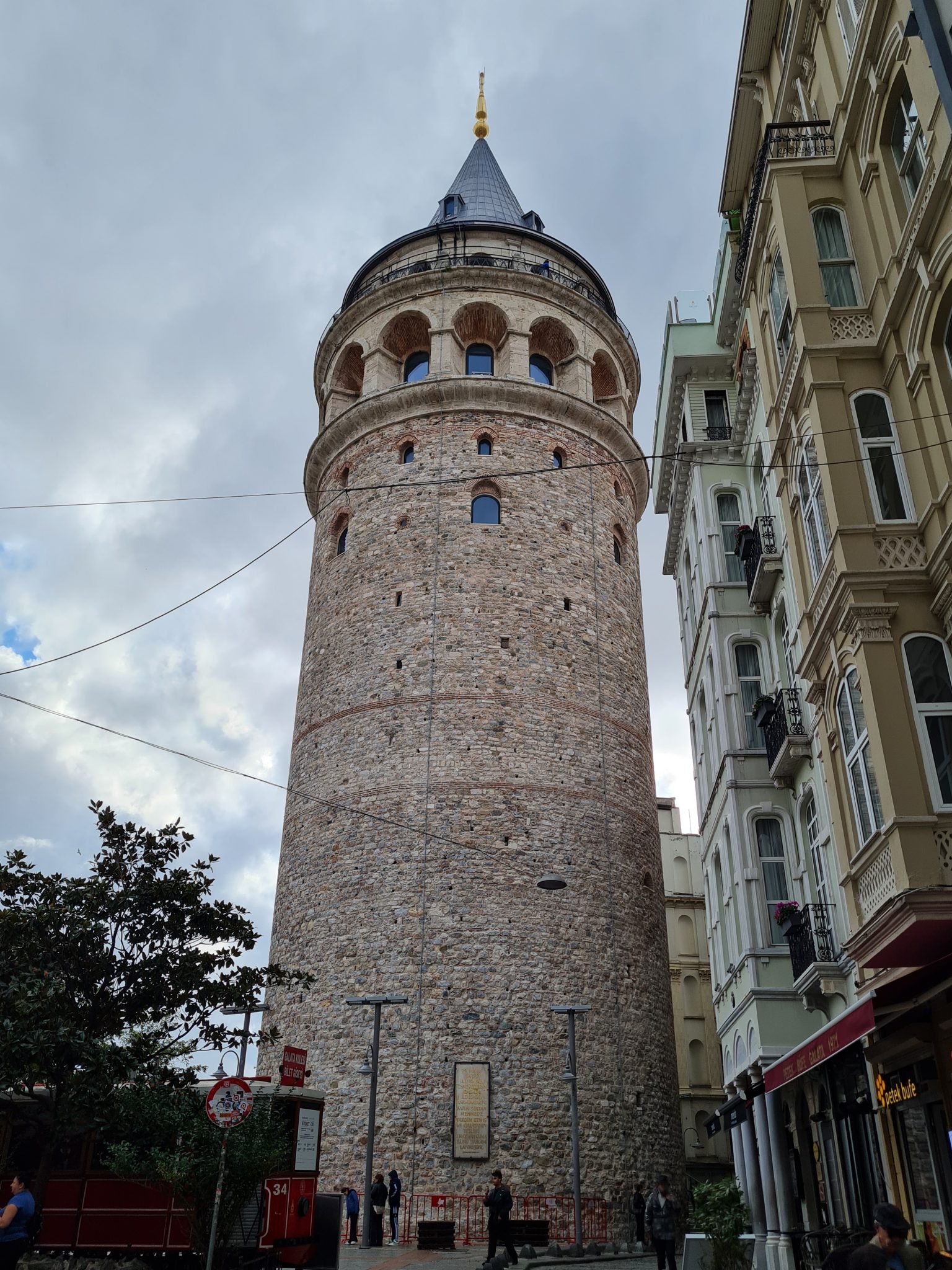
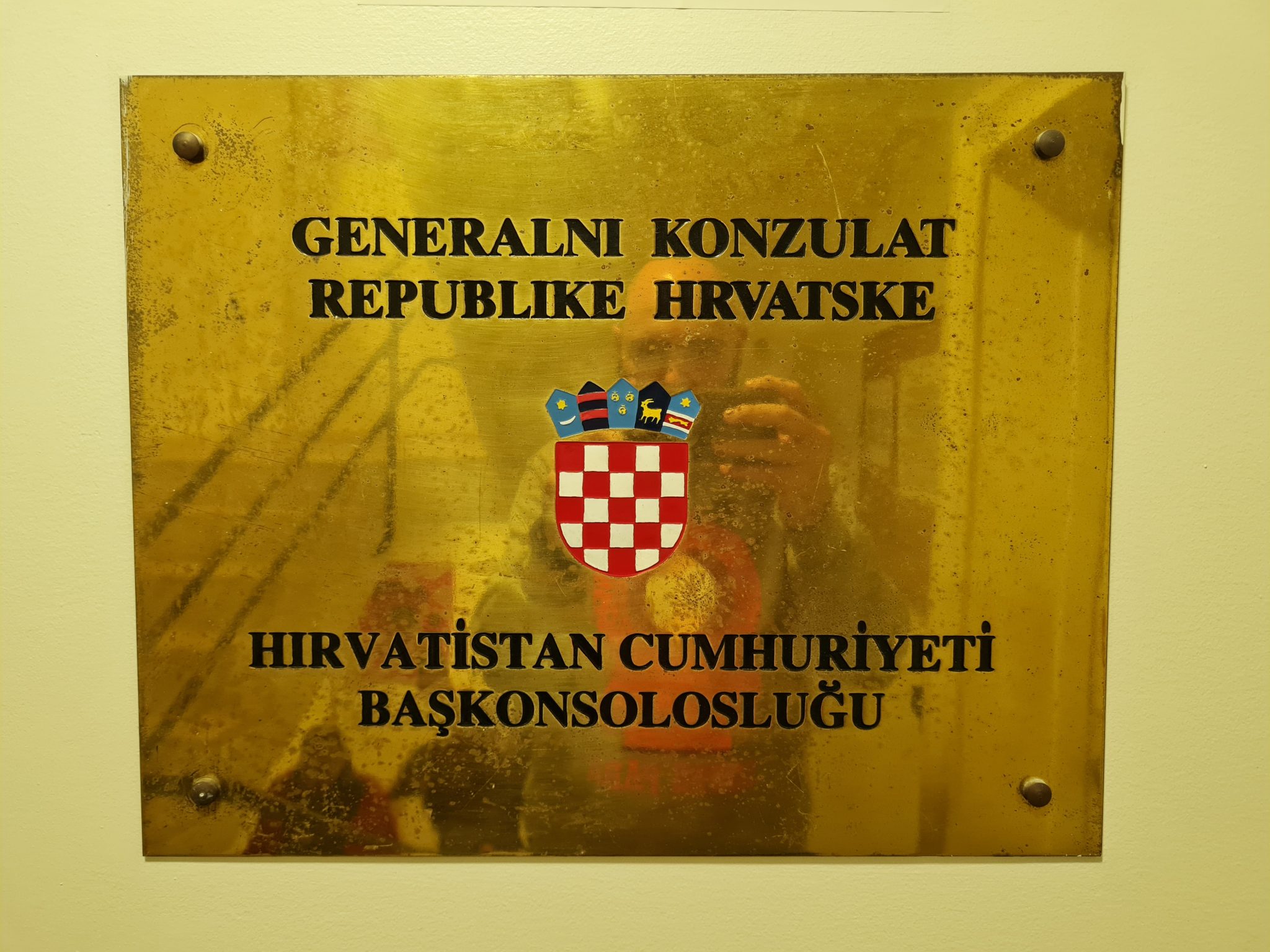
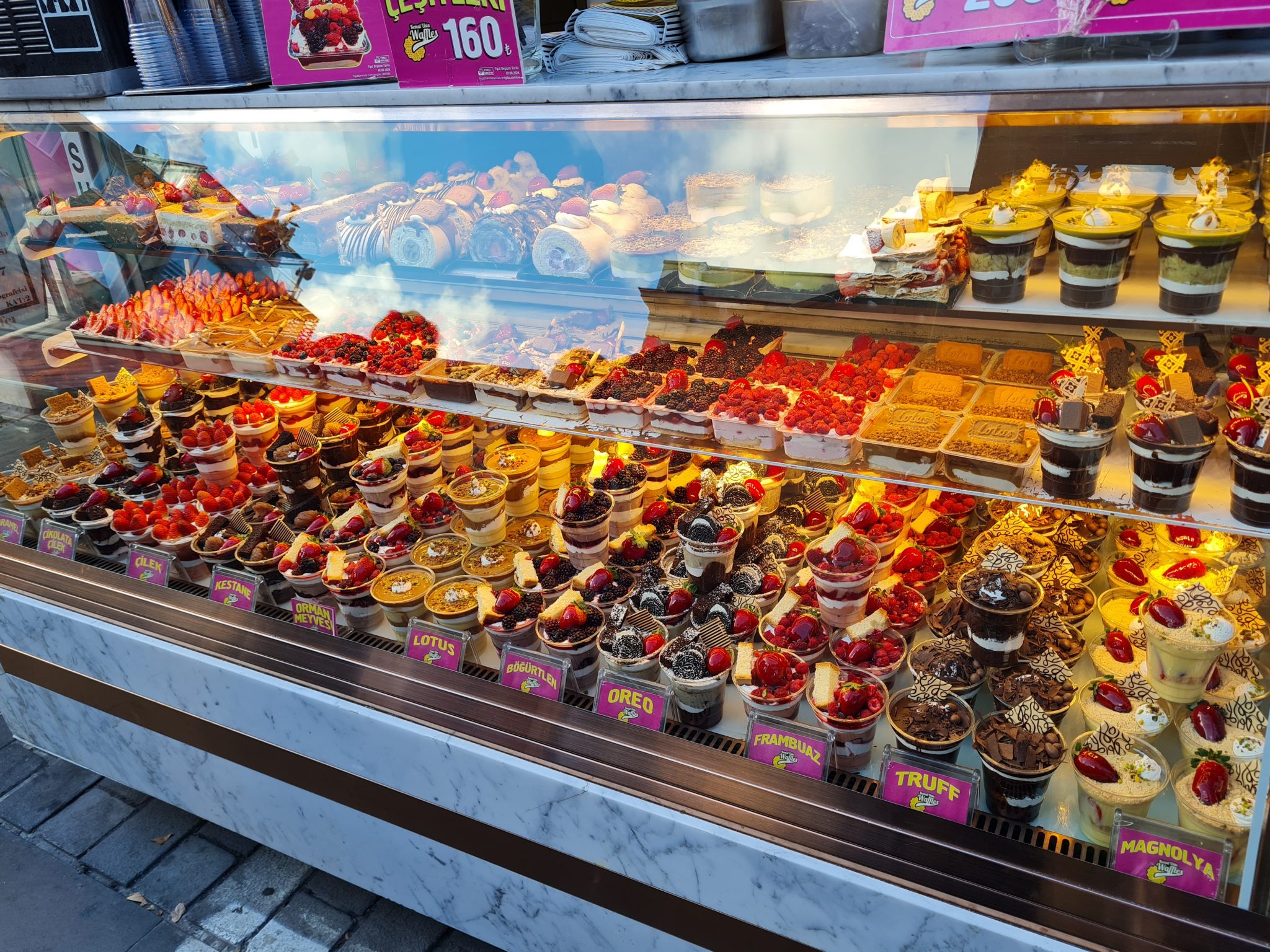
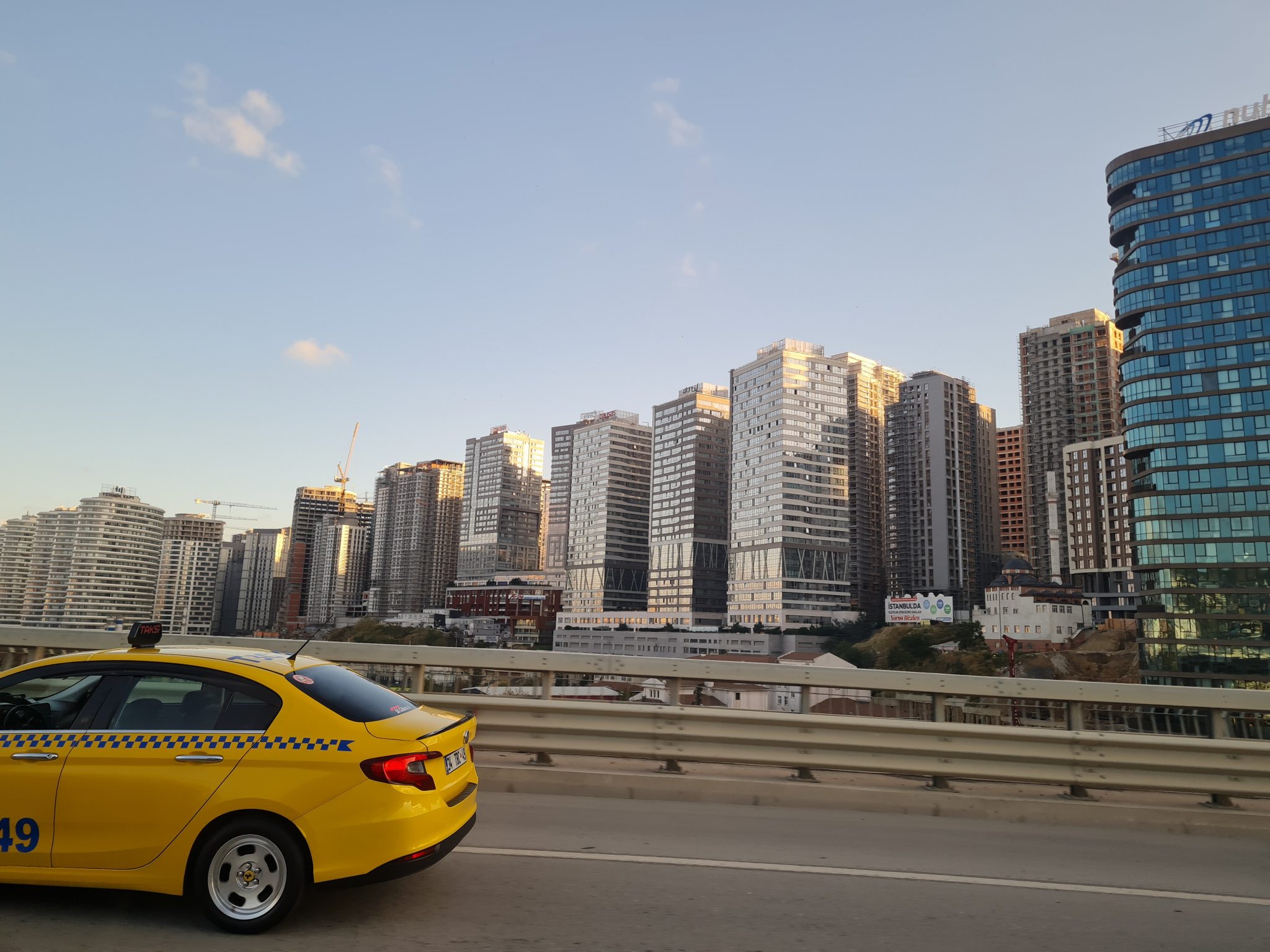
Arriving on another continent – the Asian part of Istanbul – presented us with a completely different image of the city, characterised by modern construction. We first headed towards Taksim Square, the lively centre of modern Istanbul, historically a place of important gatherings and events and a symbol of the city. A walk along İstiklal Caddesi, one of Istanbul’s best-known avenues, lined with shops, cafés and restaurants, also brought us to the Consulate General of the Republic of Croatia in the Republic of Türkiye. The Consulate assists Croatian citizens in situations such as the loss of documents, organising travel back to Croatia and providing legal assistance, while also safeguarding their rights and interests. After visiting the square and making use of our free time, we headed back towards the bus and the hotel.
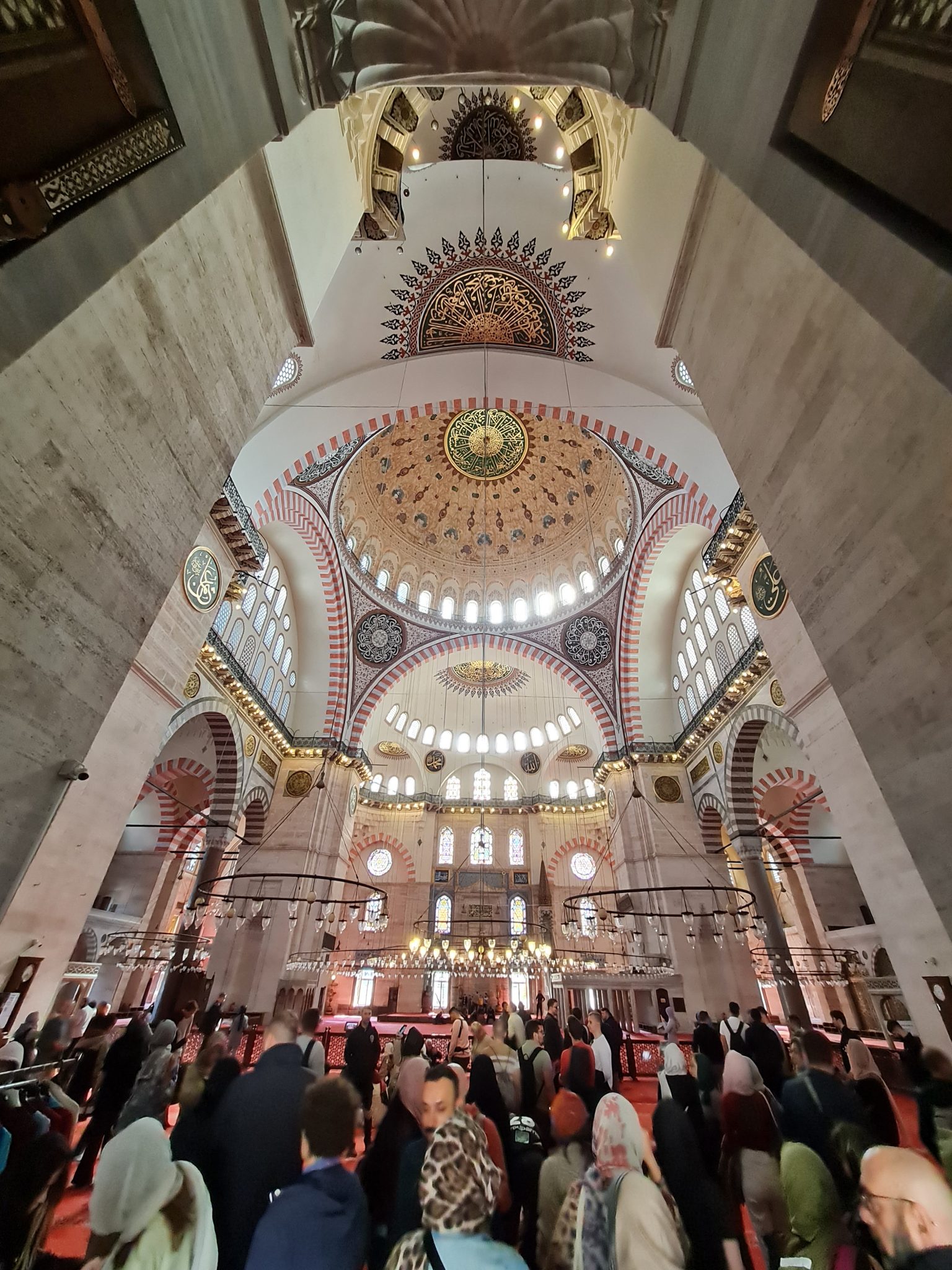
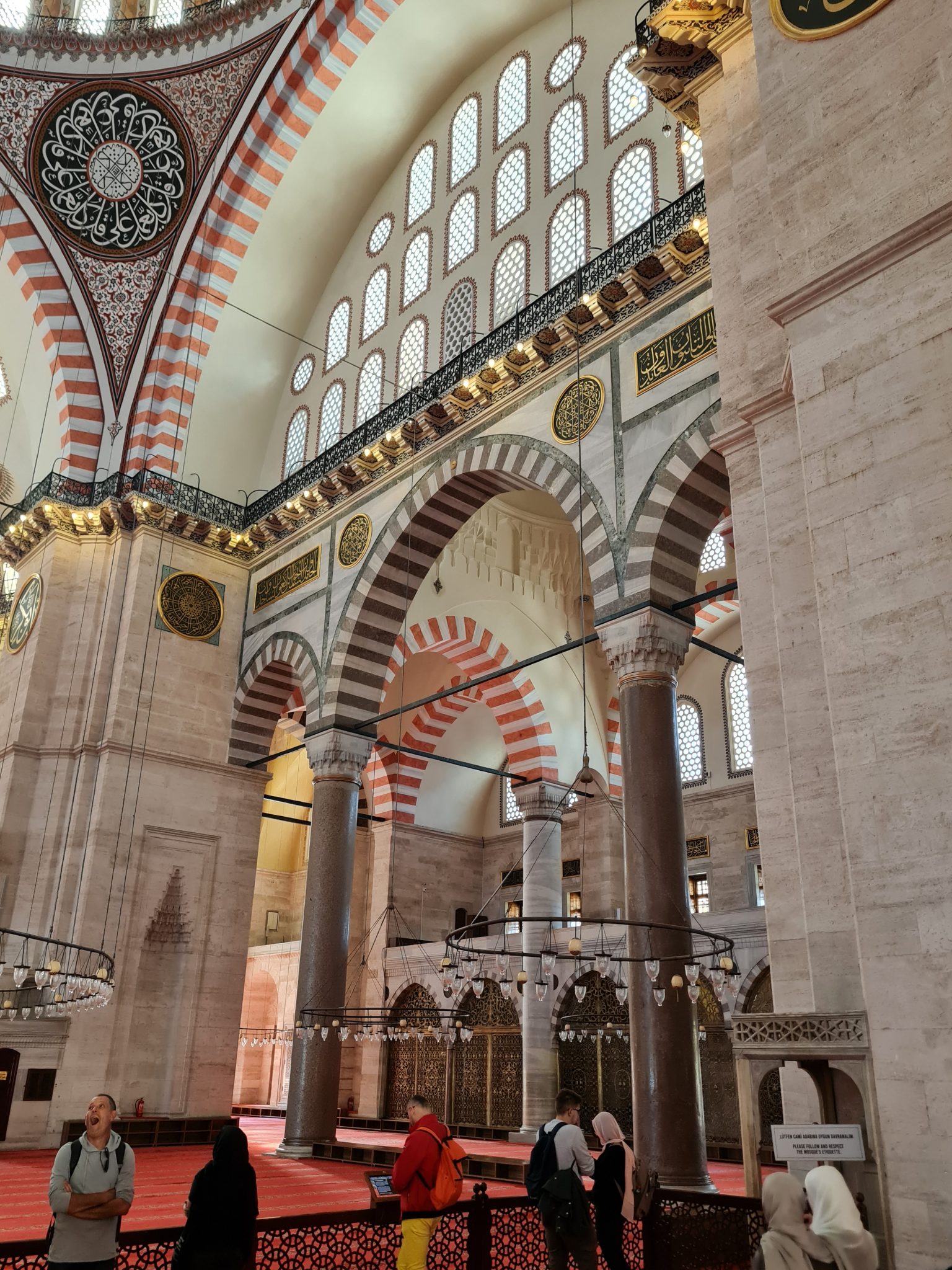
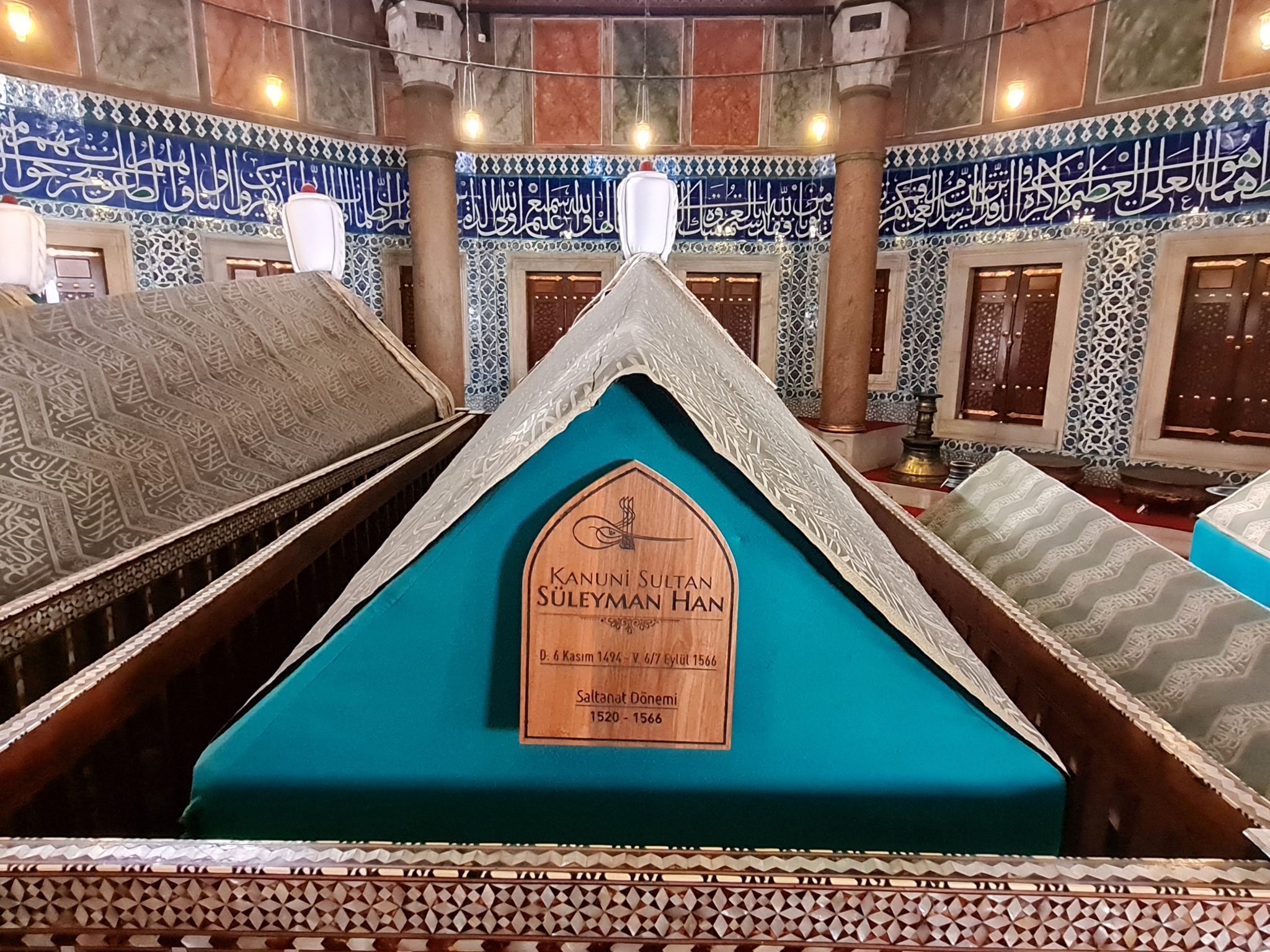
De facto, on the final day of the trip, 26 October, breakfast and check-out from the hotel were planned for around 9 a.m. The remaining landmark to visit was the Süleymaniye Mosque, built by Mimar Sinan – the most famous architect of the Ottoman Empire. Traditionally, for a sultan to build a mosque, he had to have completed at least one military campaign and finance the construction from his own funds. Having undertaken 13 major military campaigns, Sultan Suleiman the Magnificent fulfilled all the conditions for beginning construction of the mosque, which is also regarded as standing on the third of Istanbul’s seven hills. Quranic verses were used to achieve harmony, as evidenced, according to the account we heard, by the fact that the Süleymaniye has never been damaged by earthquakes in this seismically active area. The Süleymaniye has four minarets: two have two balconies, while the remaining two have three balconies. When the number of minarets and the number of balconies on each are taken together, the total is ten, symbolising that Sultan Suleiman the Magnificent was the tenth sultan in succession. He became sultan at the age of 26 and, at 32, defeated the Croatian-Hungarian army at the Battle of Mohács. In addition to mosques, the sultans also supported the construction of other buildings such as hammams, public kitchens, madrasas (higher schools) and similar institutions. After visiting this magnificent mosque, we had free time, which many used to buy souvenirs at the Grand Bazaar and the Egyptian Bazaar, also known as the Spice Bazaar. The meeting time for departure to Osijek was set for 7 p.m. An overnight drive followed, with the necessary stops, and we returned to Osijek in the afternoon.
Ivana Duvnjak and Karla Marić
Photos: Anđelko Vlašić and Damir Sekulić

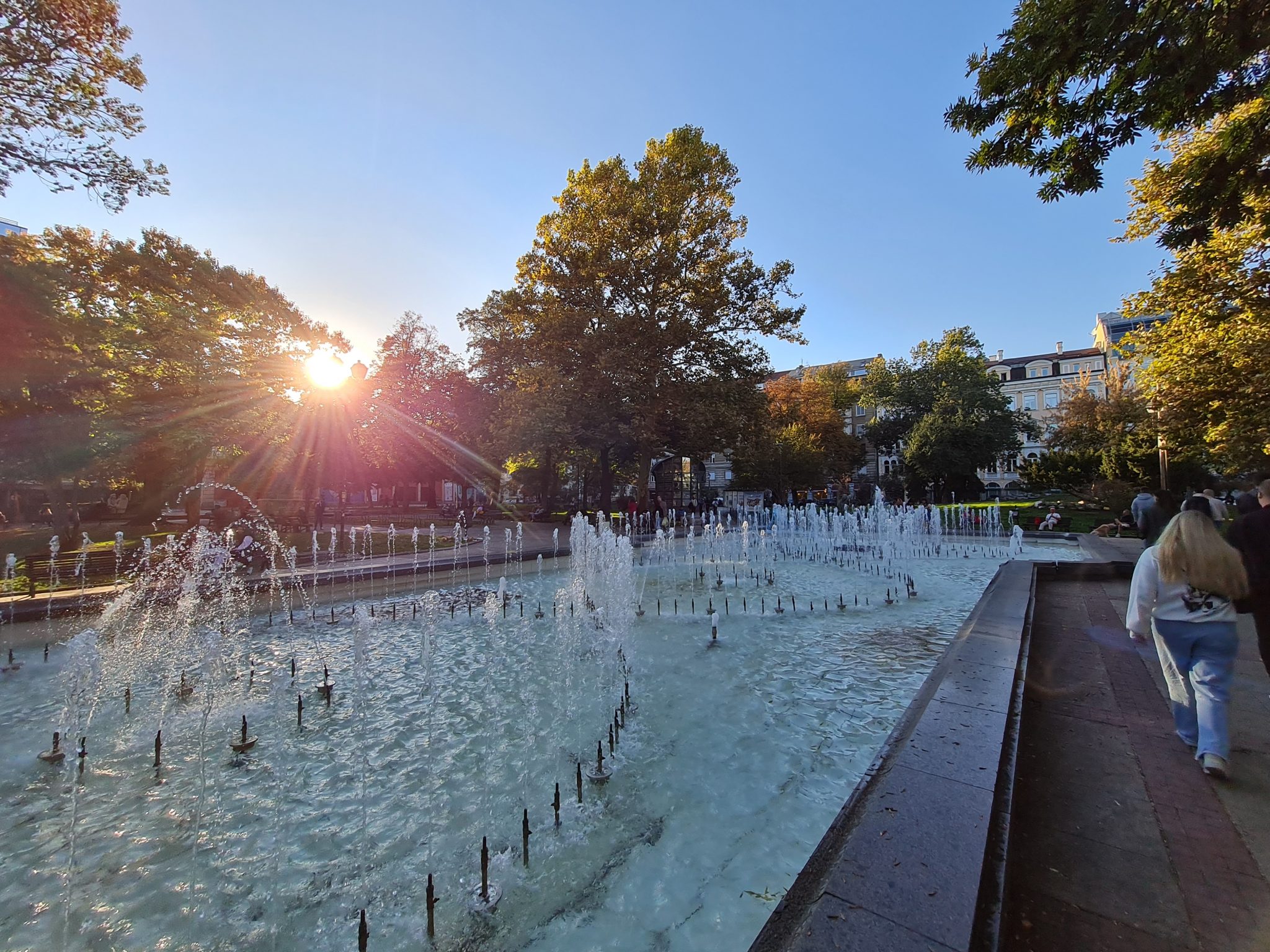
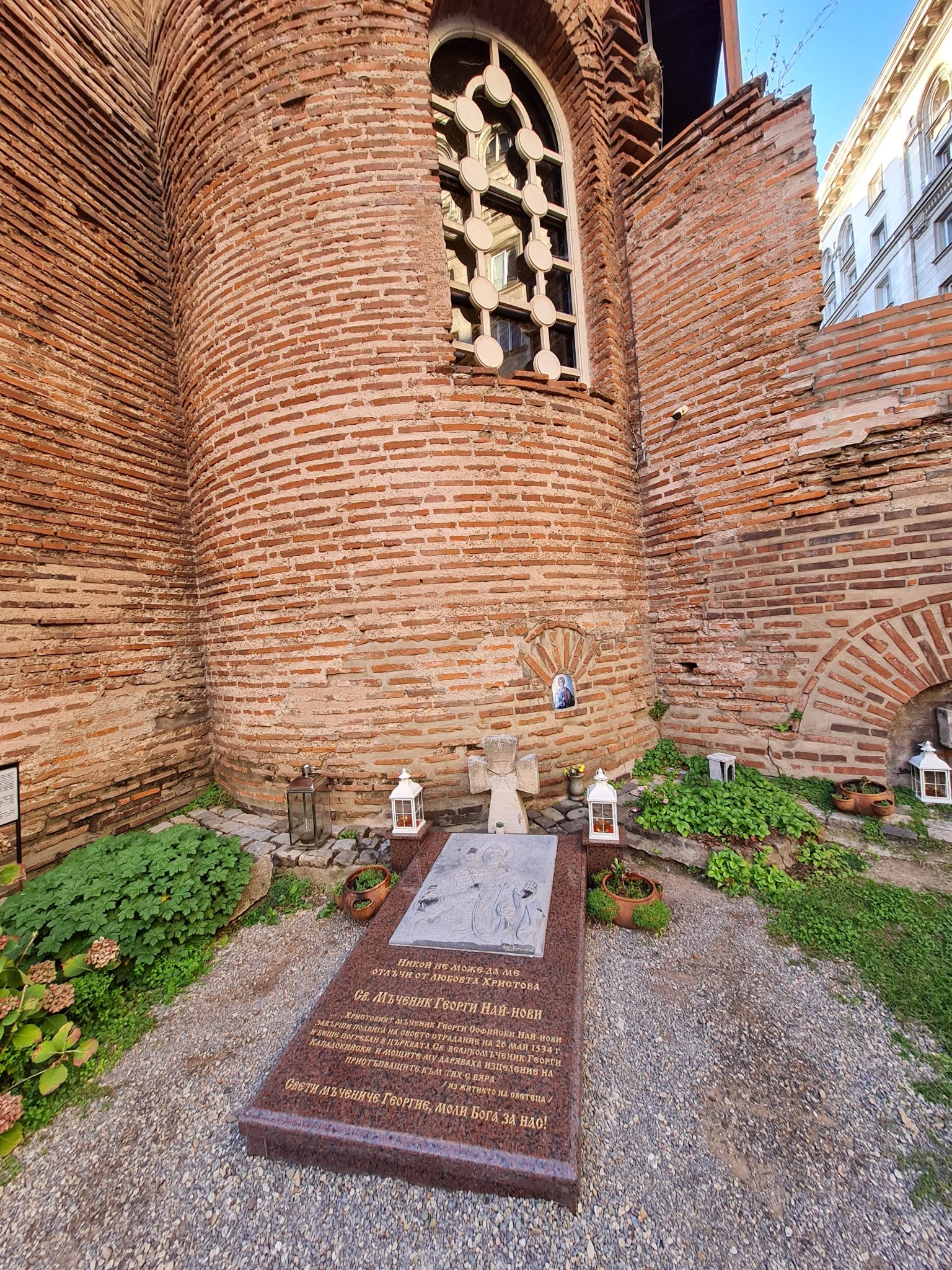
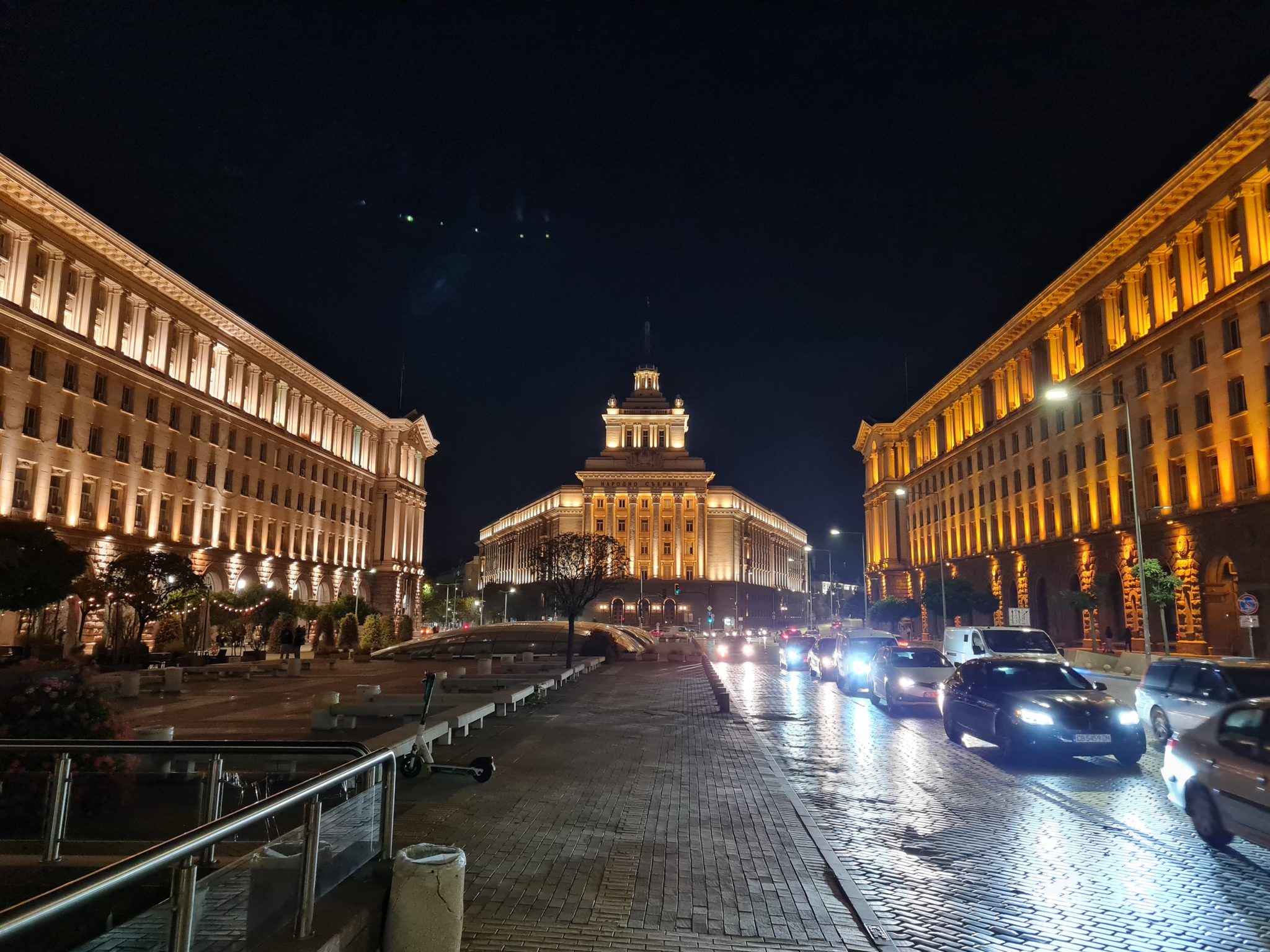
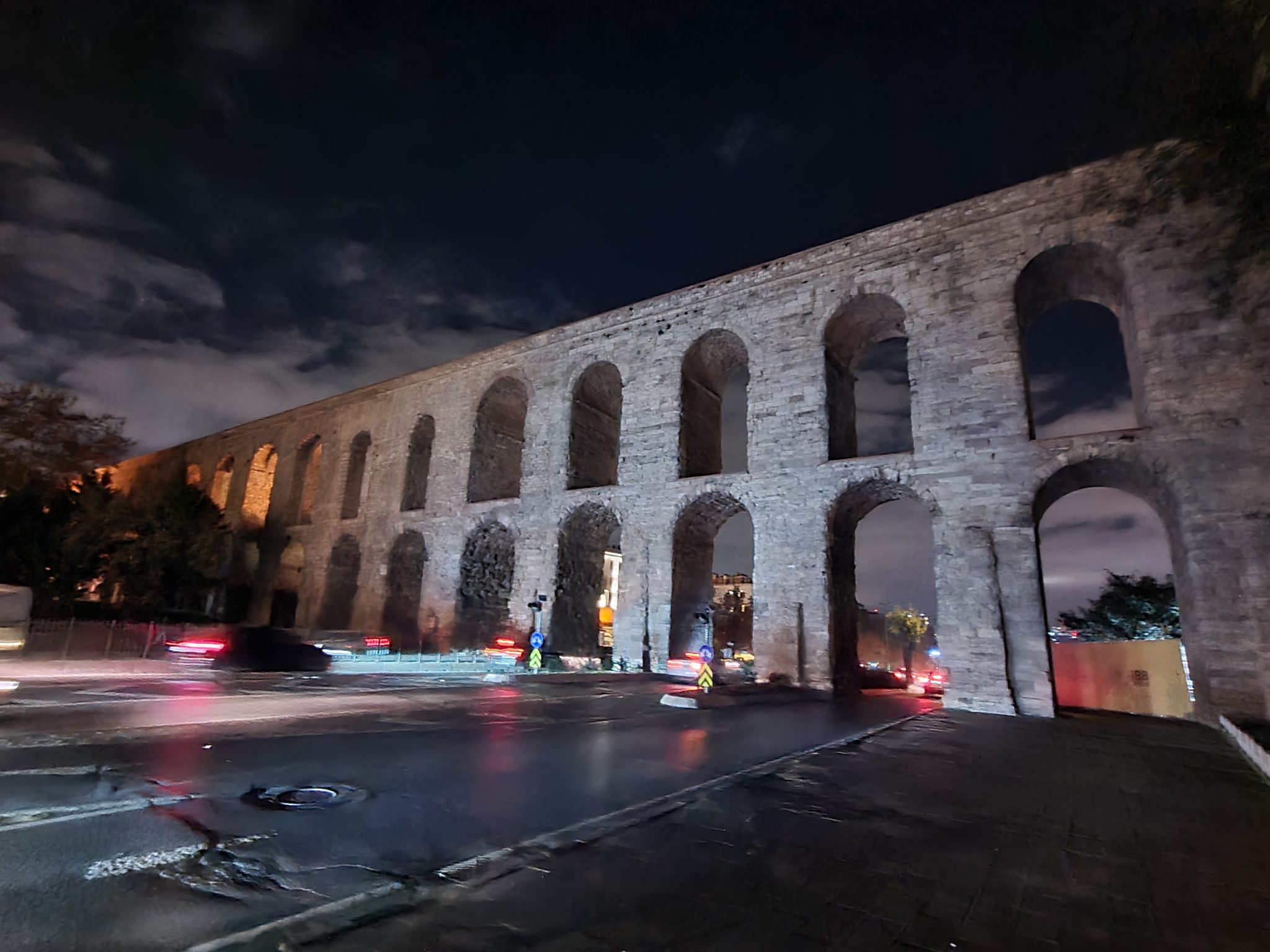

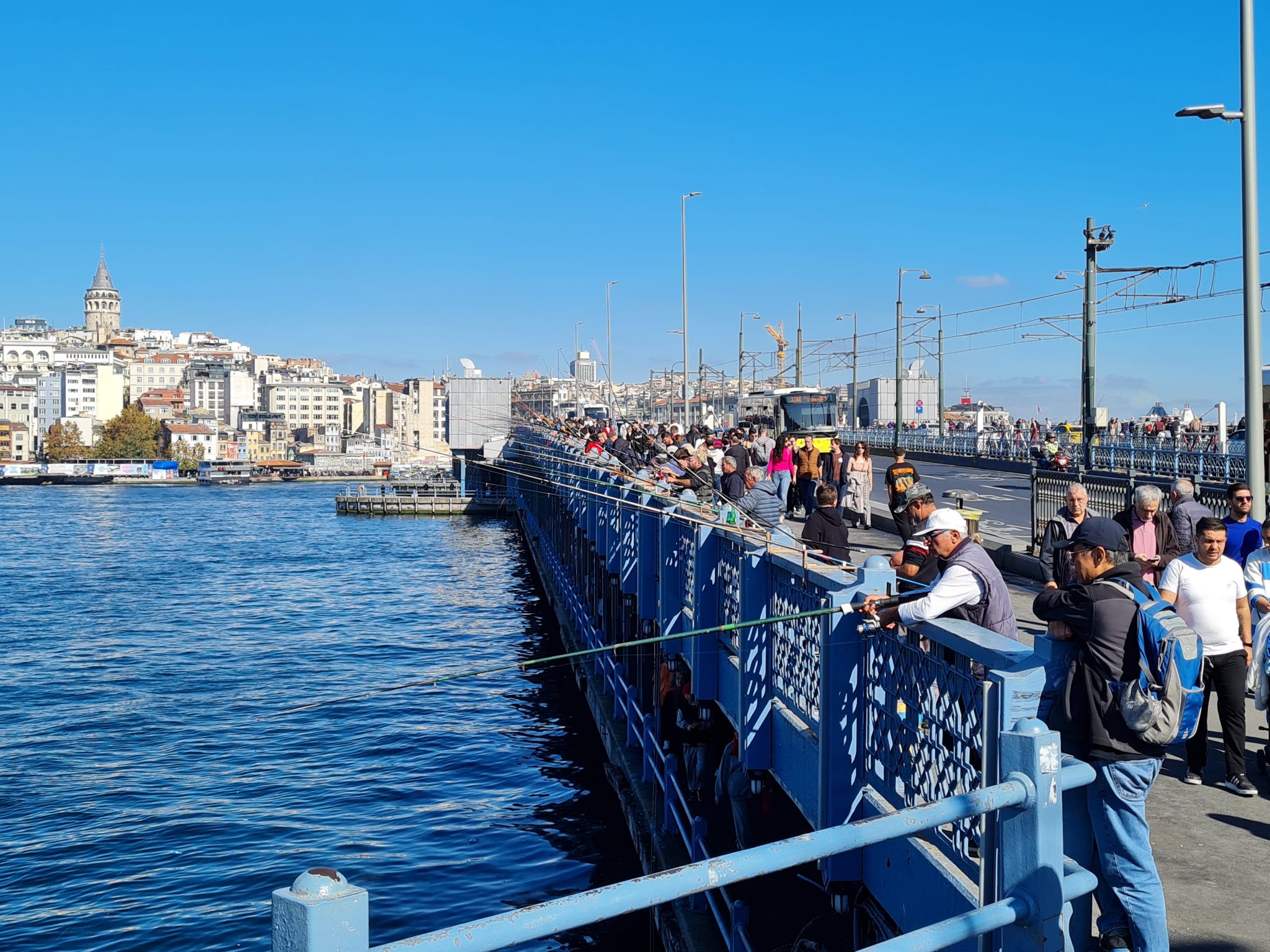
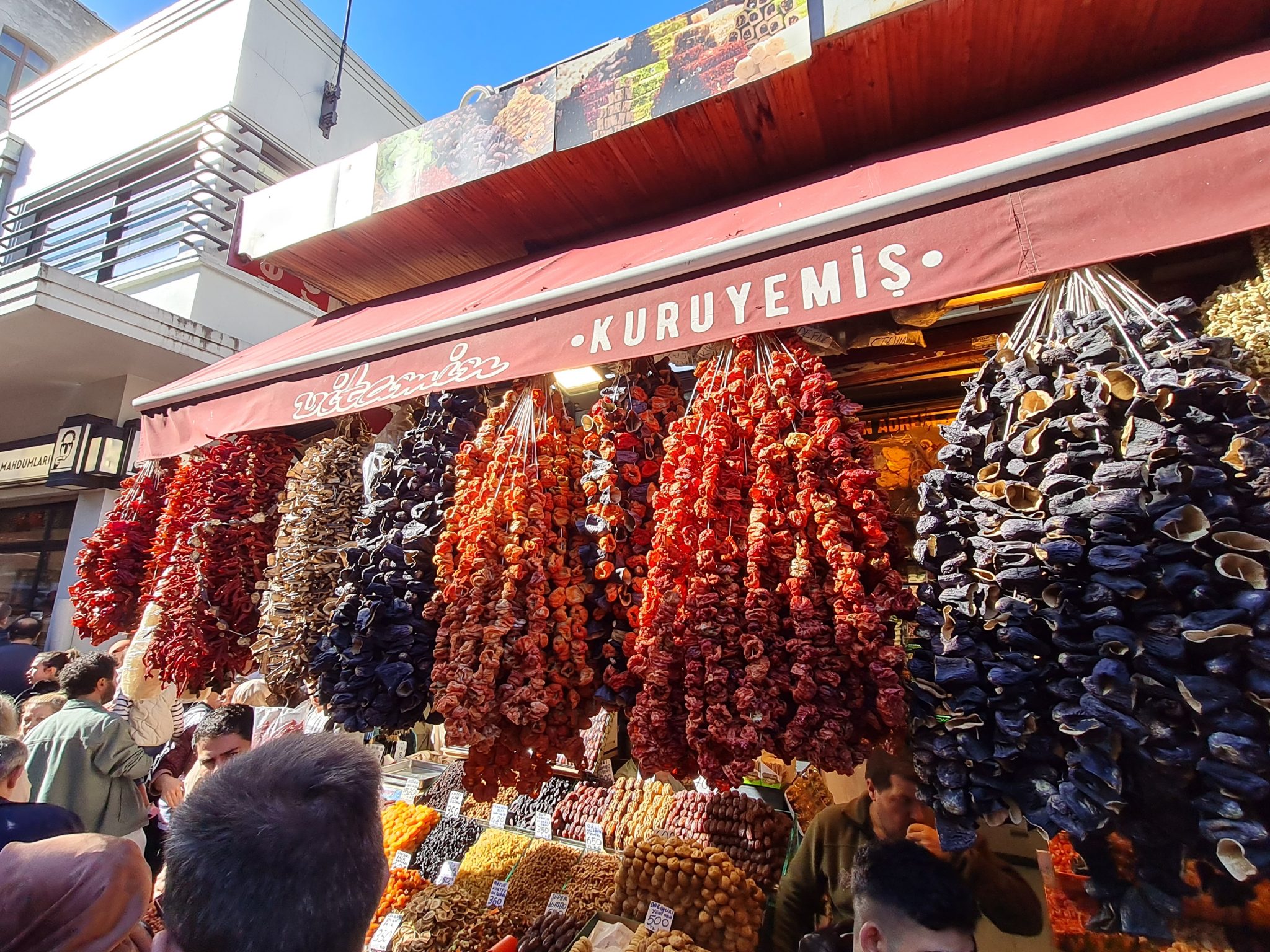
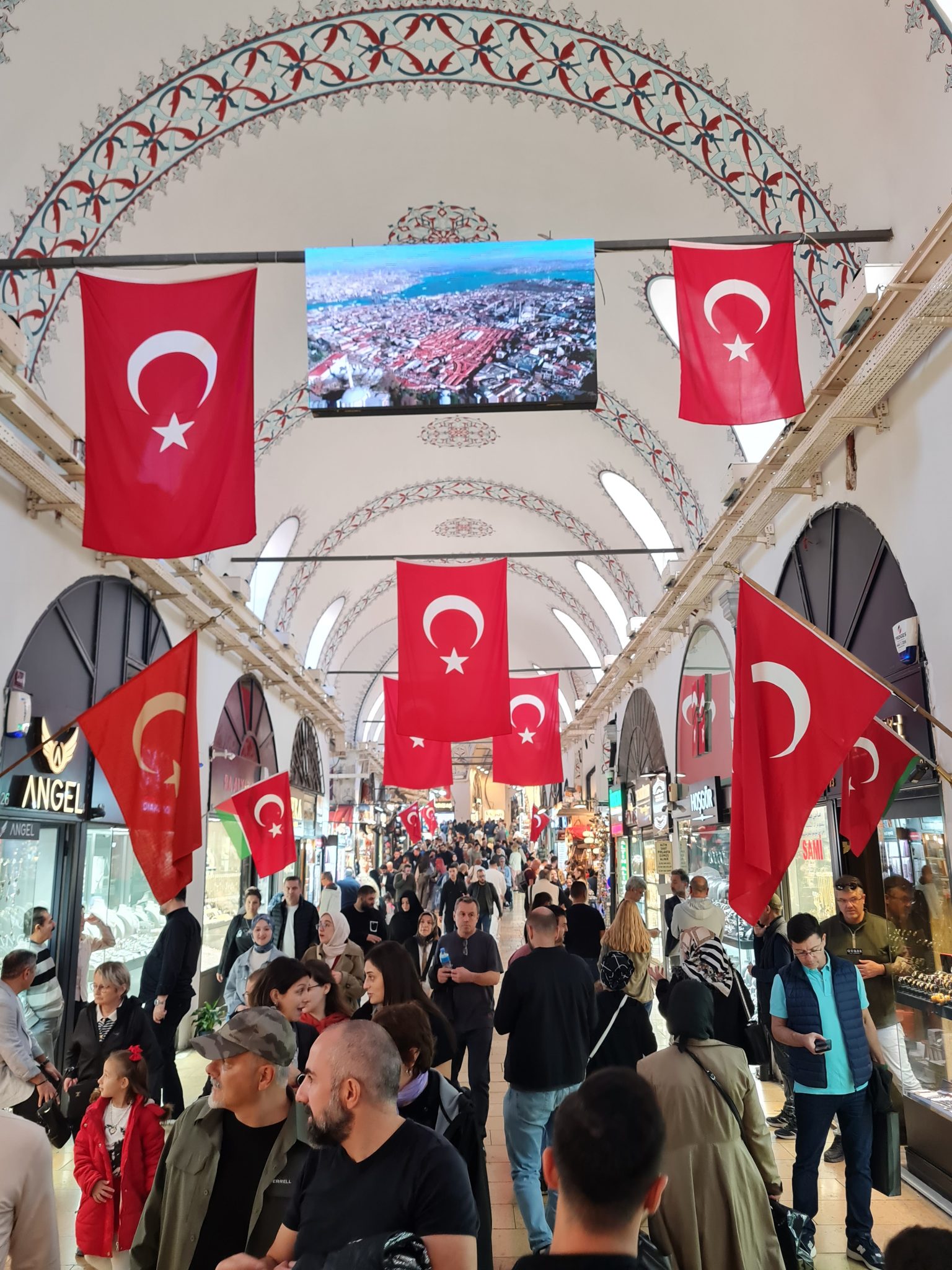

♦ 4 June 2024 ♦
Guest at EstLab:
Branko Schmidt
↓↓
Film screening and conversation at the Aesthetics Laboratory:
Metastases of (Croatian) Reality
****
The final EstLab event of this academic year offered those present a rarely exciting, “metastasising” experience. Our guest was Branko Schmidt. The recent recipient of the Vladimir Nazor Lifetime Achievement Award in film art spoke – with the author of these lines – about Metastases. (The cult film, btw, was screened once again for those interested before the conversation itself.)
Everyone present, including director Schmidt himself, believes that the film is remarkably resistant to socio-cultural changes and stands the test of time, remaining equally innovative and fresh a full 15 years after it was made. During the conversation, Branko recalled many memories and newly gained insights connected with the filming itself. We also learned how he met Alen Bović. In a telling reflection of the environment in which we live, Bović had to use a pseudonym when publishing the novel Metastases, for fear of radical reactions to his literary debut… and who knows what else. For in Metastases (of Croatian reality!), Ivo Balenović depicts both the metaphorical and literal disintegration of a group of young people in the local post-war transition, all under the banner of hooliganism and violence associated with the emergence of our “Beautiful Homeland”.
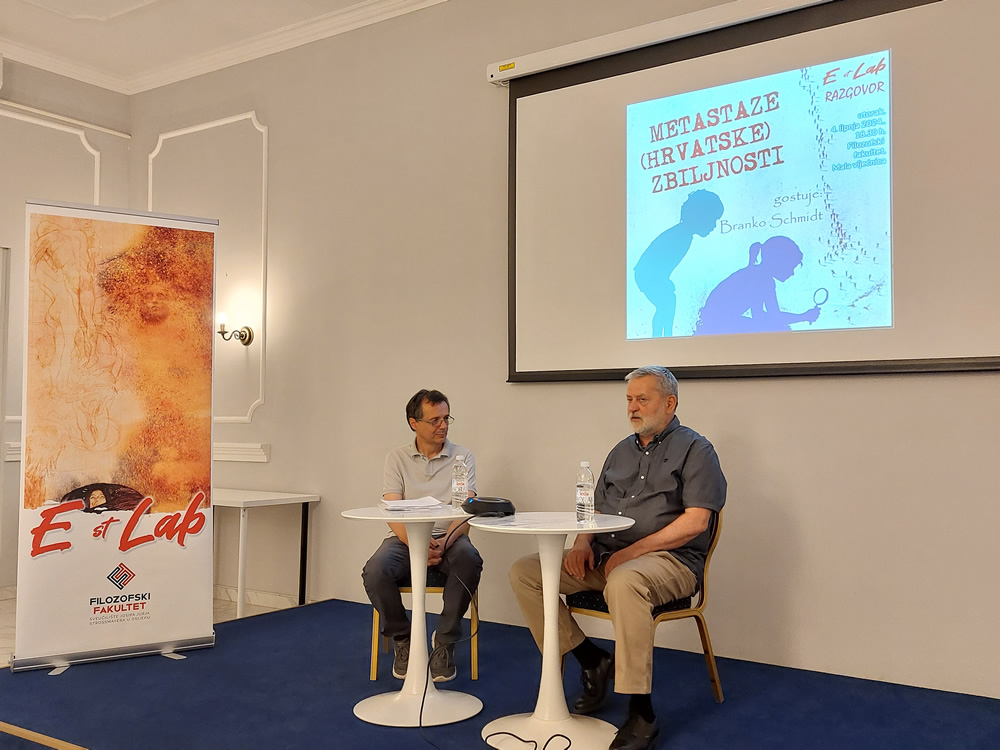
Schmidt revealed that this film also brought about a kind of metamorphosis in his own body of work. In collaboration with Balenović and the film’s leading actor, Rene Bitorajac, another important work of Croatian cinema (and beyond) from those years was created: Vegetarian Cannibal (2012).
Ultimately, Schmidt proved to be an inspiring interlocutor, but also a man who remains disappointed by certain manifestations of the country in which we live, including a persistent tendency toward fascist-generating phenomena, particularly in connection with the so-called “fan subculture”. Our homeland is still burdened by many “metastasised” deviations, and the director of the cult film also commented on the results of the most recent parliamentary elections.
As a native Esseker – and also a wartime TV cameraman in Osijek as it was being devastated in the early 1990s! – Schmidt is certainly a legitimate witness able to pass his experience on to younger generations in a country that, in many respects, could and should have been different. Metastases is a film that makes us aware of all this in a disturbing yet intellectually stimulating way. Fortunately, we can also enjoy it as a sparklingly humorous, witty and fully realised genre film. Believe me, it is still not only the most important but truly the best Croatian film made since independence.
mk
♦ 21 May 2024 ♦
EstLab Colloquium
↓↓
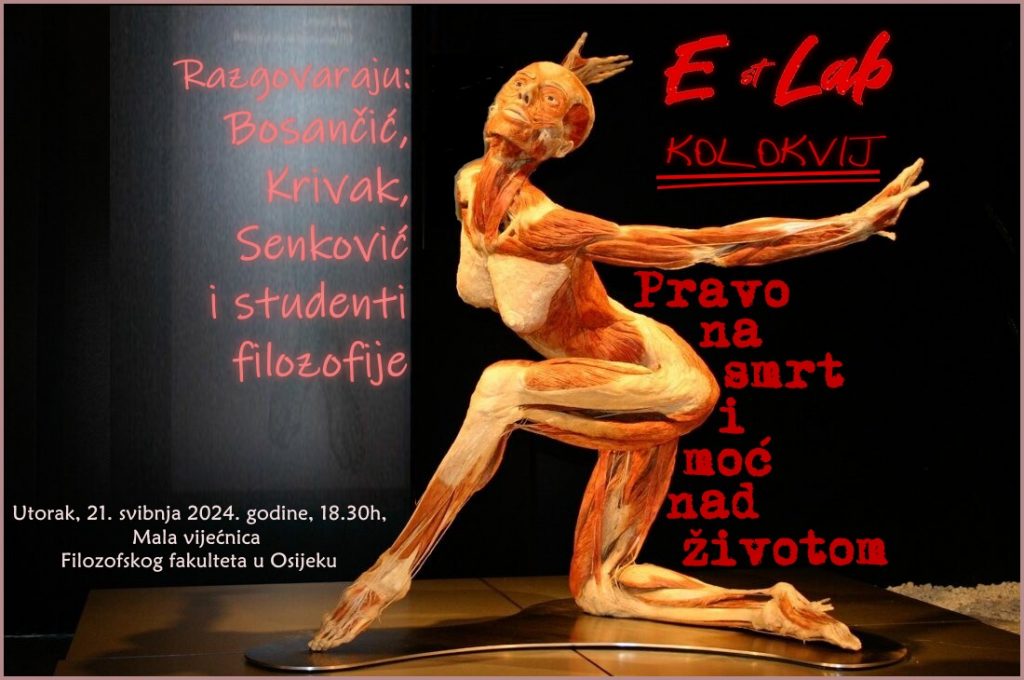
Right of Death and Power over Life
Participants: Marijan Krivak, Željko Senković, Boris Bosančić and philosophy students
****
As with everything else that remains even remotely meaningful today, the question of “life and death” remains a neuralgic one – including for philosophy itself. What is the condition of its survival? Where is the thin line marking the boundary of its continued existence… thus, once again, its life and death.
The philosopher who dealt most persistently with this question was, of course, Michel FOUCAULT. The concluding text of the first book in his planned six-volume work, provocatively entitled The History of Sexuality – The Will to Knowledge (1976) – bears the title “Right of Death and Power over Life”. Here Foucault uncovers a permanent modern arcanum: the mystery of the relationship between knowledge/power.
How is the contemporary capitalist world structured? The “archaeology of knowledge” flows into a distinctive “genealogy of power”, while governance over life becomes the fundamental means of subjugating individuals exposed to technologies of knowledge and strategies of power. Toward the end of his life, Foucault seeks “salvation” from this in the hermeneutics of the “care of the self” (epimeleia he auton).
After bestial sovereign power – described in its most graphically brutal form at the beginning of his book Discipline and Punish (1975) – the body is punished less and less through cruel torture and killing, and is increasingly subjected instead to… discipline. It becomes the object of capital’s “care” for a labour force healthy and compliant enough for the production process. Foucault raises the entire issue to the level of the so-called History of Sexuality.
Power over life – at least since the 18th century – develops in two directions. The first is the so-called “anatomo-politics of the human body”, which becomes a murderous machine of death (or a war machine, as Gilles Deleuze and Félix Guattari would later call it). The second is the “biopolitics of the population”, which regulates the hygiene of populations. And not only that… also “in play” here are demography, housing policy, health policy and epidemiology – the science of the “proper shaping of the social body”.
The path from sovereign power – guided by the principle “Make die and let live” – through the disciplining of bodies in enclosed spaces – school, factory, hospital, barracks… prison itself – ends in bio-power as the driving force of contemporary capitalism. Its principle is therefore “Make live and… let die”. What does Foucault tell us about all this? What is the power of LIFE as RESISTANCE? And where is the “power of the resistance/revolt of life itself against the power that seeks to control it”? What place remains for LIFE in the all-encompassing biopolitics of today’s war machine?
Furthermore, how did the “symbolics of blood” turn into an “analytics of sexuality” as the fundamental dispositif for monitoring the life of the individual in “networked societies of control” (Deleuze)?
THE RIGHT TO LIFE… Can a human being still be what they are (The One Who Is!) beyond all oppression and alienation? Is the “law of the sword” the fateful, unavoidable fatum of the individual, both in Foucault’s time and in ours today? Do we (still have any) power to resist that – power?
We will try to answer these and other questions at an EstLab scientific colloquium, on Tuesday, 21 May, from 6:30 p.m. in Room 39 at FFOS. Alongside EstLab members Željko Senković, Boris Bosančić and Marijan Krivak, philosophy students from our Faculty will also join us at the event.
mk
♦ 16 April 2024 ♦
EstLab Panel Discussion
↓↓
What Is the Post-Marxist Condition, or… What Is Theory For?
Participants: Marijan Krivak, Zvonimir Glavaš, Tomislav Brlek
****
The Aesthetics Laboratory at FFOS (the EstLab we all know) marked three years of continuous activities and actions concerning books, film, music and… philosophy. And, true to its spirit, it did so in the best possible way! The jubilee 50th event was held on Tuesday, 16 April 2024, in a well-filled Room 39 at FFOS. We hosted the “post-Marxist condition”. From Zagreb came the author of the book of the same title – incidentally, one of our “Osijek students” – Zvonimir Glavaš, together with the well-known literary theorist and historian Tomislav Brlek. In conversation with the author of these lines, numerous topics related to literary theory and political theory were discussed, all within the context of a topos of the humanities that has been present for more than a quarter of a century – post-Marxism.
The first question concerned what so-called “theory” means today (Why Theory?), after the declaratively proclaimed so-called “end of philosophy”. Theory – both in the literary and political sense – responds to many neuralgic questions that still keep alive the very “matter of thinking” (Heidegger). Following its initial “appearance” in Laclau and Mouffe’s classic book Hegemony and Socialist Strategy (1985), post-Marxism established itself as a cultural phenomenon through two books by Stuart Sim (1998/2000).
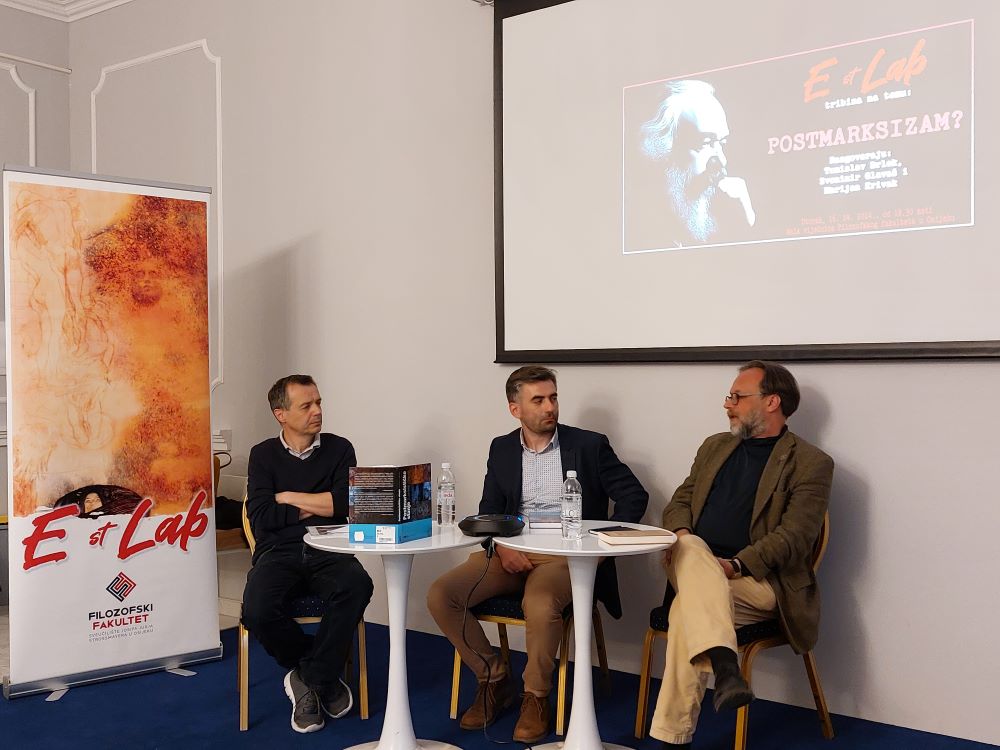
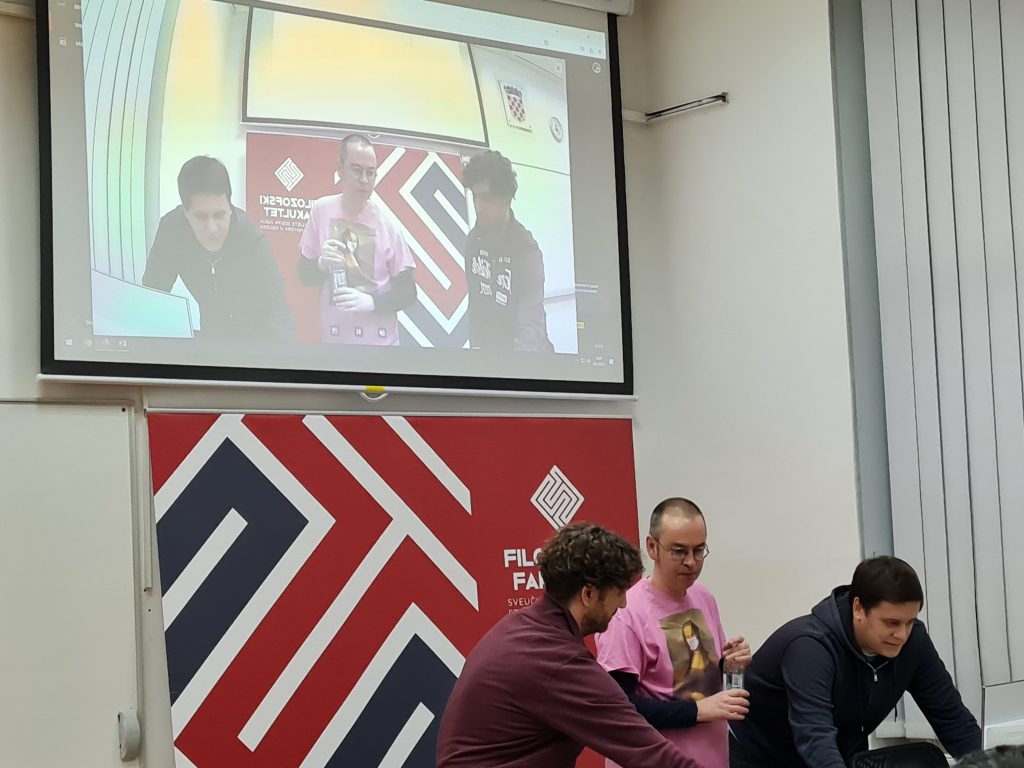
Marijan Krivak, Zvonimir Glavaš and Tomislav Brlek
Tomislav Brlek explained the many links between various post-isms. Both postmodernism and poststructuralism form part of the theoretical legacy invoked by nominal “post-Marxists”. The author of the book The Post-Marxist Condition, Zvonimir Glavaš, then presented his motivation for writing it (the study itself being the book version of his dissertation). In the conversation among the three participants, examples of some of the most important literary-political theories gradually crystallised, above all those associated with the leading French philosophers of the second half of the 20th century.
The discussion touched on Jacques Rancière and his phrase “zoon politikon as a literary animal”; Deleuze and Guattari’s famous book on Kafka and minor literature was also addressed, while a kind of “crescendo” of the entire discussion came with Derrida’s provocative work Specters of Marx (1993). This book – heretical in a certain sense with regard to Marxist orthodoxy – interpretively elevated the entire problem of “post-Marxism” to the highest achievements of so-called “deconstruction”. Derrida’s idea of justice as the only human category that cannot be deconstructed is deeply inspired by the spirit/spectre of Marx’s thought. As, after all, was the music of the band GANG OF FOUR, which framed the entire event in a danceable-and-clever way!
mk
♦ 12 December 2023 ♦
Guest at EstLab:
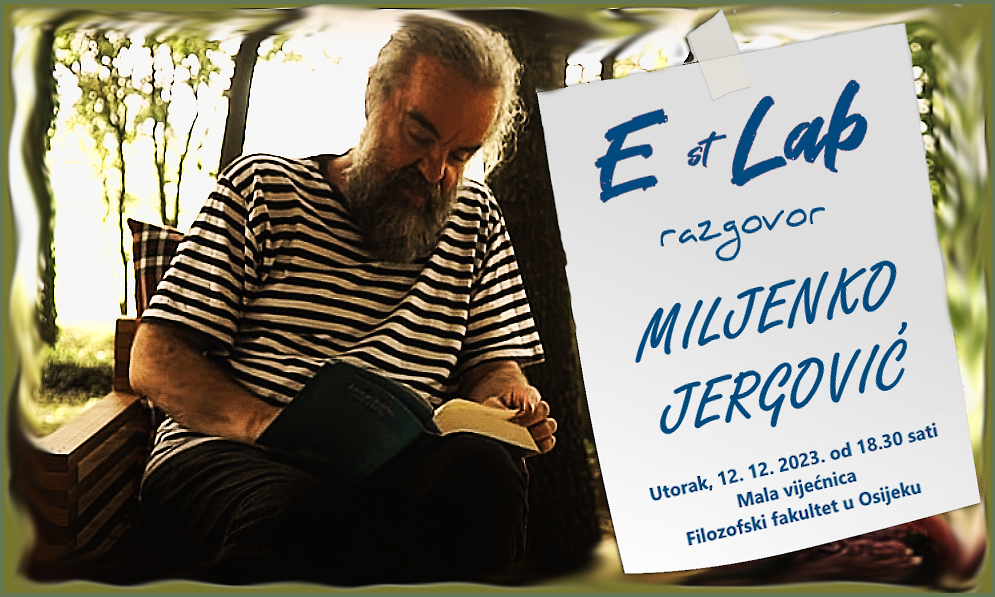
Miljenko Jergović
↓↓
Conversation at the Aesthetics Laboratory:
The Wisdom of Defeat, the Madness of Victory – with Miljenko Jergović on Football, Writing and… Philosophy
****
What is it like to live in countries where football is not “the most important secondary thing in the world”? Or rather, precisely where “football is the most important main thing in the world”? Because… let us be very subjective (read: honest) with ourselves… Among Croats, football is much more than a popular team game/sport. I responsibly and impudently claim that it is one of the three pillars of Croatian state-building. Alongside the untouchable sacred institutions forming the cornerstone of our “(too) Beautiful Homeland” – the Holy Catholic Church among the Croats and the untouchable population of Homeland War Veterans – every football match is seen as an opportunity to turn the entire population into supporters of a “pure” and sacred state-building Truth. Am I exaggerating? Of course and… indeed! Talking about football among Croats is every bit as challenging as questioning the sacred dogmas on which “Western civilisation” rests.
One year after the FIFA World Cup in Qatar, we therefore speak with Miljenko Jergović about yet another in a series of “historic successes” of the sacrosanct idea of the Vatreni, prompted by his book The Wisdom of Defeat, the Madness of Victory. For anyone who may not know, he is one of the most important and most widely translated figures from our nearby geocultural coordinates and one of the most authoritative voices in the novelistic, narrative and essayistic sense.
In equal measure, he is (also) a Bosnian and (also) a Croatian writer. (If the author himself would even wish to assume the burden of such identity labels!?) Listing all of his published works would require a kind of textual itinerary that would certainly exceed any lexicographical or encyclopaedic entry. Almost three decades after the cult Sarajevo Marlboro (1994), Jergović has, volens nolens, established himself as one of the most influential writers of his generation. By virtue of his body of work, indisputably… But also because of his rare gift for storytelling. I believe he could be placed within the coordinates of what Walter Benjamin describes in his essay “The Storyteller” (1936). Namely, Jergović goes far beyond the writerly techne in the direction of authentic poiesis. He is also a philosopher by education, one of the students of Predrag Finci, the great aesthetician from this region. Yet the attempt by the author of these lines to sketch, however briefly, the guest of the EstLab panel can necessarily be only sporadically partial in its intention. Jergović comes to us in the role of the “Other”, an expert on “football matters”. Is that the only reason? NOOO. In conversation with him, we hope to arrive at some answer to the question of the wisdom of defeat (and) the madness of victory. About football, writing and what the long-forgotten Sartre so profoundly asked himself: Qu’est-ce que la littérature? And… what is philosophy in opening The Space of Literature (M. Blanchot)?
All of this will take place on Tuesday, 12 December, from 6:30 p.m. in Room 39, before students of the Faculty of Humanities and Social Sciences in Osijek. Everyone is invited…
mk
♦ 16 November 2023 ♦
Frankfurt Critical Theory – The First 100 Years
↓↓
International colloquium marking World Philosophy Day
Coordinator and Chair of the Conference Programme and Organising Committee: Prof. Marijan Krivak, PhD
****
PROGRAMME
Thursday, 16 November 2023
Opening
13.30 Assoc. Prof. Boško PEŠIĆ, PhD, Remarks on the tradition of the Department of Philosophy and the observance of international WORLD PHILOSOPHY DAY
13.40 Prof. Marijan KRIVAK, PhD, A few words on this year’s theme of the International Colloquium
13.50 Prof. Ivan TROJAN, PhD, Welcome address and opening of the conference
Session 1 – chaired by Marijan Krivak
14.05 Prof. ALPAR LOSONCZ, PhD, How Does Herbert Marcuse, Critic of Liberalism and Capitalism, Differ from the Mainstream of the Frankfurt Circle?
14.40 Prof. PAVLE MILENKOVIĆ, PhD, The Frankfurt School and the Parisian Avant-Garde: A Reflection on a Dialogue That Never Took Place
15.00 Discussion
15.15 Coffee break
Session 2 – chaired by Željko Senković
15.30 Assoc. Prof. BOŠKO PEŠIĆ, PhD, The Idea of Negative Dialectics
15.50 Assoc. Prof. BERNARD HARBAŠ, PhD, The Frankfurt School and Legal Violence
16.10 Prof. MARIJAN KRIVAK, PhD, WB, or… “Breaking the Silence about History”
16.30 Discussion
16.45 Coffee break
Session 3 – chaired by Boško Pešić
17.00 Prof. ŽELJKO SENKOVIĆ, PhD, The World Today: Several Theses on the Philosophy of Jürgen Habermas
17.20 Asst. Prof. PAVAO ŽITKO, PhD, The Influence of Karl Jaspers on Jürgen Habermas’s Critical Theory
17.40 Discussion
18.00 Concluding discussion
19. 00 Dinner for participants at Hotel “OSIJEK”
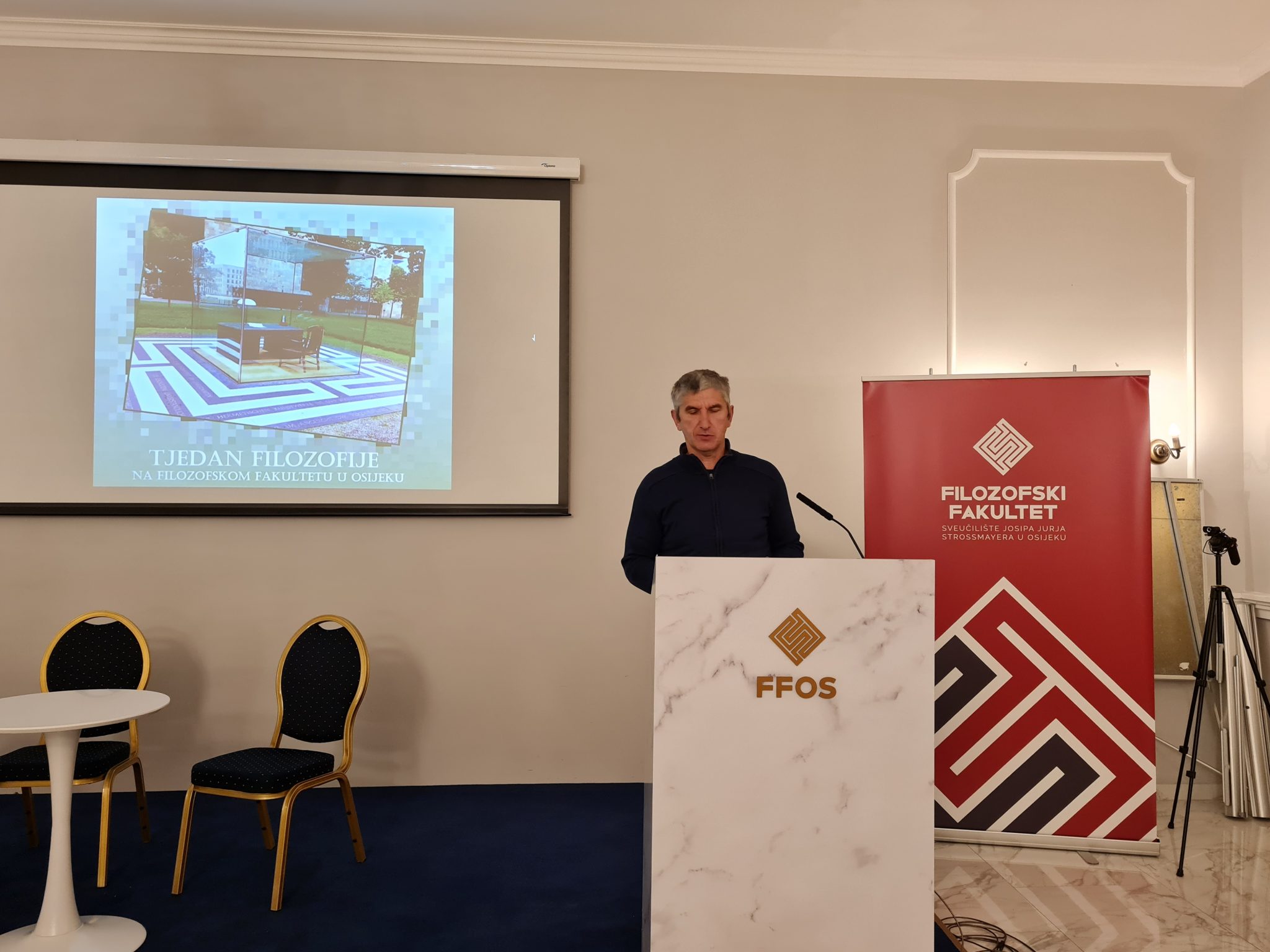
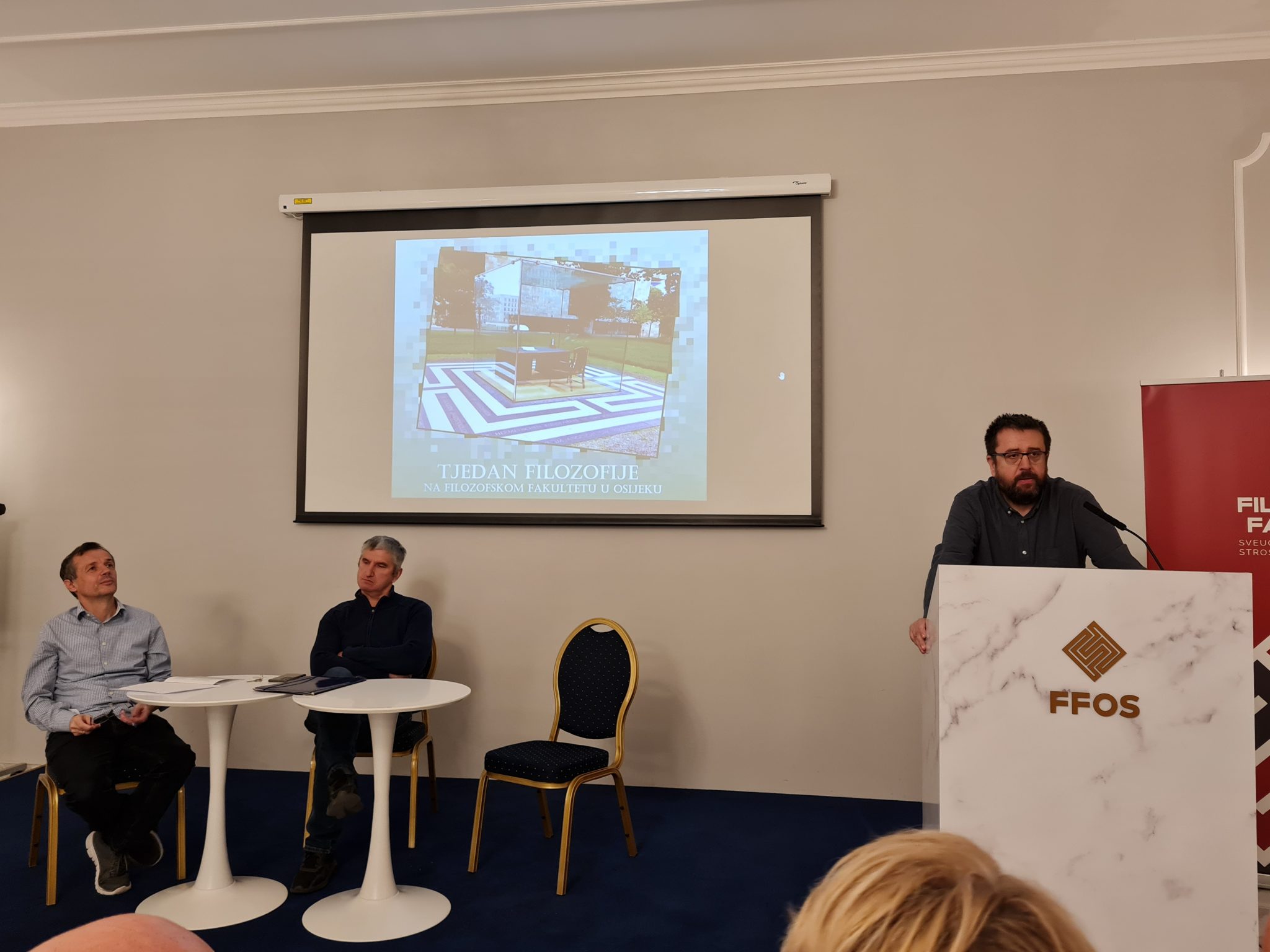
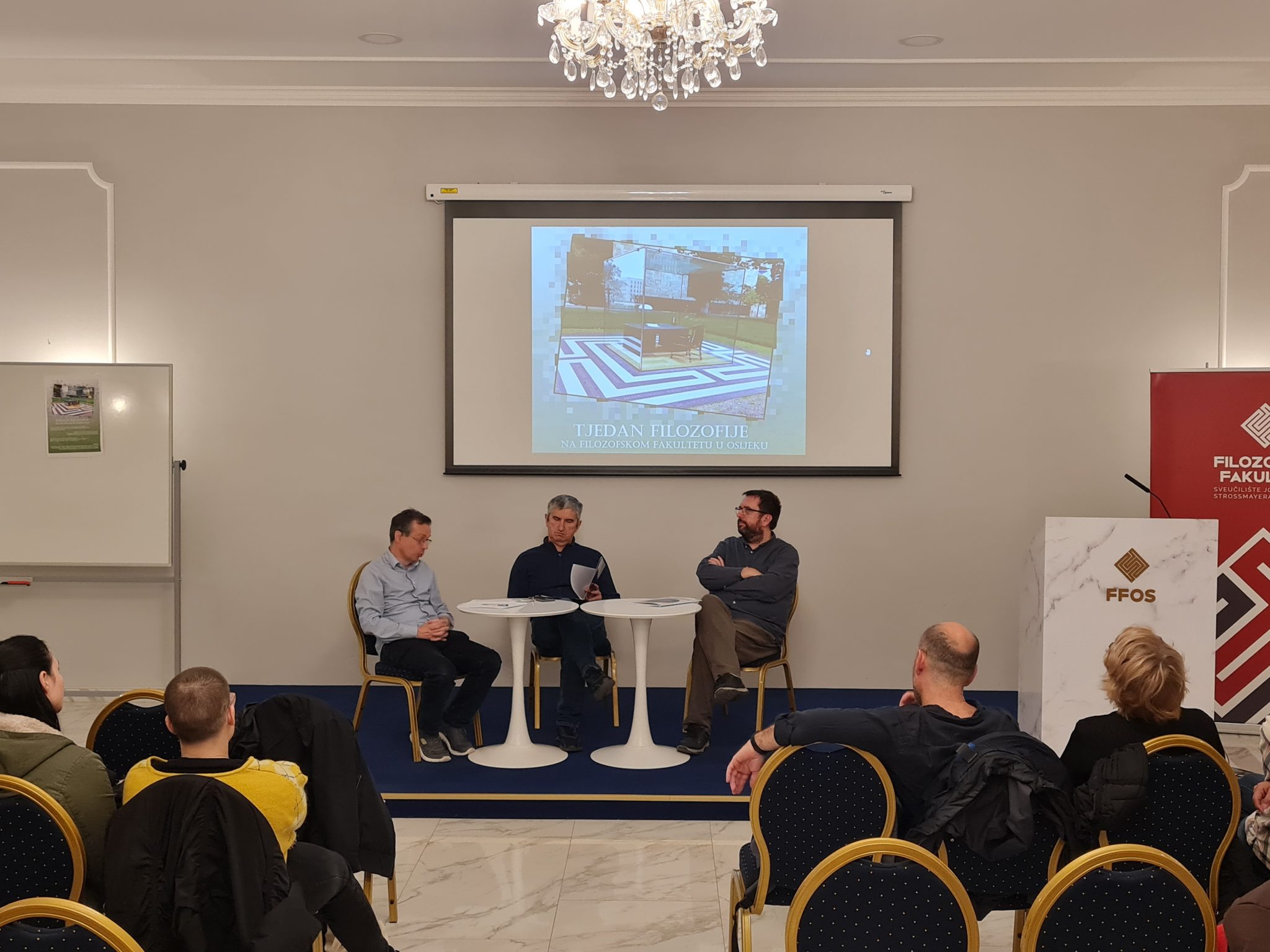
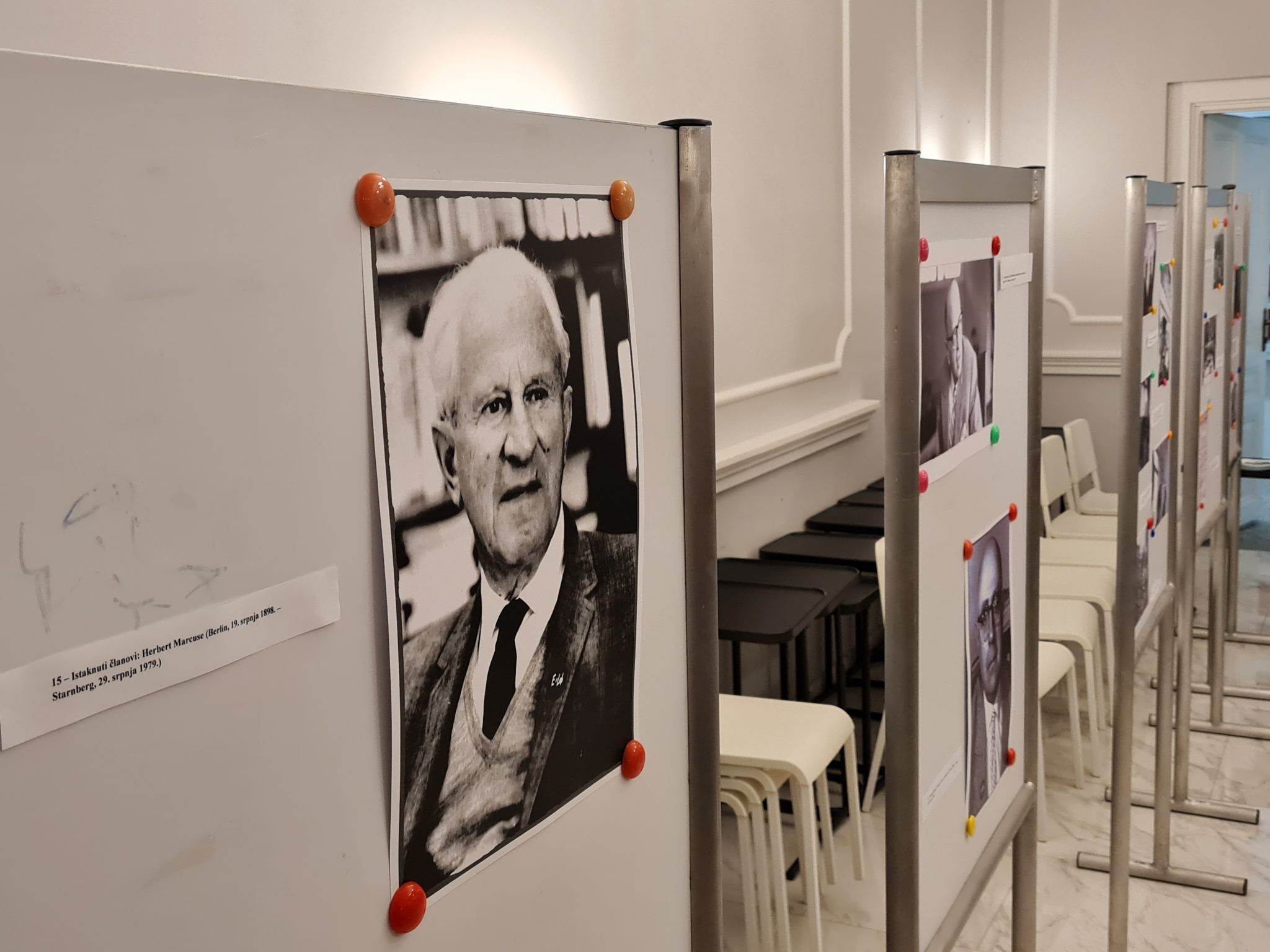
♦ 14–15 November 2023 ♦
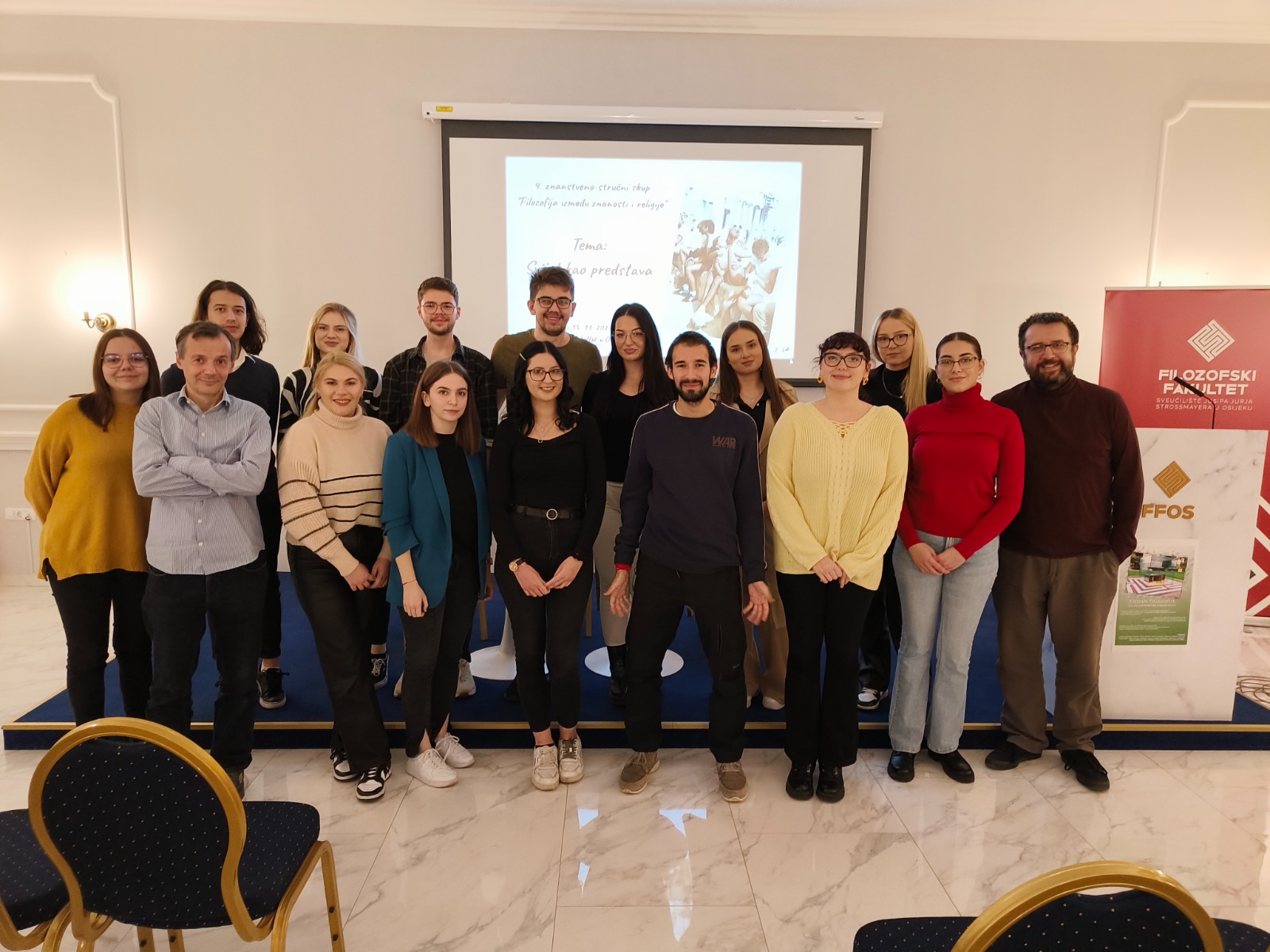
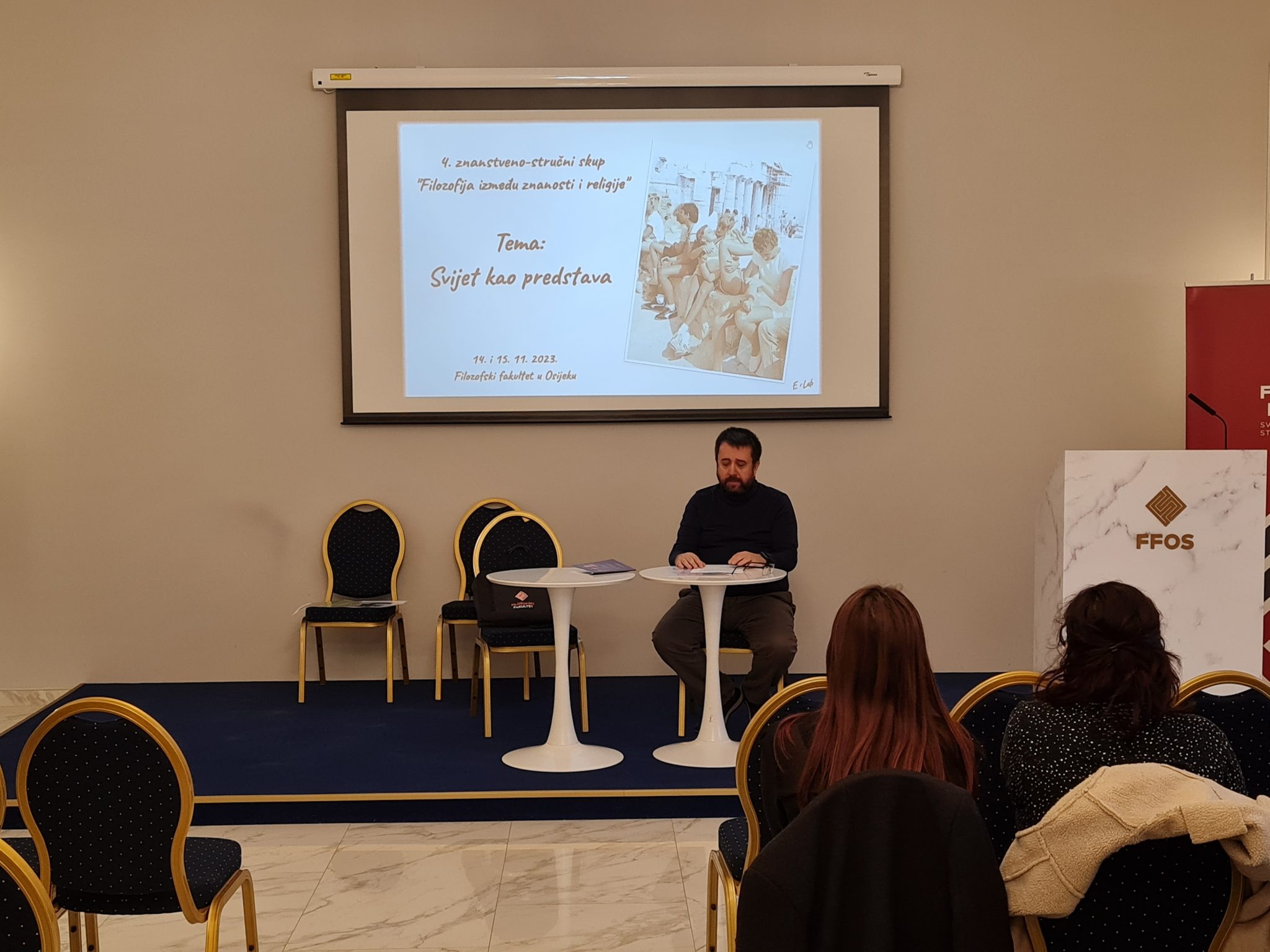
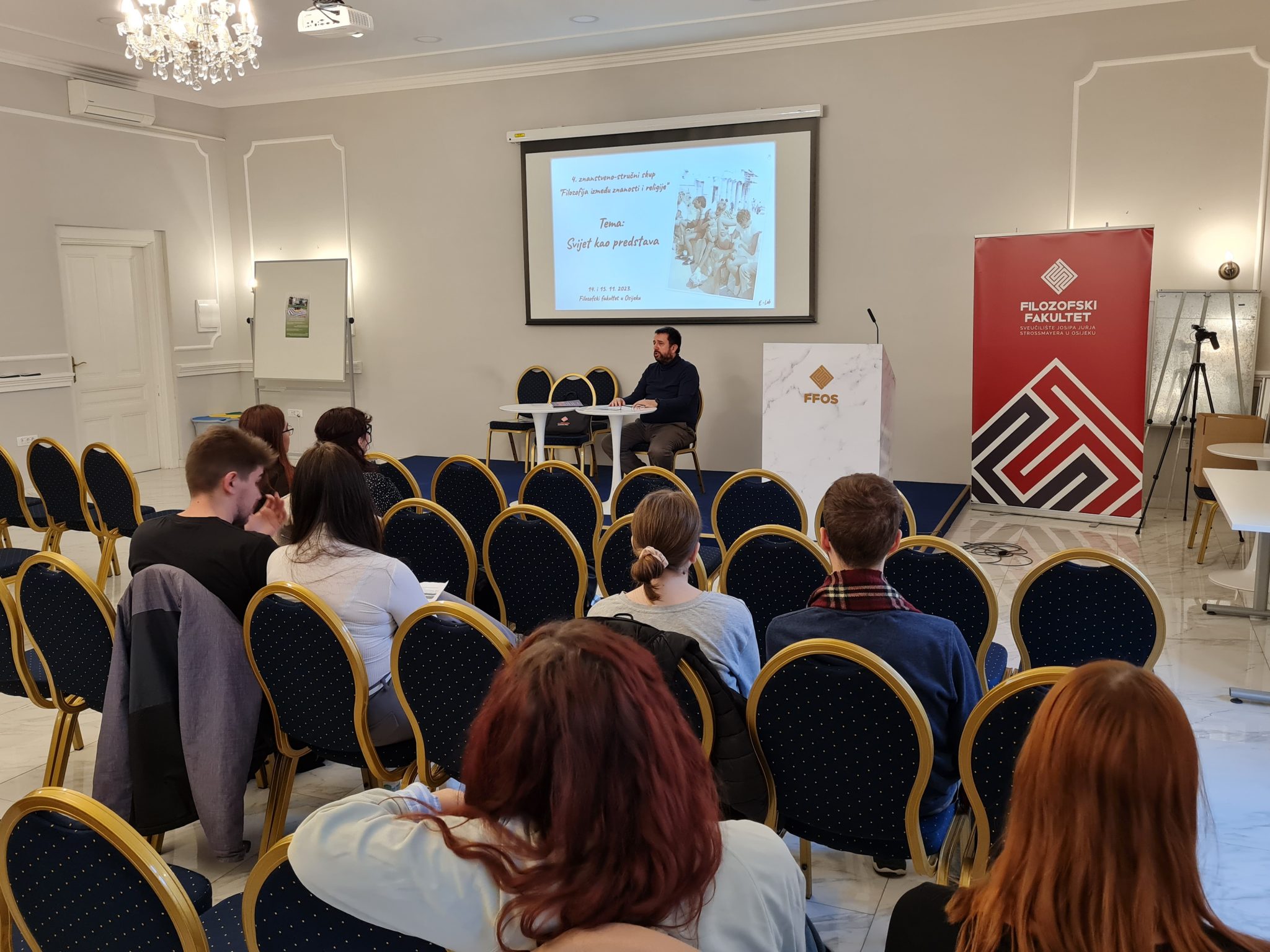
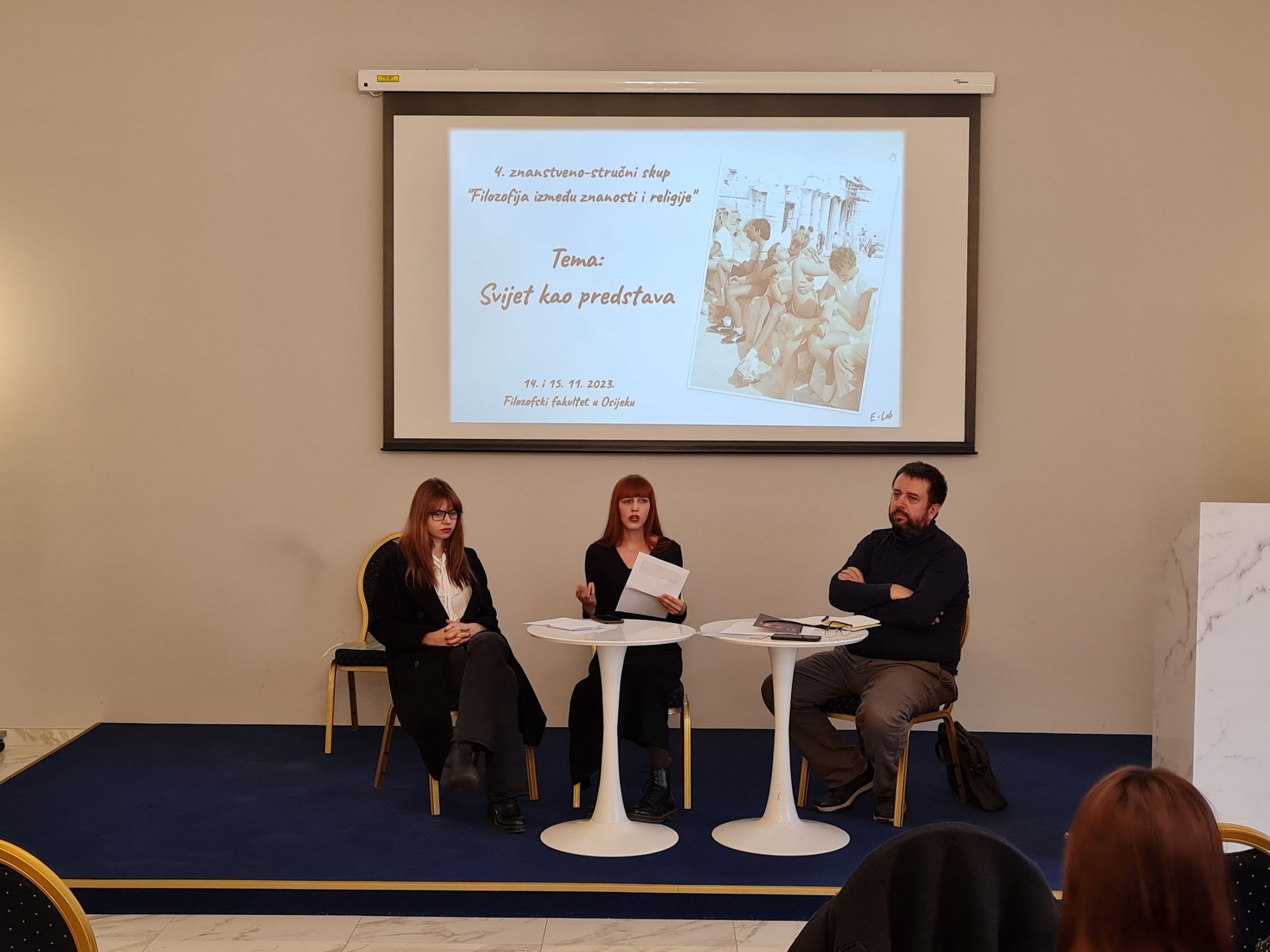
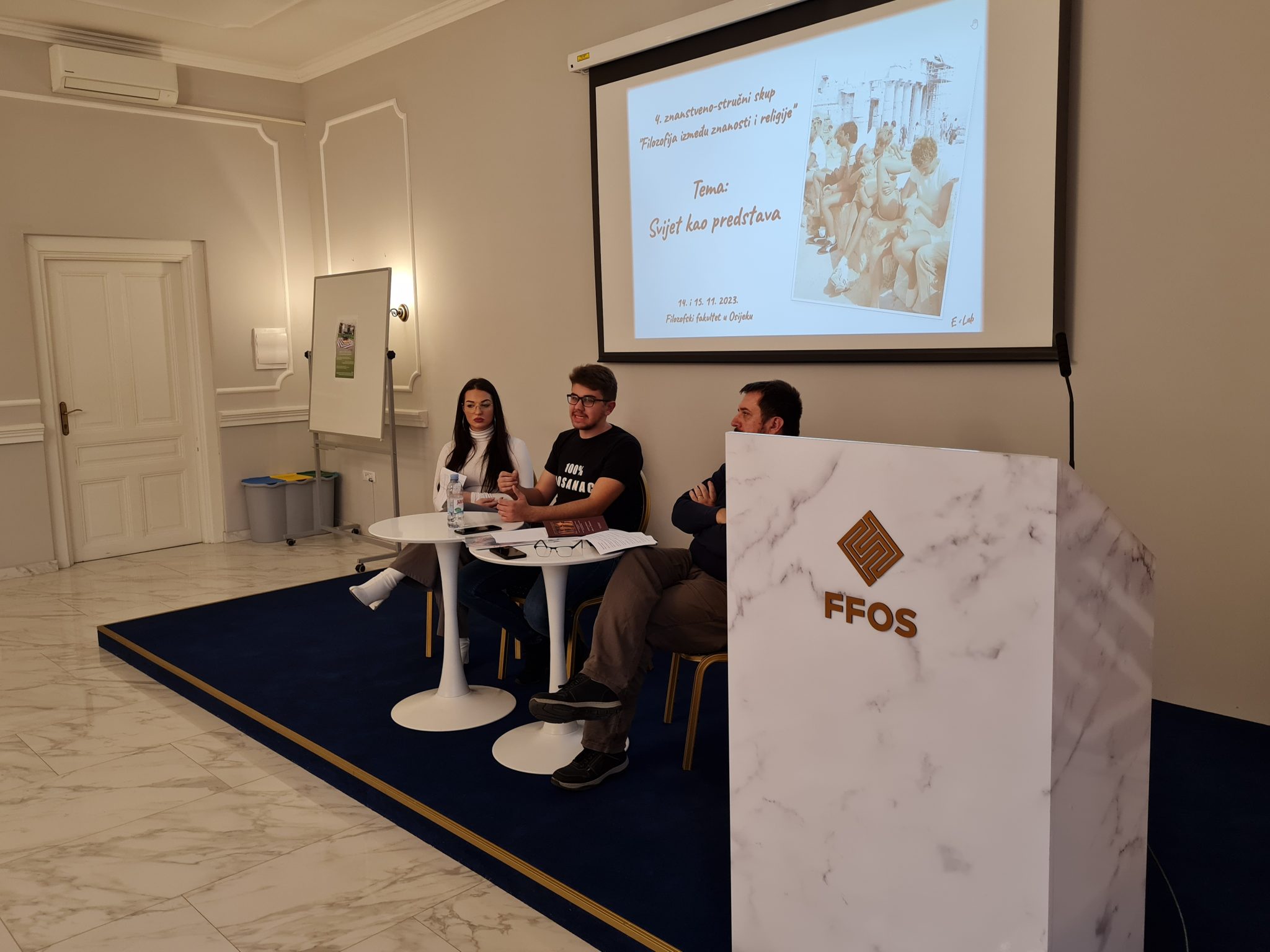
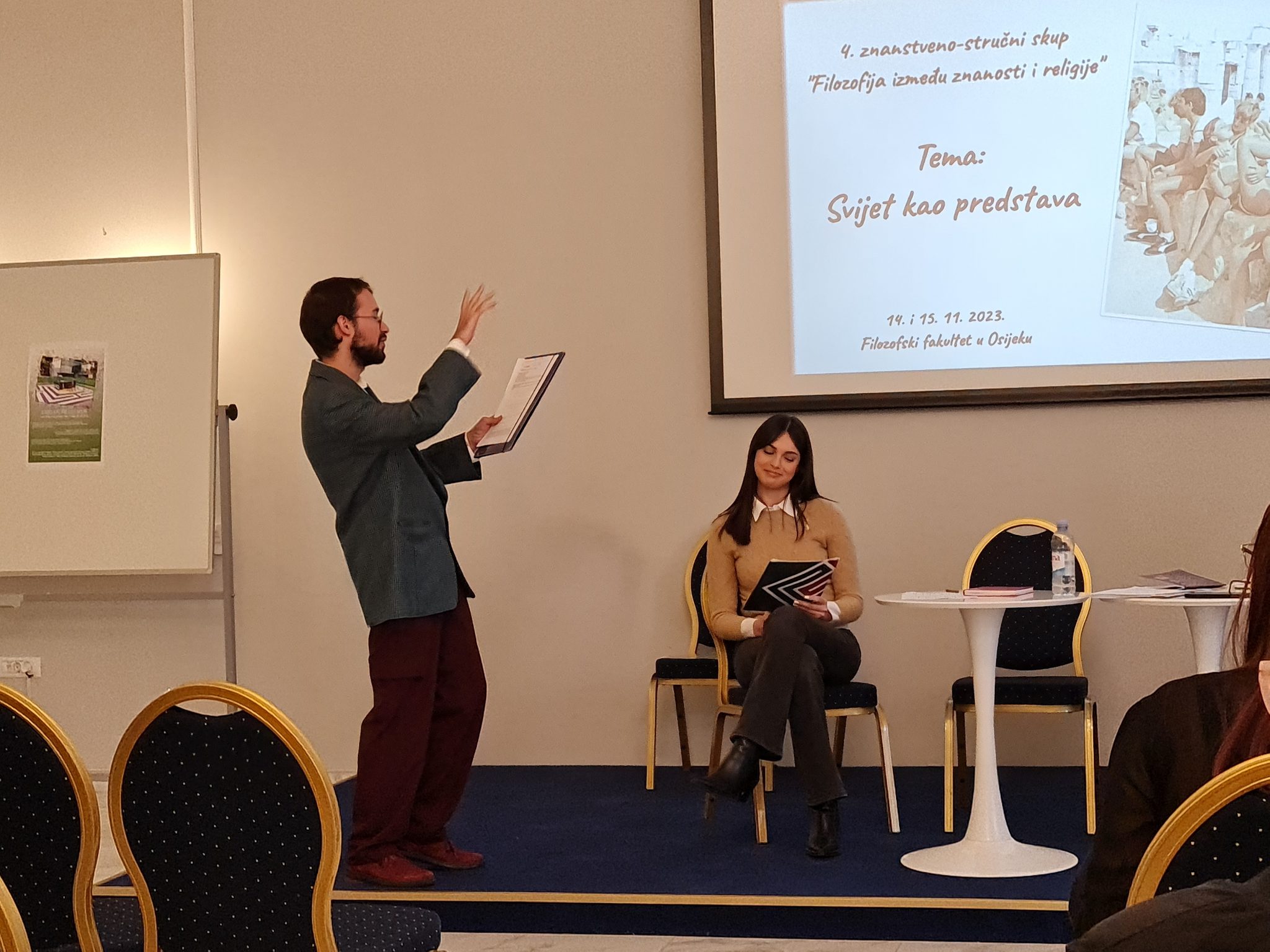
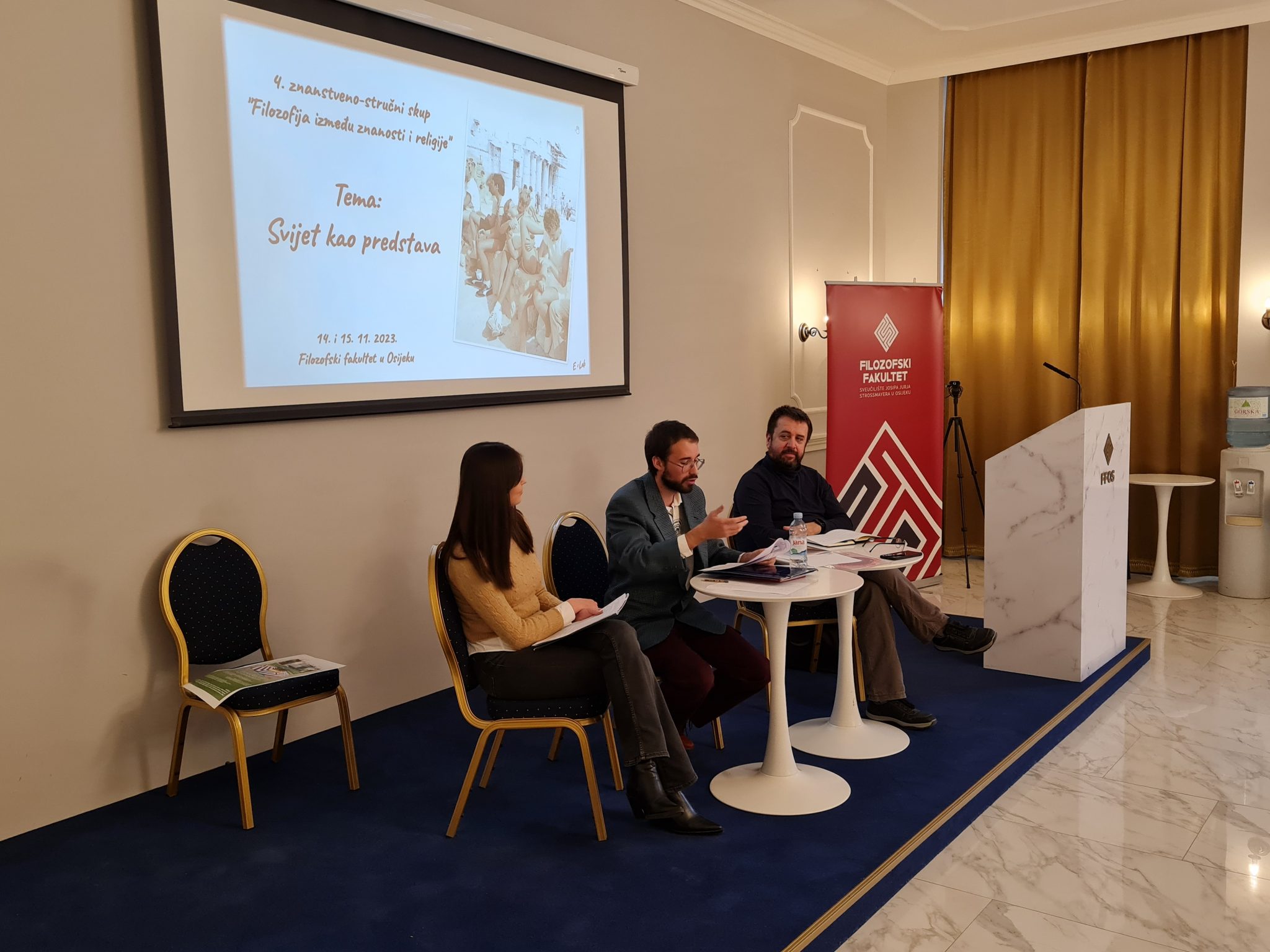
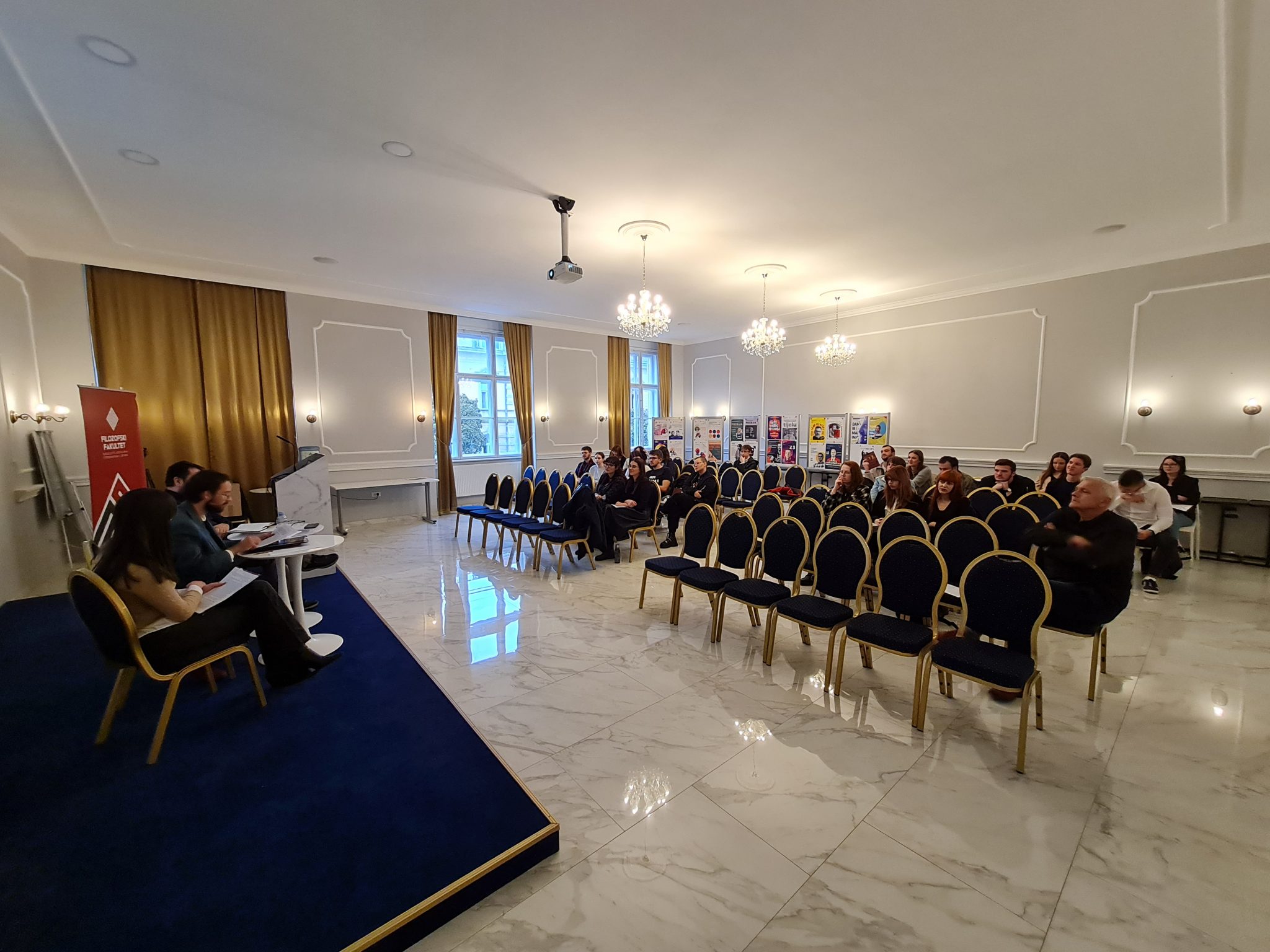
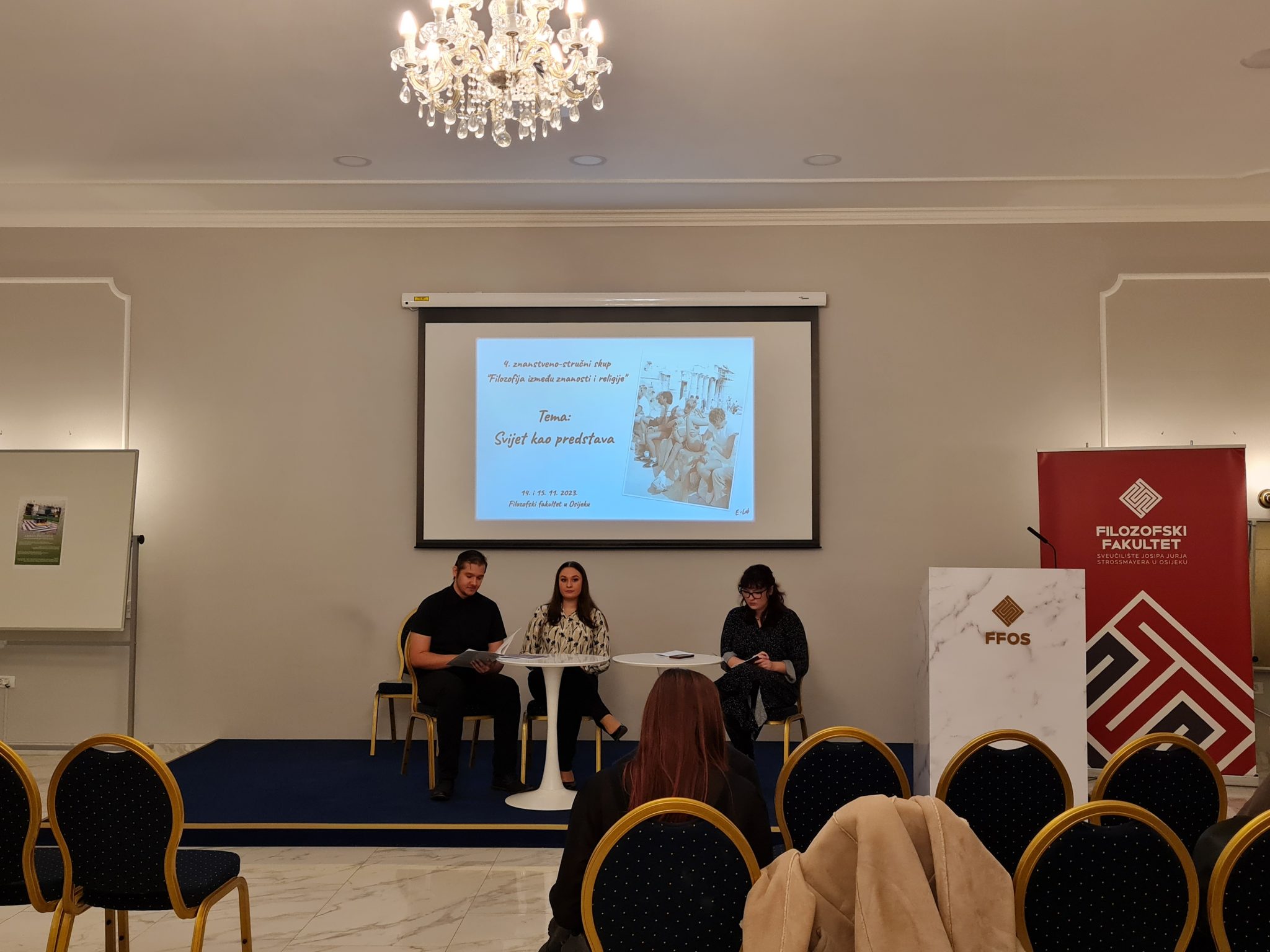
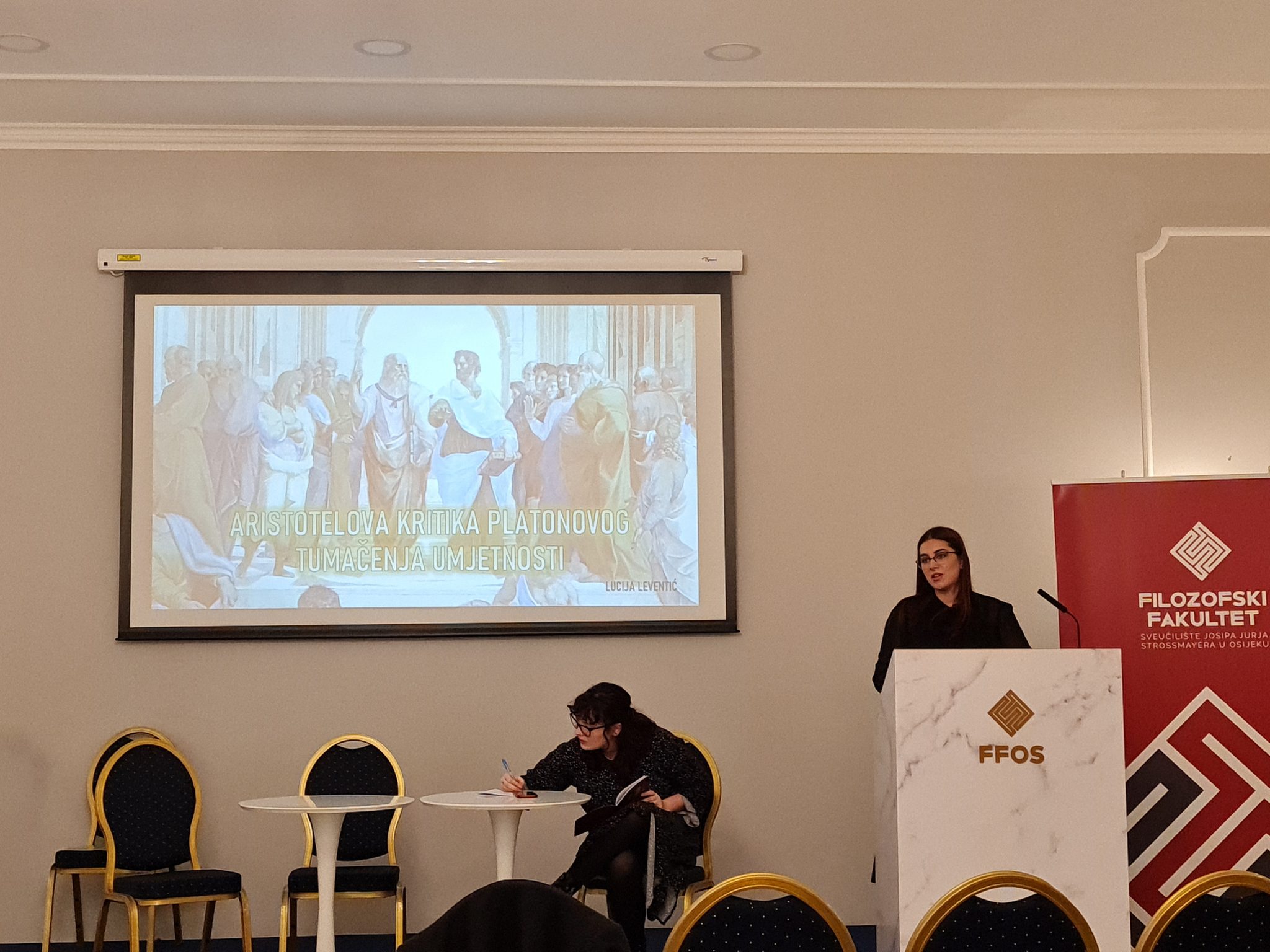
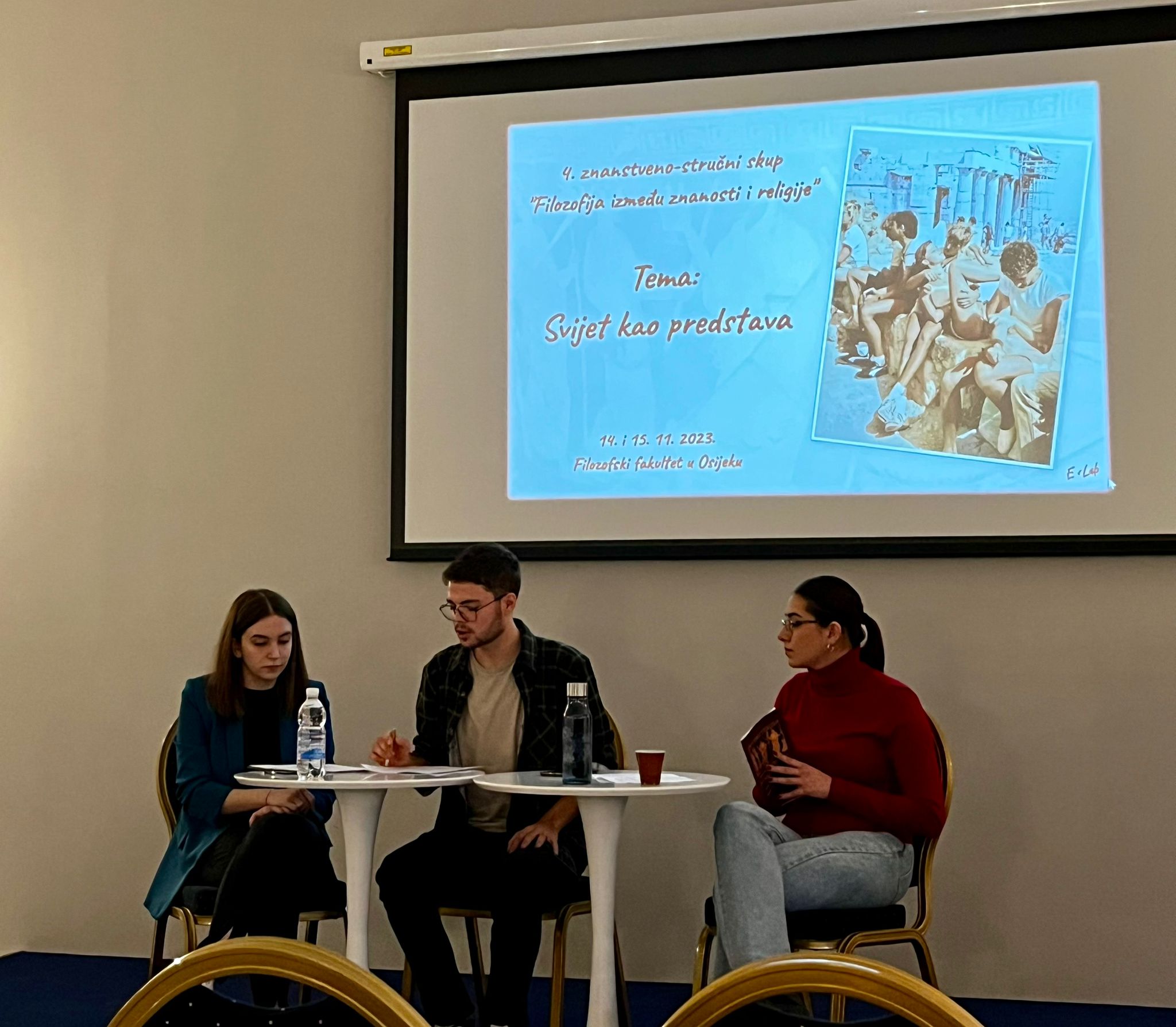
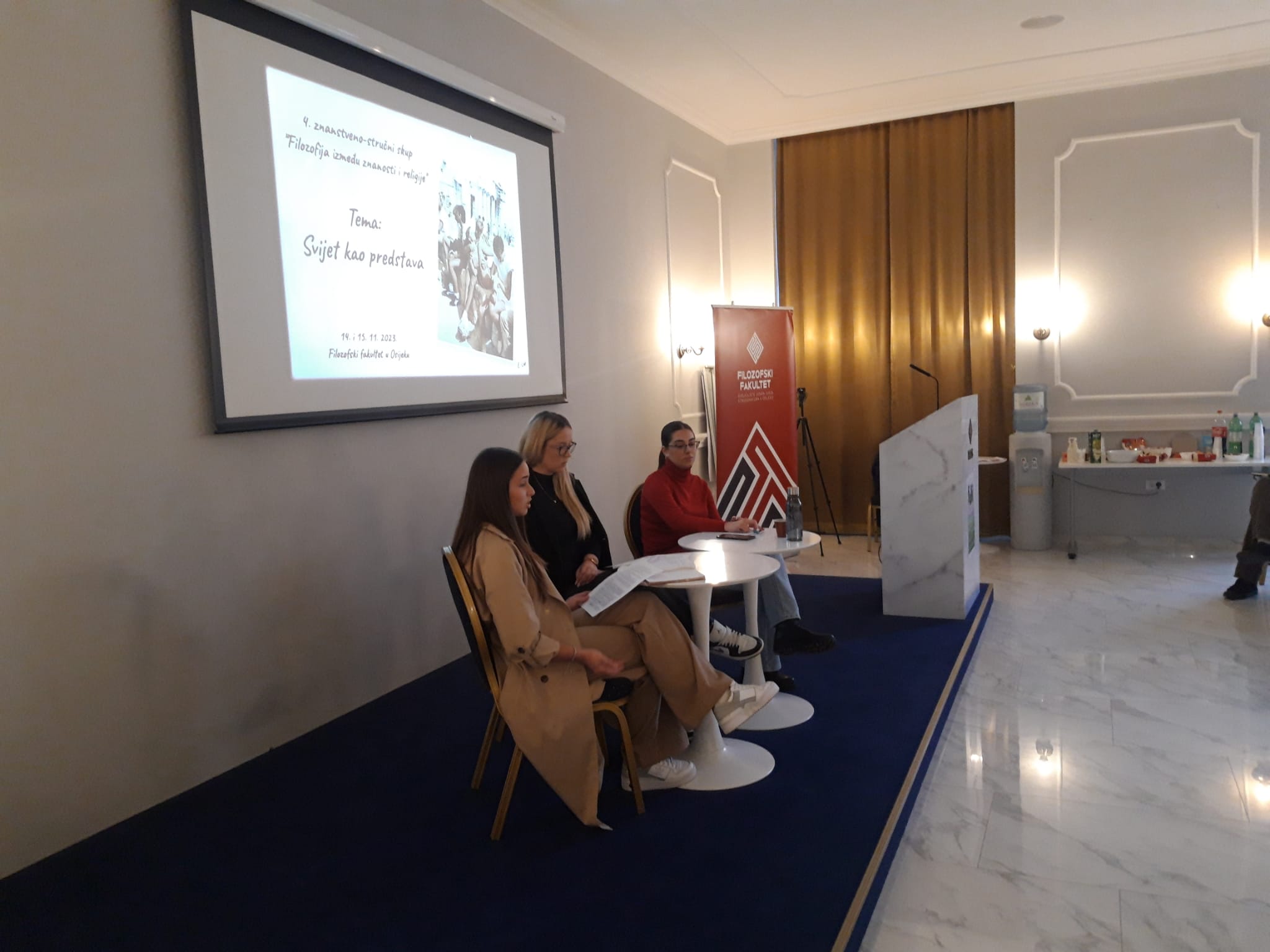
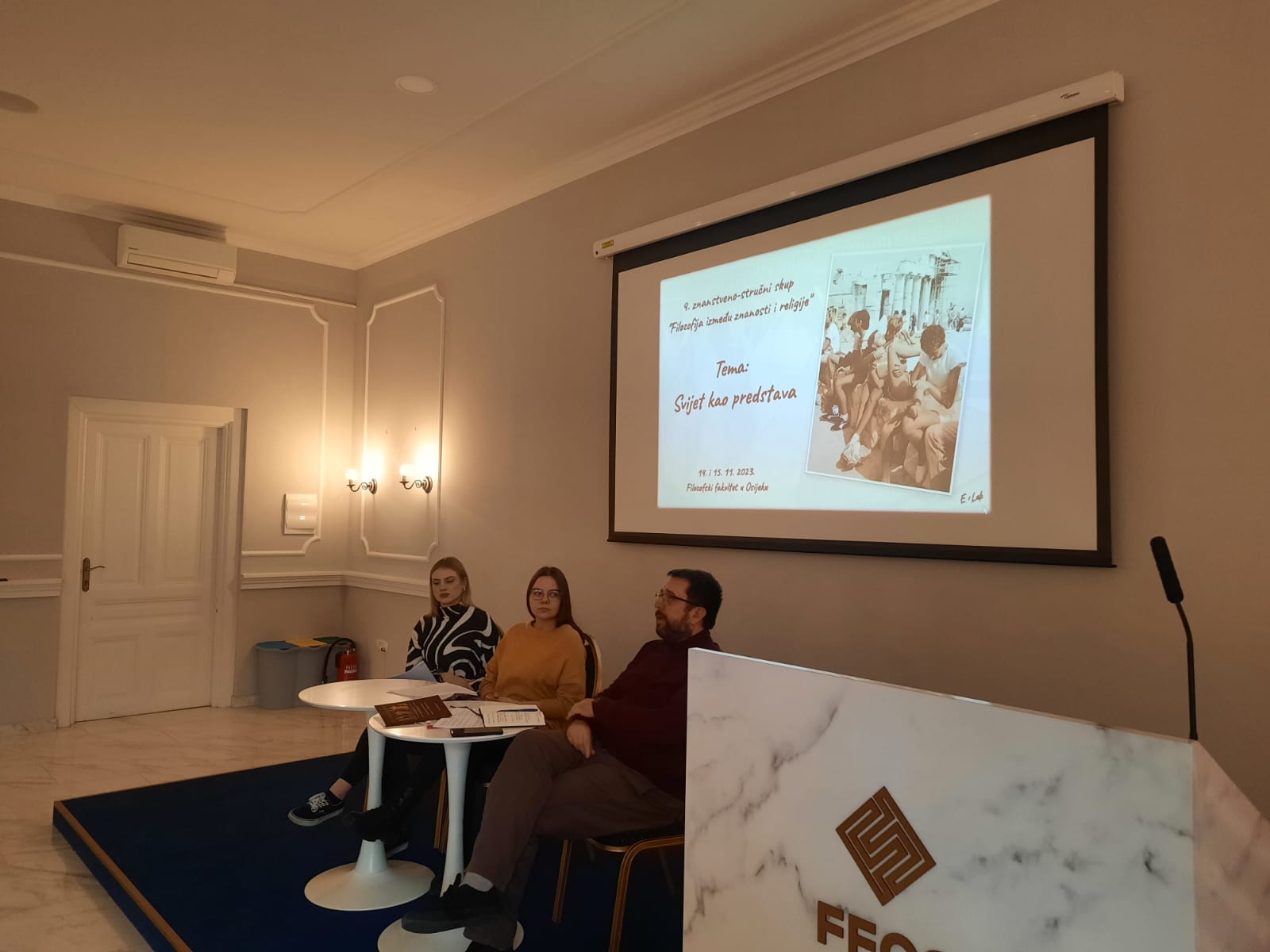
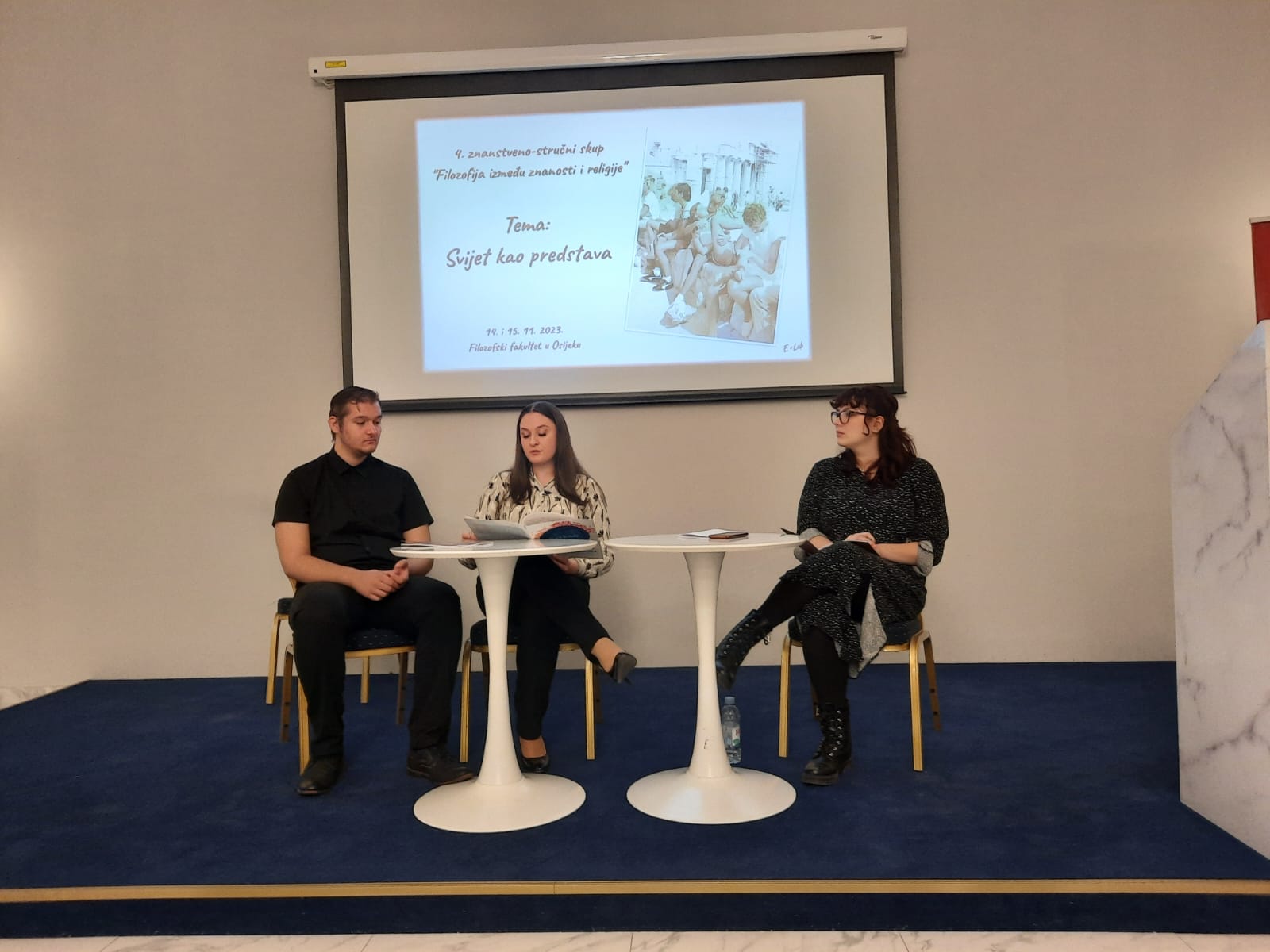
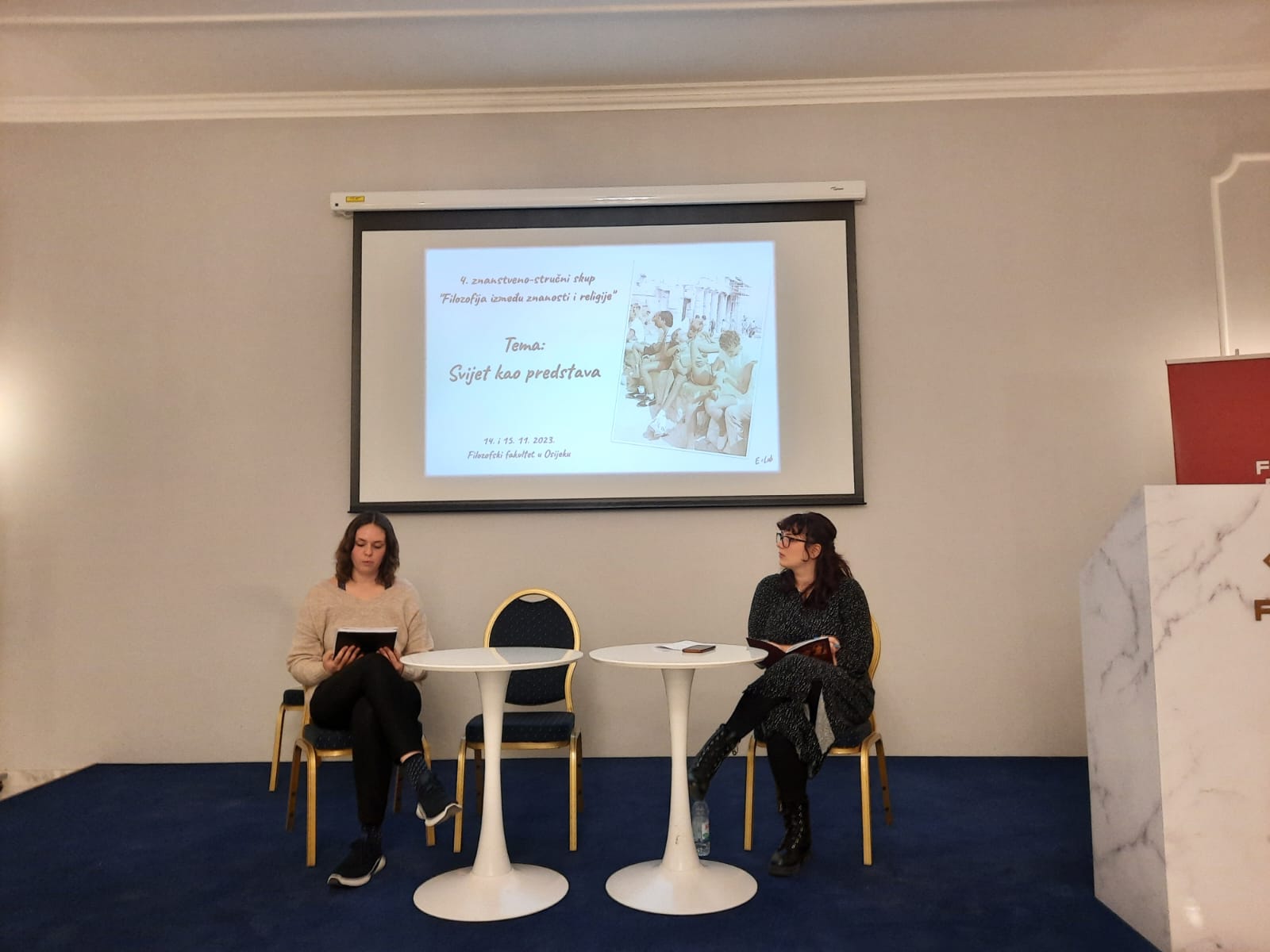
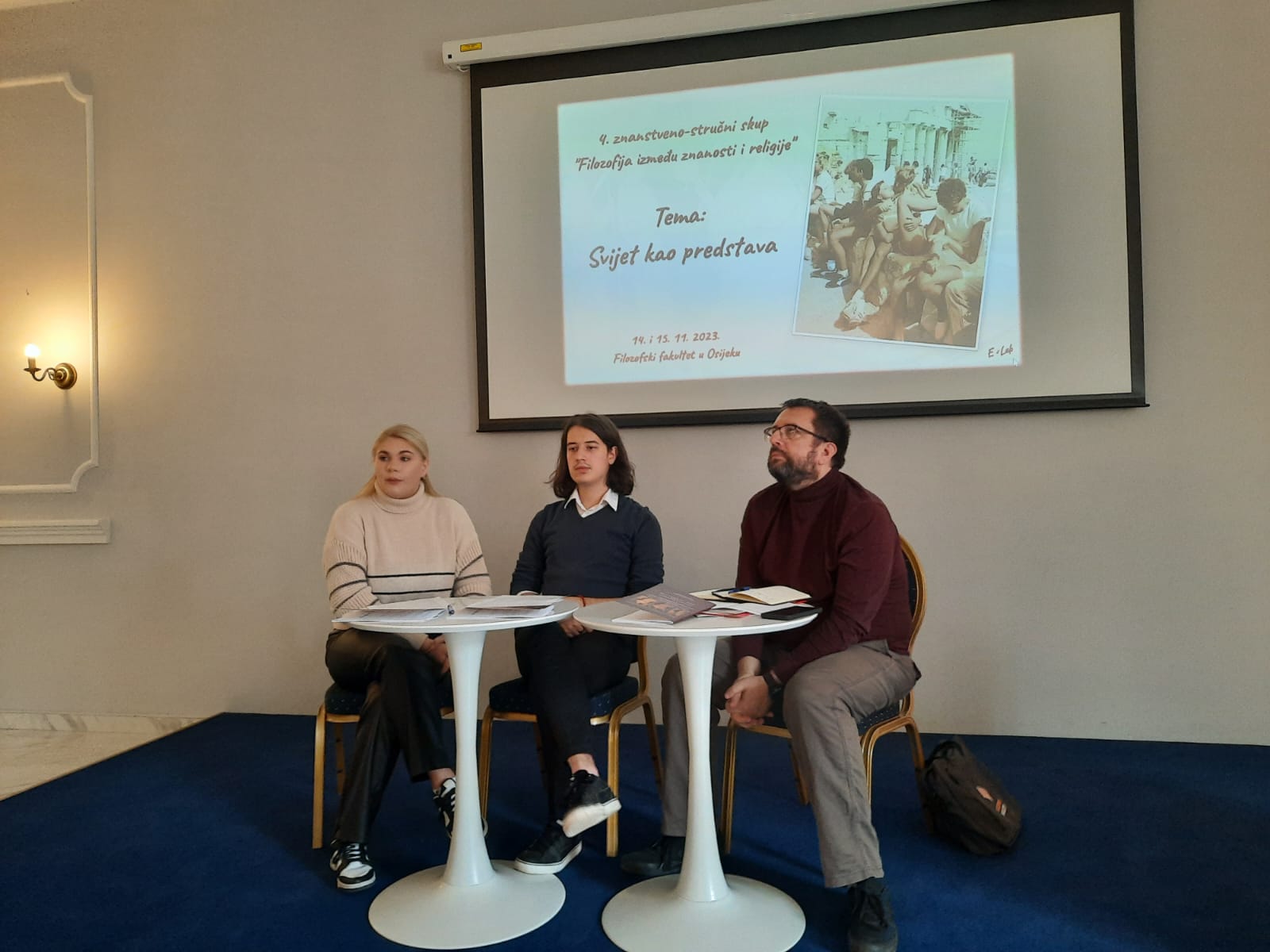
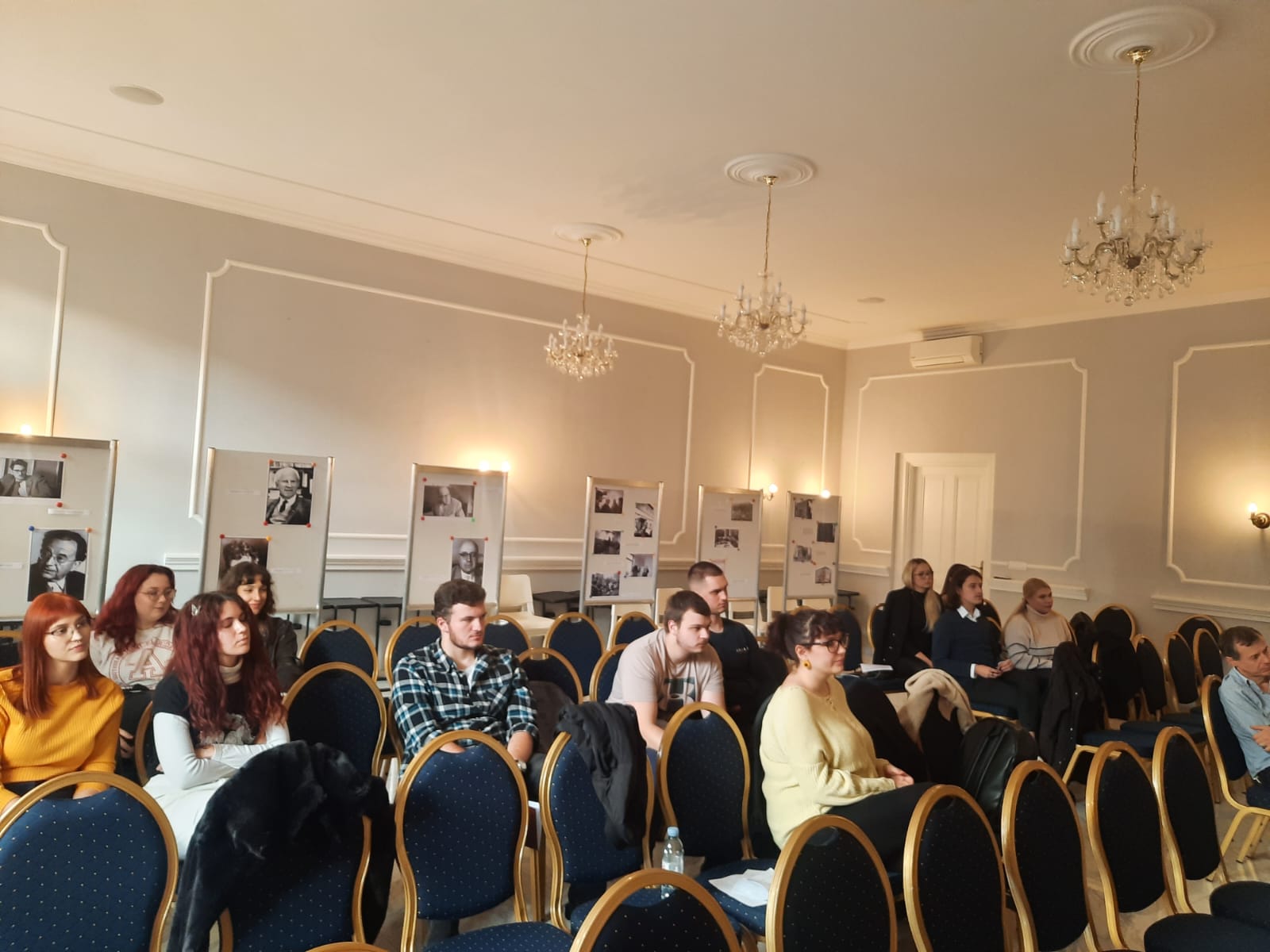
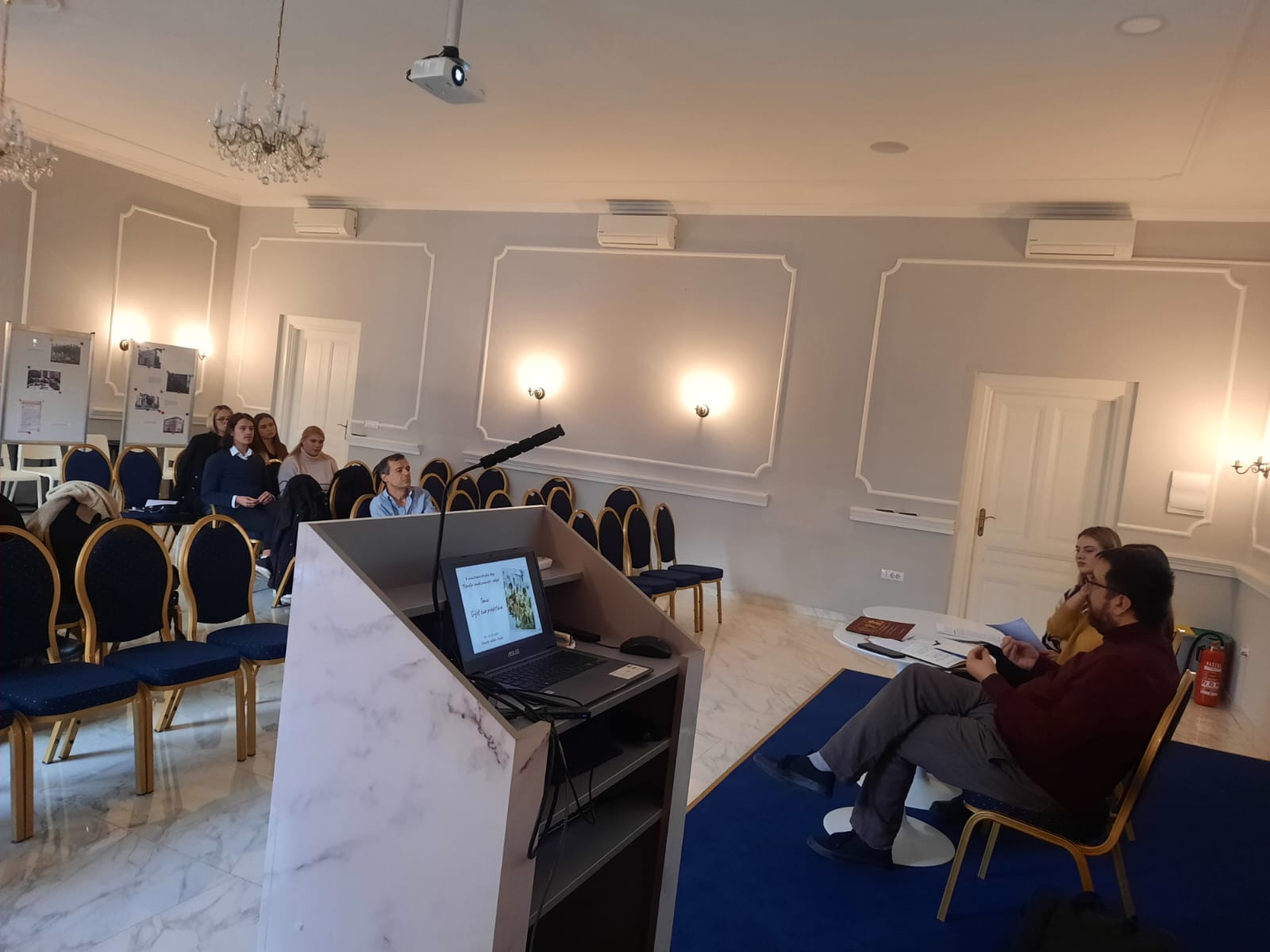
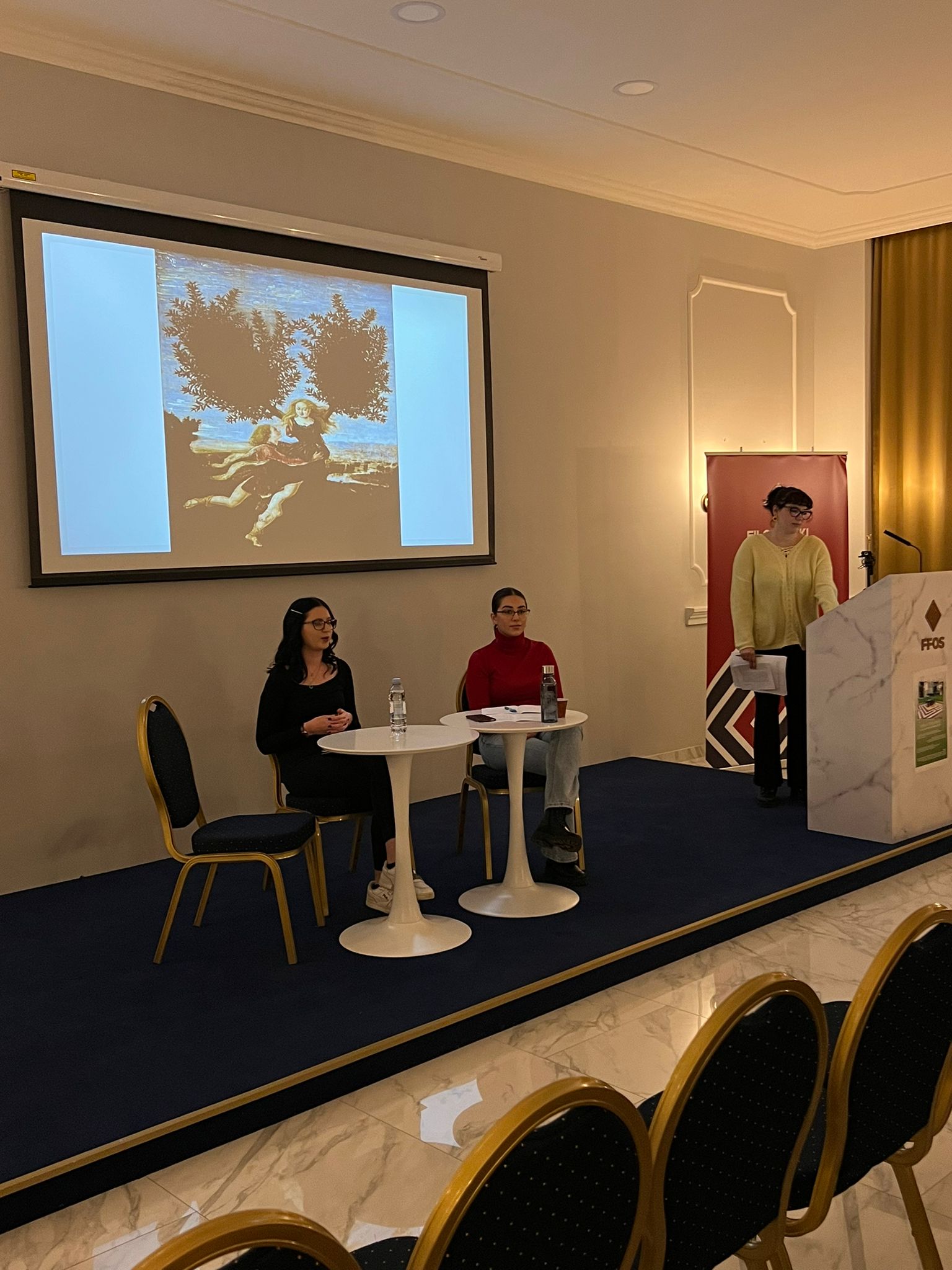
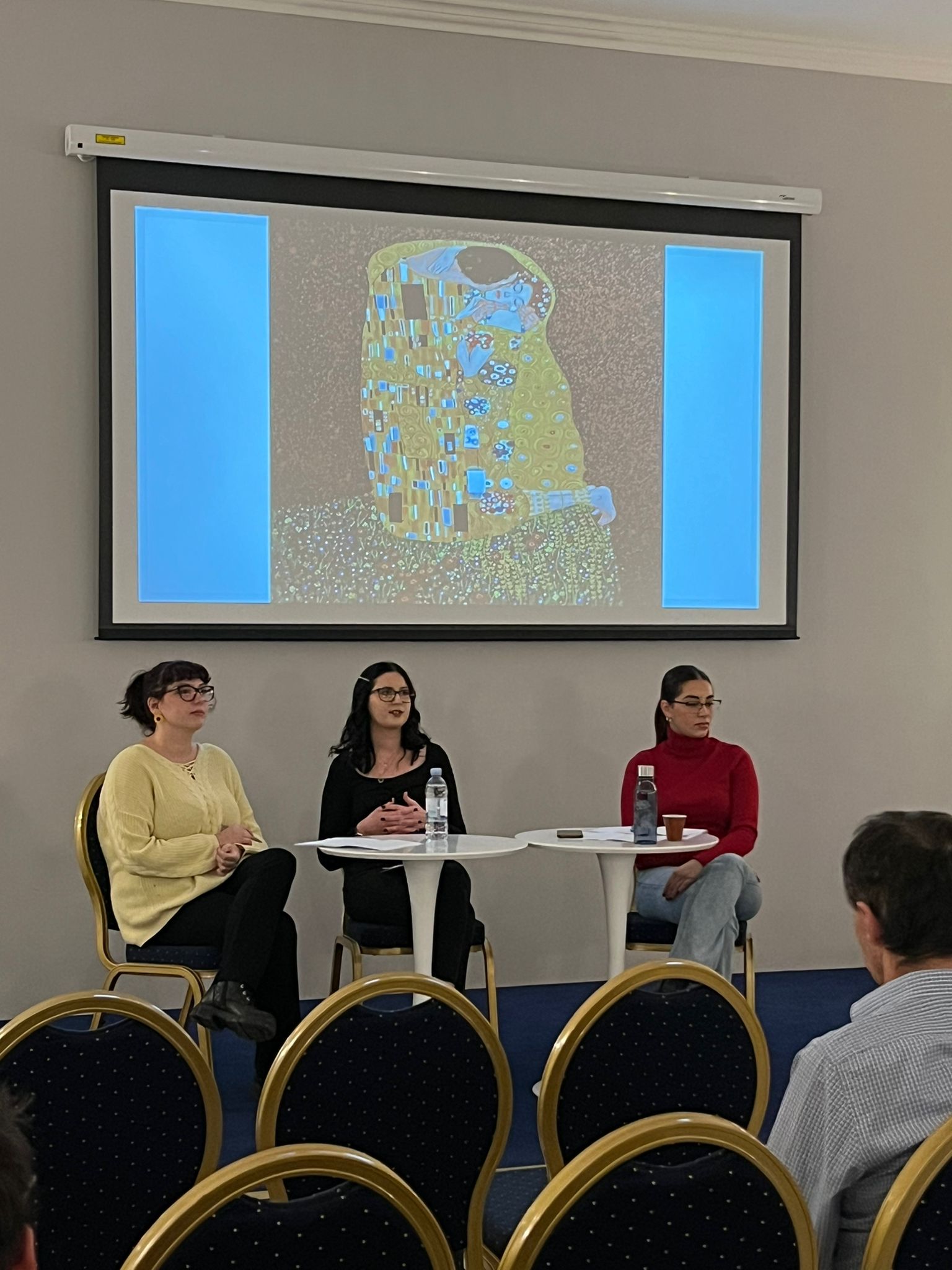
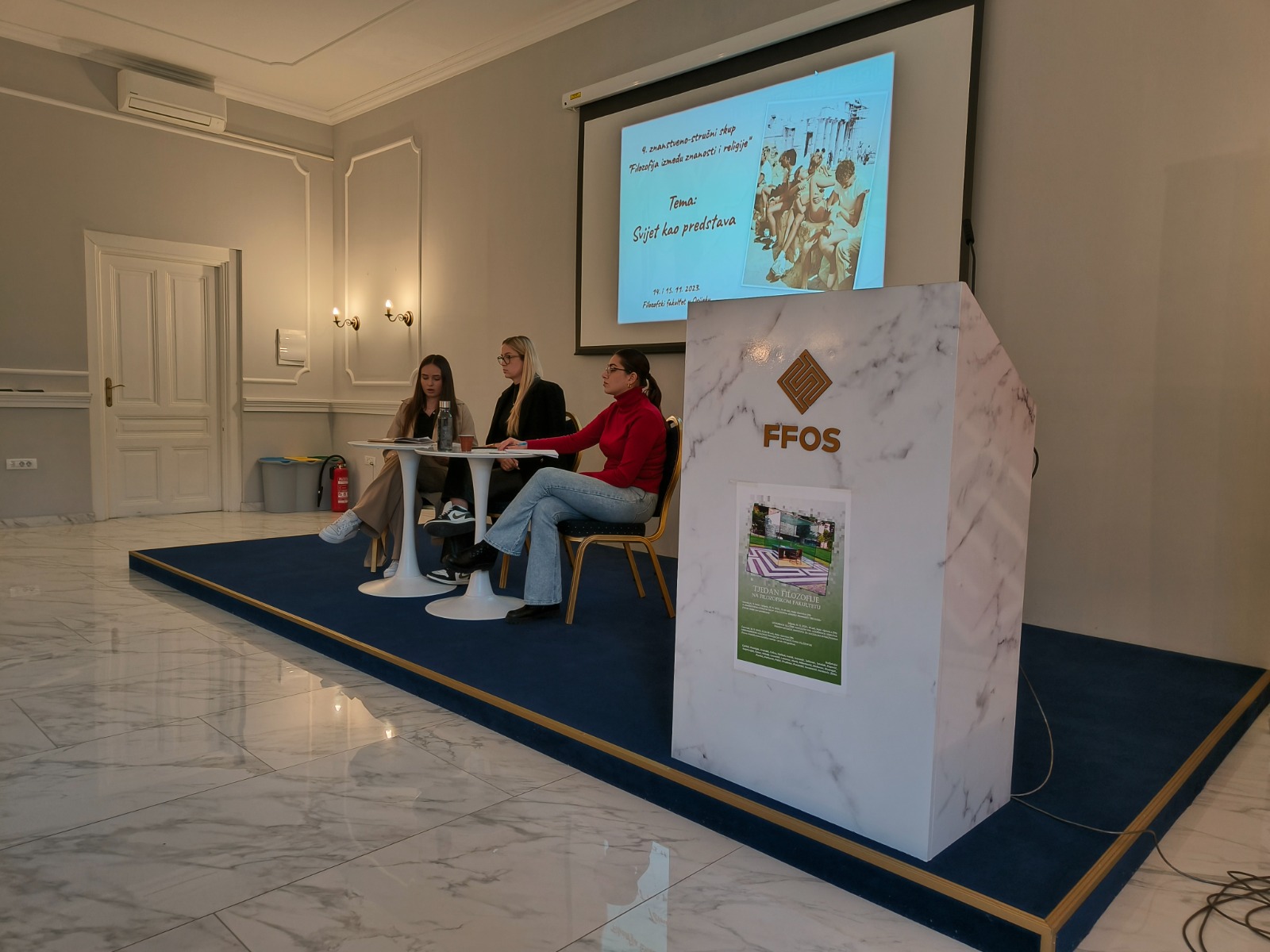
4th Scientific and Professional Conference “Philosophy between Science and Religion”
↓↓
Conference held as part of Philosophy Week at FFOS
Theme: The World as Representation
****
♦ 24–27 September 2023 ♦
The Experience of Art
↓↓
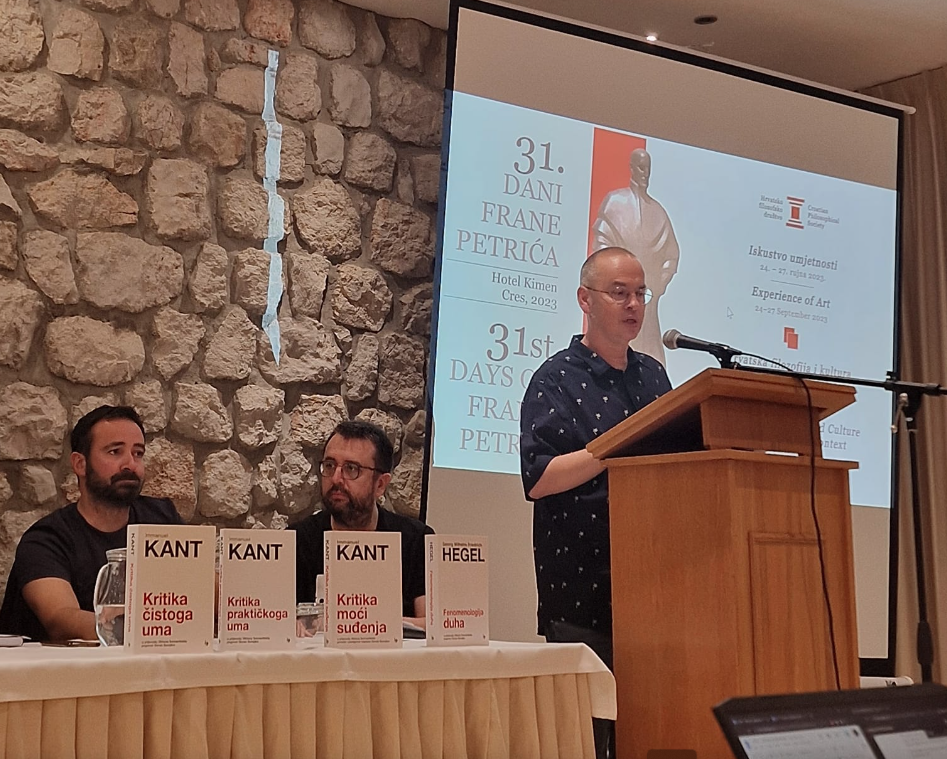
Symposium held as part of the 31st scientific and cultural event Days of Frane Petrić
Chair of the Programme Committee: Assoc. Prof. Boško Pešić, PhD
****
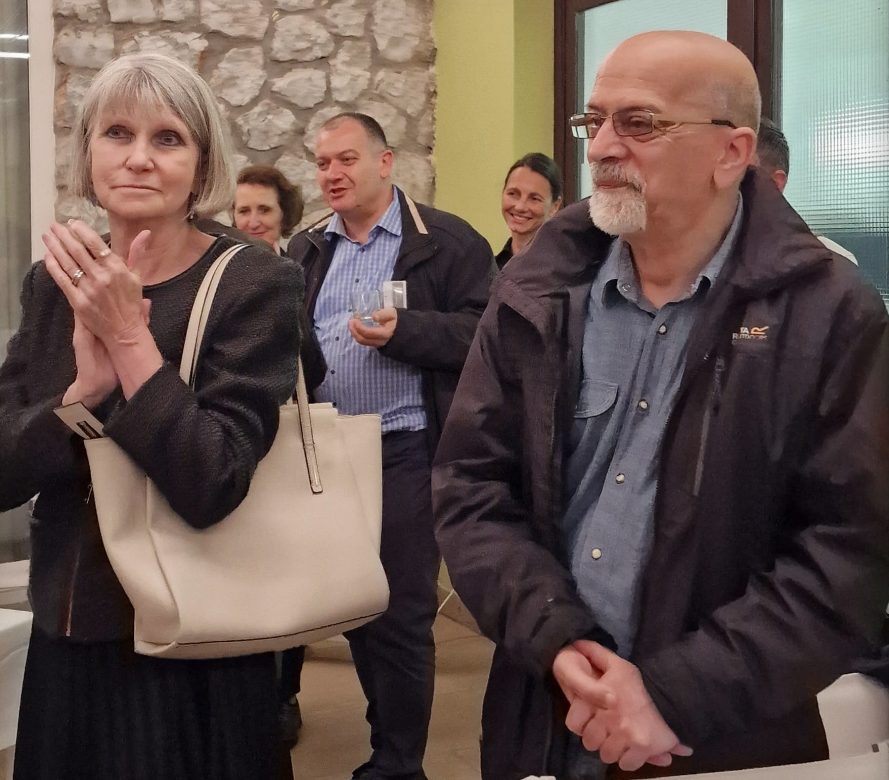
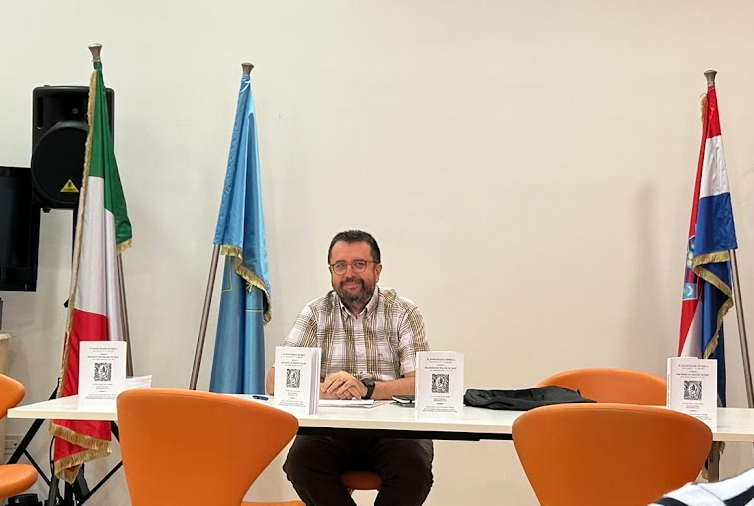
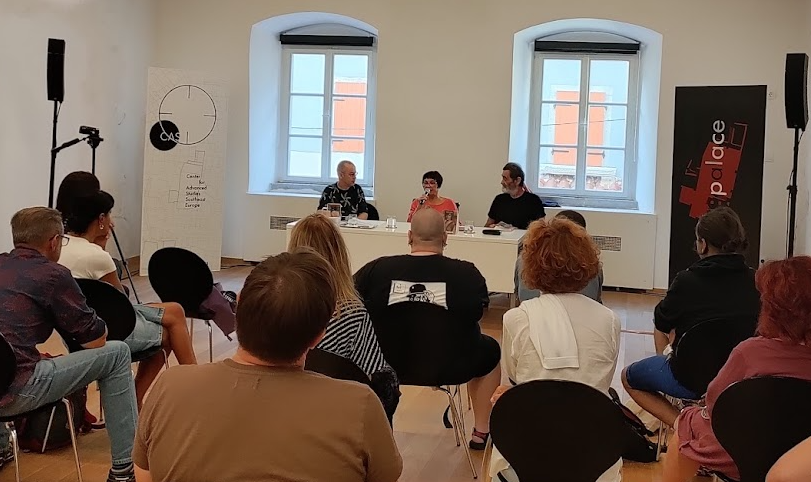
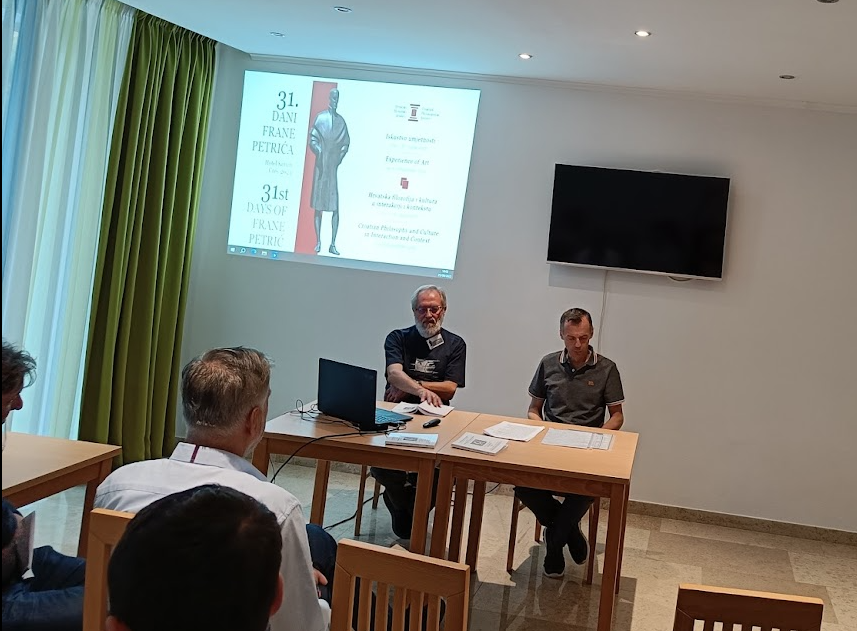
We are pleased to present a report on the symposium “The Experience of Art”, held from Sunday, 24 September to Wednesday, 27 September 2023 as part of the 31st scientific and cultural event Days of Frane Petrić on the enchanting island of Cres. The conference was held under the patronage of the President of the Republic of Croatia, Zoran Milanović, the Ministry of Science and Education of the Republic of Croatia and Primorje-Gorski Kotar County. Its extensive organisation involved the Croatian Philosophical Society, the Laboratory of Experimental Aesthetics (Aesthetics Laboratory), the Faculty of Humanities and Social Sciences at Josip Juraj Strossmayer University of Osijek, the Croatian Bioethics Society, the Centre of Excellence for Integrative Bioethics and the Faculty of Croatian Studies at the University of Zagreb.
On Sunday, after checking into Hotel Kimen in the afternoon, we attended a public lecture by the Chair of this year’s Programme Committee, Assoc. Prof. Boško Pešić, PhD, held at the Italian Community of Cres and entitled “Petrić’s Aesthetic Experience”. The lecture argued that, in Petrić’s aesthetic thought and in contrast to Aristotelian poetics, (poetic) artistic experience is not merely a representation of externality but also an externalisation of an inner creative impulse, arising from a finely balanced combination of the incredible and the credible and breathing wonder into that which it expresses.
Monday began with a plenary lecture by Predrag Finci (United Kingdom) entitled “On Changes in Contemporary Art” and the presentation of two of his books, Emigrant Picture Book and Last Year in Barnet. This was followed by section presentations: “Aesthetic Experience in the Context of the Institutional Theory of Art” by Ernest Ženko (Slovenia), “The Experience of Art, the Possibility and Foundation of Ethics” by Michael George (Canada), “A Practical Approach to Questions of Reception through the Example of Two Participatory Artworks” by Nika Radić (Germany), “The Experience of Art as an Experience of Contemplation in Plotinus’s Philosophy” by Ivana Knežić (Croatia), “From the Ancient Book to Postmodern Film: The Experience of Media in Jewish Art History” by Paula Rem (Croatia), “The Experience of Art: Technology-Mediated Art” by Divna Vuksanović and Dragan Ćalović (Serbia), “Reflecting on the Truthfulness, Durability and Spatiality of an Artwork Generated by Artificial Intelligence” by Katarina Šmakić (Serbia), “The Art of Experience” by Marko Kos (Croatia), “Art, Science and Philosophy” by Franjo Sokolić (Croatia), “The Experience of Beauty through Art and Religion” by Mateja Pevec Rozman (Slovenia), “Contemplation of Beauty” by Ivan Platovnjak (Slovenia), and “A Phenomenal Analysis of the Aesthetics of a Musician’s Experience of Music” by Arto and Hilma Mutanen (Finland). These were followed by “Joy Division: The Aesthetic Experience of Endless Mourning” by Labinot Kelmendi and Nehat Sadiku (Kosovo), “The Artistic Portrayal of a Difficult Role: Doctors in Albanian Films” by Gentian Vyshka (Albania), “Order Disguised as Disorder – Fractals” by Dževad Zečić (Bosnia and Herzegovina), “Material and Informational Art” by Igor Čatić (Croatia), and “Art as Useful Knowledge” by Marijana Kolednjak (Croatia). Marijan Krivak’s presentation entitled “What Is Aura Today? Walter Benjamin’s Political-Artistic Thought in the Age of ‘Visual Studies’” presented an artistic dialogue between Benjamin and Groys, invoking a profane illumination of Benjamin’s politicisation of art, but also a dialogue with Deleuze and Rancière, from which emerges a new genealogy of Benjamin’s struggle against fascism. The revealed traumatic awareness of the existential misfortune of both the individual and the community serves as a framework for contemporary resistance to the constellations of the all-pervading technosphere. The conference then continued with the following presentations: “Putting Foucault to the Test in the Film Room 8” by Astrit Salihu (Kosovo), “The Death of Marxist Aesthetics” by Josip Periša (Croatia), “The Experience of Art: Radical Intimacy” by Vlatko Ilić and Vojislav Klačar (Serbia), “Tattoo as Body Art: An Evolving Art Form” by Fulvio Šuran (Croatia), and “Values in Society at the Beginning of the 21st Century Viewed through the Theatre Play ‘Sex – Art – Communism’” by Danijela Pantić Conić (Serbia). In his presentation “The Aesthetic Dimension of the Philosophical Worldview of Bonaventure of Bagnoregio”, Pavao Žitko explained the qualitative equalisation of the aesthetic dimension of lived experience with the speculative dimension of reflection upon it, through which Bonaventure’s work emerges as aesthetically relevant speculative content directed toward a comprehensive understanding of the ontologically constitutive elements of reality. This was followed by Martina Ivanović’s “Through Heidegger’s and Ingarden’s Ontology of the Work of Art”, presenting Heidegger’s and Ingarden’s research into the experience of art through the ontology of the artwork, specifically considered in relation to subject, truth and world. The evening concluded with presentations of recent philosophical publications (Communitarian Critique of Liberalism by Nino Čengić, Philosophy and Bioethics of Mountaineering by Igor Eterović, Transhumanism and Literature by Lovro Furjanić, the second expanded edition of Trials of Humanism by Hrvoje Jurić, The Aesthetics of Genius by Goran Sunajko, and new editions of translations of classical philosophical works: Kant’s three Critiques and Hegel’s Phenomenology), as well as a monograph on the Croatian artist, illustrator and comic-book artist Dubravko Mataković, edited by Hrvoje Duvnjak and Leo Rafolt.
Tuesday began with the plenary lecture “Impossible Identifications: The ‘I’ as Autofiction” by Ivan Milenković (Serbia), followed by presentations including “The Production of Perception: The Novum of Postmodern Aesthetics” by Goran Sunajko (Croatia), “The Role of Emotions in Ingarden’s Theory of Aesthetic Experience” by Matija Vigato (Croatia), “Plotinus’s Interpretation of Phidias’s Statue of Zeus” by Marko Uršič (Slovenia), “Bioethics and Art: Theoria – Poiesis – Praxis” by Hrvoje Jurić (Croatia), and “When the Artist’s Studio Becomes a Laboratory: Philosophical Reflections on BioArt” by Marcus Knaup (Germany–Croatia). Martina Volarević’s presentation “The Instinctual Foundation of Artistic Experience”, drawing on Freud’s observations, explained human interest in activities unrelated to the sexual instinct through sublimation, whose most prominent forms are artistic production and reception, providing a mechanism for redirecting instinct toward a new, non-sexual goal. This was followed by “Emotion and Abstraction: A Phenomenological Analysis of Shame in the Experience of Modern Art” by Marko Tokić (Croatia), “Understanding Love in the Literary and Philosophical Work of Simone de Beauvoir” by Željko Šarić (Bosnia and Herzegovina), “The Theory of Rasa in Classical Indian Aesthetics” by Goran Kardaš (Croatia), “The Experience of Art According to Benedetto Croce” by Vani Roščić (Croatia), “The Experience of Art in the Philosophy of Danko Grlić” by Lina Veljak (Croatia), and “From the History of Aesthetics to the History of the Aesthetic” by Mihael Vrbanac (Croatia). According to Boško Pešić’s presentation “The Topos of the Phenomenology of Music”, phenomenological analysis of music rejects the existence of a single correct approach to music and advocates an effort to understand unique impressions and attitudes, seeking to test all such experiences of the musical phenomenon comprehensively as an empathetic bringing-together of the human and the thing, and of the thing and humanity. The presentation “The Problem of Freedom in Hegel’s Conception of Vocal Music” by Karla Pružinac, under the mentorship of Boško Pešić, then explained the free artistic potential of vocal music, whose foundation lies in the substantial human need for artistic liberation from everyday life and entry into the interiority of being, in which subjective consciousness speaks through itself. This was followed by “Music Is Resonant Joy! Xunzi’s Conception of Music” by Ivana Buljan (Croatia), “Aesthetics and World Music – Challenges in Reflecting on the Experience and Evaluation of ‘Music of the World’” by Dušan Milenković (Serbia), and “Via pulchritudinis as a Privileged Path of Dialogue: The Example of Religious Education and Philosophy Teaching” by Nenad Malović and Ružica Razum. Goran Livazović and Željko Pavić’s presentation “Art and Educational Outcomes: The Janus Face of Young People’s Participation in Artistic Activities” offered a systematic overview of theories and concepts related to the two-sided influence of art on educational outcomes: on the one hand, its benefits for the formation of human personality and, on the other, the reproduction of social inequalities in access to such education. Related to this was “Rehumanising Education through Teaching by Means of Art” by Elmana Cerić (Bosnia and Herzegovina). The evening concluded at Moise Palace with a conversation with Croatian artist Vlasta Delimar and the presentation of her book Voćarska 5.
Wednesday began with the presentation “Philosophy and Literature” by Sead Alić (Croatia). According to Lucija Leventić’s presentation “Jauss’s Hermeneutic Theory of Literary Reception”, Jauss considers an aesthetically valuable literary work to be one that successfully provides the reader with something new, whereby the reader simultaneously becomes the concretiser of the work’s meaning and the active determinant of its aesthetic value. This was followed by “Walter Pater’s Experiential Aesthetics” by Ljubica Matek and Damir Sekulić’s presentation entitled “Break On Through, or Huxley’s Experience of Art on Mescaline”, which examined Huxley’s reflections on the spiritual and moral implications of the mescaline adventure, arguing that the substance opens the door to a particular experience of art based on an altered, “purified” perception of things and artworks. Next came “Contributions on the Human through Interdisciplinarity: Literature Meets Philosophy” by Aleksandra Golubović and Danijel Tolvajčić (Croatia), and “The Gender of Modernity and the Zagorka Case: From Discourse to the Ethnographic Turn toward the Female Reader” by Anita Dremel, analysing the gender subtext in the discourse of cultural modernisation and offering a gendered reinscription of the Enlightenment project from the perspective of an ethnographic interpretive turn that places experience at the centre, using the reception of the works of Marija Jurić Zagorka as an example. This was followed by “The Works of J. R. R. Tolkien through the Perspective of the Philosophy of Religion” by Jelena Kopajtić (Croatia), “Illustration as a Portal to a Different Reading” by Maja Vejić (Croatia), “On Aesthetic Experience in Vilém Flusser’s Philosophy of Photography” by Jan Defrančeski (Croatia), “Aesthetics as Medicine: An Overview of Martin Poltrum’s Approach to the Healing Effect of Beauty” by Dominik Mikić (Germany), and “Biological Correlates of the Experience of Art” by Hrvoje Lepeduš. The latter presented measurable correlates indicating the universality of the human experience of art, a biological perspective on artistic experience as a platform for the creation of individual identity, and biological findings demonstrating the possibility that artistic experience can influence biological structures involved in creating personal reality. This was followed by “On the Need for Art from Kant’s Perspective” by Boris Bosančić, “Abstract, Negative and Concrete: Hegel as a Critic of Fine Art” by Adrian Buček, “The Problem of the Relationship between Public and Private Sources of Funding for Art and Culture” by Emina Jerković and Mirna Zlatić (Croatia), and the plenary lecture “Noisekunst – the Art of Words in the Polylogue of Experiences of ‘Other’ Arts” by Goran Rem. A concluding discussion followed, bringing this inspiring symposium and journey to an end.
Karla Pružinac
Photographs: Lj. Matek, V. Drobac Pešić, I. Percl Jurić
♦ 6 June 2023 ♦
EstLab Colloquium
↓↓
Scientific and professional colloquium:
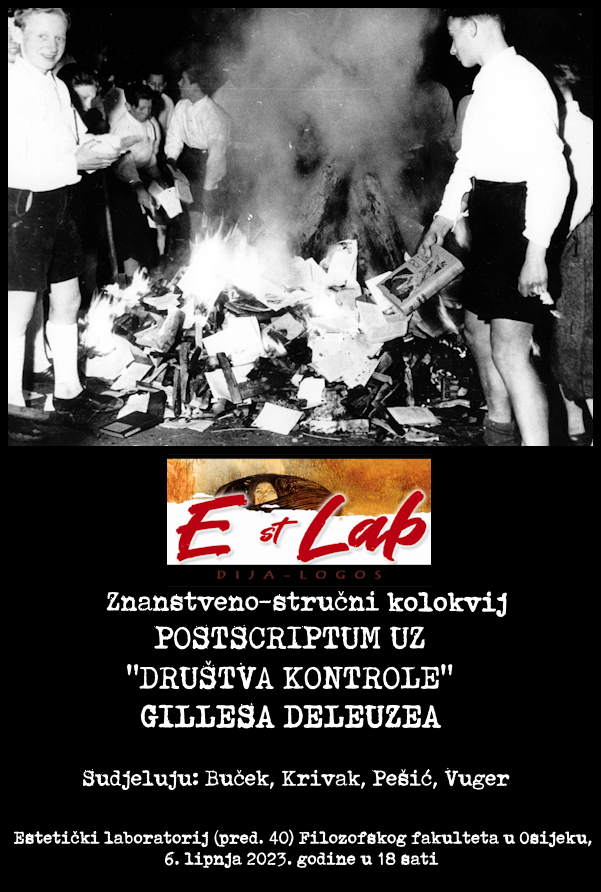
Postscript to Gilles Deleuze’s Societies of Control
****
♦ 16 May 2023 ♦
Guest at EstLab:
Prime Time
↓↓
Conversation at the Aesthetics Laboratory:
The Aesthetics of Political Satire
****
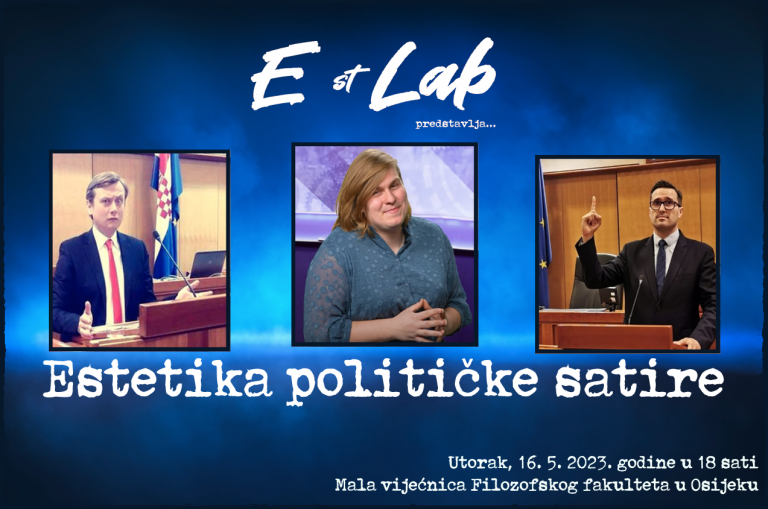
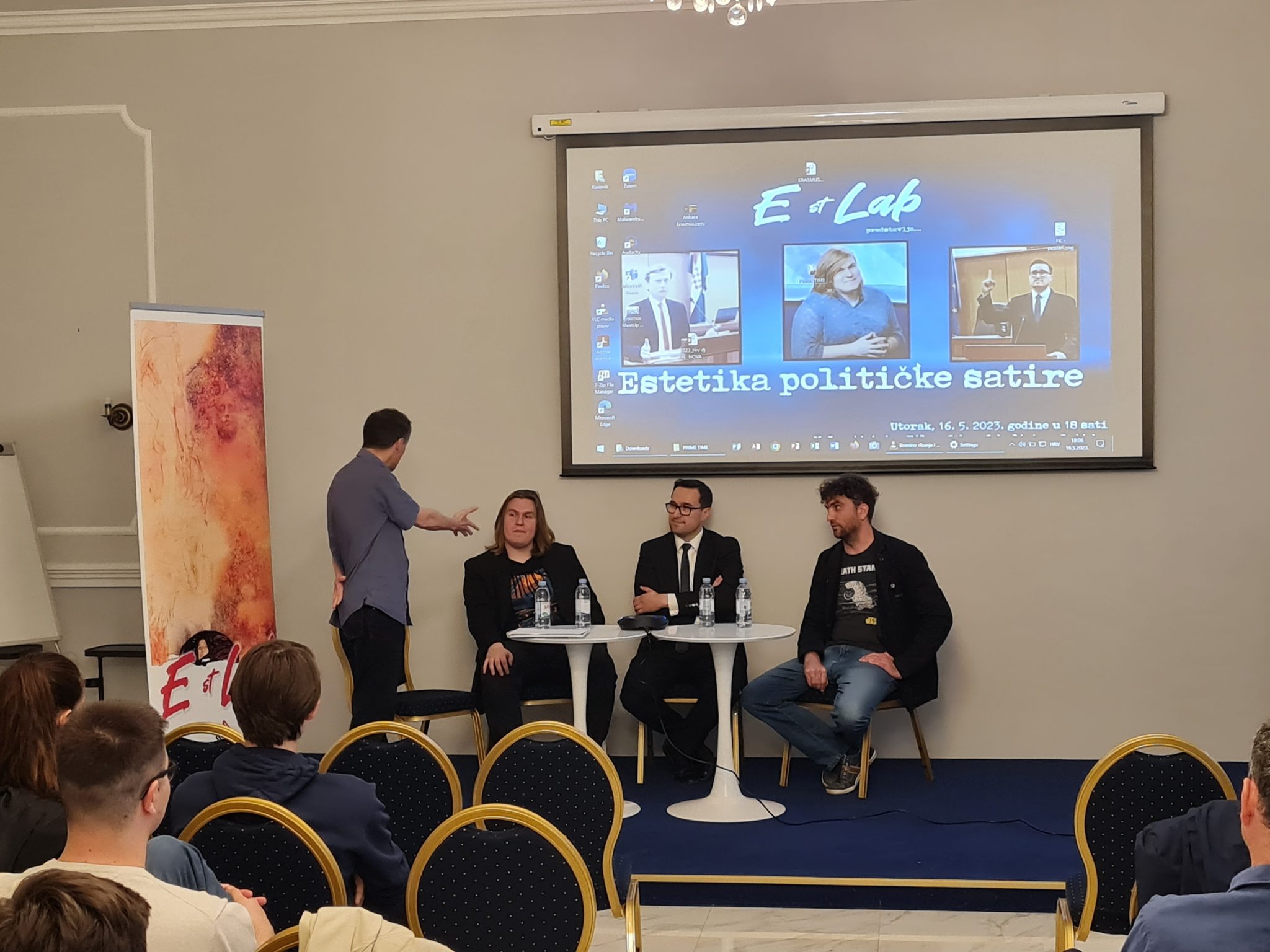
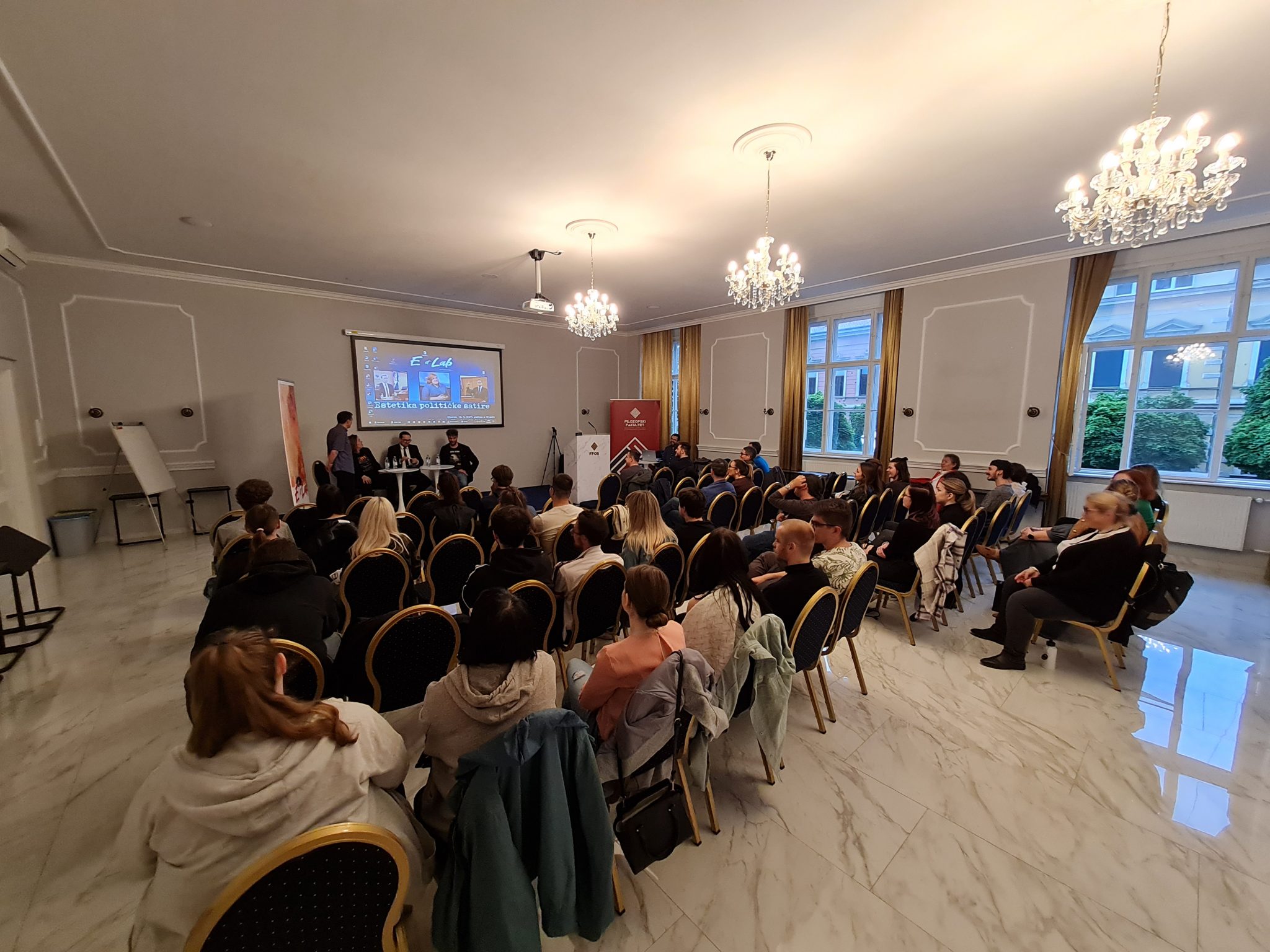
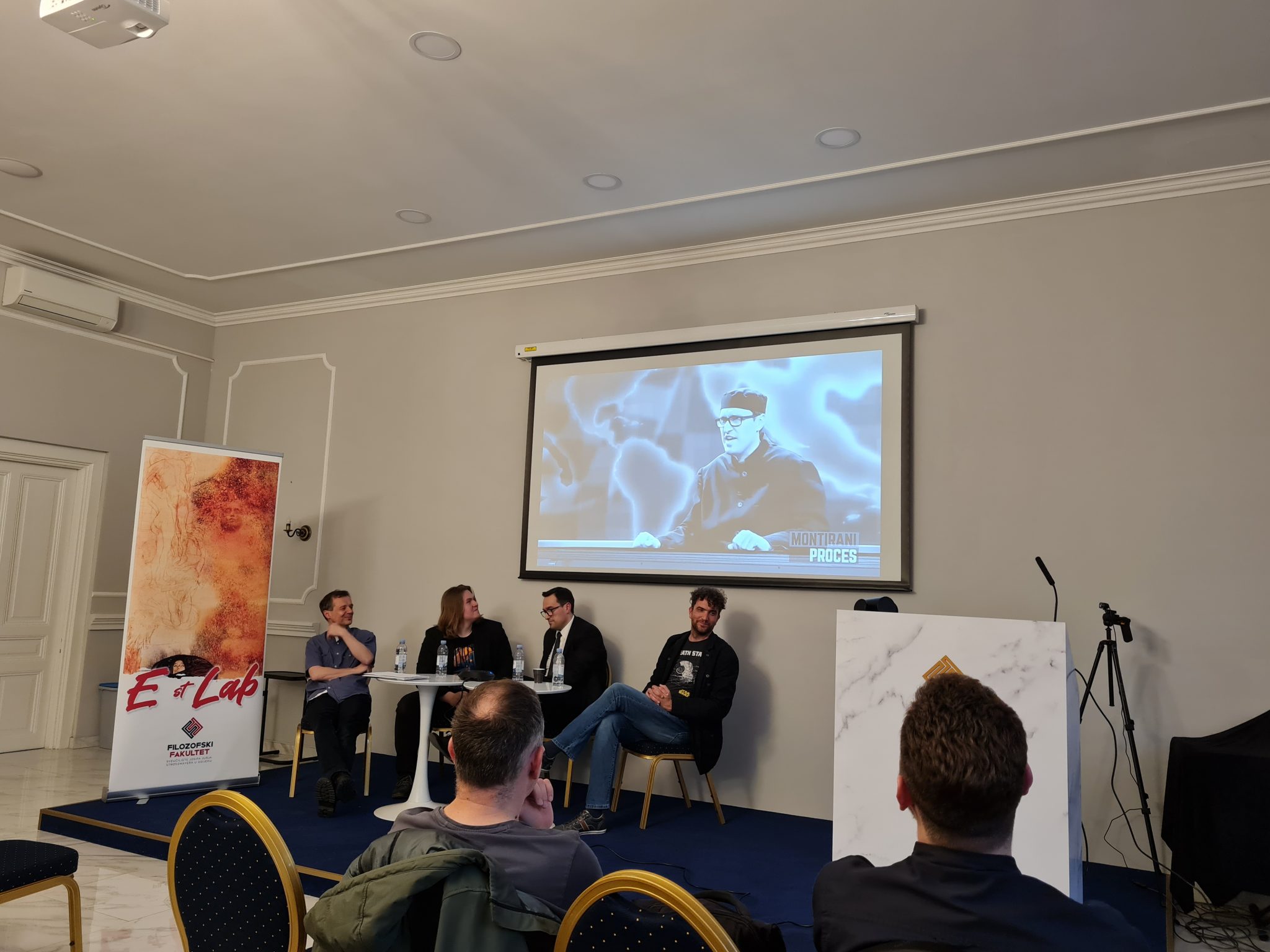
Do you watch television? Television? TV? Well… that is the dark interface standing somewhere prominently in the family living room, in front of which parents and other household members gather. When? Once it was around 8 p.m., then around 7:30, and now most often around 7. Because… that is “PRIME TIME”… the most important time of day, from the cave to the bourgeois salon. Because people, by nature, do not “strive for knowledge”, as old Aristotle would have put it, but rather “… for television” (Matko Sorić, Concepts of Postmodern Philosophy, Zadar, 2010). I know, I know… young people of your generation rarely or never watch TV; there are phones, laptops, computers, tablets… But you still (surely!) know that TV exists? Or… What happens when you are no longer on TV and remain only on YouTube? Not funny at all, I suppose… (At least we “old farts” can guess.) My comrades from EstLab, and I in particular, have been long-time subscribers to PRIME TIME. Many of you younger independent thinkers know Borna, Domagoj and Jan too… while we older ones also remember Zvonko Hrabar (also known as Branko Đapić, the legendary educator from these parts). Somewhere around 2016, they carried out an unprecedented “subversion” on the television airwaves of Our Beautiful Broadcaster (our beloved Croatian Television). And… that “Montirani proces” lasted for several Sundays… in the PRIME TIME of Croatian homes! You can’t believe it… Until the powers that be caught on… “visiting hours are over” (the sorely missed Đorđe Balašević wrote that line, and Domagoj dedicated the most emotional 15 minutes of our favourite programme to him). Uhhh… there were some great things on that N1 TV platform. From Borna’s pedagogical efforts around “Fishing and Fishermen’s Complaints” all the way to Domagoj’s ultimate “Social Assistance/Real Estate Collector”… and Jan, the actor in the best “roles from behind”, before becoming the legendary Rear Admiral Dobro in Zovica. Let us get serious… hmmm… What is “satire”? From Juvenal through Erasmus… to Alan Ford and Monty Python, satire… SATIRISES! I quote my favourite political philosopher again: “there is no better starting point for thought than laughter” (W. Benjamin: The Author as Producer).1 EstLab is granting your wishes (just kidding… these are merely our wishes!), inviting PRIME TIME to say a few things about “The Aesthetics of Political Satire”.
The Prime Time crew – the strongest critical thinkers among Croats!? Yes? No? And perhaps there will also be some talk about nearby Balkan spaces? You never know… In any case, come on 16 May at 6 p.m. to Room 39 at our Faculty. It will be worth it… Financially certainly not, but we guarantee Socratic “corruption of the youth”. Guaranteed…
mk
1 Lecture delivered at the Institute for the Study of Fascism in Paris on 27 April 1934, and I am writing this on 27 April 2023!
♦ 30 April–4 May 2023 ♦
Study Trip to Poland 2.0
↓↓
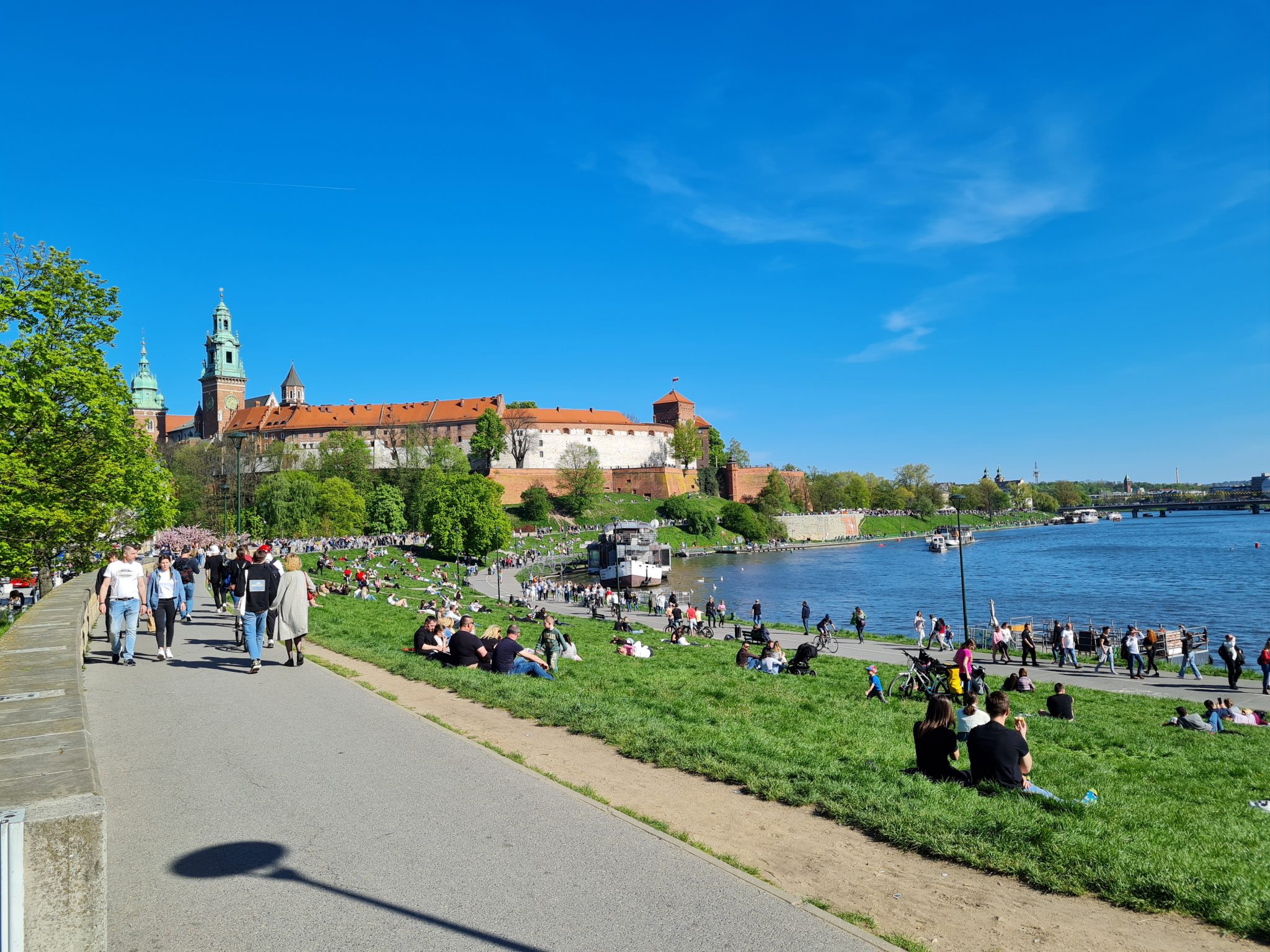
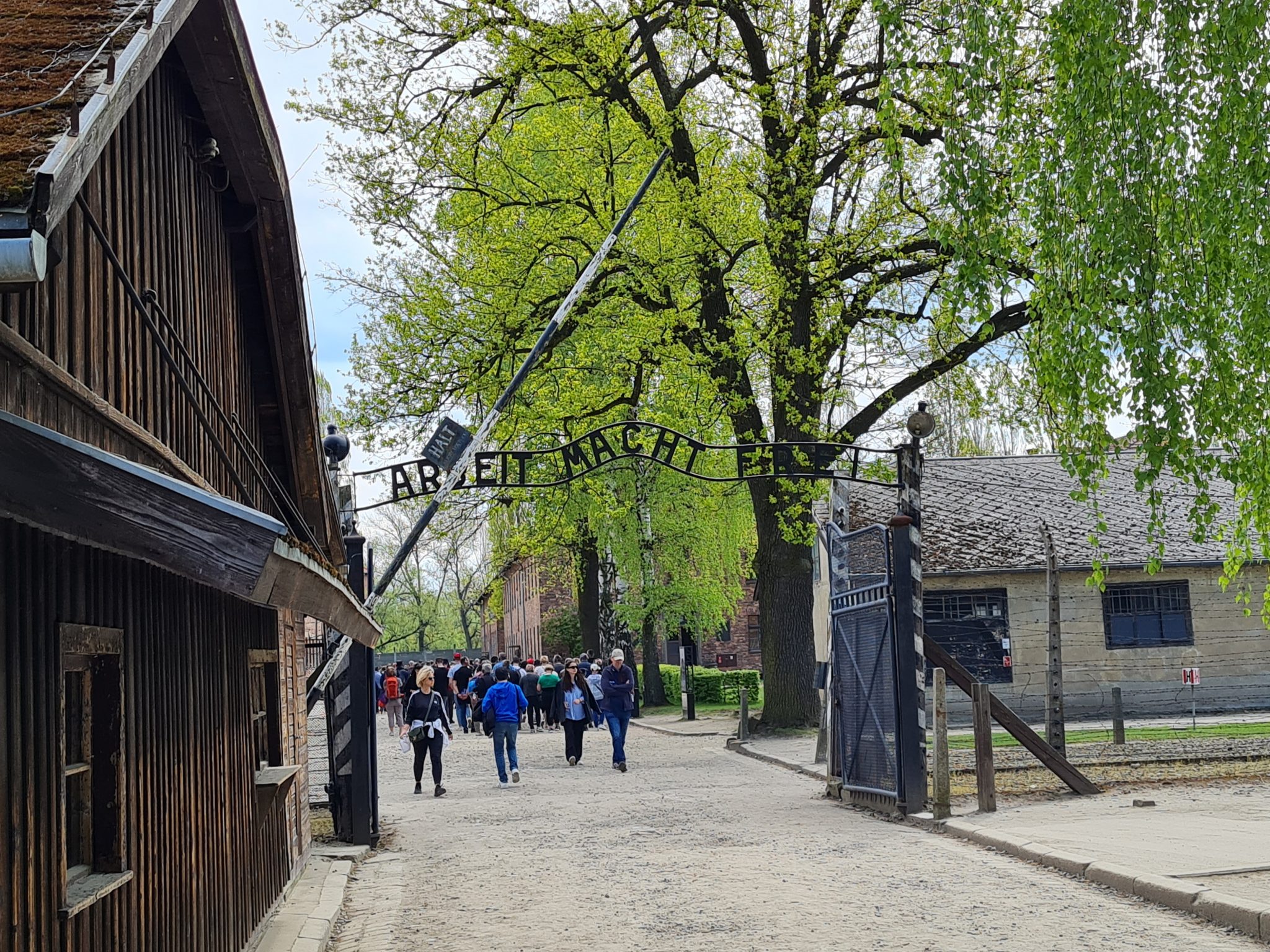
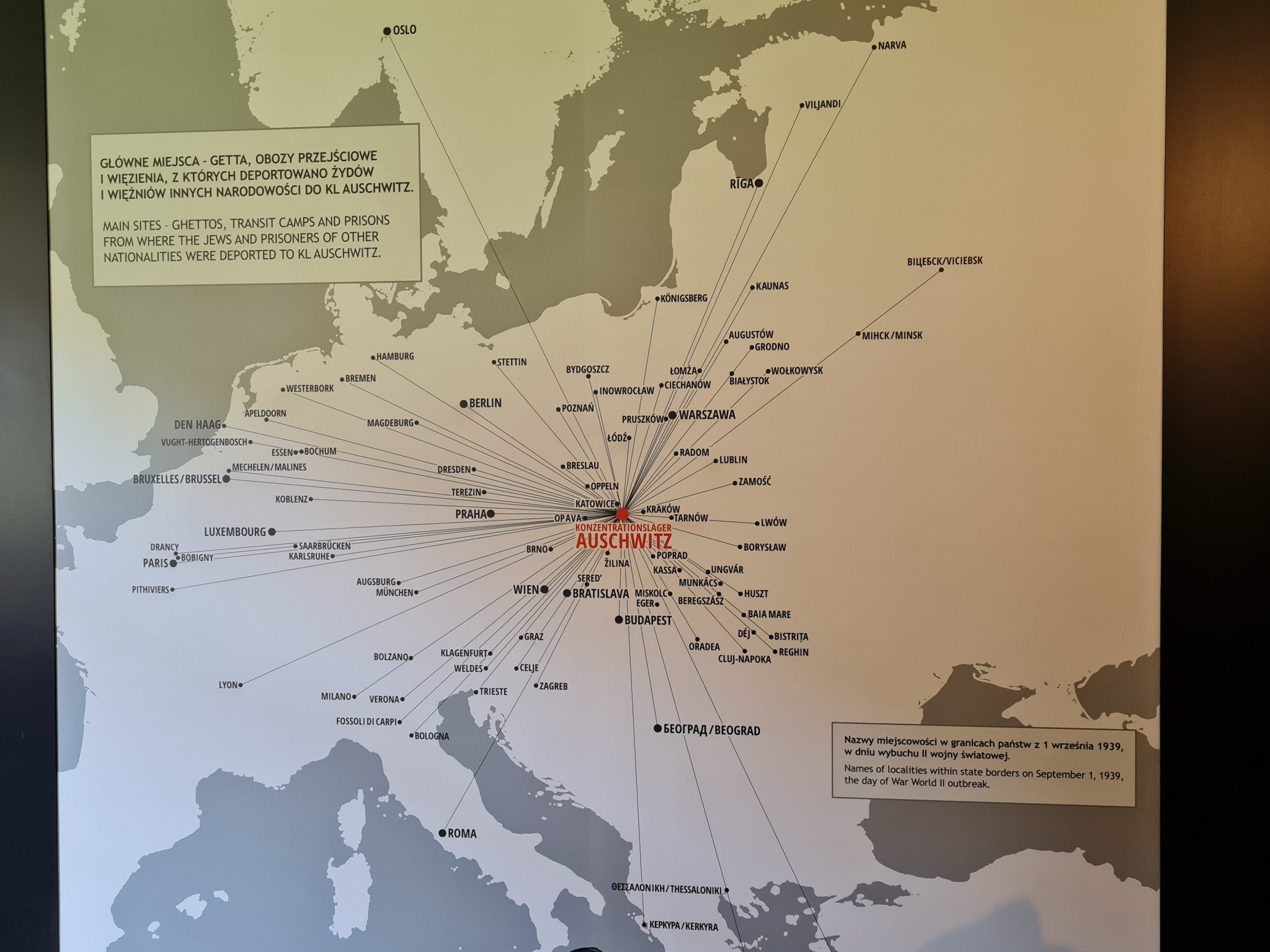
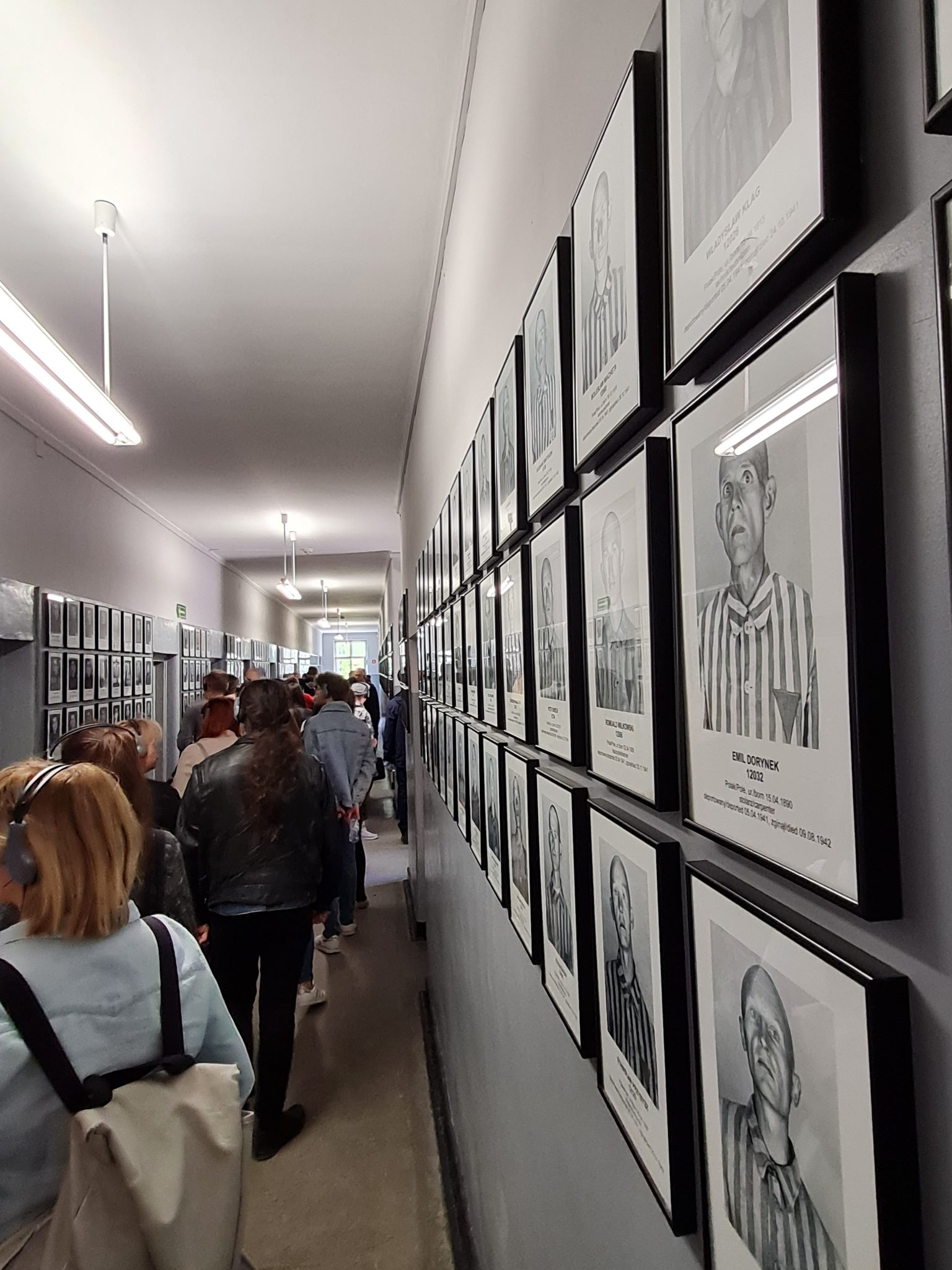
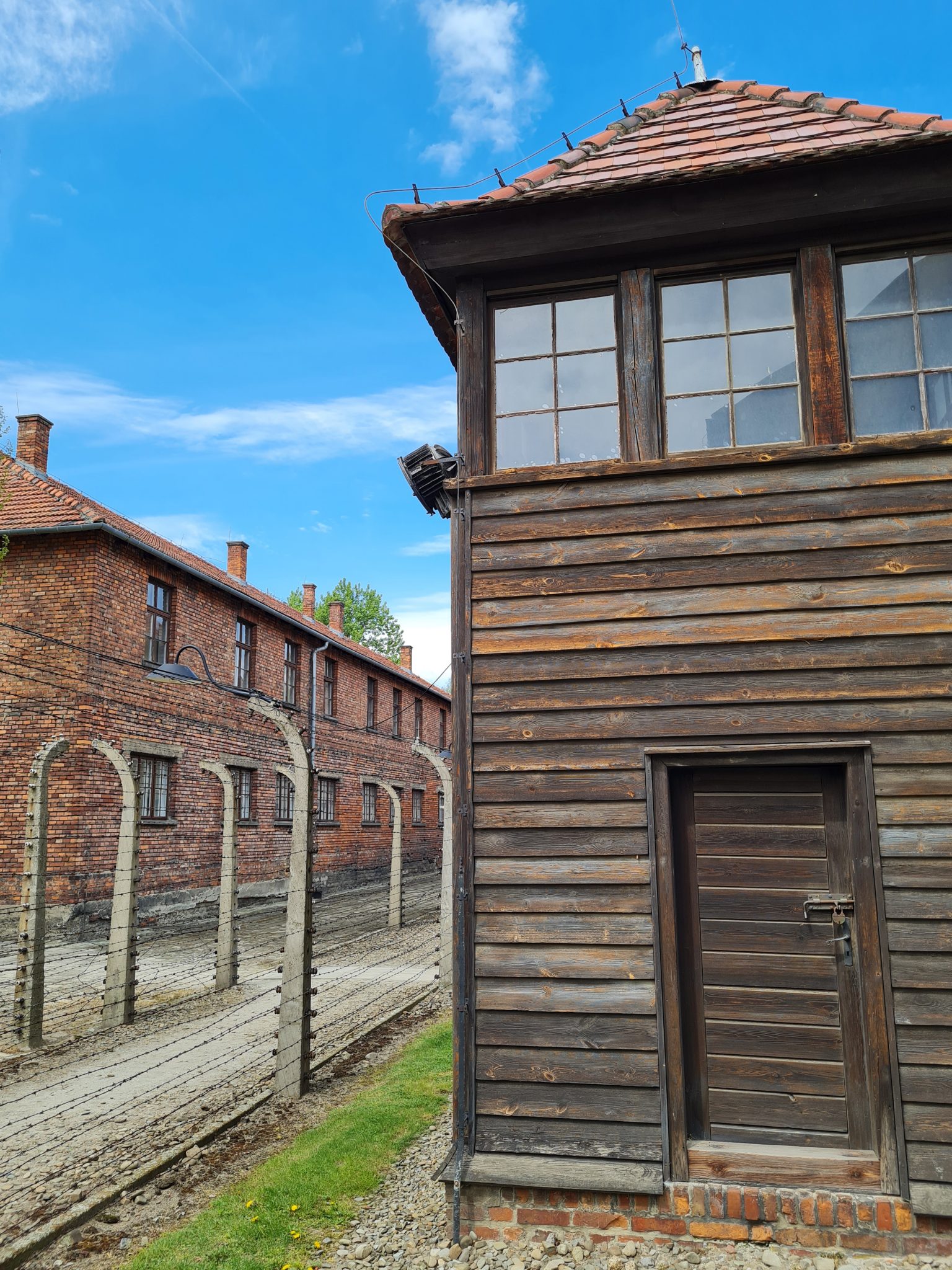
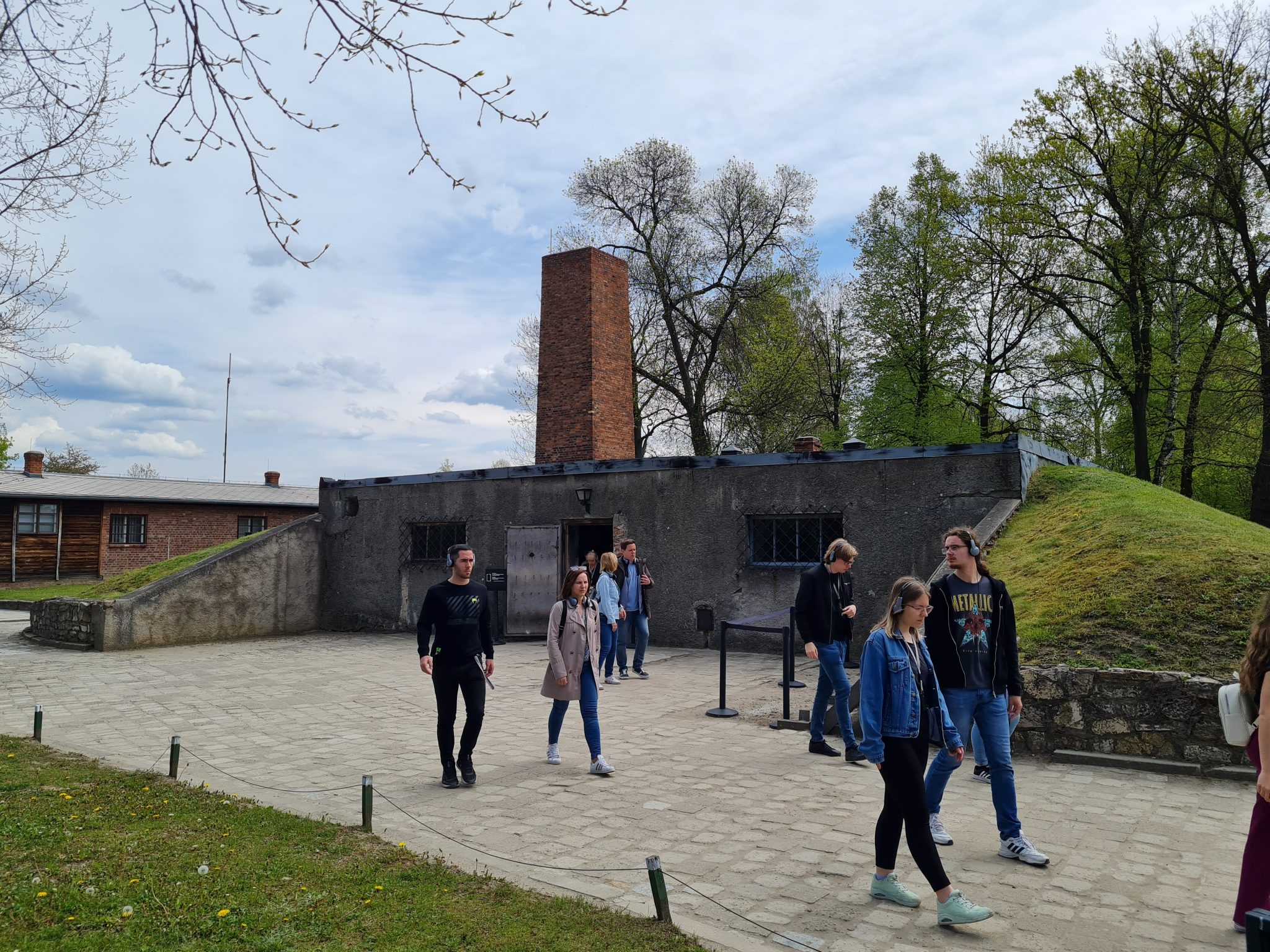
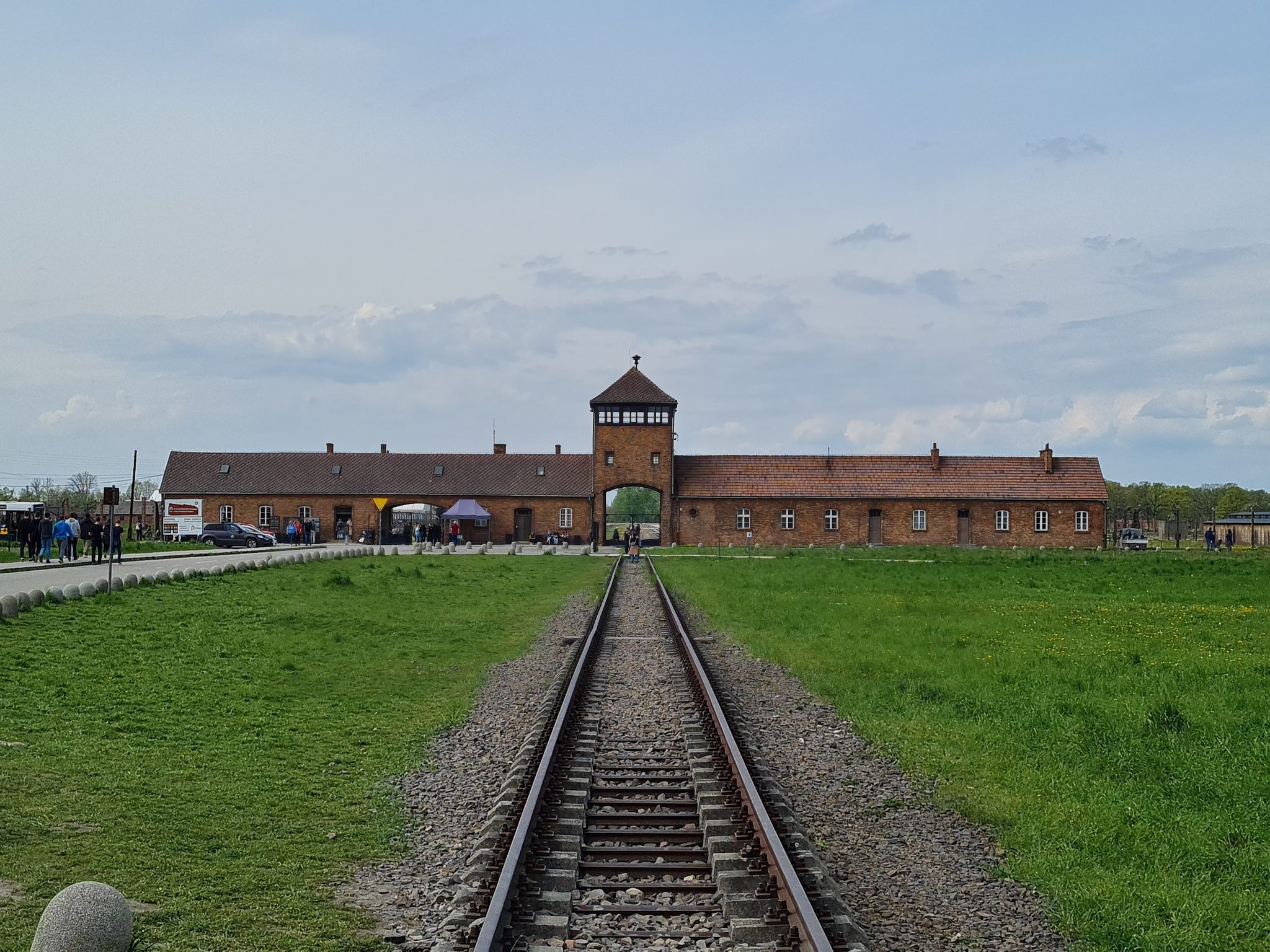
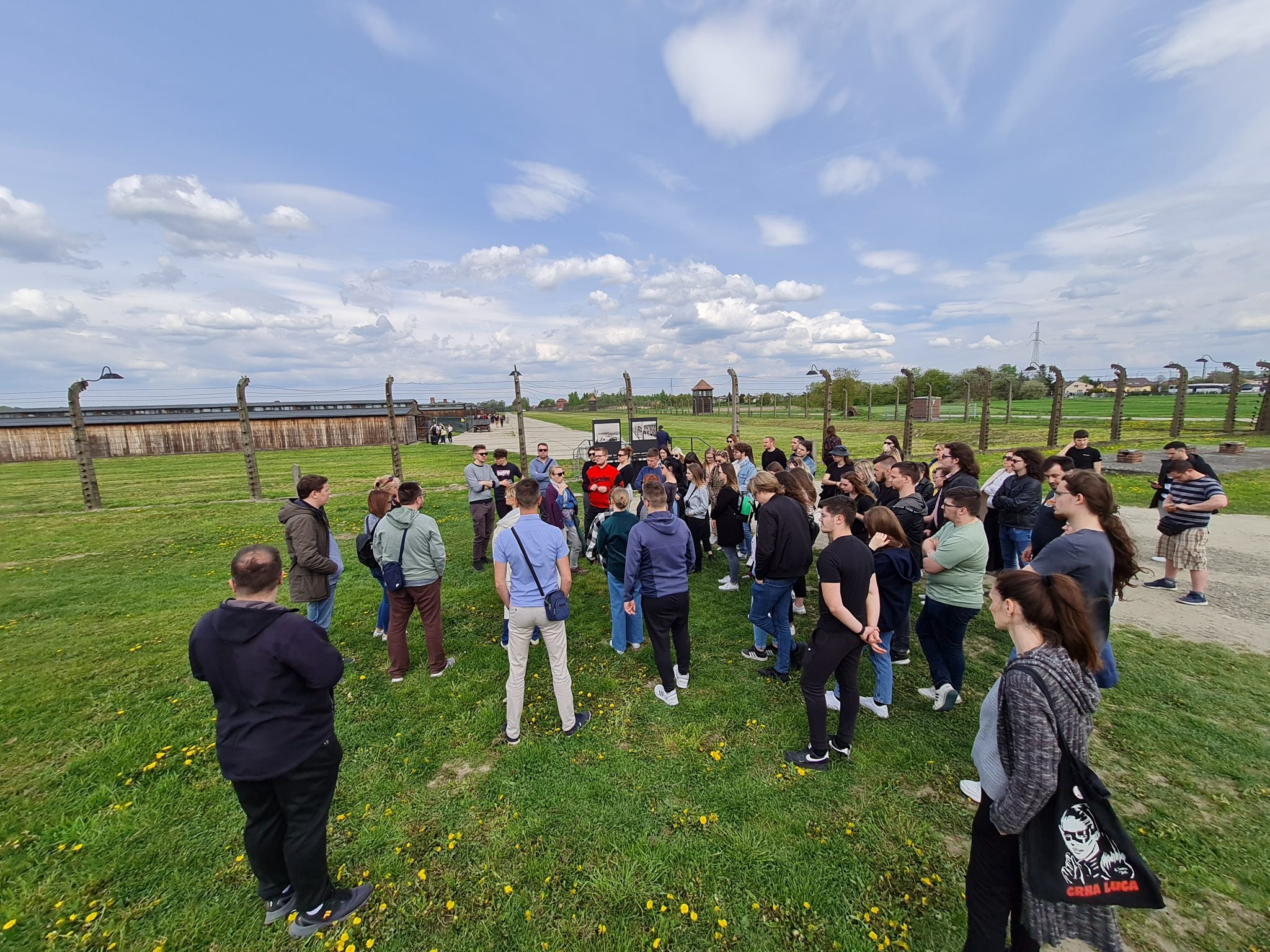
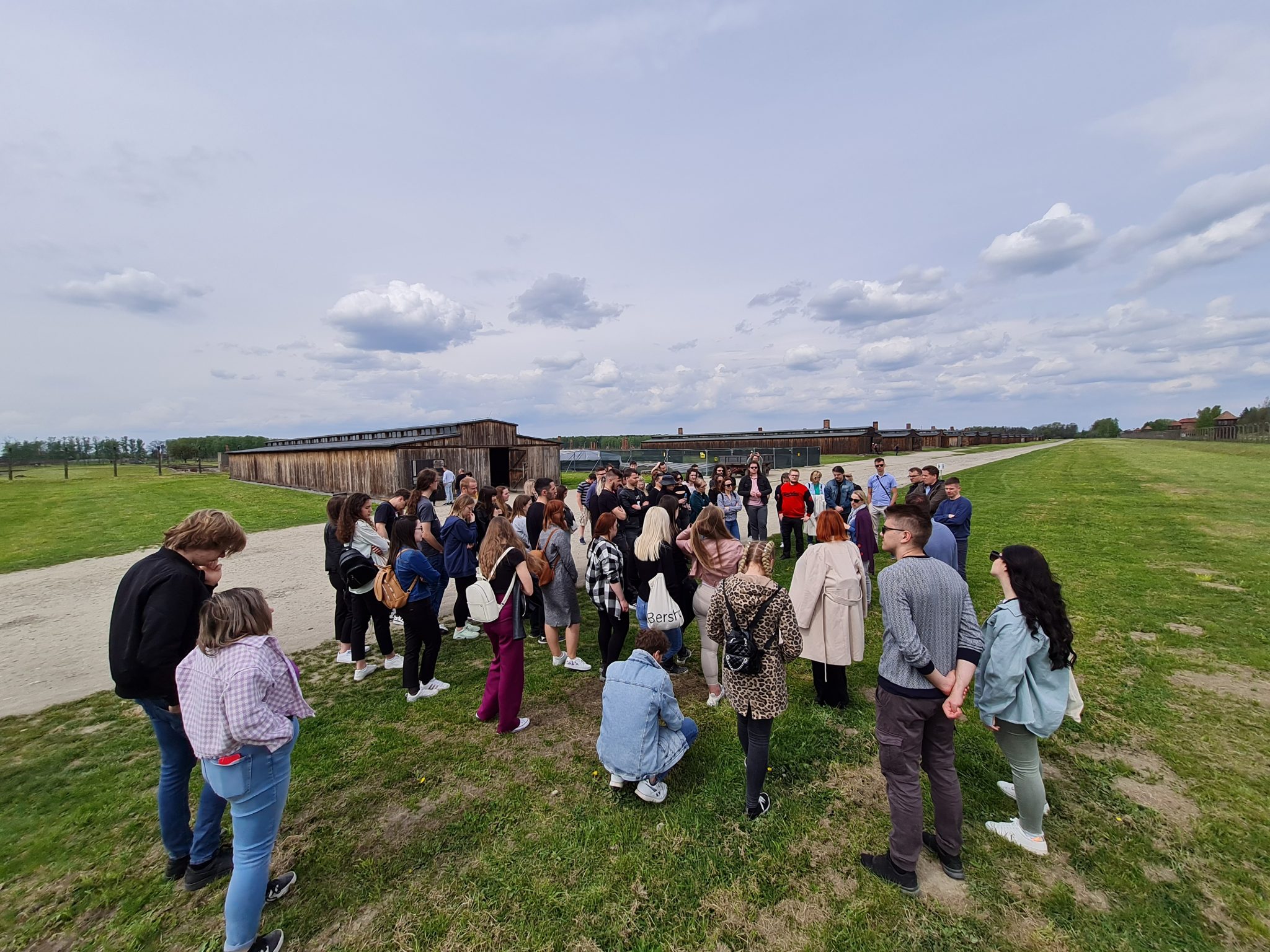
The study trip to Poland, intended for students and professors of the Faculty of Humanities and Social Sciences in Osijek, originated as a joint initiative of the Department of History and the Department of Philosophy and took place from 30 April to 4 May 2023. The primary objective of the trip was to visit one of the greatest symbols of the Second World War – the Auschwitz-Birkenau Memorial – where, according to some interpretations, a kind of “death of philosophy” occurred.
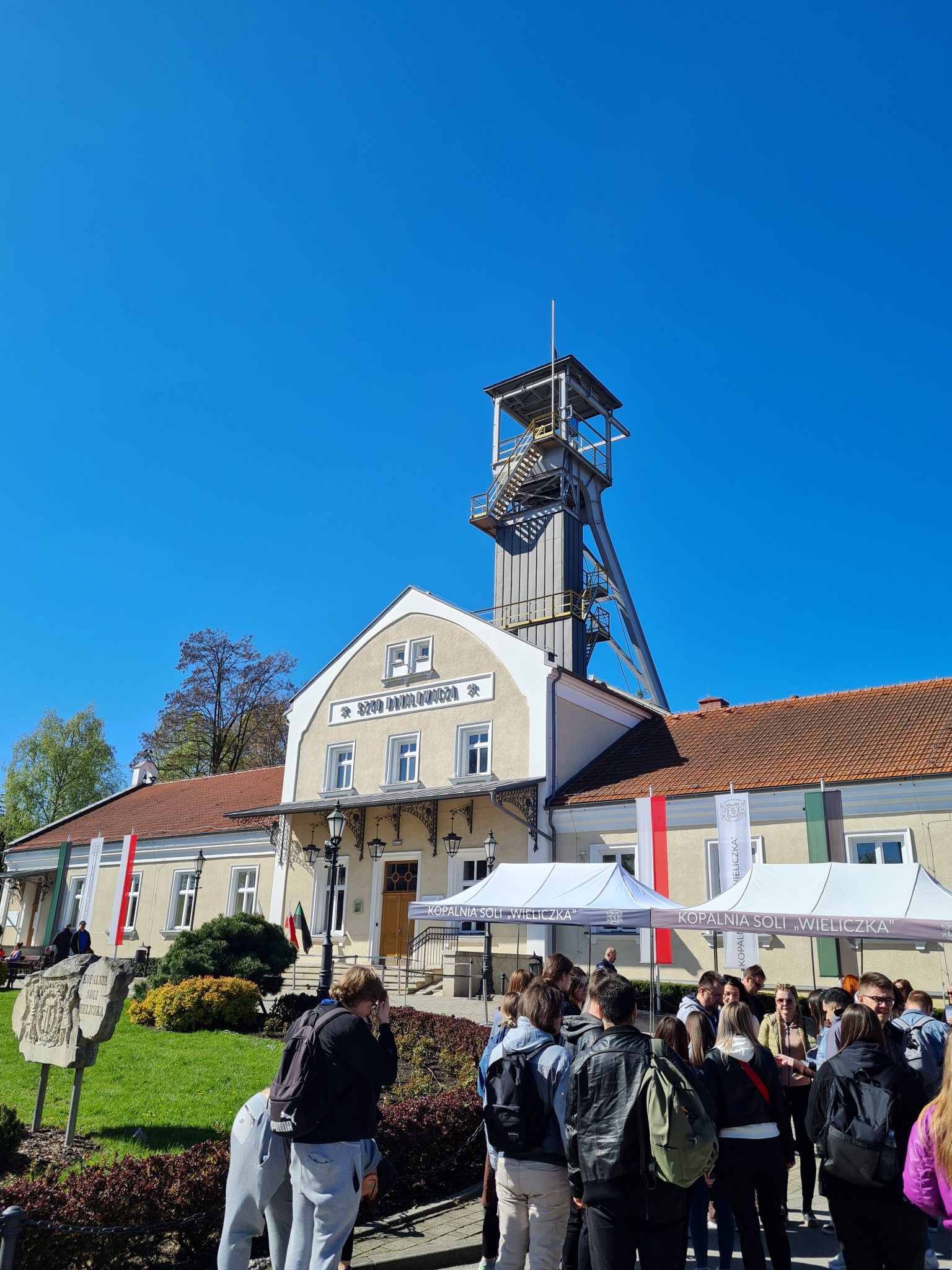
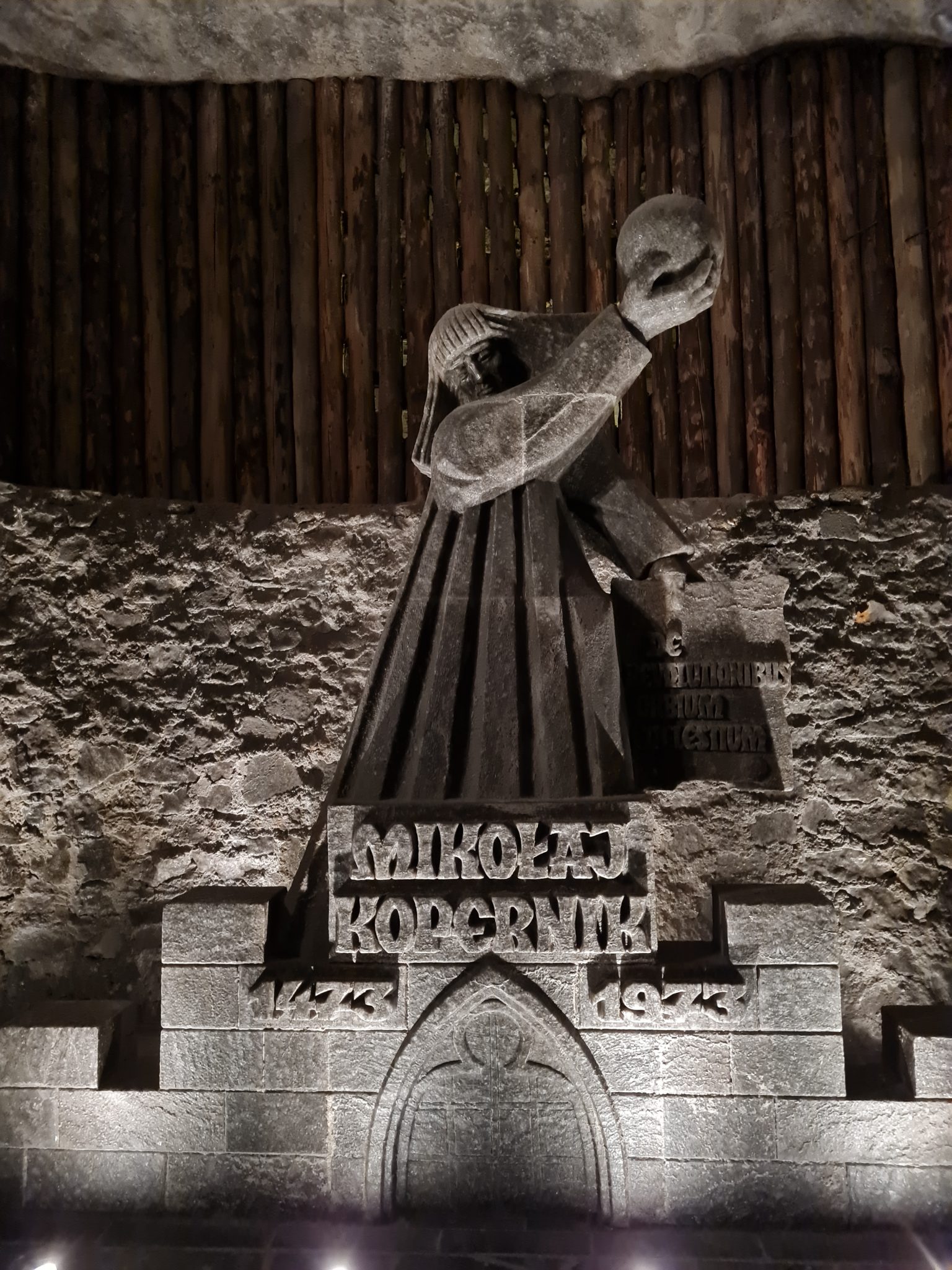
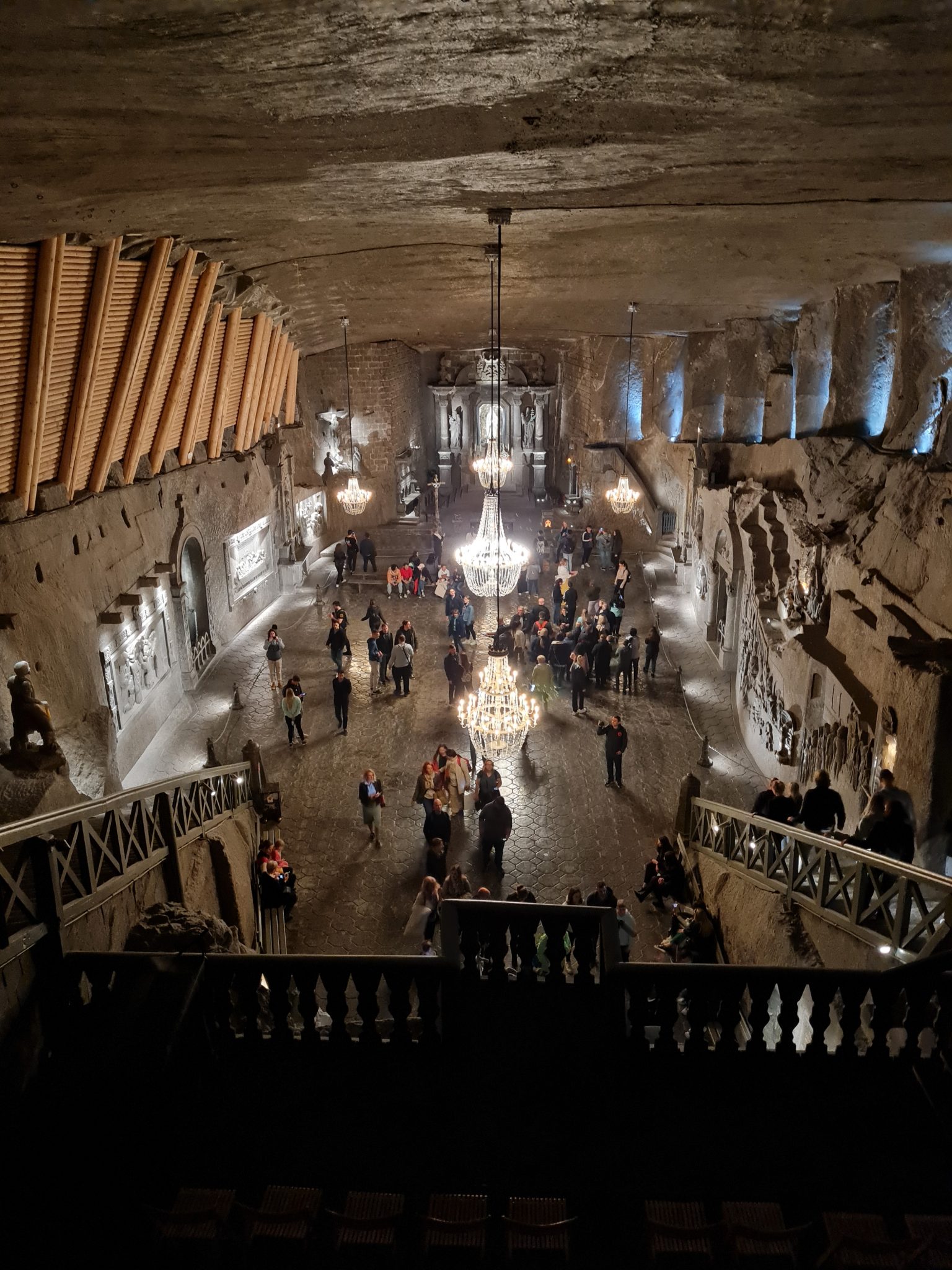
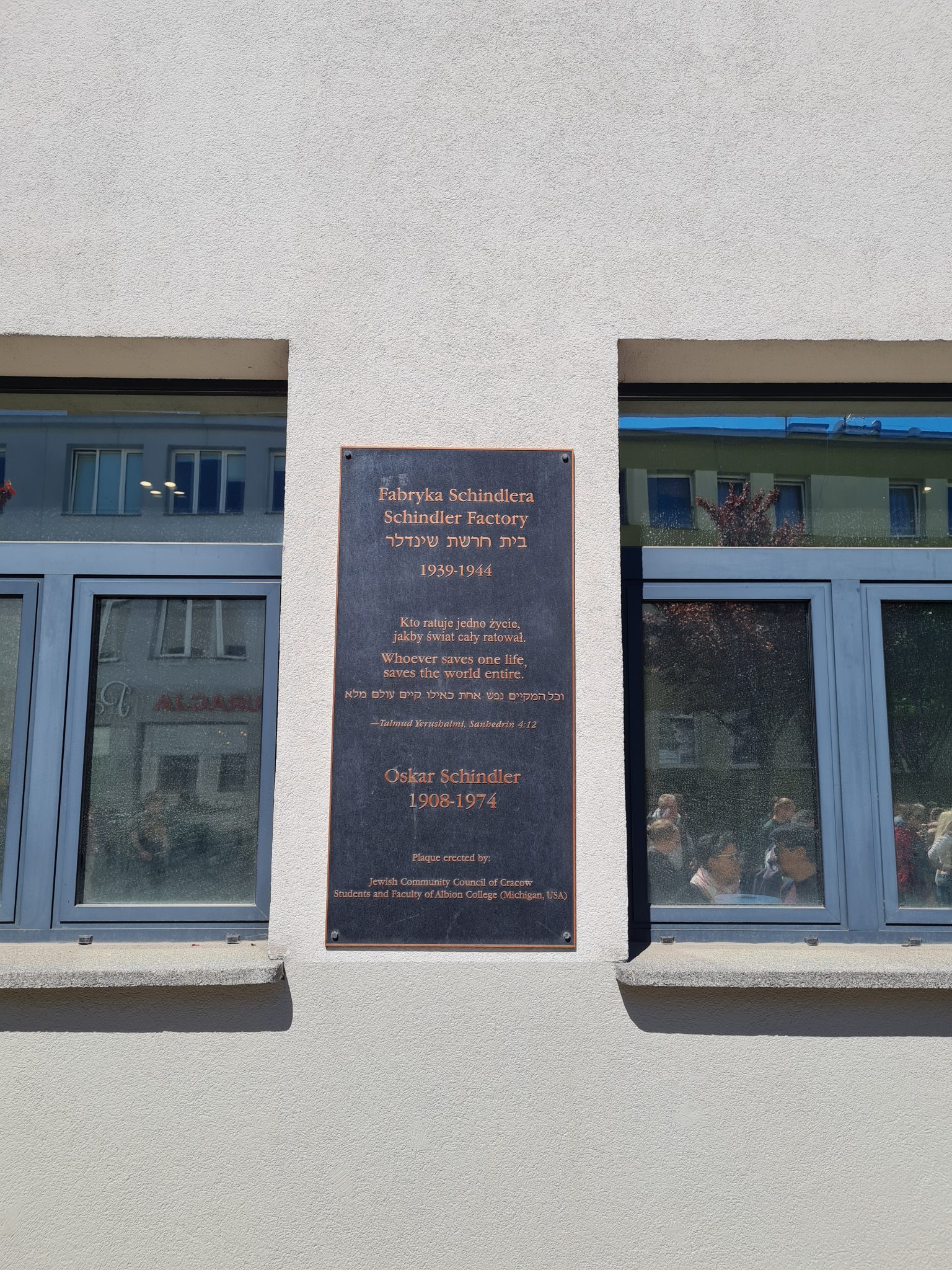
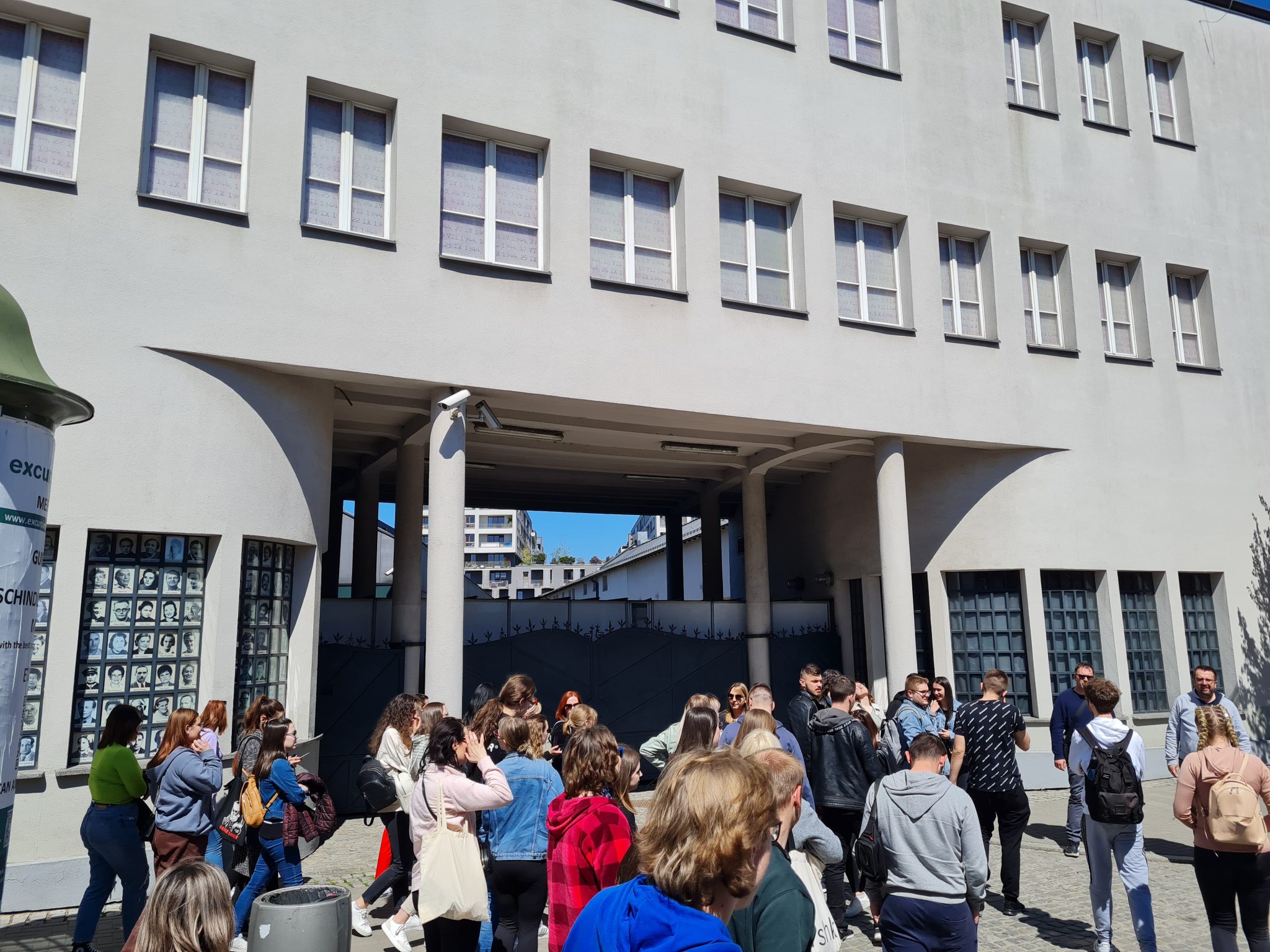
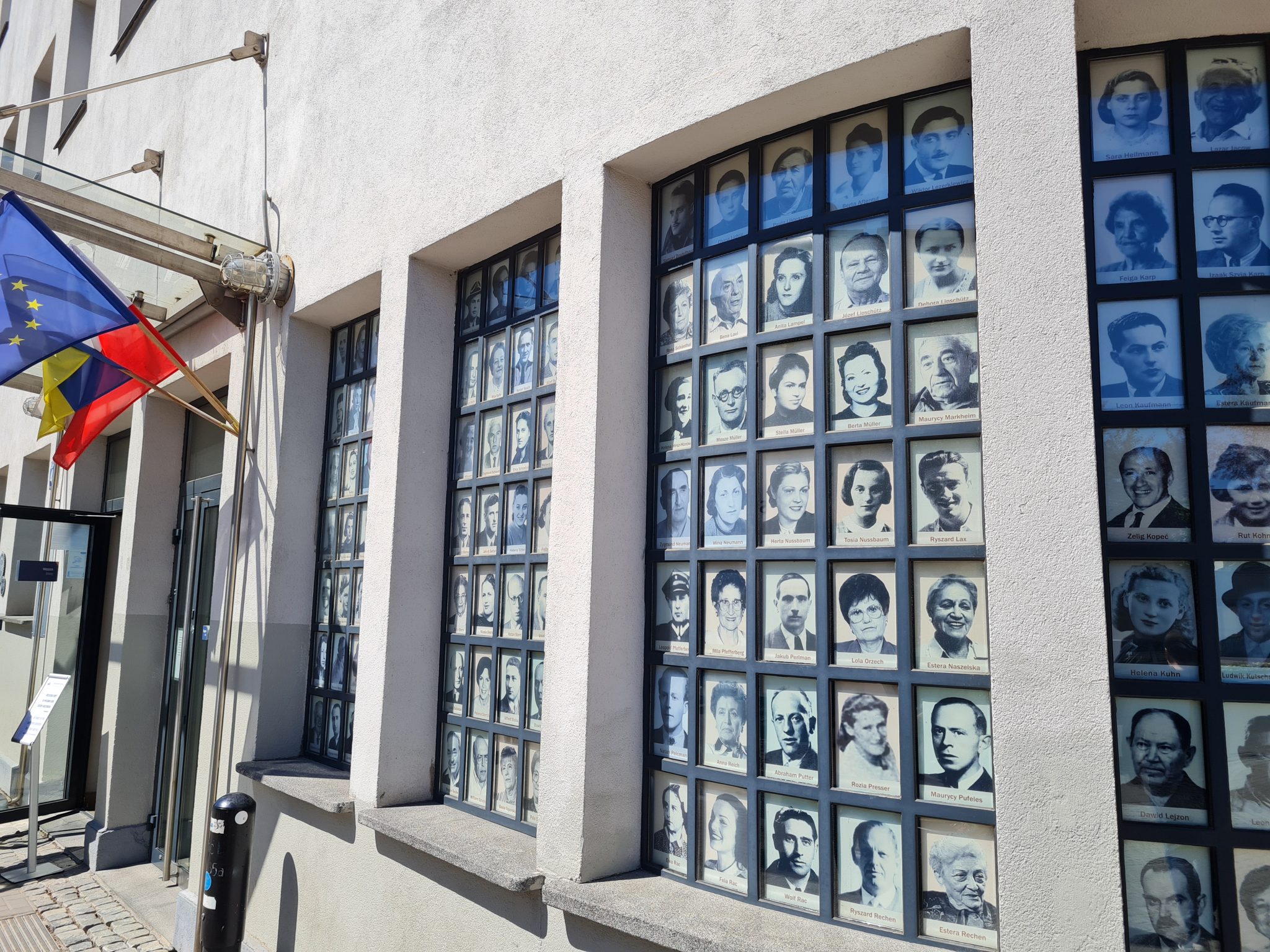
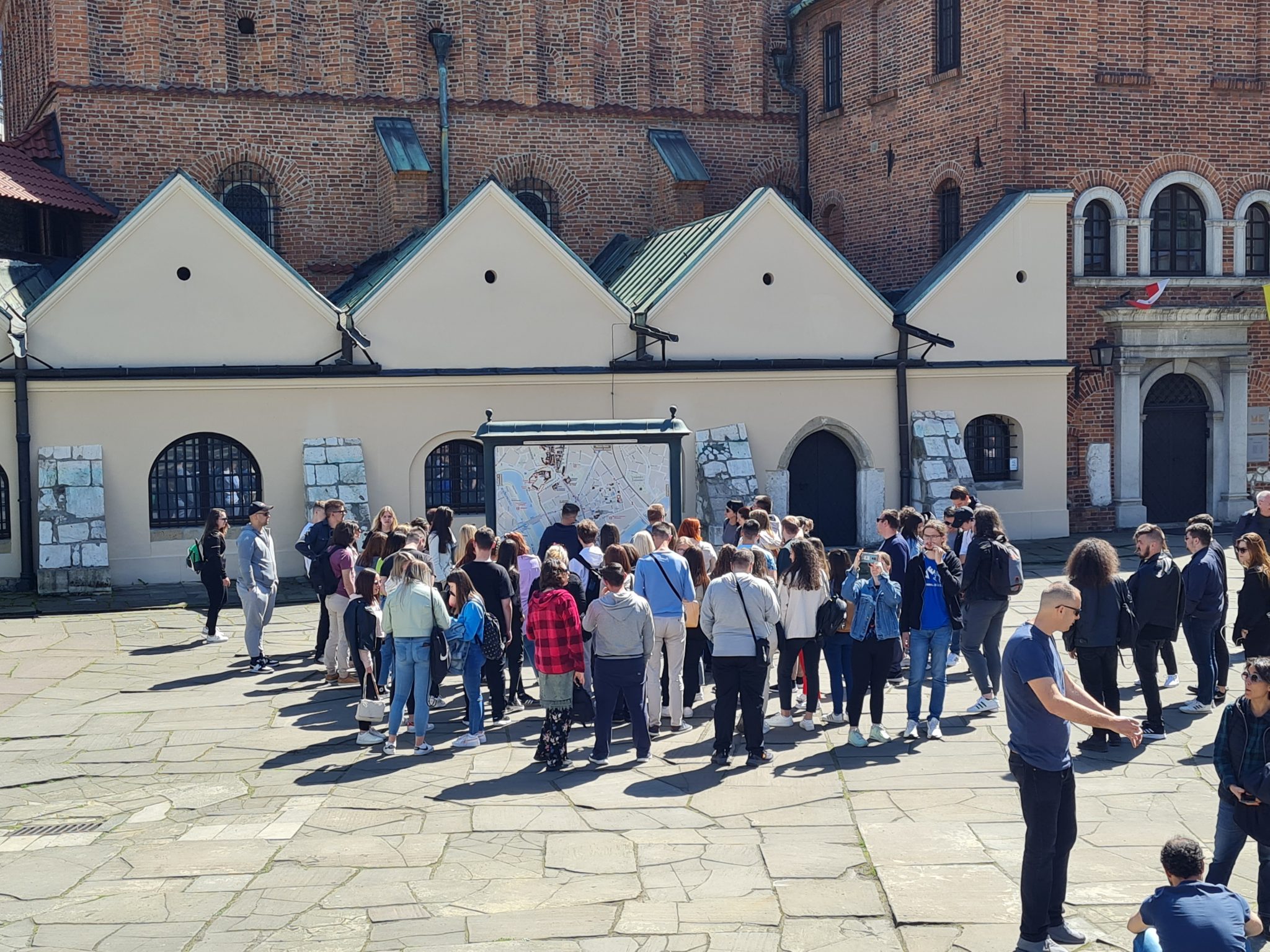
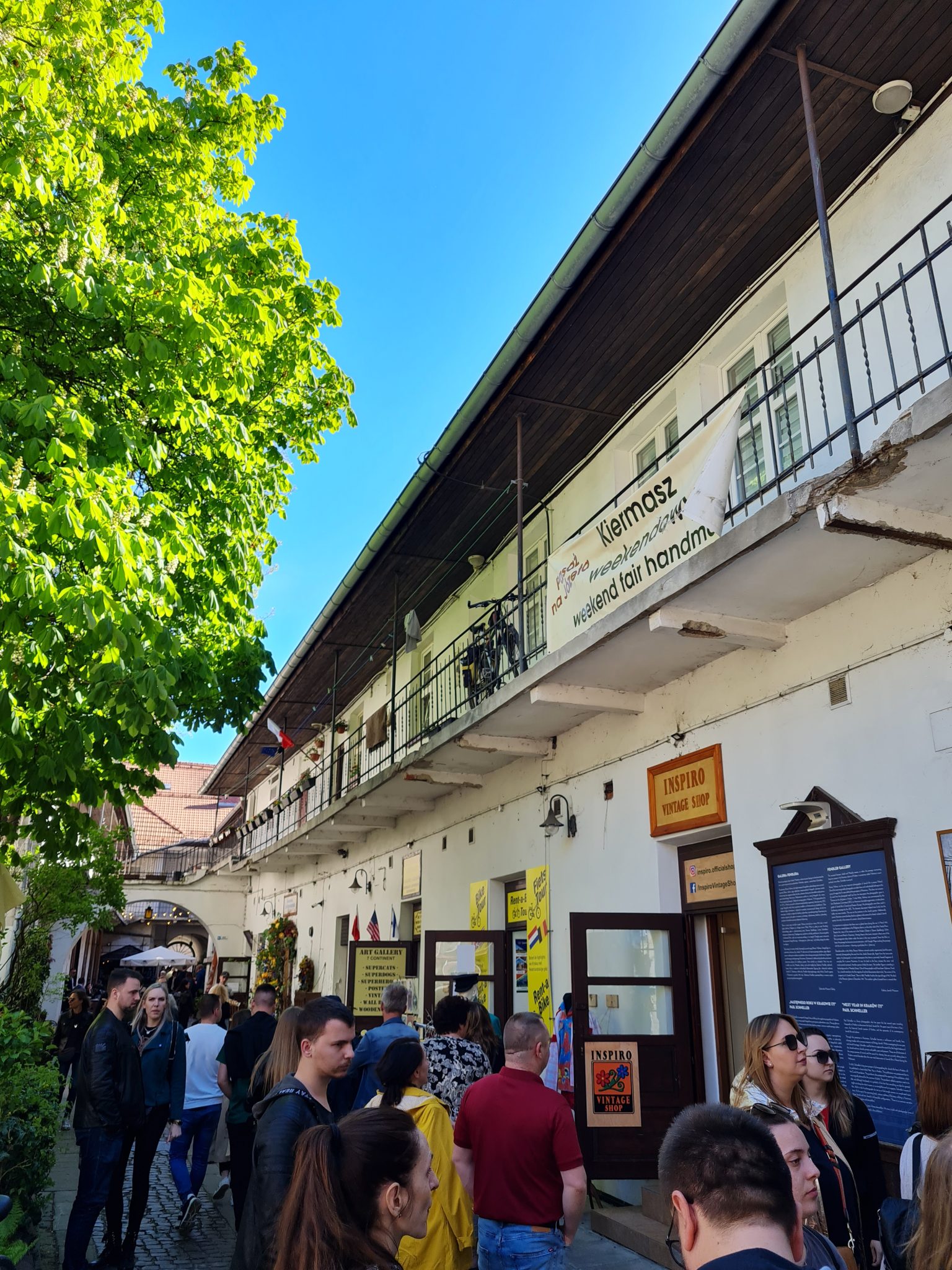
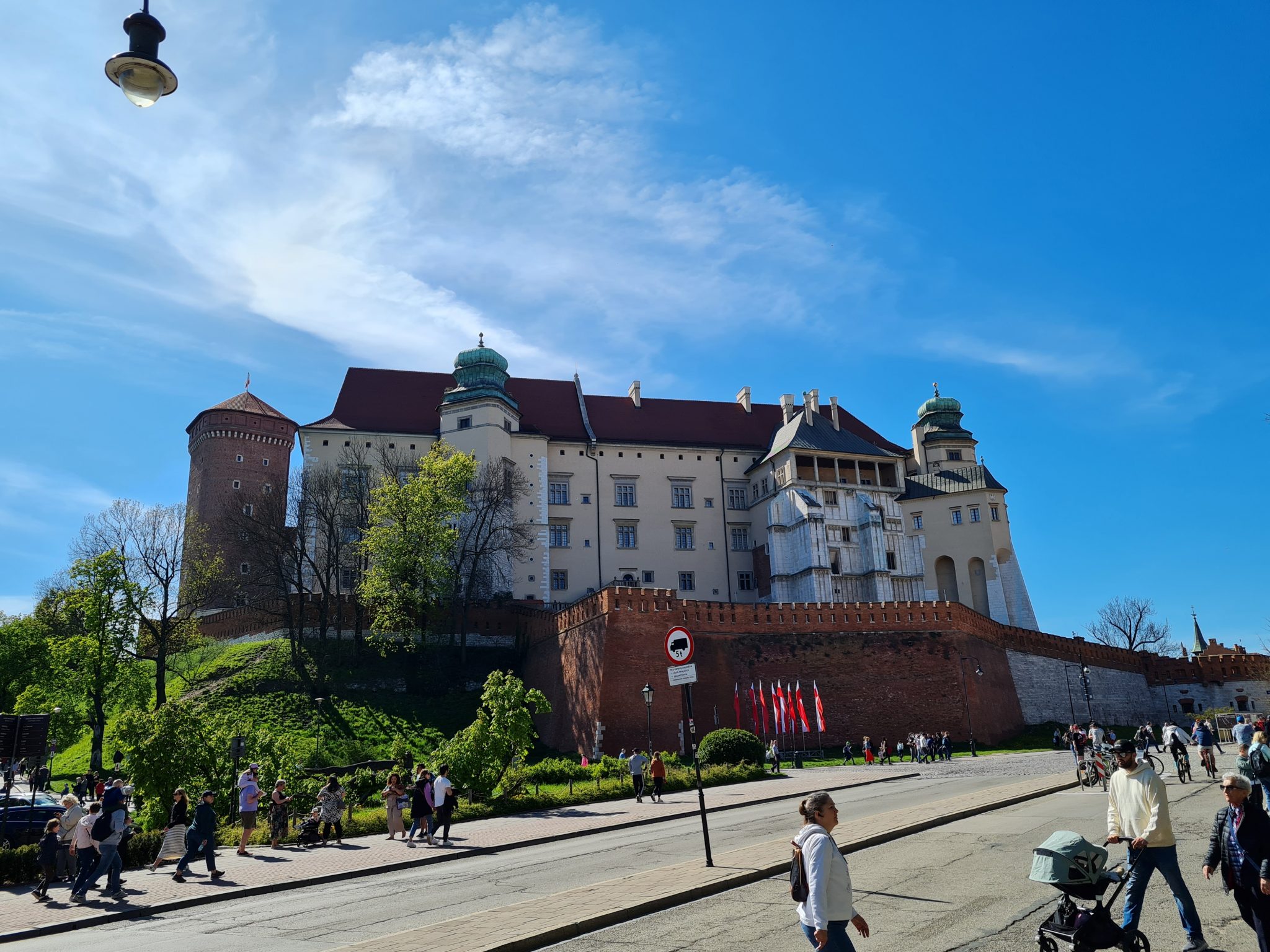
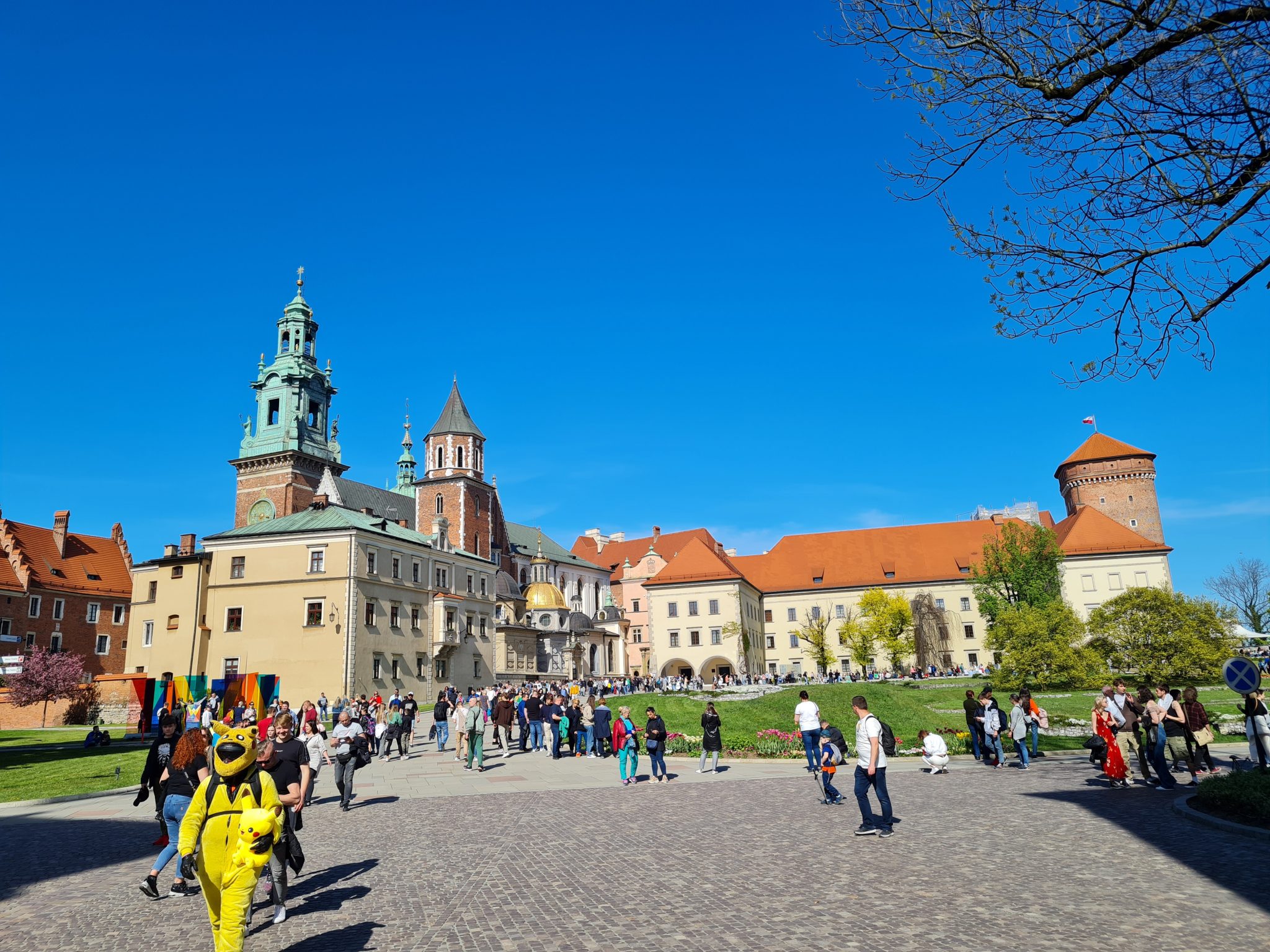
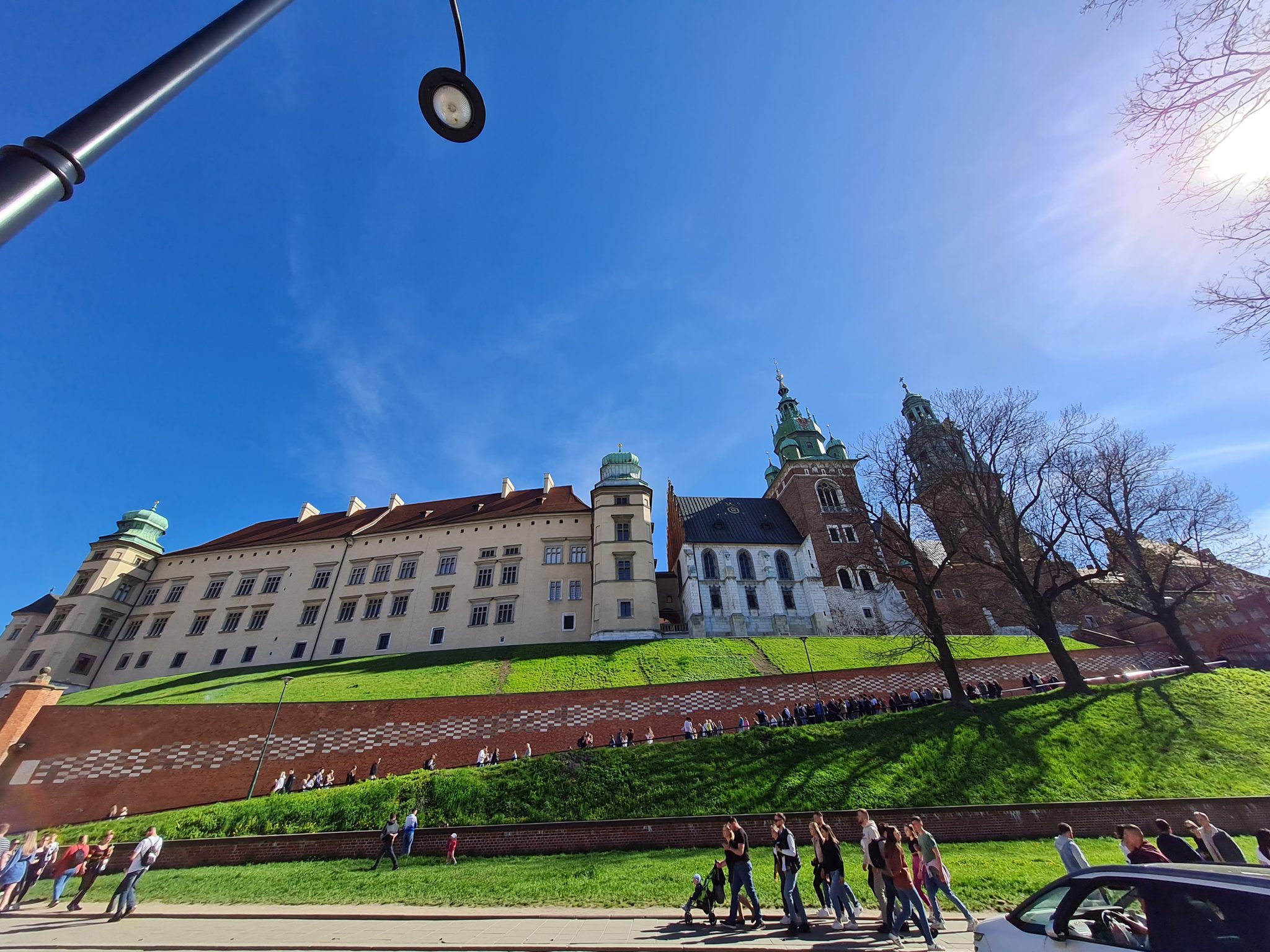
Departure from Osijek was scheduled for late in the evening on 30 April. The weather forecast did not give us much hope for fine and sunny weather, but this failed to discourage us. Full of enthusiasm for spending time together and gaining new experiences, we embarked on another study trip that we knew would become one more in a series of memories we would carry with us from the Faculty of Humanities and Social Sciences in Osijek. After leaving Croatia, we headed into Hungary, where we spent several hours travelling through the night. The highlight of that part of the journey was undoubtedly the panoramic night view of illuminated Budapest. After Hungary, most of the route took us through Slovakia, where we had the opportunity to observe many of the country’s natural beauties through the bus windows and see some of its most popular tourist destinations. In the early morning hours of 1 May, we finally arrived in the country that was the goal of our journey – Poland. Naturally, as is often the case on such trips, several more hours of driving still separated us from our first stop, the Wieliczka Salt Mine in the town of the same name. When we arrived, at around 9 a.m., the bus drivers dropped us off near the mine and, after a few minutes, we reached our first destination. We collected our tickets and began our adventure of exploring the salt mine with guides who introduced us to it in English. The mine extends across nine levels, reaching depths of up to 327 metres and stretching for as much as 300 kilometres. Because of time constraints, we decided to visit only the first three levels, descending by stairs to a depth of around ninety metres. The Wieliczka Salt Mine operated from the 13th century until 2007, when it ceased to perform its primary function, and today it serves mainly as a tourist destination. There we heard stories about the origins of the mine, the people who worked there extracting salt, and the creation of many works of art and sculptures made from salt itself. We saw a monument dedicated to Nicolaus Copernicus, one of Poland’s greatest scientists, as well as the largest underground church in the world – the Chapel of St Kinga, about which we also heard many stories. The two-hour tour of the Wieliczka mine left us amazed and prompted us to think about how much beauty and monumentality people can create through their labour and effort. According to our guide, such a visit to a salt mine extends a person’s life by two weeks because, in addition to the beauty and information the mine offers, it is also considered a healing place precisely because of the salt. After the tour, we returned by lift to ground level and set off on foot towards the centre of Poland’s second-largest city – Kraków. On the way to the city centre, we stopped at the famous museum dedicated to Oskar Schindler, took a brief look around and made a group photograph that would serve as a shared memory of the trip. Since it was 1 May, we were only able to view the museum from the outside, but this did not diminish our sense of the site’s value and importance. Walking towards the square, we passed through streets where scenes from Steven Spielberg’s Oscar-winning 1993 film Schindler’s List were shot, a film that bears witness to Schindler’s humanitarian work during the Second World War. We also visited Kraków’s Jewish Quarter. A visit to one of Europe’s largest squares was optional; some chose to explore it, while others visited Kraków’s castles and parks. After several hours of sightseeing in beautiful Kraków, we headed in the afternoon to a hotel located not far from the city centre, where we decided to rest and prepare for the next day of our trip.
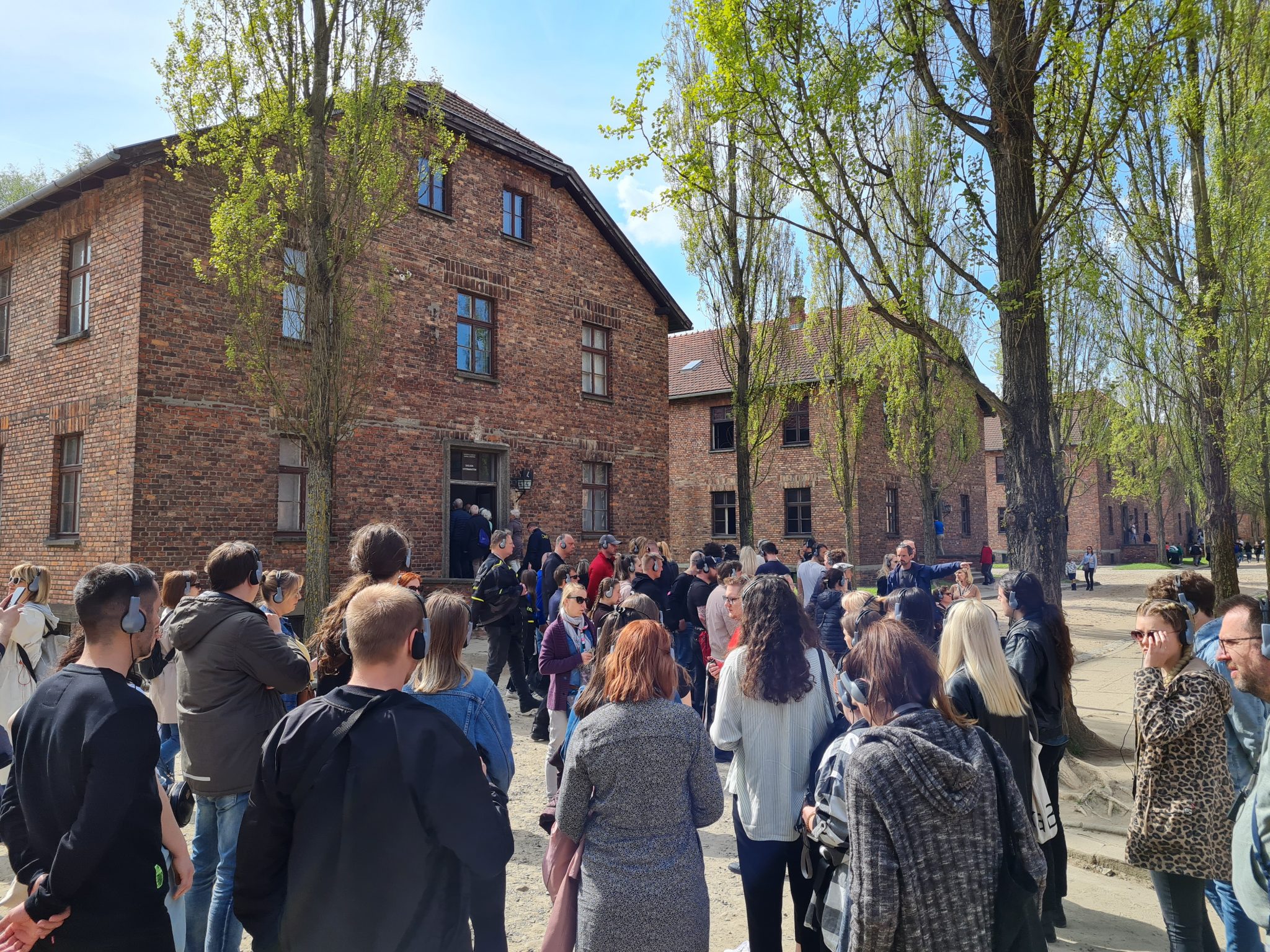
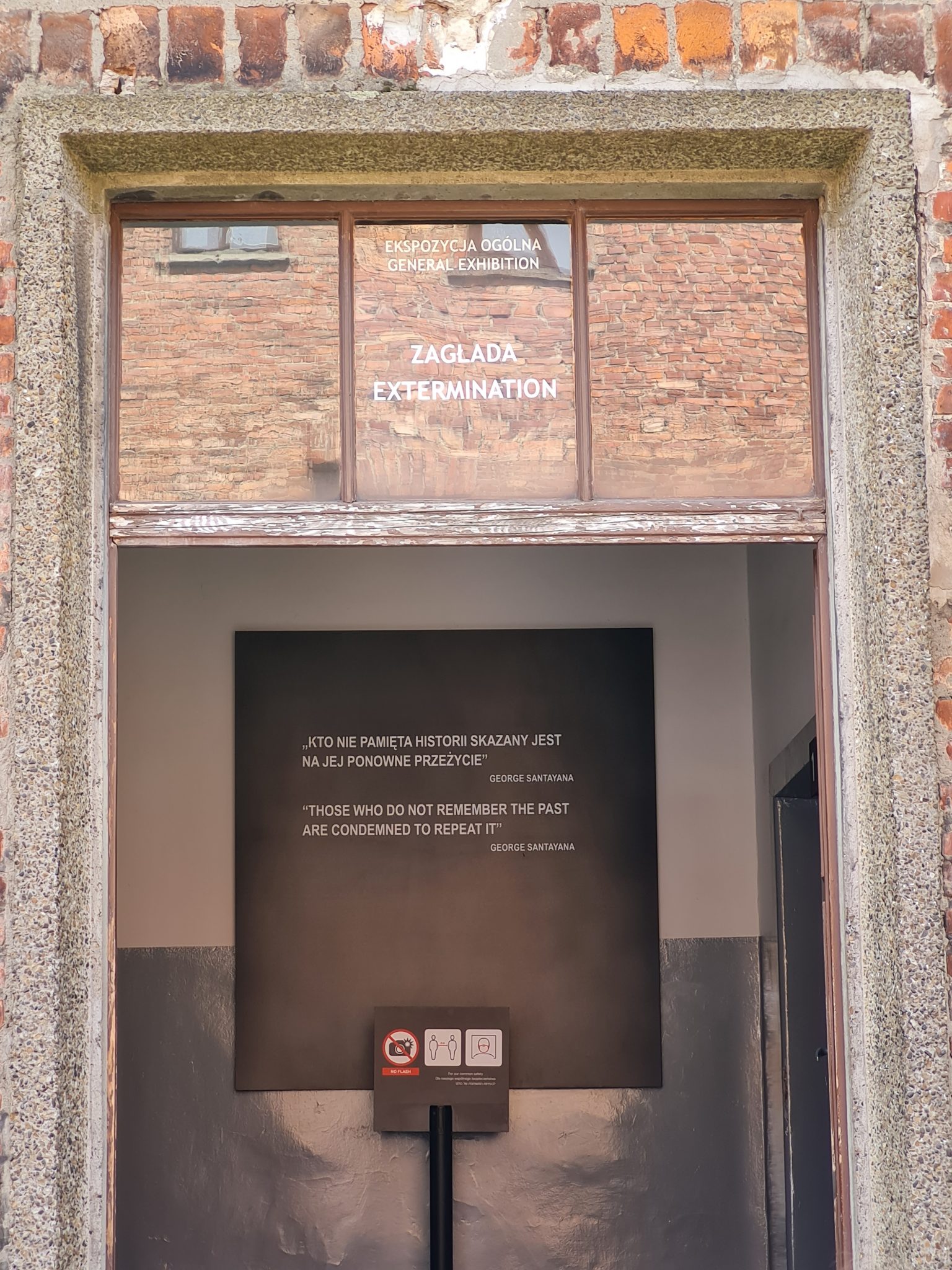
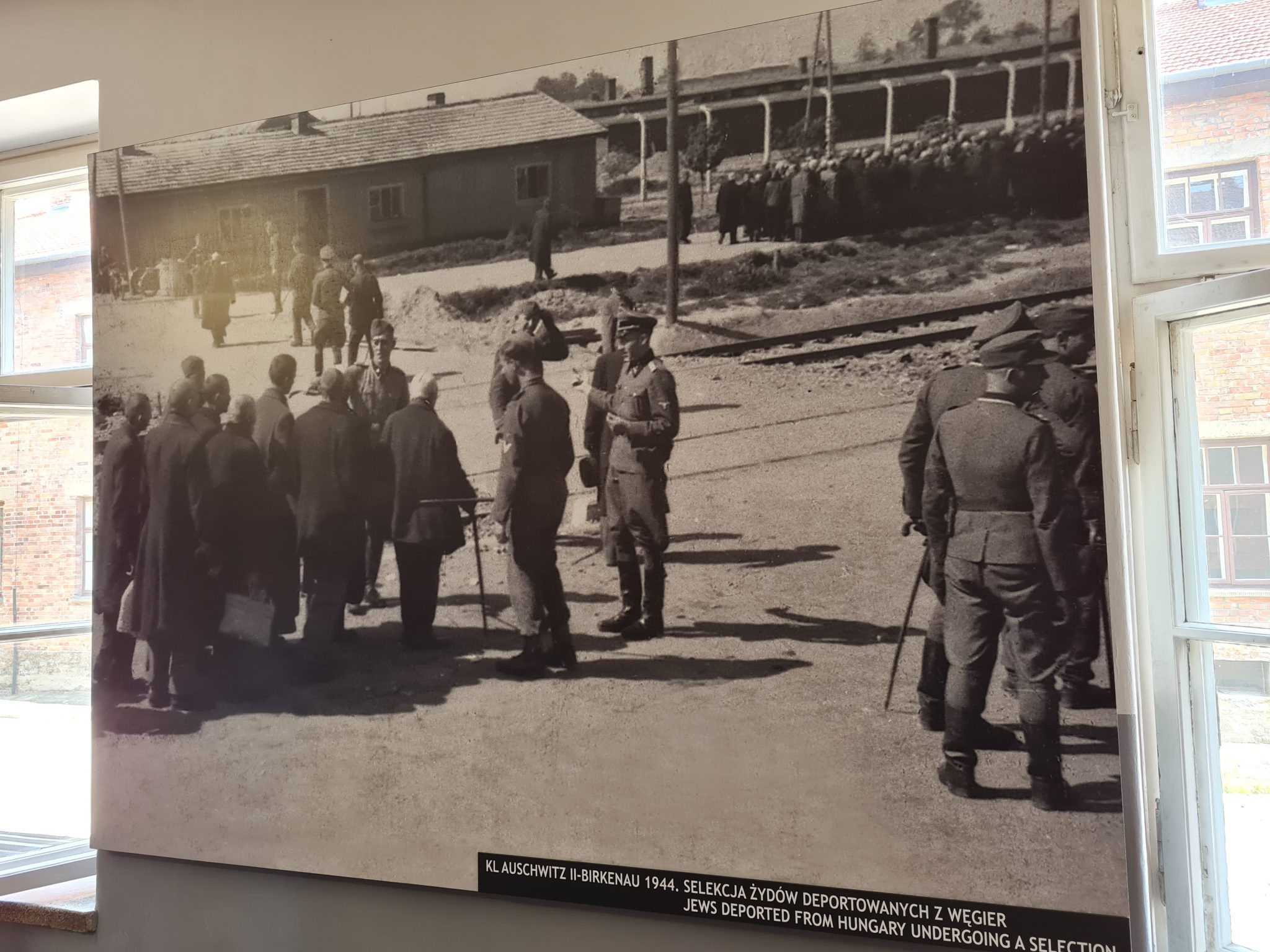
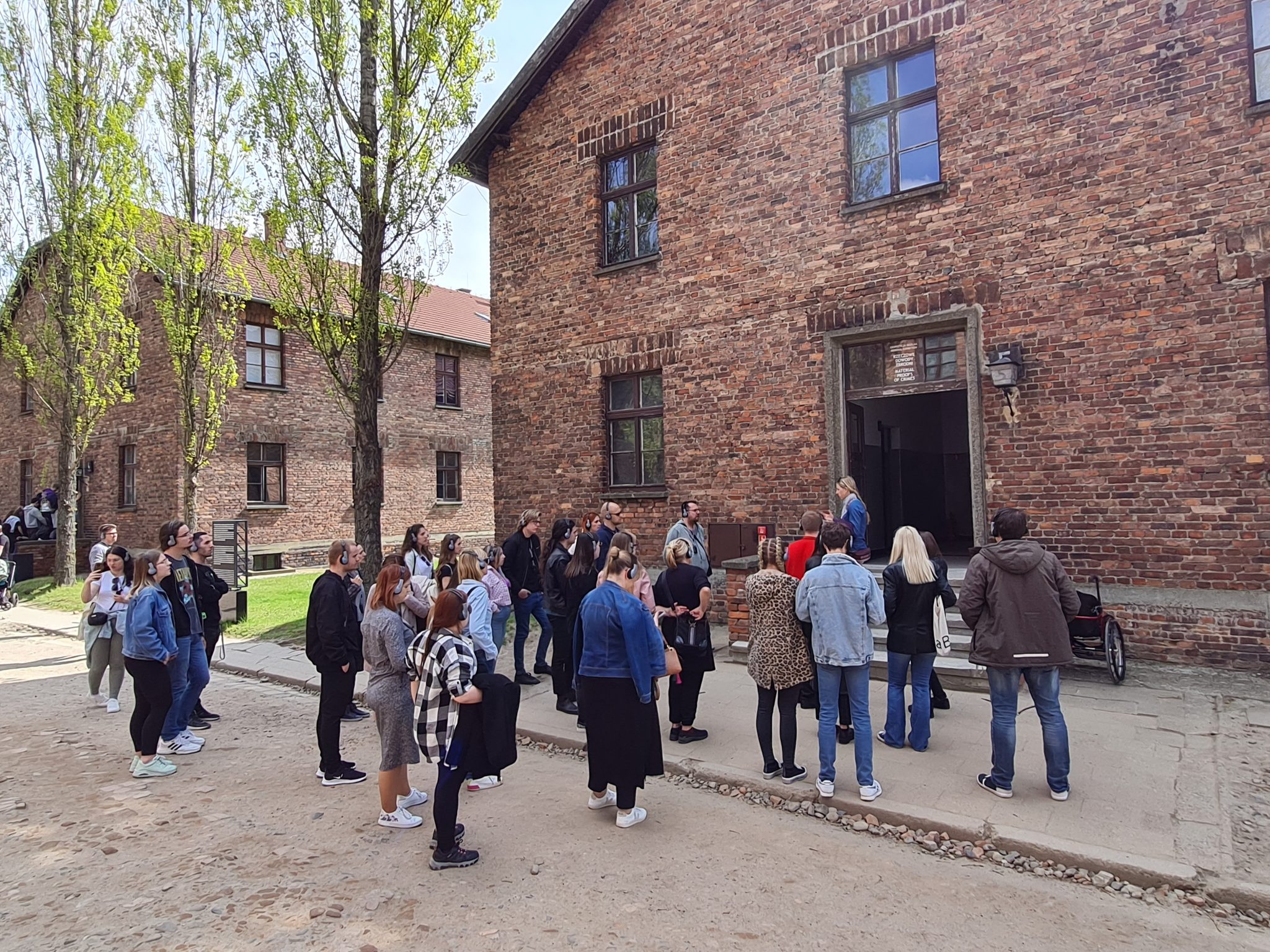
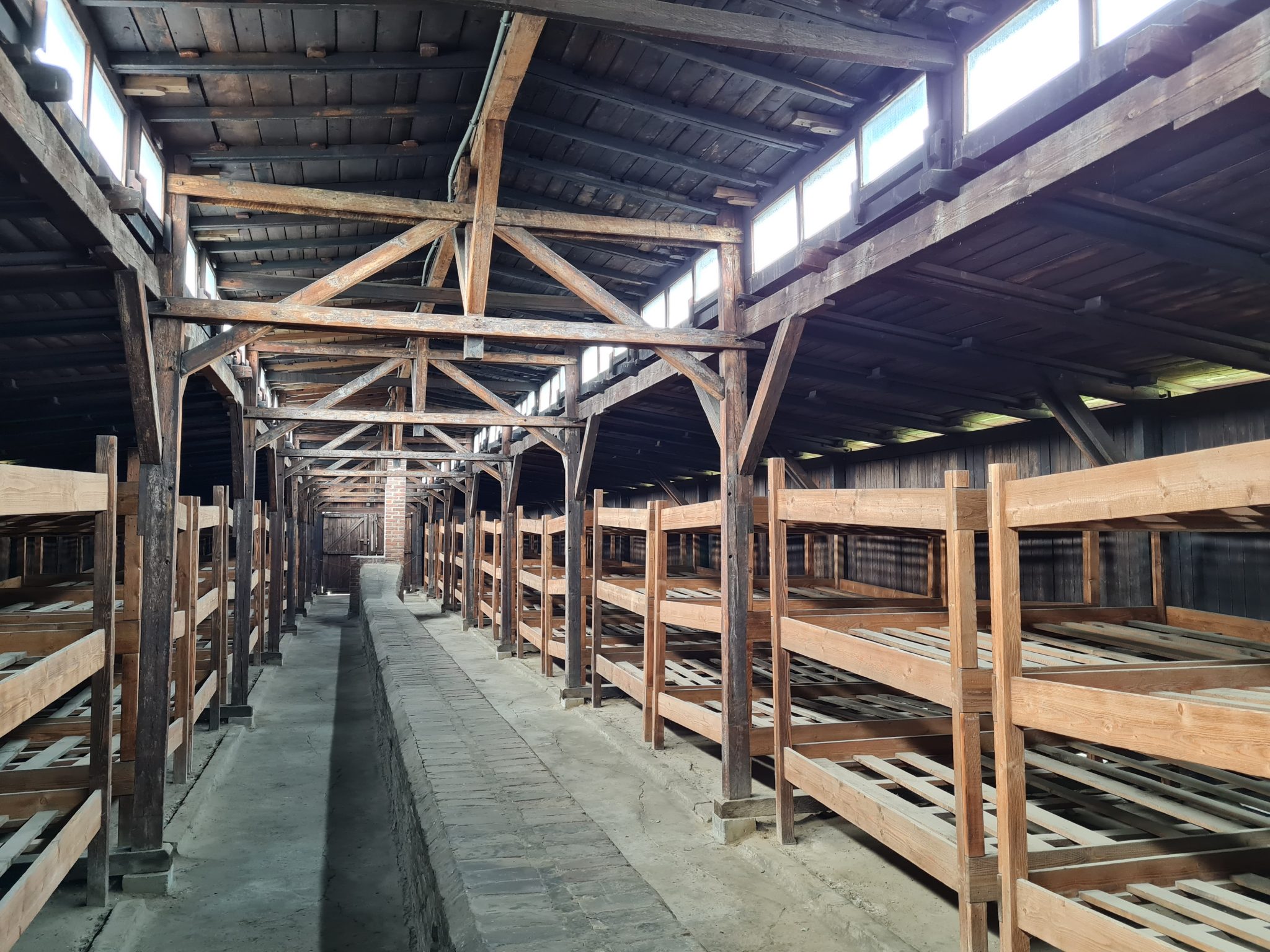
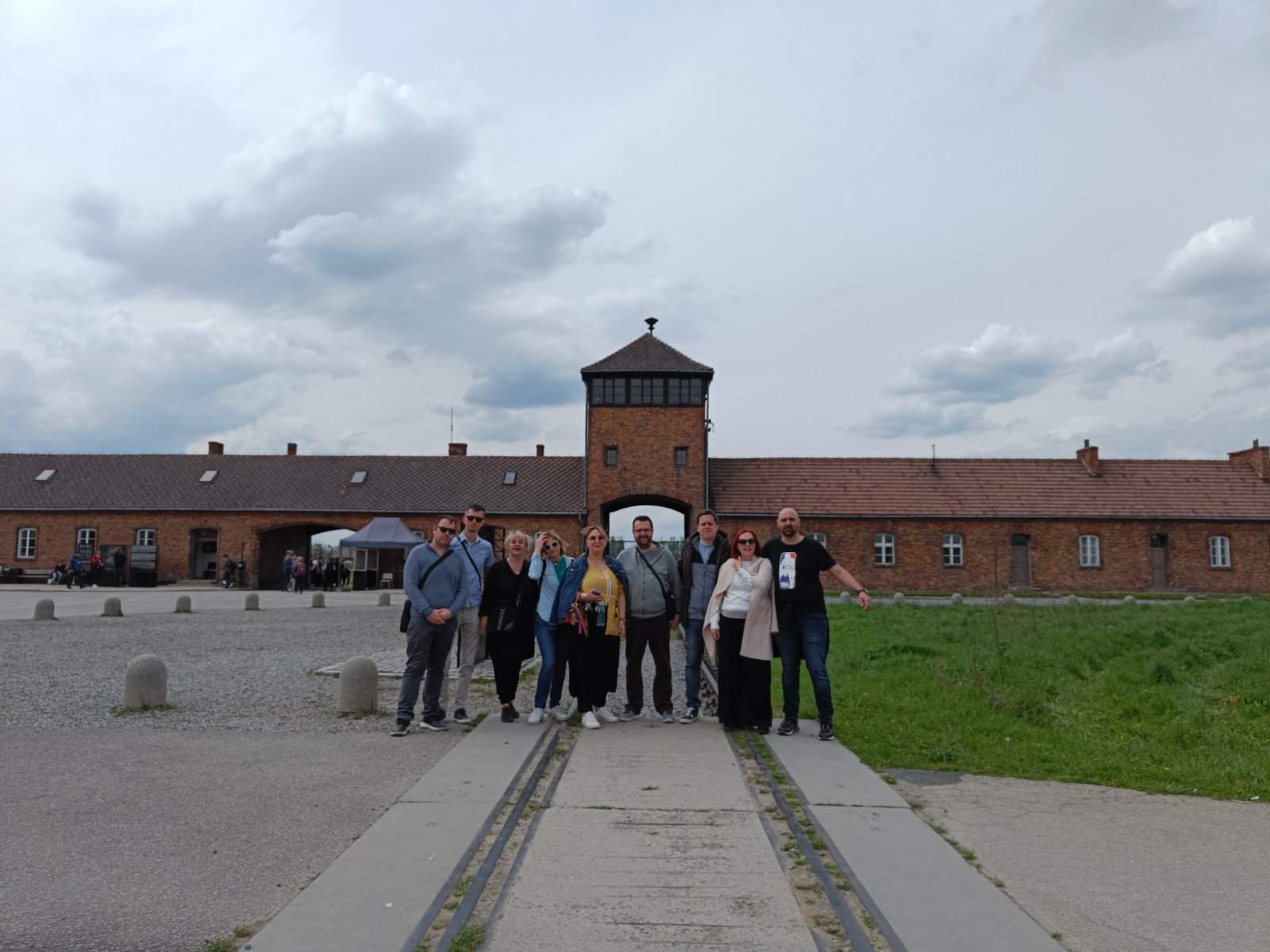
The second day of the trip could certainly be described as the most demanding, as it was devoted to visiting the Polish town of Oświęcim, later known by the German version of its name, Auschwitz. We first visited the so-called extermination camp, Auschwitz I. There we received our tickets and headsets and were assigned guides who led us along paths that had formed part of the suffering of countless human lives. Security checks at the entrance to Auschwitz were very thorough, the guides highly professional, and the tour extremely well organised. At first glance, the appearance of the Auschwitz concentration camp is deceptive because it resembles a very orderly and pleasant small town, although we all knew that the reality had been profoundly different. Auschwitz I is organised into so-called blocks, with each building bearing its own number. Blocks 4 and 5 affected us most deeply, as there we could see many personal belongings that prisoners had brought with them, believing they were going to a new and better life, unable to foresee what would actually happen to them. We also visited Block 20, where we learned where and how prisoners slept, what work they performed, how they were punished, and saw photographs of many prisoners whose faces revealed an entirely new dimension of the experience to us. Only a few kilometres from Auschwitz I lies Auschwitz II, better known as Birkenau. It was the largest concentration and labour camp of the Third Reich, where trains arrived daily carrying people who could not even imagine what awaited them there. Families were separated: those capable of work remained, while the elderly and the sick, and those who did not fit the Nazi vision, were sent to certain death. Many of them had even paid for the train tickets that took them directly into suffering. At the time, they could not have imagined where that train would lead them. At Birkenau we visited several barracks in which our guides told us about the inhuman conditions in which prisoners lived and worked, the diseases that spread there, and the many other horrors they endured. Birkenau is an enormous place; we could not have imagined such a vast area, and the feeling that arises simply upon entering a barrack is indescribable and oppressive. We believe places like this should be visited at least once in a lifetime because the experience in person is completely different from hearing about them, seeing them in the media or reading about them in books. After visiting Birkenau, we set off for Wrocław, a beautiful, historic and almost fairy-tale Polish city. We checked into our hotel, had dinner and rested. Some chose to spend the evening exploring the city, while others remained at the hotel.
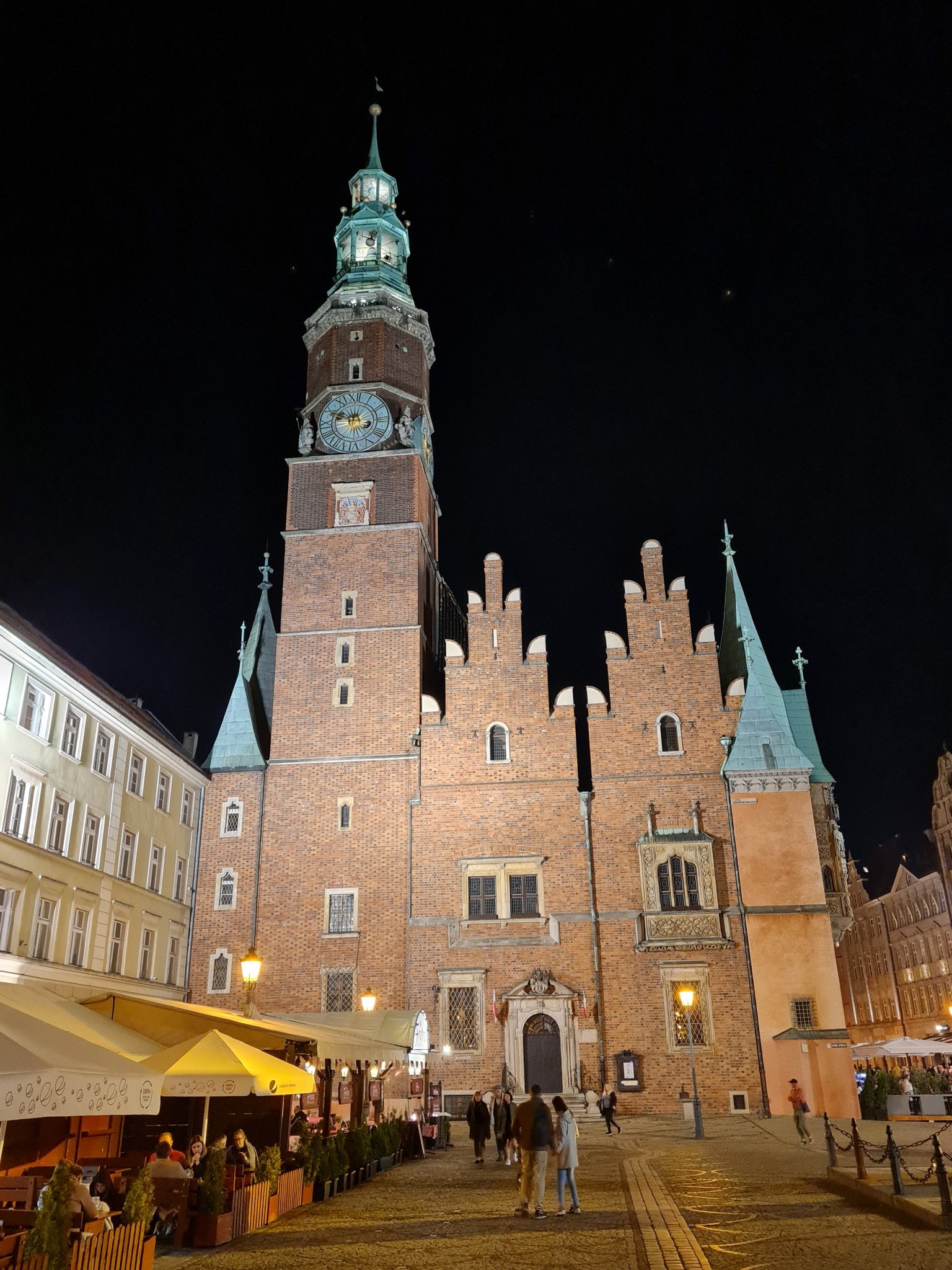
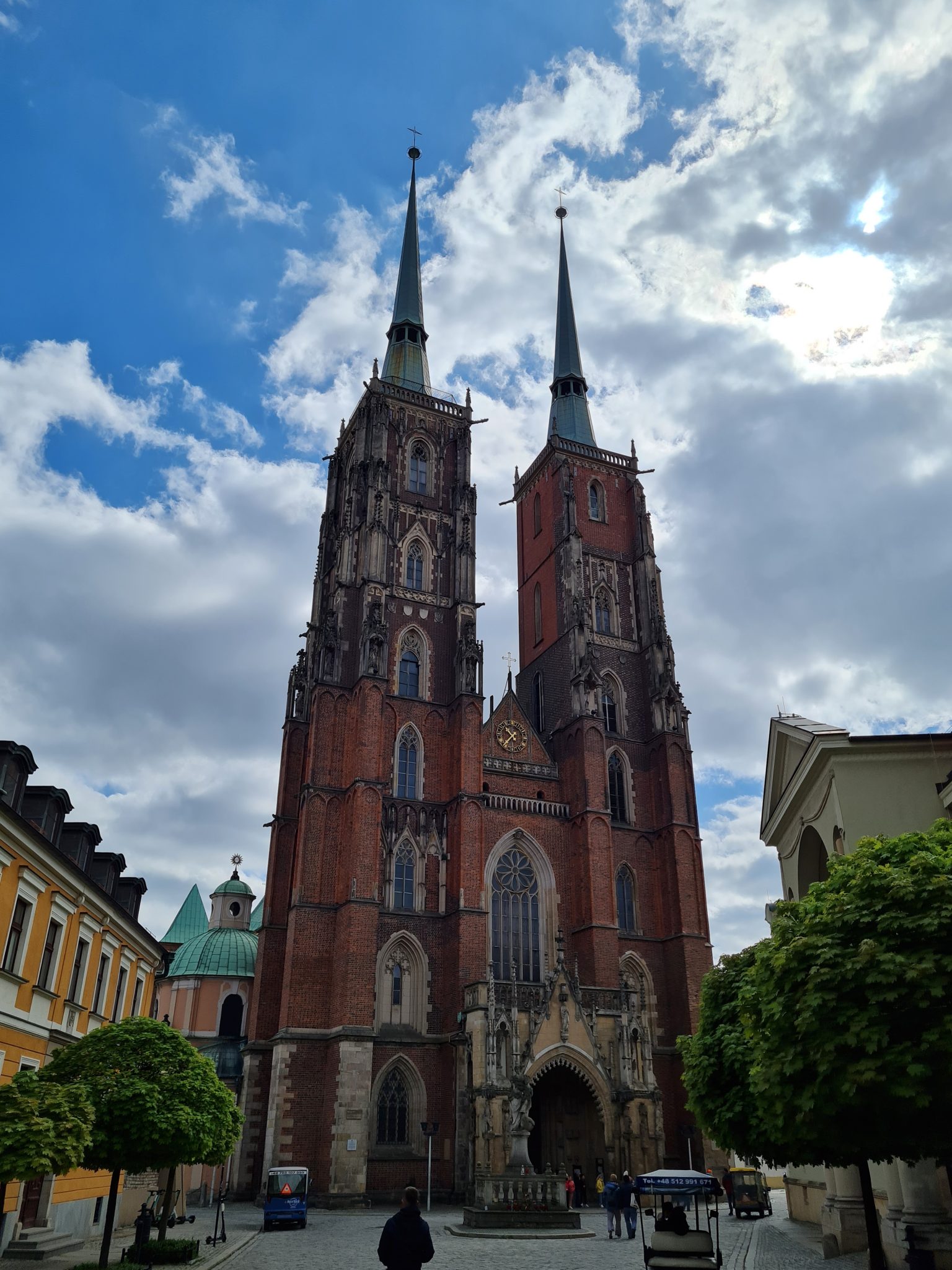
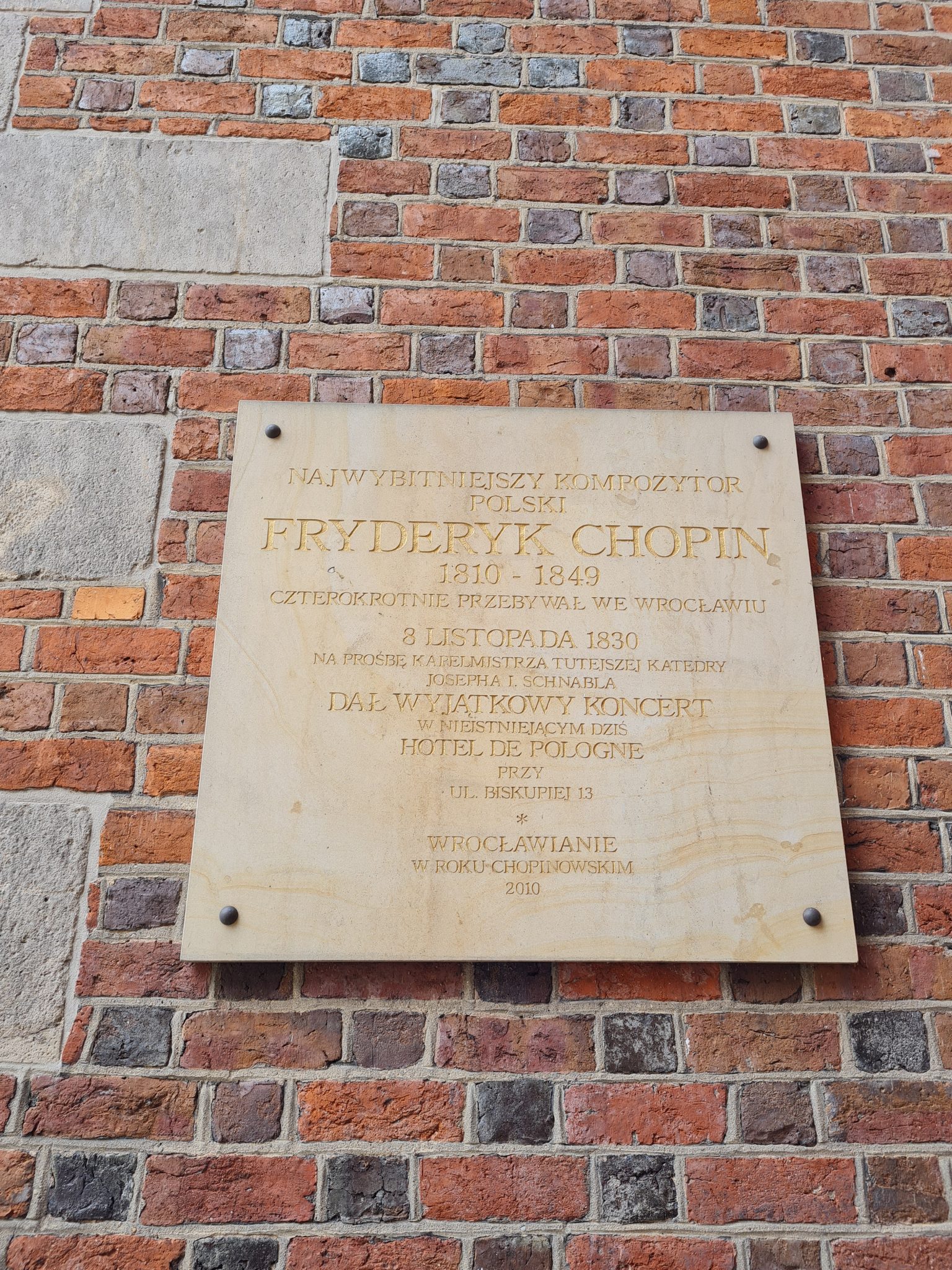
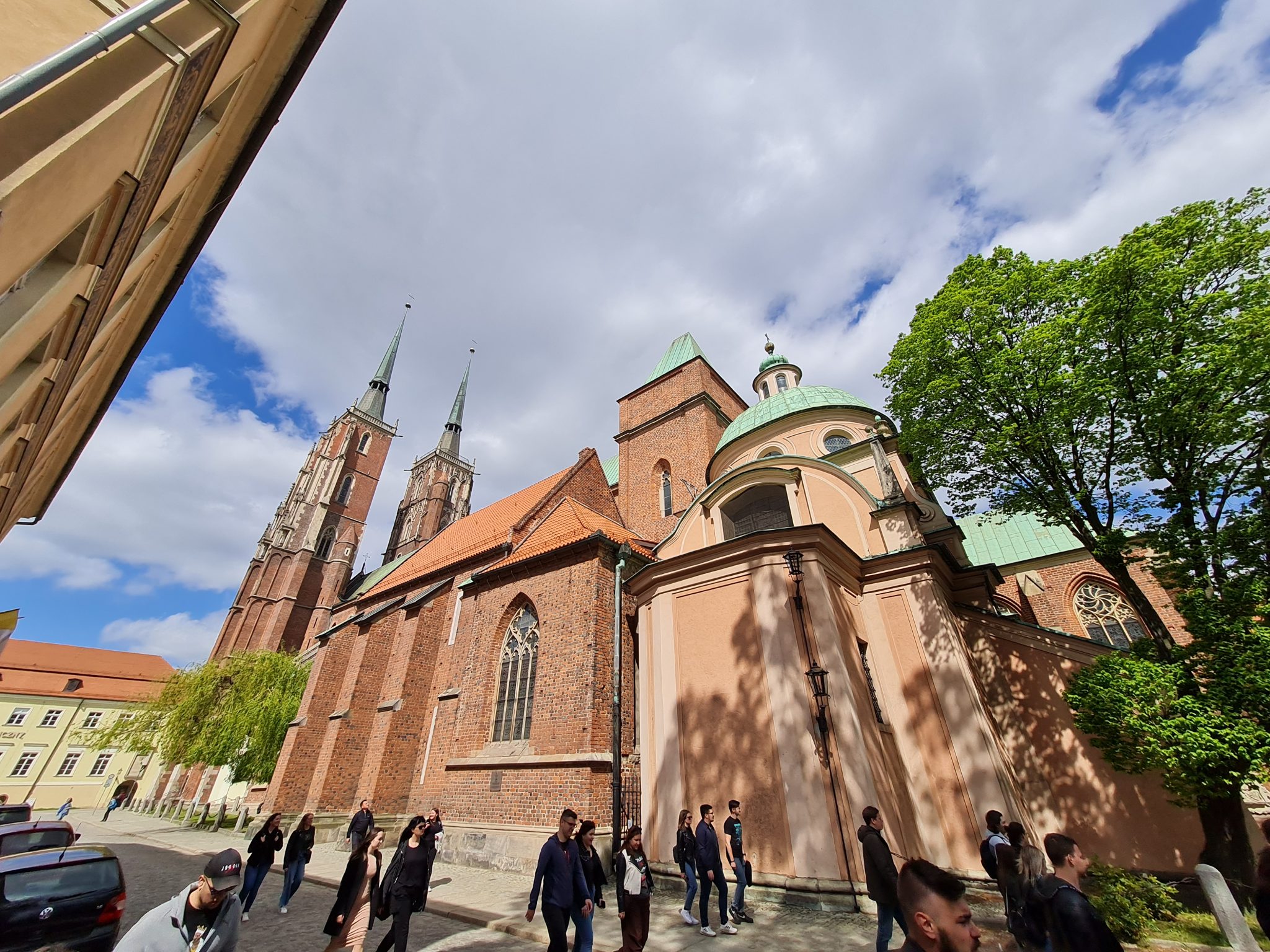
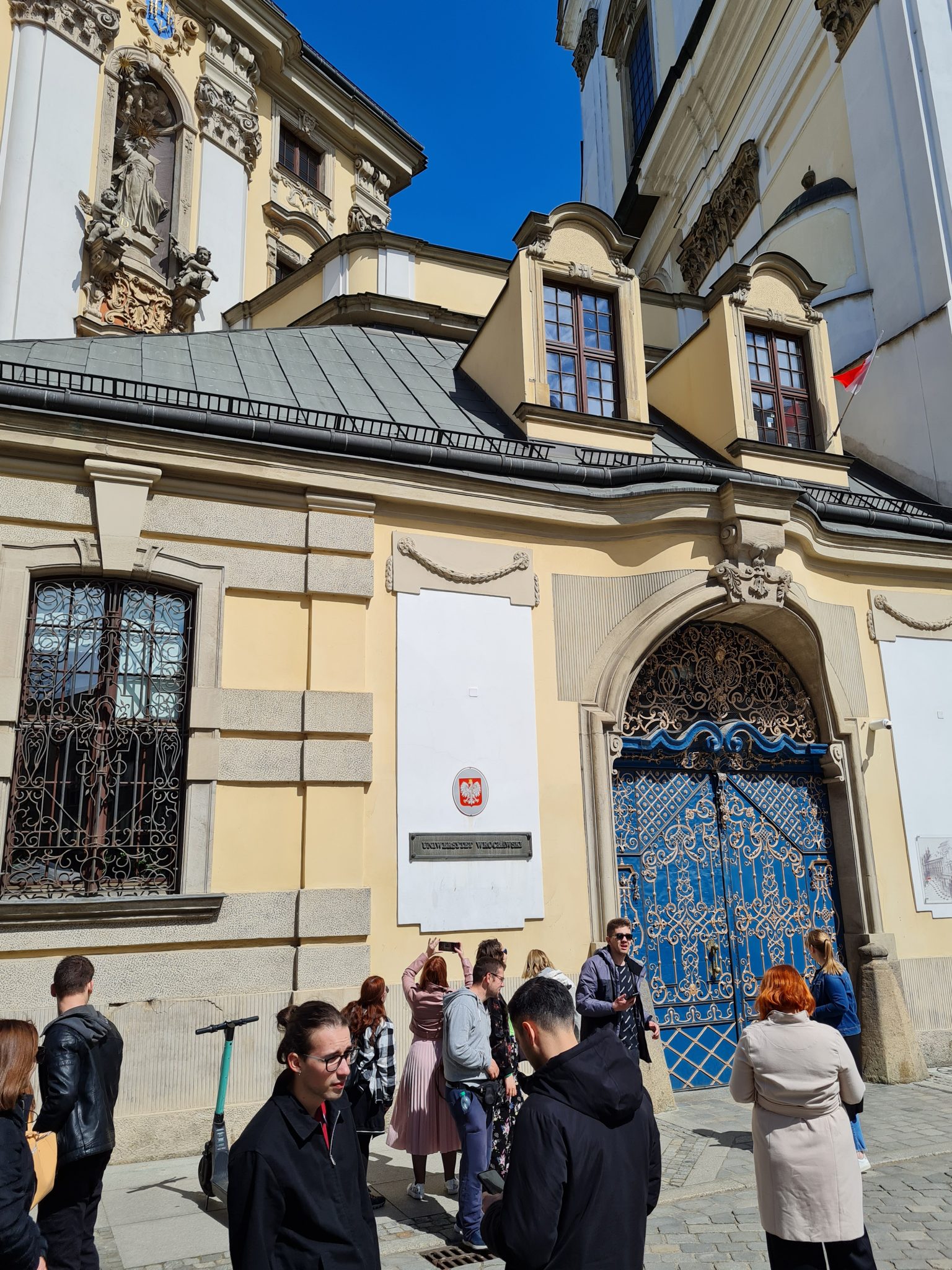
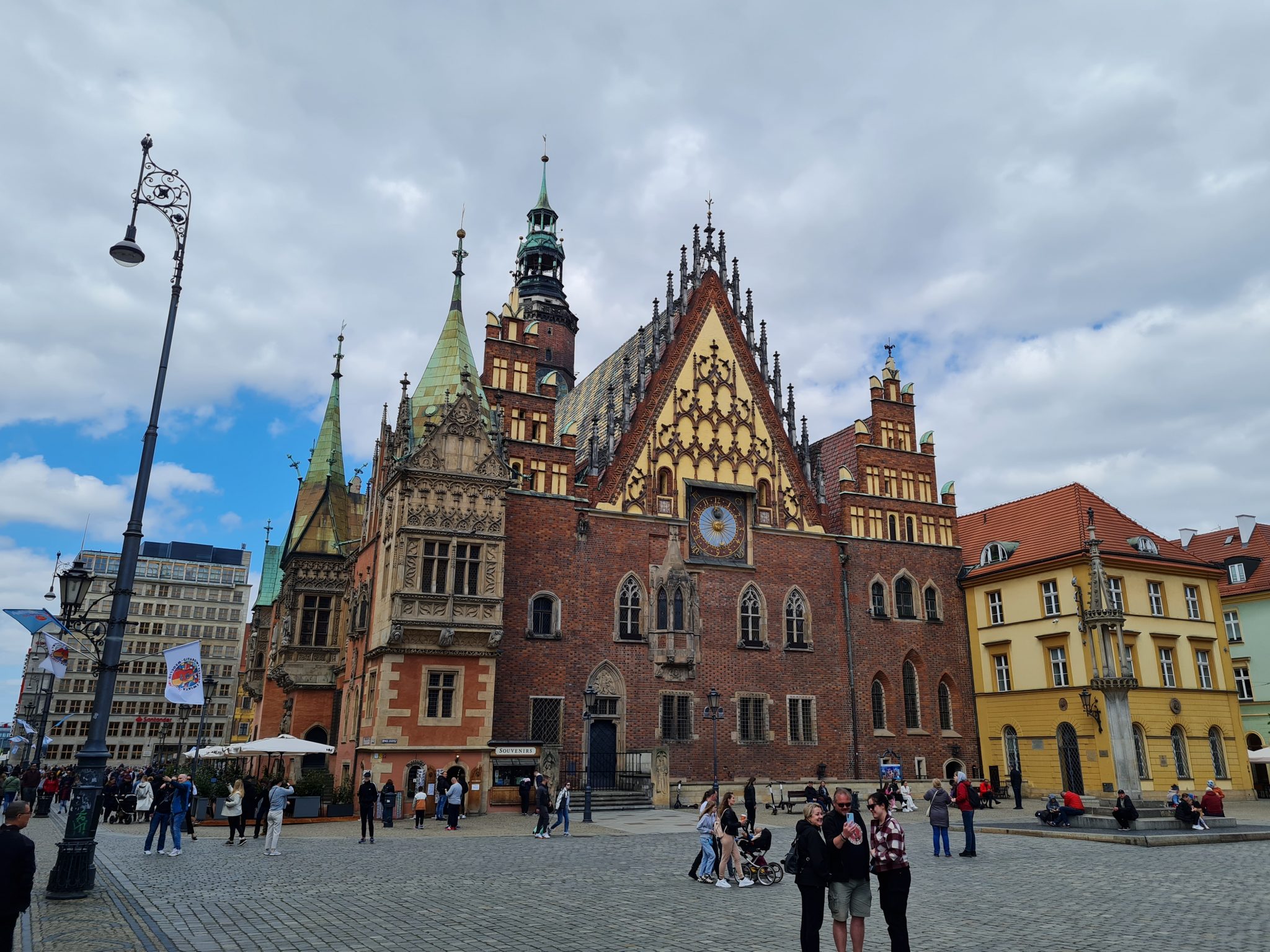
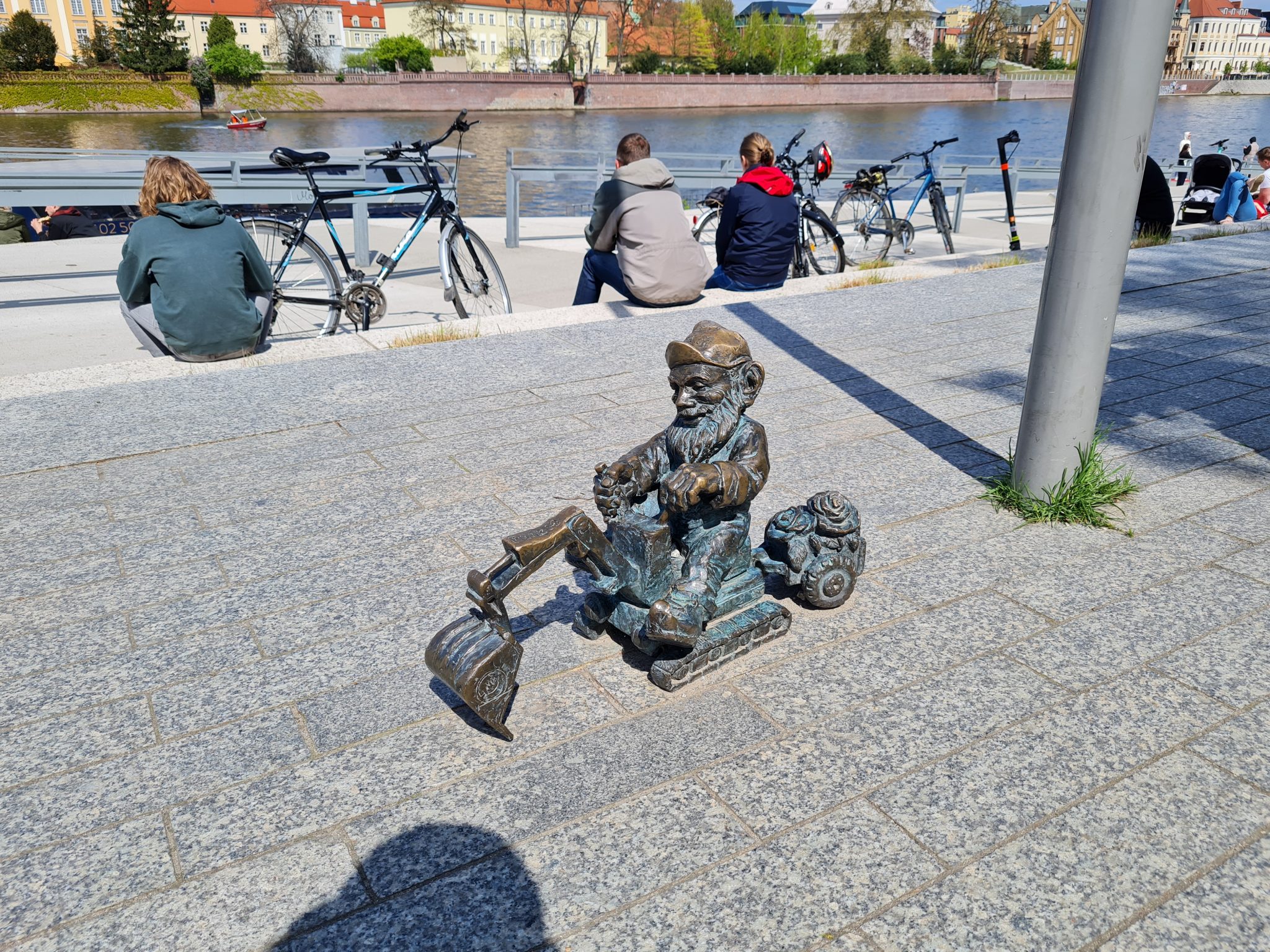
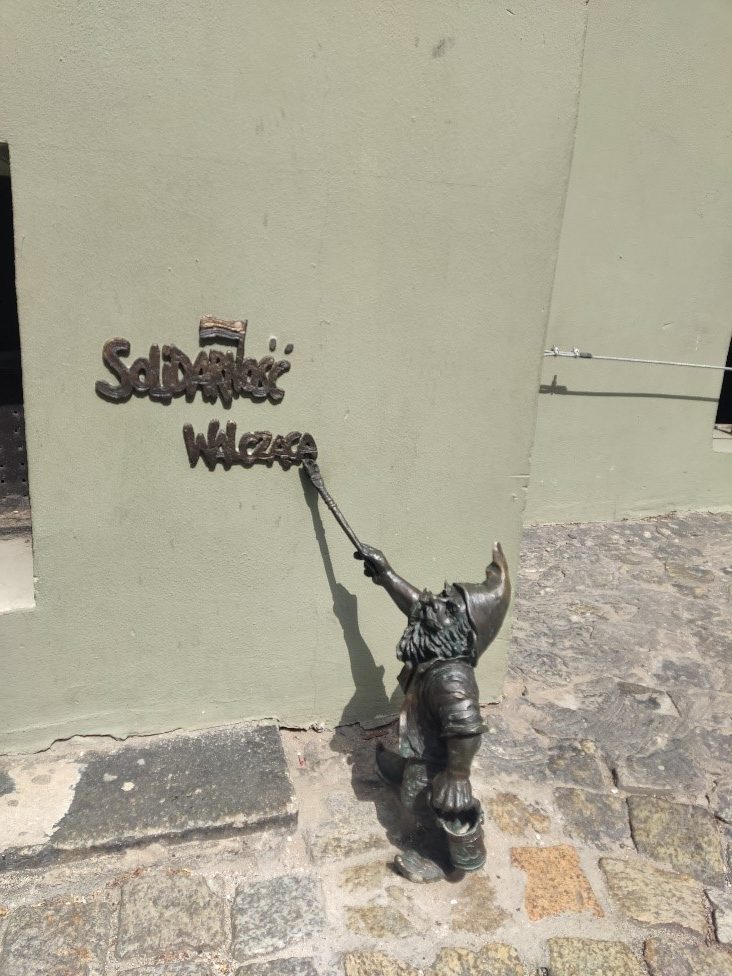
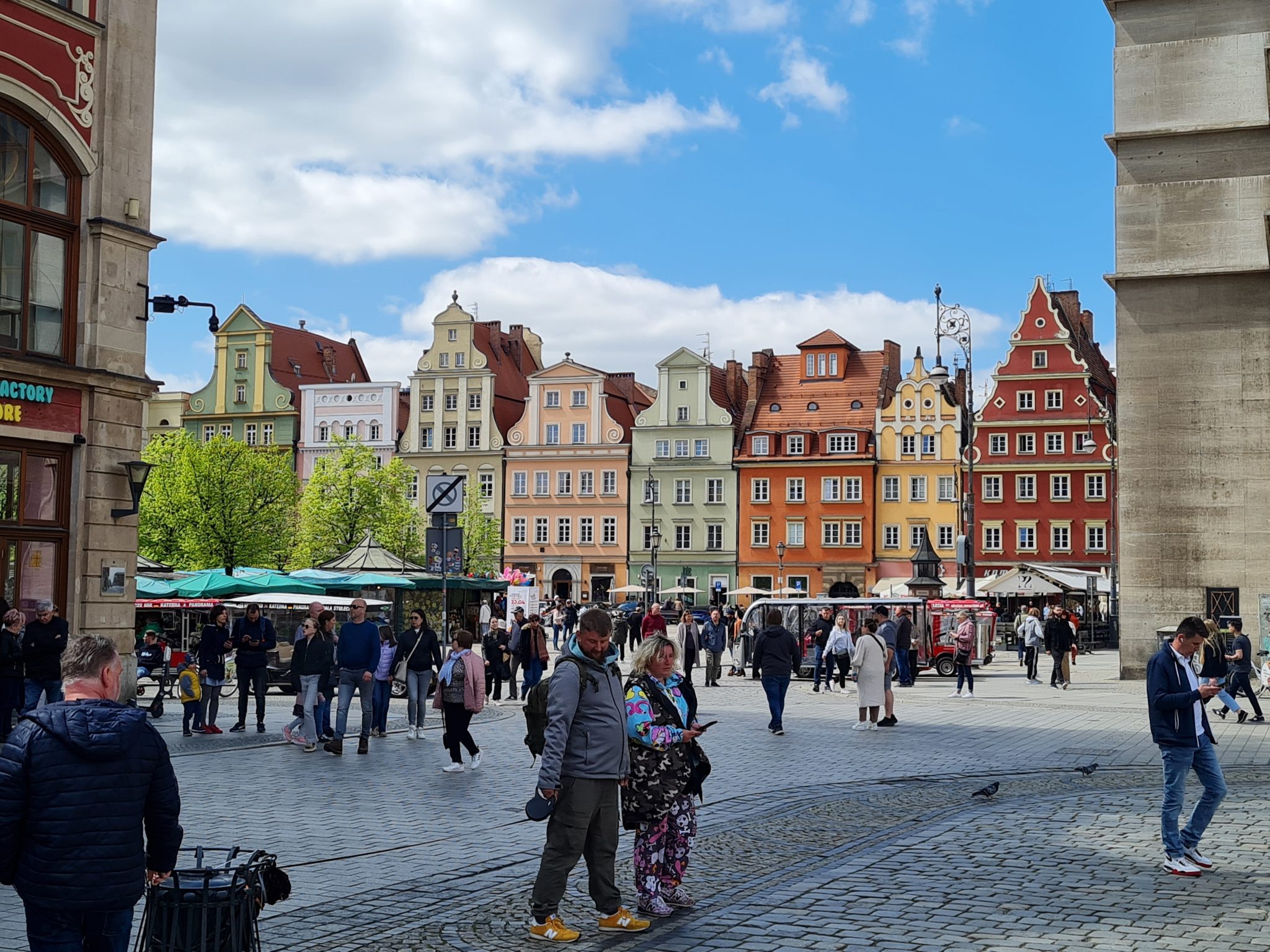
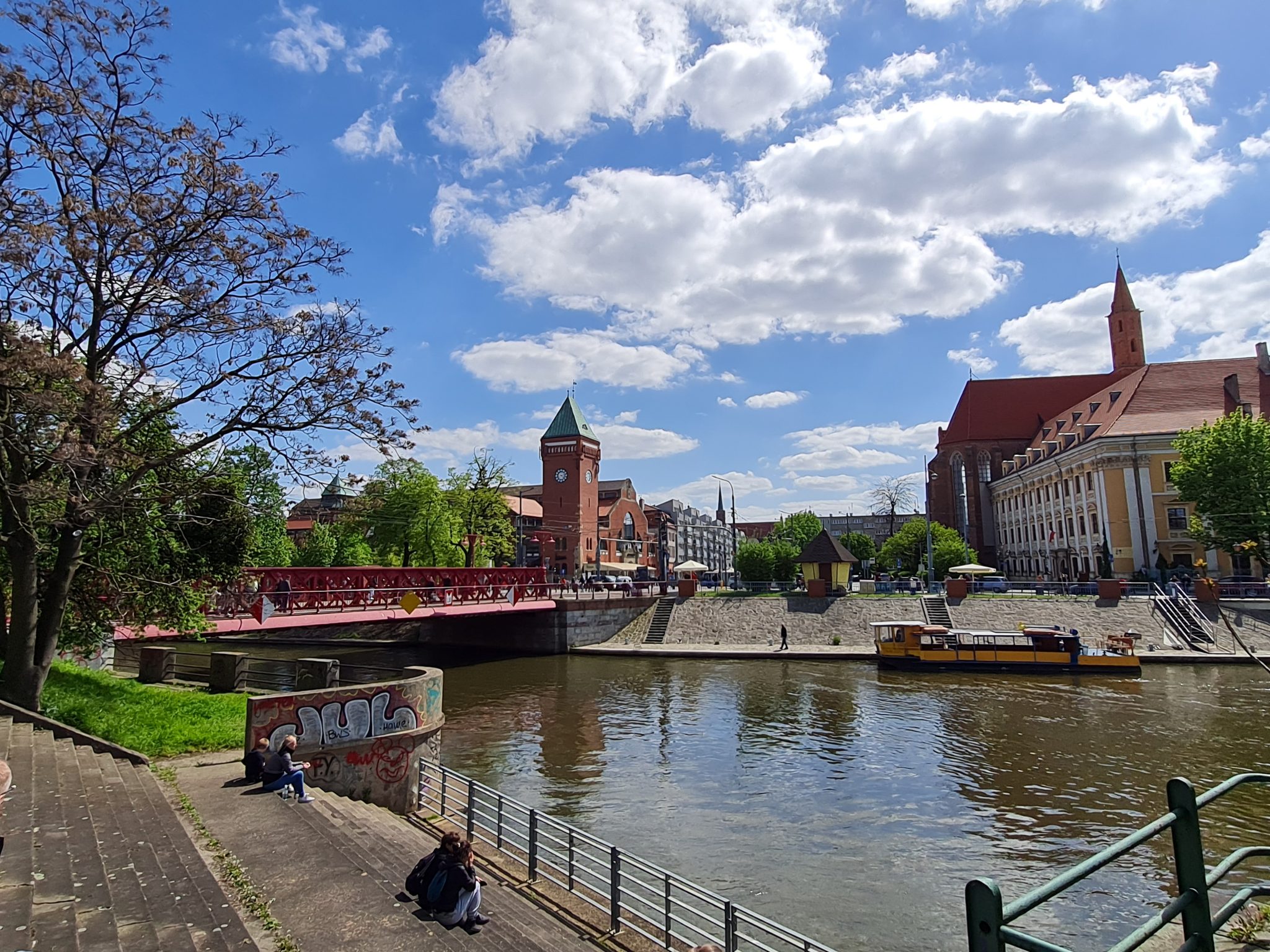
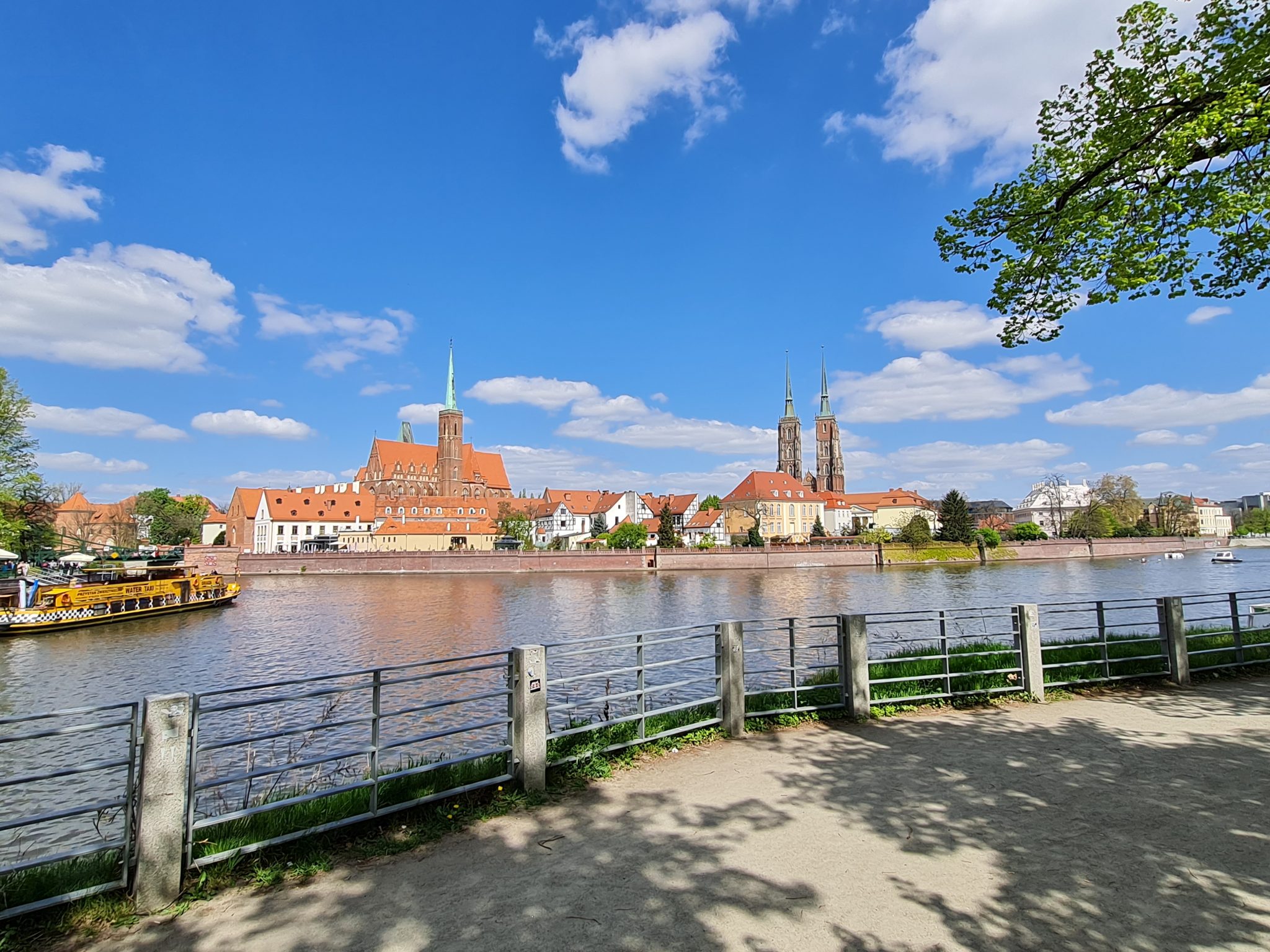
We began the next and final day of this study trip with breakfast and preparations for the return journey. After checking out of the hotel, we headed towards the centre of Wrocław. There we first visited its famous churches and university, while before the sightseeing tour our guide drew our attention to the dwarf statues found throughout the city. Wrocław lies on the River Oder and, with its many bridges, resembles Venice. The dwarfs mentioned by our guide are miniature statues, of which there are currently around five hundred in the city. After visiting this part of Wrocław, we headed towards the main city square. In the meantime, our historian colleagues visited the Institute of History and joined us somewhat later during our free exploration of the city. Wrocław’s central square is full of cafés and restaurants, beautiful buildings, churches and sculptures. It was definitely the most beautiful city of this study trip. After sightseeing, lunch and refreshments, we began our journey back to Croatia in the afternoon. As on the way there, the bus travelled through Slovakia and Hungary, and we arrived in Osijek in the early morning hours of 4 May.
Vlatka Perković and Sandra Savanović

♦ 24 February 2023 ♦
Guest lecture within the scientific research project “Societies and Diseases: Responses to Health Crises in Modern and Contemporary History”:
Prof. Hrvoje Jurić, PhD
↓↓
Lecture:
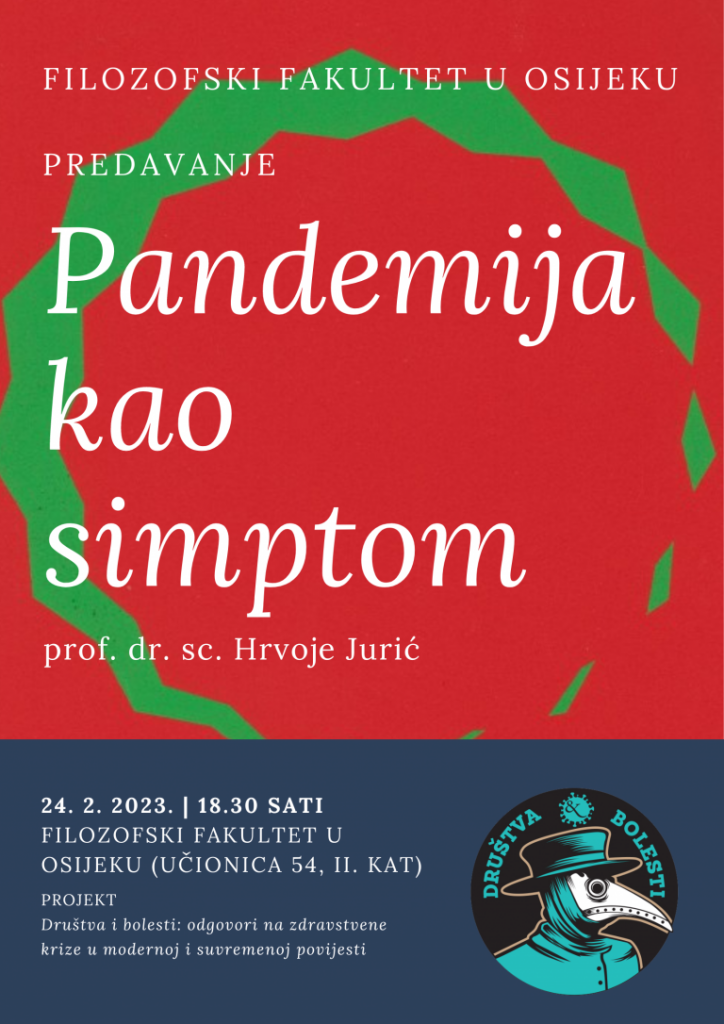
“The Pandemic as a Symptom”
Friday, 24 February
****
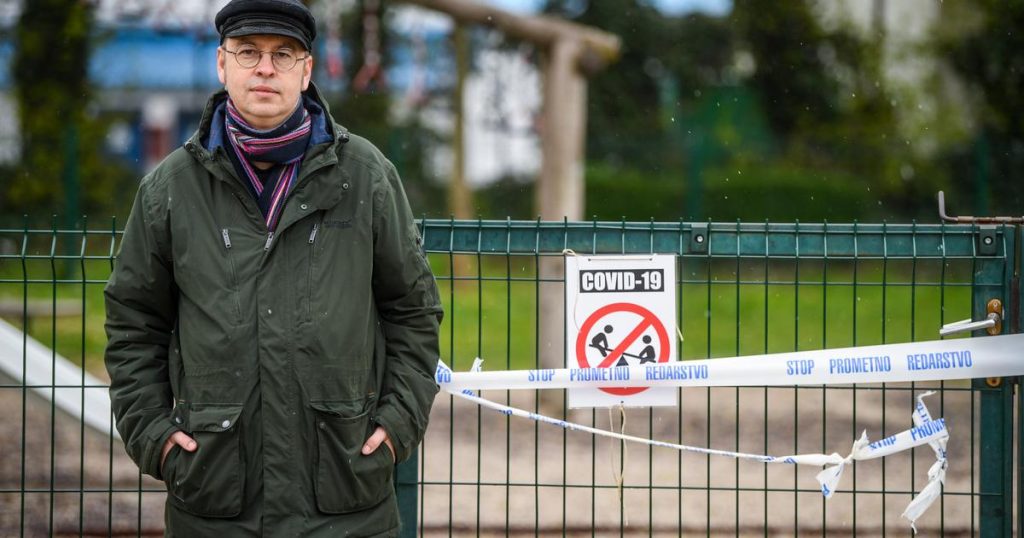
On Friday, 24 February 2023, at 6:30 p.m. in Room 54 of the Faculty of Humanities and Social Sciences in Osijek, Prof. Hrvoje Jurić, PhD (Faculty of Humanities and Social Sciences, University of Zagreb) will deliver a lecture entitled “The Pandemic as a Symptom”. The event will be held as part of the internal scientific research project of the Faculty of Humanities and Social Sciences in Osijek “Societies and Diseases: Responses to Health Crises in Modern and Contemporary History”. The lecture will also be available via the project’s YouTube channel. More information about the project is available on its official website at https://dib.ffos.hr/.
ABOUT THE LECTURE:
Drawing primarily on his book The Pandemic as a Symptom (published in February 2021 by the Zagreb publisher DAF), the author will discuss the coronavirus pandemic both retrospectively and with a view towards the so-called “post-pandemic future”. The author’s thesis is that the coronavirus pandemic, together with its consequences, is of epochal proportions, but that it essentially presents us with nothing new; rather, it magnifies and intensifies the negative features of contemporary global civilisation, culture and society. The pandemic is therefore not merely a matter of disease caused by a particular virus, but also a symptom of deeper global social illnesses. Taking into account a number of scientific and literary works that can help raise awareness of and conceptualise the pandemic situation, the author will analyse the medical, political, ethical, legal, social and cultural dimensions of the crisis, devoting particular attention to the issues of digitalisation, education and work.
ABOUT THE LECTURER:
Hrvoje Jurić (Bihać, 1975) is a professor at the Department of Philosophy of the Faculty of Humanities and Social Sciences, University of Zagreb, where he teaches ethics and bioethics. He is Deputy Editor-in-Chief of the journals Filozofska istraživanja and Synthesis philosophica and a member of the editorial boards of several other scientific journals. He is also active in various scientific, cultural and social institutions, organisations and initiatives. In addition to numerous scientific, professional, journalistic, essayistic and poetic texts published in various publications, he has published five authored scientific books, five edited volumes and five books of poetry, as well as a philosophy textbook for secondary schools.
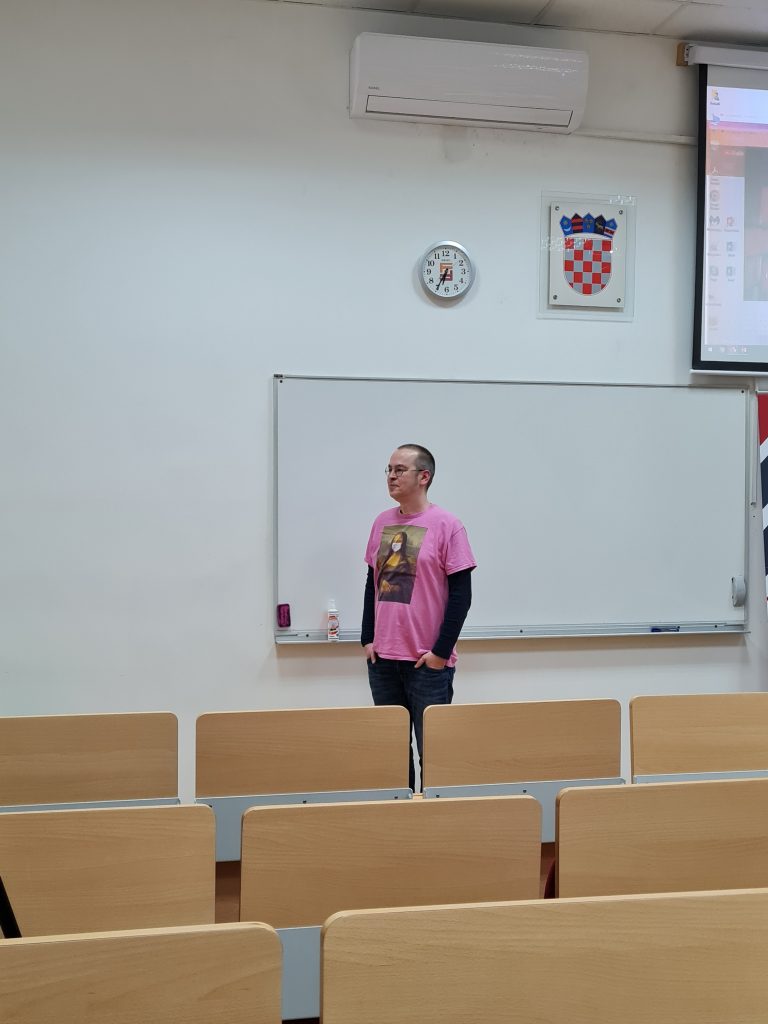
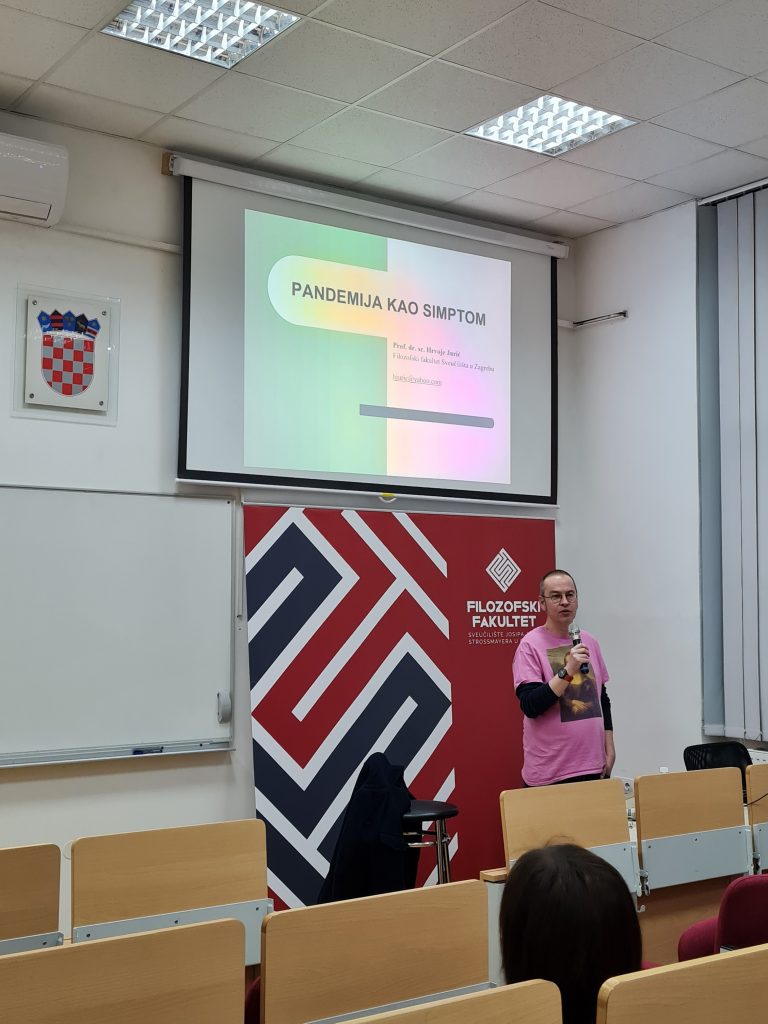
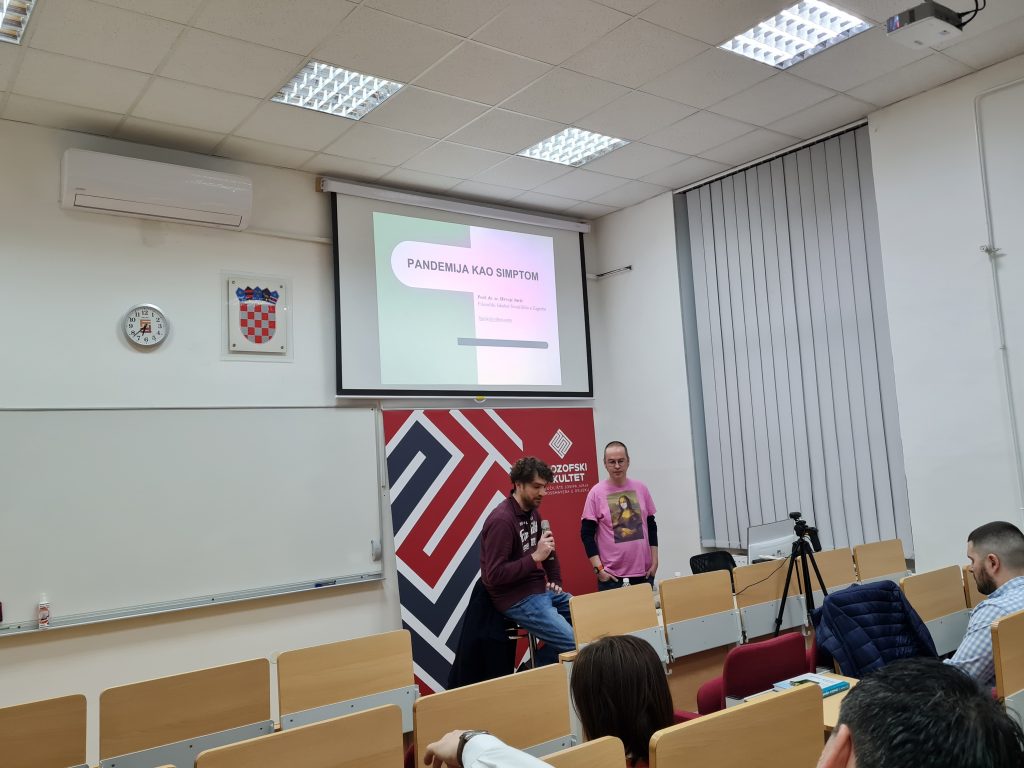
Jurić reminded the audience that the lecture was taking place on the anniversary of the outbreak of the war in Ukraine. In his view, after Russia attacked Ukraine on 24 February 2022, the COVID-19 pandemic de facto ceased to exist in the media because the war became the leading story around the world. Although he repeatedly stressed that he considered the coronavirus dangerous and had nothing against vaccination, the lecturer expressed scepticism about reporting on the pandemic and about anti-epidemic regulations imposed by certain centres of power. Recalling the beginning of the pandemic in 2020, Jurić drew a parallel with the novel The Metamorphosis, whose protagonist is confronted overnight with a radical change for which he is entirely unprepared. He added that during the pandemic everyone became a potential patient and suspect, with new identities being created in the process. He expressed the view that so-called pandemic laws were not implemented transparently and consistently and argued that the political and social measures were excessive. Drawing the audience’s attention to the fact that 6.7 million people had died of COVID-19 by the day of the lecture, he also pointed out that as many as 9 million people die from hunger every year. These victims, however, are distributed differently on the map and are largely located on the periphery of the capitalist world. Alongside the deepening ecological crisis, wars and terrorism, mass migration, the digital revolution and the development of neoliberal capitalism with its repercussions for democracy, Jurić singled out the COVID-19 pandemic as one of the key phenomena of the 21st century. He explained that the pandemic simultaneously represents a medical issue (virological, immunological, epidemiological and public-health-related) and a political one (social, economic, legal and media-related). According to Jurić, the consequences of the pandemic are long-term and multifaceted. They are health-related (not only physical, caused by contracting COVID-19, but also psychological), economic (he emphasised that the pandemic hit the unemployed and low-paid workers in private companies hardest and that mass layoffs were recorded, while capitalism itself was not endangered because it too is a kind of supervirus in a permanent pandemic with an enormous capacity for adaptation), and political. He argued that the pandemic saw an even more intensive operation of biopolitics, as a result of which “bare life” became the “object of political strategies”. Ultimately, he compared the pandemic situation to a new type of totalitarianism in which human freedoms were restricted in the name of health. He emphasised that every form of totalitarian rule depends on mass consent and participation by the population, which are achieved through various methods, mainly based on a politics of fear.
After the lecture, a lengthy discussion developed on pandemic measures implemented in Croatia, their legal basis, the justification of the author’s previously presented thesis concerning epidemiological manipulation and the emergence of a new type of totalitarianism. There was also a brief review of certain historical examples, with particular emphasis on policies of compulsory vaccination of the population, and related issues.
Luka Pejić
♦ 19 and 20 January 2023 ♦
Guest at EstLab and the Department of Philosophy:
Prof. Igor Mikecin, PhD
↓↓
Lecture 1:
“Thinking and Listening: Hērakleitos – Parmenides – Platōn – Aristotle”
Thursday, 19 January
****
Lecture 2:
“Thinking and Poetry: Hērakleitos – Parmenides – Nietzsche – Heidegger”
Friday, 20 January
****
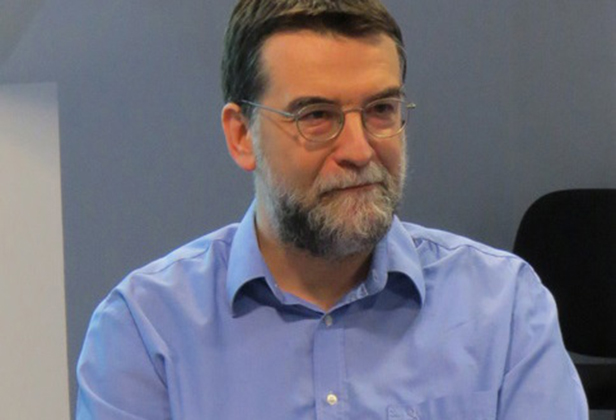
He was born in Zagreb in 1968, where he completed primary school and a classical grammar school. He studied philosophy and German language and literature at the Faculties of Humanities and Social Sciences in Zagreb and Zurich, and classical philology at the Faculty of Humanities and Social Sciences in Zadar. He graduated in philosophy and German language and literature from the Faculty of Humanities and Social Sciences in Zagreb, where he also obtained a master’s degree with the thesis Leibniz: Substantiality and Time and a PhD after defending the dissertation Religion, Community and Freedom in the Early Hegel and Hölderlin.
He worked as a junior researcher at the Department of Philosophy of the Faculty of Humanities and Social Sciences in Zadar from 1995 to 1998. From 2004 to 2006 he was a Senior Assistant, and from 2006 to 2008 an Assistant Professor at the Department of Philosophy of the Faculty of Humanities and Social Sciences in Osijek. Since 2008 he has worked at the Faculty of Humanities and Social Sciences in Zagreb, initially as an Assistant Professor and, from 2013, as an Associate Professor at the Department of Philosophy and Head of the Chair of the History of Philosophy. Since 2019, as a Full Professor, he has taught primarily the history of Greek philosophy and classical German philosophy.
To date, he has published numerous articles, discussions and studies in Croatian and international philosophical journals, as well as translations of philosophical works from Ancient Greek and German, including works by L. Wittgenstein, H.-G. Gadamer, W.-F. Otto and G. W. F. Hegel.
With Matica hrvatska he published monographs on Heraclitus and Parmenides which, in addition to the original texts and translations, include the author’s philosophical and philological commentaries. He also prepared for publication a collection of papers on the philosophy of language entitled Language and Thought.
****
Within the inherited philosophical doctrine of sensation, already among the Greeks – at the latest with Platōn and Aristotle, but already in Parmenides as well – thinking and seeing stand out as the two most highly valued forms of sensory perception in comparison with all others. Among them, the sense of sight is assigned an exceptional role, primarily because of its contribution to the cognition of truth and its inner affinity with thinking. Indeed, thinking itself is determined by analogy with seeing as a seeing, contemplating (theoria) or beholding (thea) kind of thought. At the same time, the sensible and the non-sensible – that is, sensory perception and non-sensory thinking – are opposed to one another and at times even separated. The non-sensible is determined as that which alone is true, eternal, unchanging and always identical with itself, and as that which is accessible only to thought, whereas the sensible, as that which is always unequal to itself and constantly changing, perceptible only by the senses, is subordinated to the non-sensible as its appearance. In such an opposition to thinking, sensory perception is therefore not genuine cognition but deceptive and merely truth-like. The analogy between seeing and thinking has consequences not only for understanding the nature of thinking but also for the distinctive givenness of what is thinkable and sensibly perceptible, that is, for the exposition of the being of beings in general. The fact that listening lags behind seeing reveals the forgetting of hearing in philosophy. With the forgetting of hearing comes the forgetting of the dimension of listening in thinking. The forgetting of hearing further reveals itself as a forgetting of the essence of thought and of that which is truly to be listened to and heard. The primacy of seeing over listening (videocentrism) is decisive for the entire history of philosophy from Platōn to Hegel. Dismantling the rule of vision is therefore an essential challenge for philosophy today. Connected with this is the task of overcoming the separation between the sensible and the non-sensible, as well as between thinking and sensory perception. Behind the opposition between sensory perception and non-sensory thinking, listening must be discovered as a distinguished mode of perceptive attentiveness (noein) and as the fundamental character of gathering discernment (legein). This task can genuinely be undertaken only on the condition of historical recollection: first, of the distinction between thinking and sensory perception in Platōn and Aristotle; second, of the determination of discernment in Hērakleitos and Parmenides; and of the origin of the aforementioned distinction. These lectures seek to contribute to such recollection.
♦ 18 January 2023 ♦
EstLab Presentation:
Women’s Court – A Feminist Approach to Justice
↓↓
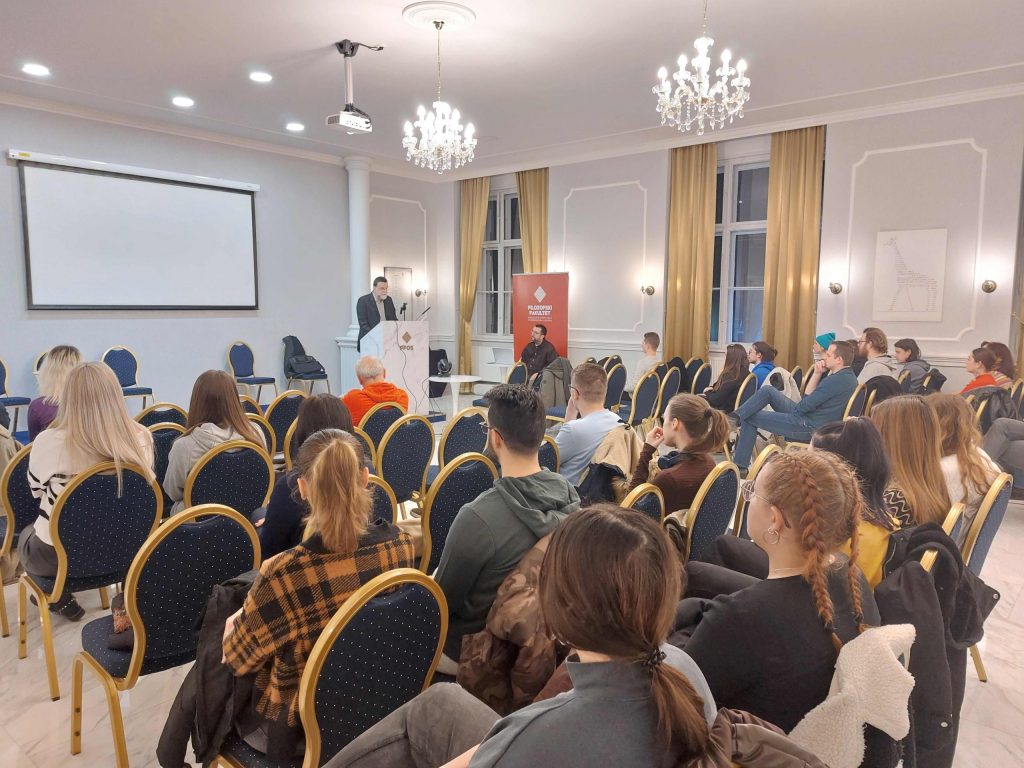
Faculty of Humanities and Social Sciences in Osijek, 18 January 2023, at 6 p.m.
Small Ceremonial Hall (39)
****
The first Women’s Court on European territory was held in Sarajevo from 7 to 10 May 2015, organised by ten women’s groups from the territory of the former Yugoslavia (Mothers of the Srebrenica and Žepa Enclaves Movement, CURE Foundation [Sarajevo, Bosnia and Herzegovina], Centre for Women War Victims, Centre for Women’s Studies [Zagreb, Croatia], ANIMA Centre for Women’s and Peace Education [Kotor, Montenegro], Gender Equality Council [Skopje, Macedonia], Women’s Lobby [Ljubljana, Slovenia], Centre for Women’s Studies and Women in Black [Belgrade, Serbia]).
At the Women’s Court in Sarajevo, 36 women witnesses from all countries of the former Yugoslavia testified in five sessions about all forms of violence, injustice and crimes, both during the war and in the post-war period.
The Women’s Court was attended by more than 500 people from all countries of the former Yugoslavia, as well as from Argentina, Algeria, Palestine, Israel, the United States, Spain, Italy, Sweden, Austria, Belgium, the United Kingdom and elsewhere.
Women in Black led the programme activities throughout the five-year process of organising the Women’s Court and also coordinate the continuation of the Women’s Court process, with the support of ANIMA, Kotor (Montenegro), the Centre for Women War Victims, Zagreb (Croatia), and the CURE Foundation, Sarajevo.
The final event in Sarajevo was not the end of the process; on the contrary, it was an encouragement to continue creating new models of justice from a feminist perspective. This is an obligation above all towards the witnesses, but also an expression of our responsibility towards the enormous burden of the recent past. This meeting, organised by Women in Black Belgrade and the Centre for Women War Victims Zagreb in cooperation with the Aesthetics Laboratory of the Faculty of Humanities and Social Sciences in Osijek, forms part of the continuation of the Women’s Court process – a process of feminist ethics of care and responsibility.
Programme
18:00–18:10 – Welcome and introduction (Assoc. Prof. Boško Pešić, PhD, Faculty of Humanities and Social Sciences, Josip Juraj Strossmayer University of Osijek; Staša Zajović, Women in Black, Belgrade)
18:10–18:25 – Women’s Court: A Feminist Approach to Justice (Staša Zajović, Women in Black, Belgrade, and Nela Pamuković, Centre for Women War Victims, Zagreb)
18:25–19:10 – Women’s Court – A Feminist Approach to Justice (52 minutes) – screening of a documentary film directed by Filip Markovinović and produced by Women in Black. The film is about the Women’s Court held in Sarajevo (7–10 May 2015).
19:10–19:40 – Witnesses speak about their experience of testifying at the Women’s Court in Sarajevo (What did testifying at the Women’s Court mean to me?)
Speakers:
Jelena Baketa, Lovas
Jovanka Carević, Zagreb
Marica Šeatović, Novska
Milica Miladinović, Zagreb
Moderator: Marijana Senjak, feminist therapist of the Women’s Court, Zagreb
19:40–20:00 – Conversation with the audience
Moderators: Staša Zajović, Nela Pamuković
Courts judge… Courts award, but they also pass judgement. Yet all of us in the humanities know very well that this kind of civic institution of the court ultimately follows only the logic of – law. Formal law, that is. Such law is governed by paragraphs, protocols and procedures. But Law in this sense does not also mean… justice, i.e. Justice itself. A full century ago, Walter Benjamin addressed all of this in his famous essay “Zur Kritik der Gewalt” (Critique of Violence). Unfortunately, law and justice are very often two different “things”. We therefore need, and indeed must, step outside the formal framework of law.
EstLab made precisely such a “step” on a rainy evening in Osijek on 18 January. At FFOS, it hosted a programme entitled “Women’s Court – A Feminist Approach to Justice”. The event was dedicated to the eponymous gathering held in Sarajevo from 7 to 10 May 2015. Staša Zajović, representing the renowned Women in Black from Belgrade, and Nela Pamuković from the Zagreb Centre for Women War Victims – Rosa, moderated a visit by four women who had taken part in the aforementioned Women’s Court. Following a brief but highly evocative introduction by Staša Zajović, a documentary film by Filip Markovinović, produced by Women in Black, was screened. The film itself fulfilled the fundamental intention of those who initiated this unique action by women from across the former Yugoslavia: to leave behind a lasting document of a historical event. It was a dynamic film, expressed through a rhythmic cinematic language, which undoubtedly left a deep impression on everyone present in Room 39 at FFOS. Yet an even stronger impression was made by the renewed testimony of three women who had participated in the court/conference and appeared in the film. With the support of feminist psychotherapist Marijana Senjak, the three women testified again live before the audience after the screening. Their dramatic and tragic experiences were shared by Marica Šeatović from Novska, and Jovanka Carević and Milica Miladinović from Zagreb.
The testimony of one of them, who had been a victim of rape in Zagreb during the dark wartime 1990s, proved particularly emotional and harrowing. Her account produced an especially intense sense of shock and empathy in the room. Women, like men, were humiliated and exposed to the most brutal violence simply because they were of the “wrong nationality”. One of the courageous women, an ethnic Croat, for example, responded when her abusers asked how she, as a Catholic, could have married a Serb: “No, I married a Human Being.”
As Staša Zajović later noted, however, our primary response to these Women should not be pity, and the testimony was not intended merely to convey mourning over endured victimhood. The emotion should be one of Resistance and – Courage. Women’s courage, but Human courage in general. And indeed, this was a distinctive experience in our local context, made possible through the hospitality of the Faculty as an institution and the Aesthetics Laboratory association. In Osijek, it was an unprecedented – in this form “unseen” and “unheard” – emotional and cathartic event, and one profoundly inspiring for reflection. It was also authentic in the sense of Agamben’s well-known discourse from the book subtitled The Archive and the Witness (Remnants of Auschwitz, 1998).
Another intention of the organisers was to bring this testimony into an academic framework. This proved equally appropriate and constituted a philosophical endeavour in its own right. With a dedication to my friend Staša, I can finally say that this event and its articulation followed the lines of analysis found in Hannah Arendt and Shoshana Felman. YES, the “Women’s Court” opened a framework for revealing the “legal unconscious”. The feminist approach to justice thus “opened the door” to trials that will inevitably one day have to take place on the territory of the states of the former Yugoslavia: namely, the “trial of the court” and, even more importantly, the “trial of the history of violence” (Arendt, Felman) in these regions.
In the end, on behalf of us, the Comrades from EstLab, I can only say: “Thank you, Women!” For both your visit and your testimony… To be Courageous like you remains a lasting signpost for all of us who attended this unique evening at FFOS.
mk
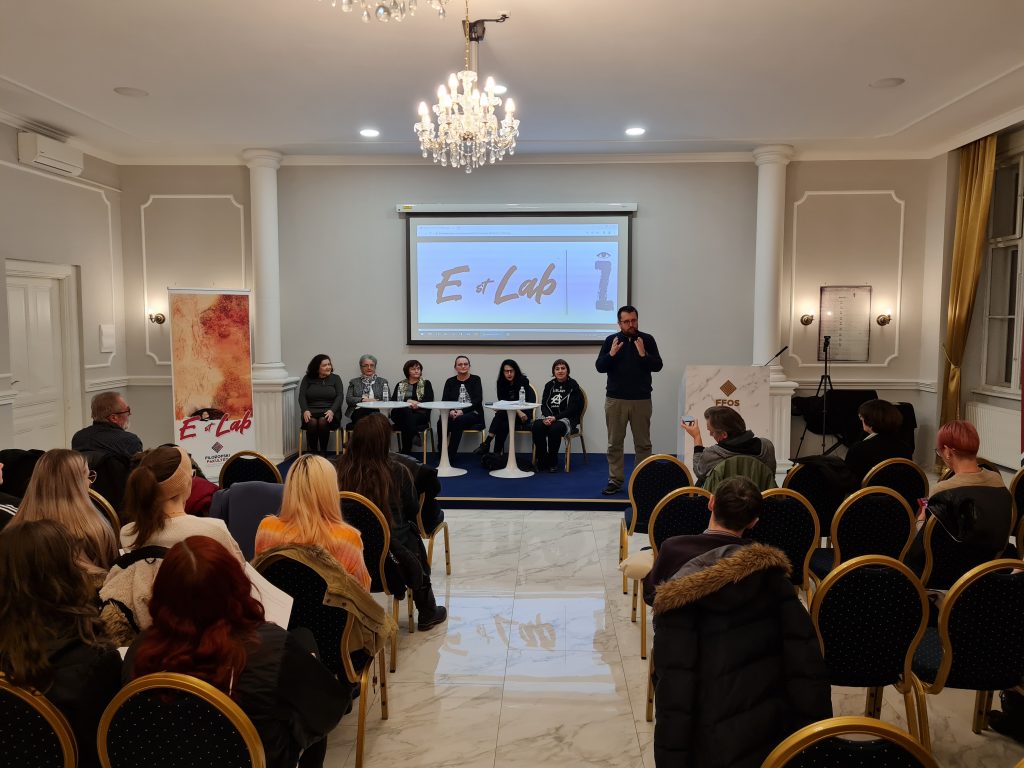
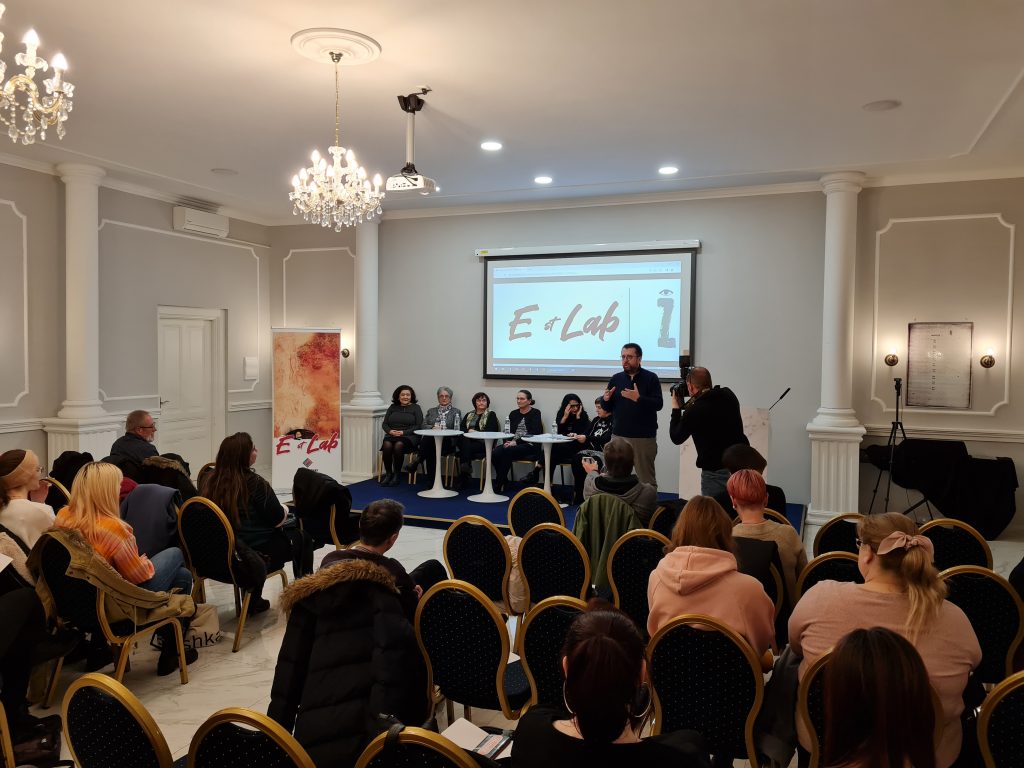
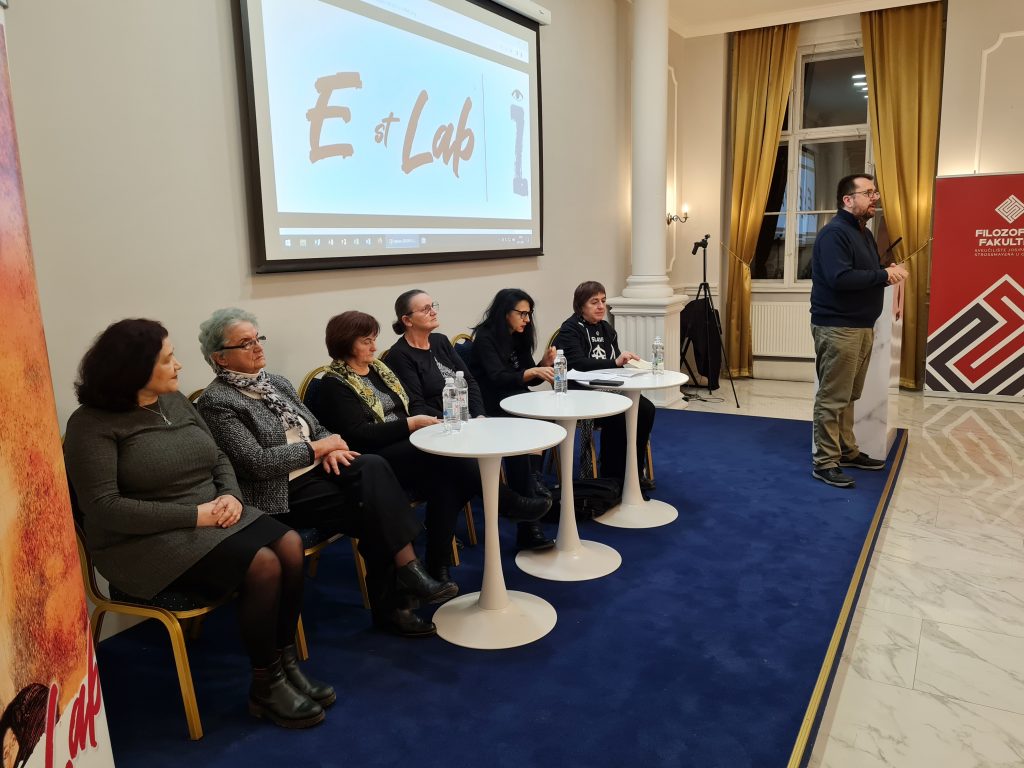
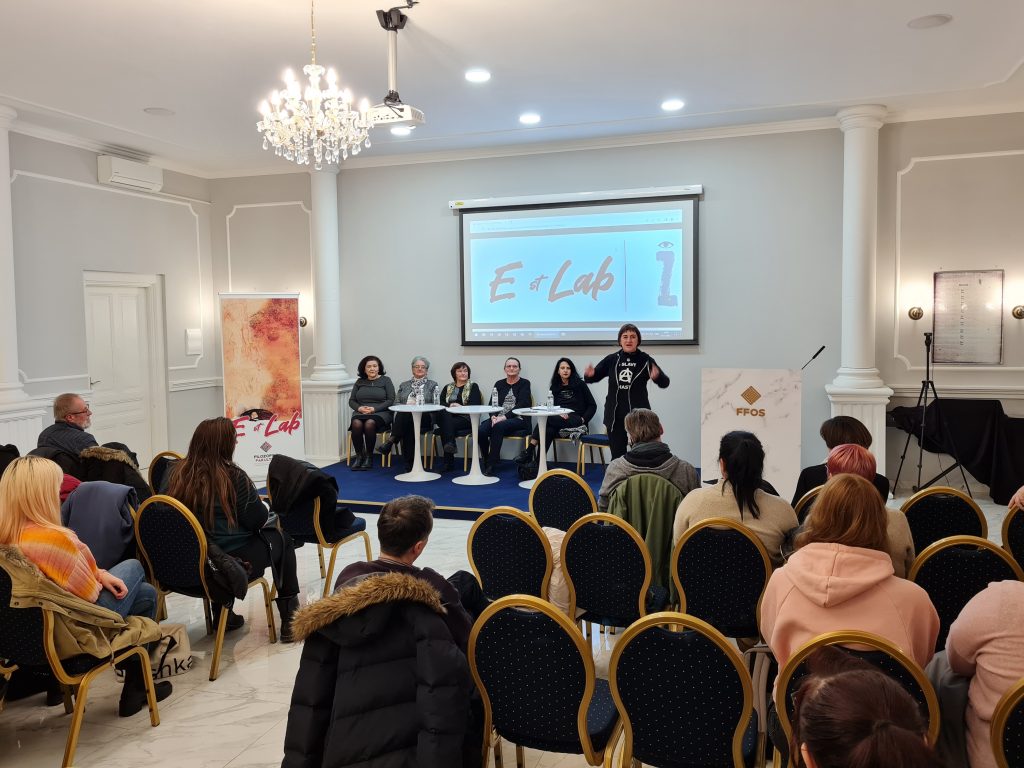
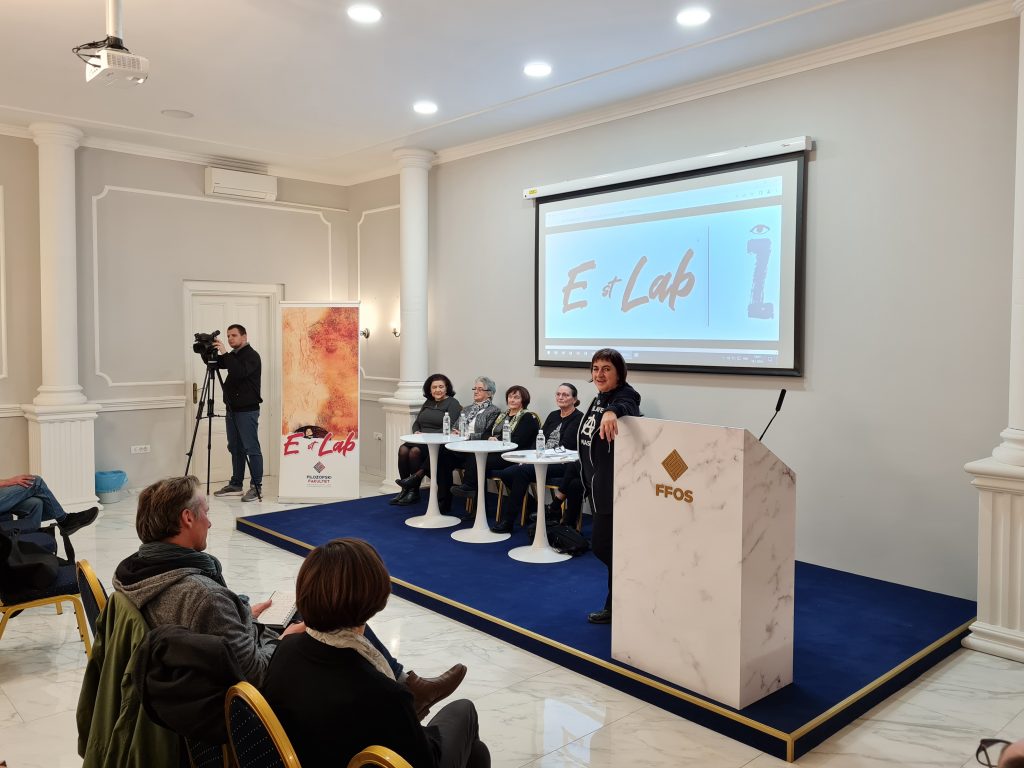
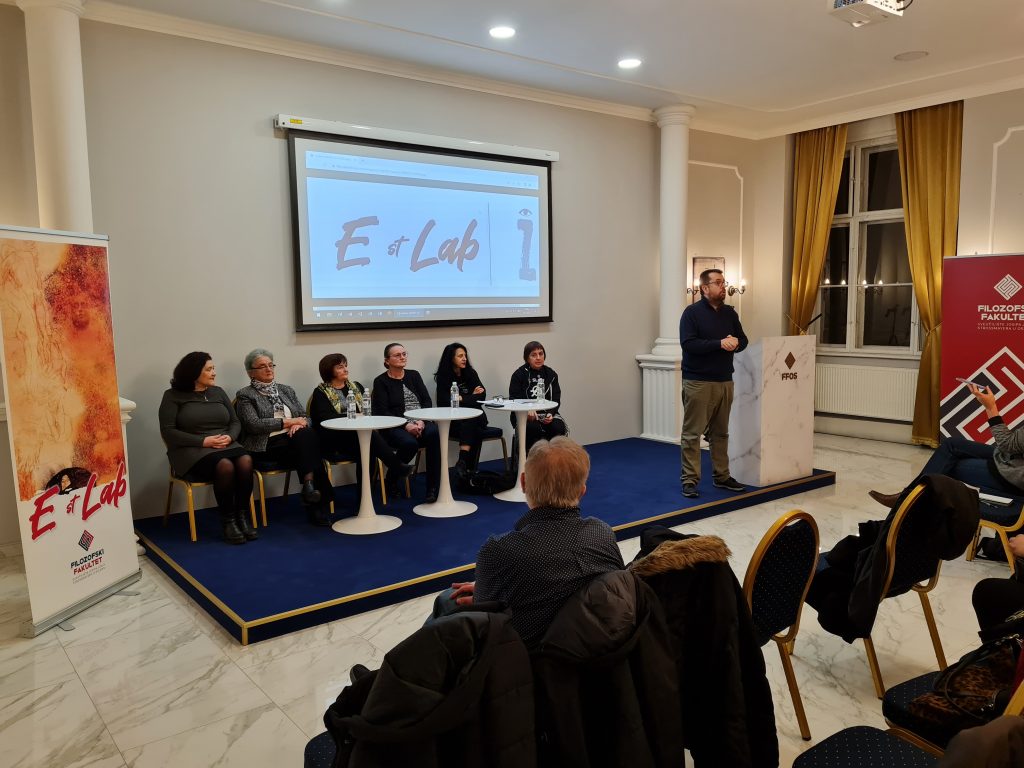
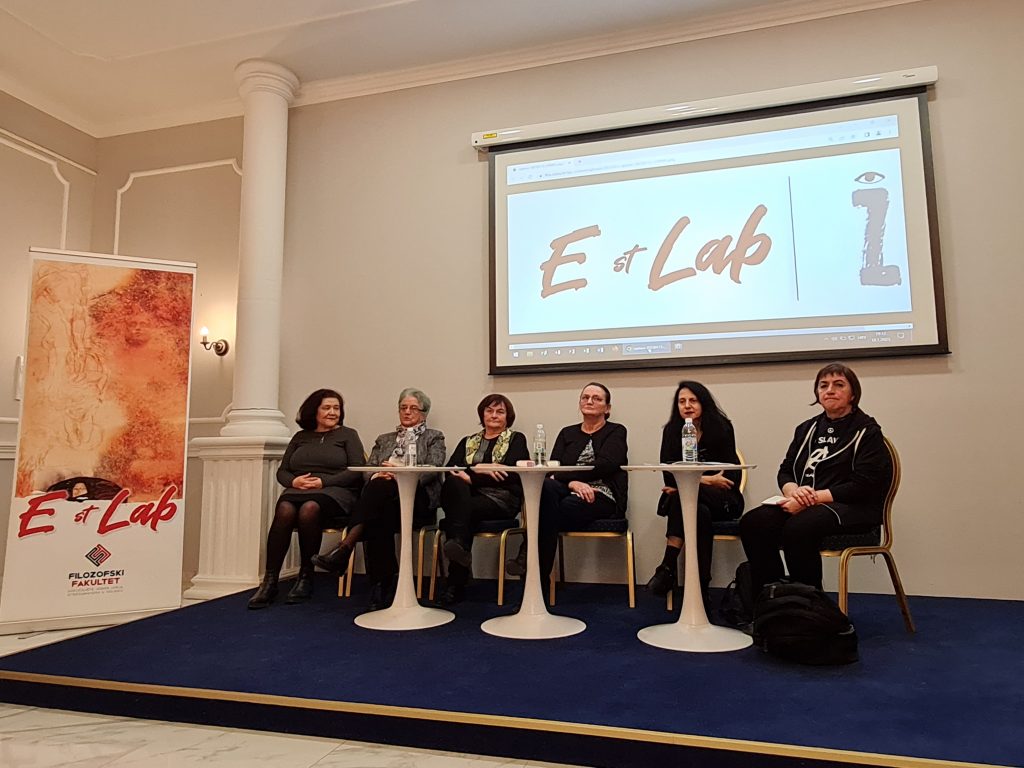
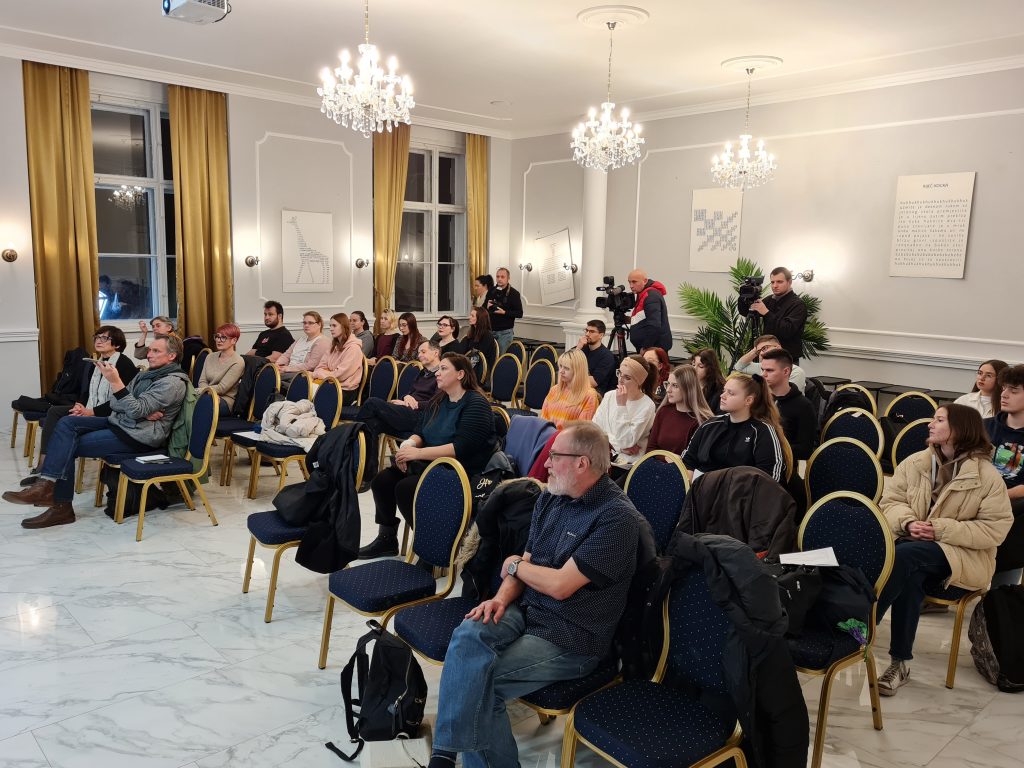
♦ 13 December 2022 ♦
Guest at EstLab:
Ivan Milenković
↓↓
Conversation at the Aesthetics Laboratory:
The Necessity of Philosophy?
****
Little would be gained by once again reducing Ivan Milenković, the well-known Belgrade philosopher, to dry biographical facts. Two books on philosophy, countless scientific and professional papers and translations, and a multitude of cultural events he has organised are valuable contributions to an anti-populist intellectual culture that today is scarcely valued outside its narrow circles. But then, incidentally, that is also why the world looks the way it does.
This long-time editor of the Third Programme of Radio Belgrade and member of the renowned NIN literary jury is, in fact, perpetually in search of a good sentence – “Why should we read illiterate, semi-literate, illogical, unfinished, muddled sentences?”, as he said in an earlier interview. His command of hermeneutic technique enables him, along these very lines, to translate philosophical matters with proverbial ease into their all-pervading significance for life and the significant vitality of life itself. And, of course, not without pressures of every threatening kind in his everyday surroundings.
It is therefore no surprise that Milenković’s untameable thought finds fertile ground only in those remaining, unsettling efforts of ours to perceive and unsparingly establish the essential difference. As an endless friend of philosophy and an endless friend of Osijek, we welcome Ivan to the Aesthetics Laboratory expecting him, through deliberation, to tell us something decisive about himself today and about us today. On Tuesday, 13 December, in the Small Council Hall of the Faculty of Humanities and Social Sciences in Osijek, starting at 6:30 p.m.
Boško Pešić
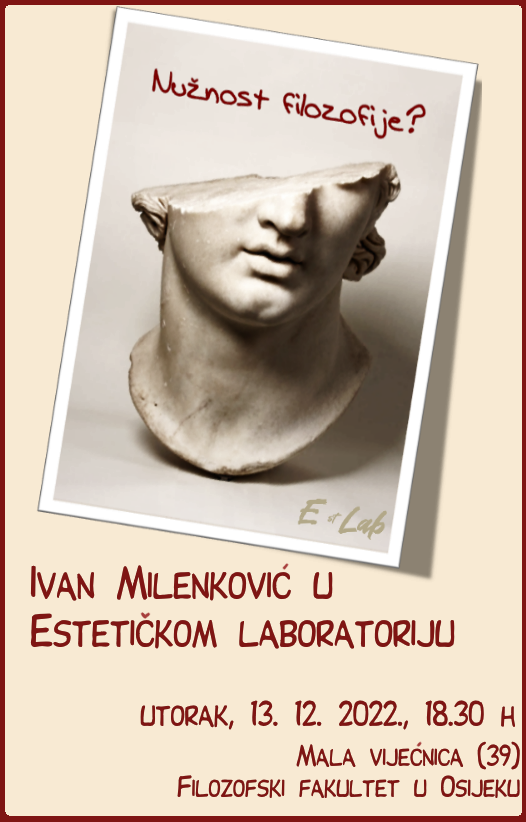
What is the “necessity of philosophy”? And is philosophy still “necessary” to anyone at all today? Ultimately, what could that necessity consist in when everything is “programmed” for us?
The guest who rounded off this year’s season of panel discussions within the DIA-LOGOS section of the Aesthetics Laboratory, appearing before students and other interested participants on Tuesday, 13 December, was – Ivan Milenković. Anyone even slightly informed about the “matter of thought” in this region needed to hear no more than this name. A long-time editor at the Third Programme of Radio Belgrade and associate of the Institute for Philosophy and Social Theory, he is one of those people who regard their vocation as a rare privilege, but also as a constant task of exposing all the anomalies of this planet, which we still unjustly (?) call the “world”. Simply put, Ivan is an indispensable interlocutor in all matters concerning the remaining spaces of FREEDOM around us.
How can the continued existence of philosophy be saved? Or how can one even save one’s soul today? “People… write!” And again… “write.” Even when it seems that such writing is against the wind! (S vetrom uz lice, 1986, is one of the most important albums by the cult Belgrade band EKV.) Ivan Milenković thus devoted his introductory excursus to the necessity of thinking the whole. And that, in fact, is what philosophy IS! Even if it does so from the provocative position embodied in the work of Gilles DELEUZE. Deleuze, Nietzsche, Machiavelli and, last but not least, Hannah Arendt were the principal subjects of the dialogue Milenković conducted with Boško Pešić, professor of philosophy at FFOS. In the lively and polemical dialogue, they also reached the observation that the “banality of evil” so masterfully discussed by Arendt is at work today. On the other hand, Deleuze’s thought of “contingency”, as the accidental beginning of thought, presents itself as the necessity of every possible survival of what we call philosophy! Namely, the art of inventing, shaping and producing concepts.
What makes a philosopher, according to our friend Ivan? A philosopher must never accept everyone treating him with a “pat on the back” and approval. A philosopher must produce discomfort, resistance and intolerance around himself through his provocative stance(!?). When others around you feel uncomfortable in your company, then you are – a genuine PHILOSOPHER. Refusing to pander to anyone, such a person “drives one to”… think.
Ivan Milenković certainly left no one in the audience indifferent. His commanding appearance and the impressive thoughtfulness of the views he expressed were undoubtedly a “protreptikos” (Aristotle), an “exhortation to philosophy”.
EstLab thanks him wholeheartedly, and not only for that!
mk
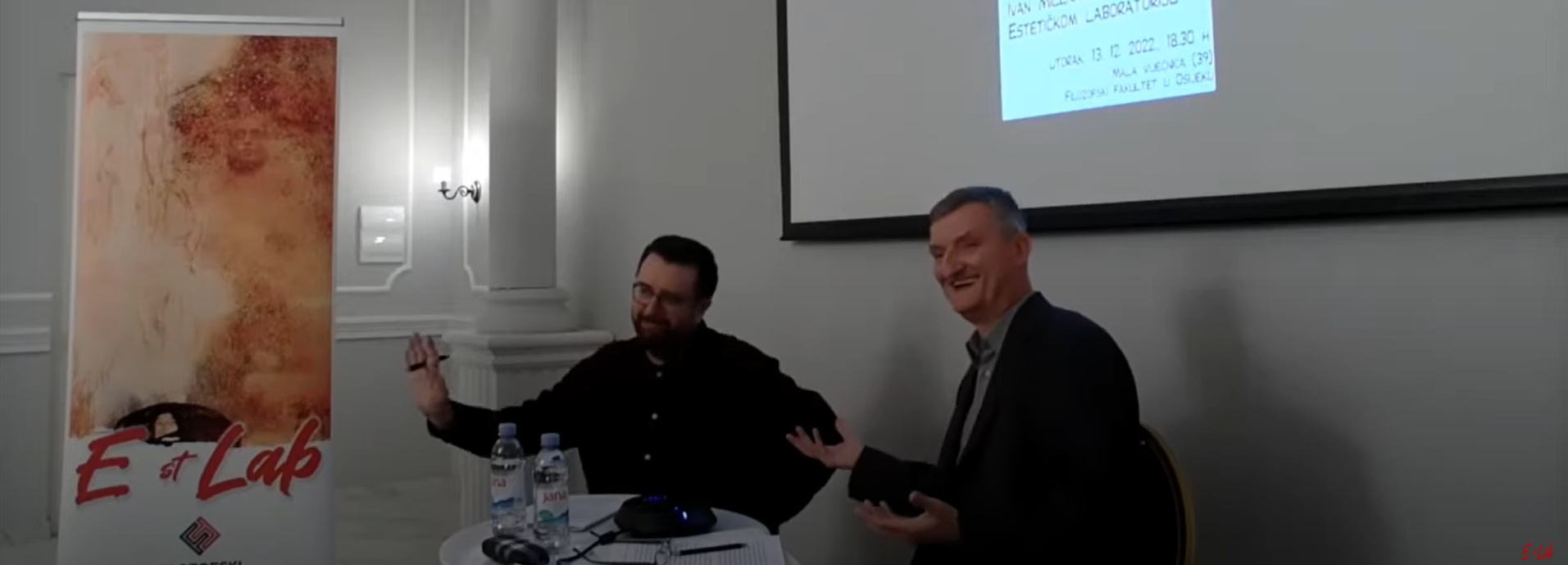
♦ 6 December 2022 ♦
Guest at EstLab:
Viktor Ivančić
↓↓
Conversation at the Aesthetics Laboratory:
Croatian Political Aesthetics
****
“Croatian Political Aesthetics”… “Croatian Political Aesthetics”? What is that? Let us try to break it down… First, “aesthetics”. How can we even speak of aesthetics today when the entire world – or what remains of it – seems designed, i.e. “aestheticised”? When marketing turns politicians into aesthetic objects of consumers’ desire… Hmm… “politics” and politicians: do they have anything in common with the ancient philosophical understanding of acting for the good of the community and all its members? Finally, the adjective “Croatian”. Surely that would be the least questionable part! Namely, “well, we are all Croats… except those who are not” (sic!). Selecting just one pearl from the legendary book Greatest Shits: An Anthology of Contemporary Croatian Stupidity, we choose the attitude of something painfully absent from Croatian public discourse for almost a decade and a half. Namely, the attitude of – FREEDOM. With a panel discussion within the Dija-logos section, EstLab hosts one of the three men from Feral. Along the way, only in passing, we also touch on the short history of that intellectual commune, also known as VIva LuDezh.
Viktor Ivančić is an internationally awarded journalist, essayist, novelist, satirist of the reality around us, and columnist of the cult Notebook of Robi K.… But above all, he is a persistent Lucifer (read: light-bearer) exposing all manner of manifestations of the “cosmic force of stupidity” (Krleža, On the Edge of Reason), among Croats and beyond. Having emerged as young critics of socialist Yugoslavia, the people of Feral continued that mission, even more recognisably in the media and through more meticulous analysis, in our sovereign and democratic “our Croatia”. If in the SFRY they dealt with party structures and the petrified “unnatural” system, in the successor states, following Rastko Močnik’s diagnosis, they point to the ill fate of “natural fascistogenicity”. Nota bene, this is also a structural global problem. That Ivančić is also a philosophically conscious author is demonstrated by the title of his novel Vita activa. He applies literary treatment as a mode of approaching the grotesque “wastelands of historical reality” in his political study entitled Točka na U. For us, however, he appears above all as an enlightener through the distinctive genre hybrid Workers and Peasants, “Montaigne-like” subtitled – Essays. Who are the “workers and peasants”? A reminiscence of the almost forgotten history of the spaces we inhabit could serve as a pedagogical effort to cultivate “critical consciousness”. Viktor Ivančić is therefore exceptionally well placed to speak about all of this. He is an exemplary witness to the insatiable human longing for a more just world and FREEDOM of speech.
And through laughter… Indeed… “there is no better starting point for thought than laughter” (Walter Benjamin, “The Author as Producer”).
Marijan Krivak
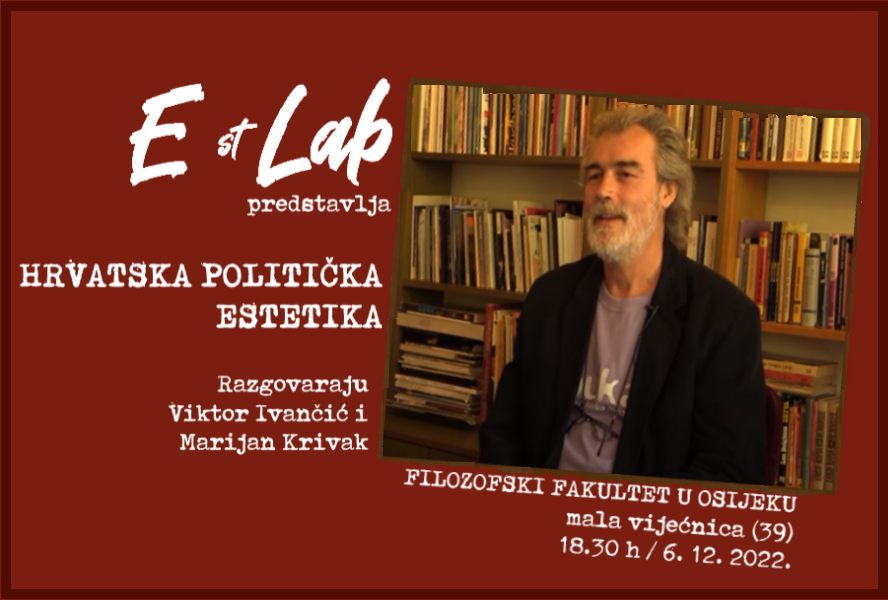
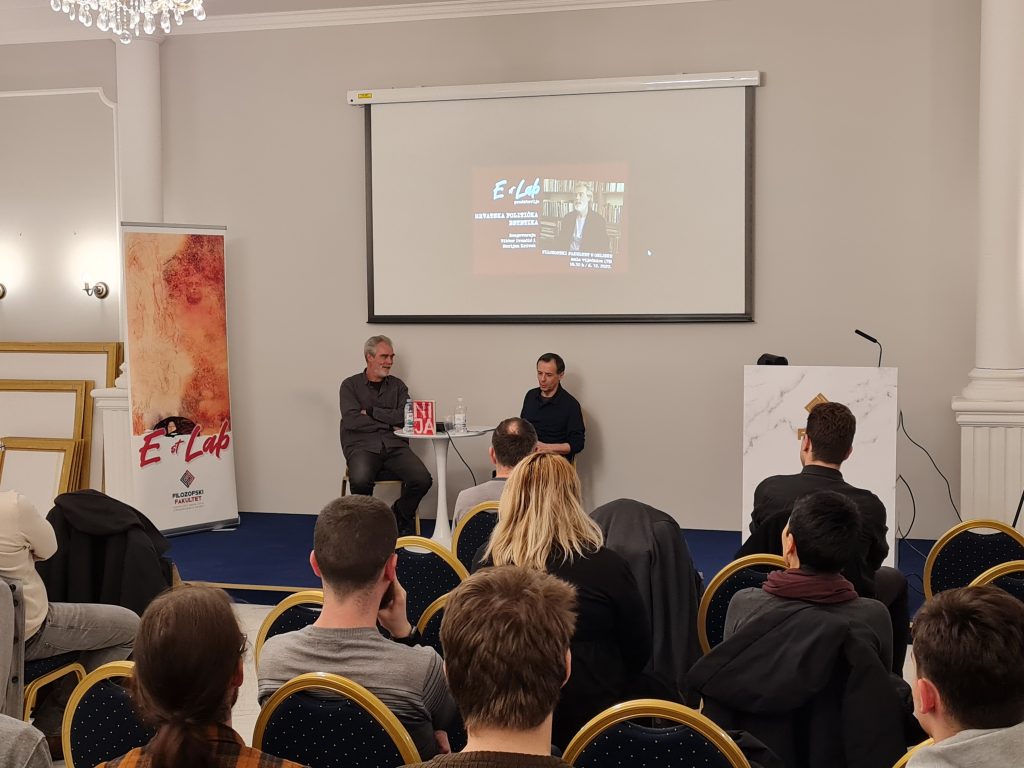
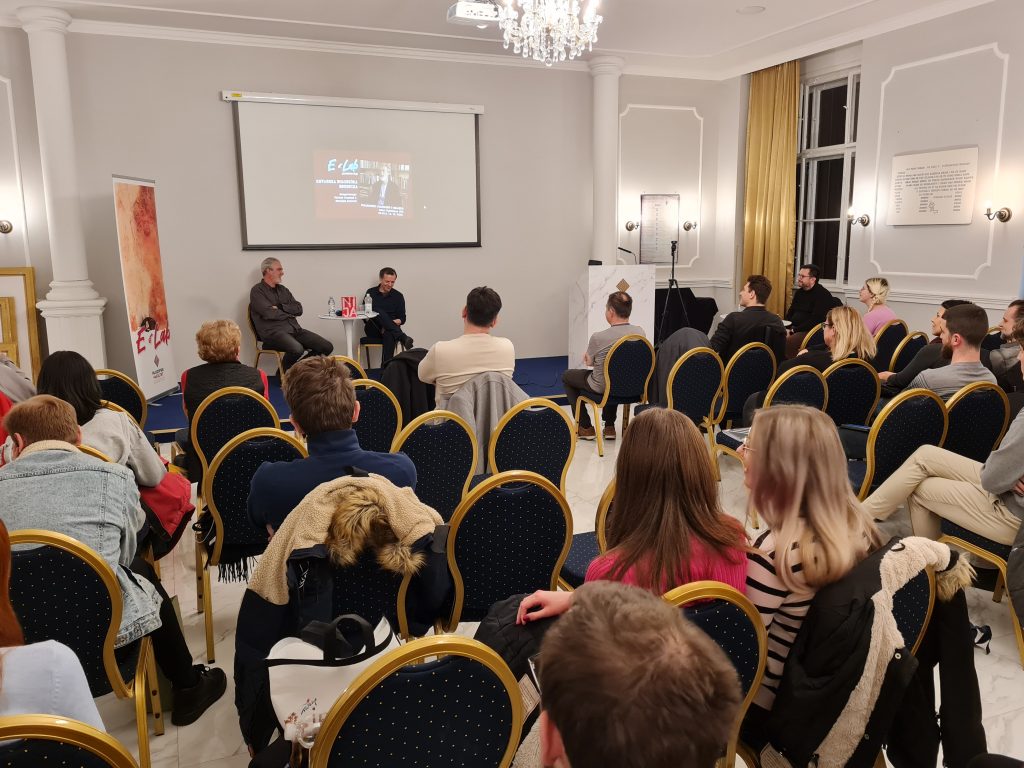
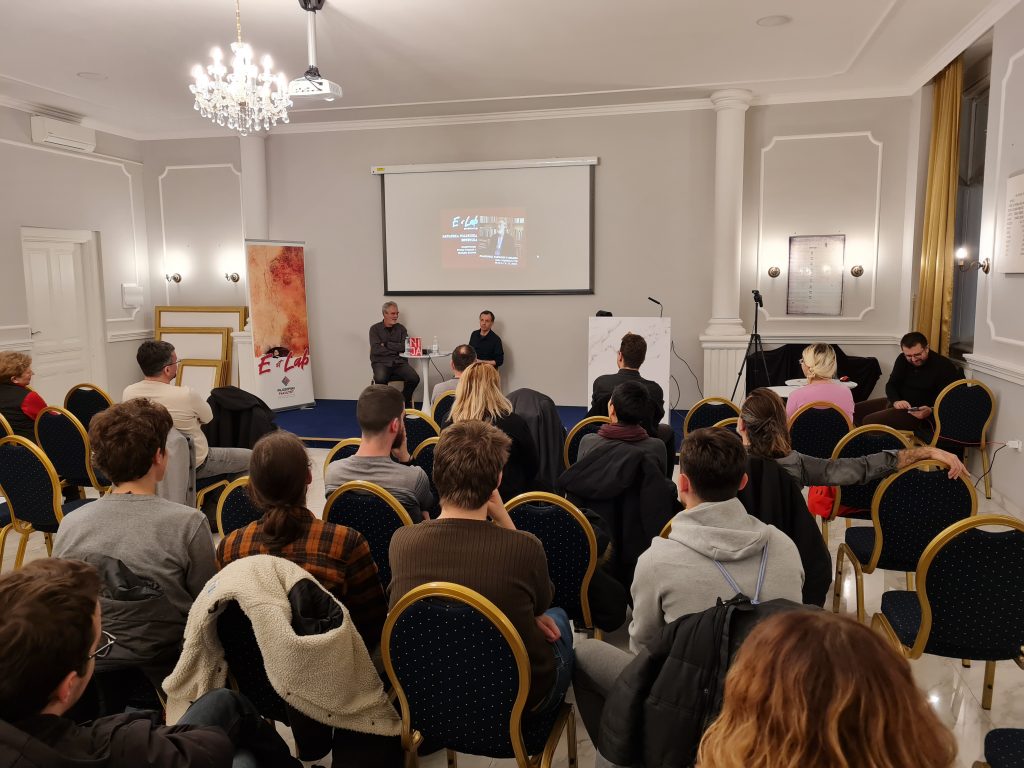
♦ 16–17 November 2022 ♦
Hermes and Psyche. Possibilities for Interpreting the Soul
↓↓
International Scientific Conference marking World Philosophy Day
Coordinator and Chair of the Conference Programme and Organising Committee: Asst. Prof. Martina Volarević, PhD
****
On the Theme
The fundamental intention behind placing the relationship between Hermes and Psyche at the thematic centre of this conference was to examine the possibilities of a hermeneutic approach to the psyche, in the sense of bringing together different paradigms for interpreting the soul, ranging from philosophy to psychotherapy. The relationship between Hermes and Psyche goes beyond this seemingly arbitrarily chosen theme and also has a mythological foundation. The mythological basis of the relationship between Psyche and Hermes is found in Apuleius’ The Golden Ass, or Metamorphoses. This only completely preserved novel from the Roman Empire recounts the adventures of Lucius, who is transformed into a donkey and whose human form is restored by divine intervention at the end of the work. Embedded in the novel is the story of Eros and Psyche, which mirrors the main story because Psyche, like Lucius, also works toward redemption from divine wrath. Driven by curiosity, she disobeyed Eros’ command and revealed his identity, which awakened her desire. The punishment for breaking the command is wandering through the world and completing imposed trials. After prolonged wandering, during which she was tormented and tested, Psyche completed her penance and attained redemption. At Eros’ urging, Zeus ordered Hermes to fetch Psyche, then granted her divine immortality and thereby blessed her union with Eros. The myth itself brings into the thematic centre a concealed third figure – Eros – whose meaning in Plato’s philosophy ranges from the god of carnal desire, understood as Aphrodite’s gift of divine madness, to a daimon driven by an unsatisfiable desire for beauty. Since beauty need not be bodily beauty, desire can (and should) be directed toward ideas – toward what is true and therefore truly beautiful, accessible only to intellectual contemplation. (Plato, Symp. 201d-214e; Phaed. 244a-245c) The concept of Eros thus encompasses a range from madness, through the satisfaction of bodily desire, all the way to an approach toward the intellectual contemplation of ideas, that is, toward philosophy. This determination of Eros encapsulates the subject matter of the conference, which seeks to approach the interpretation of the psyche from its determination in philosophy, through thinking desire as the driving force of the psyche leading toward bodily satisfaction, to psychopathological malformations arising from the absence of the satisfaction of desire.
Hermeneutics, in the sense of interpretation and understanding, appears as a possible method of approaching the psyche. It belongs to the very nature of the psychic to conceal itself and, when it speaks, to speak in symbols. All forms of the symbolic self-manifestation of the psychic require interpretation. Hermeneutics, ranging from biblical exegesis, through the understanding of every meaningful discourse, to the interpretation of history and the world, points to the possibility of interpretation. Schleiermacher’s approach in particular, understanding as the removal of misunderstanding in dialogue and attempting to establish a “canon of grammatical and psychological rules of interpretation”, touches directly upon the approach to interpreting human inwardness. (Gadamer, 1978, 215)
The philosophical tradition, up to and including rationalist psychology, held that thought has direct access to the human soul. Kant calls self-knowledge into question by placing the paralogisms of the soul within the dialectic of pure reason, thereby underlining the problematic nature of a priori consciousness of oneself. In his view, a priori self-consciousness provides no knowledge of the “I”, because cognition requires sensible givenness. In other words, in order to know oneself, the subject must be given to itself as an object. The “I” is sensibly accessible to itself only in the sense of empirical intuition, given as an object of inner sense. It knows itself only through the variability of its emotional and sensible inner states, which provides only very limited access to itself. (Kant, 1986, 178-179; 410-411) Heidegger is likewise inclined to think that access to oneself is precisely what presents a problem for the human being, and that the philosophical tradition largely bypasses it by thinking the human being on the basis of thinking beings in the world. Thus he states: “Dasein is ontically ‘closest’ to itself, ontologically farthest away, but pre-ontologically nevertheless not alien” (Heidegger, 1976, 22). This should be understood to mean that we are always ontically closest to ourselves because we ourselves are that being, ontologically farthest because Dasein tends to understand itself ontologically in terms of other innerworldly beings, and yet it nonetheless possesses a certain implicit understanding of itself.
The foregoing testifies to the difficulty of self-understanding arising from the fact that a human being is incapable of being both observer and observed at the same time. Unfortunately, we do not possess Münchhausen-like abilities to pull ourselves out of the mud by our own hair. This is also supported by the fact that even for the most banal insight into oneself, into one’s own appearance, a person needs an instrument – a mirror. The incomplete nature of self-understanding, which stumbles within the limits of its own “I”, suggests that a more fruitful approach to oneself is through dialogue with another. It is precisely the dialogical nature that opens the possibility of overcoming the limitations of the subject-object dichotomy, because my words are reflected through my interlocutor. Psychotherapy has recognised this and, in all its approaches to psychopathology, relies on the talking cure. From this it may be concluded that the use of the interpretation of speech can be extended beyond psychic malformations and deformations and used as an organon for unfolding the soul.
Martina Volarević
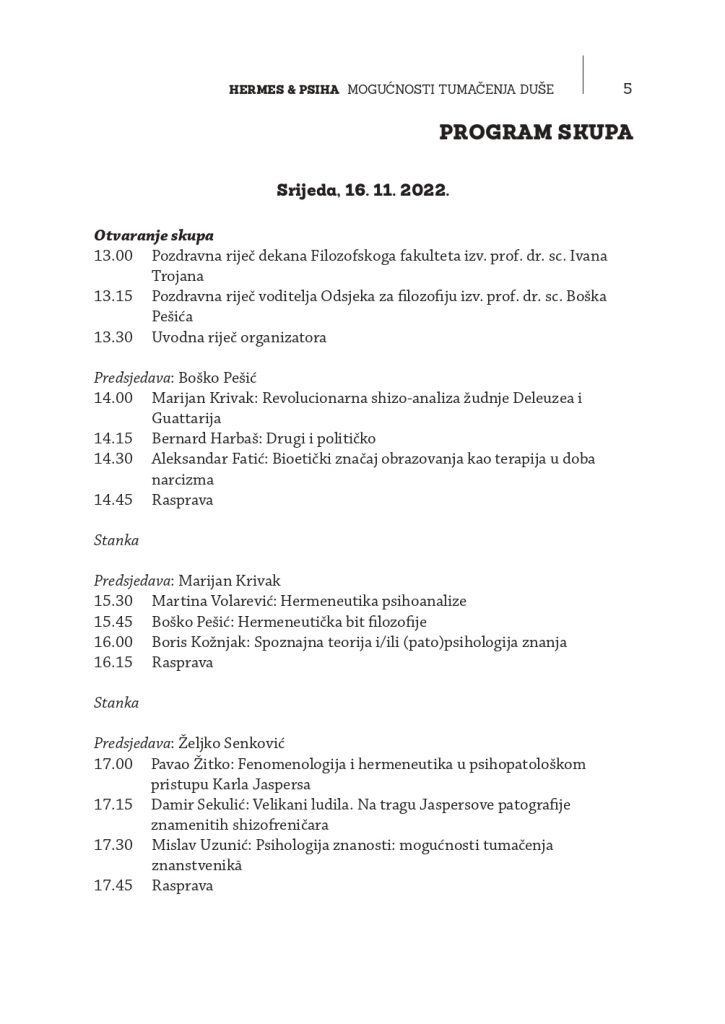
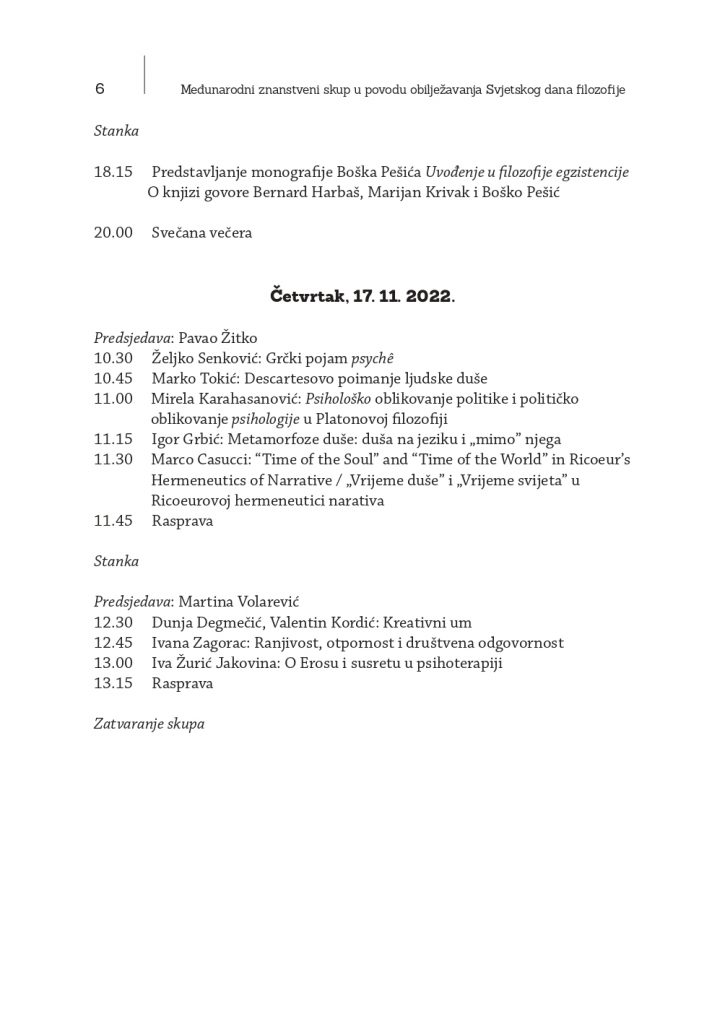
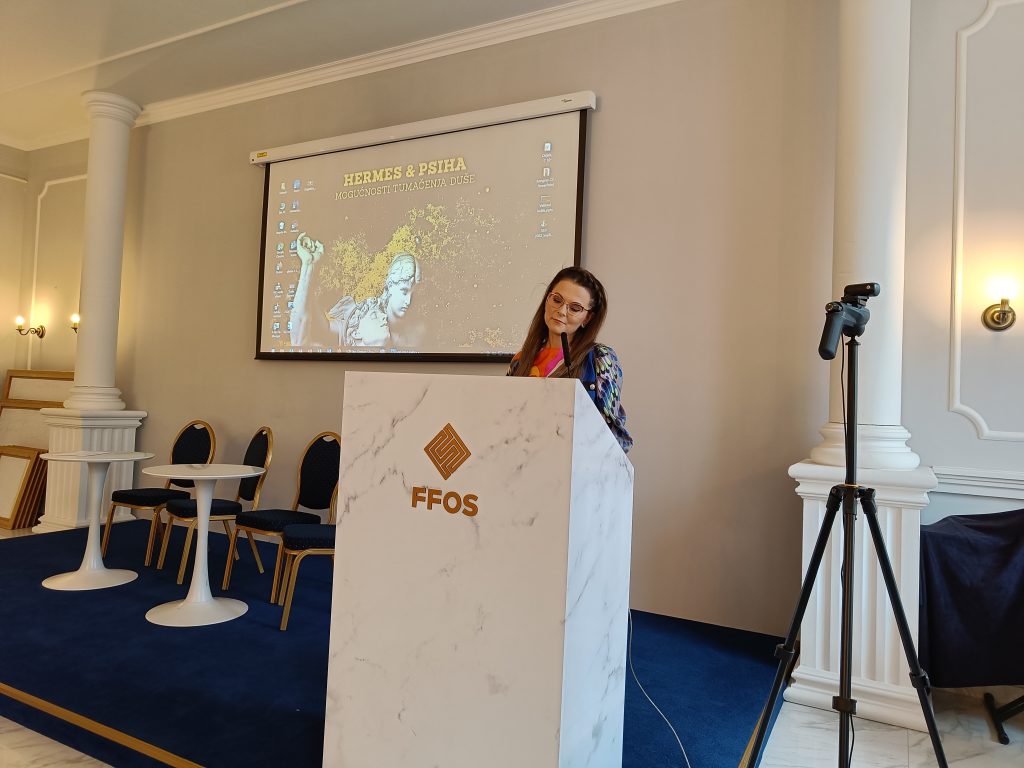
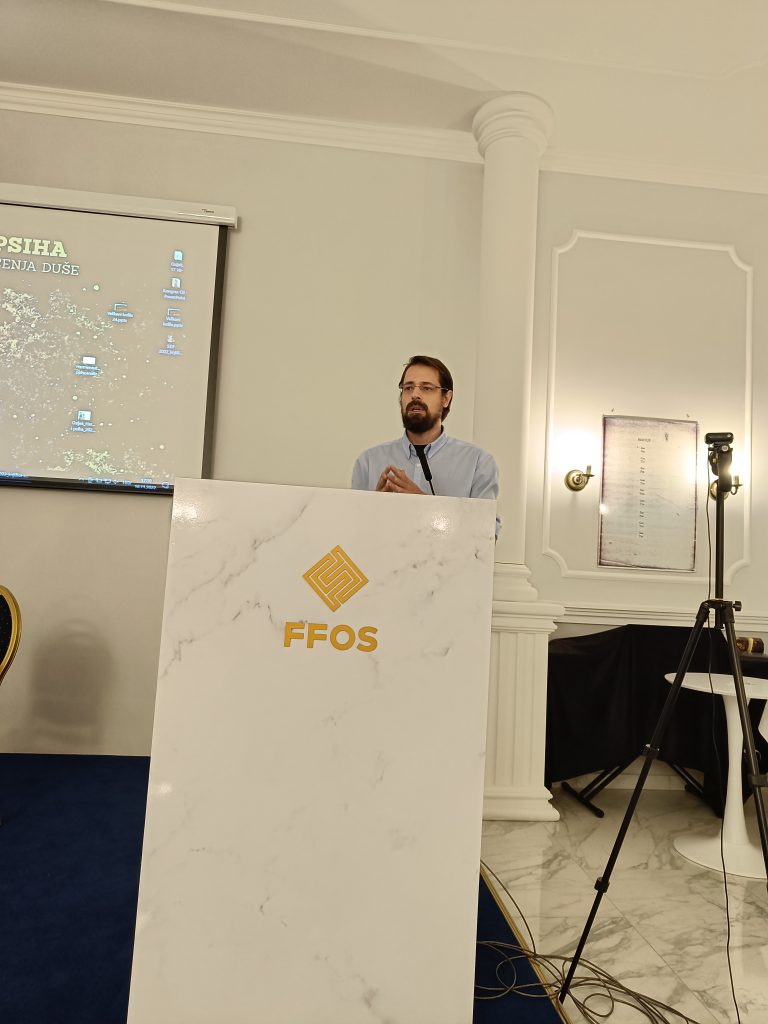
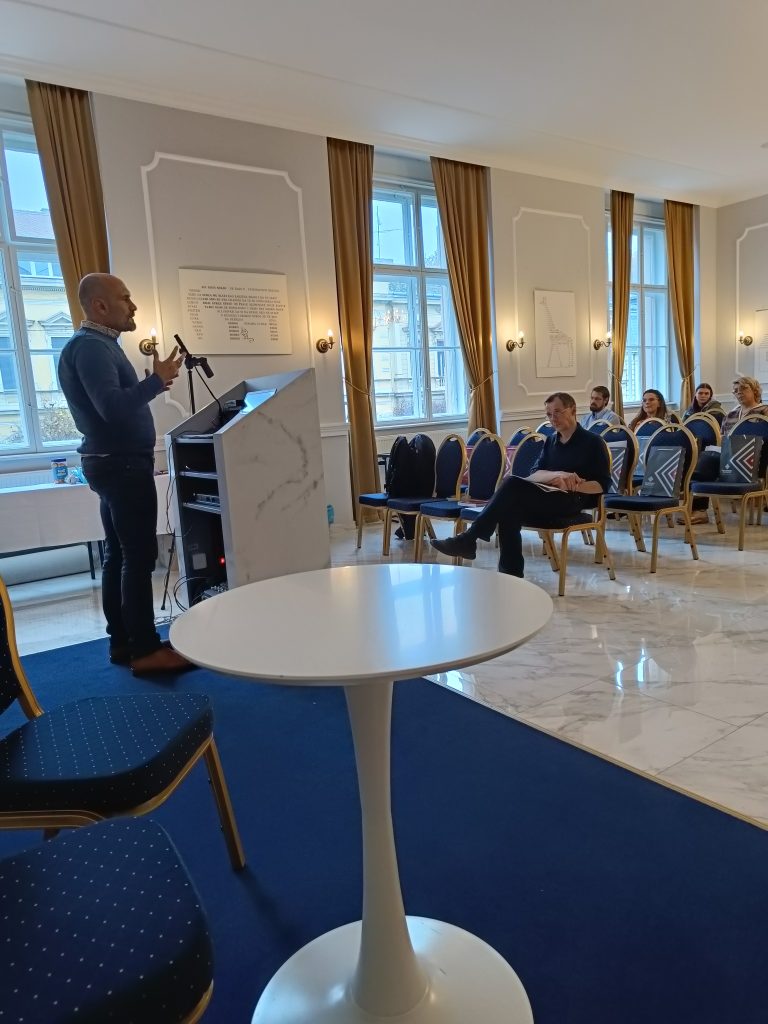
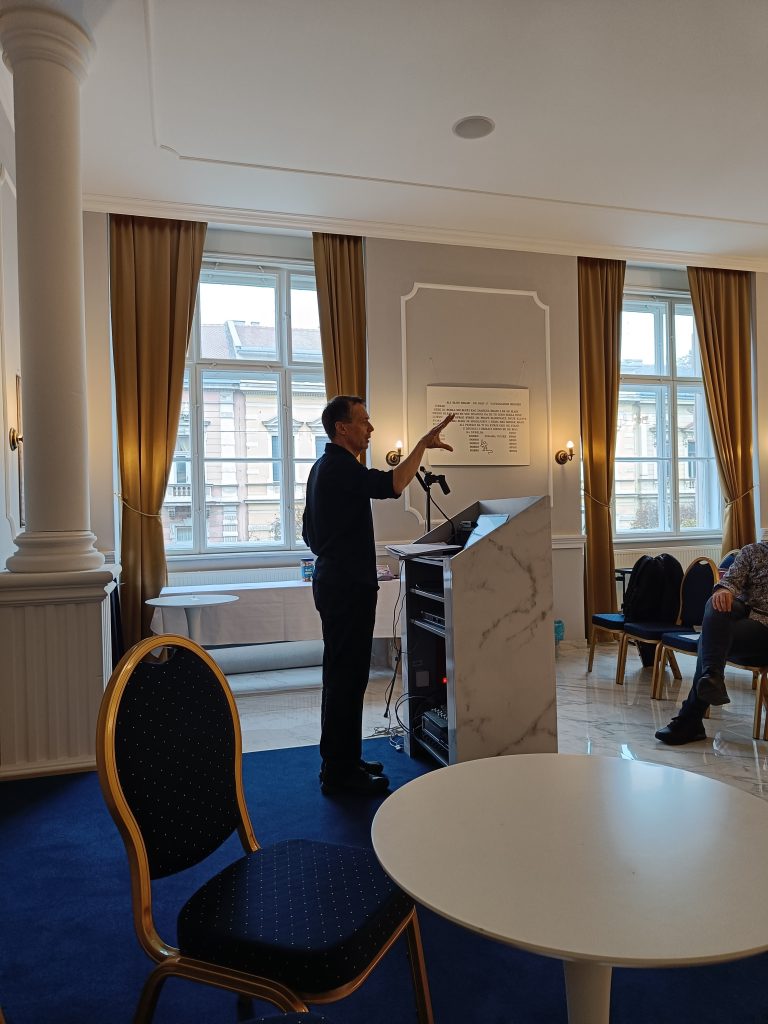
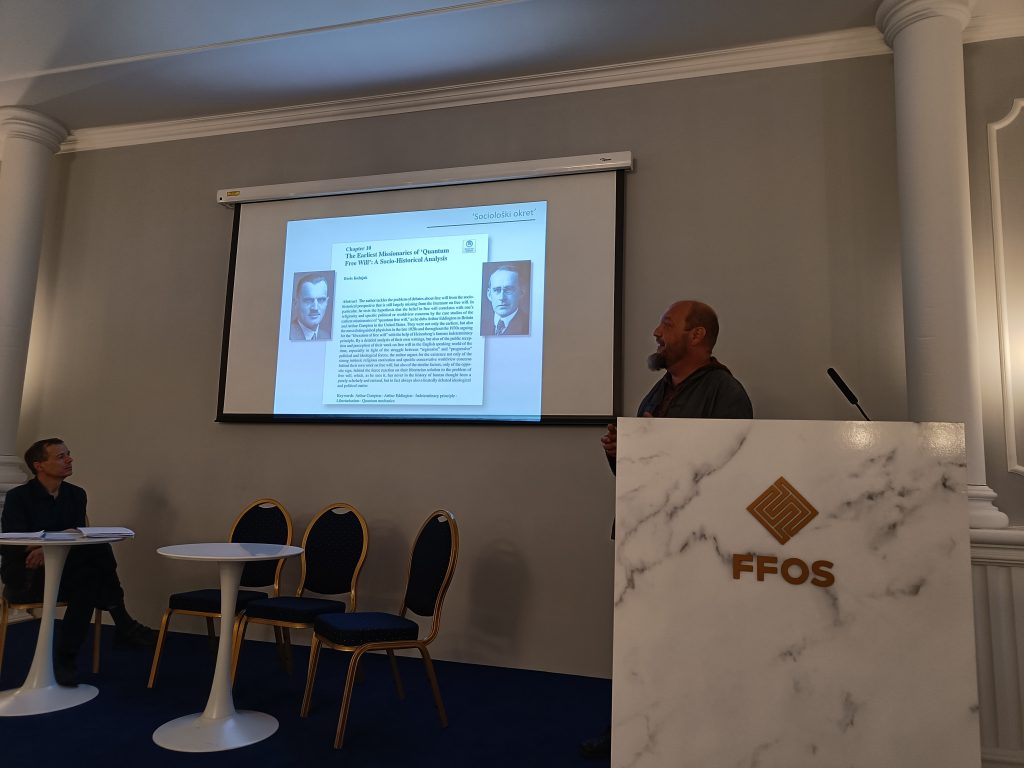
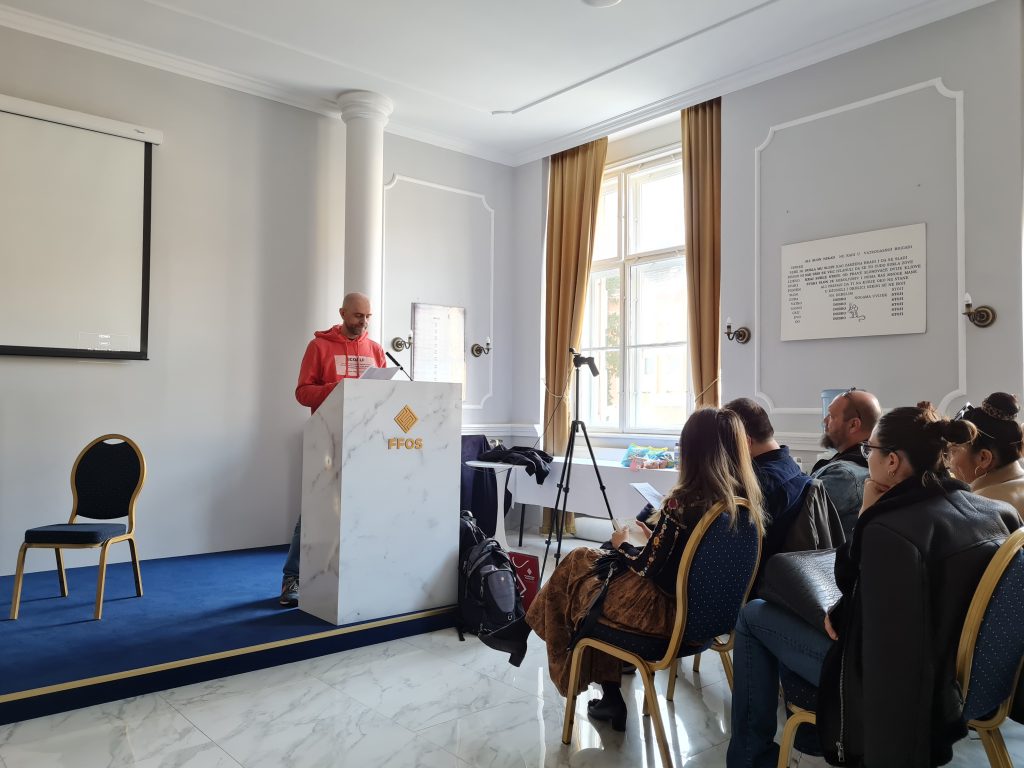
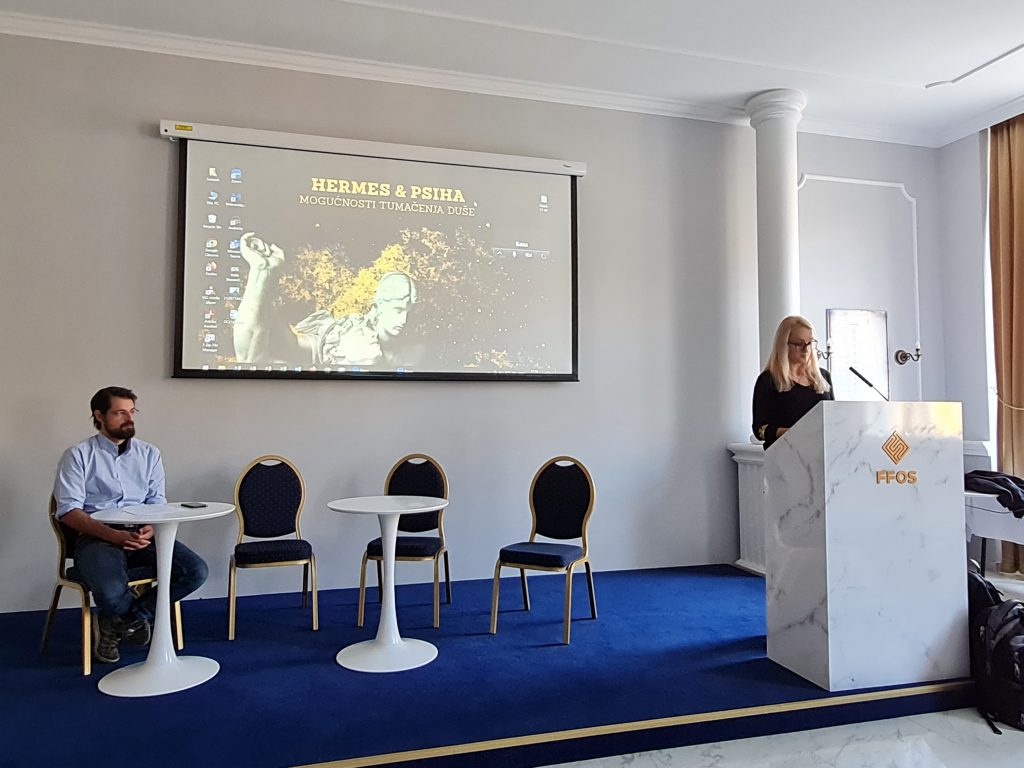
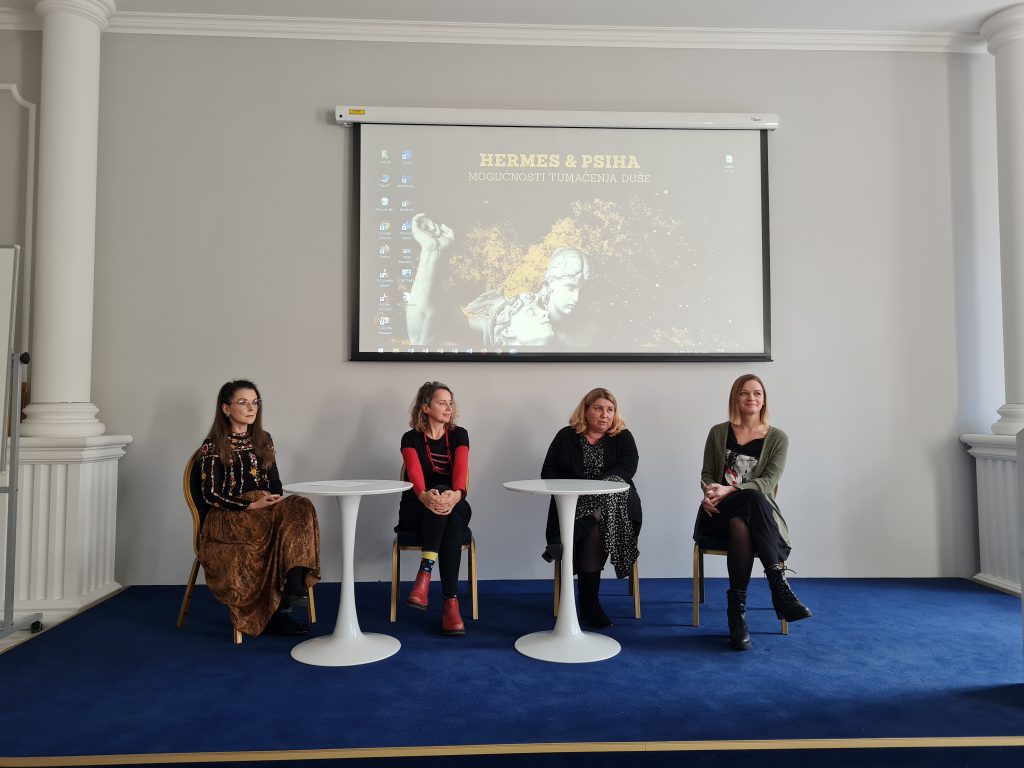
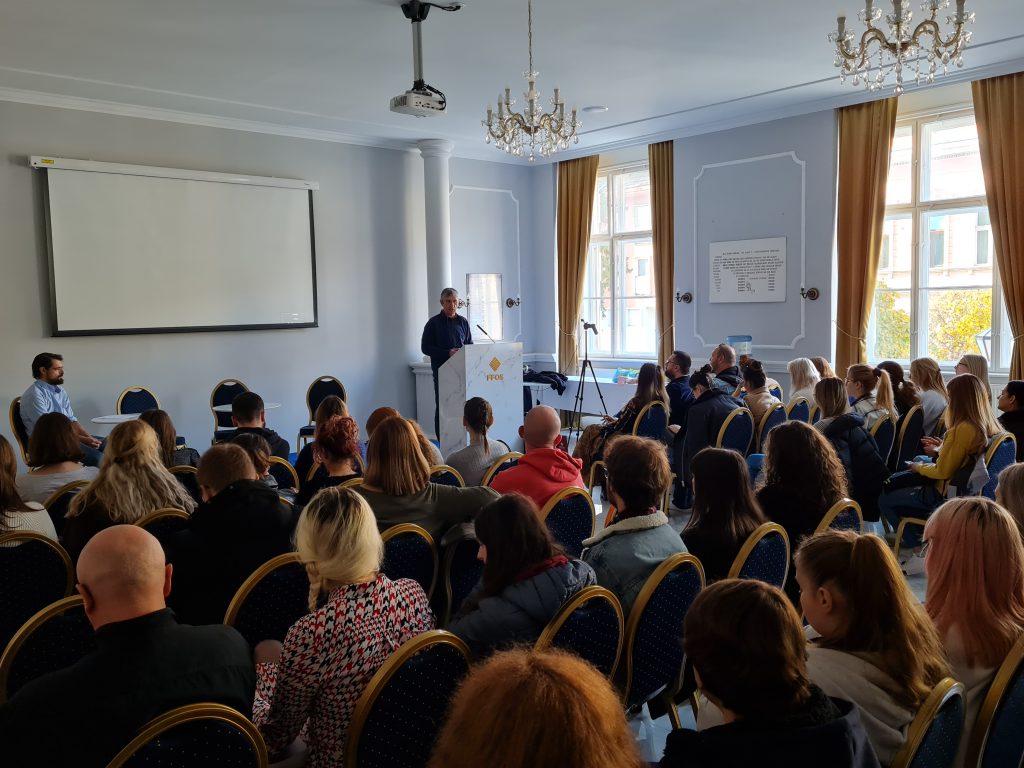
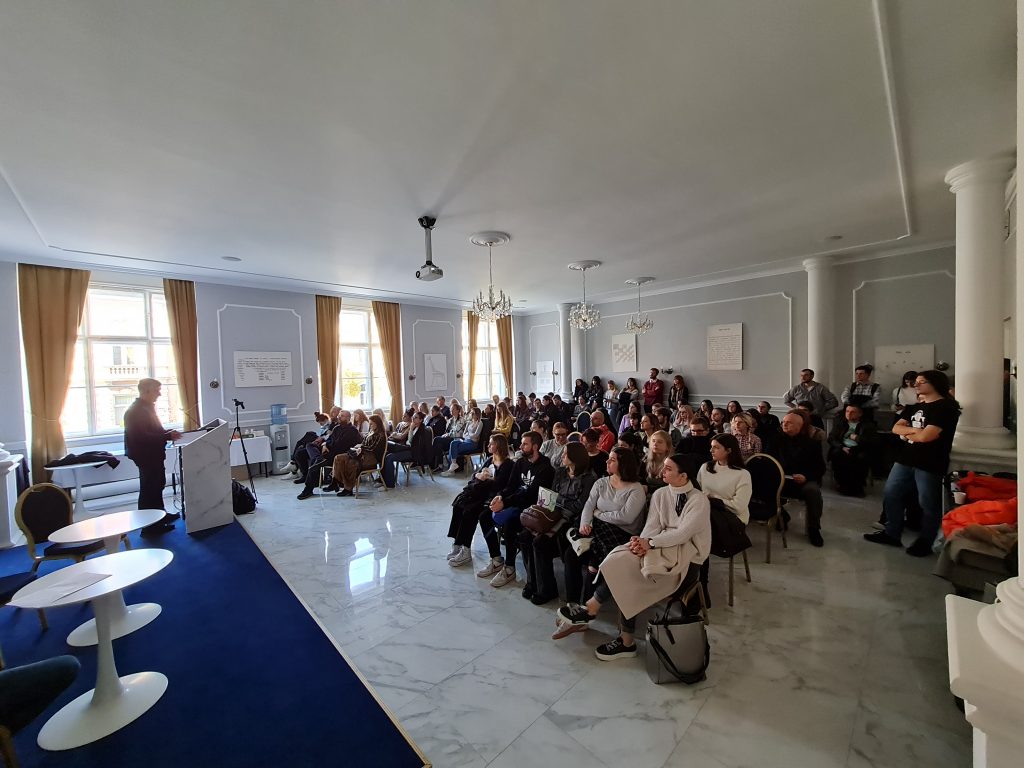
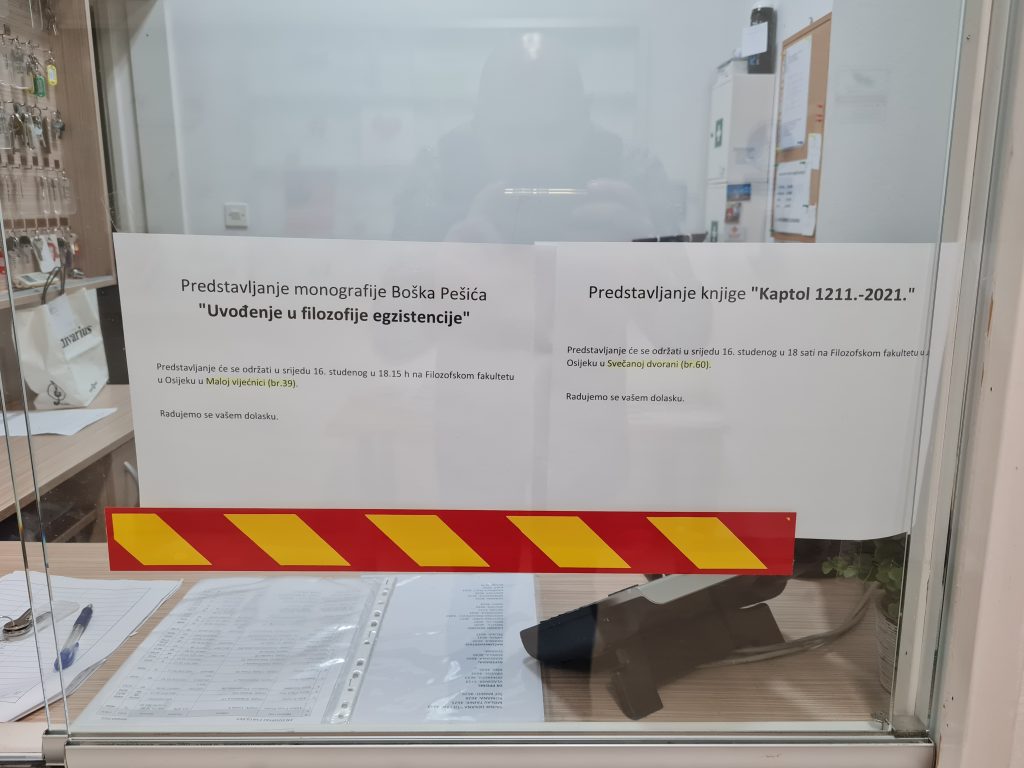
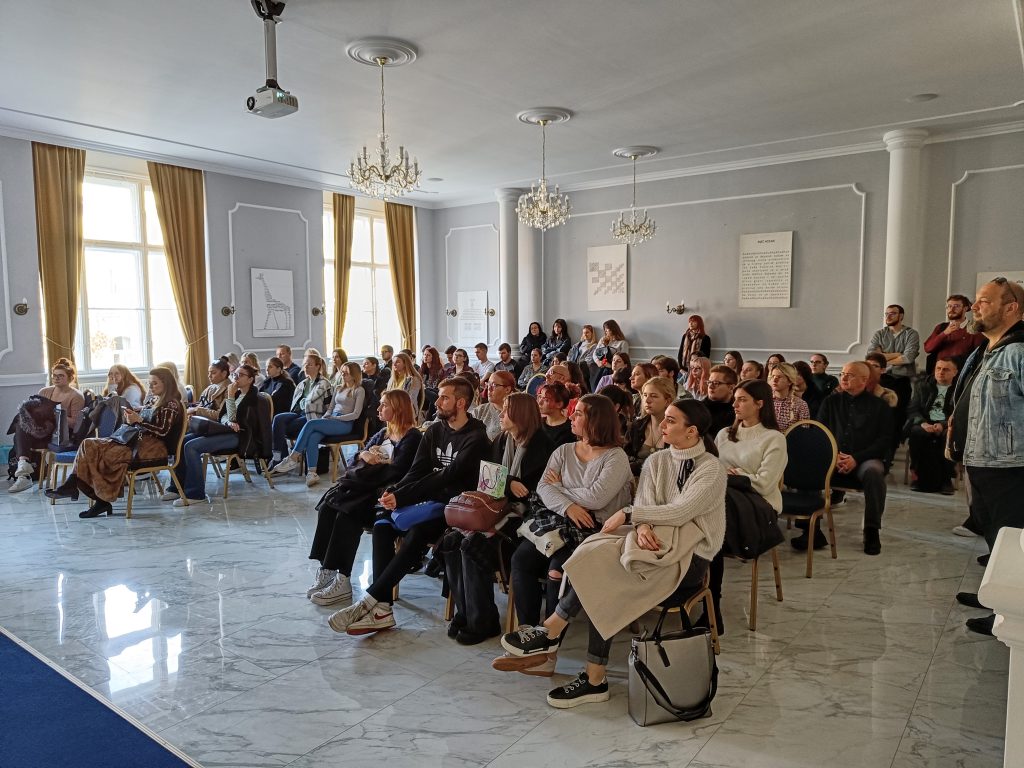
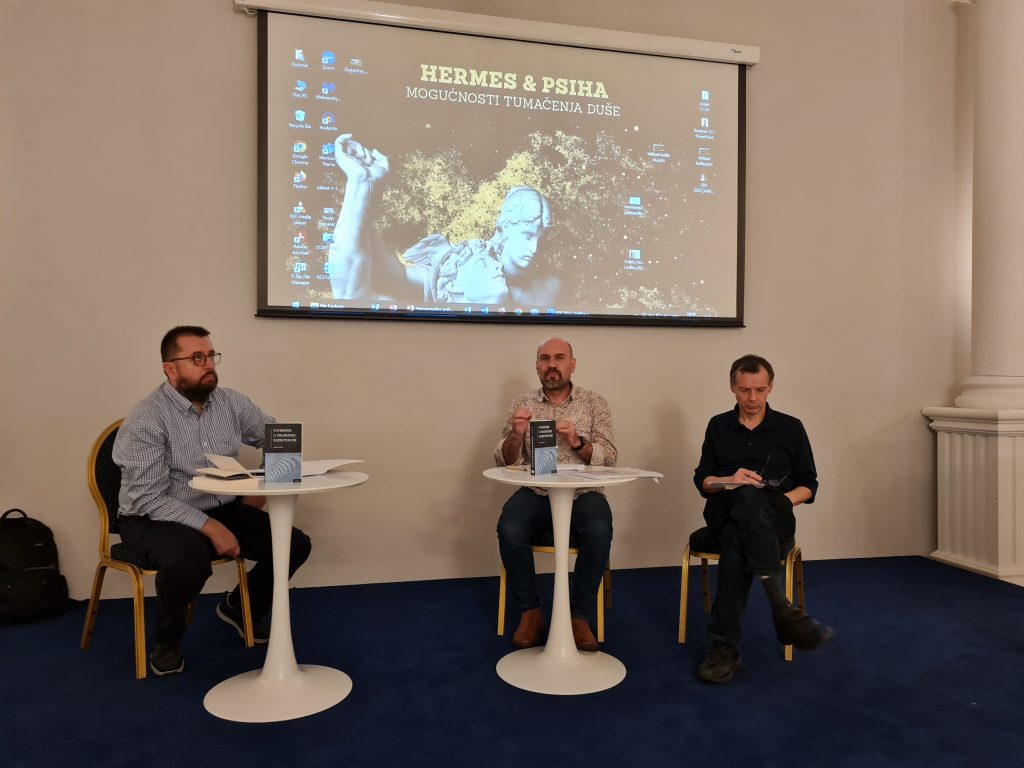
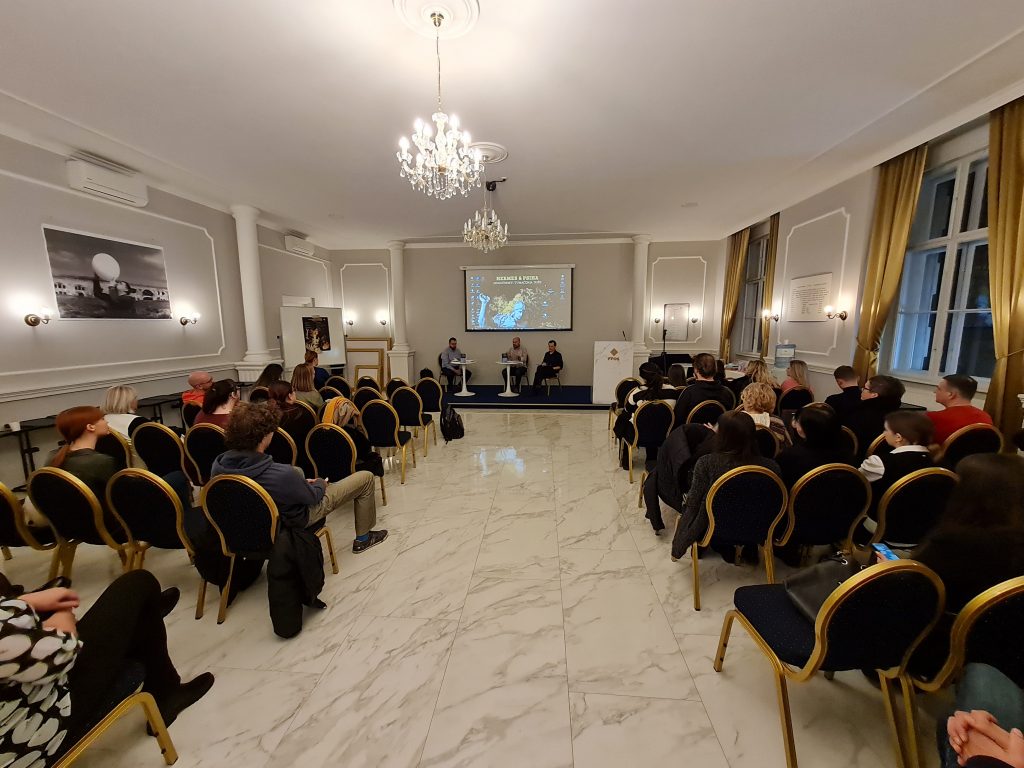
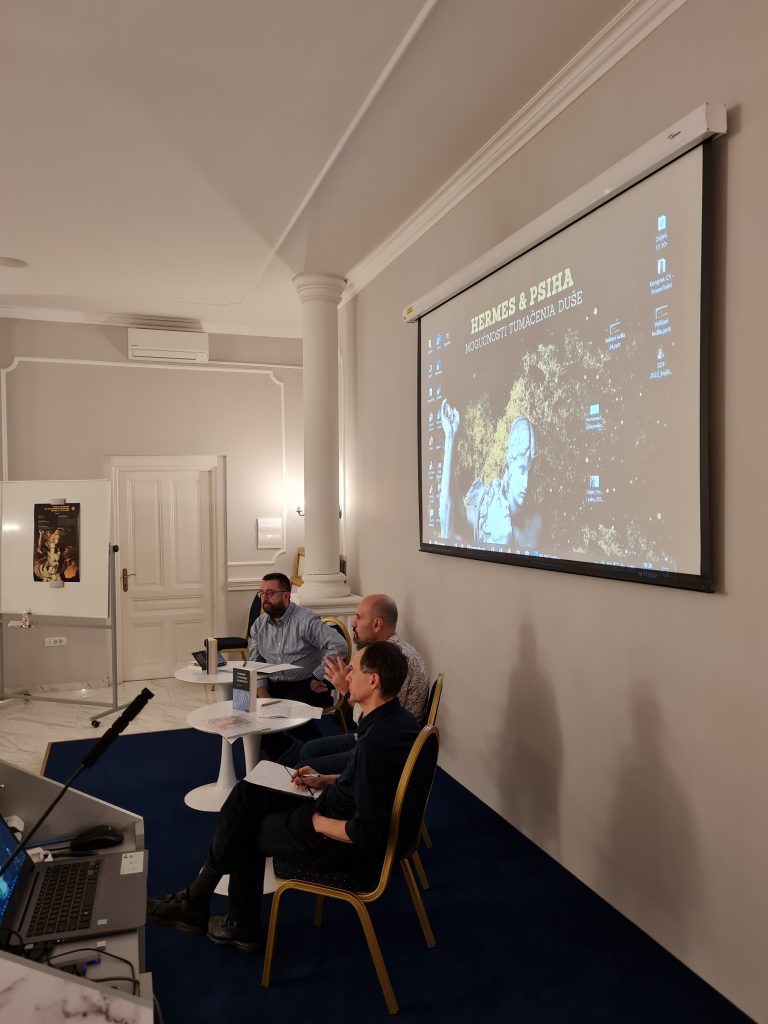
♦ 8 November 2022 ♦
EstLab Conversation
↓↓
The State of Exception as Governance of the Contemporary (On Agamben and Us)
Participants: Prof. Marijan Krivak, PhD, Prof. Željko Senković, PhD, Prof. Goran Rem, PhD, Assoc. Prof. Boris Bosančić, PhD, Adrian Buček
****
“The state of exception increasingly appears as the dominant paradigm of government in contemporary politics” (Giorgio Agamben, State of Exception).
Grounding his philosophical position in the category of “life” as that which becomes the principal object of political theory and practical systems of government in today’s world, Agamben inaugurated his inquiry into the biopolitical figures of “bare life” and “sovereign power” with Homo Sacer: Sovereign Power and Bare Life (1995). Basing his “biopolitical philosophy” on the reciprocal relationship, the inverted image, of these two terms, the author added two more studies to this thematic trilogy: Remnants of Auschwitz (1998) and State of Exception (2003).
“The state of exception increasingly appears as the dominant paradigm of government in contemporary politics”… Is this statement today something provocative, paradoxical and disturbing in the humanities? No, it is REALITY itself, beyond the subconscious through which we experience the phenomenon that we still – unjustly!? – call the “world”.
A state of exception grants a person or government power and the force of authority over others that extends far beyond the law normally in force. “In any case, the state of exception marks a threshold at which logic and praxis become indeterminate, and a pure force without logos claims to realise an utterance without any reference to reality” (SE, p. 40).
Where does the concept of the “state of exception” in contemporary philosophy come from in the first place? Naturally, once again we cannot bypass Walter Benjamin and his Eighth Thesis on the Philosophy of History (1939–1940). The “state of exception” is present everywhere around us! There is nothing particularly “exceptional” about it… one might rather say that it is structural. Yet it must be inverted, and for Benjamin the real, revolutionary state of exception will serve as an “organon” in the struggle against fascism.
Does this not sound familiar? Is fascism merely a historical category defeated in the Second World War? Hmmm… Rastko Močnik would say that it remains unquestioned as a structural moment in the contemporary neoliberal and corporate structure of the present; the only question is: “How much fascism?” How, for Agamben, can the ubiquitous “state of exception” as a paradigm of government be broken? By establishing a genuine “state of exception” possessing revolutionary force and power beyond the world order. Is such a thing possible at all? Namely, beyond the forces of law and myth, to establish a “human practice” that the state of exception has attempted to close off, and which is called – philosophy!
Furthermore, Agamben’s intention in State of Exception is to show law in its non-relation to life and life in its non-relation to law. This means opening between them a space for human action that once claimed for itself the name “politics”. Evoking Benjamin in a certain way, we arrive at Agamben’s definition of the political. It differs considerably both from Hannah Arendt’s famous treatment and from contemporary attempts at “re-politicisation” by Žižek, Badiou, Rancière, as well as Negri and Hardt. For Agamben, the genuinely political is only that action which severs the link between violence and law.
All of this will be discussed in the DIA-LOGOS session of the FFOS Aesthetics Laboratory by Željko Senković, Boris Bosančić and Adrian Buček – together with everyone else invited! – with an introduction and moderation by Marijan Krivak, on Tuesday, 8 November at 6:30 p.m. in room 39.
mk
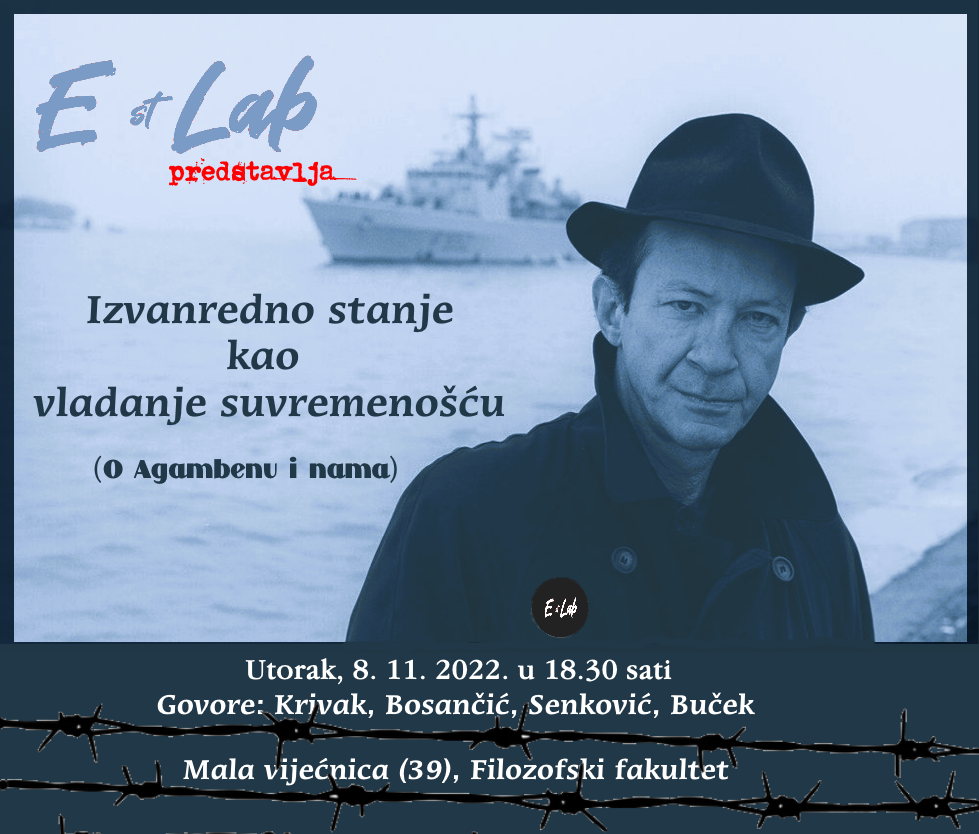
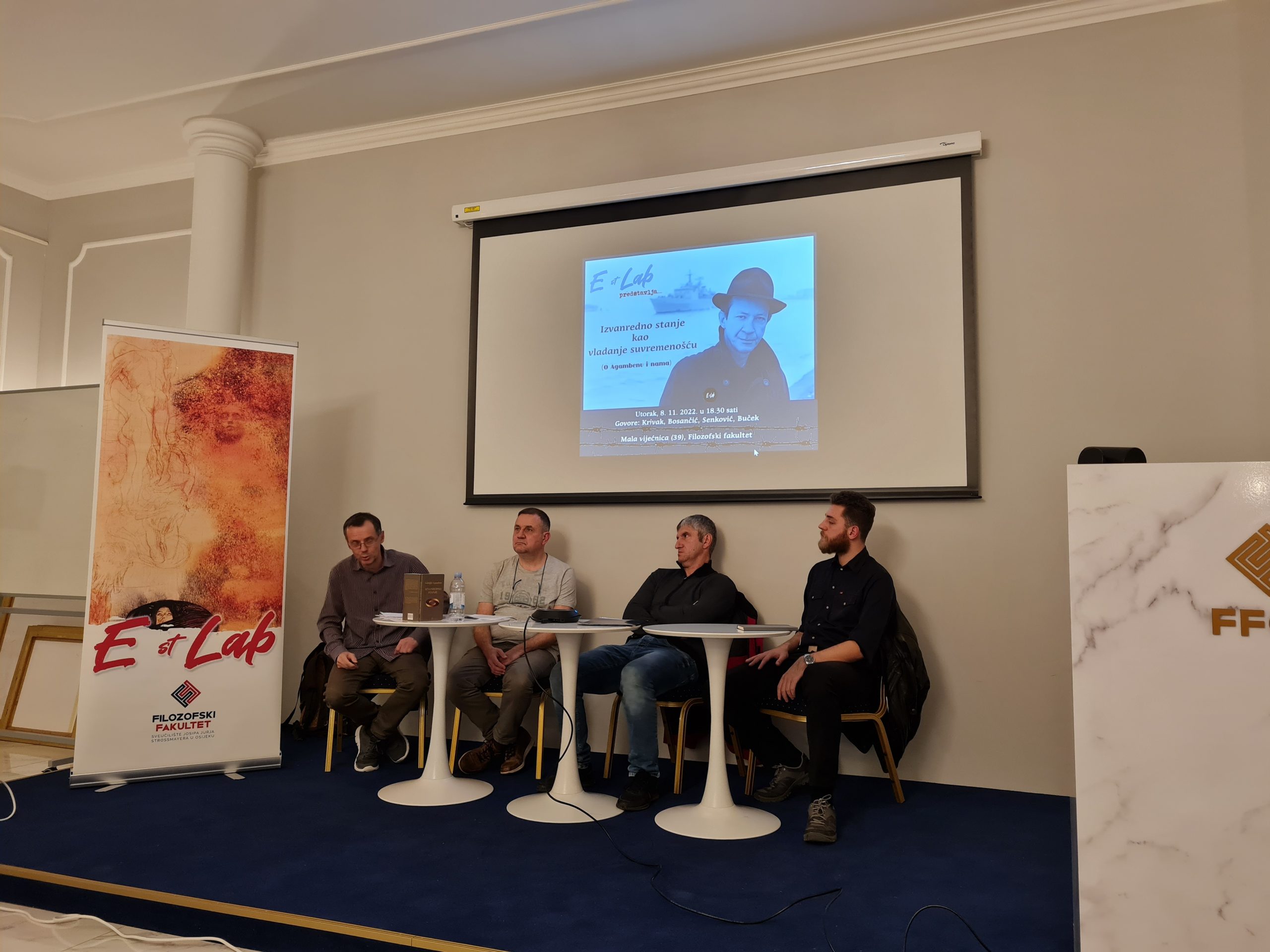
♦ 11 October 2022 ♦
Guest at EstLab:
Prof. Boran Berčić, PhD
↓↓
Conversation at the Aesthetics Laboratory:
Boran Berčić’s Meaning of Life – Philosophy as a Possible Answer?
****
Does the title of this event strike you as “presumptuous”? YES… what stands out in the title and then flows into the almost tautological subtitle has been “borrowed”. From whom? Naturally, from the cult Monty Python’s The Meaning of Life!
But “things” are no longer “funny”. (The question is whether they ever were.) Especially not in an age when “unstoppable progress” turns into “sustainable development” and the question of the mere survival of humanity. Boran Berčić is a participant in the “matter of thought” of a special calibre. In his two volumes bearing an openly momentous title we encounter… Philosophy (2012). For a full decade this has been a textbook we openly admire but, even more importantly, constantly question. In the book, Boran Berčić provides a “comprehensive overview of the main themes and currents of philosophical thought”. That is the “textbook description”… We, however, are interested in much more. Can we begin with the very first text in the first volume of the book? Indeed, that is exactly what we want! Thus, “The Meaning of Life”… In the introductory text to Philosophy the author states: “In order to know what we should do, we must know why we live.” And further: “logically speaking, in order to know why we do anything, we would have to know why we live at all… The question of the ‘meaning of life’ is the logical structure of our reasons for acting.” Is it really? The author himself repeatedly re-examines the matter, even within the same text.
As a recognised and established philosopher of the so-called “analytic school of thought”, Berčić “must” pose the question in precisely this way. But must he really? He examines possible paths toward what is called the “meaning of life”. The stations along this road are happiness, objective purpose, care for others and, last but not least, the survival of the species. Yet questions concerning possible approaches naturally multiply without end. Members of the more traditional current in the history of philosophy and the so-called “matter of thought” have different methods. Naturally, this is the old dispute between “analytic” and so-called “continental” philosophers.
Is the meaning of life today merely… “INTERNET speed”? Avoiding catastrophes? Or, once again, happiness?? For today’s world faces a possible scenario built on the assumption: “As if we had never existed”… or “And what if/when there is nothing after? (Paić)” The absurdity of life as a constant (Nagel, Camus) shows that “life has no Meaning with a capital M”, Berčić will say. But also… “there are many things in life that make it meaningful”.
Boran Berčić and Marijan Krivak discuss all of this under the auspices of EstLab – colleagues and friends from their philosophy studies in Zagreb in the distant, dear 1980s…
mk
Prof. Boran Berčić, PhD
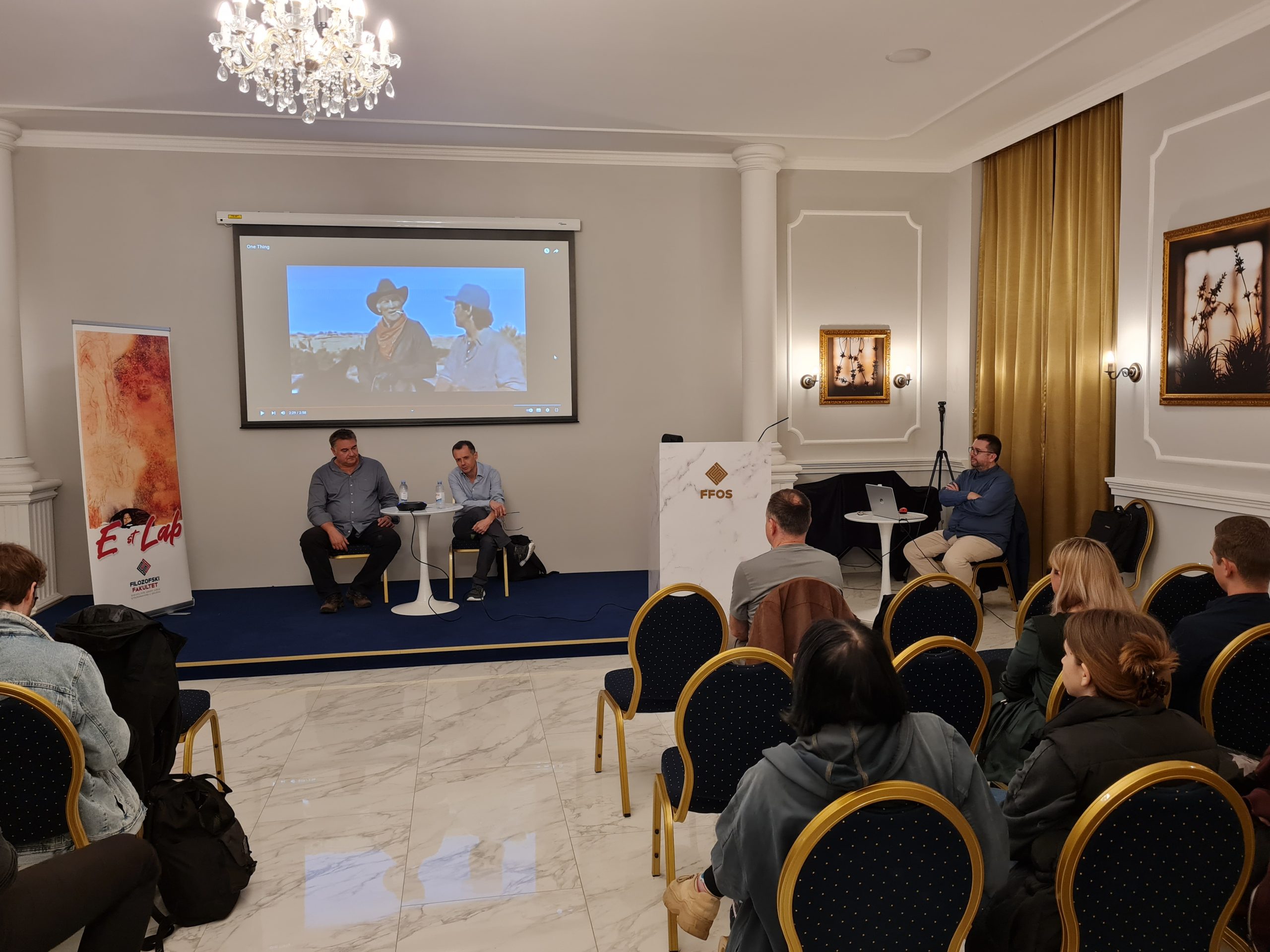
♦ 2 June 2022 ♦
EstLab Conversation
↓↓
Krleža on Peace and War
Participants: Prof. Željko Senković, PhD, Prof. Goran Rem, PhD, Igor Gajin, PhD
****
We live in an age of masses cheering frenzied dictatorships. Between despair and indifference, perhaps we now encounter only “former people”. Krleža confronted the dark forces within us and wanted things changed at the root, while many of the insights of his artistic truths were guided by a critique of war as a disgrace to the “dignity of intelligence and morality”. War lives in the human being like a “hungry hyena”, driven by timeless stupidity, and the only victor in every war is death. In numerous texts, from essays and short stories to poetry, this great writer exposed the senselessness and horror of war. Yet the decisive question is how to think and realise peace, that fragile phenomenon resembling a “love illusion”? What does Krleža tell us about this, and what do the participants Goran Rem, Igor Gajin and Željko Senković have to say?
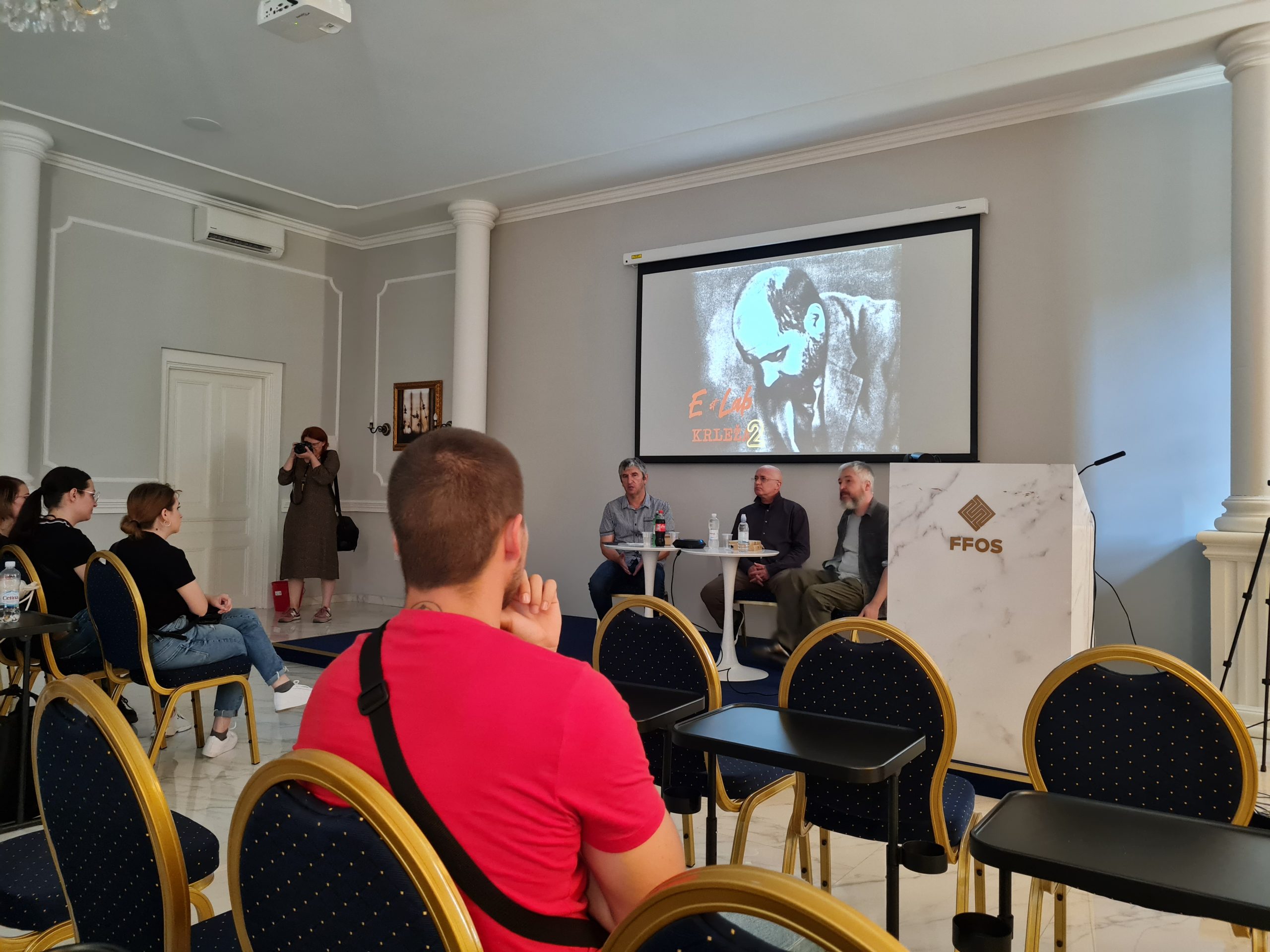
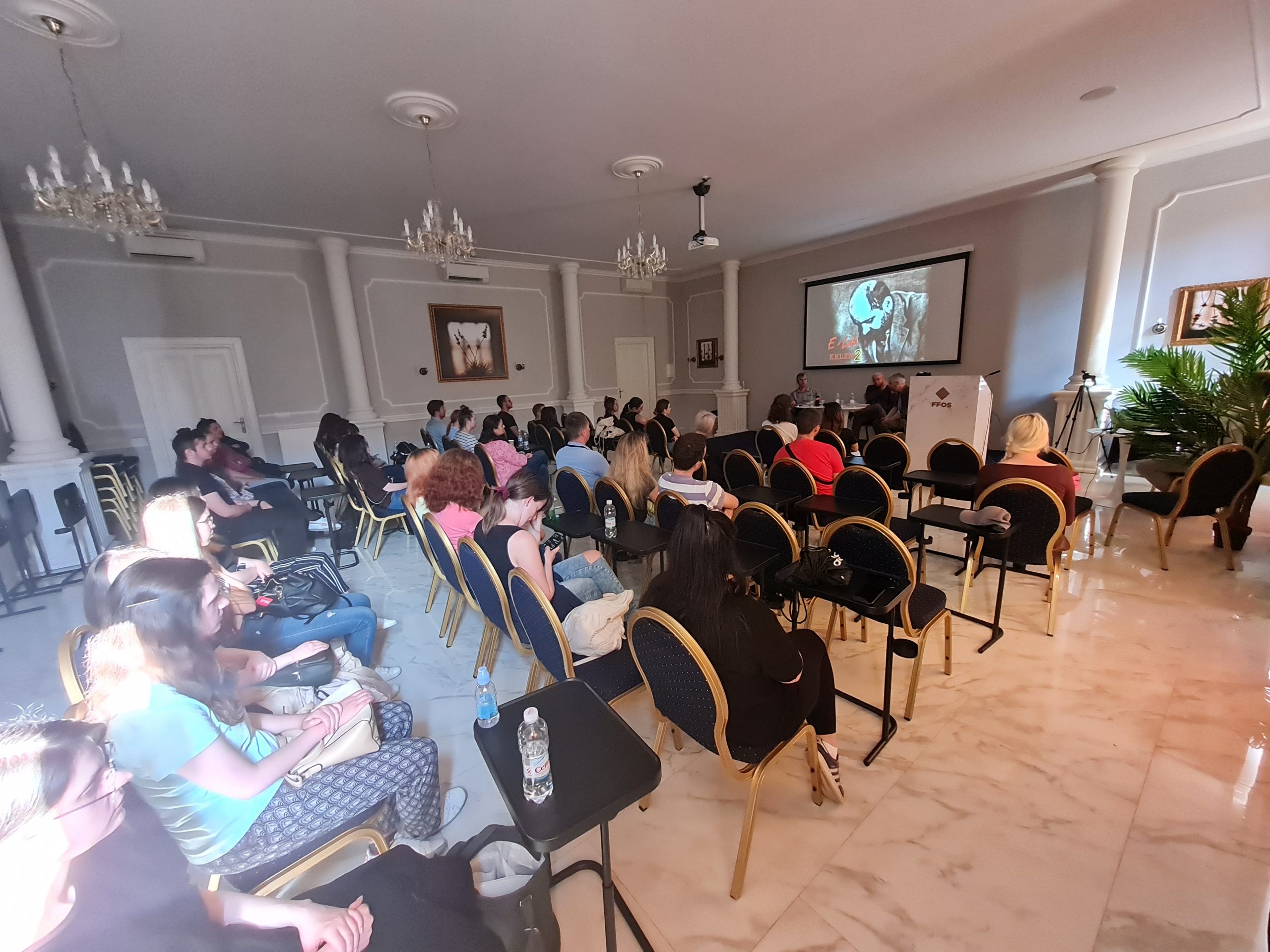
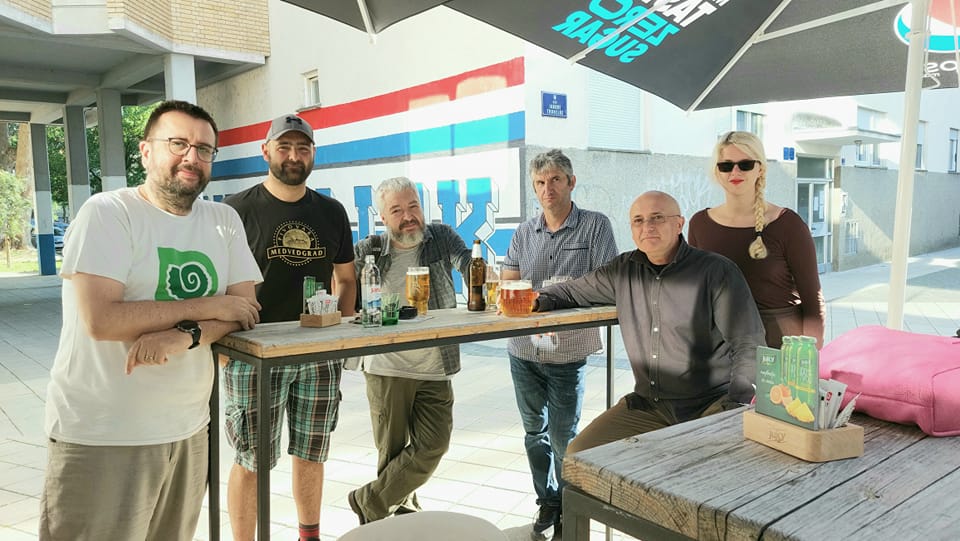
♦ 24 May 2022 ♦
EstLab Panel Discussion
↓↓
What Does Krleža’s “EUROPE TODAY” (1935/2022) Tell Us?
Participants: Asst. Prof. Tonči Valentić, PhD, Prof. Goran Rem, PhD, Assoc. Prof. Ivan Trojan, PhD, Prof. Marijan Krivak, PhD
****
What is Europe to us today? Or, perhaps more clearly, what is EUROPE to us? Apart from the ideological construction of it – ruled by thoroughly networked media – has any “lifeworld” of Europe still remained?
Just as we ask about Europe today, we also ask what remains of Krleža’s “Europe Today”? And… who is “KRLEŽA” at all… for us? Do we know how to establish a dialogue with him, that is, a conversation rather than scholarly-acribic communication? Miroslav Krleža’s 1935 essay “Europe Today” is merely a Schlagwort for a conversation about this writer, not merely Croatian (?) and European but global.
“Europe travels in an iron, armoured tank, officially convinced of its divine origin… it never doubts its heavenly dividends, its God-blessed machine guns… there is an endless series of such Europes: Zeus abducted one from us as a bull, while another is trampled by capitalism like a maddened rhinoceros… if Kant and Hitler are merely phenomena that endure without beginning in an endless series of variations…” (M. Krleža, “Europe Today”, 1935)
Krleža wrote Europe Today in that terrible and most terrible year of 1933. This “essay allows no Europe, then or now, whether in time or space, to close off a single powerful gesture of awakening to the passionate negativity ravaging it merely because it supposedly possesses self-evident scientific, cultural, philosophical or existential-economic advantages. Through an insightful introductory subject, first monologically in the first person and then dialogically, Krleža illuminates Europe through its gathering darkness.” And yes… not merely BTW, we also ask whether the time has come to demystify Krleža’s “Osijek Lecture”; did “Krleža and Osijek… hate each other… publicly!(?)”
There is our Schlagwort for conversation! In EstLab’s “Dijalogos” session we discuss the possible eternal relevance, or perhaps the “virtual actualisation”, of these thoughts for us in today’s EUrope. Did Krleža prophetically anticipate our present? Is he truly, particularly through his short stories, plays and novels, a “contemporary of Europe”? Is Krleža significant on a global scale as well?
We further ask what the most significant philosophers think about Europe. About its… IDEA? Edmund Husserl detects the “idea of Europe” (1936) as a community of reason. He holds that the crisis of the human sciences produced a corresponding loss of “true humanity” and of the purpose of Europe’s existence as a “formation of historical humanity”. Have Jacques Derrida and Jürgen Habermas, in turn, helped us detect what Europe truly is? What does it mean that the “idea of Europe” has slipped from the embrace of “peoples and passed into bodies of dubious democratic legitimacy, such as the European Council”? How do we understand Europe and the USA on the “symbolic level”? Ultimately, can we today even understand the thesis that Europe is a philosophical IDEA?
We will discuss all of these themes – on Tuesday, 24 May 2022 at 6 p.m. in room 39 – with our guest, philosopher and sociologist Tonči Valentić from the Faculty of Textile Technology in Zagreb, and with professors from the Faculty of Humanities and Social Sciences in Osijek: poet and theorist Goran Rem, theatre scholar Ivan Trojan, and philosopher Marijan Krivak.
mk
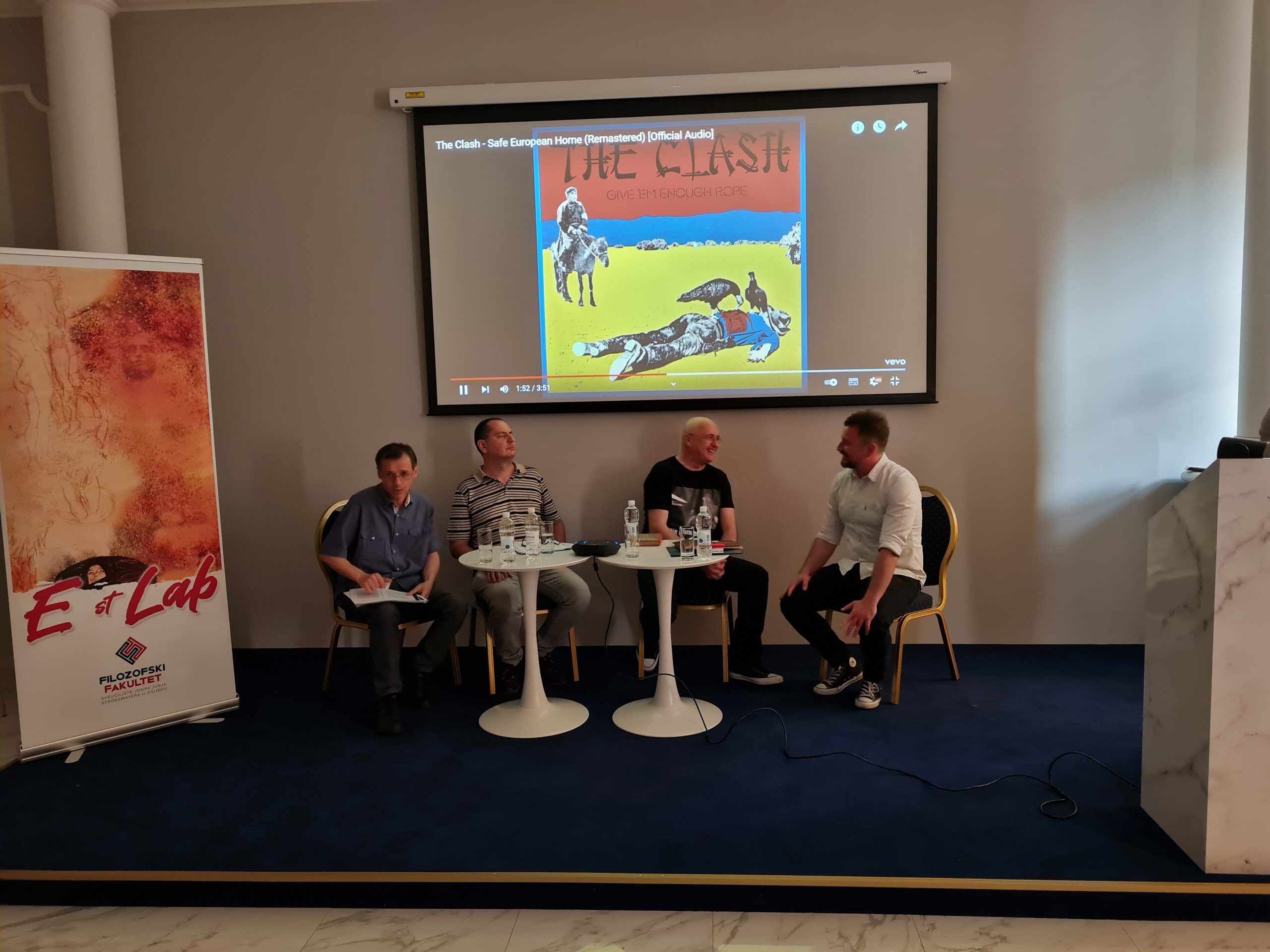
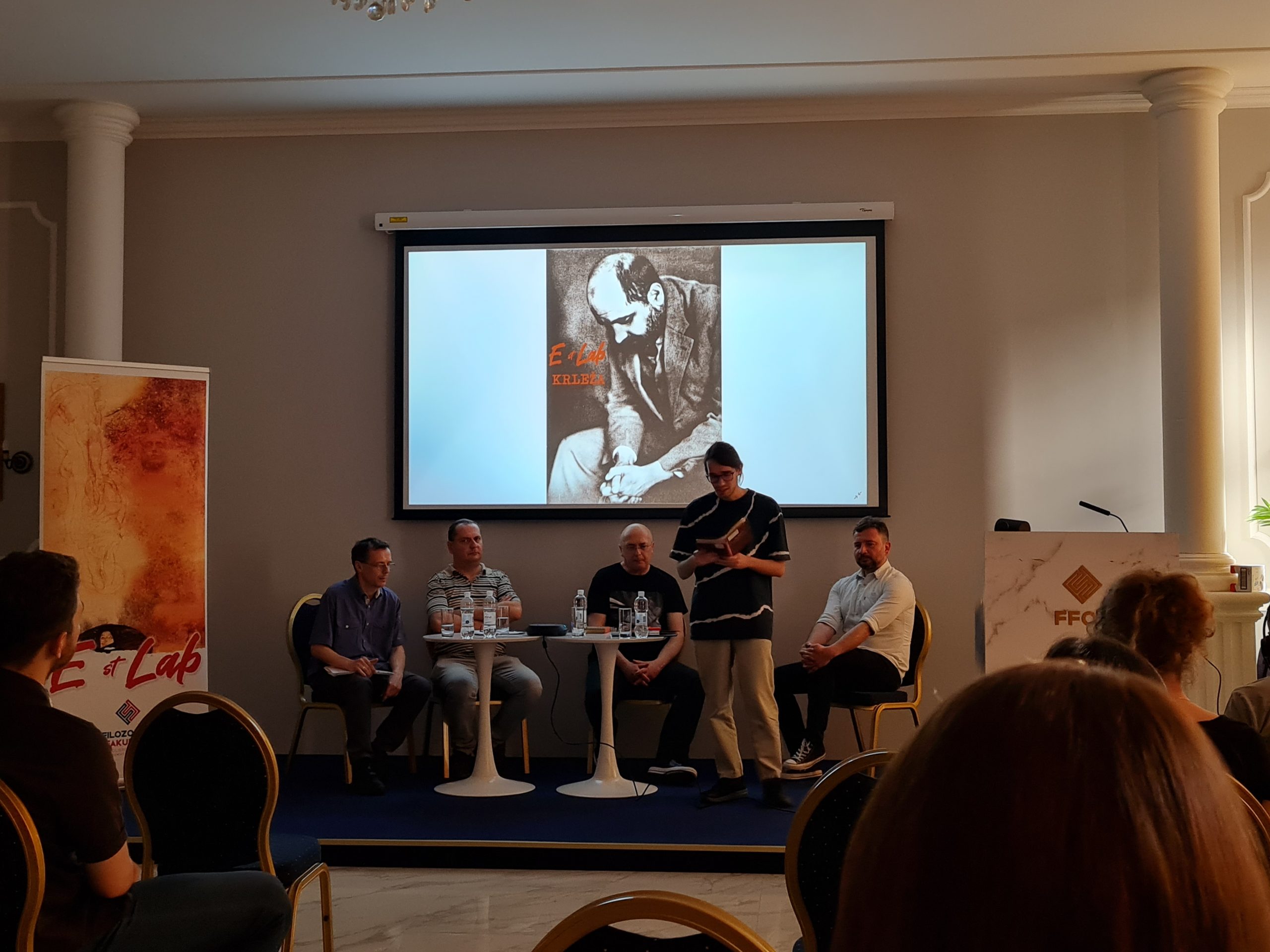
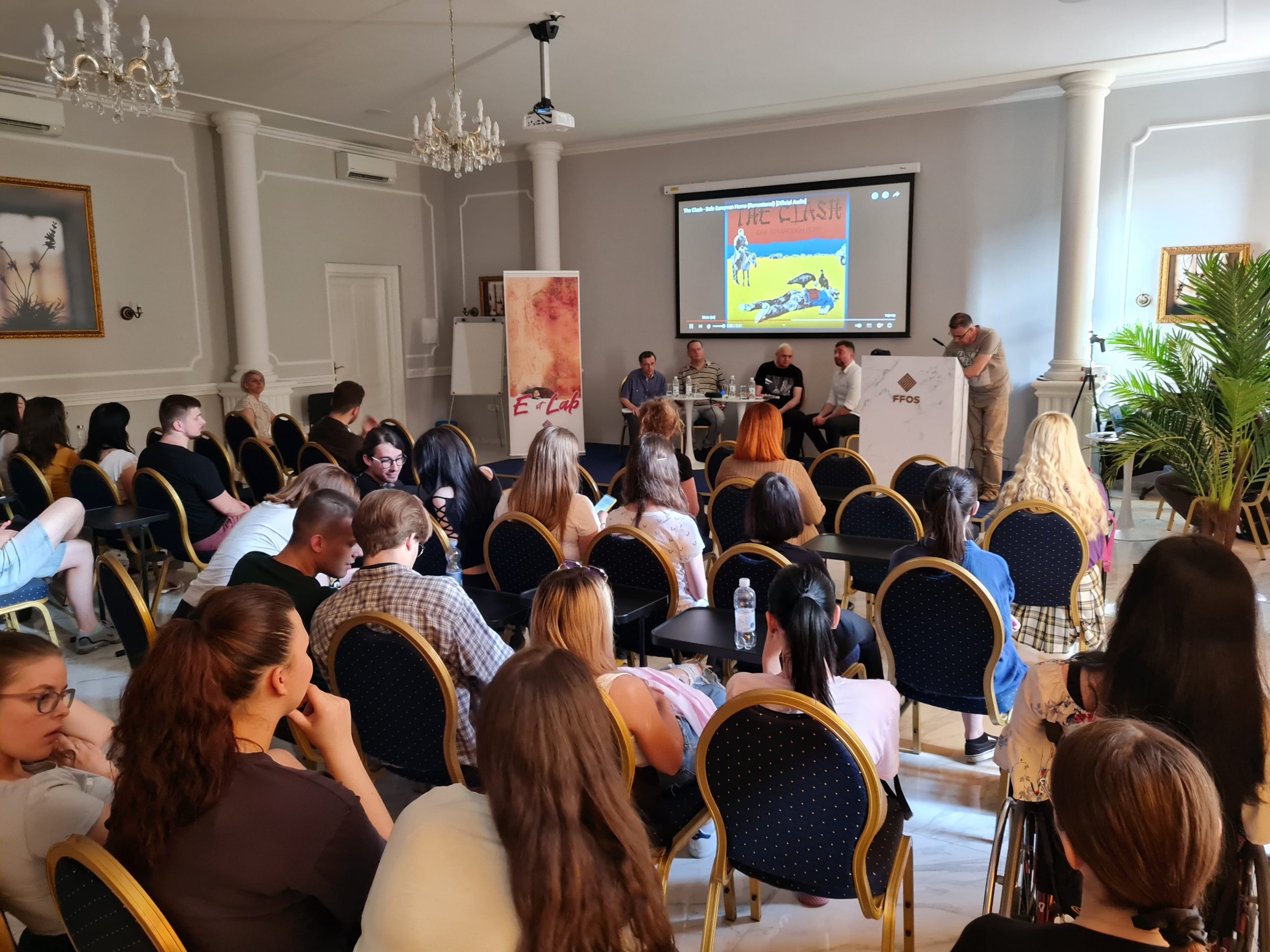
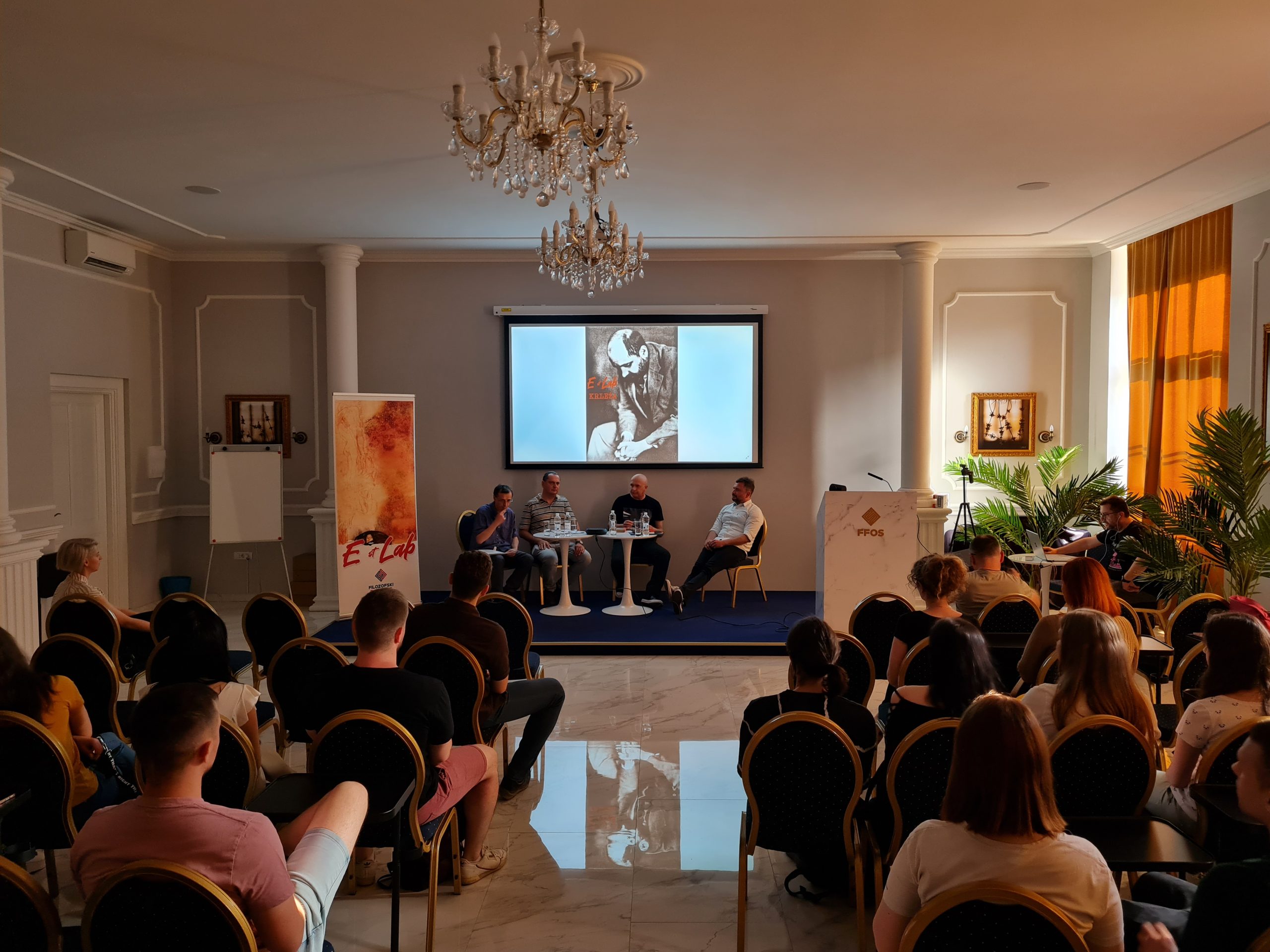
♦ 12 May 2022 ♦
Presentation of the Bulletin
↓↓
On Thursday, 12 May 2022, the sixth issue of the Bulletin of Student Papers in Philosophy, devoted to the philosophy of literature, was presented at the Voodoo Caffe Bar. The Bulletin was presented by Vice-Dean for Teaching and Students Assoc. Prof. Sanja Jukić, PhD, and members of the Editorial Board, while the presentation was accompanied by a musical performance by Marina and Dorian.
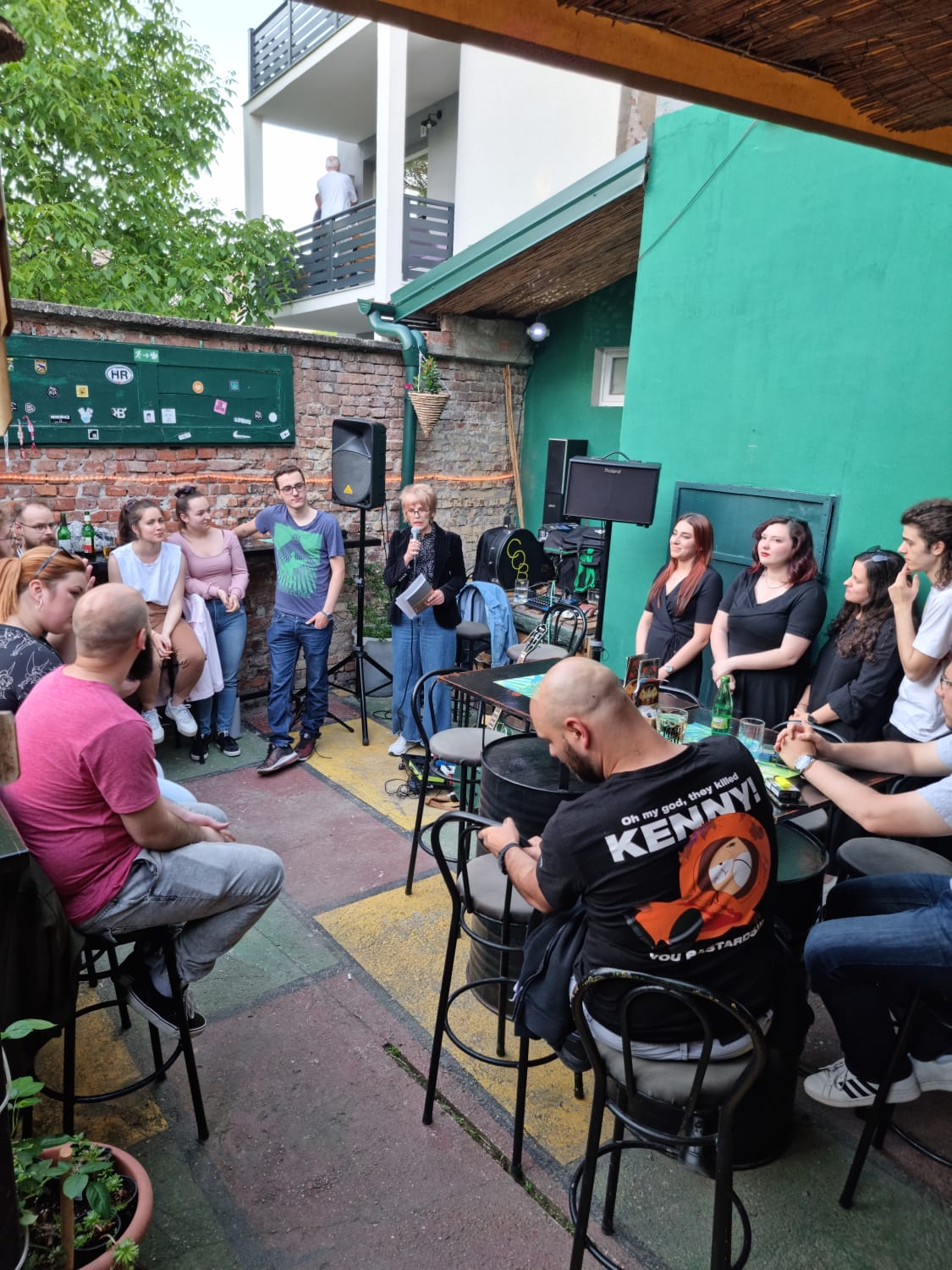
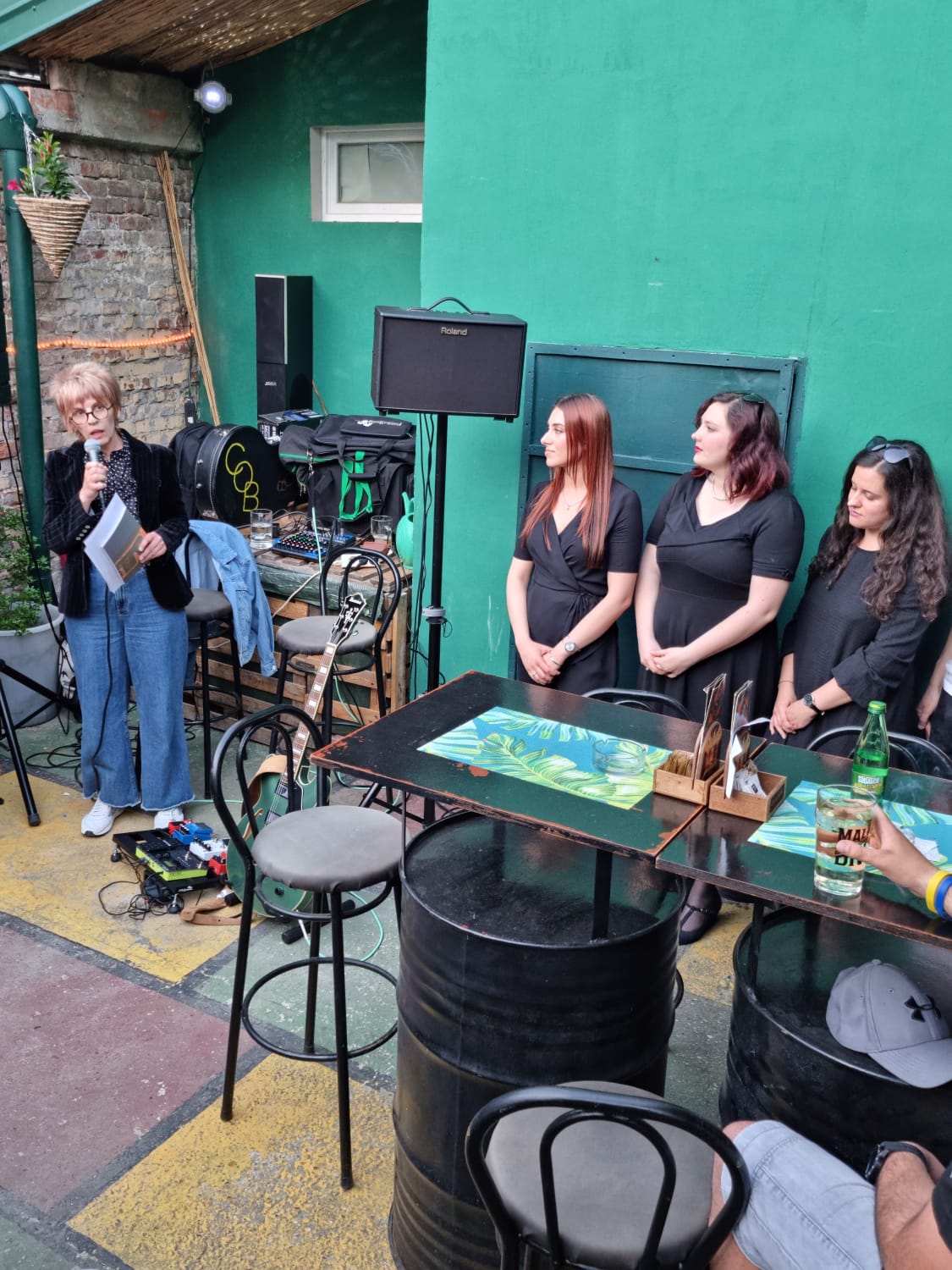
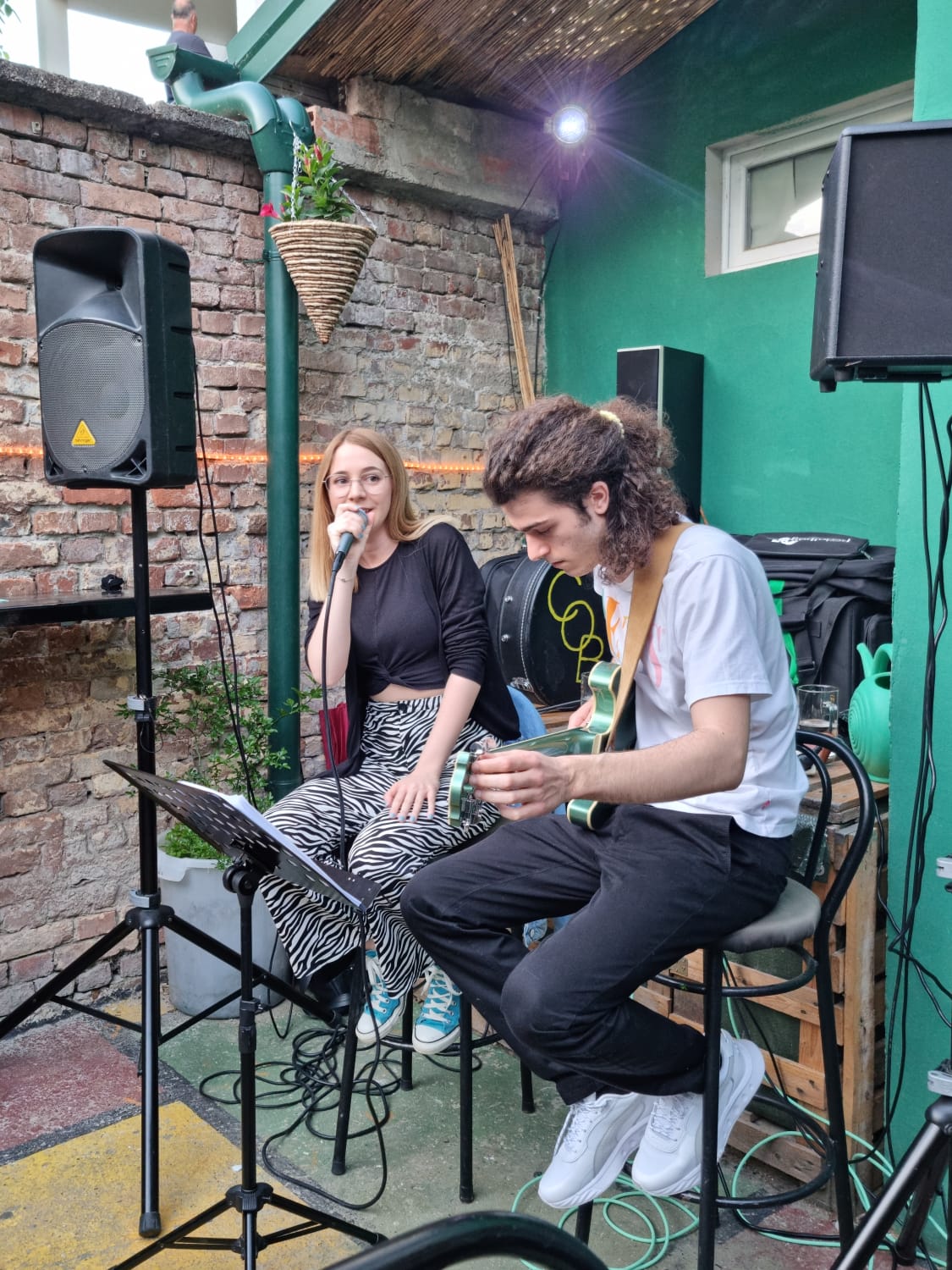
♦ 24 April – 1 May 2022 ♦
Study Trip to Greece 2.0
↓↓
The second study trip to Greece for students and teaching staff of the Faculty of Humanities and Social Sciences in Osijek was organised by the Department of Philosophy from 24 April to 1 May 2022. The primary purpose of the trip was to become acquainted with Greece’s layered history, its rich culture and its indispensable philosophical legacy. We set off late in the evening, accompanied by rain as we left Osijek, heading toward Thessaloniki, on a route that offered opportunities for night-time and early-morning panoramic views of Serbia, North Macedonia and part of Greece. In Thessaloniki we were welcomed by clear and sunny weather, which ultimately marked and brightened our entire stay in Greece. Upon arriving in Thessaloniki, we set off on a walk through the city and became acquainted with some of its landmarks. In addition to, for example, the White Tower, the Arch of Galerius and the Rotunda, the visit to Aristotle Square deserves special mention; there stands a statue of the Philosopher whose thumb, according to belief, passes wisdom and knowledge to visitors who touch it. After a free evening and an overnight stay in Thessaloniki, the following morning we headed toward Delphi, stopping on the way to visit the Thermopylae Pass and the monument to Leonidas. Along a hilly road we reached Delphi, the renowned ancient Greek sanctuary and oracle. Despite the blazing sun accompanying us, the climb to the top was more than worthwhile, since along the way we had the opportunity to see, among other things, the remains of the Pythia’s oracle, the treasuries of the ancient Athenians, the Temple of Apollo, the theatre and the stadium where the Pythian Games were held. After a delicious Greek dinner, we departed for Athens and our second overnight stay in Greece. The next morning we began a full-day walking tour of Athens, and on the way to the Acropolis had the opportunity to see, among other things, the remains of the Temple of Zeus, the University, and the changing of the guard in front of the Tomb of the Unknown Soldier, that is, the Greek Parliament. The famous Athenian Acropolis as a whole is breathtaking; here it is enough to single out the magnificence of the Parthenon and the Theatre of Dionysus, as well as the view from the Acropolis, which reveals the impressive size of Athens. After visiting the Acropolis, there was free time for refreshments and sightseeing. We particularly remember the intense smell of strawberries from the stalls, the bustle of the crowds, the aromas of traditional Greek cuisine, and the liveliness and colours of the market. After a rest and an insight into the vibrancy of everyday Athenian life, we also visited the exceptionally rich and diverse National Archaeological Museum, where we had the opportunity to see the famous Mask of Agamemnon. The evening was reserved for socialising and going out. In the morning we left Athens, viewed the Corinth Canal en route and arrived in Epidaurus, where we visited the magnificent theatre and museum. We climbed to the highest rows of the theatre and experienced the remarkable combination of acoustics, architecture and nature. This was followed by a visit to the pleasant tourist atmosphere of the port city of Nafplio, after which a bus breakdown on the onward journey gave us an unplanned opportunity for a kind of meditation in the Greek wilderness. Once the fault had been repaired – and our drivers deserve praise for this, as for much else – we reached our hotel destination in the northern Peloponnese in the evening, where the night was devoted to socialising together with song and guitar. The Greek part of the journey was drawing to a close, since in the morning we departed for the final famous destination on our itinerary – Ohrid, the pearl of North Macedonia. After an overnight stay, we had the opportunity to visit Ohrid landmarks such as Samuel’s Fortress, the ancient theatre, the Church of St Sophia, the Church of St Clement, the promenade, the town square and the market. Finally, after experiencing Ohrid, the time came for the return journey to Osijek. It is also worth mentioning the late-night gourmet meal at Motel Predejane in Serbia, accompanied by a wedding celebration and music, which crowned our dynamic, sometimes unpredictable, but above all interesting and educational study trip. It was an experience to remember.
Lucija Novokmet i Martina Ivanović
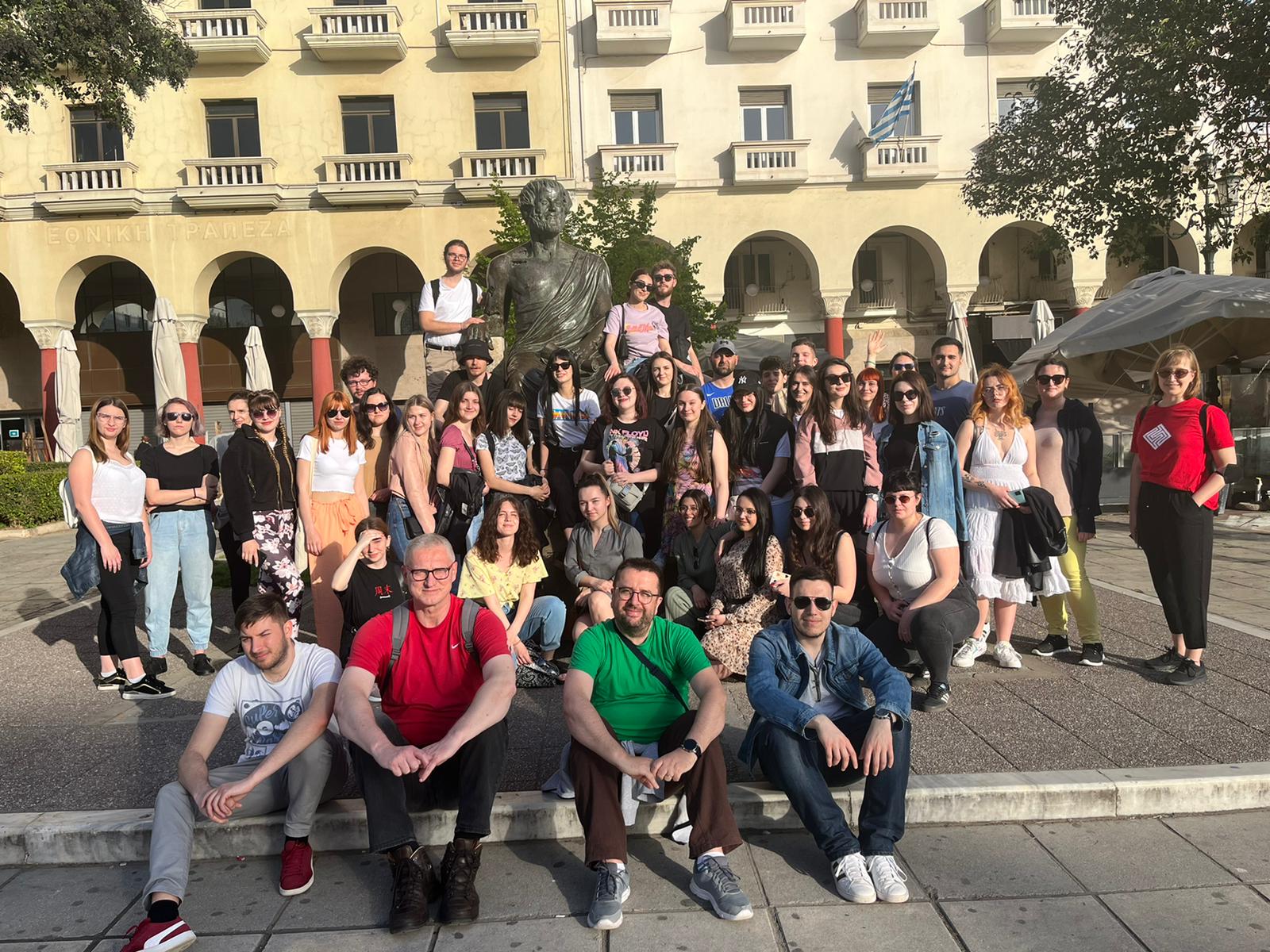
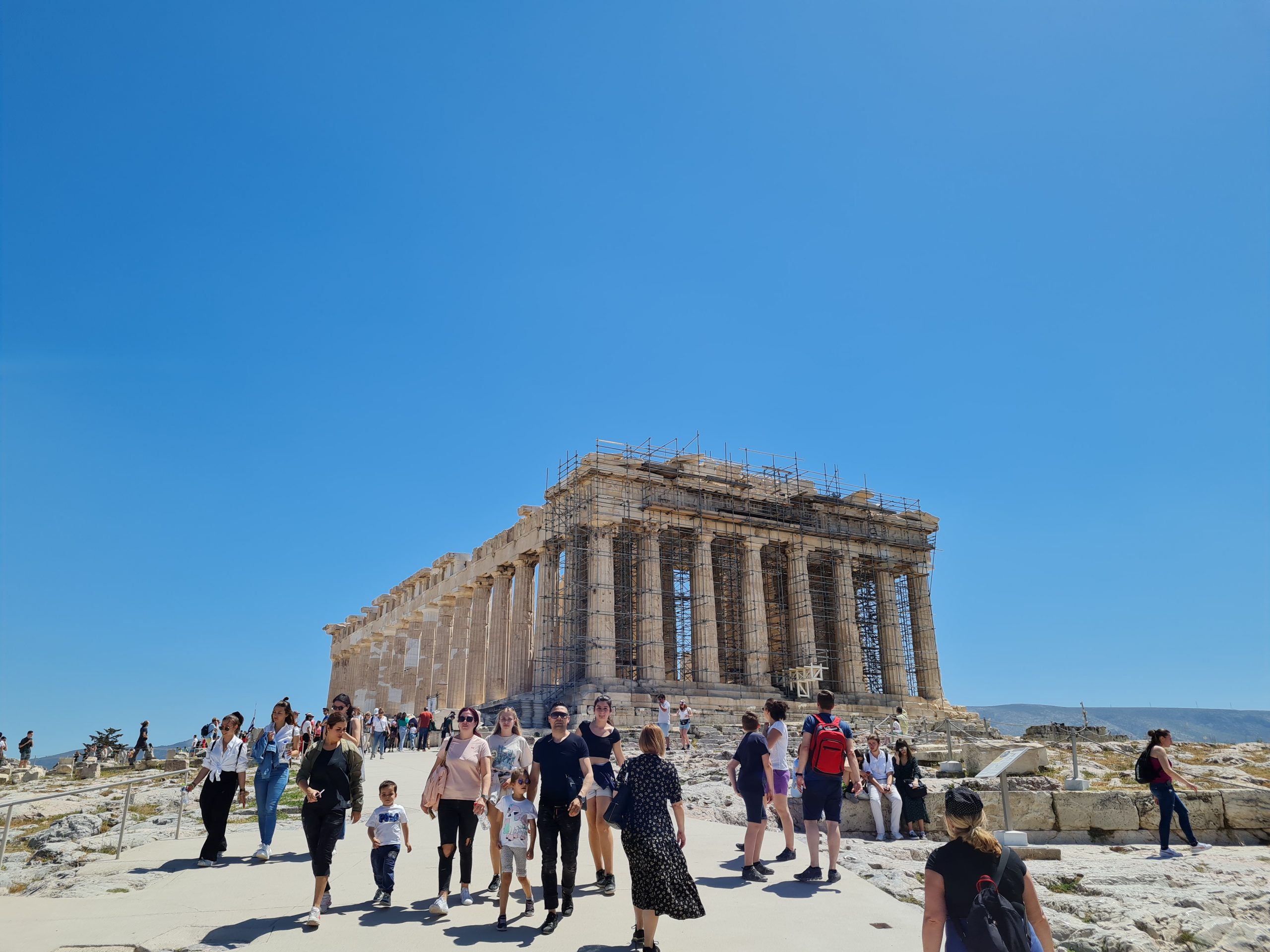
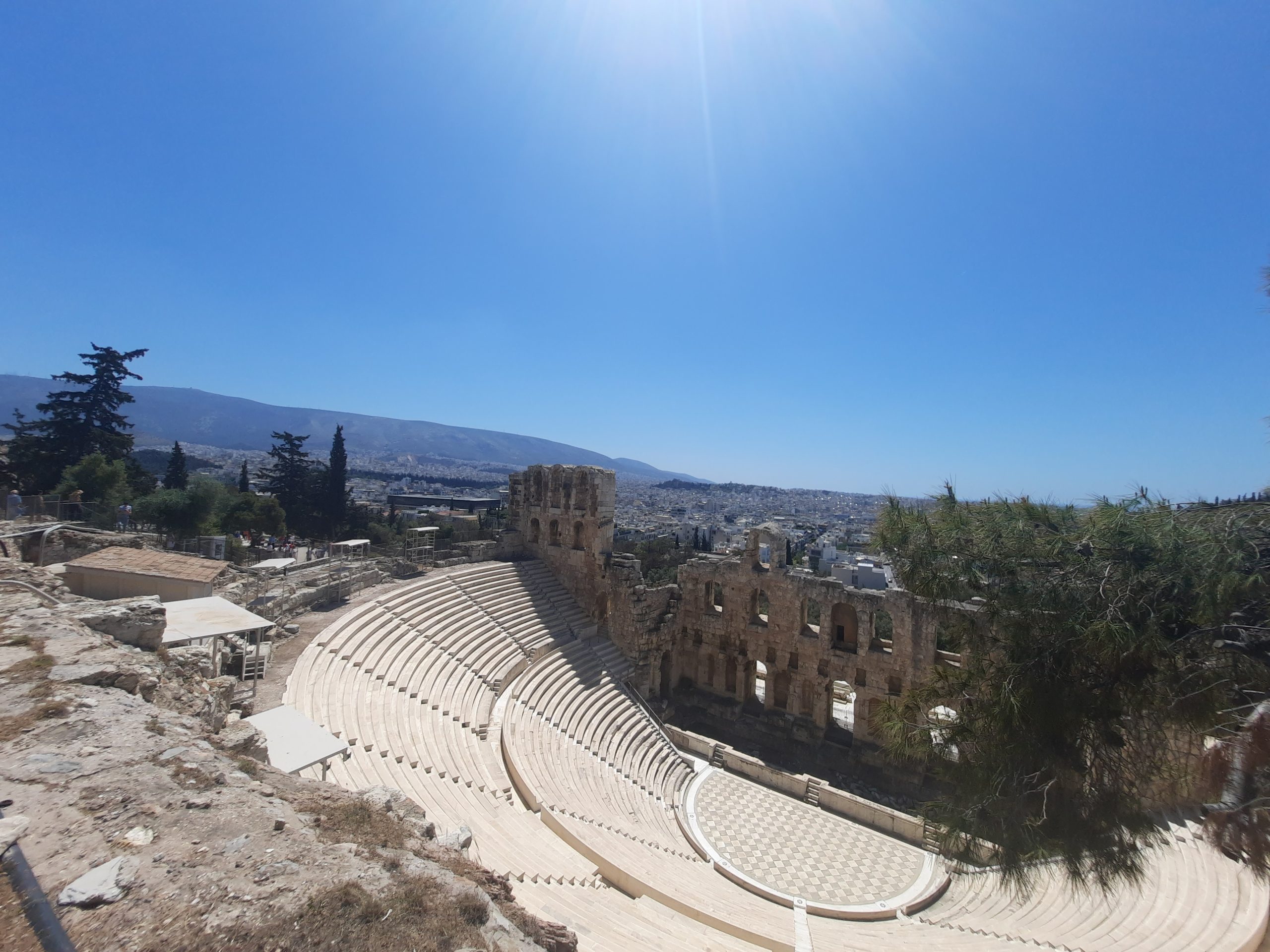
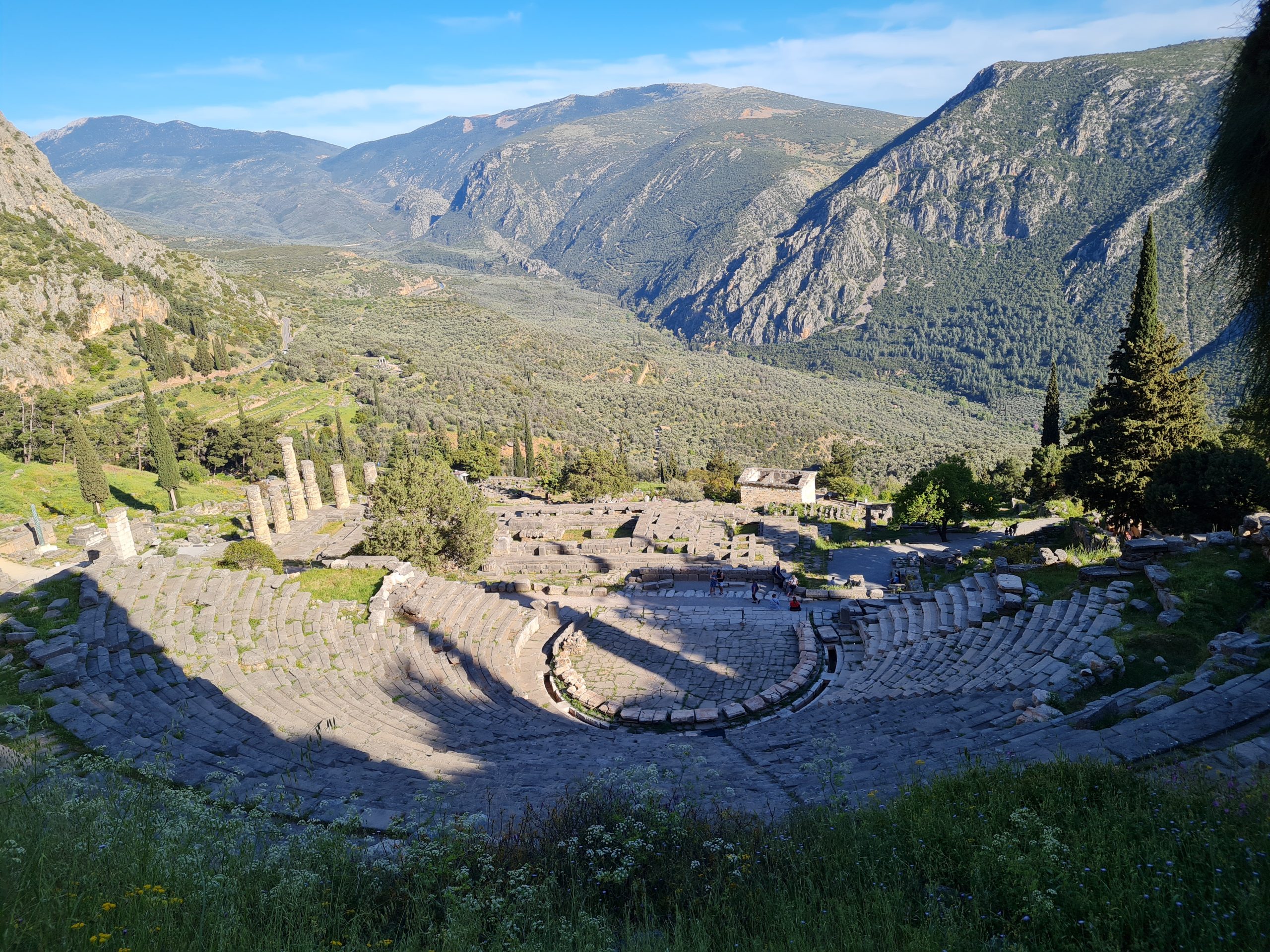
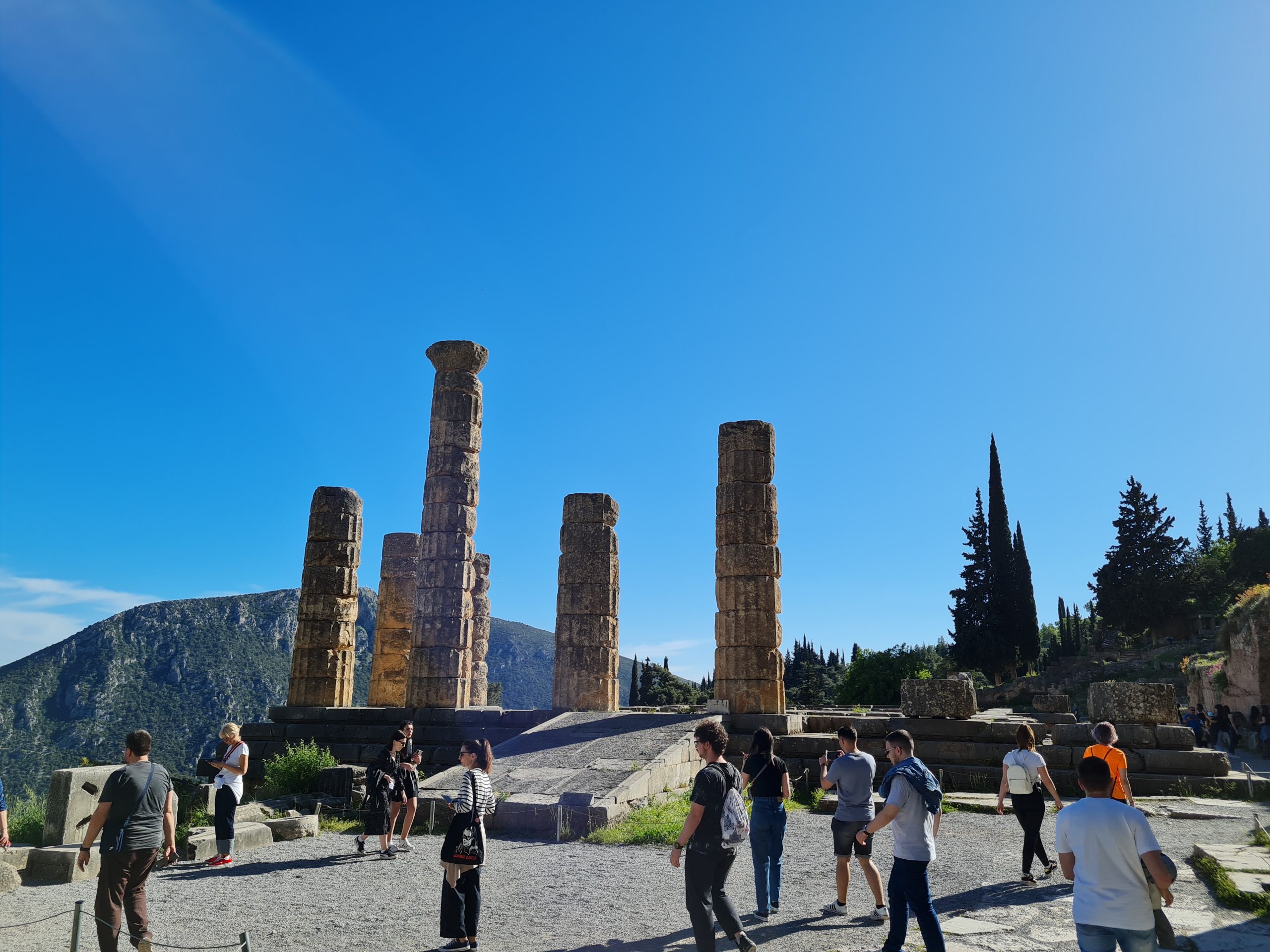
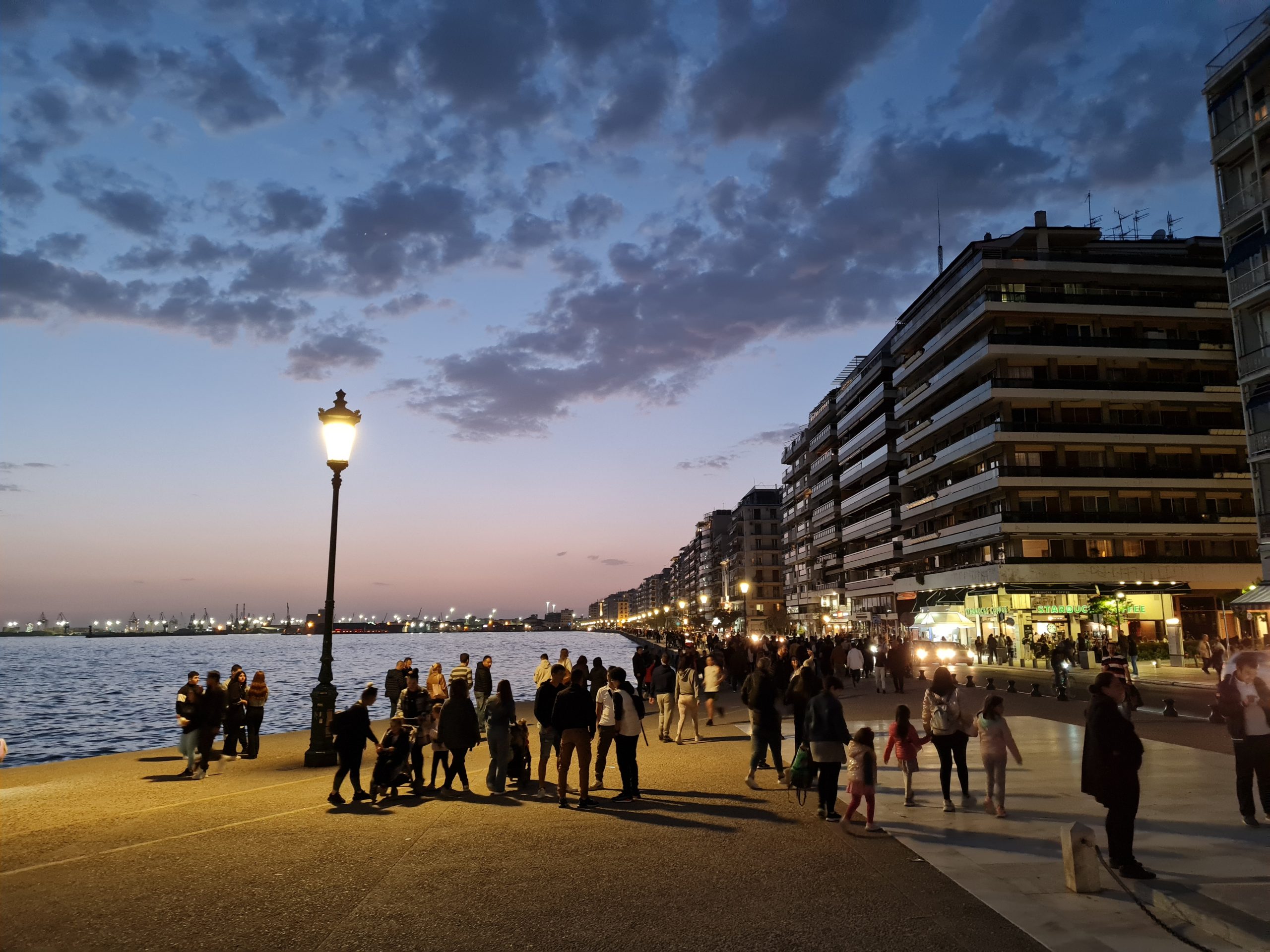
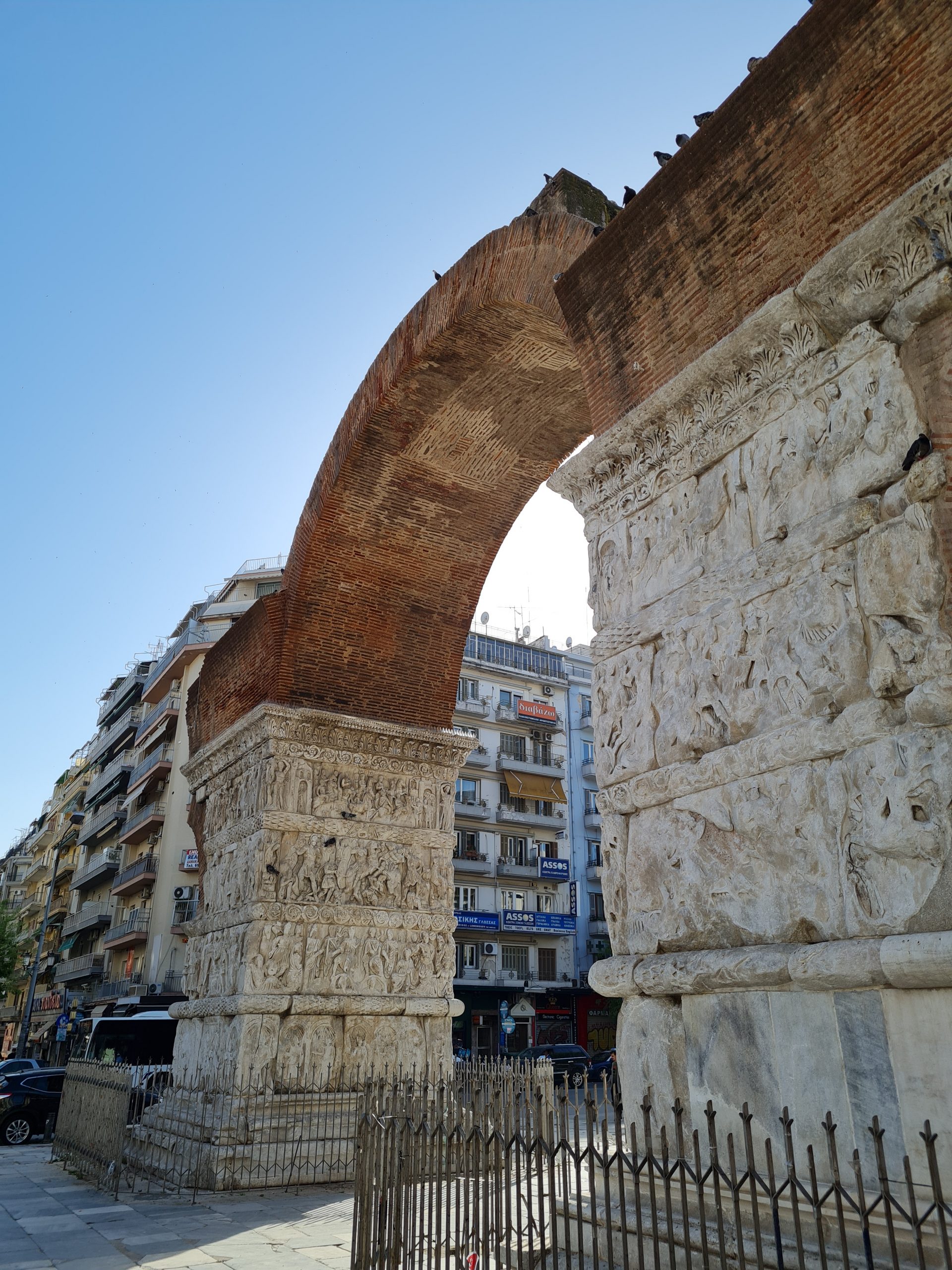
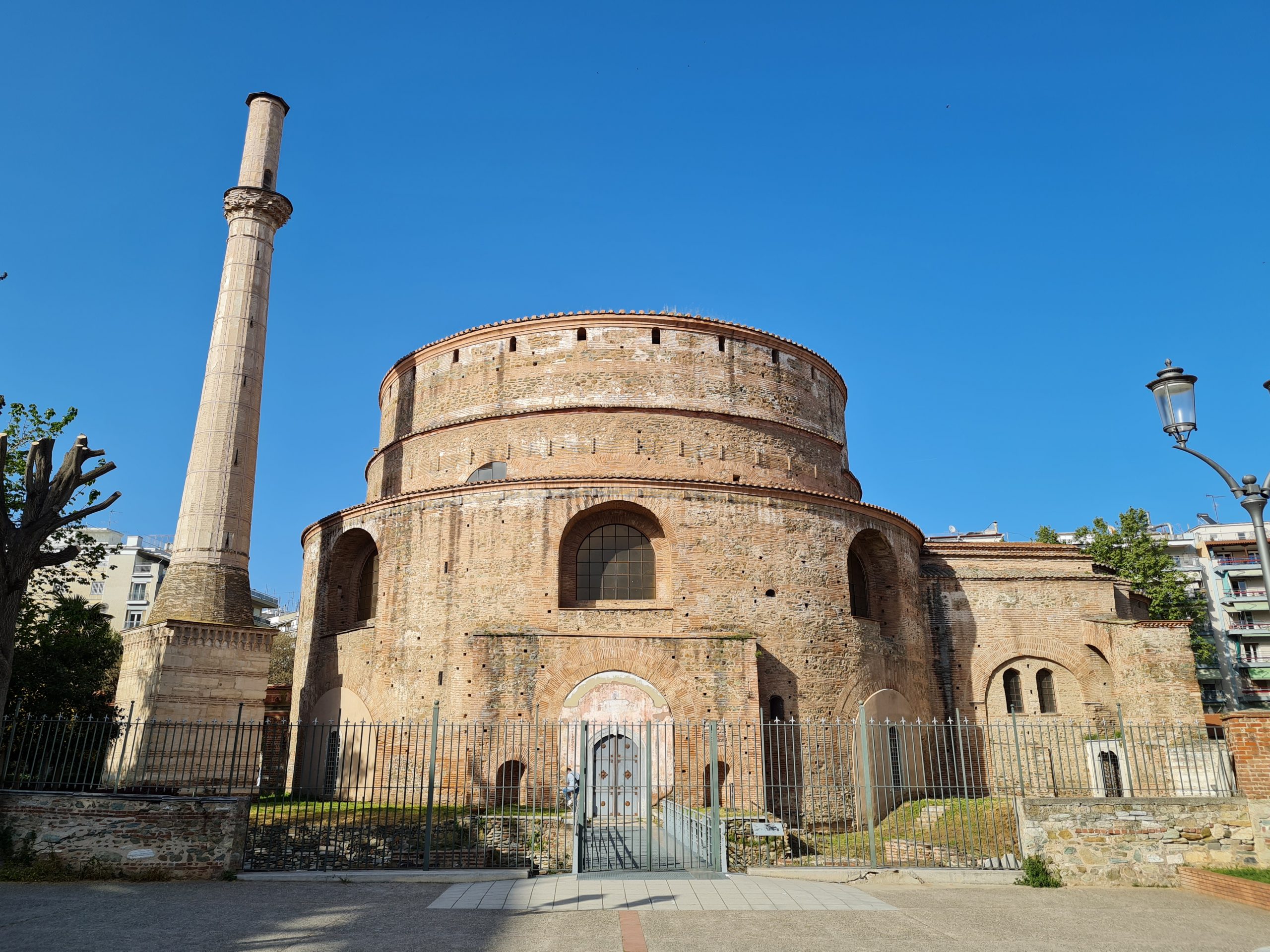
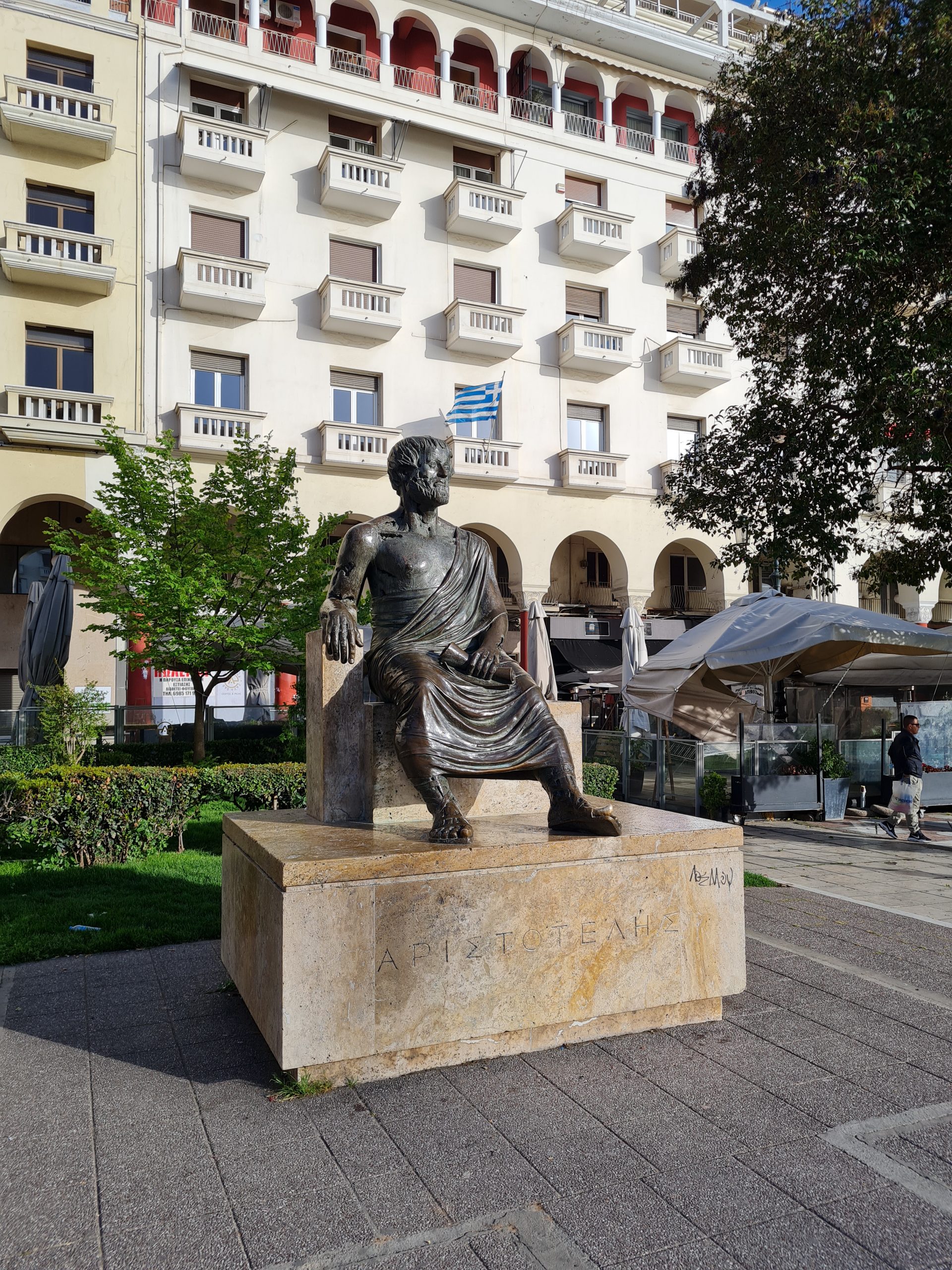
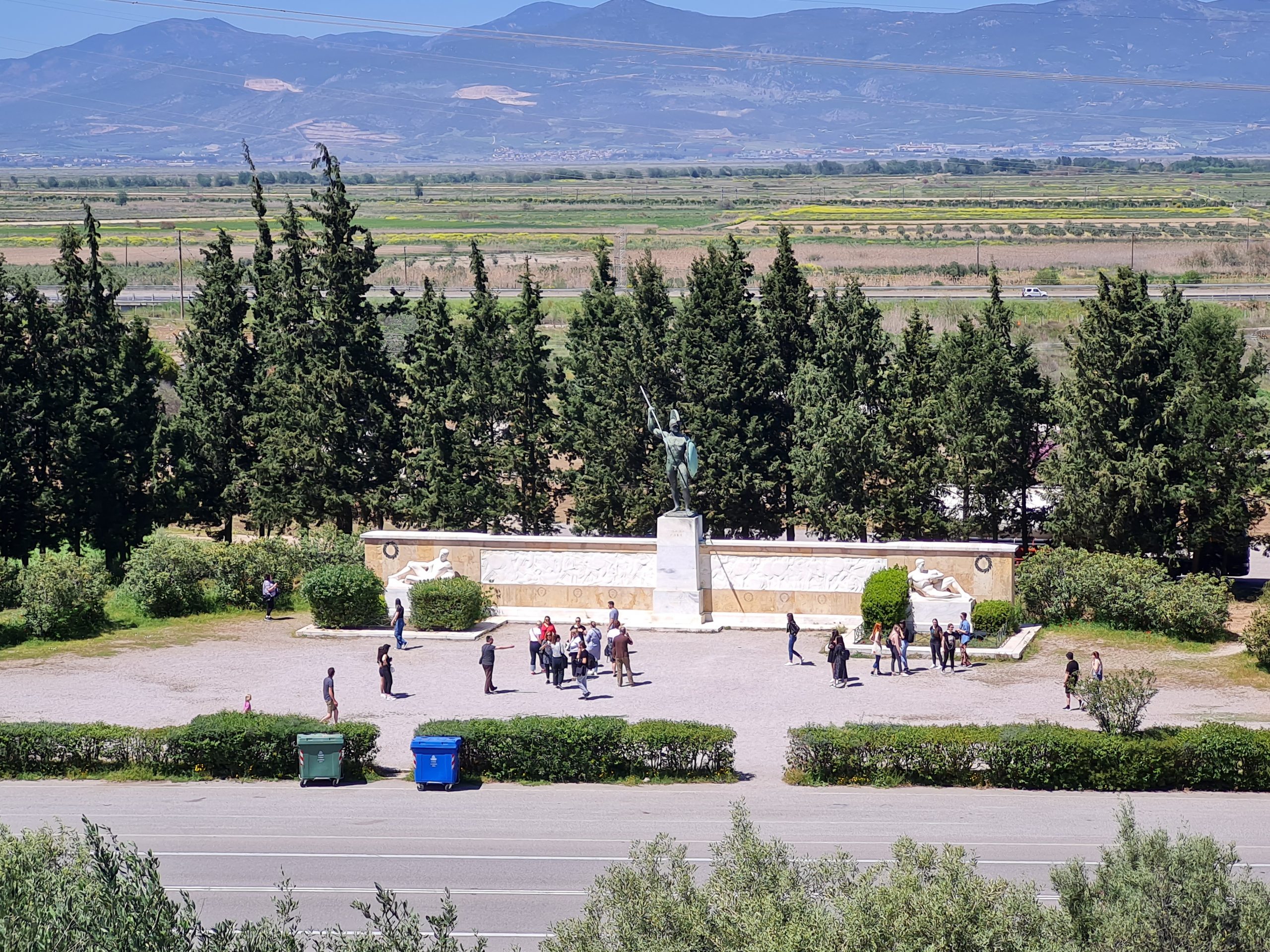
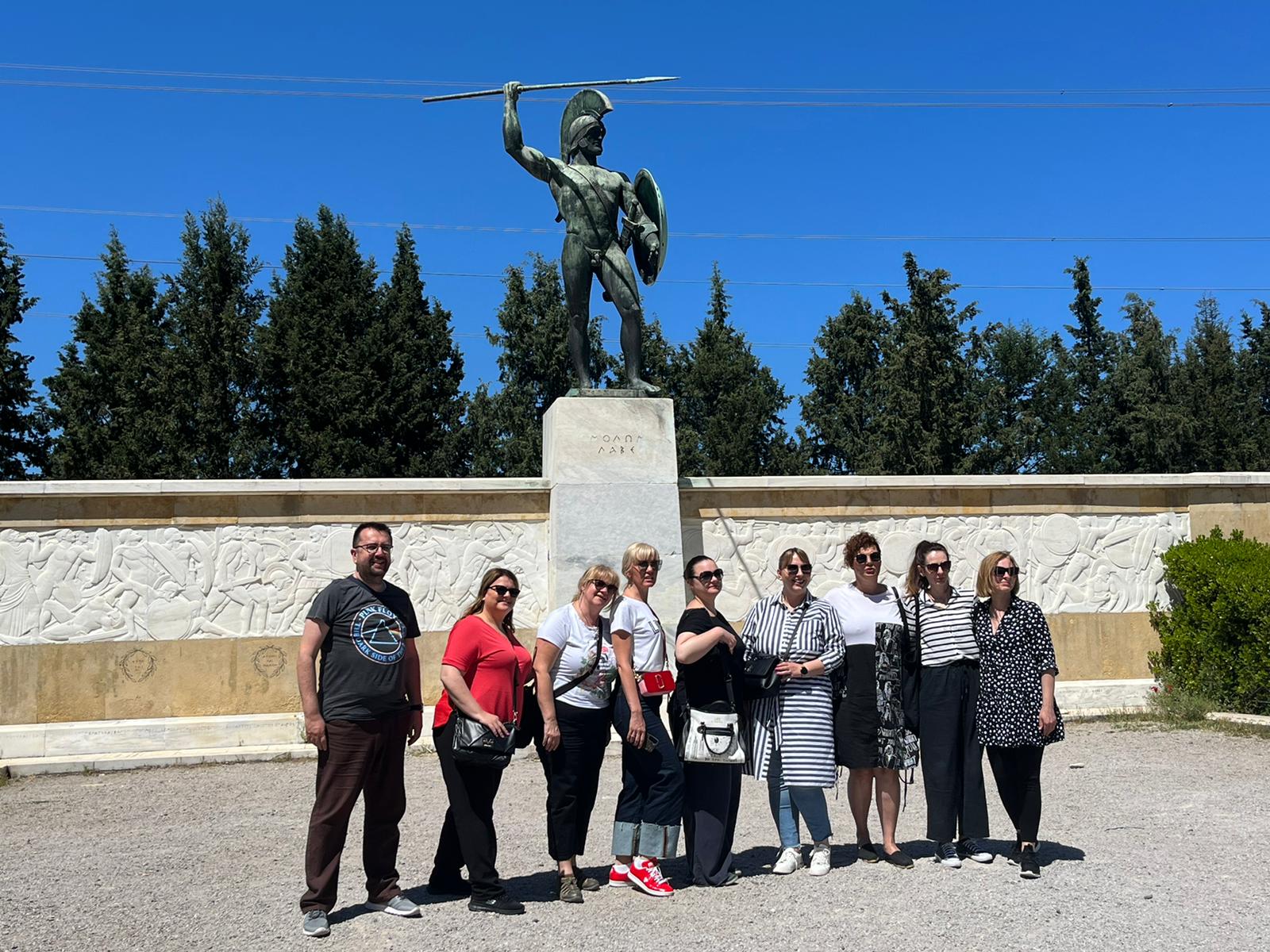

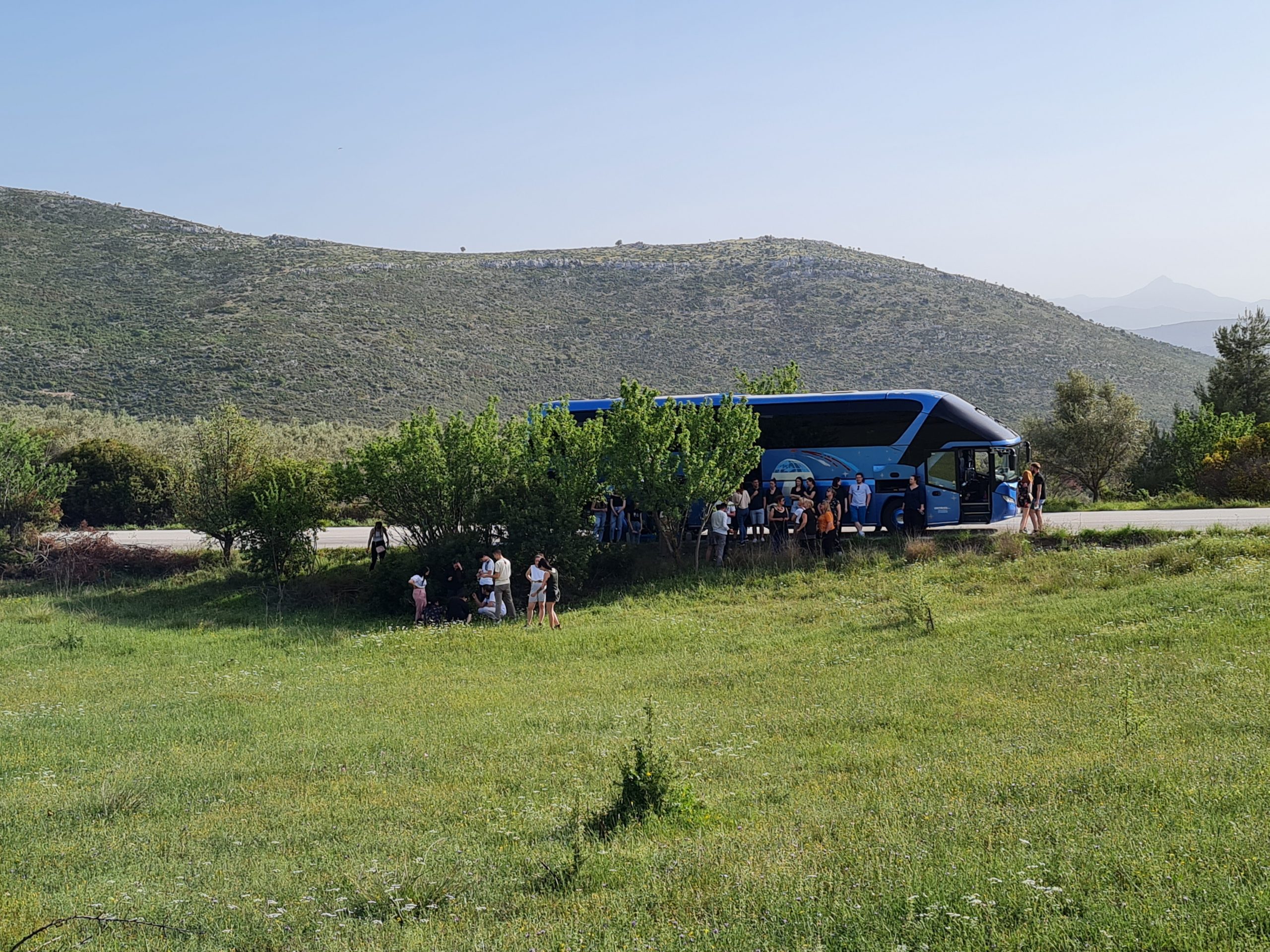
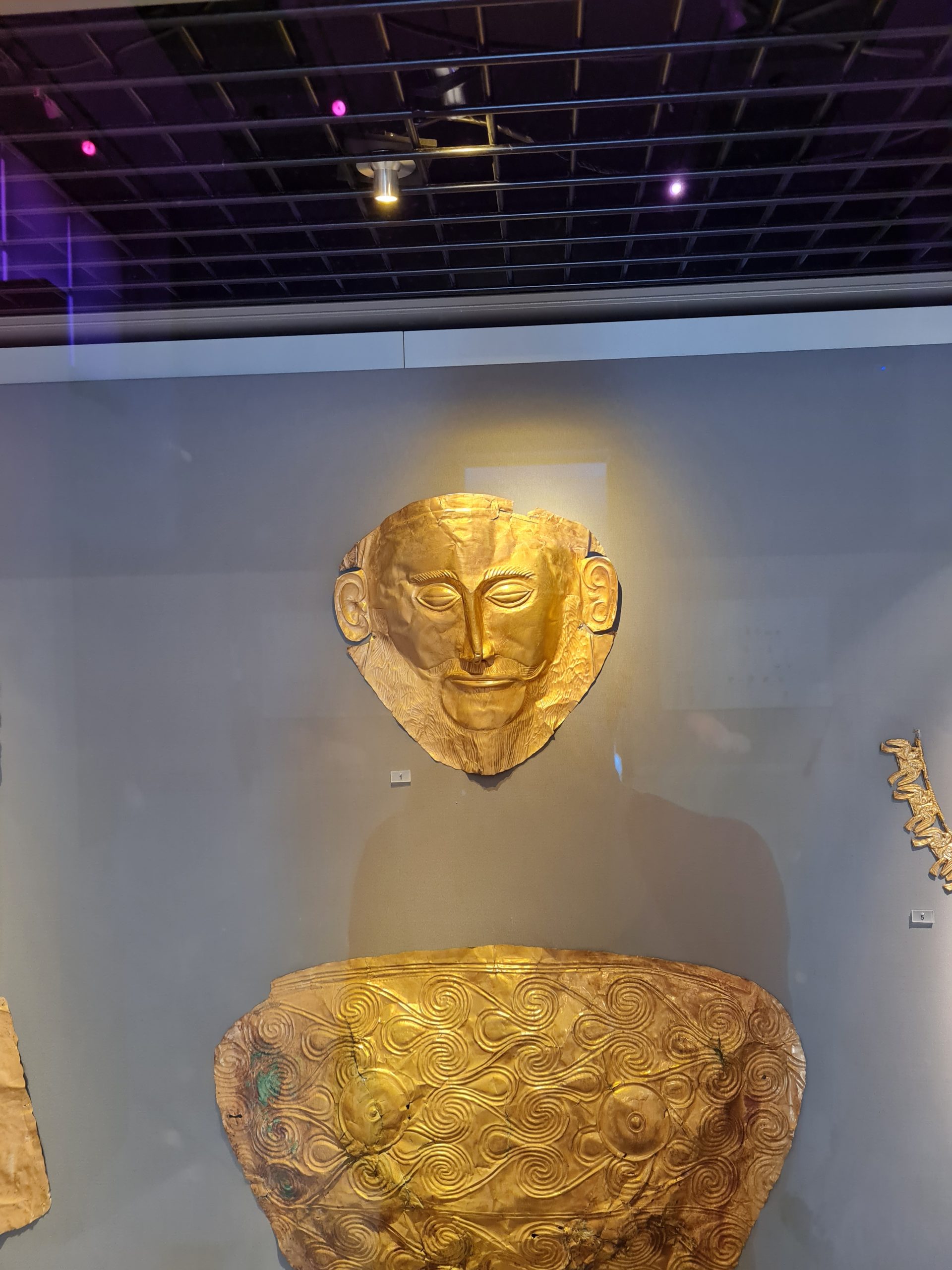
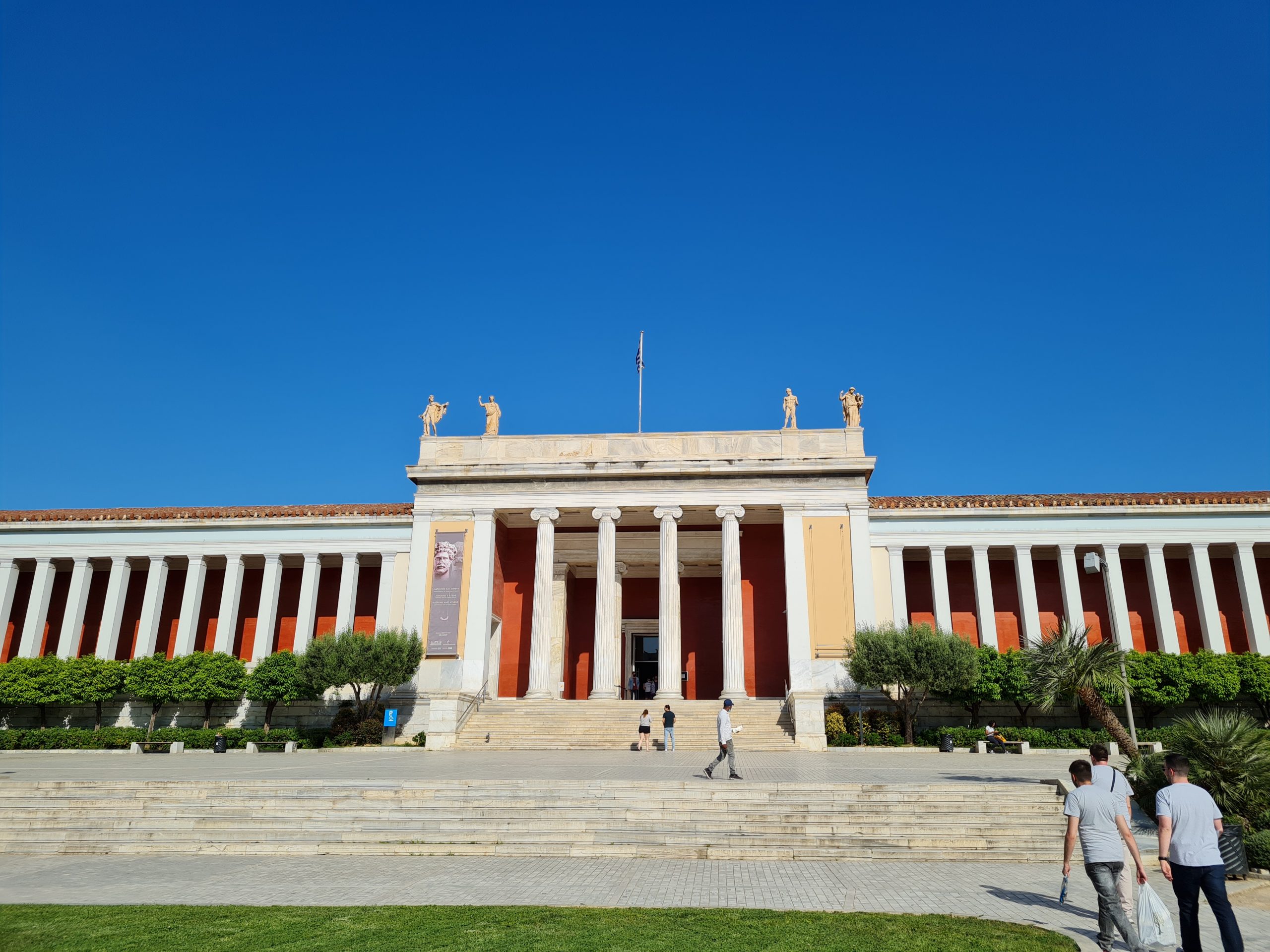
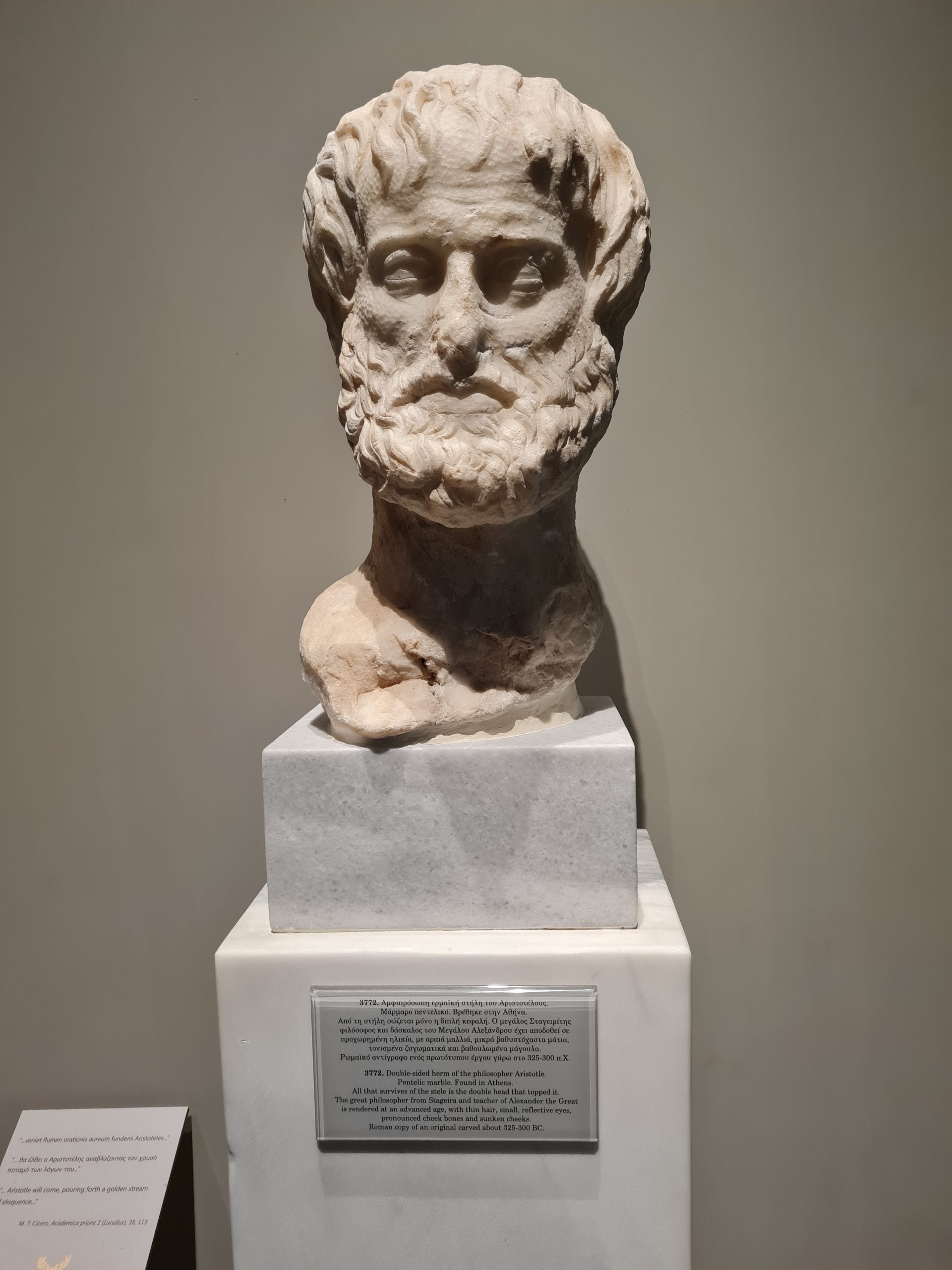
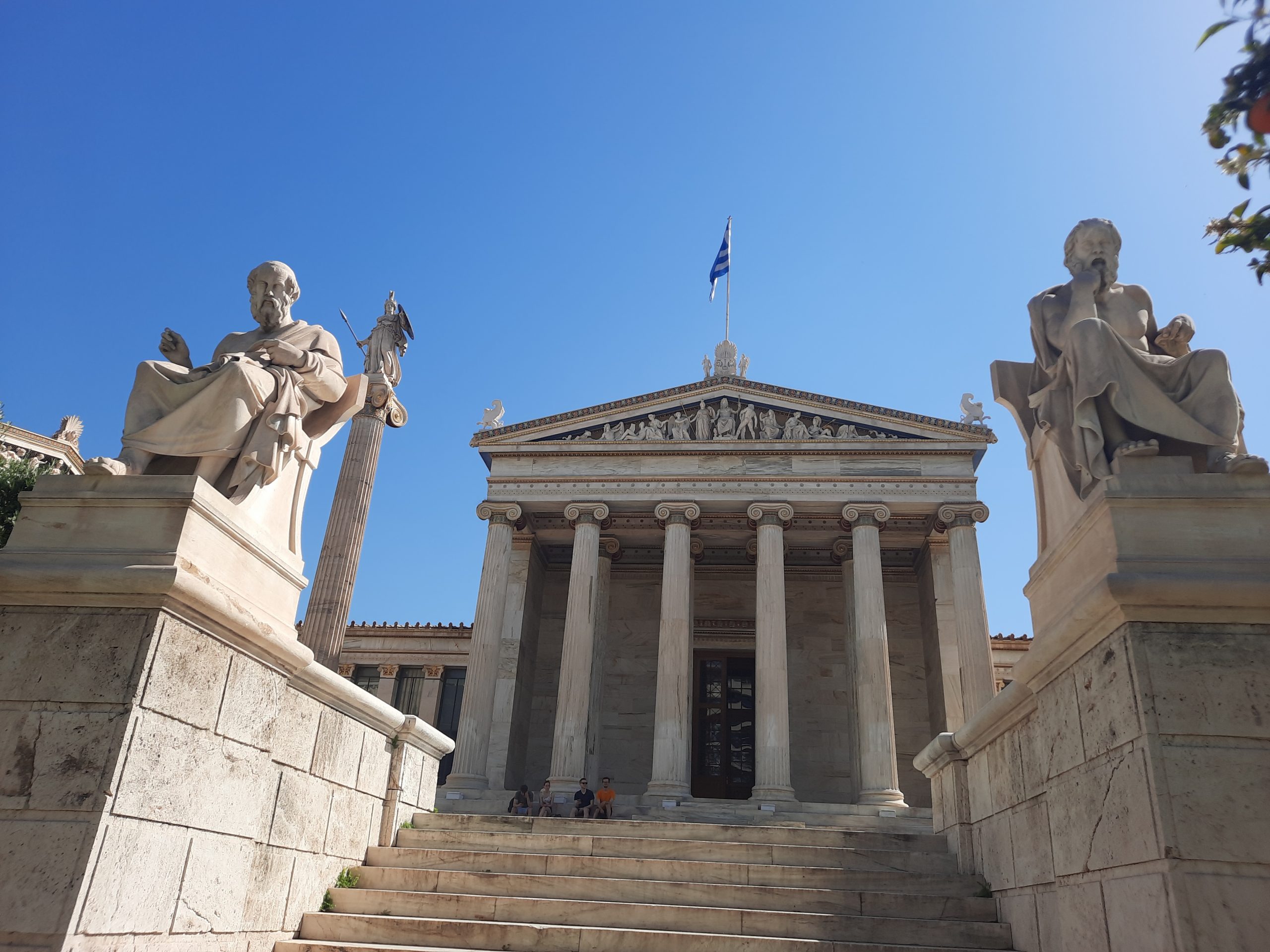
♦ 19 April 2022 ♦
Guest at EstLab:
Zoran Roško
↓↓
Conversation at the Aesthetics Laboratory:
Literature in the Technosphere
****
Reality in the technosphere – but not only in the technosphere! – comes to Zoran Roško in the form of a television signal, mediated by our mind, regardless of whether it exists or does not exist.
“The world is psychic television: a human being, hypnotised by his own life, stares at the blank screen of his existence and suddenly, bang, images, feelings, thoughts and experiences appear on it. Every phenomenon is a demon that pursues us and projects itself into the eye of our spirit.” (Z. Roško)
The inherent mentality of our experience of which Zoran Roško speaks forces us at one point to ask: do I (do we) live in a simulation? Even if we do not, are we – because of the given “mental mode of being” – always compelled to choose one of the offered “Matrices” as the option of the “lesser evil”? Will the technicisation of nature and the human being end in their final translation into simulated reality, in which the artificial has completely “swallowed” the natural and in which, as Gibson wrote in the opening sentence of Neuromancer, “the sky above the port was the colour of television, tuned to a dead channel.”
[What do we mean when we say that with] “…the ever-accelerating development of technology, our perception of reality is being disrupted? Technology is becoming faster than our experience of reality, and because of this temporal distortion a change occurs in the very fabric of what is ‘real’ for us.” (Z. Roško)
Modern technology does not merely produce artefacts in reality; it penetrates the very ontological structure of existence, relentlessly devouring time and space and replacing reality itself with the reality effect (P. Virilio). In this infosphere populated by inforgs (L. Floridi), information itself, as speed, becomes the third dimension of matter alongside mass and energy.
What lies behind the “innocent” thought “that one day a machine might work (and think) by itself”? In addition to the unimaginable possibilities for the development of artificial intelligence, it inaugurates an age in which we are witnessing radical changes in philosophical positions concerning what it means to be human in the age of post-anthropocentrism. This is posthumanism, or a collection of diverse, sometimes opposing, views on contemporary biotechnological development and the related change in the human relationship toward the environment, animals and one’s own being. From optimistic views such as transhumanism (D. Haraway), which even predicts the transformation of the human body into information (the idea of uploading the mind into a computer), to bioconservative (F. Fukuyama) and openly antihumanist positions (N. Land), posthumanism also brings with it a certain degree of distrust of the future. Is our desire for self-transformation and enhancement, reflected in the principles and values of transhumanism and posthumanism, merely a consequence of cynicism and disappointment in the possibility of cultural, social and political transformation? Some of us are becoming, perhaps without justification, extremely suspicious of information technology as a whole: did humanity do well to “awaken” inorganic matter in the form of information technology and artificial intelligence within nature? Or has it always been “awake”, merely in its own way, in the form of inorganic intelligence (to use our guest’s expression), which we had simply failed to notice…?
From a practical standpoint, the question arises whether algorithms, as methodological tools increasingly used by scientists in their work, are capable of overcoming the problems science encounters in its development today. It is known that in a recent scientific study (https://www.independent.co.uk/tech/ai-algorithm-discovers-hidden-plants-alien-life-kepler-tess-data-a9689381.html) they helped detect around fifty exoplanets potentially suitable for life from a “heap” of big data, something that had escaped the scientists themselves. More generally, as algorithms begin to “create” technical, scientific and literary texts, a discussion is also beginning about the future of literature (or the literature of the future).
 We will discuss all of this with Zoran Roško, a graduate in philosophy and comparative literature, author of the book of theoretical texts More Paranoid than Love, More Fun than Evil (2002) and three postmodern novels Beauty Eats People (2011), Minus sapiens (Oceanmore, 2017) and Bogart and Seranoga (Oceanmore, 2020). For the novel Minus sapiens, he received the Janko Polić Kamov Award in 2018 (https://mvinfo.hr/clanak/zoran-rosko-dobitnik-nagrade-janko-polic-kamov-za-roman-minus-sapiens). He edited the collection of translated stories by innovative American authors My Nightmares Are Too Beautiful for This World (Oceanmore, 2010). He was an editor at the journals Libra Libera, Quorum and Tvrđa. For five years he served as editor-in-chief of the biweekly magazine for culture and social affairs Zarez. He also maintains two blogs: Roškofrenija (http://roskofrenija.blogspot.com) and Zoran Rosko Vacuum Player (http://zorosko.blogspot.com). Since 1986 he has worked at the Zagreb City Libraries as a librarian-information specialist.
bb
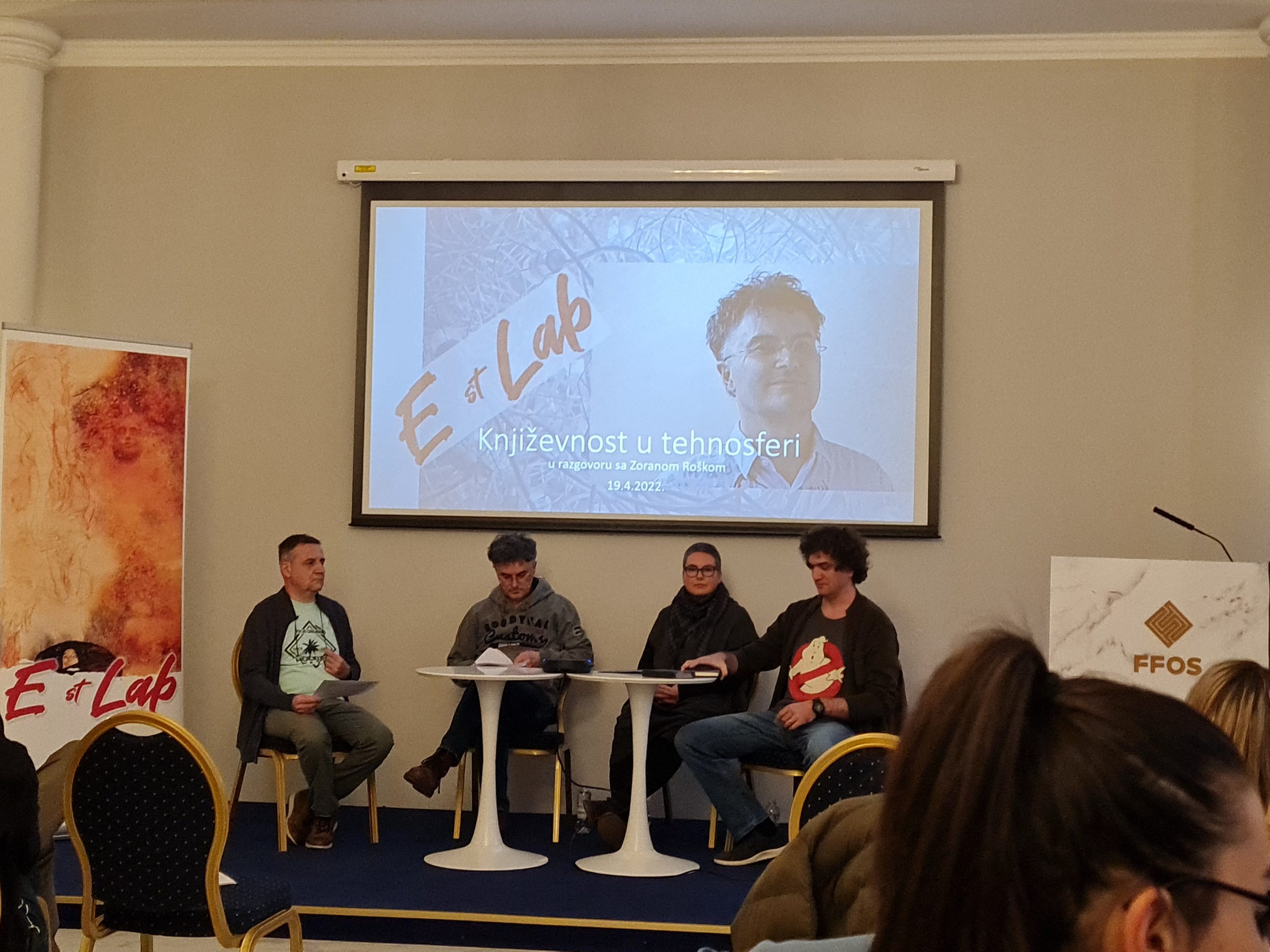
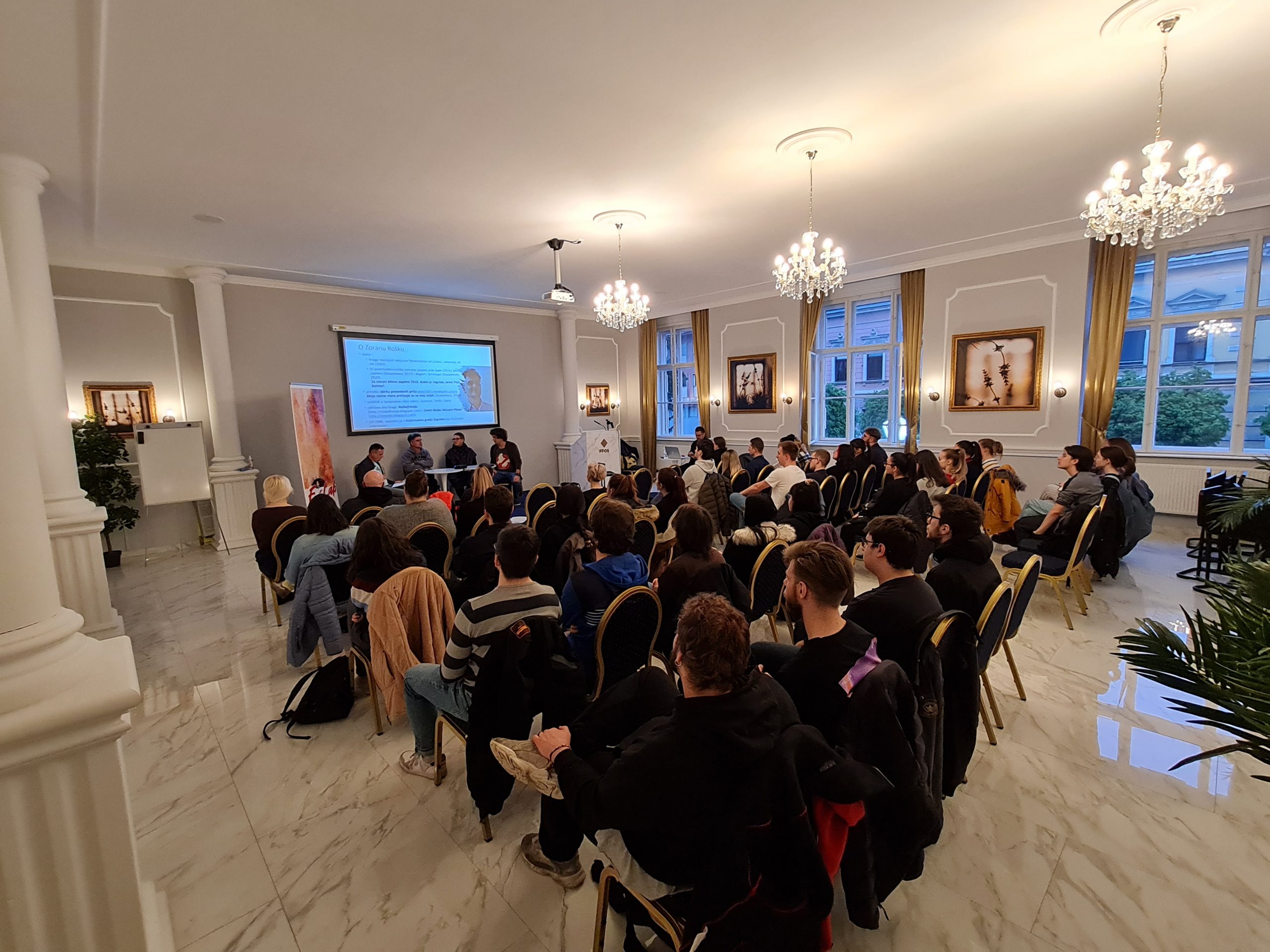
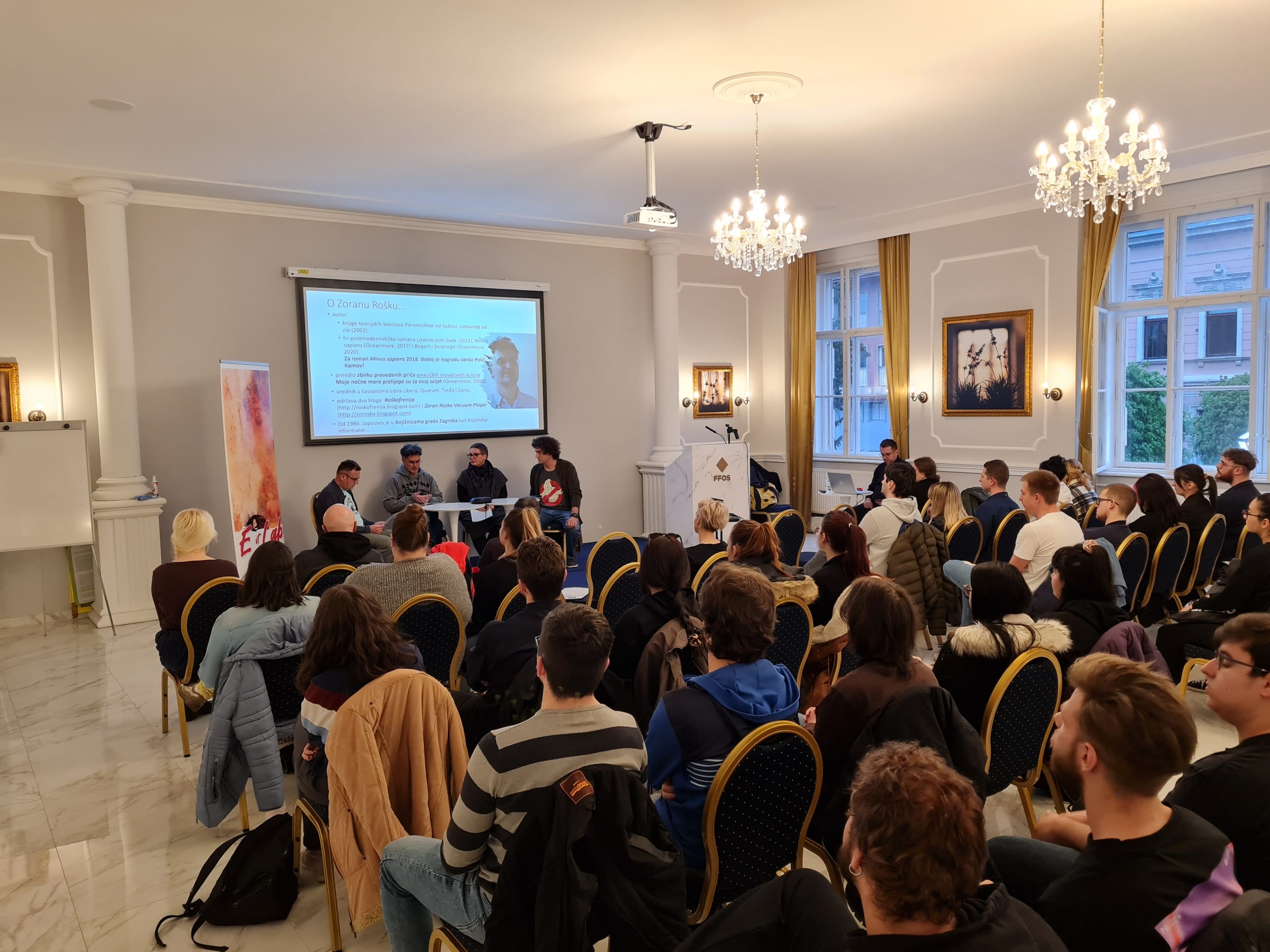
♦ 15 March 2022 ♦
Guest at EstLab:
Prof. Kristijan Krkač, PhD
↓↓
Conversation at the Aesthetics Laboratory:
From the Tractatus to Language Games – “The Wittgenstein Case”
****
“The world is everything that is the case… The world is not made up of things but of facts.”
(Tractatus Logico-Philosophicus, L. Wittgenstein)
 This is the beginning of one of the most exciting episodes in the history of twentieth-century philosophy (and not only philosophy). Written in the trenches of the First World War and first published – in a bilingual English/German edition – exactly a hundred years ago, the text has acquired cult status today. Why is the Tractatus Logico-Philosophicus still important to us? What places this text, barely a hundred standard pages long, in the history of so-called “Western” philosophy and also cultural heritage? Its originality, but also its unquestionable brilliance. It was written without any scholarly-verificatory apparatus: there are no footnotes or references to philosophers and the so-called “history of philosophy”. And precisely for that reason it remained… misunderstood. Wittgenstein’s version of Russell’s “logical atomism”? “Philosophy as the logical syntax of scientific language” (Carnap)? Complete interpretive failures! Proposition 5.5563 of the Tractatus shows that this is precisely what is at stake. Namely, non-understanding…
For ten years after this work he neither spoke nor wrote anything in/about philosophy. One might say, rightly so. For Ludwig Wittgenstein was wrong if he thought he could describe the world through logic and picture. Only the posthumously published Philosophical Investigations, available to us in full, would expose this quixotic adventure. The world, in fact, consists of family resemblances, rules of speech, Lebensformen and, last but not least, “language games”. It is a matter of – culture. Of its semiotics… Besides LANGUAGE as the privileged bearer of thought, imagination and dream, language is above all a means of communication among people in a cultural – more or less civilised – ethnic, customary… community. The “mature” Wittgenstein merely confirms the overconfident young man of the Tractatus. All our communication is – conditioned by circumstance… Every use we make of language is tied to a deed, an act, a use.
We will discuss all of this with Kristijan Krkač, a man who has devoted a considerable part of his life precisely to studying Ludwig Wittgenstein. This includes books, articles, public appearances… Does Wittgenstein still matter today for the so-called “philosophy of science”? Or is he, in fact, the bearer of that poetic-artistic inspiration that reveals to us the greatest treasure of our being – LANGUAGE!?
“Philosophy can actually only be sung… A philosophical book might be entitled ‘On the Wonders of the Jungle’.”
mk
Kristijan Krkač, PhD (b. 1970), has been a professor at the Zagreb School of Economics and Management (ZŠEM) since 2003. Before joining ZŠEM, he was an associate professor at the Faculty of Philosophy and Religious Studies, University of Zagreb (1996–2017). He has been a visiting professor at Sciences Po Lille (France) and RISEBA University (Latvia). His research interests are mainly in business ethics, CSR and sustainability, as well as in the philosophy of Ludwig Wittgenstein. In these fields he has published 12 books and has edited or co-edited eight textbooks and conference proceedings; as guest editor, he also edited an issue of the journal Social Responsibility. He is the author or co-author of more than 120 original research, professional and review articles, book chapters and encyclopaedia entries. He has published with De Gruyter, Springer, Ashgate, Emerald and the Austrian Ludwig Wittgenstein Society.
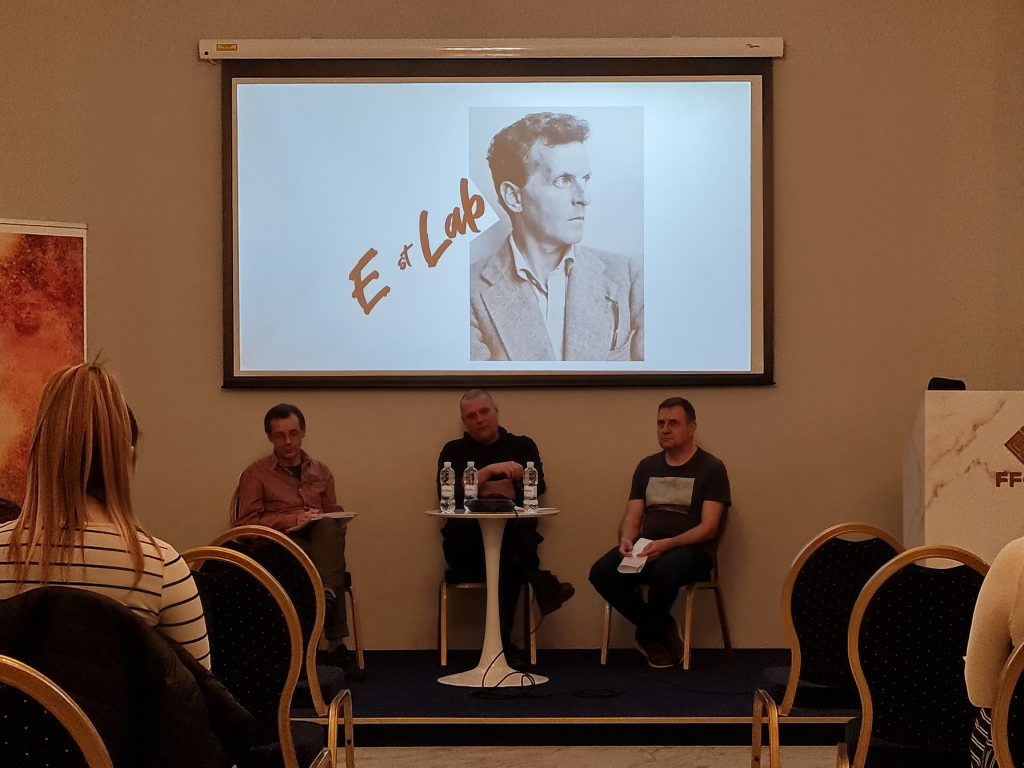
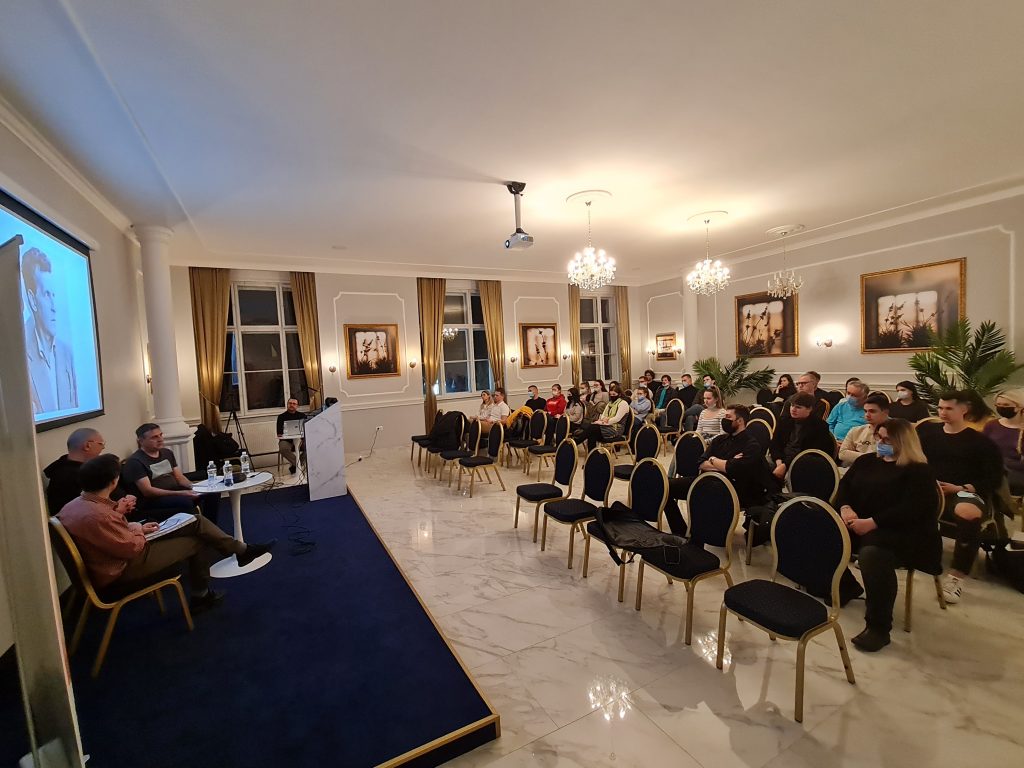
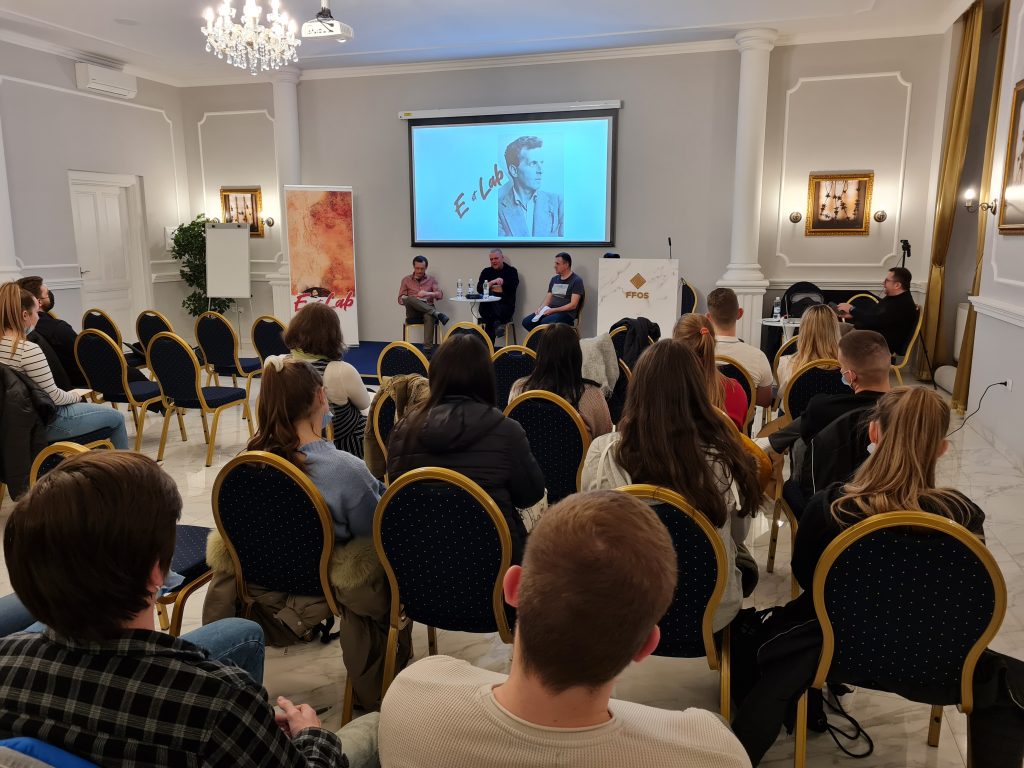
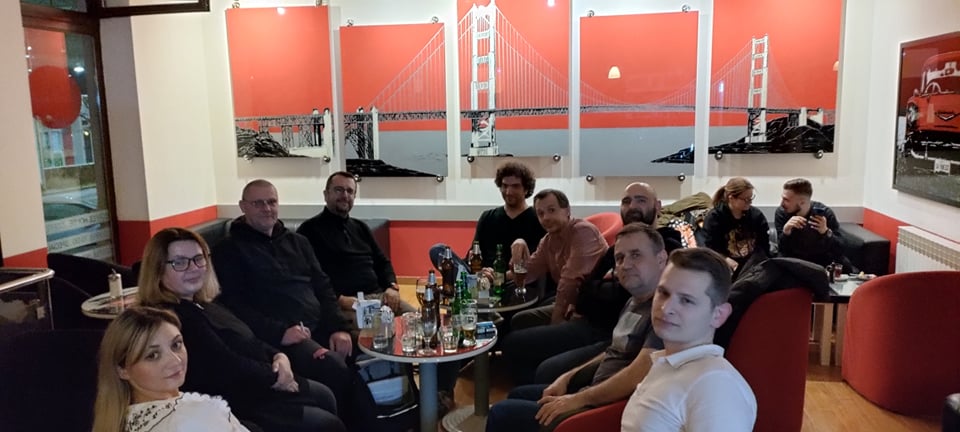
♦ 20 and 21 January 2022 ♦
Guest at EstLab and the Department of Philosophy:
Prof. Lino Veljak, PhD
↓↓
Conversation on a Special Occasion at the Aesthetics Laboratory:
Challenges of Our Time
Thursday, 20 January
****
Lecture:
“The Affinity of Ontology, Aesthetics and Ethics”
Friday, 21 January
****
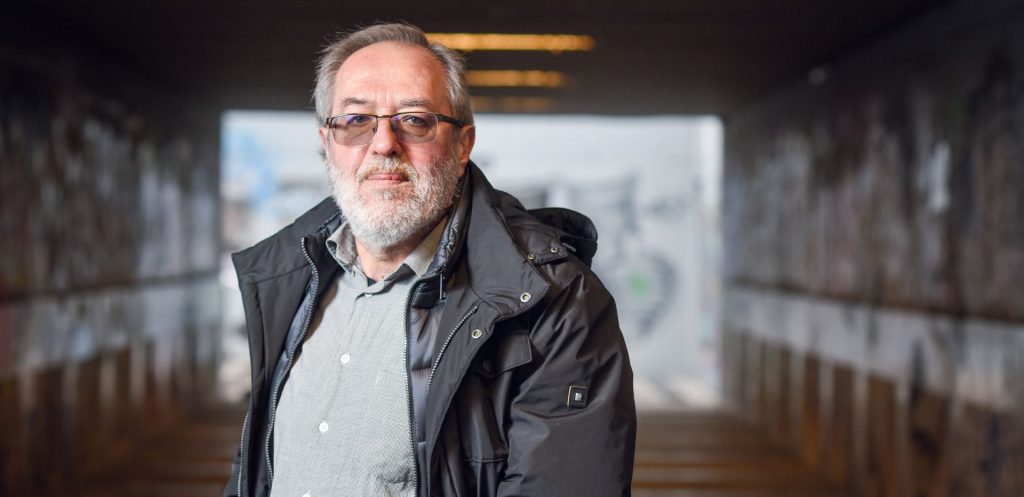
Born in Rijeka in 1950, he graduated (1973), earned his master’s degree (1976: Philosophical Foundations of the Theory of Reflection) and his PhD (1982: Antonio Gramsci’s Philosophy of Praxis) at the Faculty of Humanities and Social Sciences in Zagreb. From 1974 to 1976 he taught philosophy and logic at the Second Gymnasium in Zagreb. In 1976 he became an assistant at the Institute of Philosophy of the University of Zagreb (from 1978 the Department of the History of Philosophy at the Centre for Historical Sciences, where in 1978 he obtained the research rank of research assistant). From 1979 he worked in the same rank at the Chair of Theoretical Philosophy, Department of Philosophy, Faculty of Humanities and Social Sciences in Zagreb; in 1983 he was appointed assistant professor, in 1990 associate professor, and in 2002 full professor. From 1992 he served as Head of the Chair of Ontology. He temporarily served as Head of the Department in 1982/83. From 1992 to 1994 and from 2006 to 2010 he was Head of the Department, after which he became Deputy Head. From 2005 to 2020 he was also Head of the postgraduate doctoral programme in philosophy at the Faculty of Humanities and Social Sciences, University of Zagreb. In the 1990/91 academic year he was a Humboldt Fellow at the University of Frankfurt. He has been a guest at numerous Croatian and foreign universities. He led several research projects, has been a member of various editorial boards and advisory boards of philosophical journals, and served several times on the Executive Board of the Croatian Philosophical Society, of which he was president from 2009 to 2011. He served several terms as a member of the National Committee for Philosophy and Theology and chaired that committee from 2017 to 2020.
Selected bibliography: https://www.bib.irb.hr/profile/29085
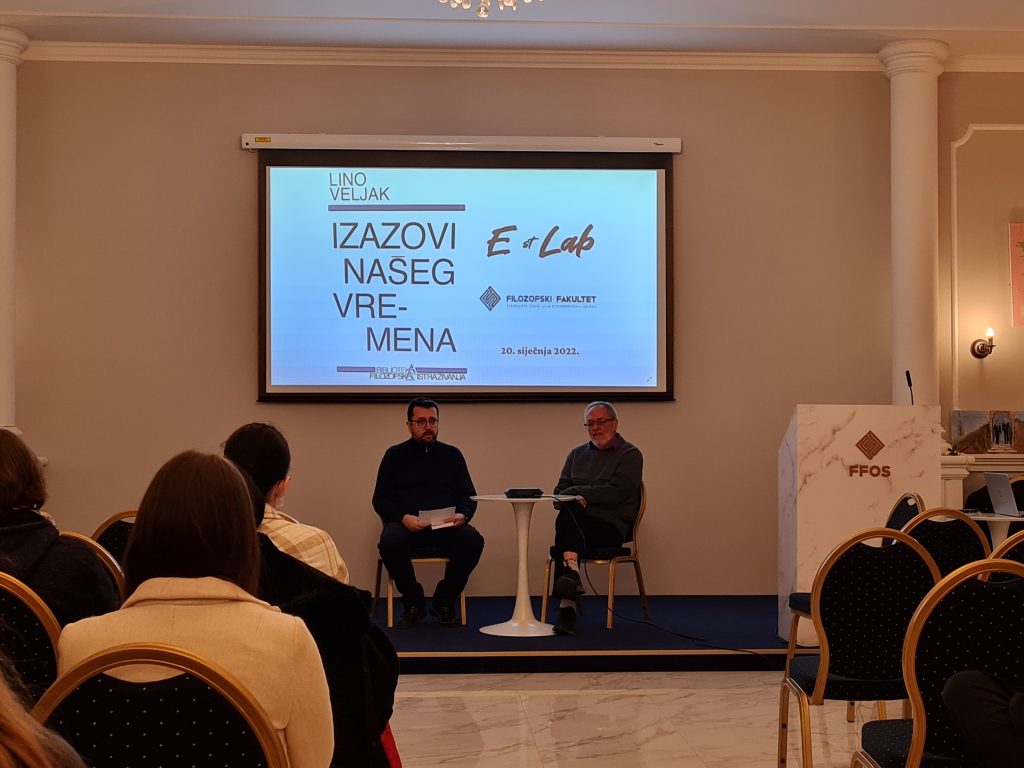
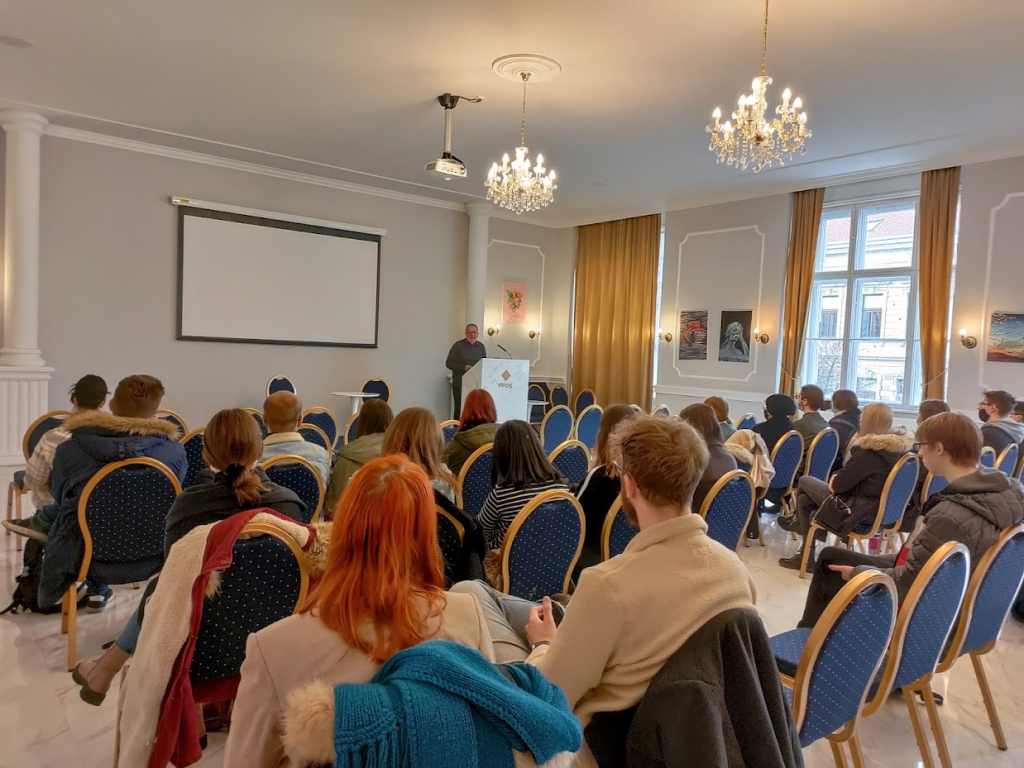
♦ 21 December 2021 ♦
Conversation at EstLab
↓↓
Writing and Metamorphoses of the Soul. Fyodor Mikhailovich Dostoevsky
Moderator: Prof. Željko Senković, PhD
****
Fyodor Mikhailovich Dostoevsky (1821–1881) is a world-renowned writer whose influence on our age has been exceptional. Both contemporary and timeless, he wrote masterpieces such as Crime and Punishment, The Brothers Karamazov, Notes from Underground and The Idiot. As a man he suffered (he survived a staged execution by firing squad and a Siberian prison camp), while as a writer he told extraordinary stories and developed a poetics of the transformation of humanity. This great connoisseur of the soul explored the inner spaces of the human being, with their numerous “cellars and floors”, seeking freedom and purity capable of overcoming the horrors of the external world: “To take a new step, to utter a new word, is what people fear most.” Faced with evil and misfortune, throughout his work Dostoevsky sought to affirm personality and love, frequently addressing suffering and faith: “All people are connected by mysterious threads, and a true relationship to life is measured by unconditional love that transcends the limits of reason.”
Igor Gajin, Boris Bosančić and Željko Senković will discuss the fundamental characteristics of this great writer.
“In every person’s memories there are things he does not reveal to everyone,but only to friends. There are also things he will not tell even his friends, butonly himself, and even then in confidence. And finally there are things a person must notreveal even to himself; every decent person has quite a number of those.”
(F. M. Dostoevsky: Notes from Underground)
♦ 12 October 2021 ♦
Conversation at EstLab
↓↓
100 Years of “Capitalism as Religion”
Moderator: Prof. Marijan Krivak, PhD
****
 What is this “everyday capitalism” of ours? What are the premises of the doctrine – though in fact it is no doctrine at all! – that teaches us the “Our Father” of eternal acquisition and prestige measurable only by the insane game of profit figures that mean… What do they mean?
Precisely and exactly – nothing!
In capitalism everything is rational except… Capital itself. This insight by Fredric Jameson – one readily quoted by Slavoj Žižek – reveals the ontological structure of the “thing itself” (τὸ ὄν), which is… nothingness!
Walter BENJAMIN’s 1921 fragment explicitly deals with “Capitalism as Religion”. What is religion today? What is its credo? To make others believe as well. In what? In the endless cycle of the constantly repeated scheme: Commodity – Money – Capital. Today, however, it has turned into a circulus vitiosus: Information – Communication – Network. For… we are all entangled in the corporate networks of neoliberal capitalism as a “strategy for governing the world as a market” (Ž. Paić).
What do we believe in? Pardon, what are we taught that we should believe in? What are these “psychotechnics for controlling our desire”? We believe in the ETERNAL CHRISTMAS OF CAPITAL! The greatest economic achievements of “Our Beautiful Homeland” – up to 2019 and the arrival of COVID-19, and then again up to the “magnificent tourist summer of 2021” – were connected with… Advent. This is the “COMING” of the “bad infinity” (Hegel) and the corruption of the meaninglessness of Capital, as the sole subject-substance of the contemporary world. A 2020 graffiti in Toronto reads: Corona is the Virus, Capitalism is the Pandemic.
Exactly 100 years ago W. Benjamin wrote his fragment “Capitalism as Religion”. At EstLab’s philosophy session we discuss the enduring relevance of this incisive thesis. How is it possible for a “cult without (any) dogma” (Benjamin) to take such possession of our souls and minds? The text announces a moment of complete abolition of our greed and insatiability.
Through conversation we challenge all our prejudices and opinions about capitalism. And what could thought address today more urgently and necessarily, if not this?
mk
♦ 1 June 2021 ♦
Guest at EstLab:
Prof. Žarko Paić, PhD
↓↓
Conversation at the Aesthetics Laboratory:
Technosphere and “Transcending Life”
Moderators: Boris Bosančić, Milijana Mičunović, Davorin Ćuti
****
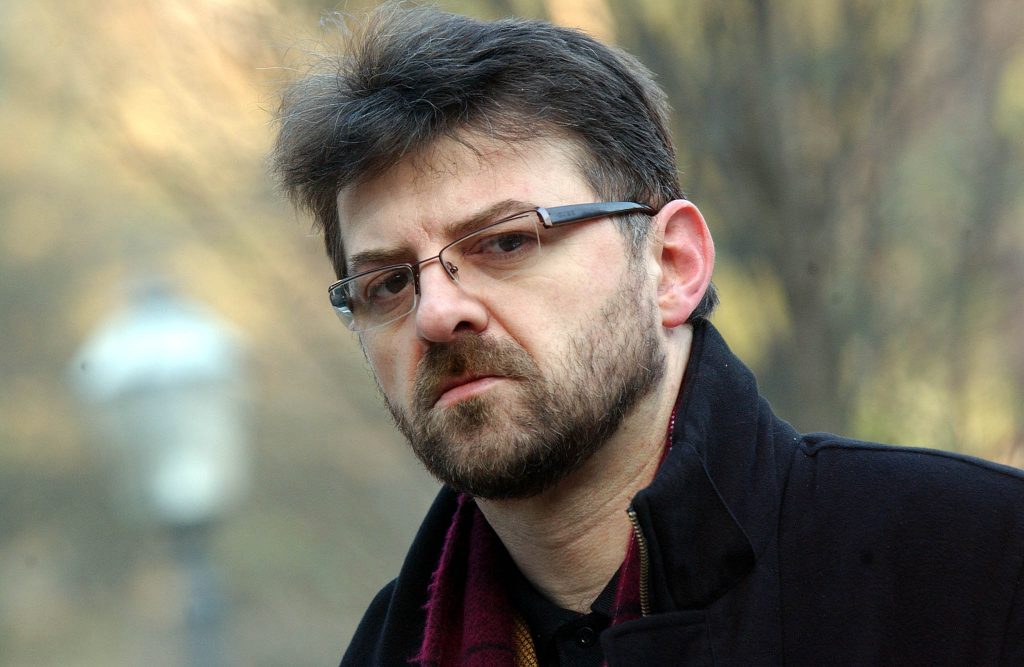
Our guest was ŽARKO PAIĆ, university professor, sociologist and philosopher, author of numerous papers and books in philosophy, sociology, the theory of culture and contemporary art, the theory of science, media, etc., editor-in-chief of the influential journal TVRĐA (https://tvrdja.hr/) and deputy editor-in-chief of the renowned annual EUROPSKI GLASNIK. Žarko is also the author of the five-volume work entitled Technosphere – a kind of ontology of the digital age – after which this EstLab section was named!
♦ 6 May 2021 ♦
Conversation at EstLab
↓↓
Writing and Freedom. Kafka’s Short Stories
Moderator: Prof. Željko Senković, PhD
****
 The EstLab event brings a talk and conversation about Kafka’s short stories, lesser-known short texts by the celebrated writer, led by Prof. Željko Senković. The term “Kafkaesque” describes the senselessness and paradoxical character of many aspects of modern society. Even if he was indifferent toward life, Kafka resisted an organised world that insists on our replaceability and creates superfluous people. We do not know how truly to be amid the advance of the inhuman, and so we merely subsist as shadows of what we could and should have been. Kafka’s sentence is stripped bare, which constitutes the distinctive beauty of his prose. For him, writing is a form of prayer, but also service to the devil. Presenting absurd and monstrous images of the world as lies, he states simple and relentless truths and reveals the abyss and desert of the modern simulacrum of power. He cannot be reduced to any established aesthetics or politics of our epoch; he remained distant from every ideology, yet he is nevertheless a wind of freedom and resistance. What does Kafka tell us, he who wished neither to teach nor to serve as a guide?
Participants in the conversation: Željko Senković, Marijan Krivak, Boško Pešić, Milijana Mičunović and Boris Bosančić
♦ 31 May – 2 June 2019 ♦
3rd Scientific and Professional Conference “Philosophy between Science and Religion”
↓↓
The 3rd scientific and professional conference “Philosophy between Science and Religion”, whose subtheme this year was “Freedom”, was held at the Jankovac Mountain Lodge in Papuk Nature Park from 31 May to 2 June 2019. The conference was co-organised by the Croatian Karl Jaspers Society, the Faculty of Education in Osijek, the Institute of Philosophy in Zagreb, the Department of Philosophy of the Faculty of Humanities and Social Sciences in Zagreb and the Catholic Faculty of Theology in Zagreb. This year the conference brought together students, doctoral candidates and teachers of philosophy from Osijek, Perugia in Italy, Rijeka, Zadar and Zagreb; while doctoral candidates and teachers participated actively with presentations, students mainly took the passive role of listeners. The official language of the conference was Croatian, and it had a total of 29 participants – 21 presenters (19 thematic presentations) and eight students.
The working part of the symposium opened on Saturday, 1 June, with Lino Veljak’s presentation “The History of the Concept of Freedom”, followed by Hrvoje Jurić with “Three Views on the Threefold Nature of Freedom”. The first session concluded with Boris Kožnjak’s presentation “(Un)freedom as the Will to Power”. The second session began with Boško Pešić’s “Aesthetics of Freedom”, followed by Danijel Tolvajčić and his discussion of Kierkegaard’s reflections “on freedom and anxiety as a precondition for the possibility of human self-realisation”. Pavao Žitko then presented “The Metaphysical Determination of Free Human Action in Relation to Otherness”, while the final presentation of the second session was delivered by Goran Kardaš under the title “Freedom as the Abandonment of Attributive Conceptualisation in Buddhism”. The third session began with Igor Mikecin’s “The Concept of Freedom in Hegel”, continued with Mislav Uzunić’s “Freedom and Experiment: A Hermeneutic Analysis of the Ontological Structure of Scientific Cognition”, and concluded with Dora Ivković and Ivica Kelam’s discussion of “The Educational Dimension of the Concept of Freedom through the Example of the Film The Shawshank Redemption”. The fourth and final session of the conference’s first working day opened with Aleksandra Golubović’s presentation “Education for Freedom”, after which Tomislav Krznar spoke on “The Relationship between Education and Freedom in the Thought of Milan Polić”. This was followed by Martina Ivanko and “Freedom and the Meaning of Life in Fink’s Philosophy of Education”, while the last presentation of the day was given by Marko Kos, who spoke about freedom and the reproduction of technology.
Saturday evening was reserved for what had by then become the traditional presentation of recent publications around a campfire, in the presence of the authors themselves: this year the books presented were Boško Pešić’s Portraits of Philosophy and Hrvoje Jurić’s Trials of Humanism.
The second working day, Sunday, 2 June, began with Damir Sekulić’s presentation “The Existentiality of Freedom in Jaspers”. This was followed by “Jaspers and Freedom – The Psychopathological Transformation of the World in Analogy with Artistic Creation”, presented by Luka Janeš and Roni Rengel. Darija Rupčić Kelam then presented “Philosophy of Love. Love as Freedom in Duration”, followed by Luka Perušić’s discussion of Jaspers, integrative bioethics and “liberation from the dangerous application of knowledge”. The last presentation on Sunday, and thus the final presentation of the conference, was delivered by Katarina Glavica under the title “Free Science in Popper’s Open Society”.
For the third time, the scientific and professional conference “Philosophy between Science and Religion” proved more than successful in fulfilling its original mission: the academic gathering of students and teachers of philosophy, as well as other scholars interested in philosophy, around a dialogical and interdisciplinary examination of philosophy, science and religion and their interrelationship. As the chair of the Organising Committee, Asst. Prof. Boško Pešić, PhD, wrote in the rationale for the first conference held in 2017, the present academic and social status of philosophy deserves urgent re-examination. We believe this is not only true but self-evident. By bringing together students, doctoral candidates, teachers and researchers in philosophy from across Croatia (and beyond), through its interdisciplinary and dialogical approach to the subject matter, and through its positive displacement into the genuinely restorative environment offered by a nature park, this conference, in our view, unquestionably contributes to the possibility and realisation of precisely such an independent re-examination. Finally, it should be noted that an accompanying bilingual book of abstracts was once again published (eds. Boško Pešić and Damir Sekulić), and publication of research papers based on the presentations was planned.
Natalija Antolović i Damir Sekulić
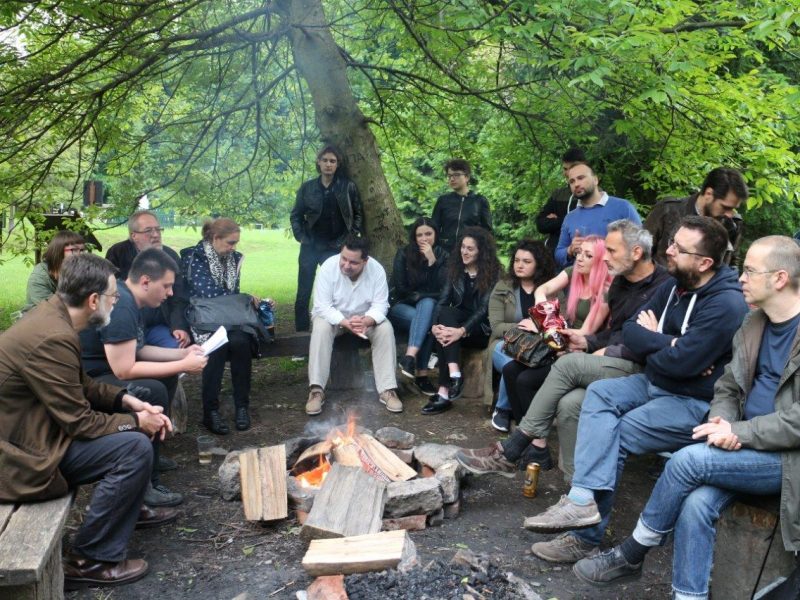
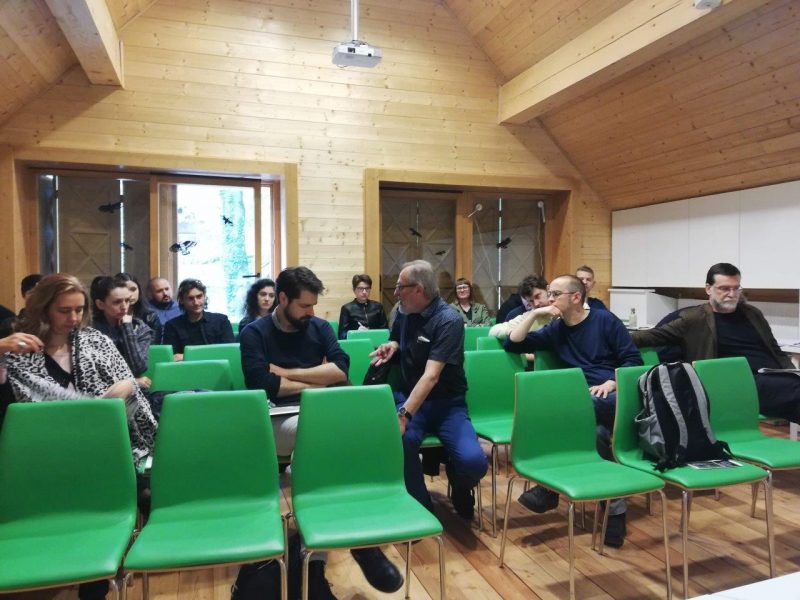
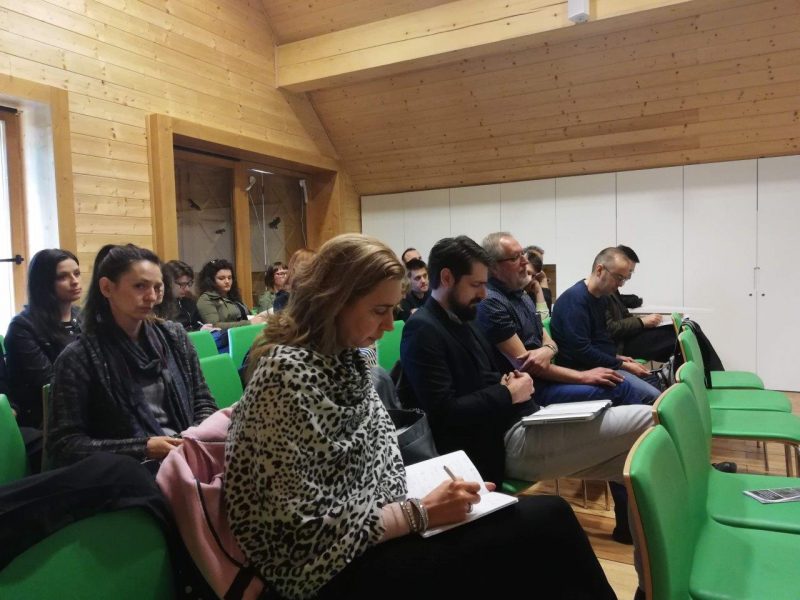
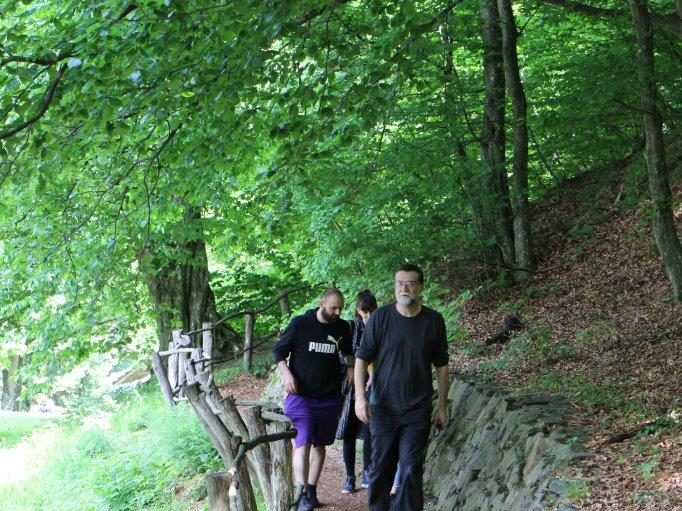
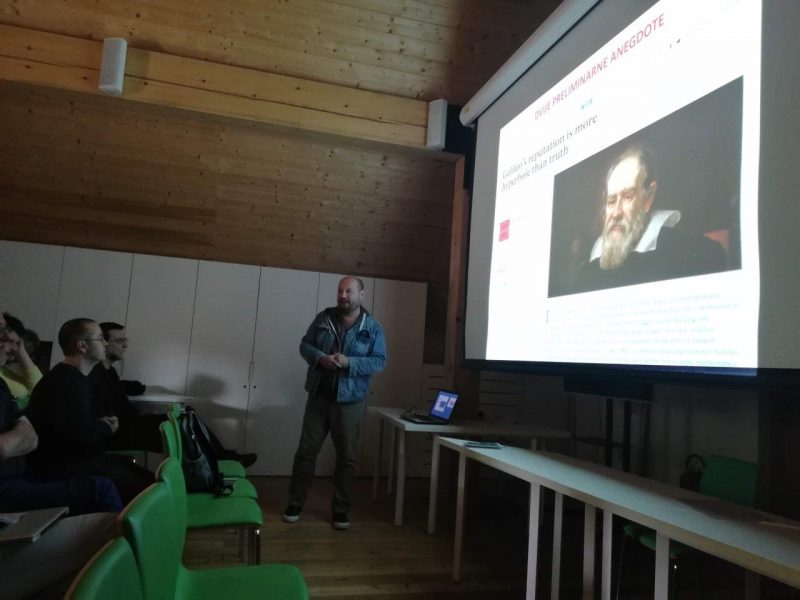
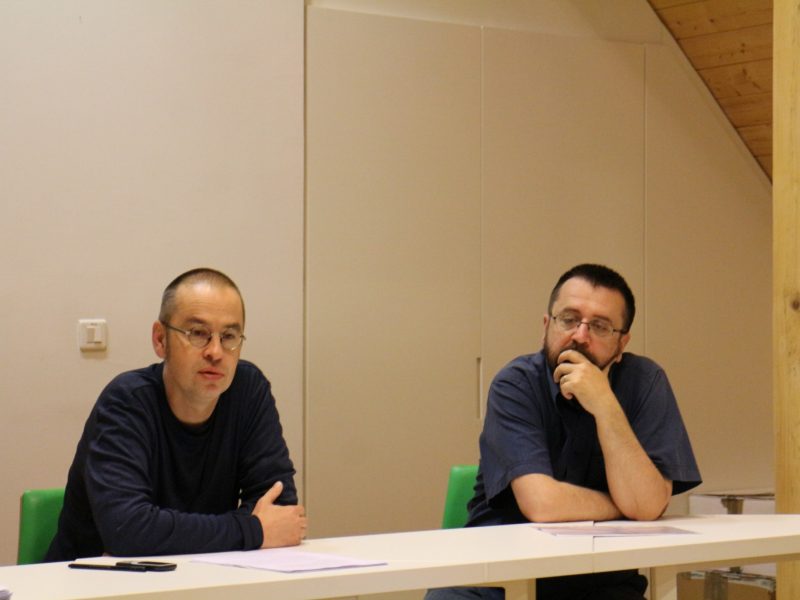
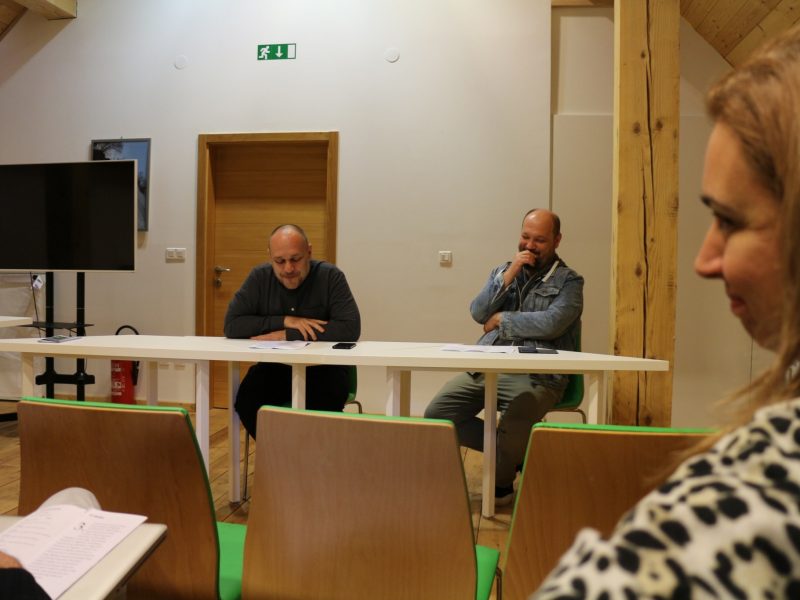
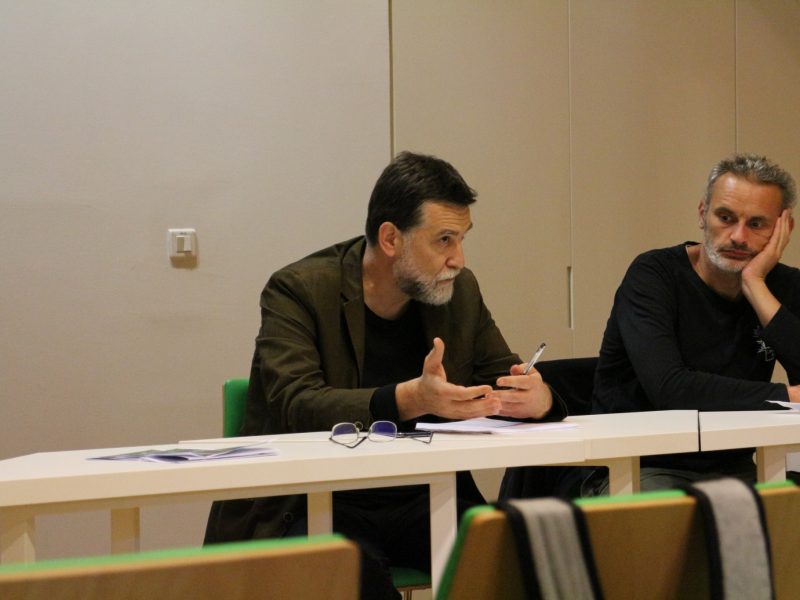
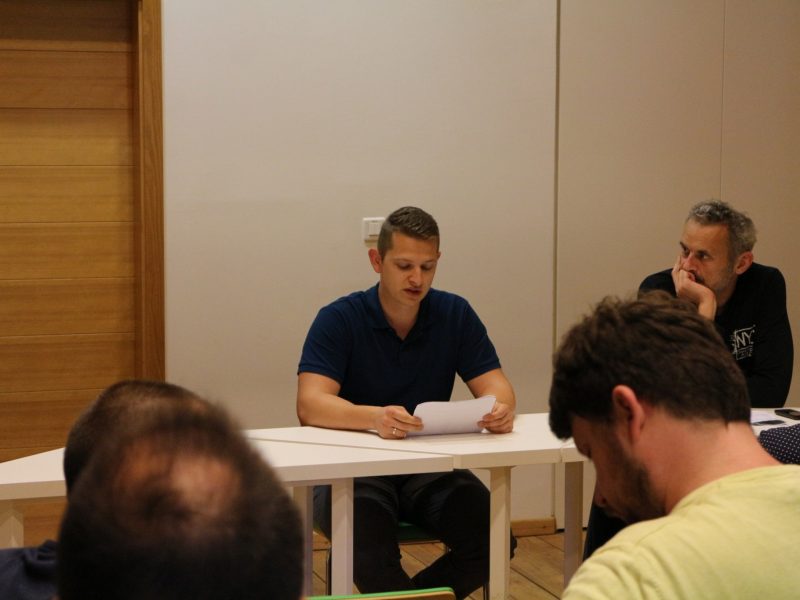
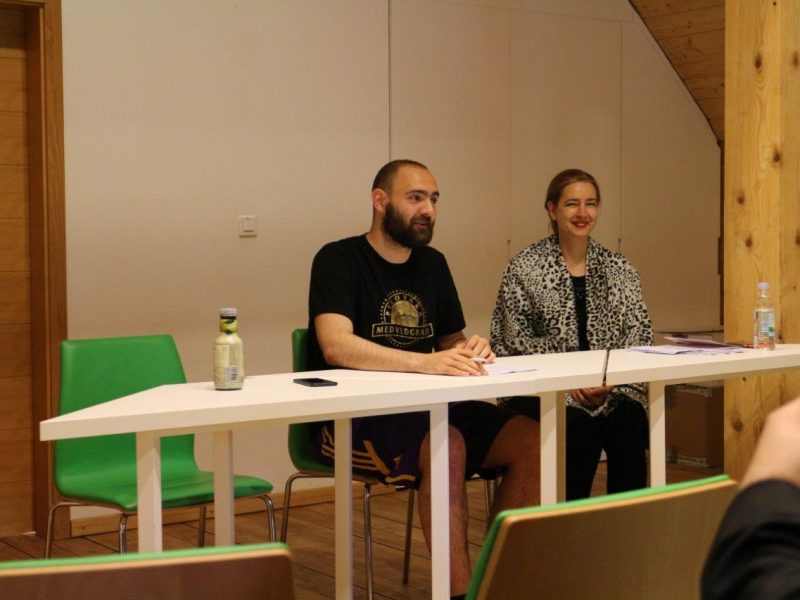
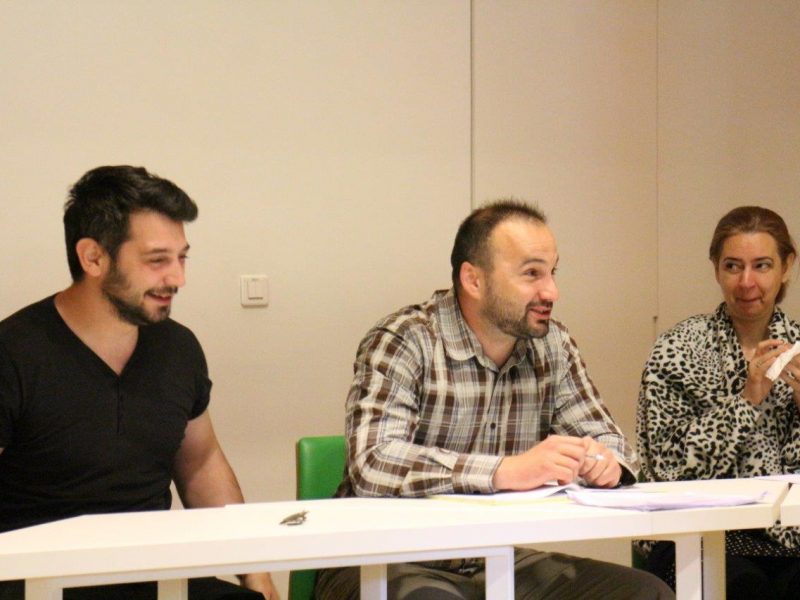
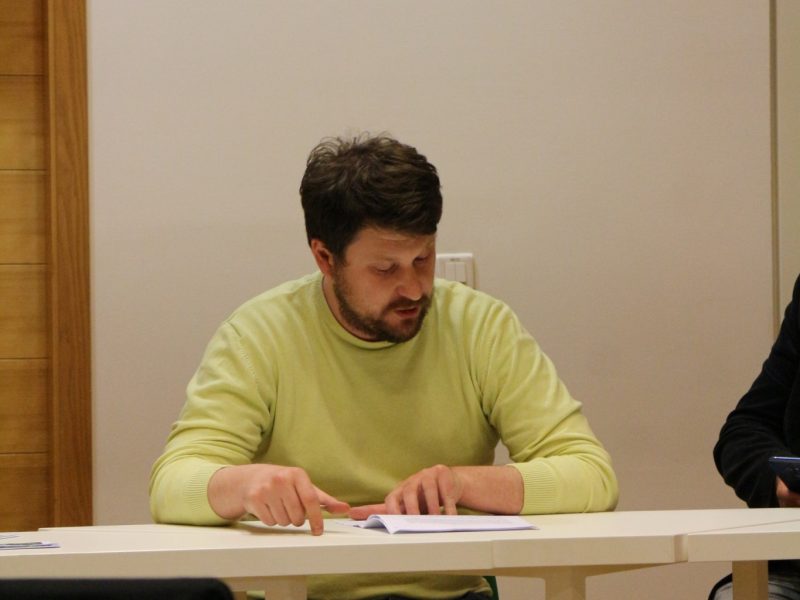
♦ 11–14 October 2018 ♦
Study Trip to Poland
↓↓
A study trip to Poland for teachers and students of the Faculty of Humanities and Social Sciences in Osijek took place from 11 to 14 October 2018. Asst. Prof. Ana Kurtović, PhD, and Assoc. Prof. Gorka Vuletić, PhD, from the Department of Psychology, together with Asst. Prof. Boško Pešić, PhD, and assistant Damir Sekulić from the Department of Philosophy, participated both in organising the trip and in the trip itself. First and foremost, the visit to the unique Wieliczka Salt Mine should be highlighted. It is one of Poland’s greatest tourist attractions and is visited by more than one million people every year. The mine combines centuries of tradition with the modern age, is the result of the work of dozens of generations of miners, and consists of an almost unfathomable network of underground passages and accompanying infrastructure. Particularly remarkable are the magnificent underground halls in which miners created numerous chapels with altars, statues and similar features. The mine is regarded as one of the most important monuments of material and spiritual culture in Poland and is listed as a UNESCO World Heritage Site in Europe. The travellers then headed toward Kraków, the former capital, the second-largest and one of the oldest cities in Poland, one of the centres of science, culture and religion in this part of Europe, where they were also accommodated. The city’s landmarks include, among others, the main square (Rynek Główny), one of the largest medieval squares in Europe, St Mary’s Basilica, St Florian’s Gate, the Barbican fortification, the Jewish quarter of Kazimierz, and Wawel Hill, home to a truly magnificent castle regarded as one of Europe’s most beautiful Renaissance palaces, as well as the cathedral, the coronation site and final resting place of Polish kings. Kraków’s historic centre is listed as a UNESCO World Heritage Site in Europe. As a particularly important part of the study trip, including from the perspectives of philosophy and psychology, the visit to Auschwitz (part of UNESCO World Heritage) should be singled out. Once the largest concentration camp of Nazi Germany, it is today a memorial centre dedicated to the victims of the Holocaust during the Second World War. Under the slogan Arbeit macht frei, more than a million people lost their lives in Auschwitz through various methods of targeted extermination, so it is unsurprising that it became a symbol of terror and genocide – a symbol of death. The visit included a guided tour, and two lectures were also given to the students: Asst. Prof. Pešić delivered a lecture entitled “Moments. Philosophy on the Road to Auschwitz-Birkenau”, while Asst. Prof. Kurtović presented “Existential Psychotherapy: Viktor Frankl”. A visit was also organised to Wadowice, the birthplace of Karol Wojtyła, better known as Pope John Paul II, who held that office from 1978 until his death in 2005. Among the notable features of his papacy was that he was the first non-Italian pope in several centuries and the first pope from a Slavic nation. In Wadowice the travellers had the opportunity to see Wojtyła Square, the church and his birthplace, while many observed the unwritten rule of trying the papal cream cakes (kremowki papieske). Its preserved natural environment, historical heritage and reputation as the birthplace of Pope John Paul II brought Wadowice rapid tourism growth, and the small town is now visited by more than 200,000 people annually. On the return journey, the travellers stopped for a brief tour of the picturesque town of Banská Bystrica in Slovakia, after which they continued toward Osijek, already thinking about the next possible study-trip destination.
Damir Sekulić
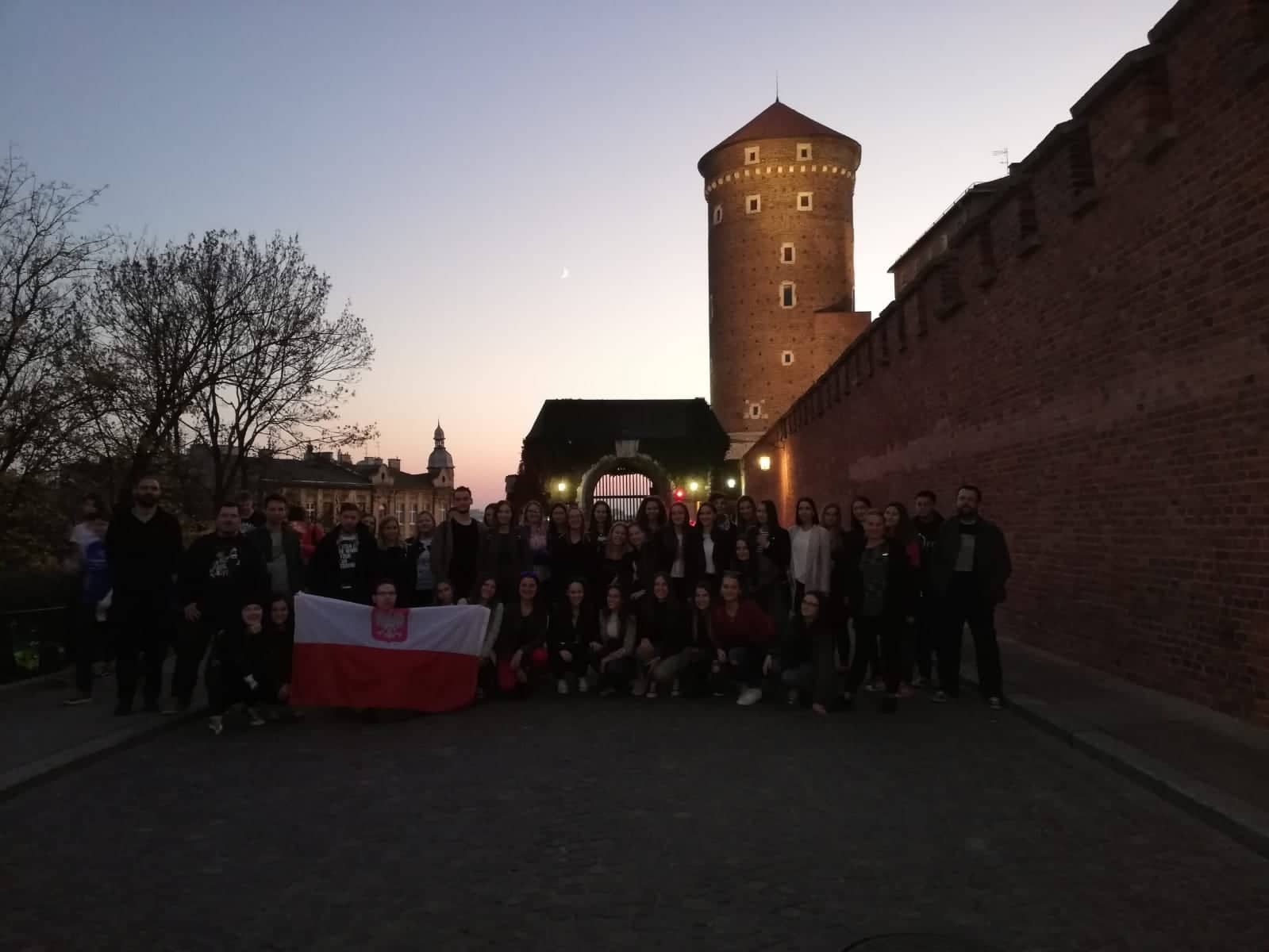
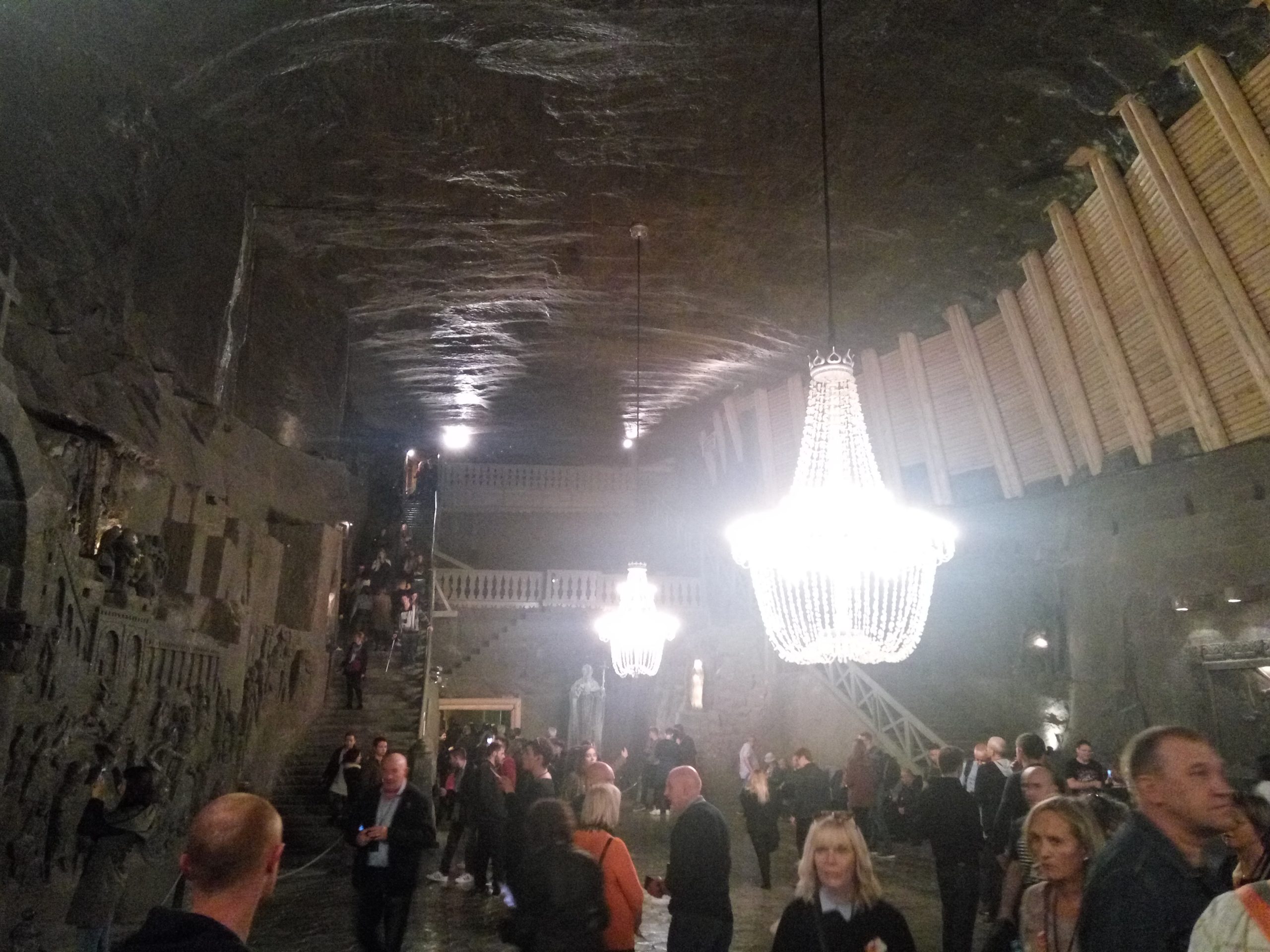
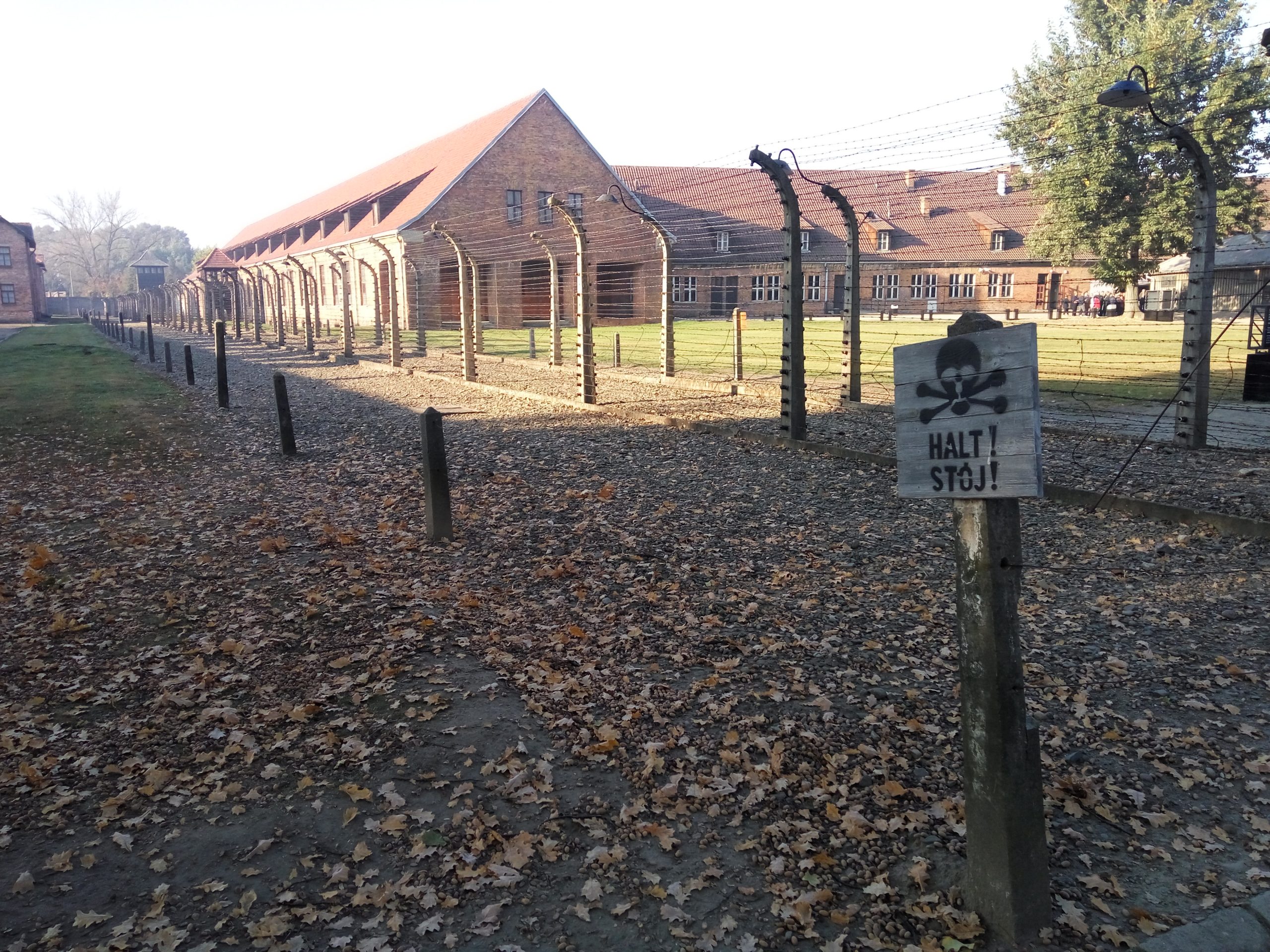
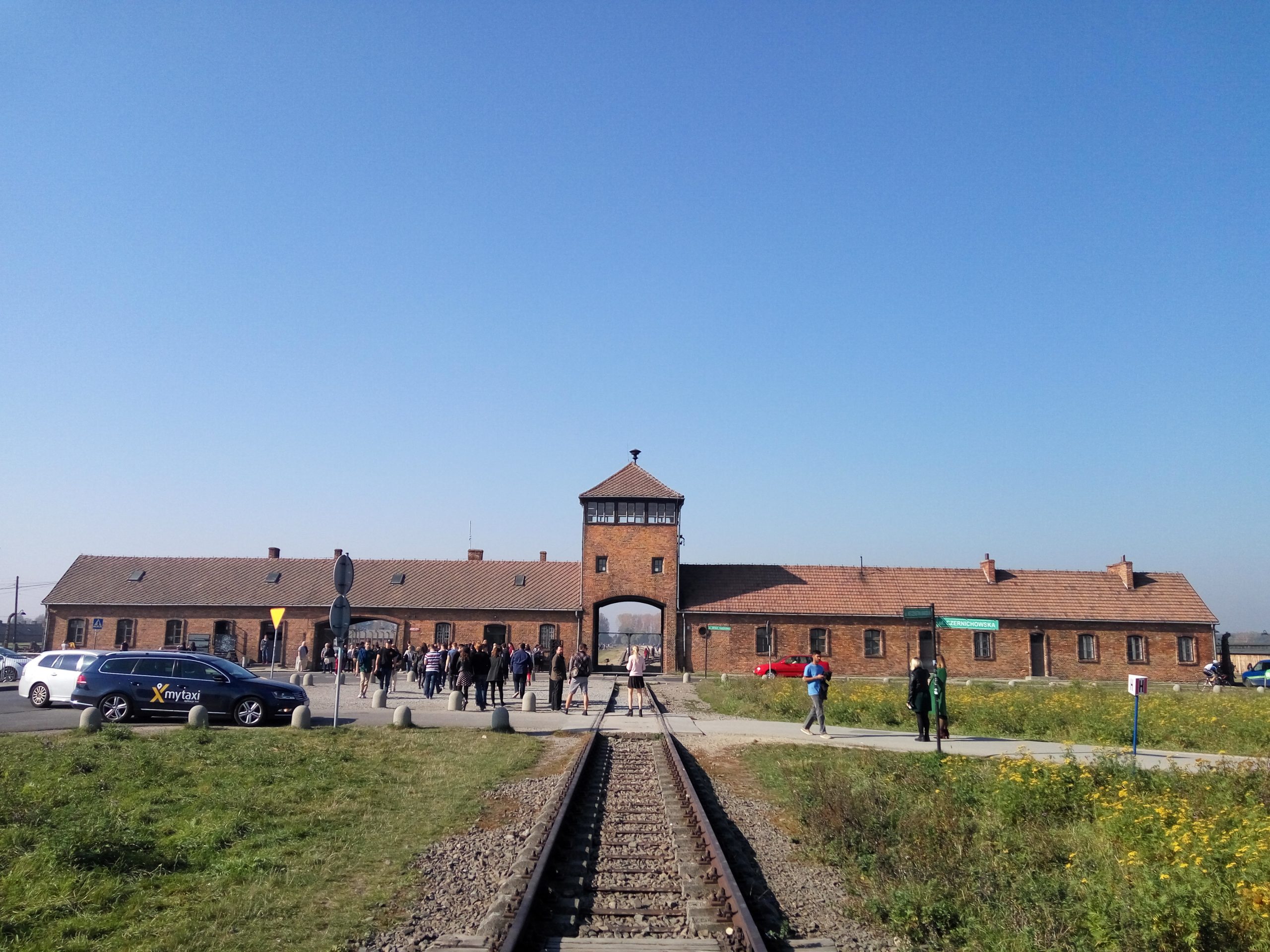
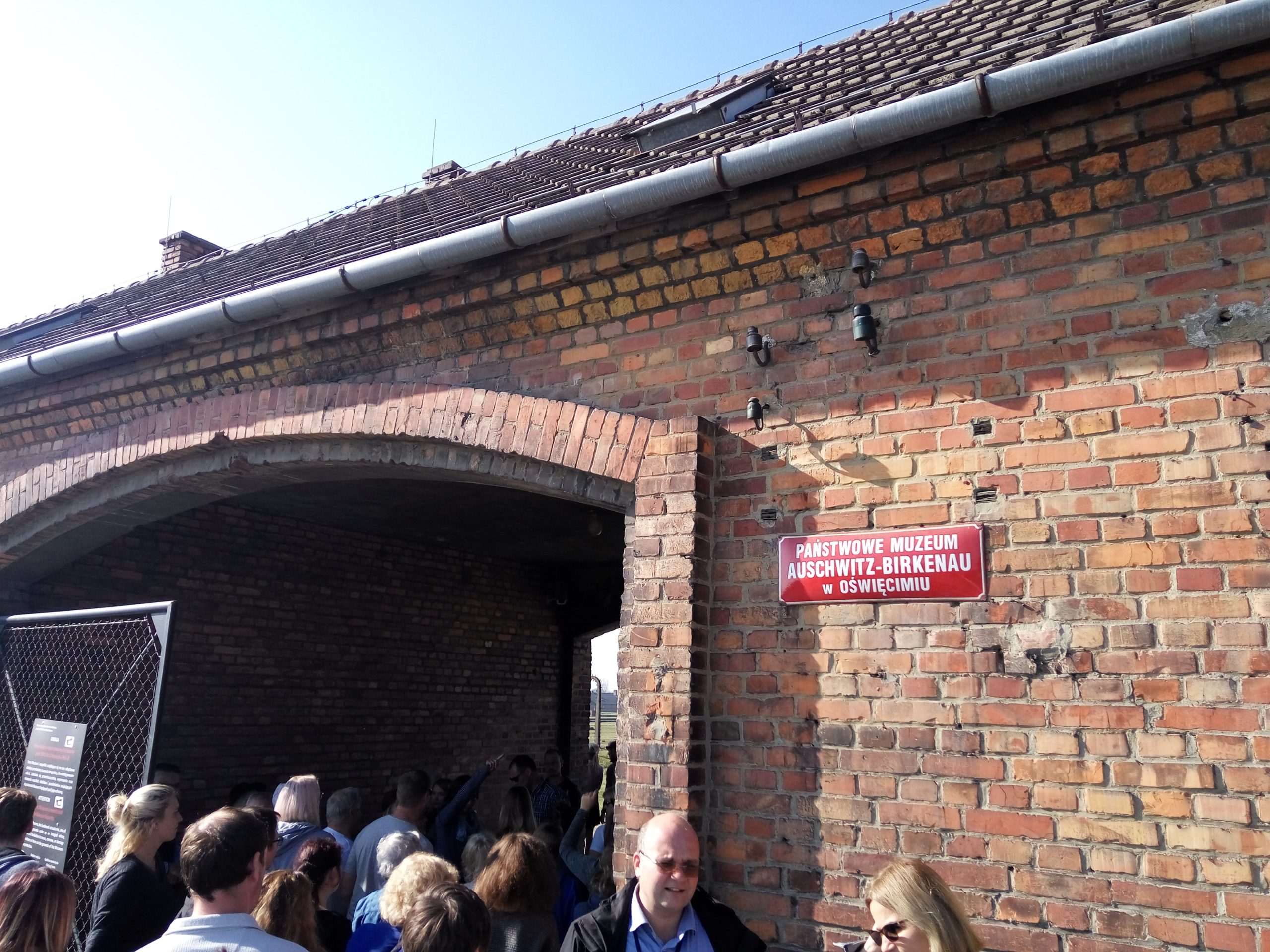
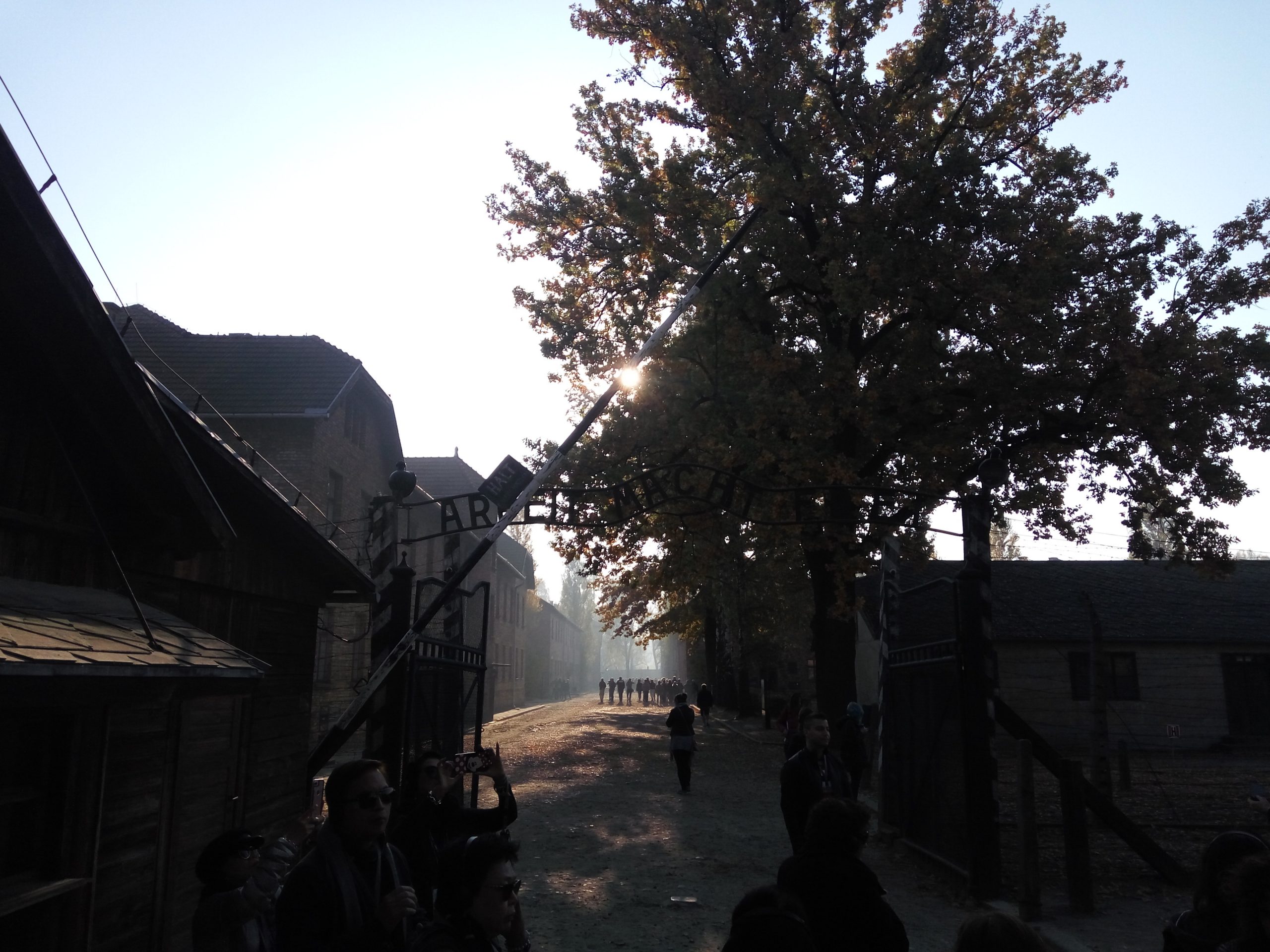
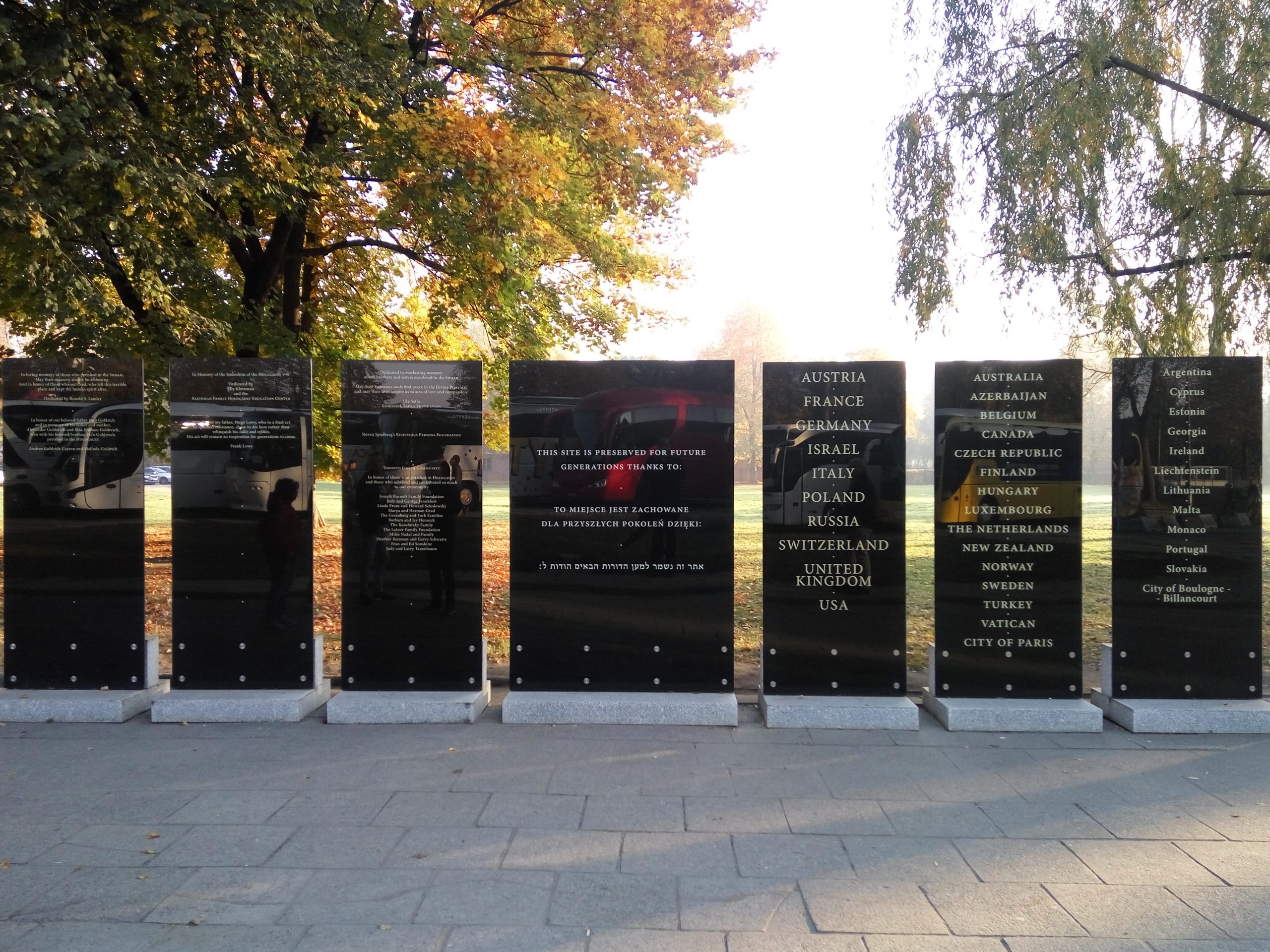
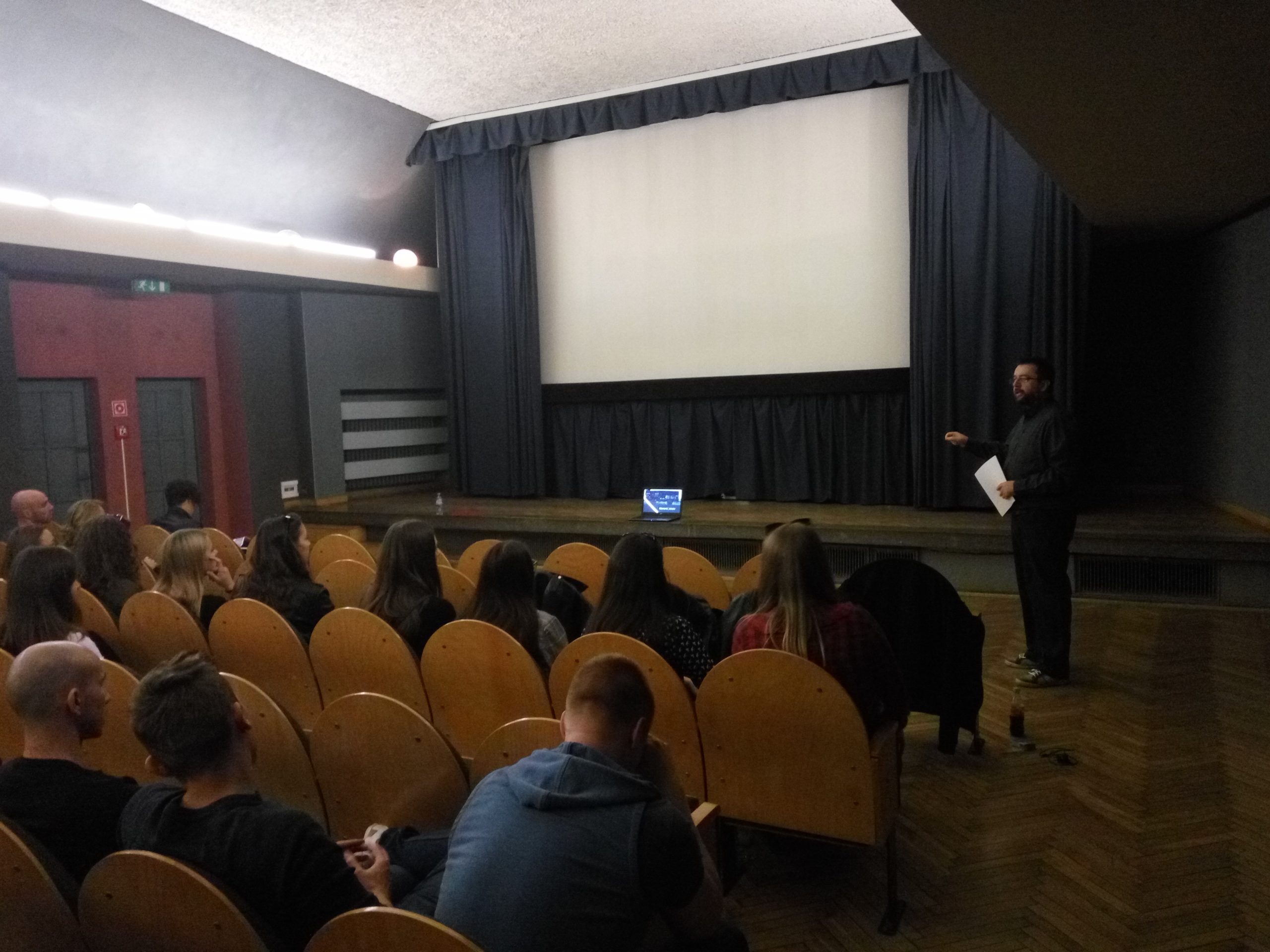
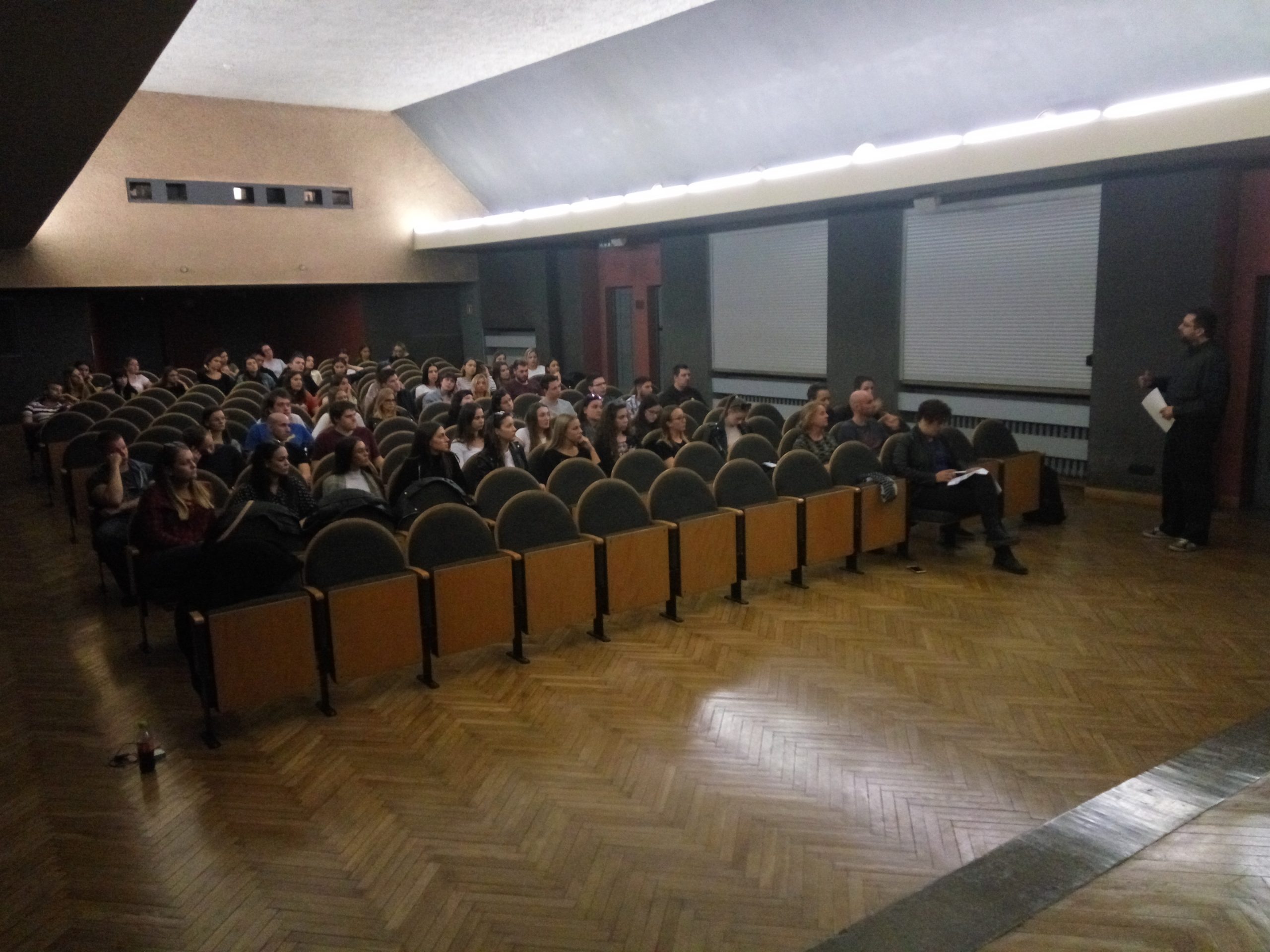
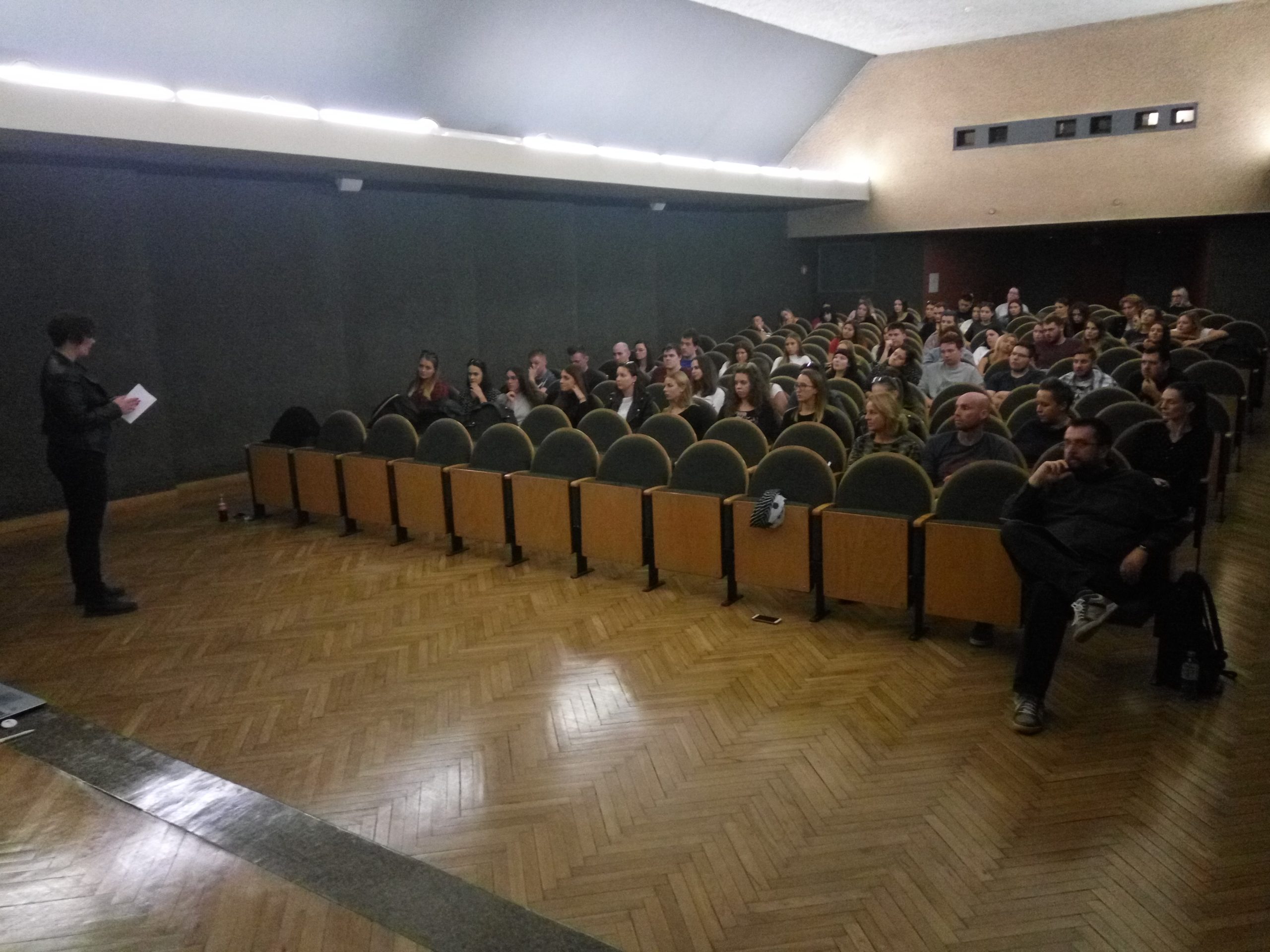
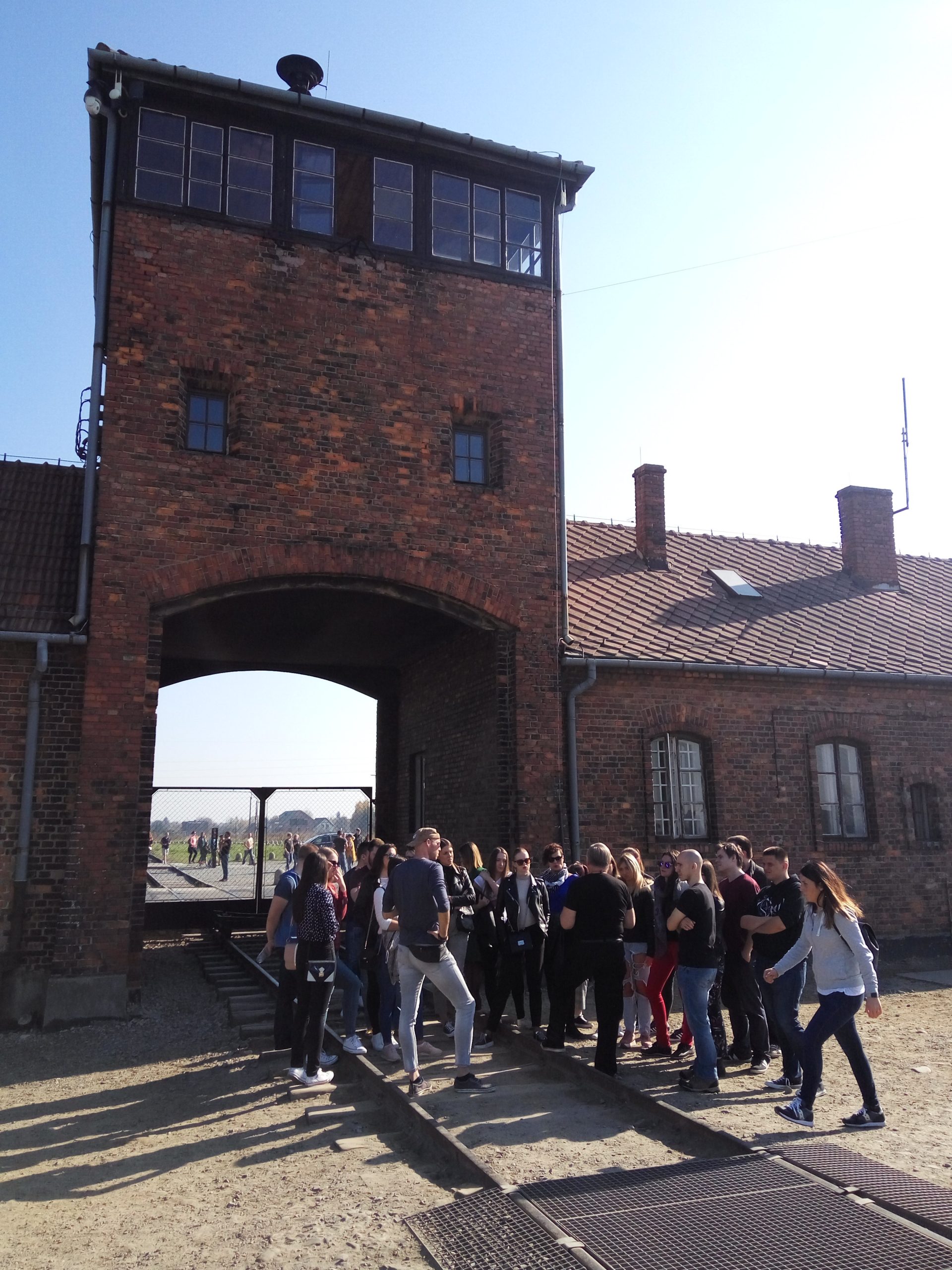
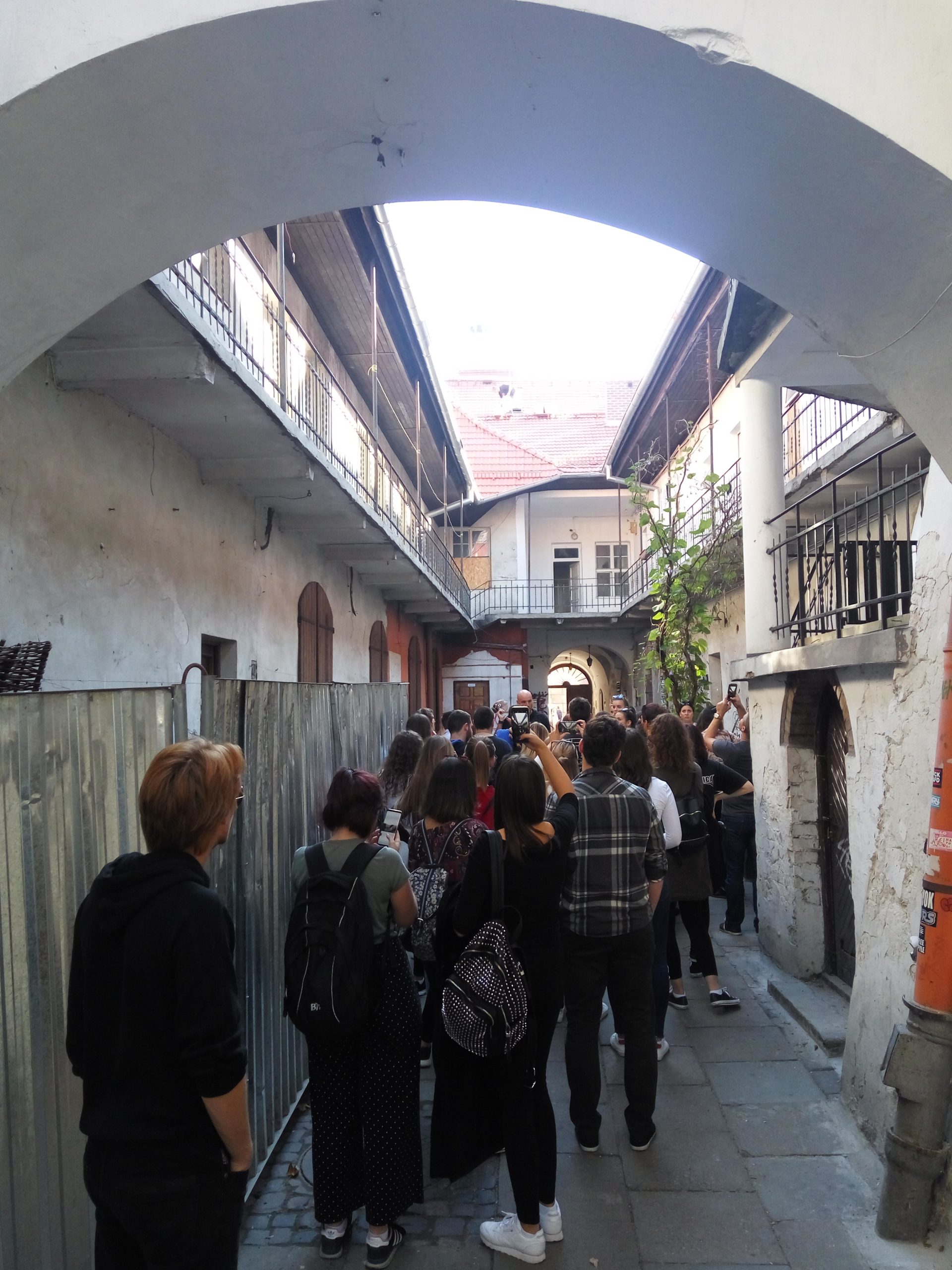
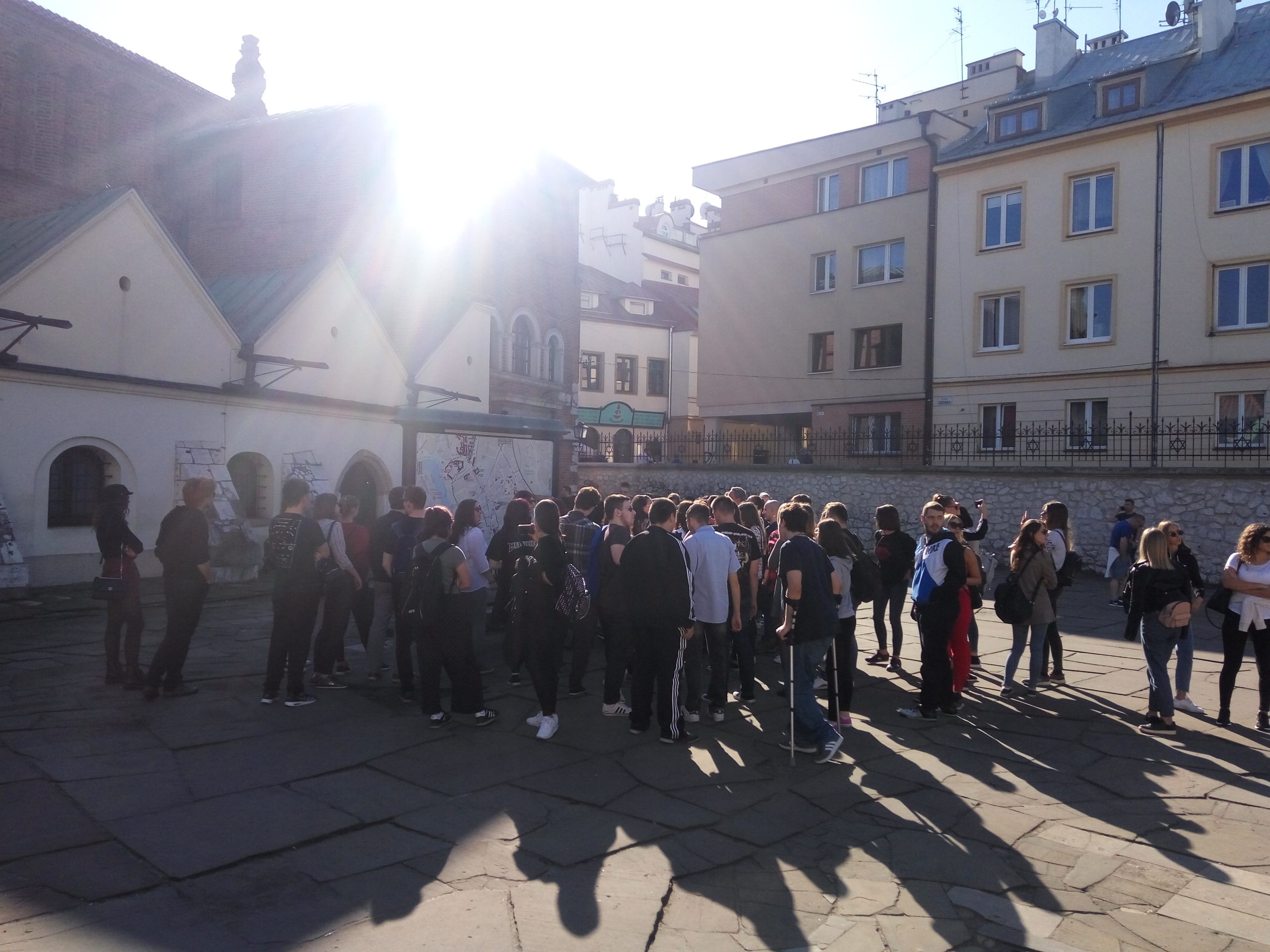
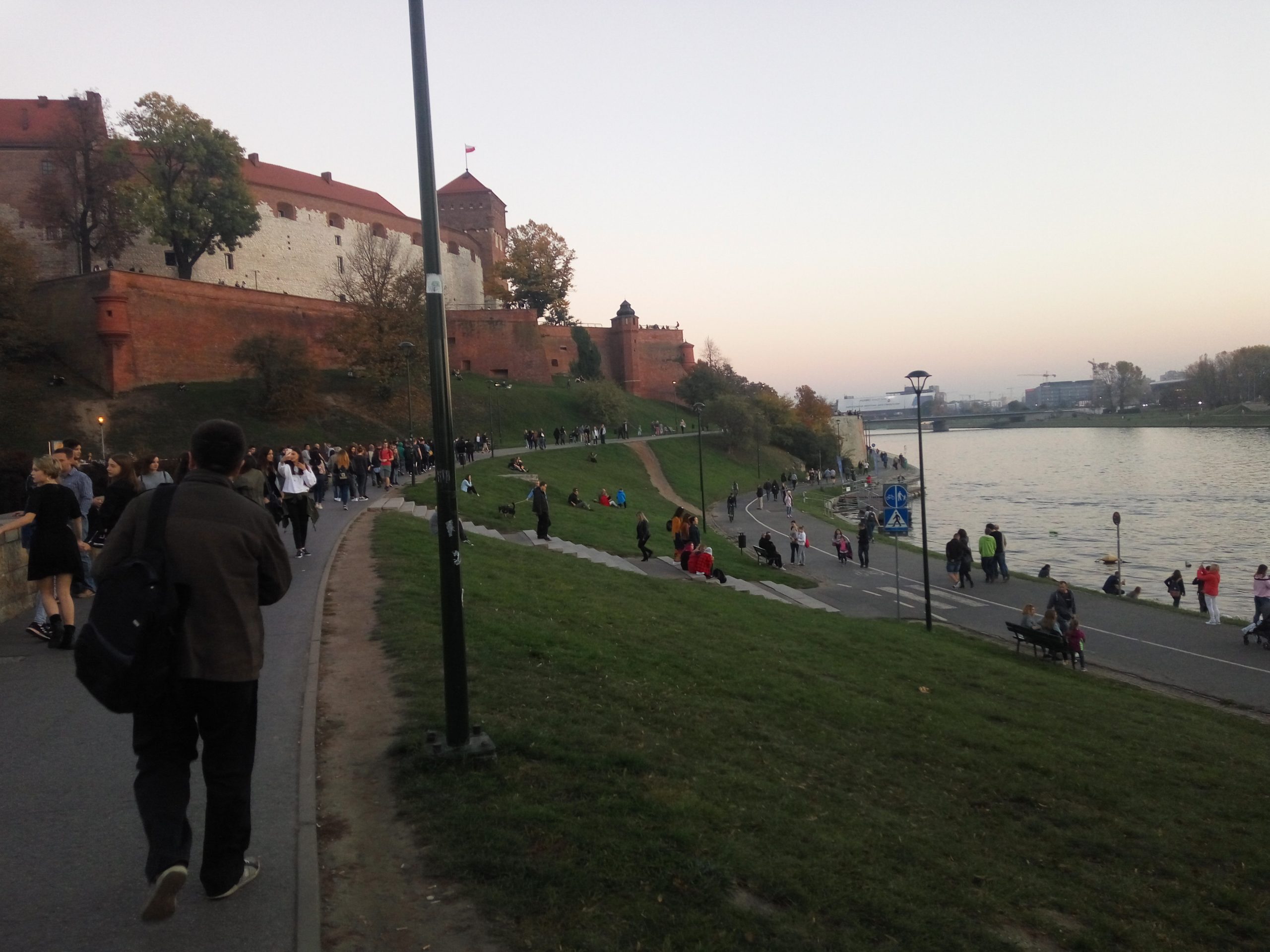
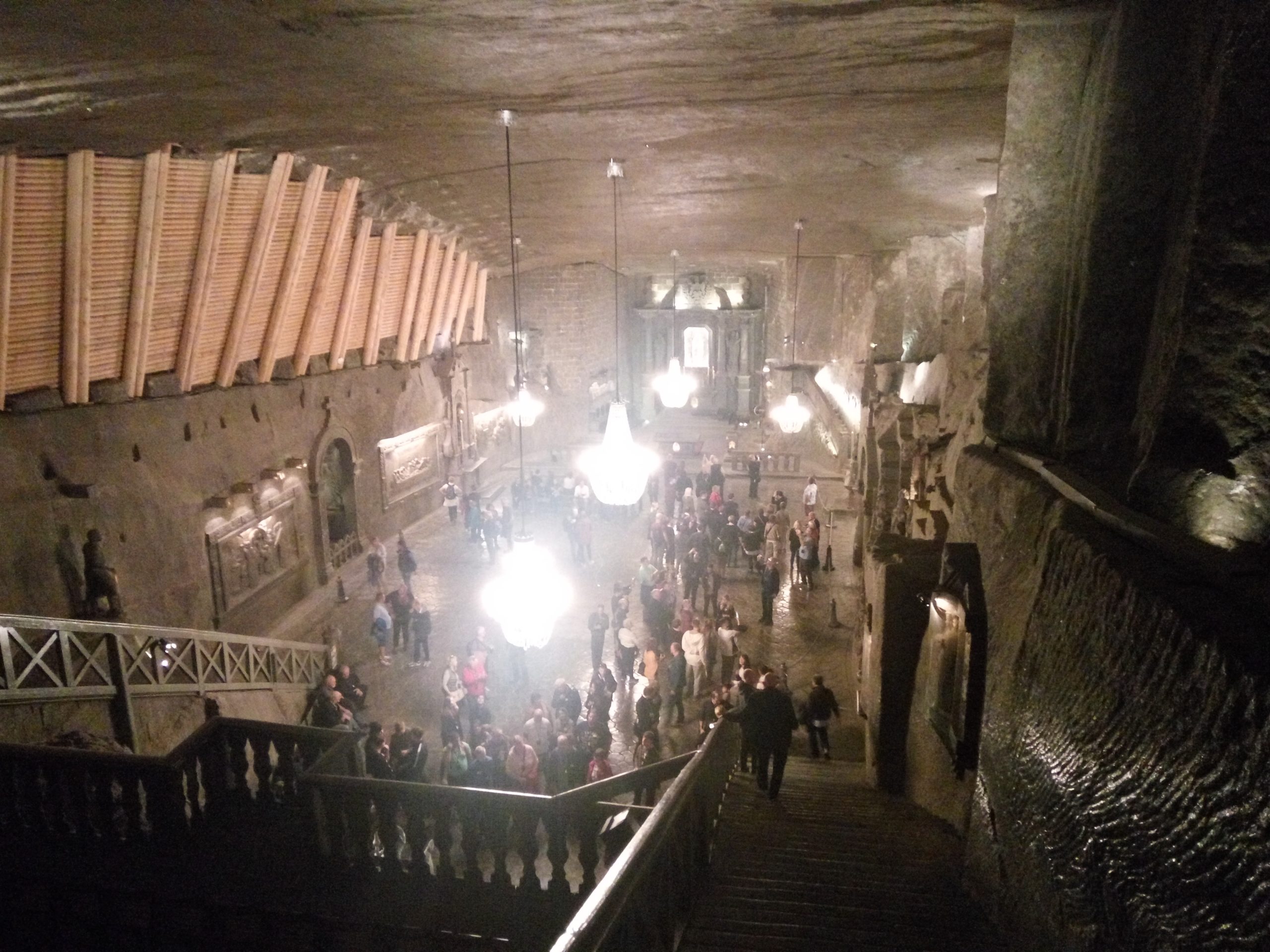
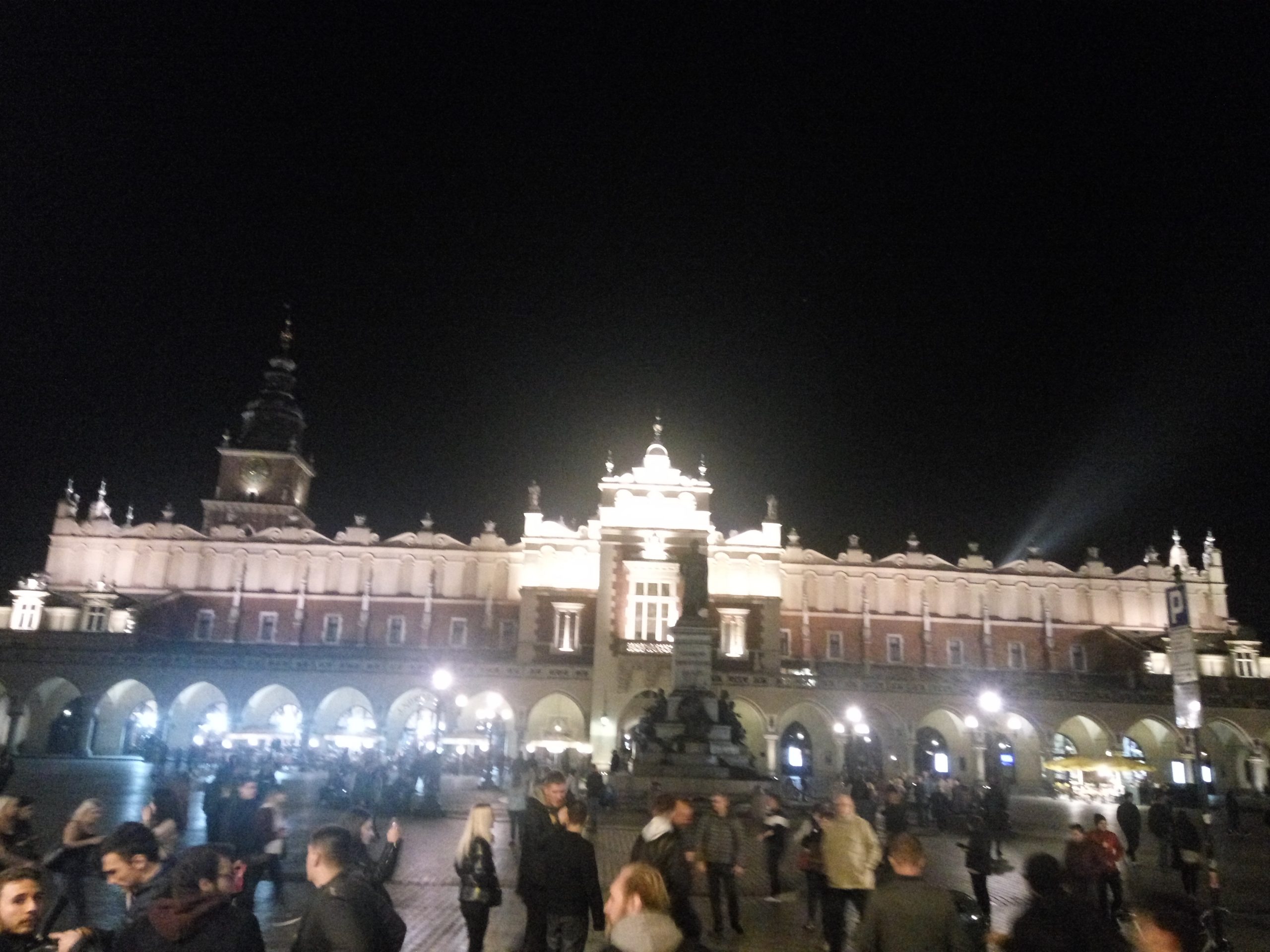
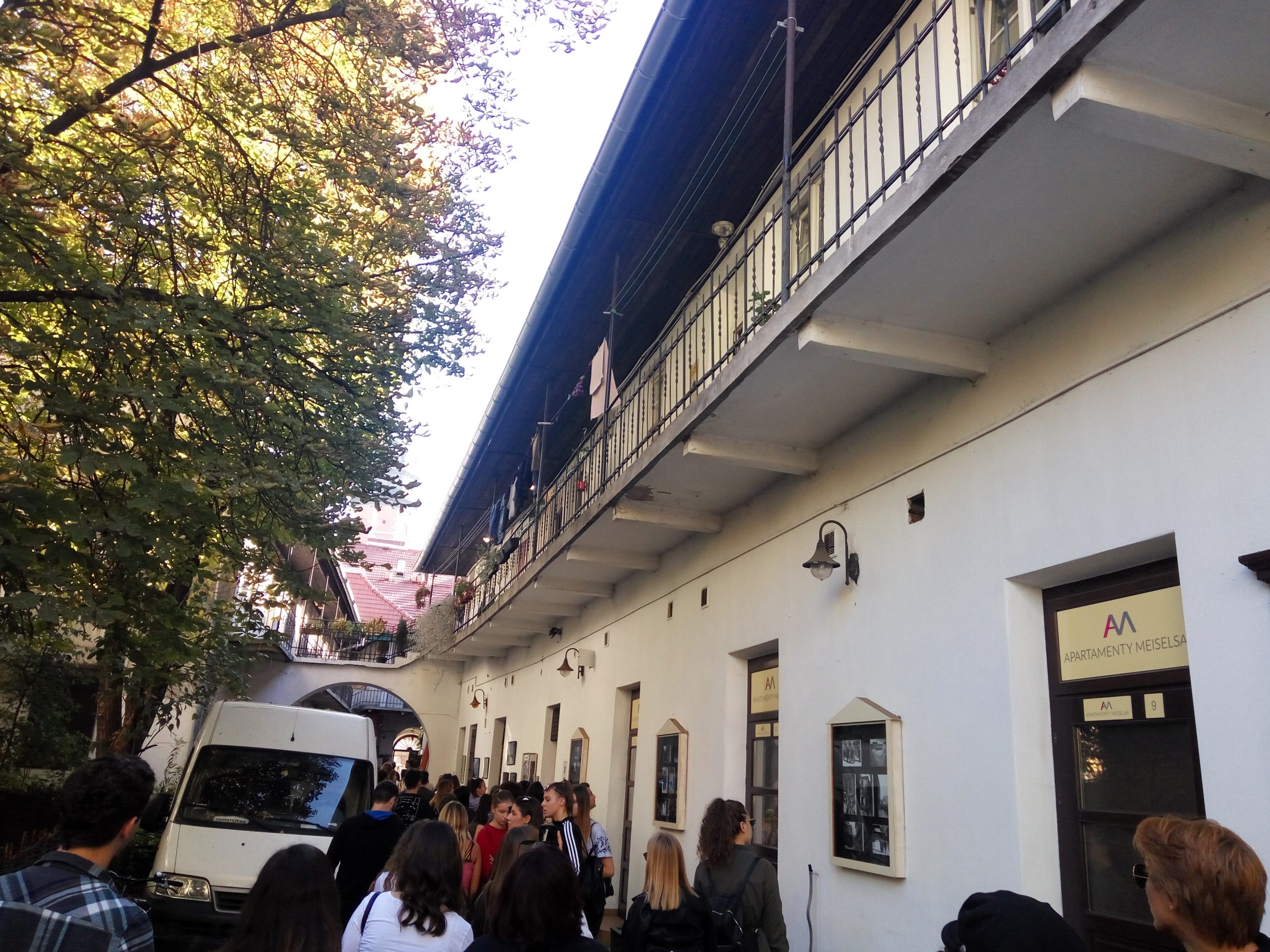
♦ 8–10 June 2018 ♦
2nd Scientific and Professional Conference “Philosophy between Science and Religion”
↓↓
The Faculty of Humanities and Social Sciences in Osijek and the Croatian Karl Jaspers Society organised the 2nd scientific and professional conference “Philosophy between Science and Religion”, held from 8 to 10 June 2018 at the Jankovac excursion site in Papuk Nature Park. This year the theme of the conference was language; more precisely, the conference considered the possibilities for dialogue among the languages of philosophy, science and religion.
Professors and students of philosophy from the universities of Osijek, Rijeka and Zagreb participated in the conference, as did researchers from the Institute of Philosophy in Zagreb. As in the previous year, the presentations were organised into three thematic blocks: “Philosophy”, which addressed, for example, the relationship of philosophy to science and religion in general, concepts of understanding and communication, and developments in contemporary philosophy of language; “Religion”, in which presenters problematised the characteristics of religious language with reference to authors such as Wittgenstein, Leibniz and Judith Butler; and “Science”, whose starting point was the relationship between science and language, with topics including hermeneutics and the deconstruction of speech acts, and authors such as Heidegger, Lacan and Popper. In addition, a discussion was held on the books Heidegger’s End (eds. Boško Pešić and Rusmir Šadić) and Science, Philosophy and Contemporaneity (ed. Lino Veljak), with the editors themselves taking part. A new feature of this year’s conference was the publication of a bilingual book of abstracts (eds. Boško Pešić and Damir Sekulić), containing the introductory address, programme, presentation abstracts and a directory of participants.
It is worth briefly presenting the speakers and presentations in the individual thematic blocks. The first two of the three blocks mentioned above were held on Saturday, 9 June. “Philosophy” was opened by Lino Veljak with a presentation bearing the same title as the overall title of this scientific and professional conference, namely “Philosophy between Science and Religion”. Veljak located the task of philosophy in “clearing up this uncertain terrain”, that is, the terrain of impure combinations of the language of religion and the language of science, in order to “refute the claims of religious dogmas to the status of absolute truth, as well as the claims of science to universality”. For such a task to be possible, Veljak concludes, philosophy must be grounded in a critique of dogmatism and its language in a critical approach. Boško Pešić then delivered “On the (In)comprehensibility of Philosophy”. Treating incomprehensibility as the “dark side” of philosophy, Pešić posed it as a philosophical problem of understanding, which appears as a “power of formation commonly called interpretation”, leading him to conclude that the question of meaning is in fact a question about the possibility of understanding. Pešić’s aim was to problematise from these premises “the view that understanding arises from interpretation, and not vice versa”. He was followed by Martina Ivanko with “Is There a Limit to Understanding?”, which approached the question of understanding from Gadamer’s perspective. Taking language as that which has a “constitutive role in understanding”, Ivanko focused on examining the possibility of transforming the question of the limits of language into the question of the limits of our understanding. This was followed by Damir Sekulić’s presentation “Communication as the Embodiment of Philosophy”. Sekulić focused on a comparative account of philosophically conceived communication from the perspectives of Jaspers and Habermas, emphasising that “every philosophical thought is true to the extent that it ‘advances’ communication”, while considering the fundamental question of how far the truth of philosophy is manifested in the language of communication. The first thematic block concluded with Marijan Krivak’s “Coming into the World, Entering Language: Saving the Soul through Reading, Writing and Thinking. Paths of Contemporary Philosophy of Language”. In his own words, Krivak sought to present a “(subjective) view of the meaning of philosophy of language today” and to “juxtapose some contemporary interpretations of language in a philosophical key”, referring to authors such as Agamben, Baudrillard and Sloterdijk. In writing, reading and thinking he sees ways of establishing language as both a philosophical and a vital category.
The “Religion” block was also held that same day, beginning with Aleksandra Golubović’s “Several Thoughts on the Language of Religion”. Within her discussion of the difficulty of speaking about God, Golubović addressed the question of the unknowable God and the (im)possibility of a special, exclusively religious language. Danijel Tolvajčić and Hrvoje Šijak then presented “Wittgenstein and Religious Language”, in which they problematised Wittgenstein’s remarks on problems of religion, which in their view were highly influential on later philosophy of religion. They focused on a systematic reconstruction of Wittgenstein’s positions on religion and on the question of whether his understanding of religious language is non-cognitivist. They were followed by Marko Sičanica with “Theodicy as the Language of Philosophy in Leibniz”, which began from two fundamental questions: how can evil be reconciled with God, and to what extent is human freedom compatible with divine will? The presentation sought to describe the language of Leibniz’s theodicy “which becomes the source both of speaking of God itself and of the attempt to understand evil itself”. This was followed by Bruno Dronjić’s “Judith Butler: The Specificity of the Performative Character of Religious Discourse”. His presentation focused on Judith Butler’s idea of gender performativity, more precisely on the relationship of gender performativity to religious texts of Christianity, Judaism and Buddhism, which for Butler “becomes one of the unifying questions and problems that reduce her fundamental ideas to the interrelationship of action and self-determination.” The final presentation in this thematic block, “Characteristics of the Relationship between Language, Thought and Meaning”, was delivered by Ivana Majksner, who focused on a comparative presentation of insights by Plato, de Saussure, Wittgenstein and contemporary linguistic theory, seeking to show the development of the relationship among thought, meaning and language and to define “the most important characteristics of that relationship”.
The third thematic block, entitled “Science”, was held on Sunday, 10 June. It was opened by Boris Kožnjak with “Science and Language”, addressing the relationship between everyday language and the language of natural science. He noted that it can be shown that “a passive one-way relationship between the two languages is increasingly (…) being replaced by their dynamic two-way relation” and that, as a consequence, modern natural science establishes a connection among language, thought and reality, that is, between “the way in which we perceive and think about the world and the language we speak.” This was followed by Martina Žeželj’s “Heidegger’s Influence on Lacan’s Thought of Language”. Žeželj focused on problematising what she calls “Heidegger’s most frequently overlooked influence on Lacan’s account of language”, while also noting that structural linguistics exerted the dominant influence on Lacan in matters of language. Mislav Uzunić then presented “The Hermeneutic Problem of the Language of Science”. Starting from the premise that the language of science has not only a methodological-scientific framework but also a cultural-historical heritage by which it is always determined, Uzunić highlighted two resulting conclusions: the language of science cannot operate outside cultural-historical tradition, “which a priori deprives it of aspects of objectivity and ahistoricity”; and science always deals with understanding its object of research, that is, with “interpretation that is always limited, but also made possible, within a traditional framework”. Katarina Glavica followed with “Popper’s Conception of Metalanguage”, taking as her starting point Popper’s principle of falsification, according to which “there are no facts that are verifiable and certain and that cannot be tested.” Further addressing metalanguage, Glavica concluded from Popper’s perspective that if there are no completely verifiable facts and universal linguistic judgements, “then there is no non-contradictory scientific metalanguage either.” The final presentation in this thematic block, and also the final presentation of this year’s conference, was delivered by Barbara Bece and Valentina Vaško under the title “Deconstruction of Speech Acts. A Debate on Language: Derrida–Searle”. They considered two conceptions of the phenomenon of communication proposed by Derrida and Searle. In addressing the “conflict” between analytic and continental philosophy, they highlighted the open question of the relationship between context and what is said in context, that is, “whether what is said has the same meaning in different contexts or is exclusively bound to the speaker and the situation and therefore cannot be repeated.”
Starting from the apparent relationship of mutual incommensurability and misunderstanding among the languages of philosophy, science and religion, as Pešić wrote in the “Introductory Address”, and identifying the concept of understanding as fundamental, the aim of the conference was to actualise the diversity of discursive practices and communication that places differences of thought in an equal relationship. On this, Pešić concludes, ultimately depends the advancement of academic dialogue and multidisciplinary scientific communication. Finally, at the official closing of the conference, the theme for the following year was announced – freedom. Thus the wish expressed at the end of the previous year’s (first) scientific and professional conference “Philosophy between Science and Religion”, namely that it should traditionally continue as merely the first in a successful series, was fulfilled.
Katarina Glavica
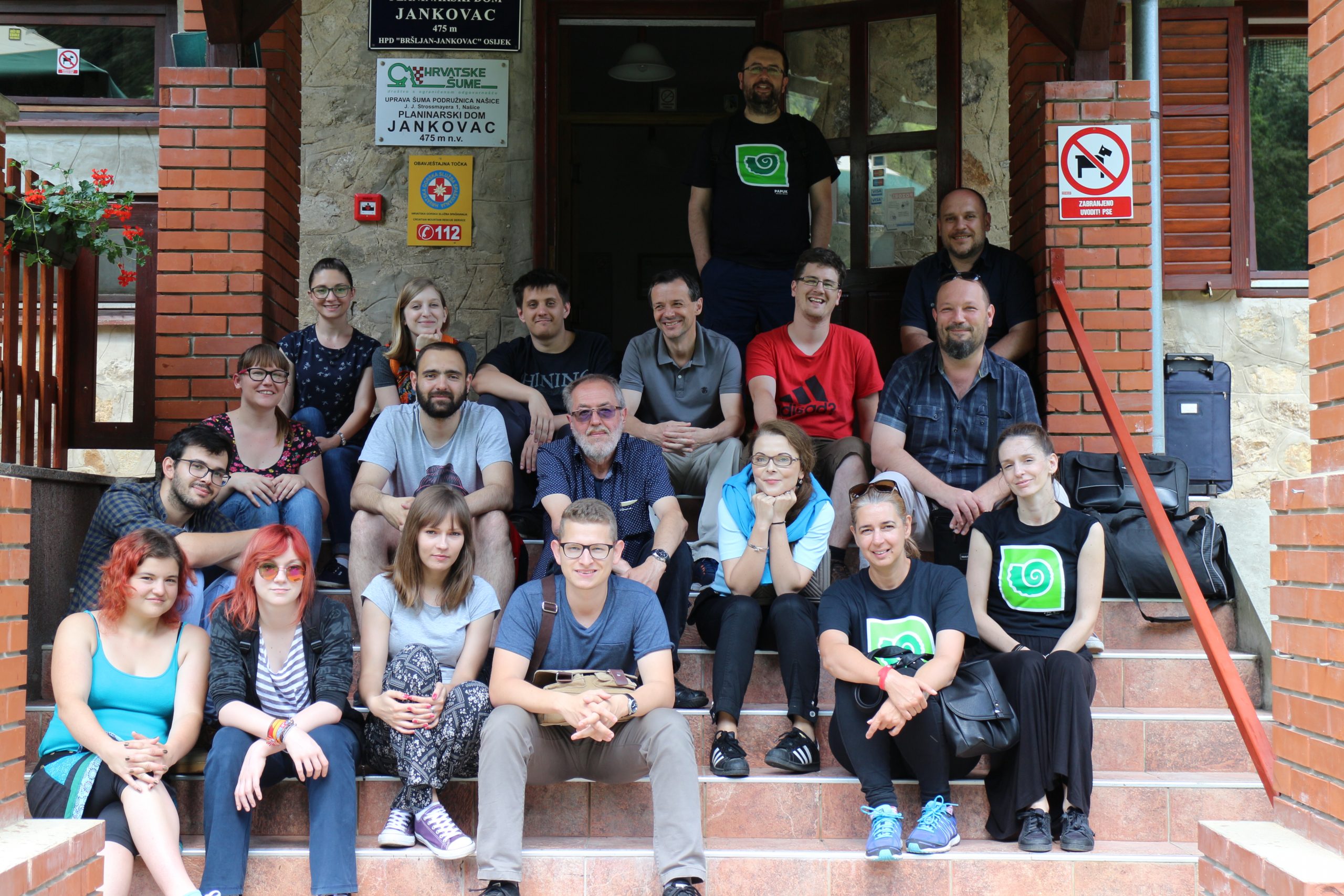
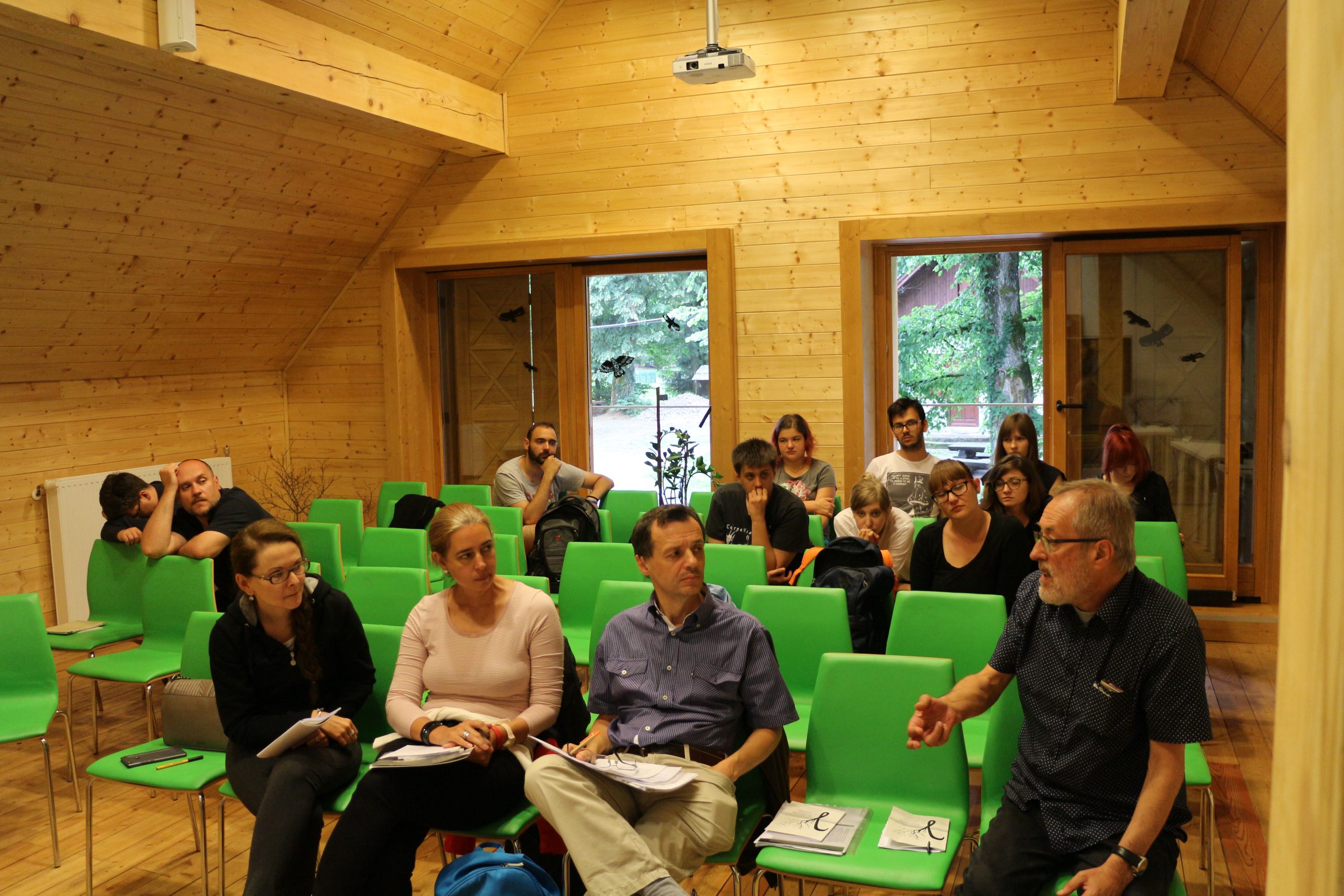
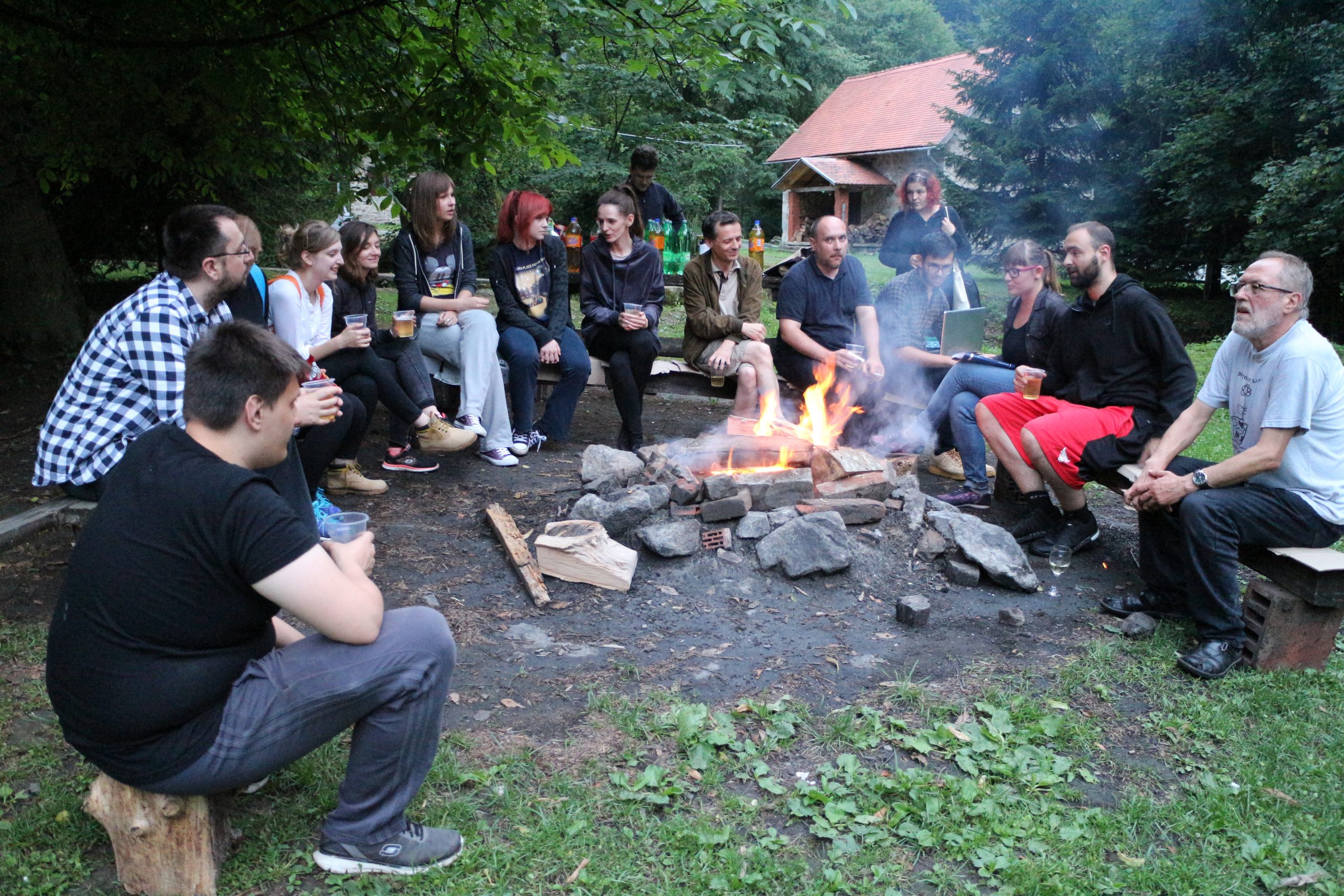
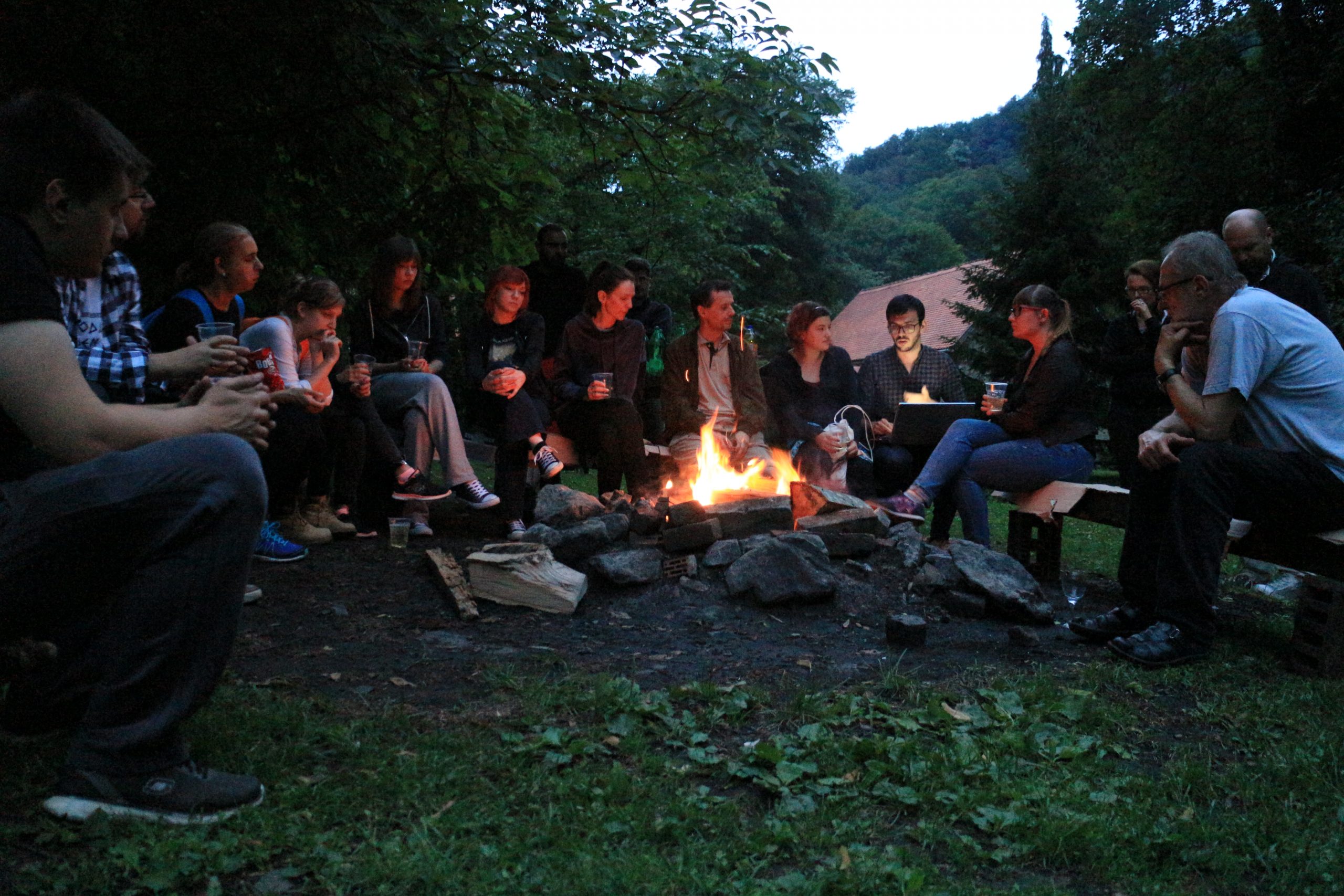
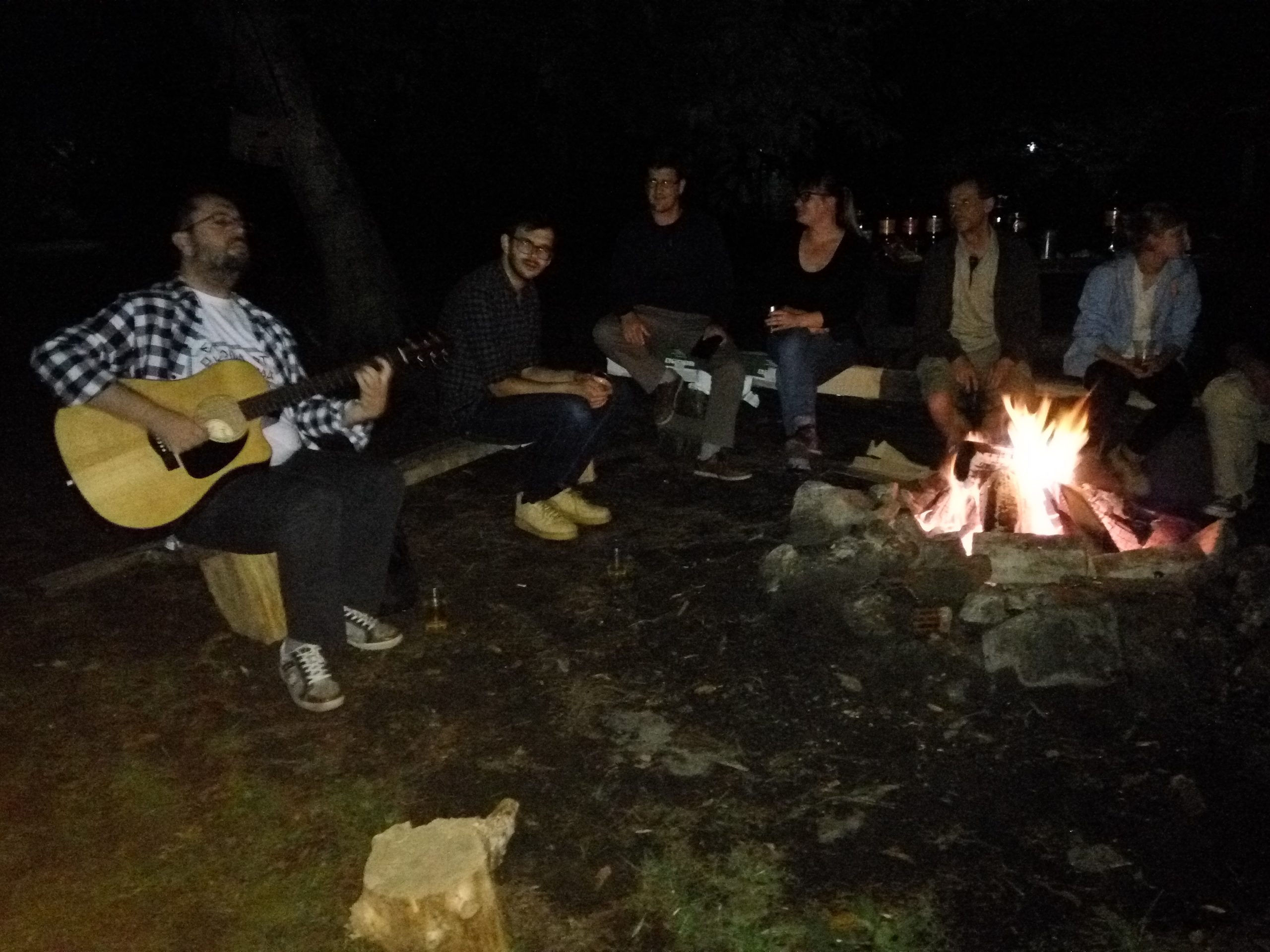
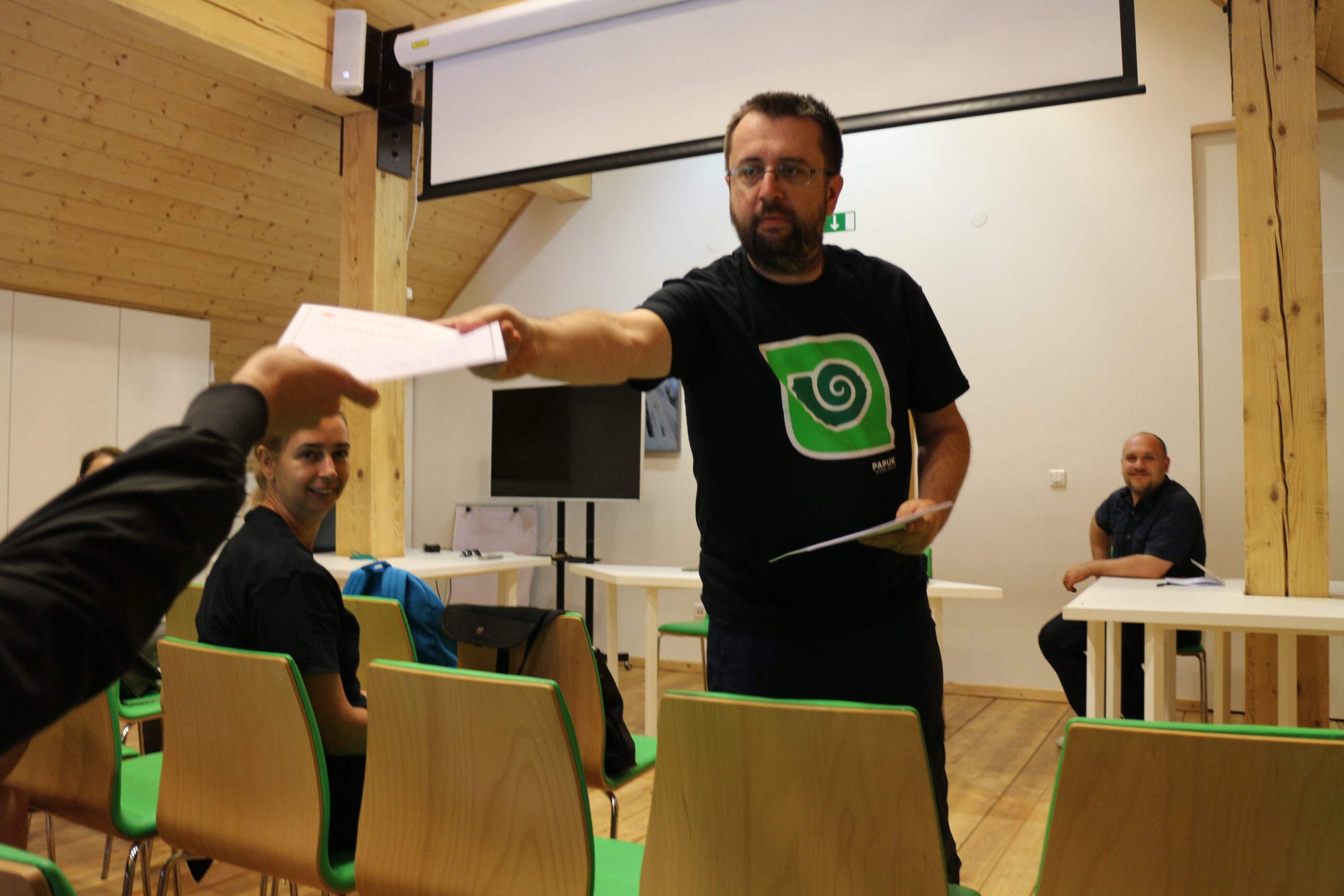
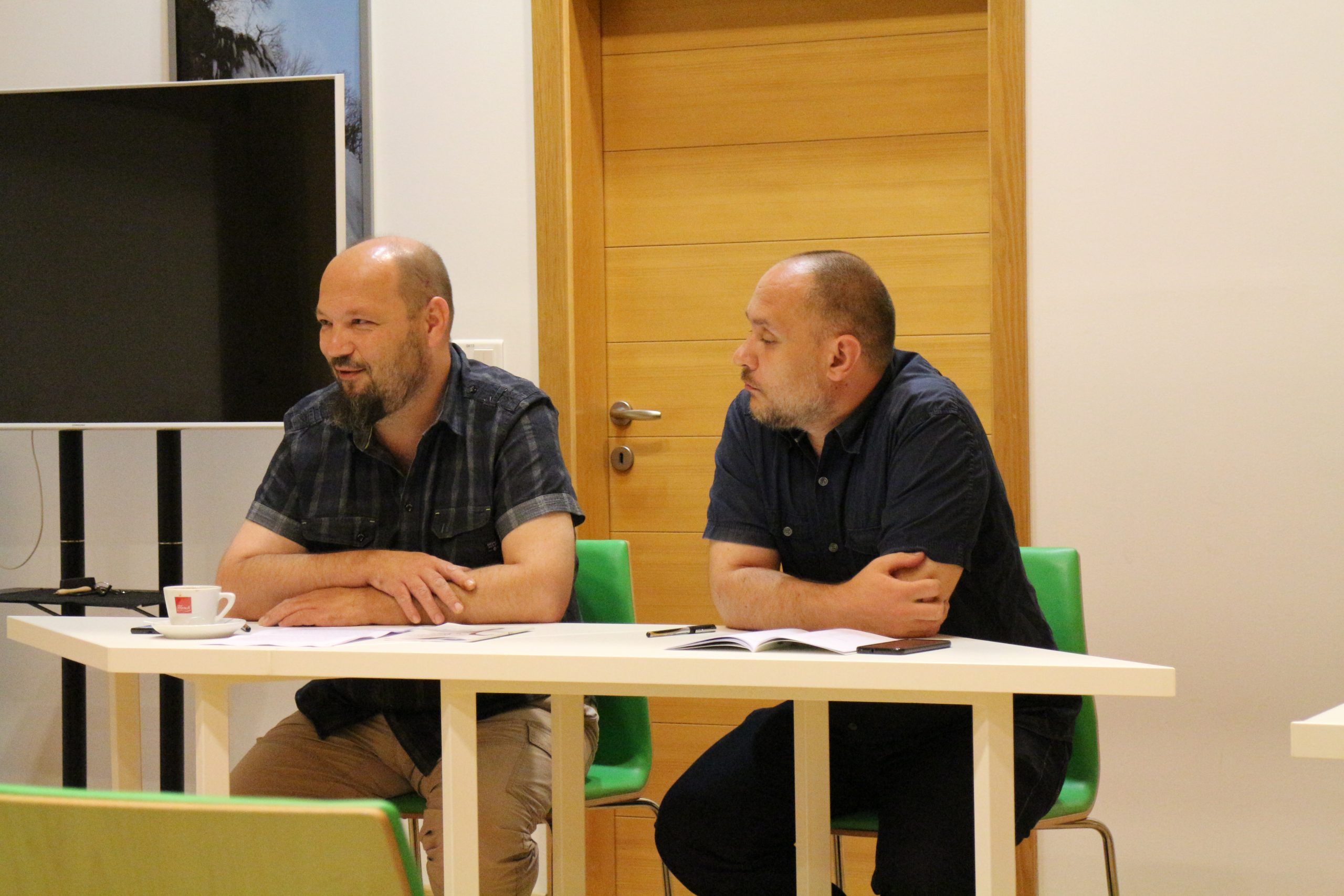
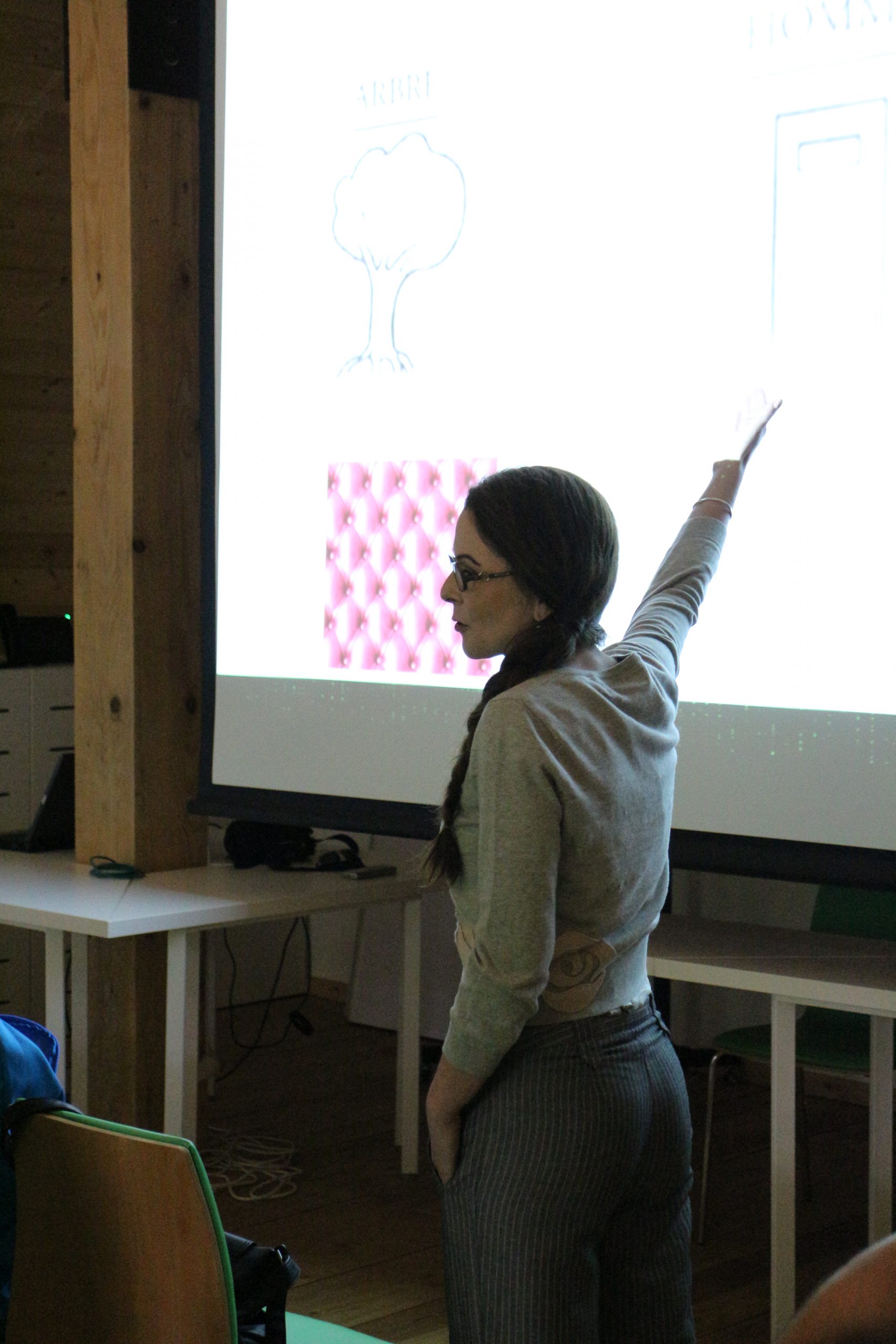
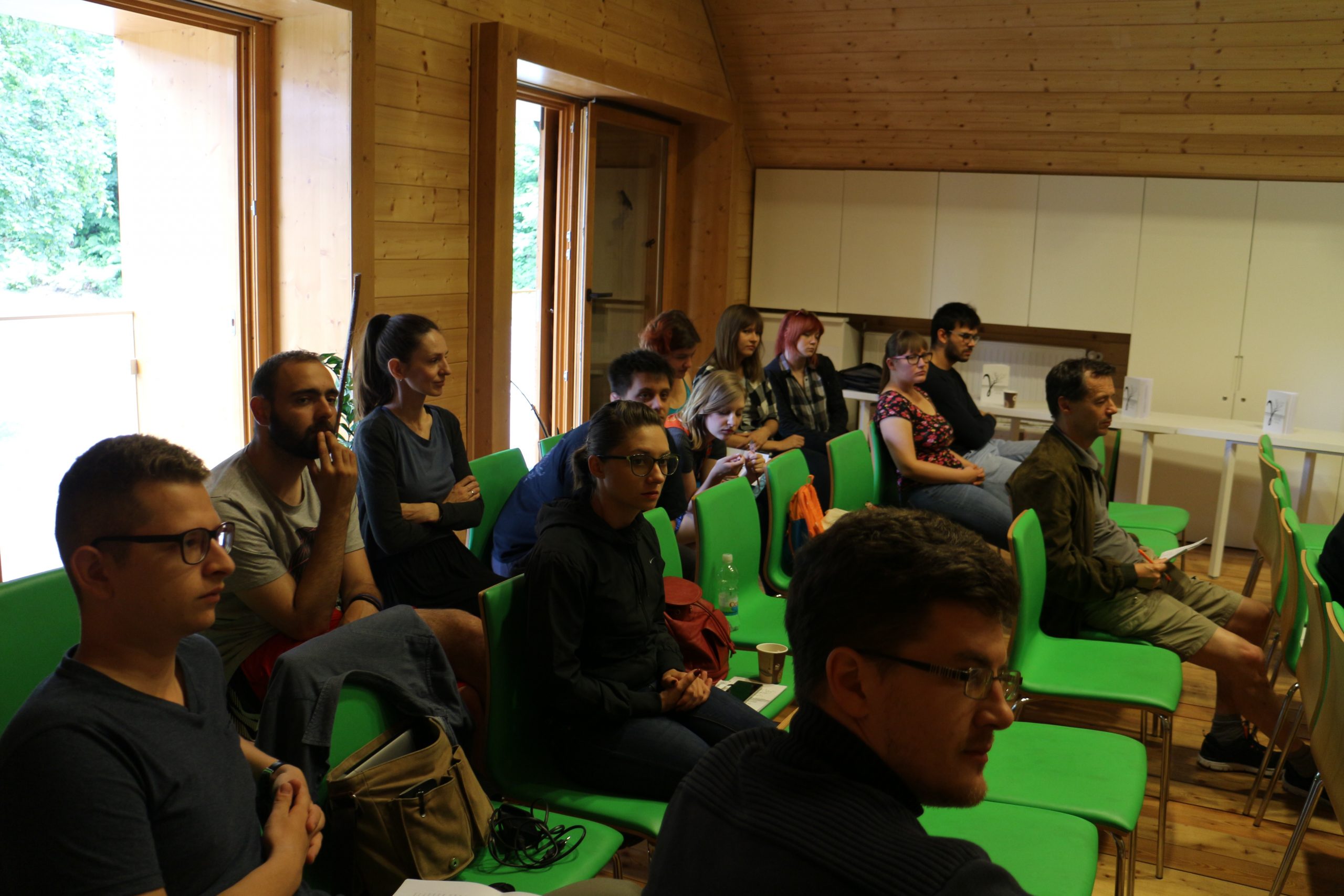
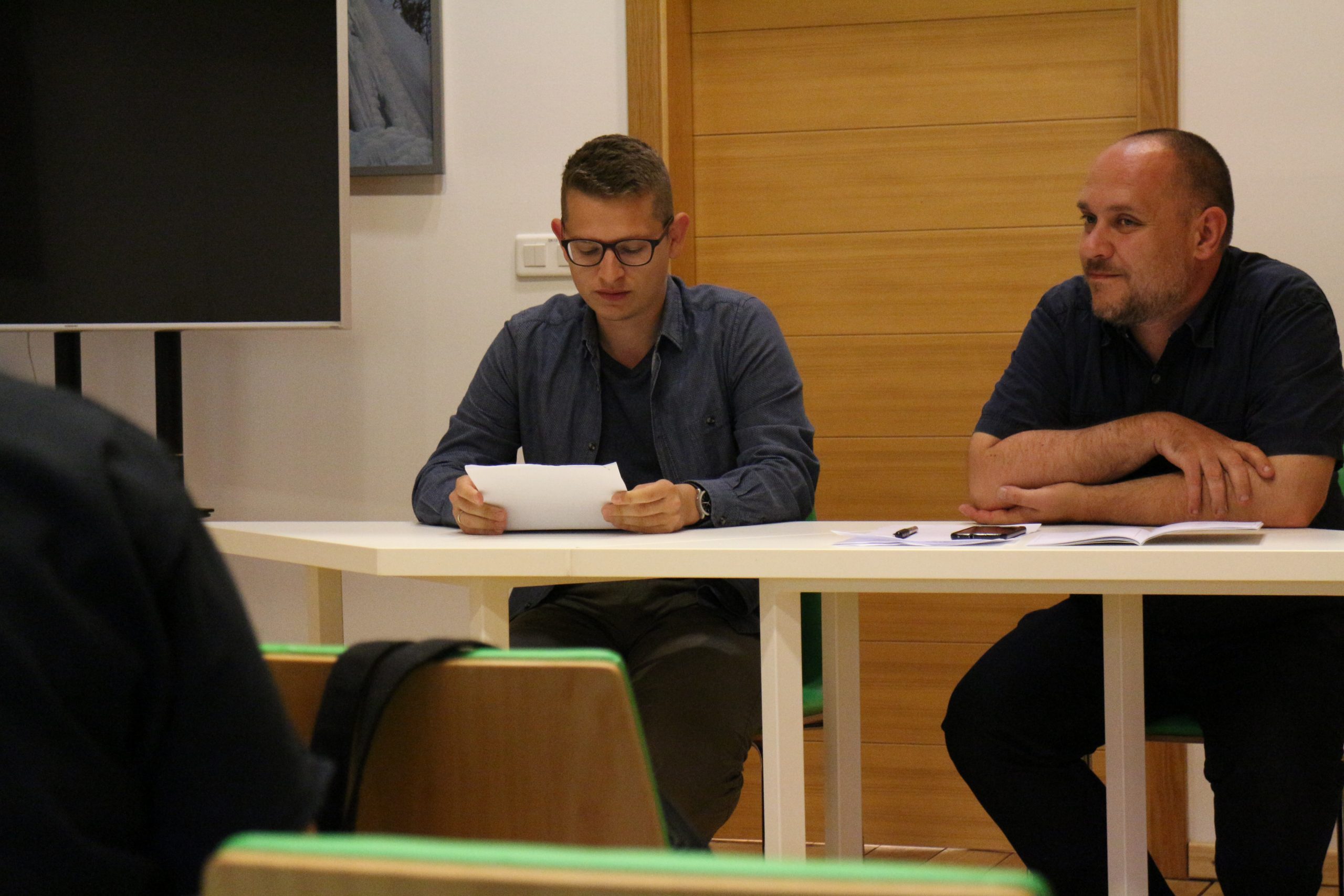
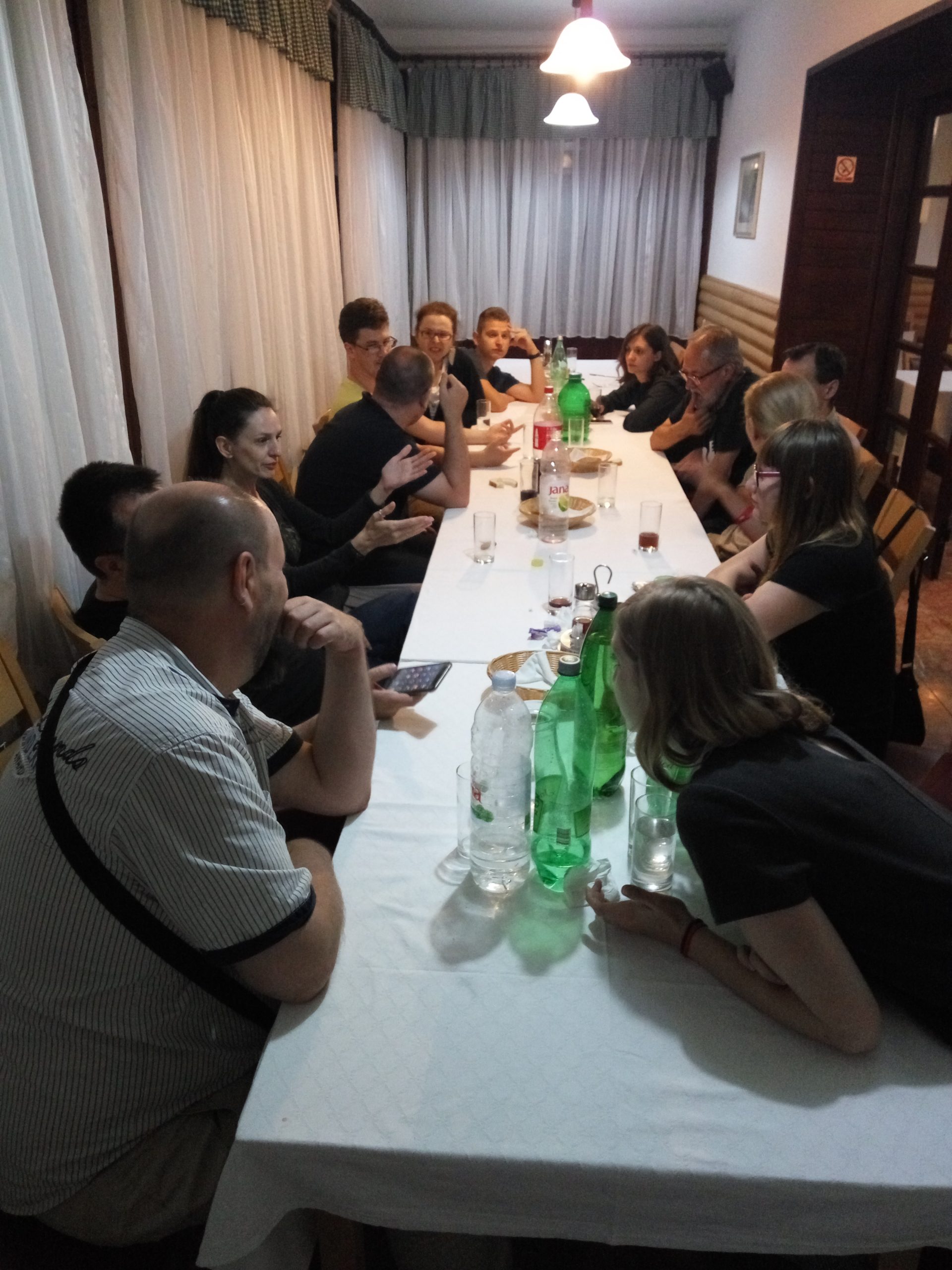
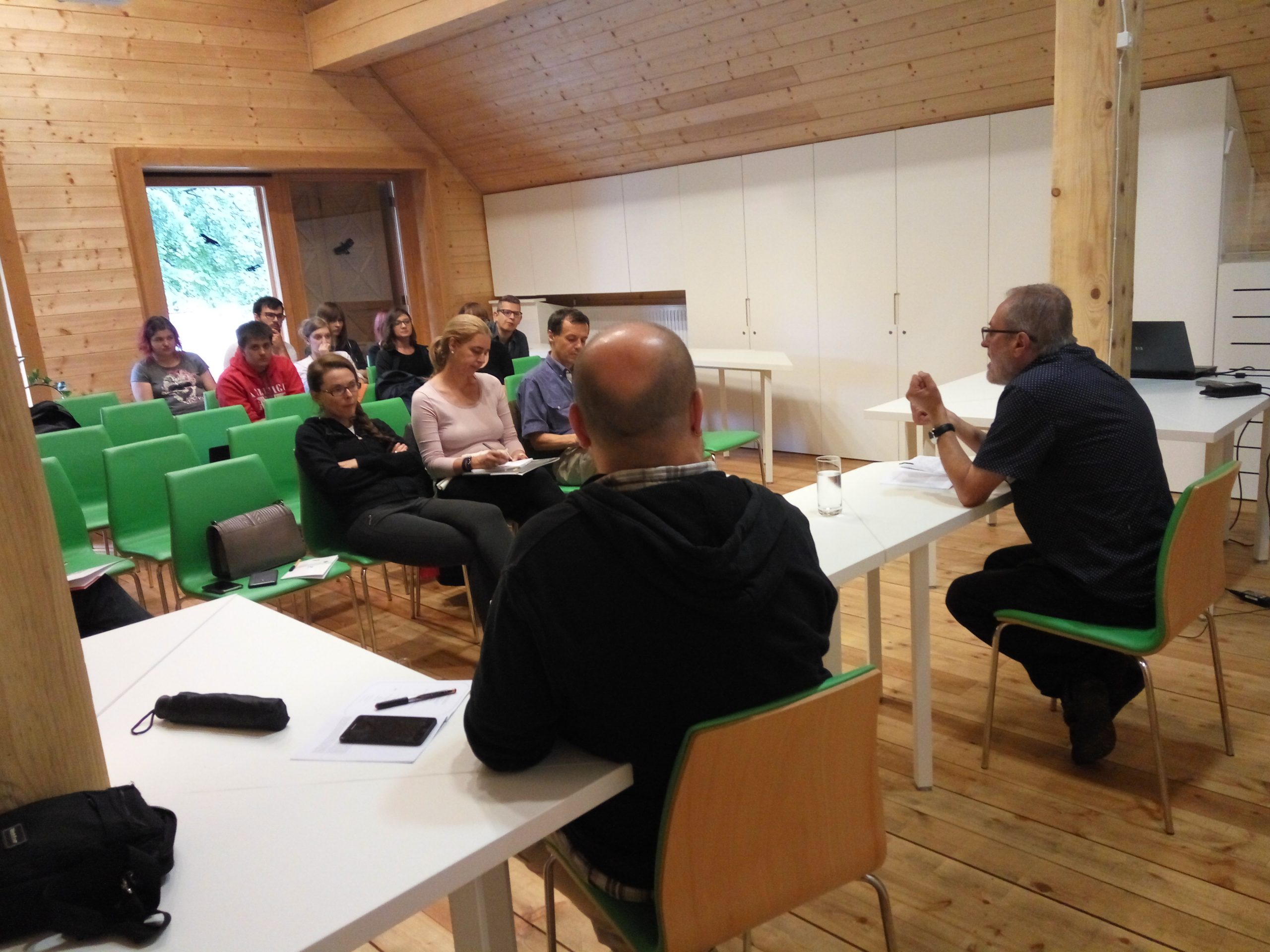
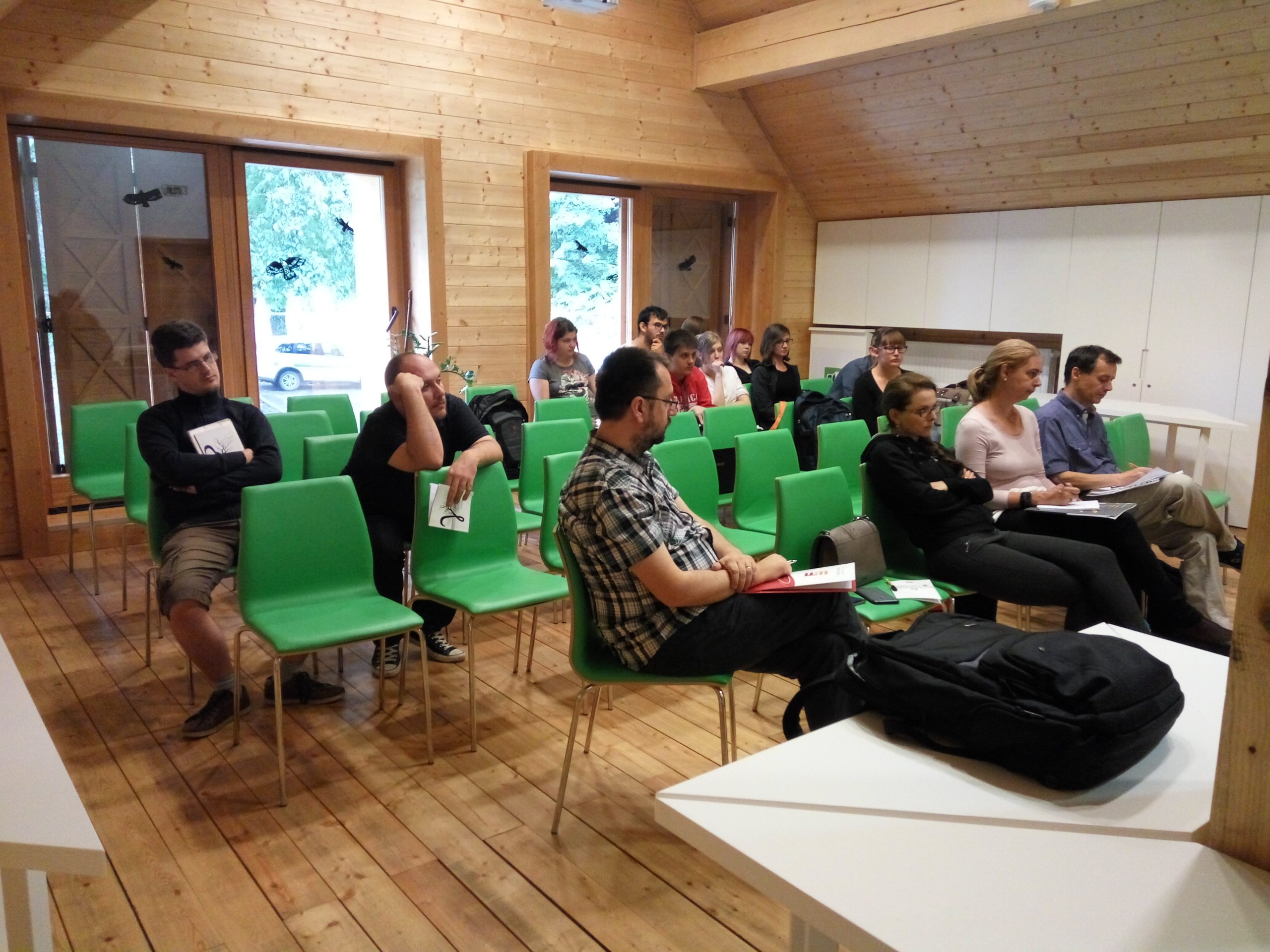
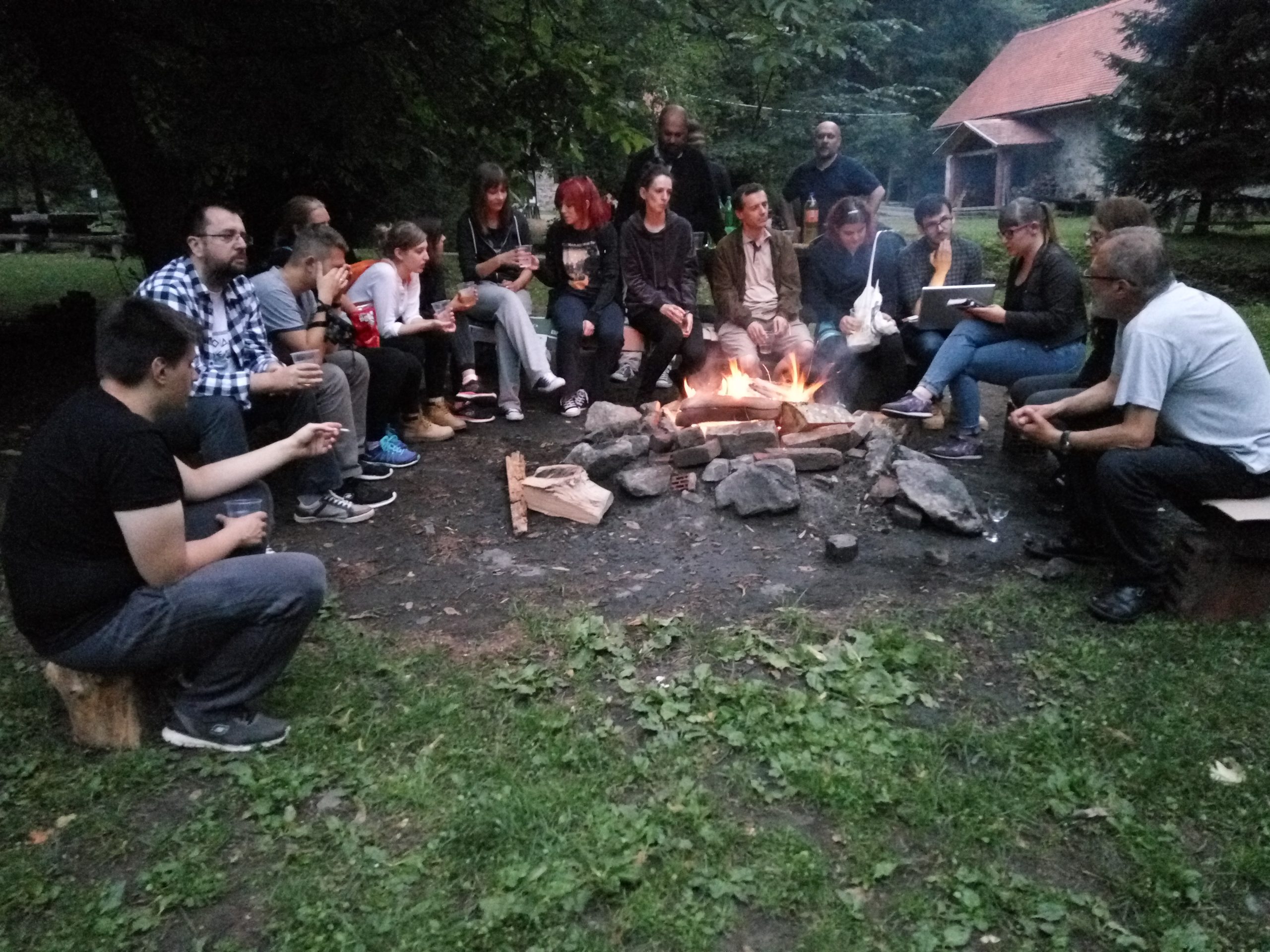
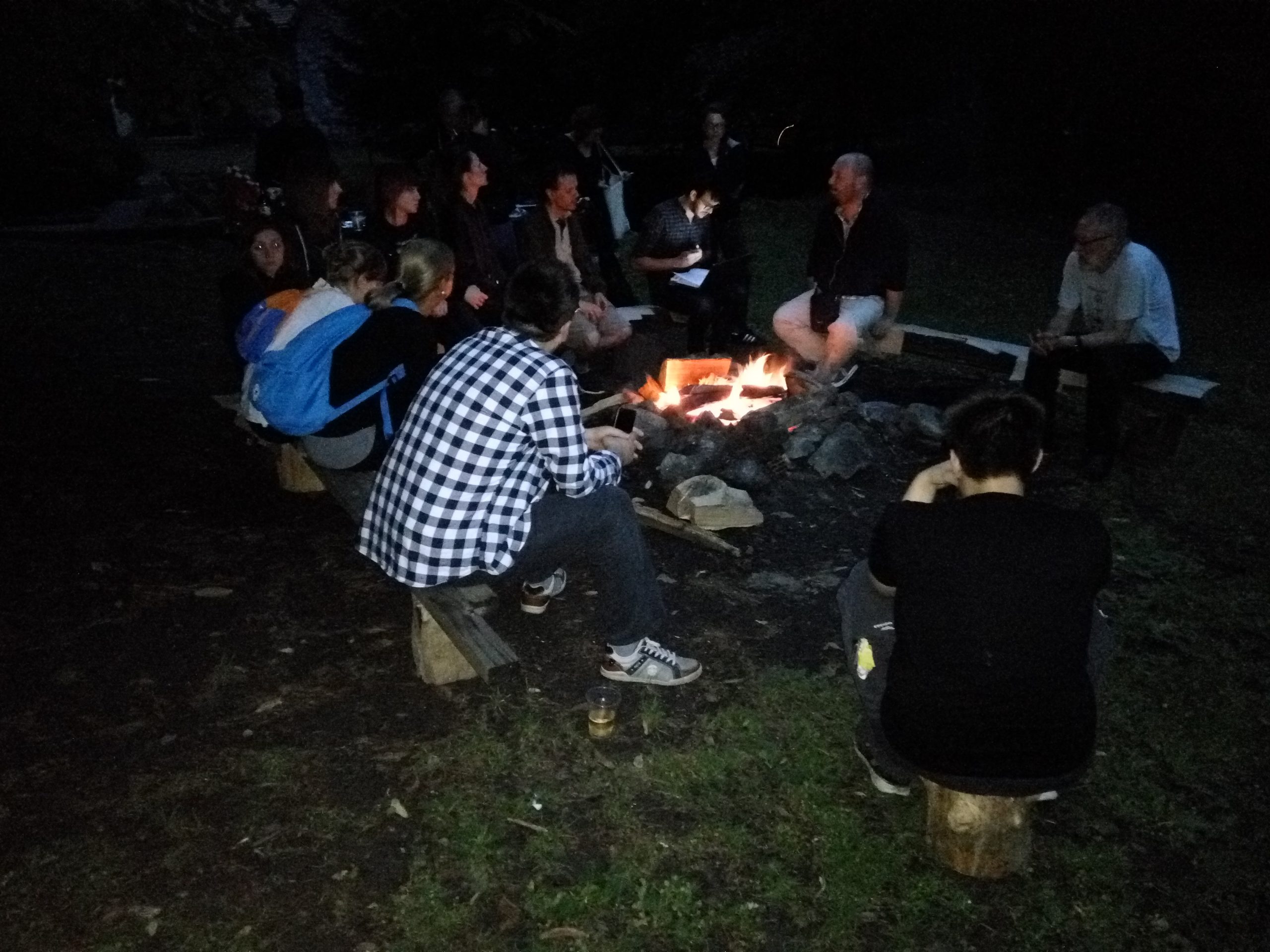
♦ 8–15 October 2017 ♦
Philosophy Study Trip to Greece
↓↓
The study trip to Greece for students and professors of the Faculty of Humanities and Social Sciences, held from 8 to 15 October 2017, aimed to introduce participants to Greek cultural and historical heritage and connect it with the philosophy of ancient Greece. We departed from Osijek late in the evening on Sunday, 8 October, heading toward the first planned destination – Thessaloniki. Among the city’s monuments and landmarks we visited were the White Tower, the Arch of Galerius, the Church of Saint Demetrius and the city square. After an overnight stay in Thessaloniki, we continued the journey along the coast beneath Mount Olympus and through the Thermopylae Pass, where we viewed the monument to Leonidas, the great Spartan king. We then headed to the ancient Greek sanctuary and oracle at Delphi. In front of the oracle, student Martina Ivanko gave a presentation on the inscription gnothi seauton, connecting it with Socrates and with Foucault’s interpretation of the Greek concept of parrhesia and care of the self (epimeleia heauton). At Delphi we had the opportunity to see the remains of the oracle, the treasuries of the ancient Athenians, the Temple of Apollo and votive buildings. One particularly notable site is known as the Sibyl’s Rock, where, according to legend, the prophetess sat and delivered ambiguous prophecies to travellers. Above the main sanctuary at Delphi lies a preserved ancient stadium where the Pythian Games were held. After visiting the museum, we left the oracle and headed to Athens. The following day we visited the Acropolis Museum, which contains numerous preserved remains of ancient structures such as the Odeon of Herodes Atticus, the Temple of Athena Nike, the Erechtheion with the Porch of the Caryatids, and the magnificent Parthenon dedicated to the goddess Athena. Ascending the Acropolis, we visited the Theatre of Dionysus, the birthplace of tragedy, where Aeschylus, Sophocles, Euripides and Aristophanes staged their works. We spent the remainder of the day in the city centre and visiting the National Archaeological Museum. In the city named after the Greek goddess of wisdom, one can experience the diversity of Greek culture alongside its cultural and historical monuments and buildings. Street musicians are often heard in the city centre, creating a distinctive atmosphere. We used the evening in Athens for walking and sightseeing and for socialising with music in the hotel lobby. A full-day excursion to the Peloponnese followed. On the peninsula we saw the Corinth Canal, Mycenae and the Lion Gate, Corinth and the theatre at Epidaurus. At the entrance to the old city, student Mislav Uzunić gave a presentation in which he briefly informed those present about the landmarks we had come to see and connected the site with Cynic philosophy, with anecdotes about the Cynic Diogenes proving particularly interesting and memorable. Upon returning to Athens, a dinner with music and dance – sirtaki and bouzouki – was proposed in Plaka, the oldest part of the city. Toward the end of the journey we departed for the Macedonian city of Ohrid. Getting to know the city situated on the shore of the lake of the same name left an impression through its numerous cultural and historical monuments, such as Samuel’s Fortress and the churches dedicated to Saint Sophia and Saint Clement, as well as through its natural beauty. The visit to Ohrid brought the social part of the journey to a close, and we headed back to Osijek.
Katarina Žaper
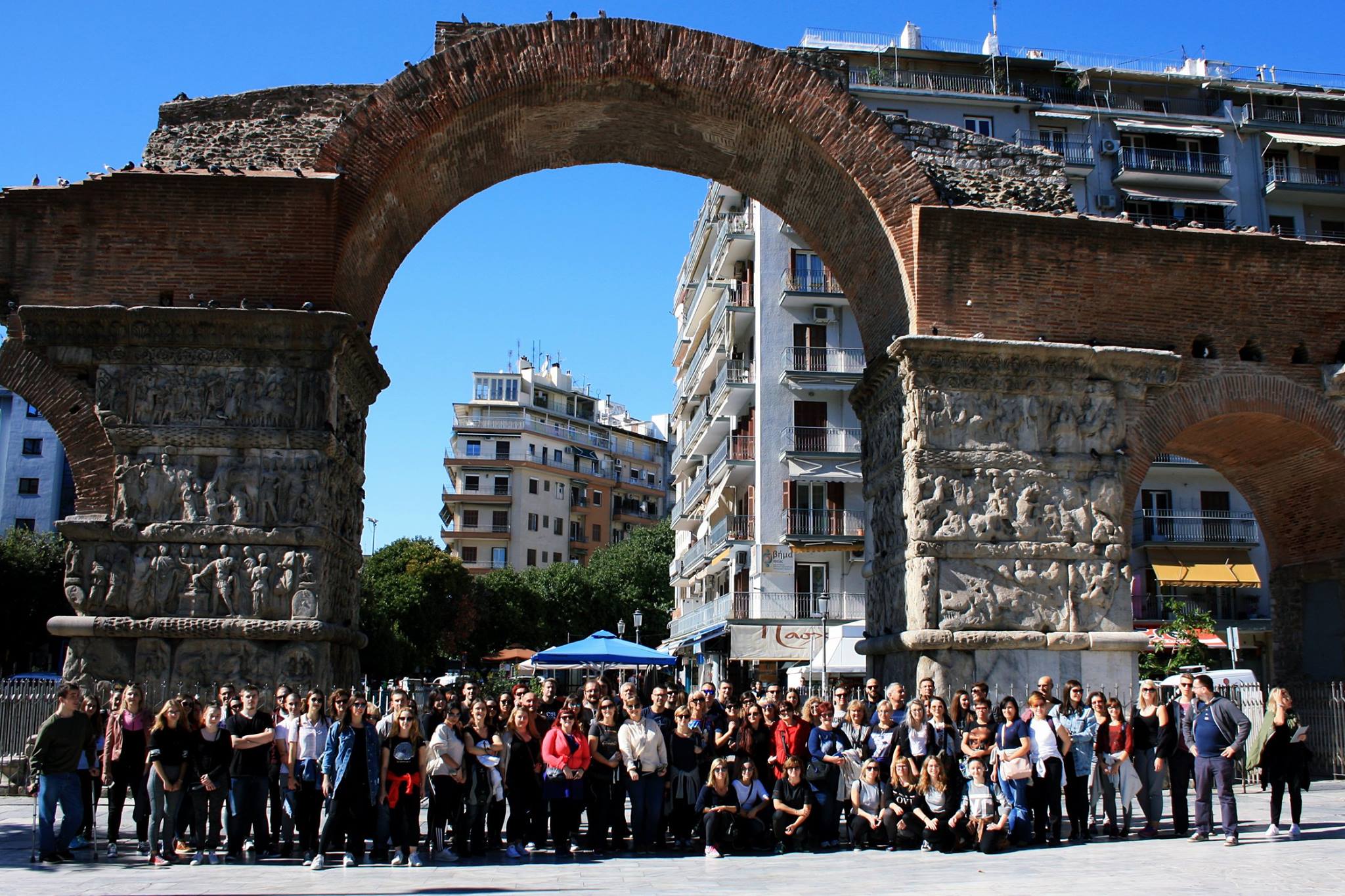
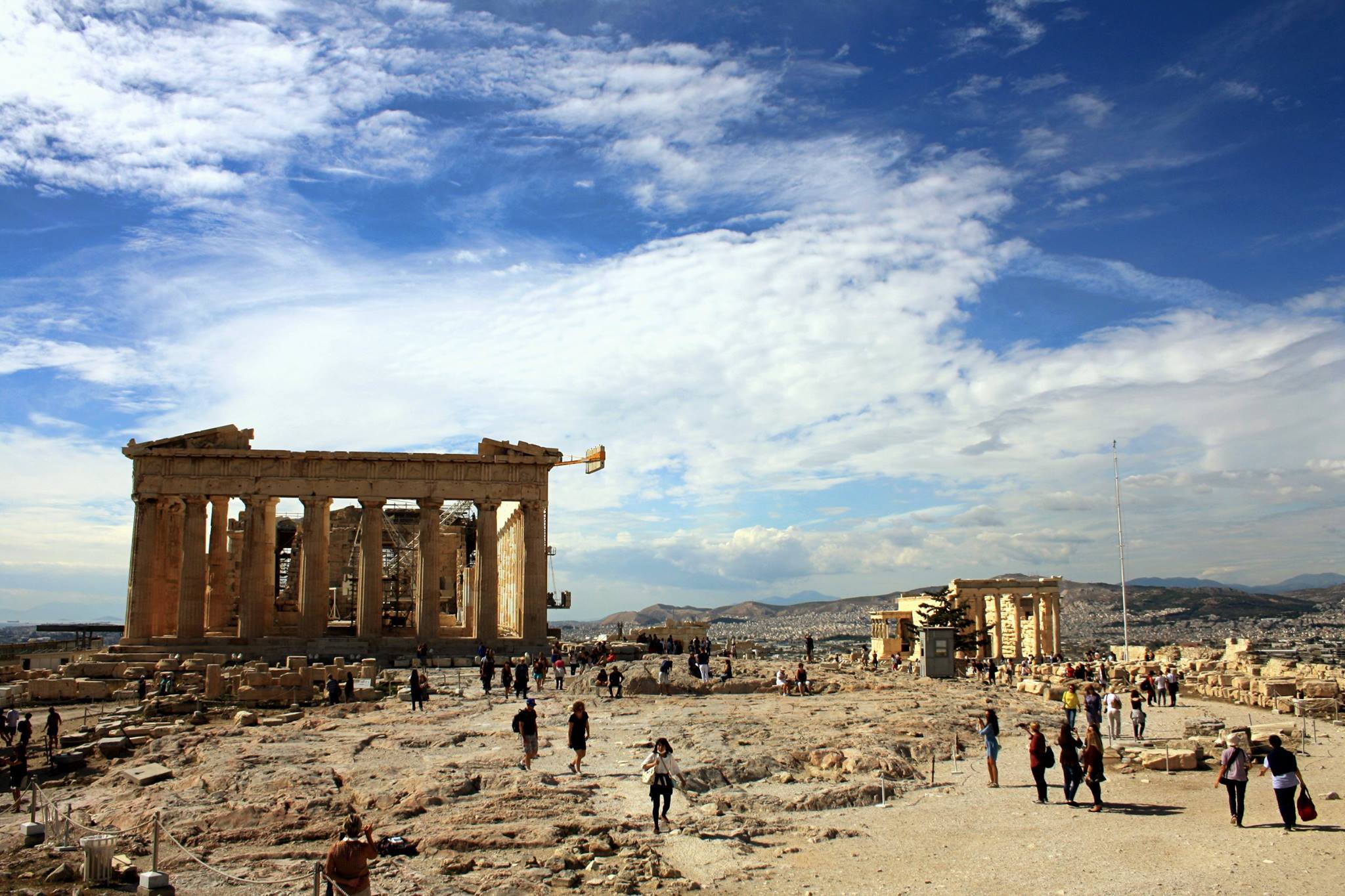
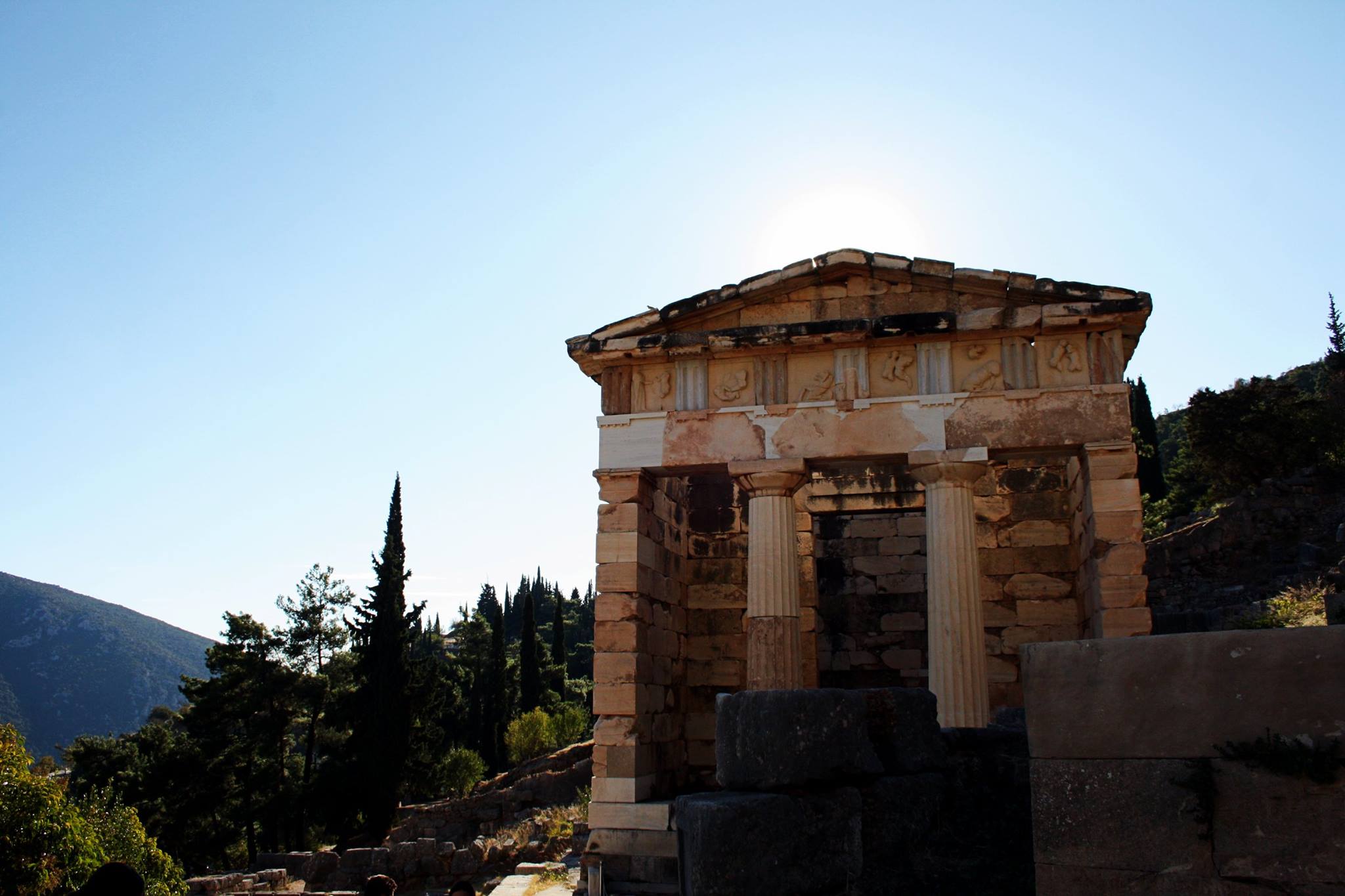
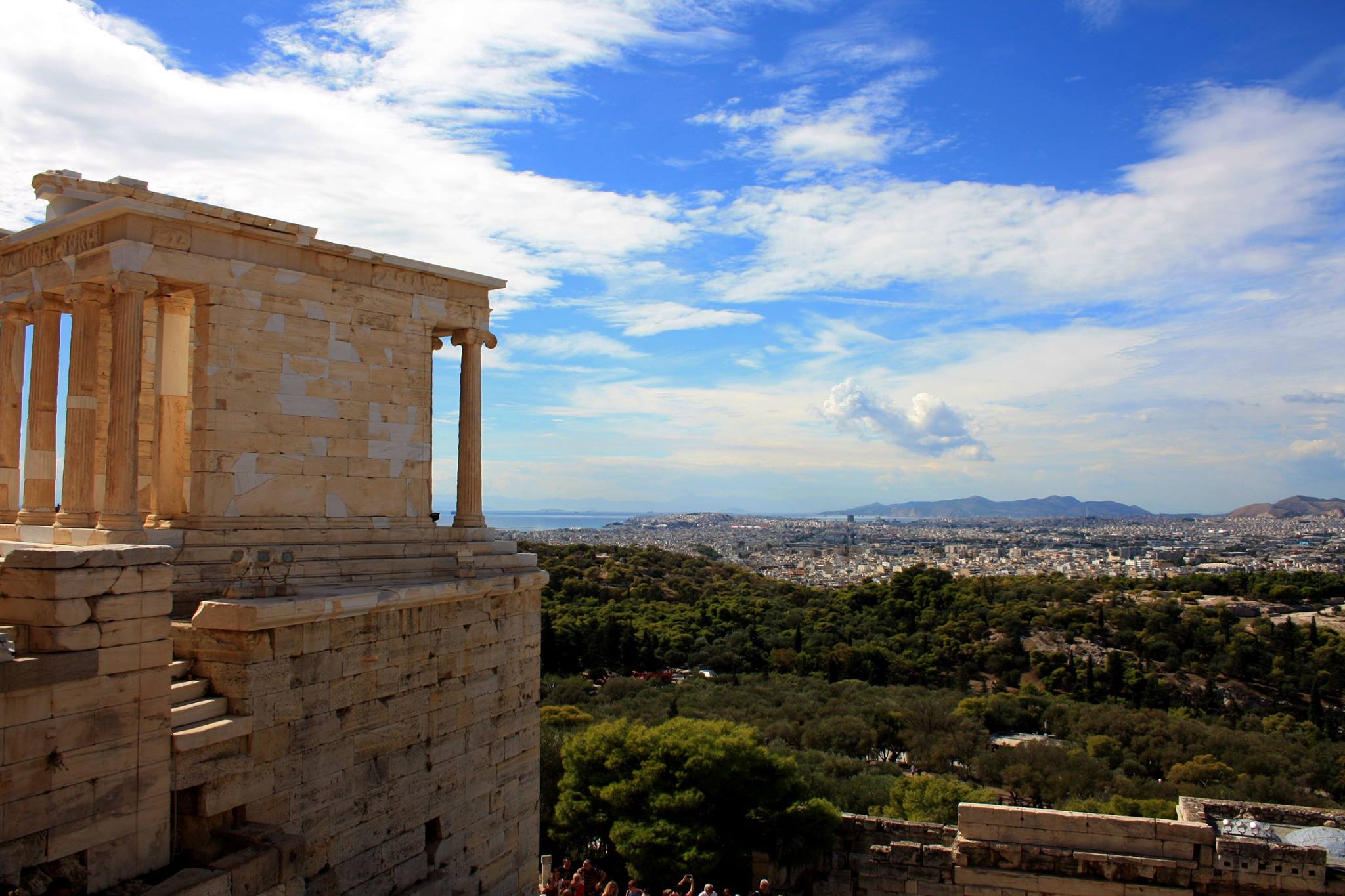
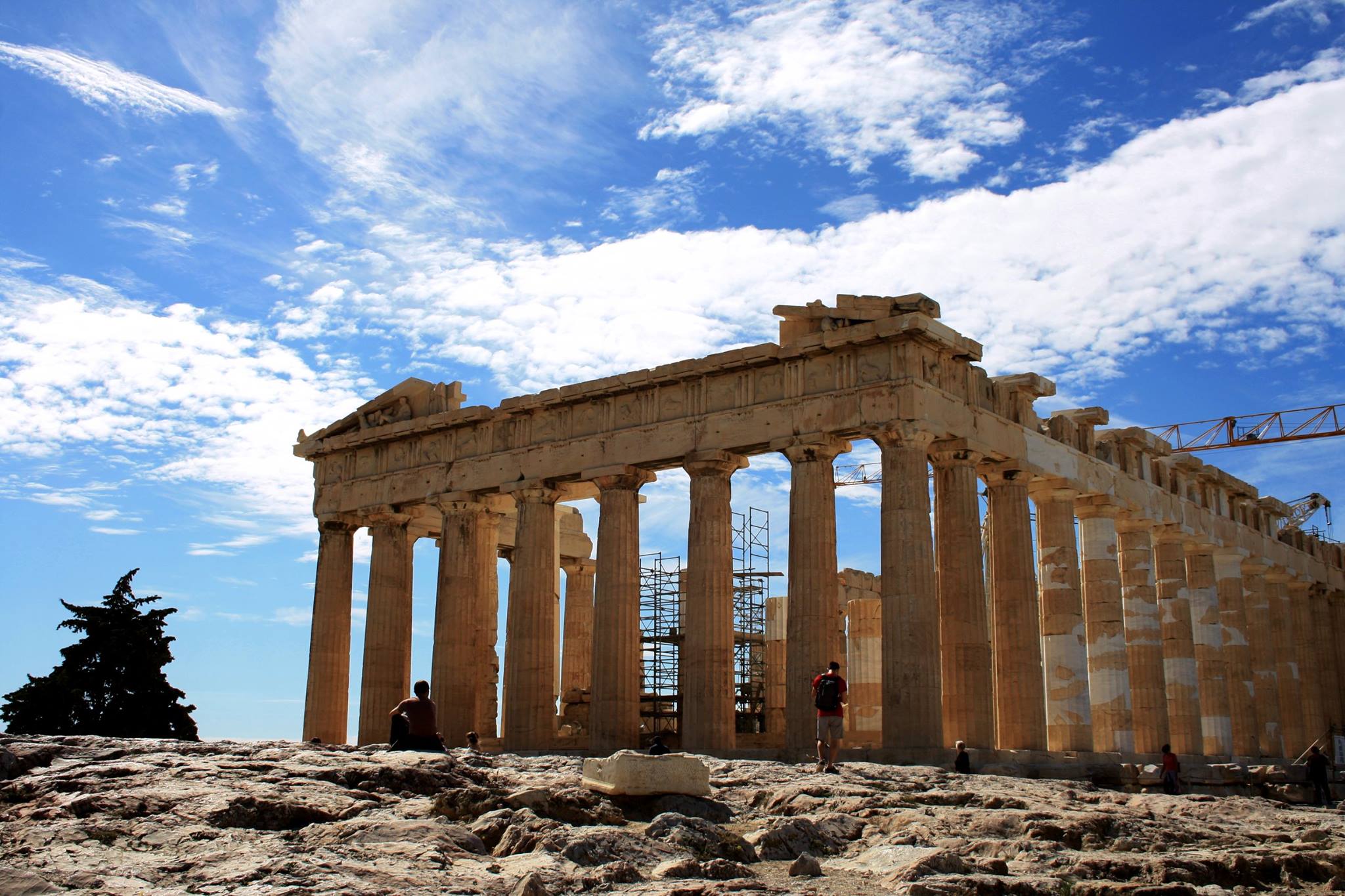
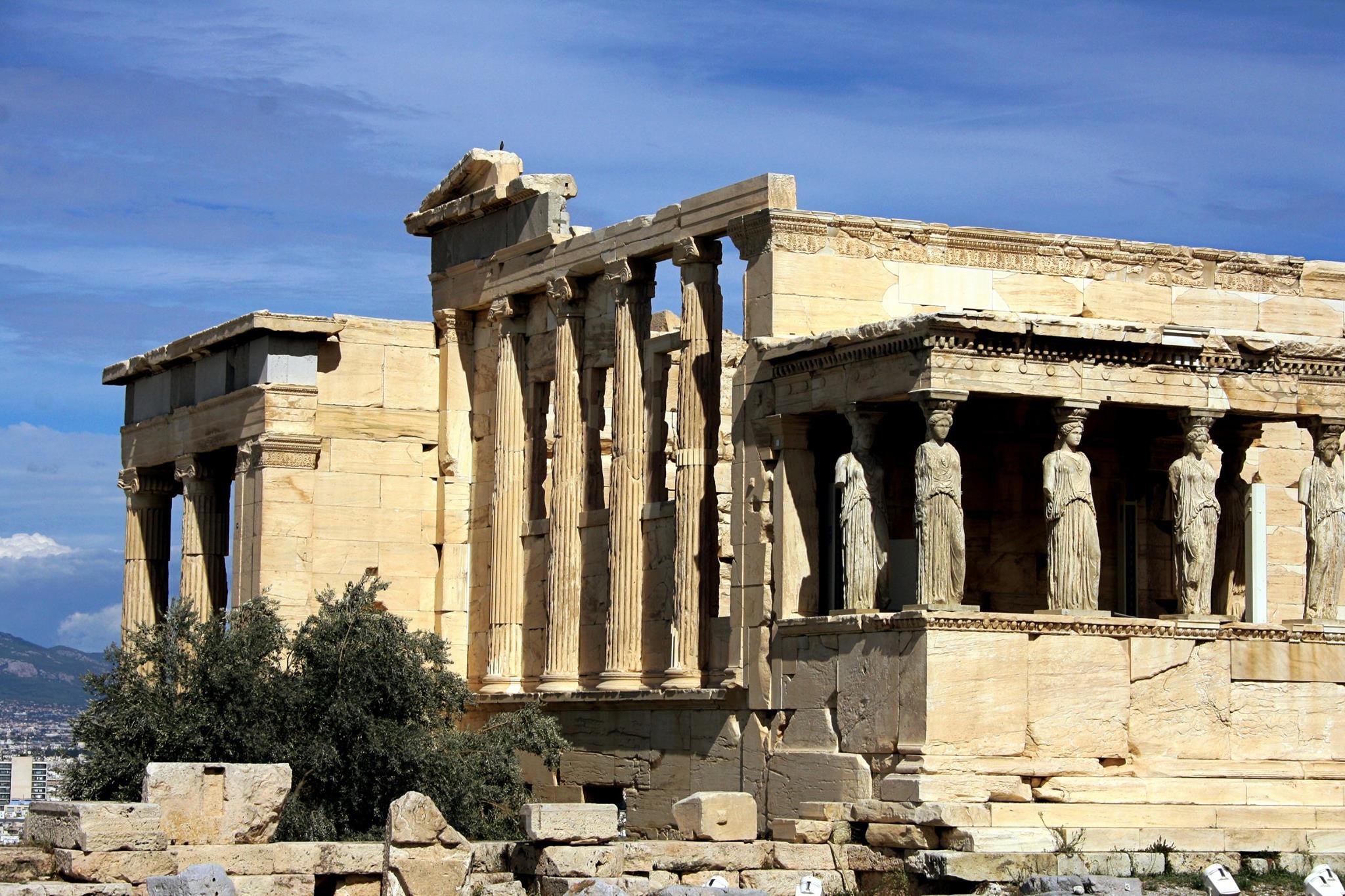
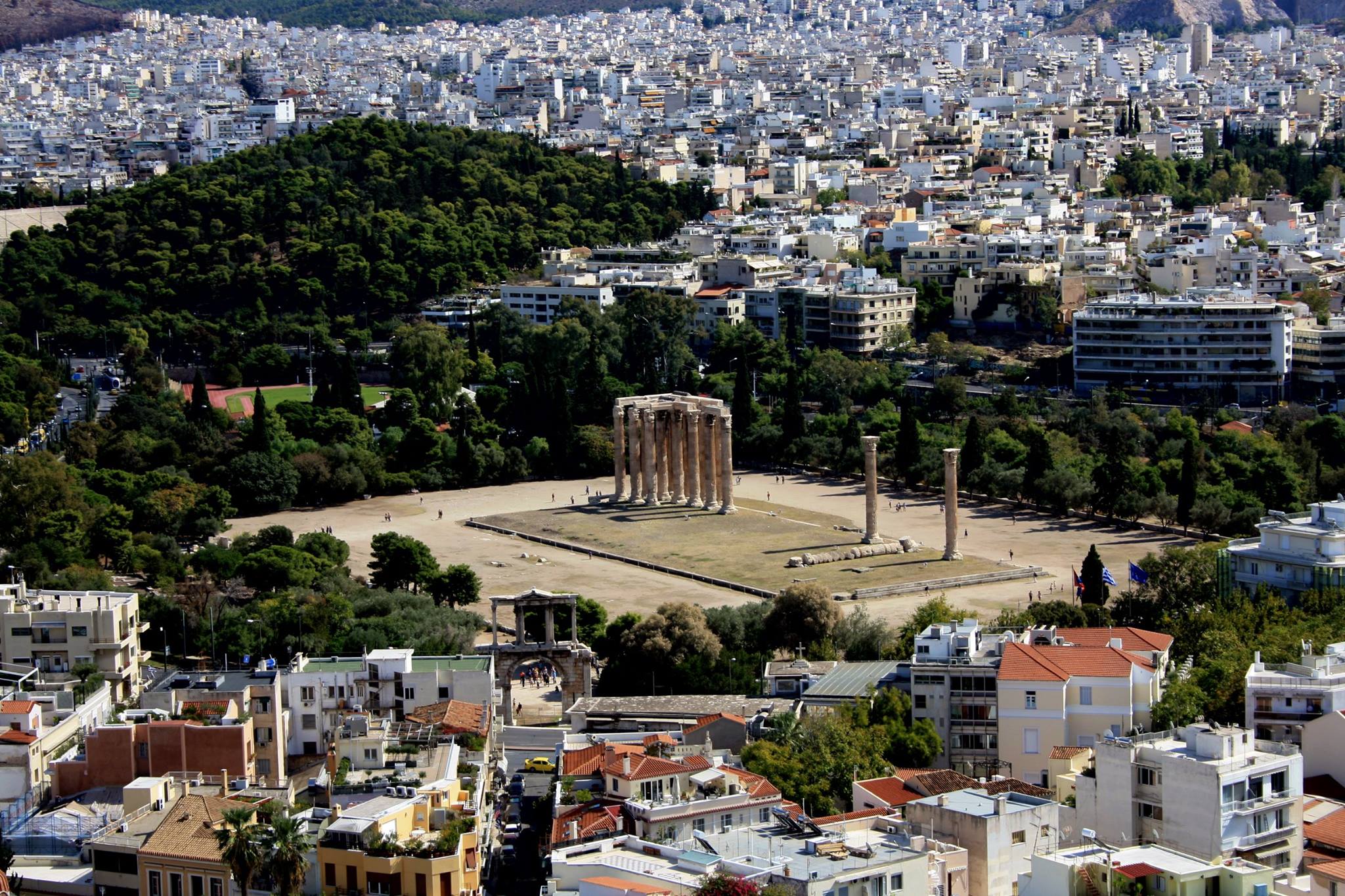
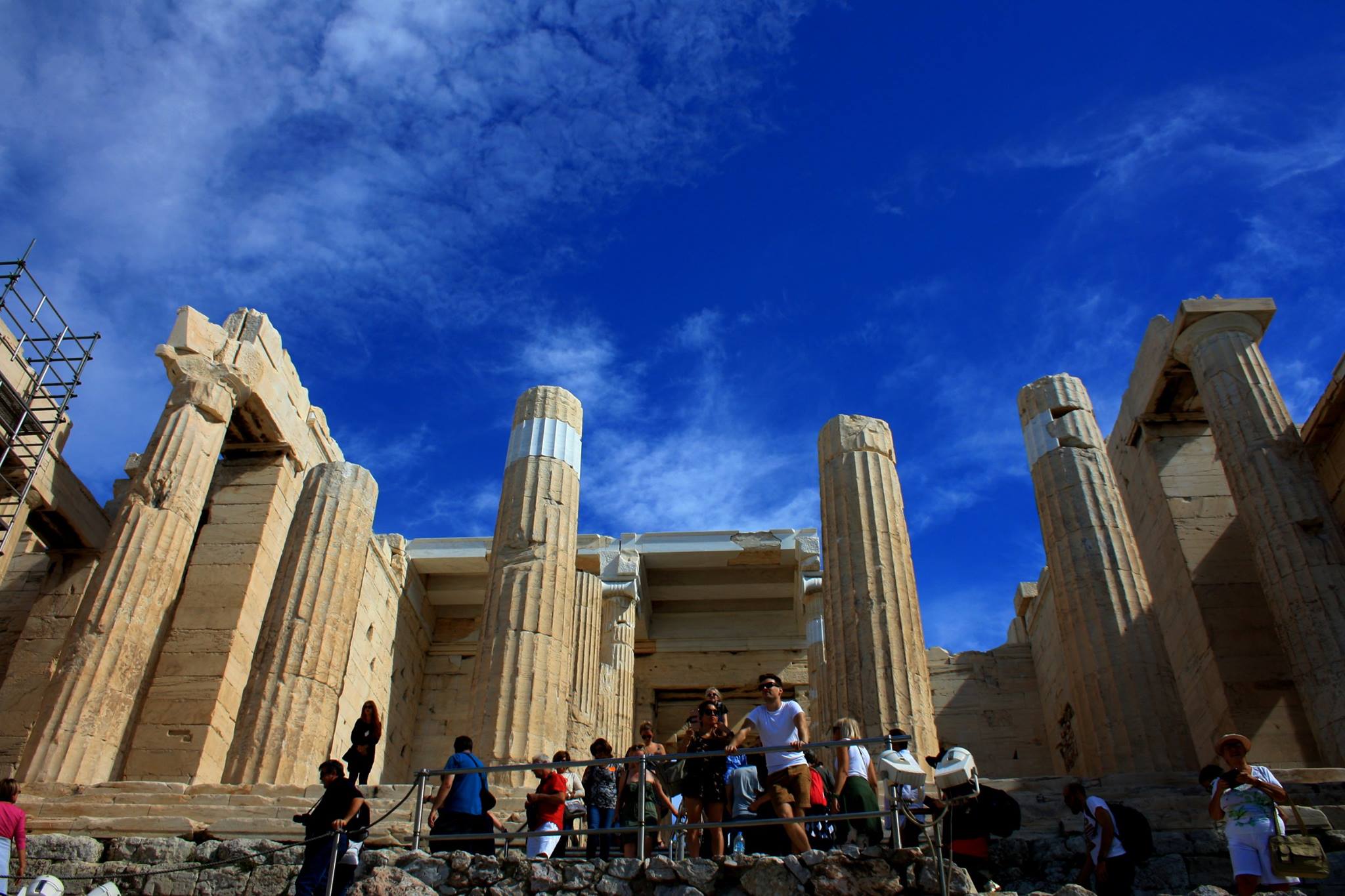
♦ 2–4 June 2017 ♦
1st Scientific and Professional Conference “Philosophy between Science and Religion”
↓↓
The 1st scientific and professional conference entitled “Philosophy between Science and Religion” was held at the Jankovac excursion site in Papuk Nature Park from 2 to 4 June 2017, organised by the Faculty of Humanities and Social Sciences in Osijek and the Croatian Karl Jaspers Society. Professors and students of philosophy from the universities of Osijek and Zagreb took part. As stated in the programme leaflet, the conference was organised with the intention of discussing, in an atmosphere of academic dialogue, subject matter whose approach to science, philosophy and religion moves beyond classical theoretical coordinates and which, by recognising the signs of the formation of a new epoch, presents itself as a critical examination of their most important questions.
After the participants arrived and settled in during the afternoon of 2 June, the conference began on Saturday morning with welcoming remarks by Asst. Prof. Boško Pešić, PhD, of the Faculty of Humanities and Social Sciences in Osijek, who also opened the first session of presentations entitled “Philosophy”. Prof. Pešić delivered the presentation “Hegel on Science and Religion”, in which he outlined the role of religion and the individual sciences within Hegel’s system, with particular emphasis on today’s need for a higher synthesis of those sciences within the system of one absolute science, namely philosophy. This was followed by Damir Sekulić and Martina Ivanko’s presentation “Jaspers’s Definition of Philosophy and the Responsibility of the Philosopher”, in which they presented Karl Jaspers’s views on the role of philosophy in relation to science and religion, with emphasis on the responsibility philosophers should bear in this respect. In the next presentation, “The Heritage of Philosophy, Science and Religion”, Bruno Dronjić and Natalija Antolović gave a genealogical account of the specific characteristics of each of these activities of the spirit and the necessity of their interrelationship. The session concluded with an extensive discussion that continued over lunch. After the lunch break, participants began the second block of presentations, entitled “Religion”, opened by Danijel Tolvajčić, associate professor at the Catholic Faculty of Theology in Zagreb, with “Basic Models of the Relationship between Philosophy and Religion. Classical and Contemporary Examples”. Prof. Tolvajčić addressed the theodicies of John Hick and Richard Swinburne, presenting the authors’ arguments and criticism of them. This was followed by Barbara Beca and Marko Sičanica’s “Religious Pluralism in John Hick”, in which they presented the basic theses of the religious pluralism advocated by John Hick and concluded with a sharp criticism of some of his positions. Dragan Hardi then gave the presentation “Falsifications in Theology”, in which, within the framework of analytic philosophy of religion, he explained the problem of falsification and verification of theological postulates. The block ended with a discussion in which participants mainly criticised certain positions and claims of the theologians Hick and Swinburne.
On the same day, in the informal surroundings of the park, Mislav Uzunić and Damir Sekulić delivered presentations and critical reviews of books by Prof. Boris Kožnjak and Prof. Danijel Tolvajčić. Mislav Uzunić gave the presentation “Boris Kožnjak, Experiment and Philosophy”, presenting Prof. Kožnjak’s book dealing with the problem of the experimental method within natural science and philosophy. Damir Sekulić then gave “Danijel Tolvajčić, Contemporary Analytic Philosophy of Religion”, presenting Prof. Tolvajčić’s book, which offers an account of philosophy of religion from the perspective of the analytic tradition. The presentations were followed by a discussion that had the unusual advantage of the authors of the monographs themselves being present and participating in the dialogue.
The third and final block of presentations, entitled “Science”, was held on Sunday morning, 4 June, and opened by Boris Kožnjak, PhD, with the presentation “Science and Metasciences”, in which he first gave a basic overview of the problems faced by the scientific method and then explained metasciences such as the philosophy, history, sociology and psychology of science. This was followed by Marijana Crnković and Katarina Glavica’s “Social Questions of Scientific Cognition”, in which they presented the issue of the role of social factors within scientific practice. The final presentation, “Dogma in Science”, was delivered by Valentina Vaško, who explained the critique of dogmatic elements in science identified by the scientist and philosopher Thomas Kuhn.
The final block ended with a discussion, while the conference itself concluded with words of thanks and recognition to all participants from Prof. Boško Pešić, who expressed the wish that, if possible, the conference should continue as a tradition under the same circumstances and with equal success, emphasising its uniqueness as a multidisciplinary dialogue on the role of philosophy, science and religion in modern society. On Sunday afternoon, the participants returned to Osijek by organised transport.
Mislav Uzunić