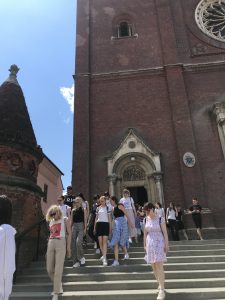
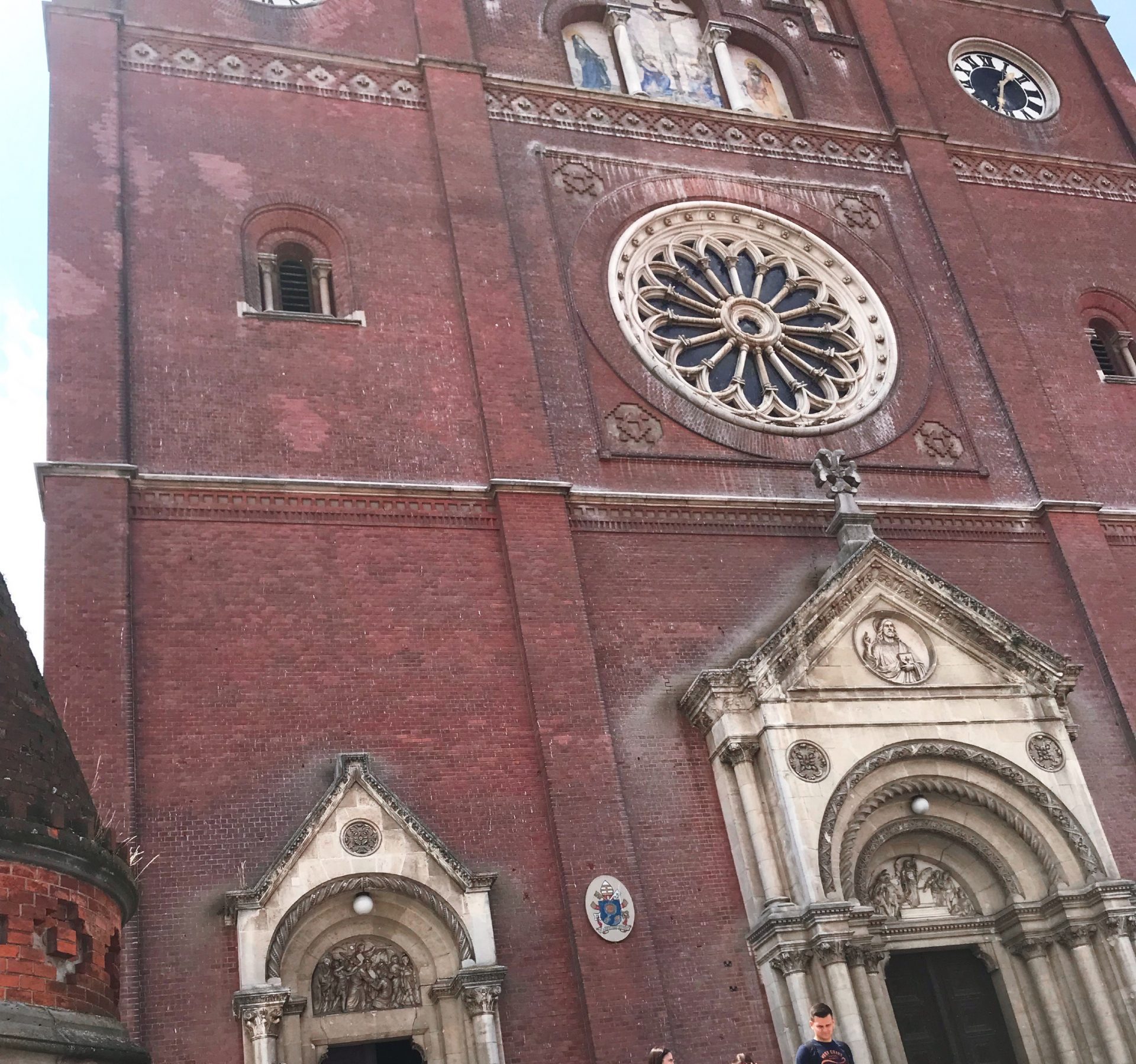
Art History Study Programme: Field Trip to Vukovar
On 23 May 2026, a field trip to Vukovar was held as part of regular classes in the courses 20th-Century Art, Museum Theory and Practice, and Research Methodology and Modalities of Writing about Art in the undergraduate Art History study programme. Four of the six third-year Art History students and eight of the eleven second-year Art History students participated.
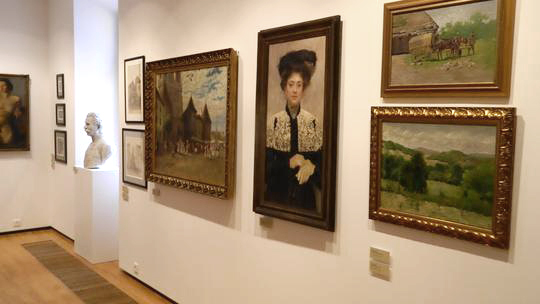
The institutions in which the field trip activities took place were the Vukovar City Museum and the Vučedol Culture Museum. The following activities were carried out: at the Vukovar City Museum, classes were held as part of the permanent exhibition and the Bauer Collection exhibition. At the Vučedol Culture Museum, classes were held as part of the permanent exhibition.
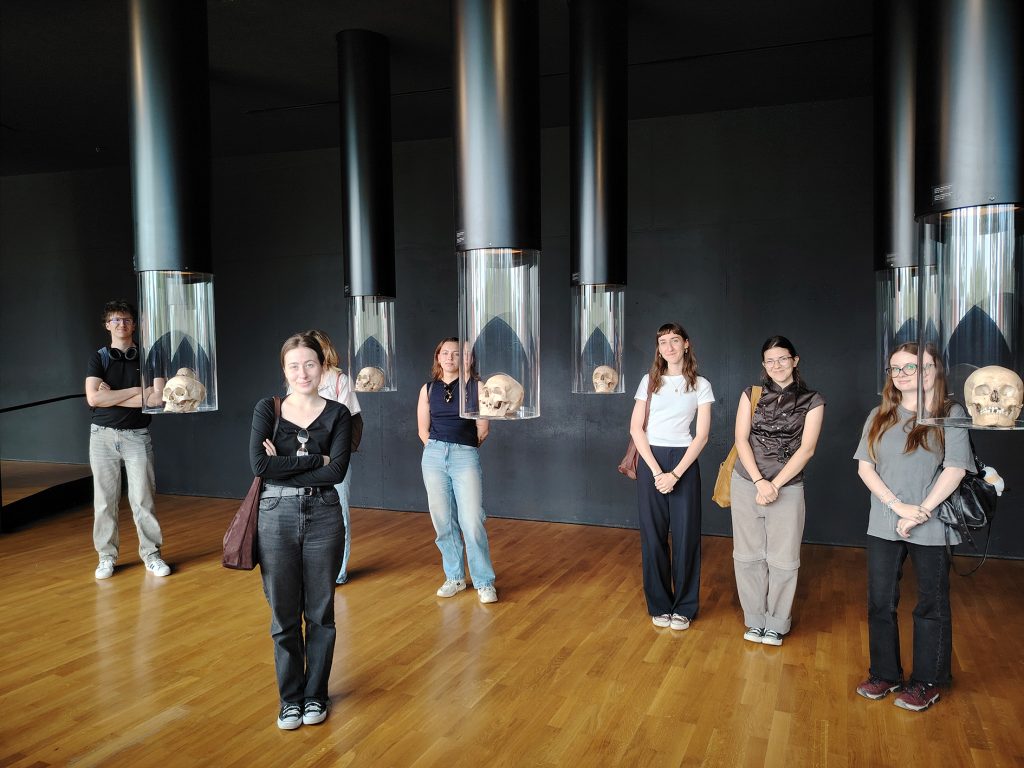
The aim of the field trip was to introduce students to museums and current exhibition programmes and to provide them with an opportunity to analyse exhibitions for the purpose of writing a seminar paper. The following expected outcomes of the field trip were achieved: familiarising students with the activities of two important museum institutions of the complex and specialised type in eastern Croatia, respectively, and with the museological concept of their permanent exhibitions. Furthermore, students became acquainted with the styles, movements, artists and works of visual art of the 20th and 21st centuries, learned to recognise and identify 20th-century art styles and examples of modern and postmodern art. By visiting the exhibitions, students gained insight into the exhibition activities of top-level museum institutions and became familiar with different forms of museum communication, as well as with museological aspects of the interpretation of museum objects.
Asst. Prof. Daniel Zec, PhD
Field Trip Held as Part of the Course Croatian and Regional Economic History of the 19th and 20th Centuries
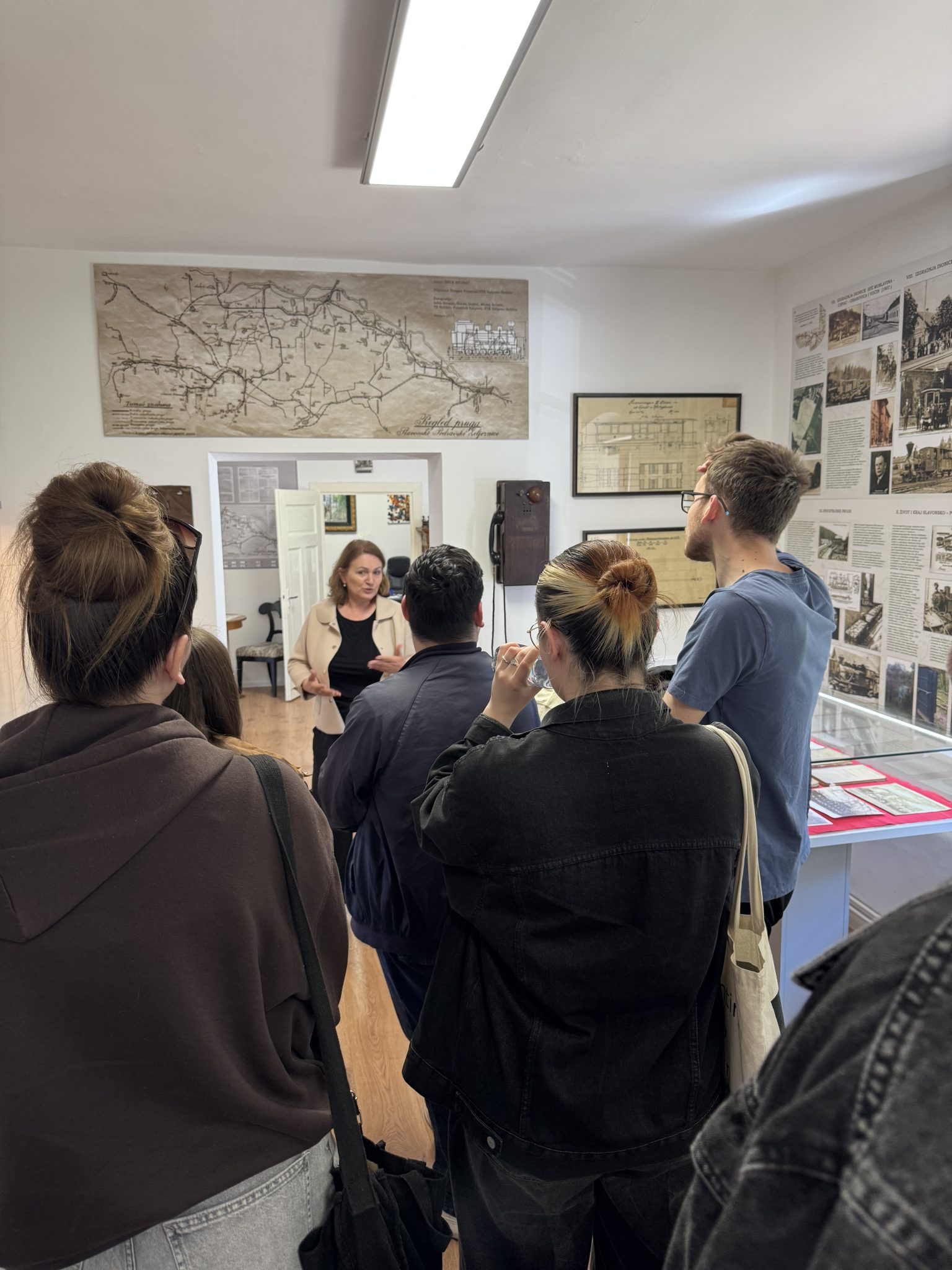
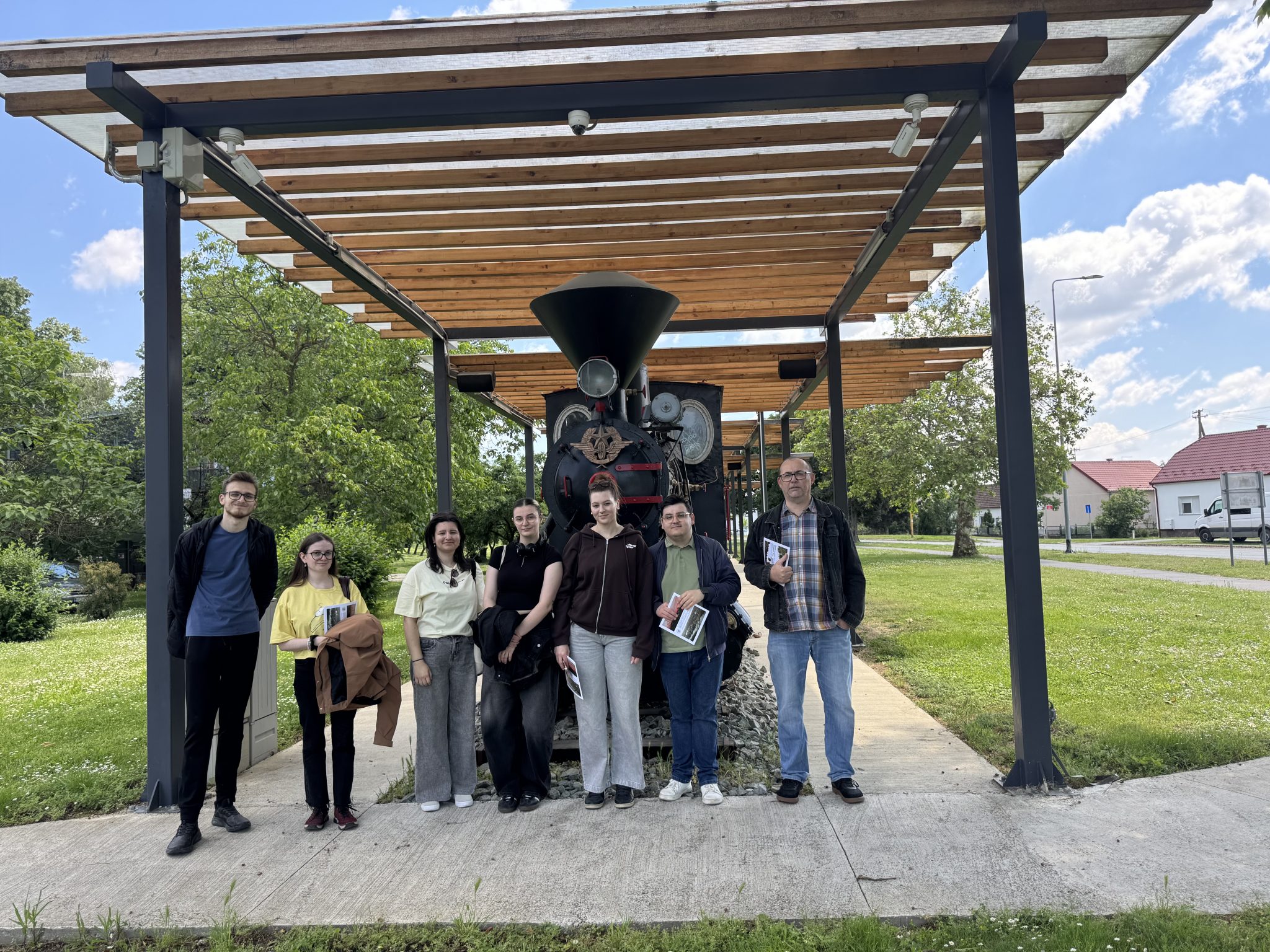
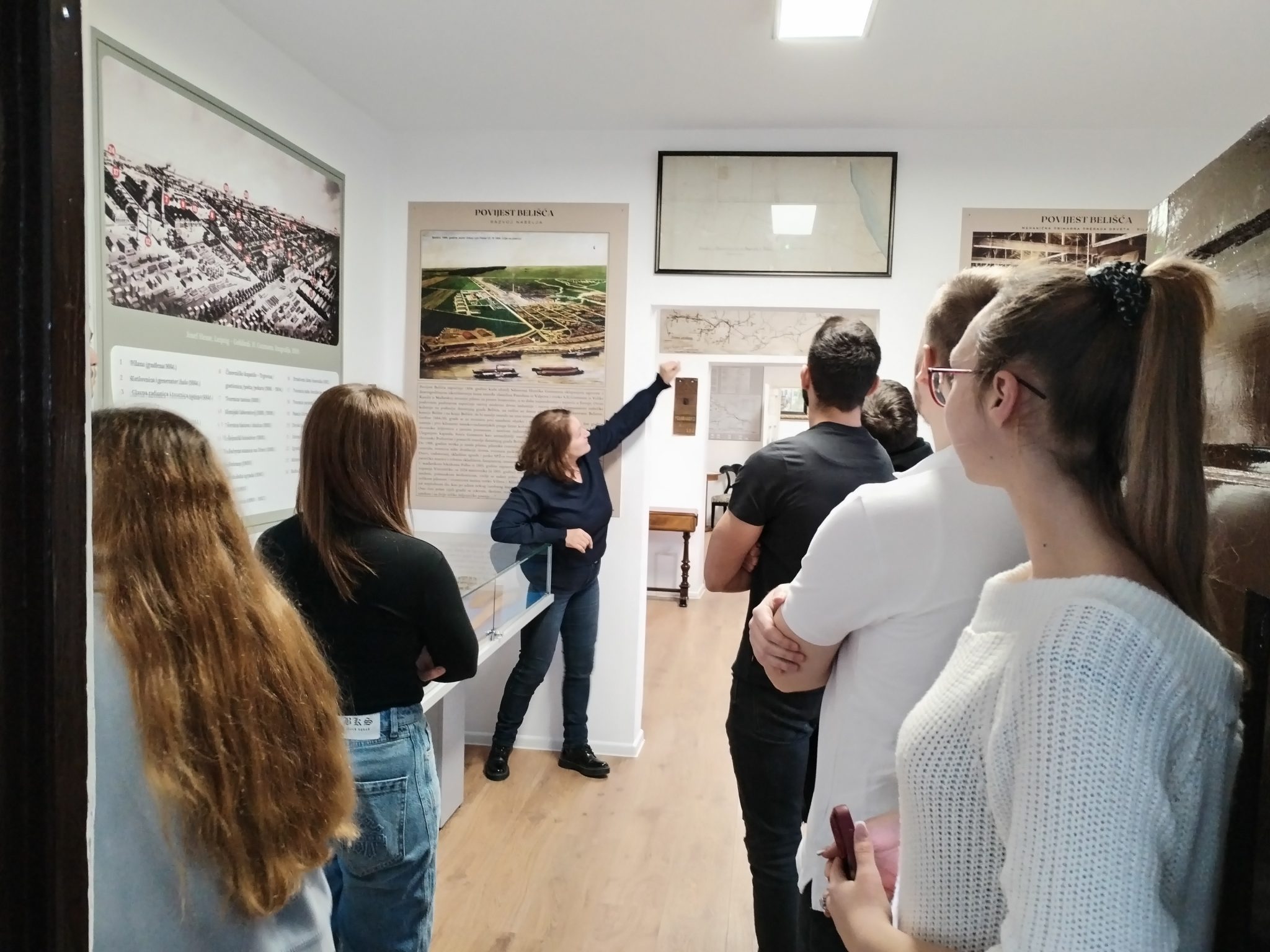
On 20 May 2026, as part of the course “Croatian and Regional Economic History of the 19th and 20th Centuries”, students visited the Belišće City Museum. Under the expert guidance of museum director Nada Đilas Bosanac, the students toured the museum exhibition dedicated to the industrial character of the settlement.
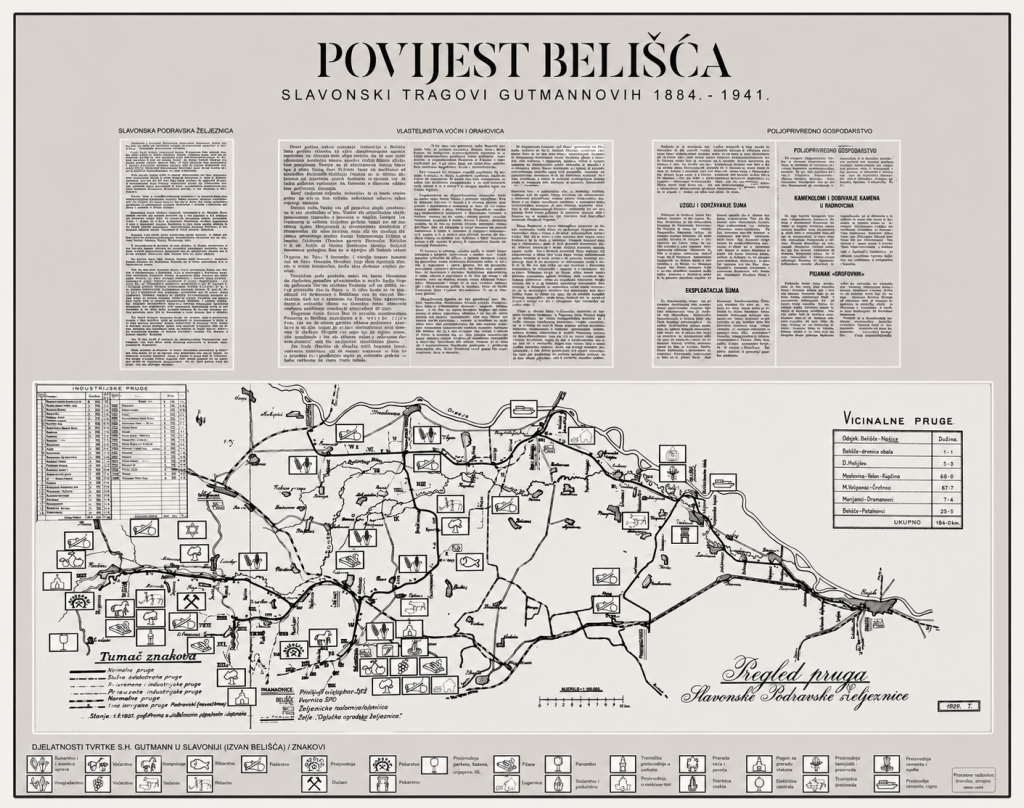
Belišće was founded in 1884 by S. H. Gutmann d. d. with the aim of exploiting Slavonia’s forest resources, which from the mid-19th century formed the basis of highly competitive business operations. The company developed its business by relying on intensive exploitation of timber resources and their industrial processing. Given the predominantly rural character of Slavonia in the 19th century, from the very foundation of Belišće its population consisted largely of an immigrant workforce connected with the industrial development of the settlement.
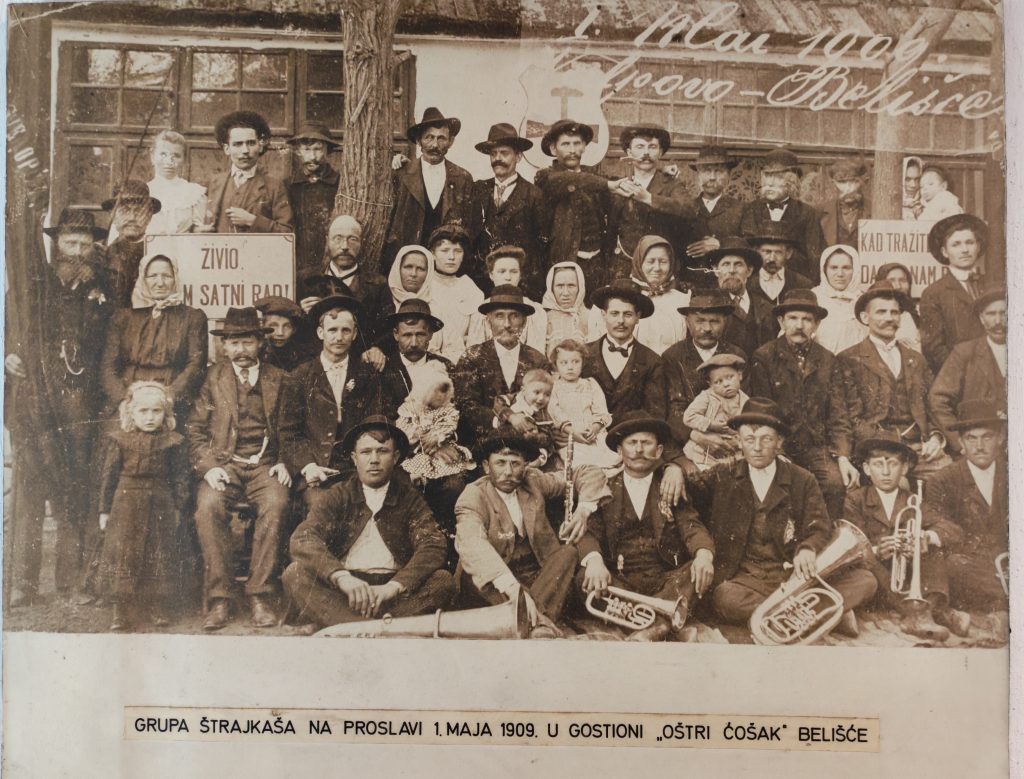
In this sense, the Belišće City Museum presents the development of the industrial colony, including the construction of residential buildings, supporting infrastructure and the railway network that connected forest operations with the surrounding civilian settlements. In order to maximise production, the company significantly developed various branches of supporting industry connected with wood production, particularly the chemical industry. A special feature of Belišće is the fact that even today a large share of the employed population works in the industrial sector.
Field Trip to Zagreb: Encounter with the Cyrillo-Methodian Heritage and the History of the Croatian Kingdom
On Tuesday, 10 March 2026, first- and second-year students of the undergraduate single-major and double-major study programmes in Croatian Language and Literature took part in a one-day field trip to Zagreb. The field trip was attended by students enrolled in the compulsory and elective courses Old Church Slavonic 2, History of the Croatian Literary Language and Slavic Scripts taught by Prof. Milica Lukić, PhD, and Asst. Prof. Vera Blažević Krezić, PhD, from the Chair of the History of the Croatian Language and Croatian Dialectology. The field trip focused on three main locations: the Greek Catholic Co-Cathedral of Sts Cyril and Methodius in Zagreb, the exhibition “In the Beginning Was the Kingdom” at the Klovićevi dvori Gallery, and the headquarters of the Province of the Franciscan Tertiaries Glagolites – the Monastery and Church of St Francis Xavier in Zagreb.
The professors and students were warmly welcomed by the provincial secretary, Friar Mirko Mišković, who is also a doctoral student of the postgraduate university study programme Linguistics at the Faculty of Humanities and Social Sciences in Osijek. Friar Mirko Mišković accompanied the students and professors to Ćirilometodska Street in Zagreb’s Upper Town, where the Neo-Byzantine Greek Catholic Co-Cathedral of Sts Cyril and Methodius is located. The church acquired its present form at the end of the 19th century at the initiative of the then Greek Catholic Bishop of Križevci, Ilija Hranilović. Work began in 1885 – as part of the programme marking the thousandth anniversary of the death of St Methodius – and the restored church was consecrated on 12 December 1886. The project was overseen by the renowned architect Herman Bollé. The Holy Brothers adorn the church’s exterior façade as well as its interior – particularly the impressive wooden iconostasis. In 1910 and 1911, the distinguished Croatian painter of Slavonian origin Ivan Tišov produced several large compositions that decorate the interior walls of the church and incorporate various stylisations of the Glagolitic script (The Nativity, The Last Judgment, The Resurrection of Christ, Christ’s Entry into Jerusalem). An interesting lecture on church history was held in the church, with special reference to the use of the Glagolitic and Cyrillic scripts and the Old Church Slavonic language in Roman Catholic and Greek Catholic liturgy.
On their way to the exhibition at the Klovićevi dvori Gallery, the students viewed the landmarks of the Upper Town, including the courtyard of the Old Church Slavonic Institute. Since the Škrlec-Balbi Palace, the permanent home of the Old Church Slavonic Institute, was damaged in the earthquake and has still not been fully restored, the staff are temporarily housed in the building of the Institute of Economics in Zagreb. The students also heard about the origins of this institution dedicated to the scholarly study of the Cyrillo-Methodian heritage and Croatian Glagolitism. As early as 1902, Bishop Antun Mahnić founded the Old Church Slavonic Academy on the island of Krk; its activities were revived in Zagreb in 1948, while in 1952 its name was changed to the Old Church Slavonic Institute.
The group was guided through the exhibition “In the Beginning Was the Kingdom” at Klovićevi dvori – mounted to mark the 1,100th anniversary of the Croatian Kingdom – by its (co-)author, Professor Tomislav Galović from the Faculty of Humanities and Social Sciences in Zagreb. The exhibits represent key components of Croatian statehood from the first medieval Croatian rulers through to 1918. Among the exhibits that speak of the legal and symbolic continuity of the kingdom, students were able to see Glagolitic heritage presented in various forms, highlighting its exceptional contribution to the formation of Croatian cultural and national identity. The exhibition presents the centuries-long phenomenon of Croatia’s Cyrillo-Methodian heritage: from the oldest documented reference to Croatian Glagolitism in the letters of Pope John X, i.e. the material contained in Historia salonitana maior, through Croatian Glagolitic epigraphy to major manuscript and printed monuments such as the Vinodol Code of 1288, the Istrian Demarcation from the 14th century, and the Missal by the Law of the Roman Court of 1483. The Baška Tablet from the 11th century must also be mentioned, commemorating King Zvonimir’s donation to the Benedictine Abbey of St Lucy in Jurandvor near Baška on the island of Krk. In addition to exhibits significant for the history of Croatian Glagolitism, the exhibition also features important titles and figures from the modern history of the Croatian literary language: from Marko Marulić, Faust Vrančić, Brne Karnarutić, Bartol Kašić, Katarina Zrinski and Nikola Zrinski to Novine horvatzke and Danicza, the well-known works of Ljudevit Gaj and other figures of the Croatian National Revival, more precisely prominent authors, politicians and the first university professors of the modern University of Zagreb who – each in their own way – shaped Croatian historical and literary-linguistic identity. The exhibition therefore encompasses different perspectives on cultural and historical heritage in the light of historical scholarship, art history and literary-linguistic history.
After the interesting and educational exhibition, the students visited the headquarters of the Province of the Franciscan Tertiaries Glagolites, more precisely the Monastery and Church of St Francis Xavier in Zagreb. Friar Mirko Mišković and Friar Patrik Mežnarić guided the group through the Baroque Xavier complex, and the tour concluded with lunch in the monastery refectory. Before the monastery meal, the students took part in a prayer in Croatian Neo-Church Slavonic. After lunch and socialising together, Friar Mirko Mišković delivered an impressive lecture on the Xavier Glagolitic heritage. He devoted particular attention to Glagolitic manuscripts (the Ivančić Miscellany from the 14th/15th century, the Klimantović Miscellany from the 16th century), incunabula (the Xavier copy of the missal Editio princeps was displayed at Klovićevi dvori, so only the Spovid općena from 1496 was viewed), post-incunabula (the Missal of Pavao Modrušanin, 1528, Naručnik plebanušev, 1507, Senj Lenten Book, 1508), as well as Croatian (Neo-)Church Slavonic liturgical books printed in Rome from the 17th to the 20th century and preserved precisely at Xavier. Xavier also houses the oldest Latin-script text written in Old Croatian (Chakavian) and Gothic script: The Rule and Order of the Dominican Sisters (1345).
During the field trip, the students gained a great deal of useful knowledge and, after visiting Xavier, returned home enriched by new experiences. The visit provided a unique opportunity to become more closely acquainted with cultural and spiritual heritage, expanding their knowledge of the history of Croatian literature and language and of the Glagolitic tradition.
Text written by student Klara Bilić.
Photographs by student Iva Markanović.
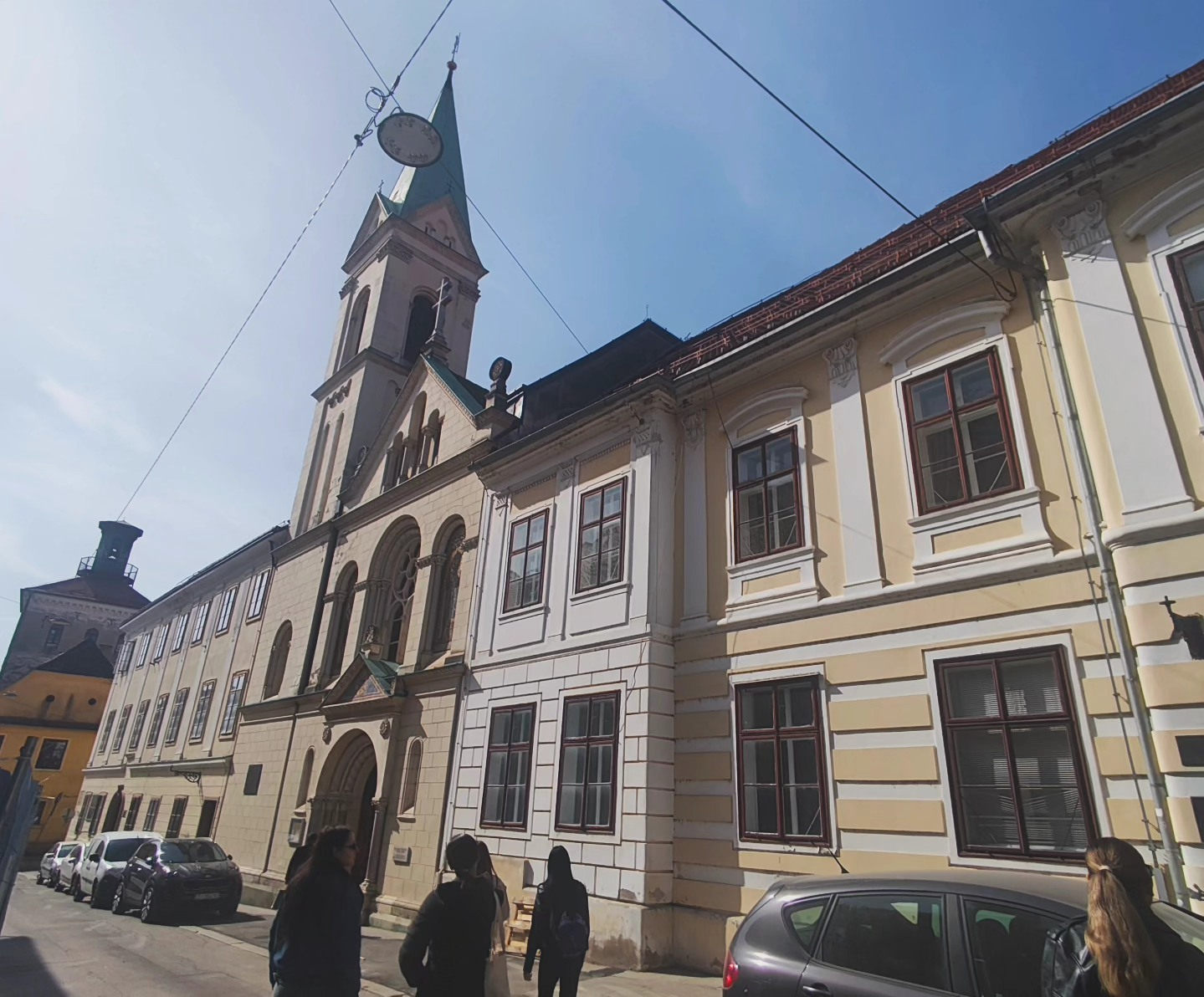
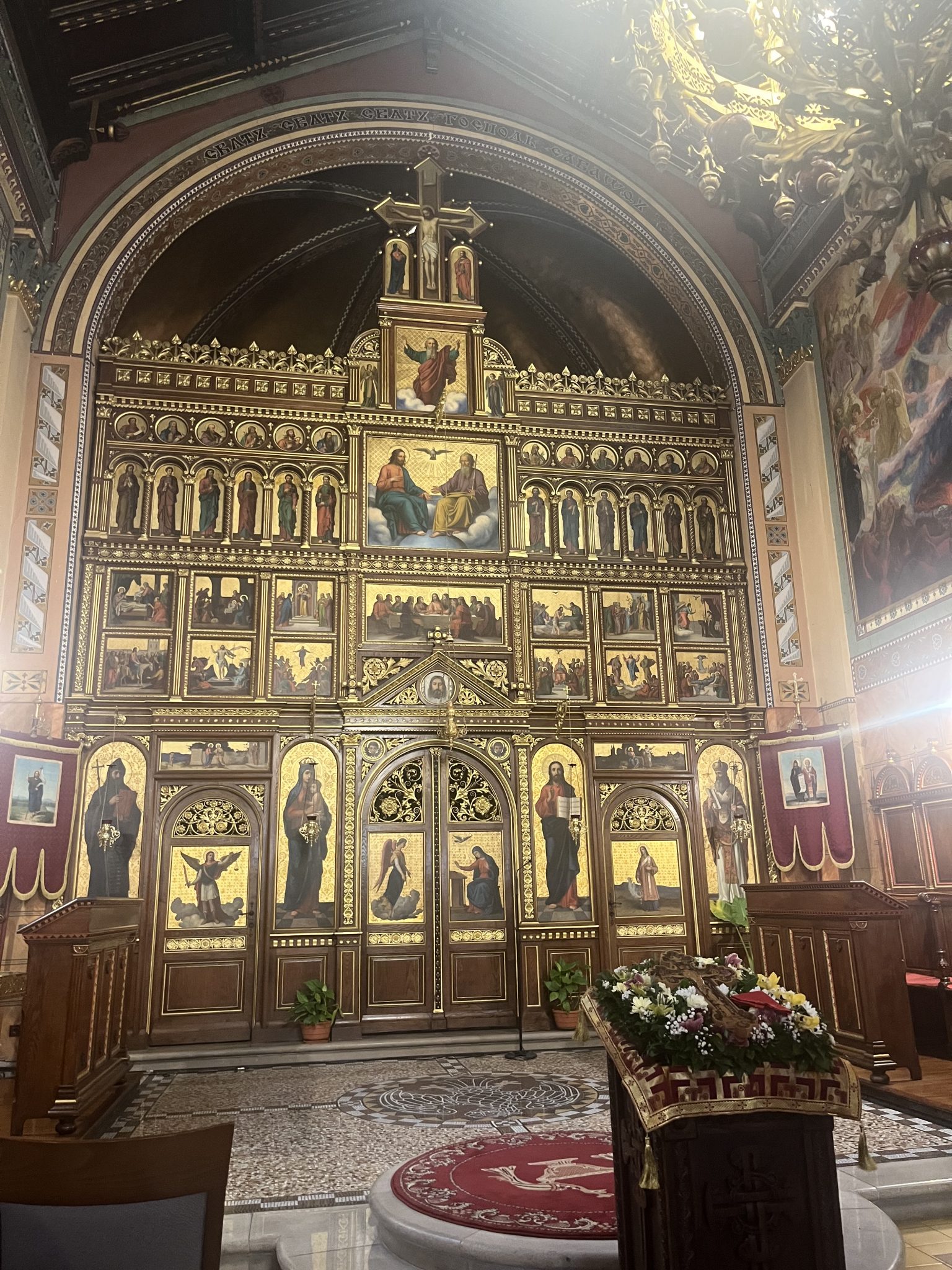
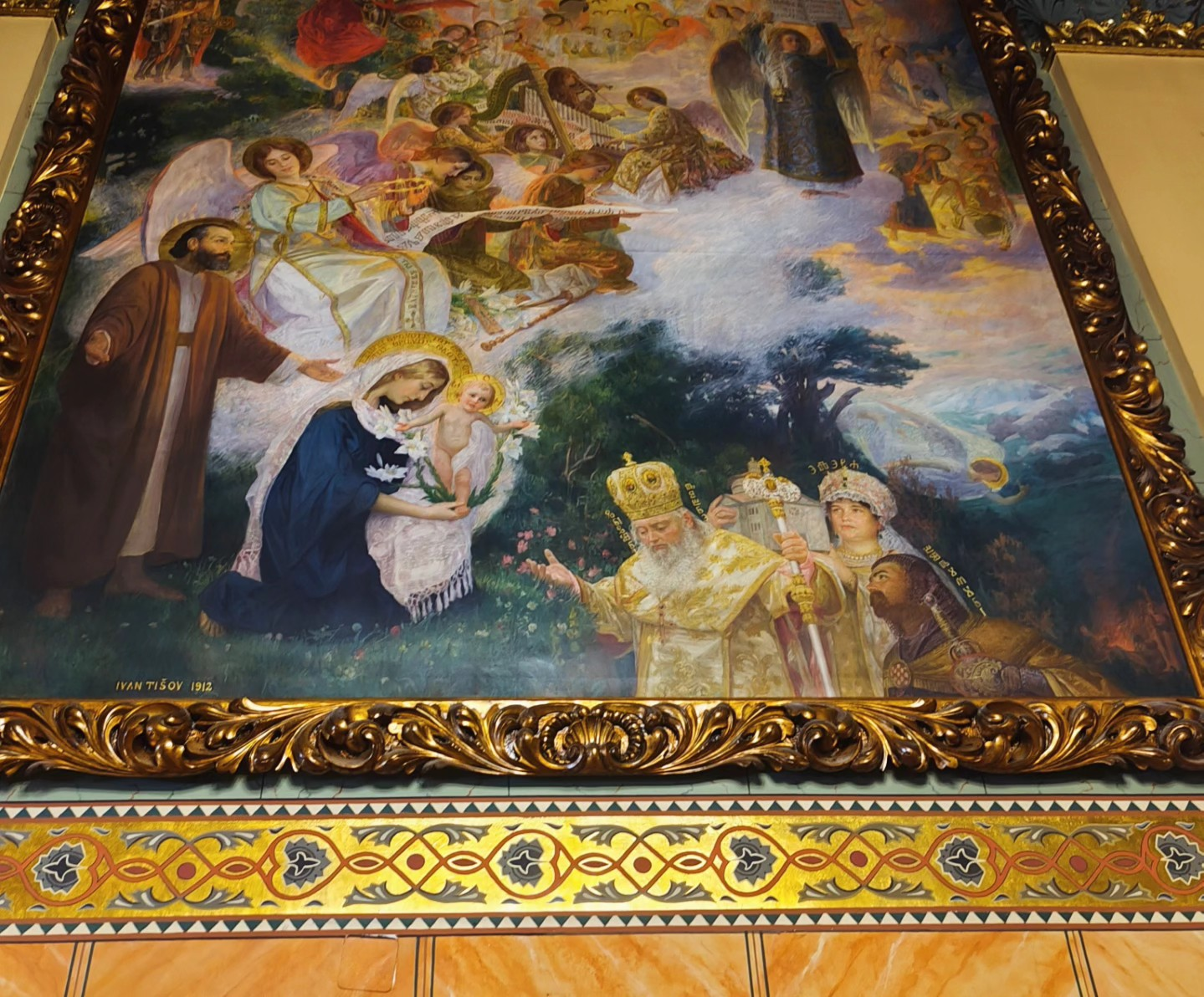
Greek Catholic Cathedral of Sts Cyril and Methodius in Zagreb
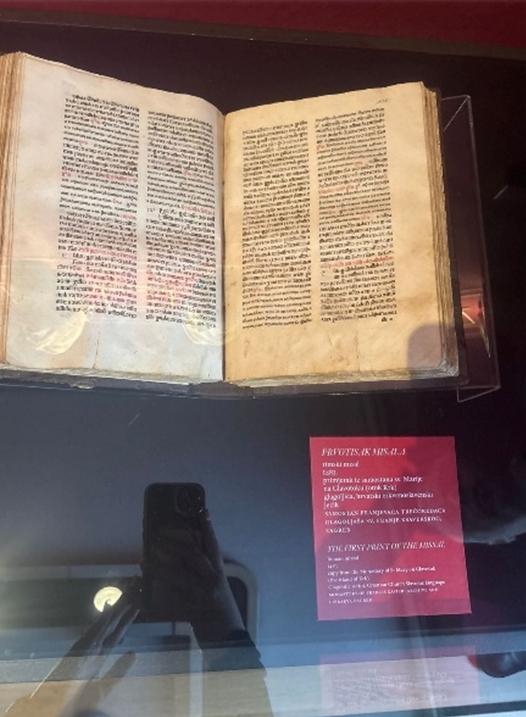
Missal by the Law of the Roman Court from 1483 (Klovićevi dvori Gallery)
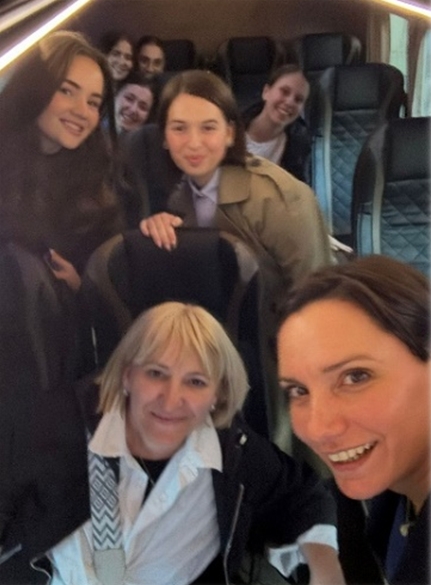
Professors and students on their way to Zagreb
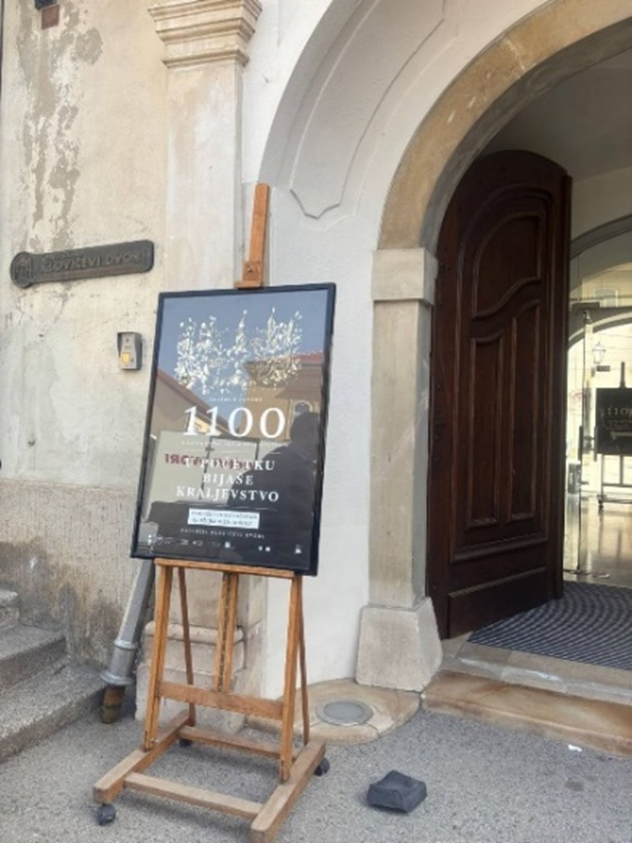
Exhibition “In the Beginning Was the Kingdom” at Klovićevi dvori
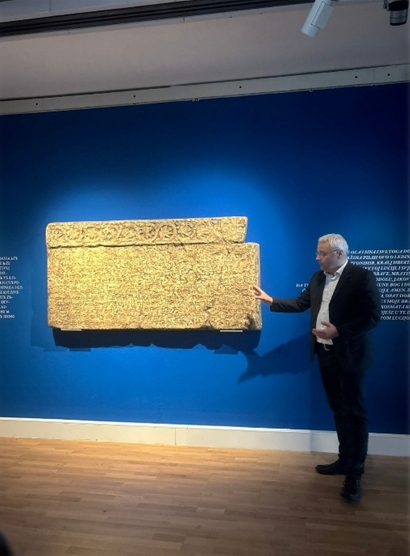
Replica of the Baška Tablet from 1100 and Professor Tomislav Galović (Klovićevi dvori Gallery)
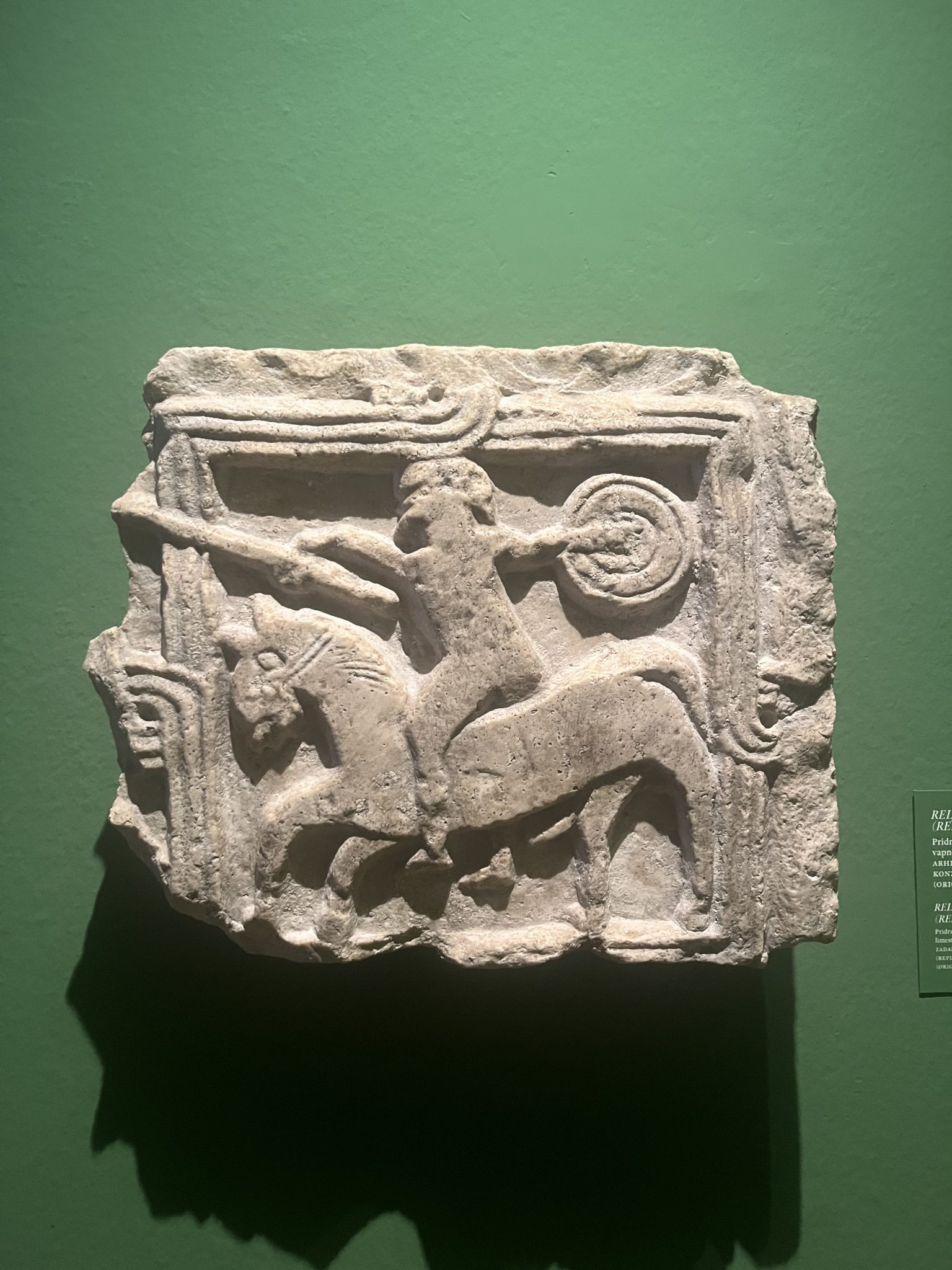
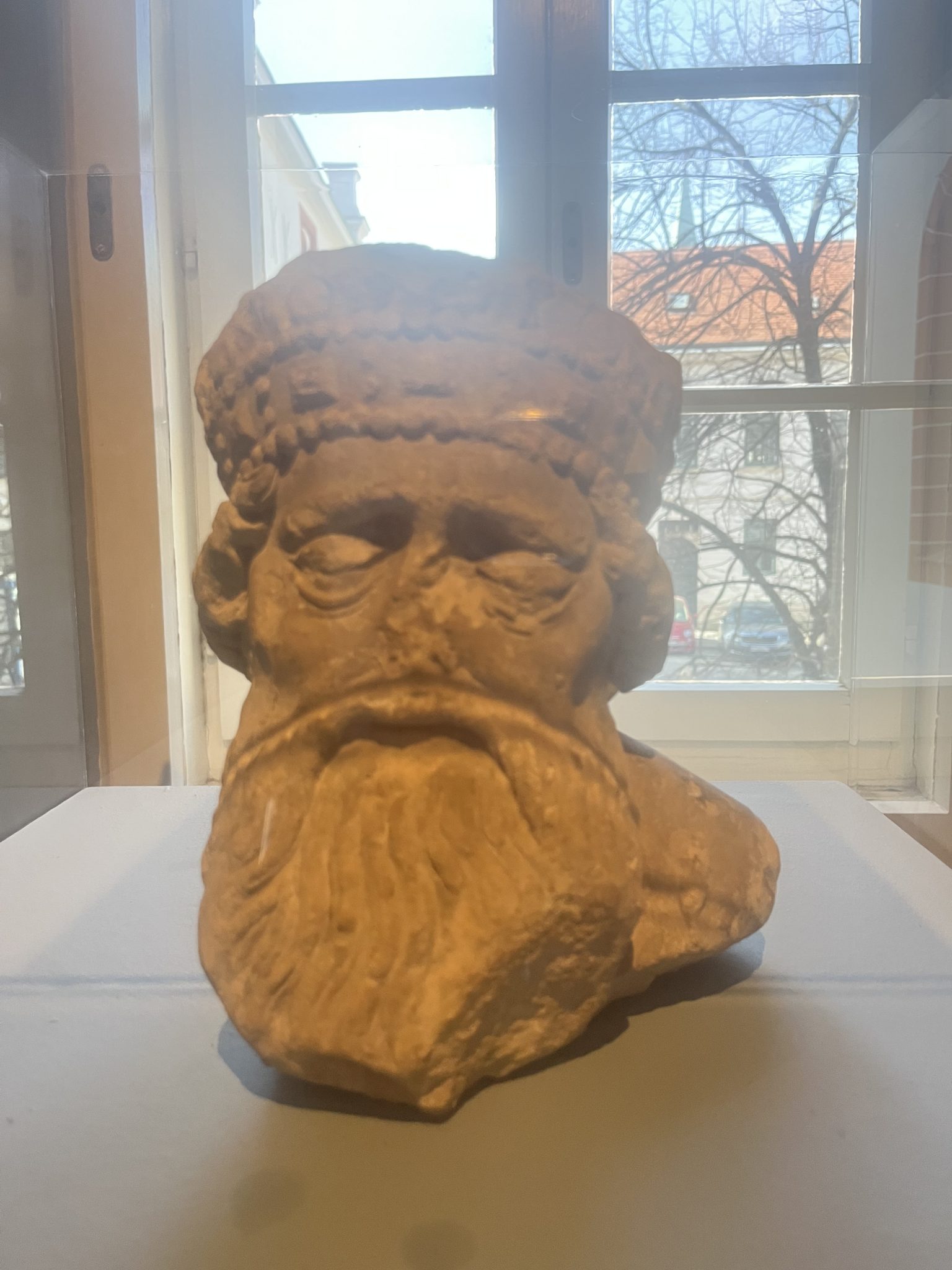
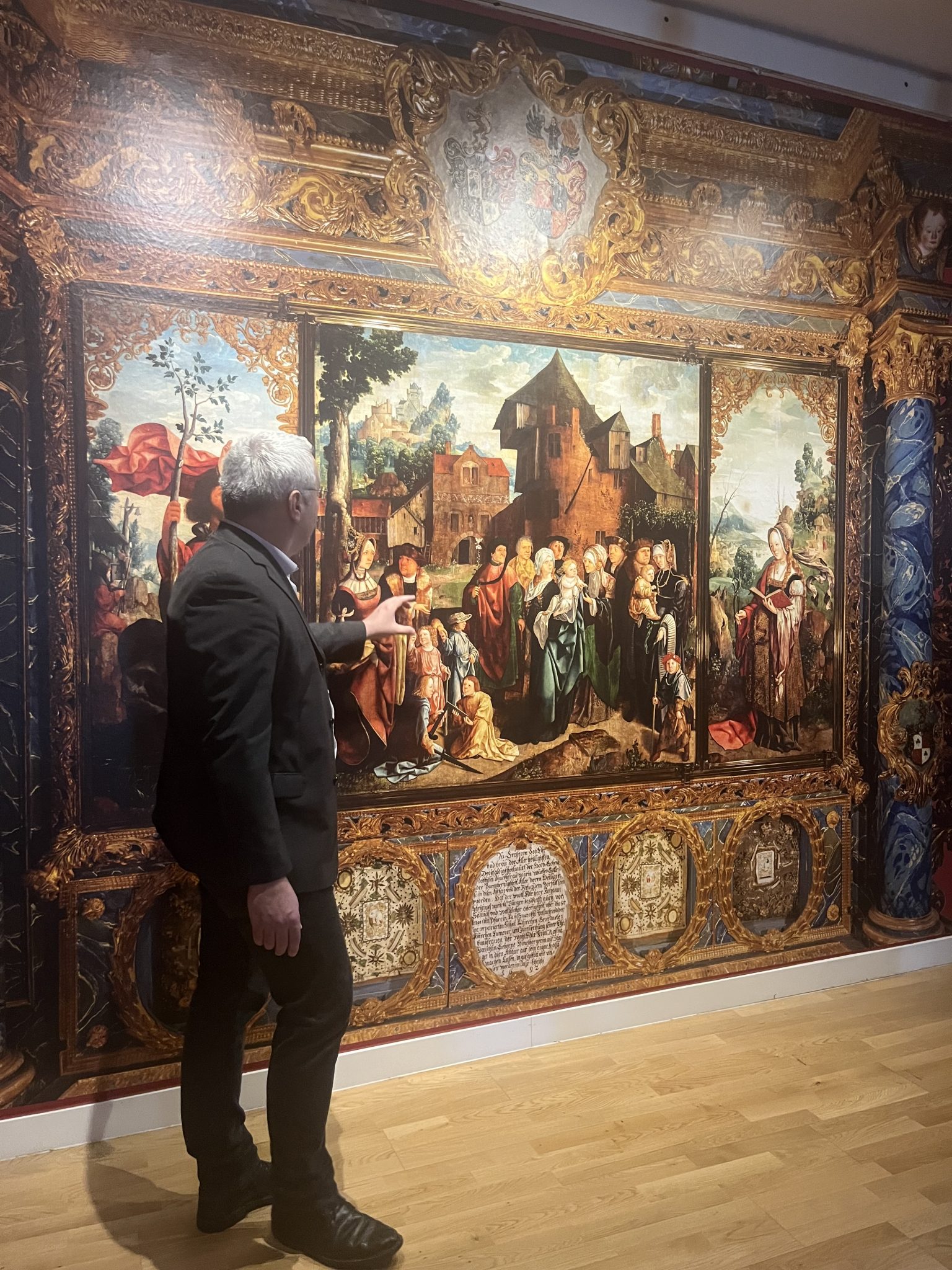
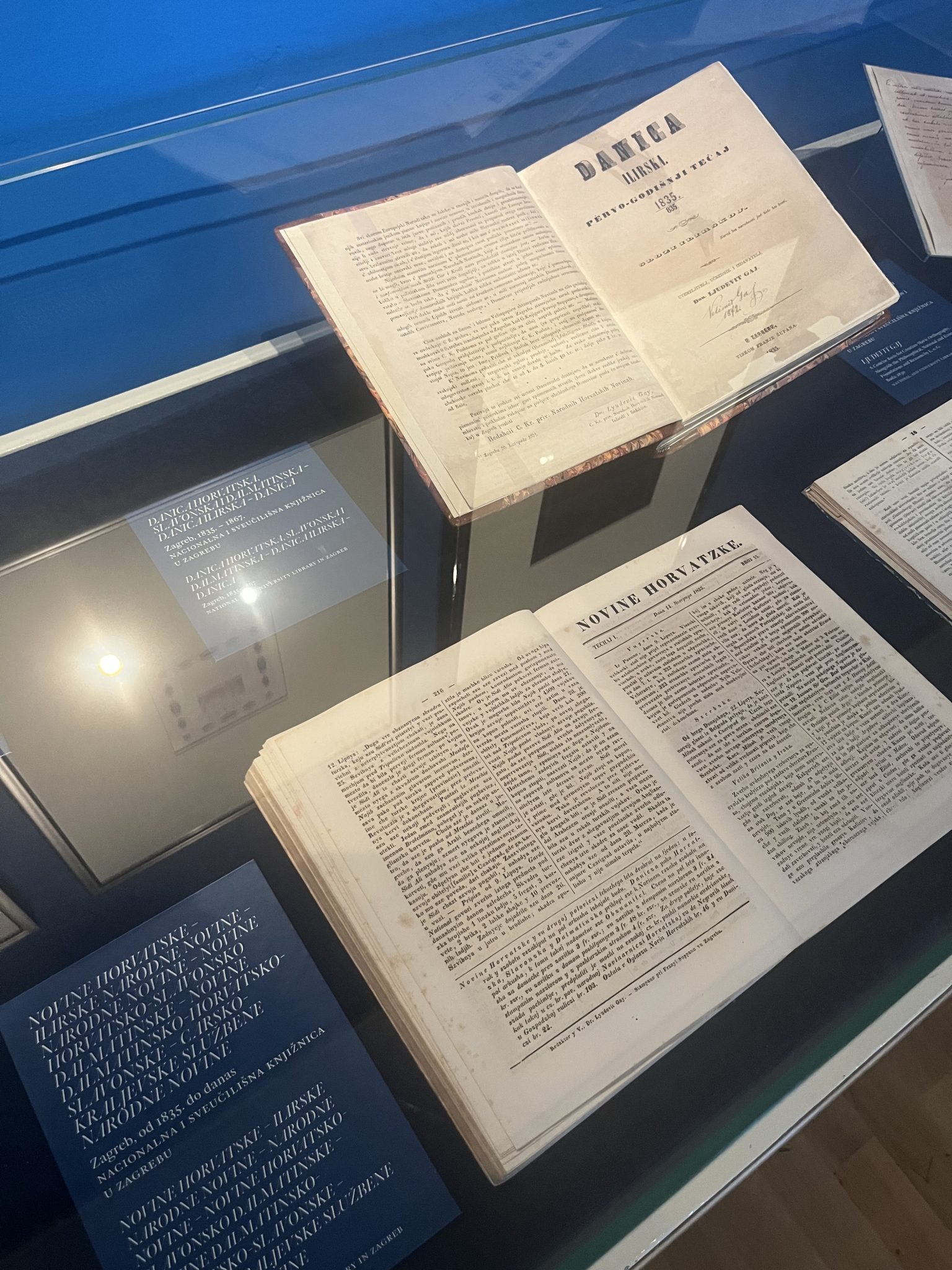
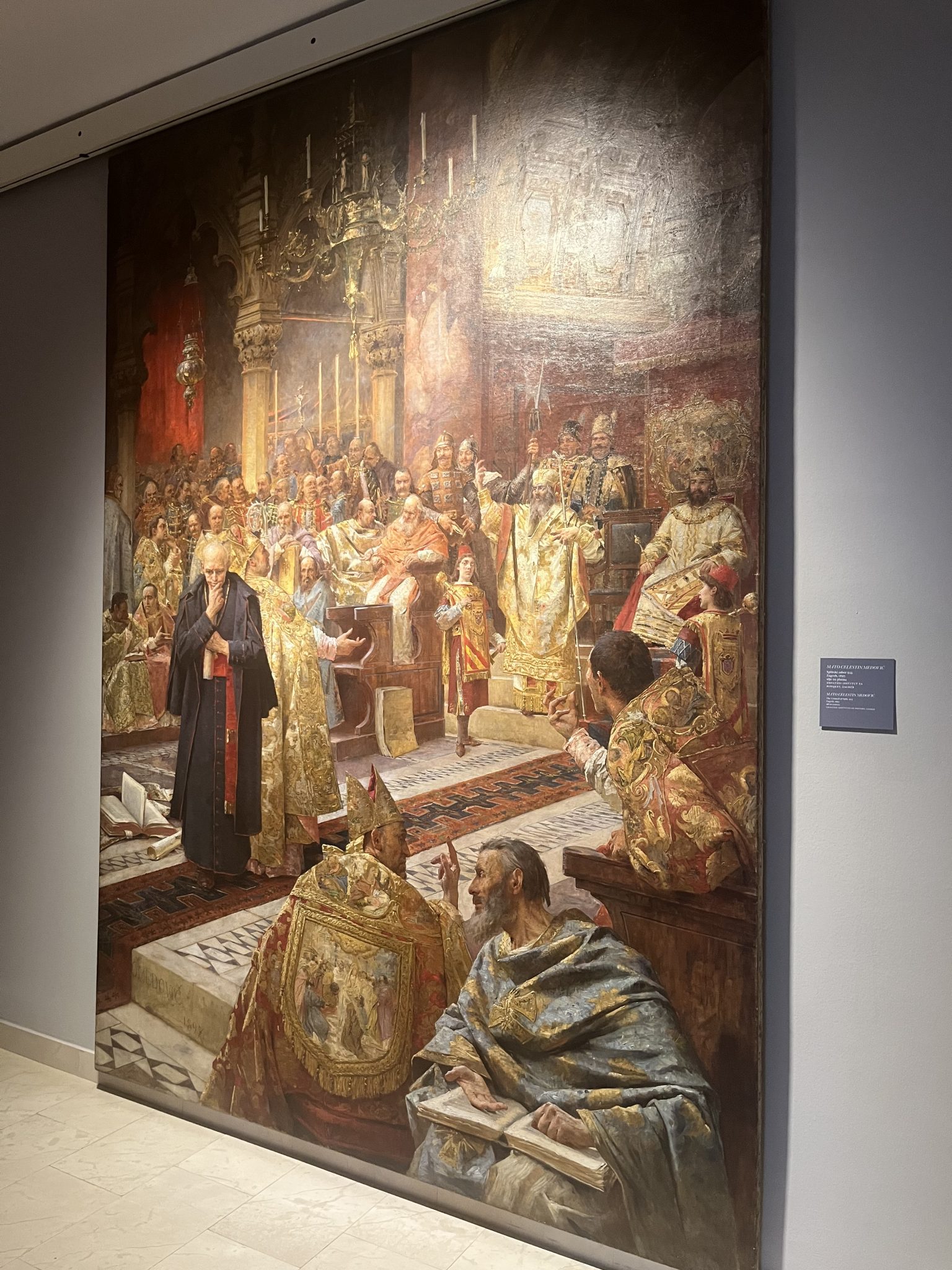
Motifs from the exhibition “In the Beginning Was the Kingdom” at Klovićevi dvori
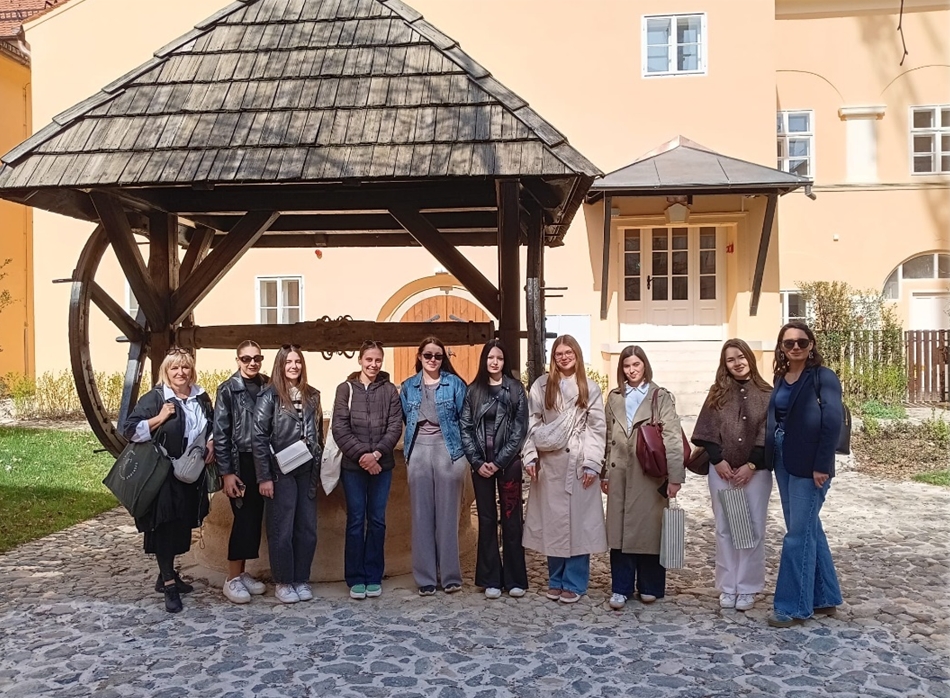
Professors and students in front of the fountain with a Baroque stone crown in the courtyard of the Škrlec-Balbi Palace, the permanent home of the Old Church Slavonic Institute
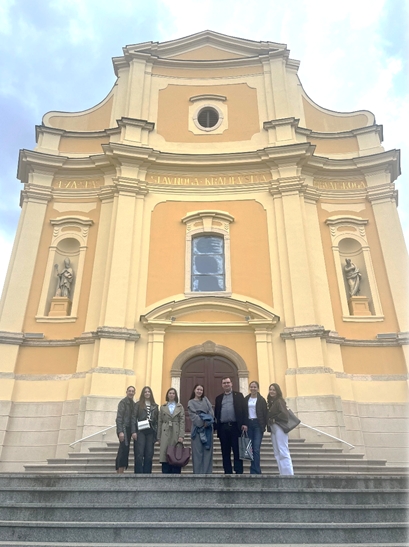
Friar Mirko Mišković and the students in front of the Church of St Francis Xavier
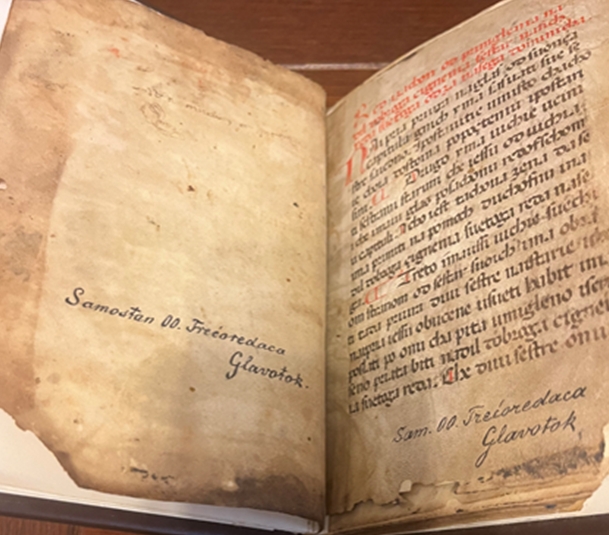
The Rule and Order of the Dominican Sisters (1345), Monastery of St Francis Xavier
Field Trip for Students of the Department of Information Sciences
On 9 January 2026, first-year students of the double-major graduate study programme in Information Sciences and their teachers Prof. Damir Hasenay, PhD, and Ines Horvat, PhD, visited the National and University Library in Zagreb and the Croatian State Archives as part of a field trip for the course Methods of Paper Material Preservation.
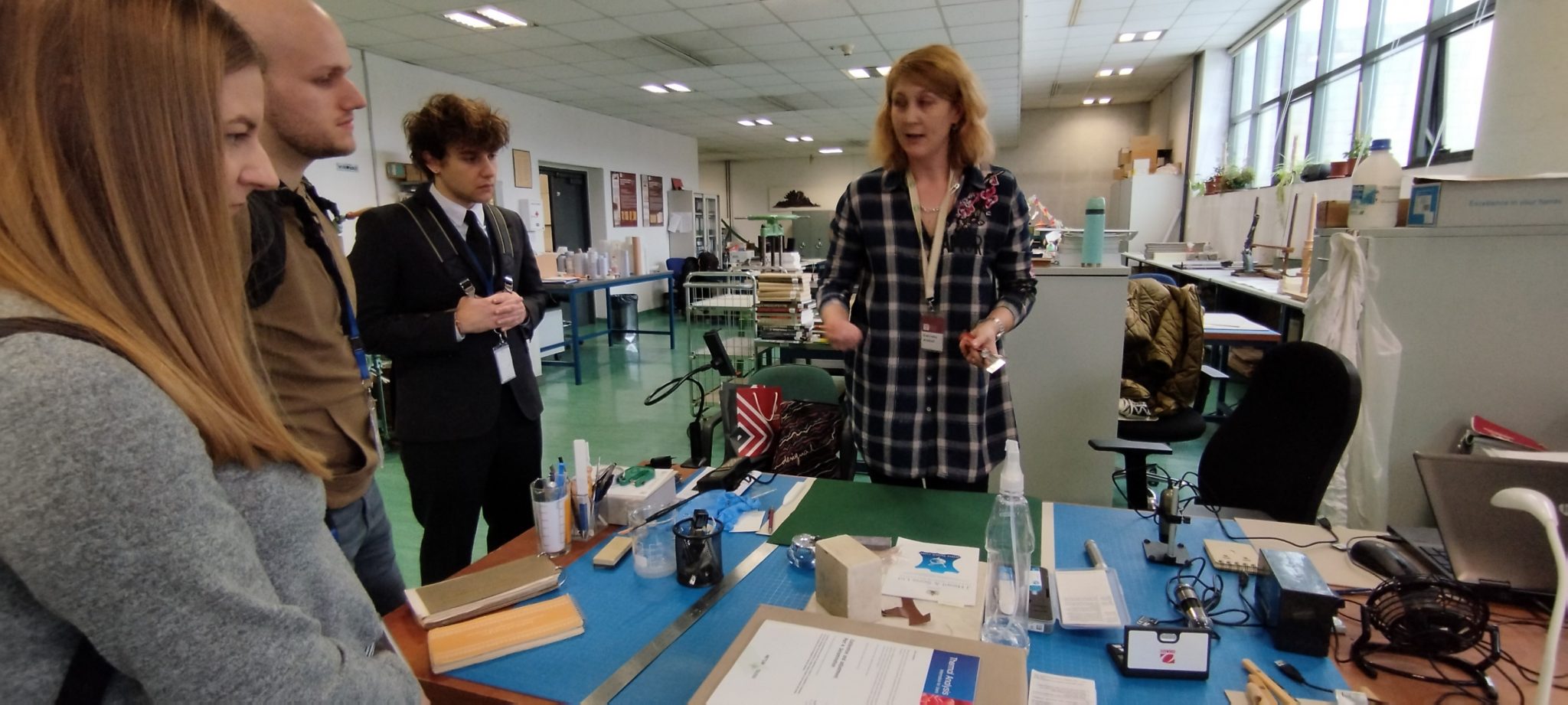
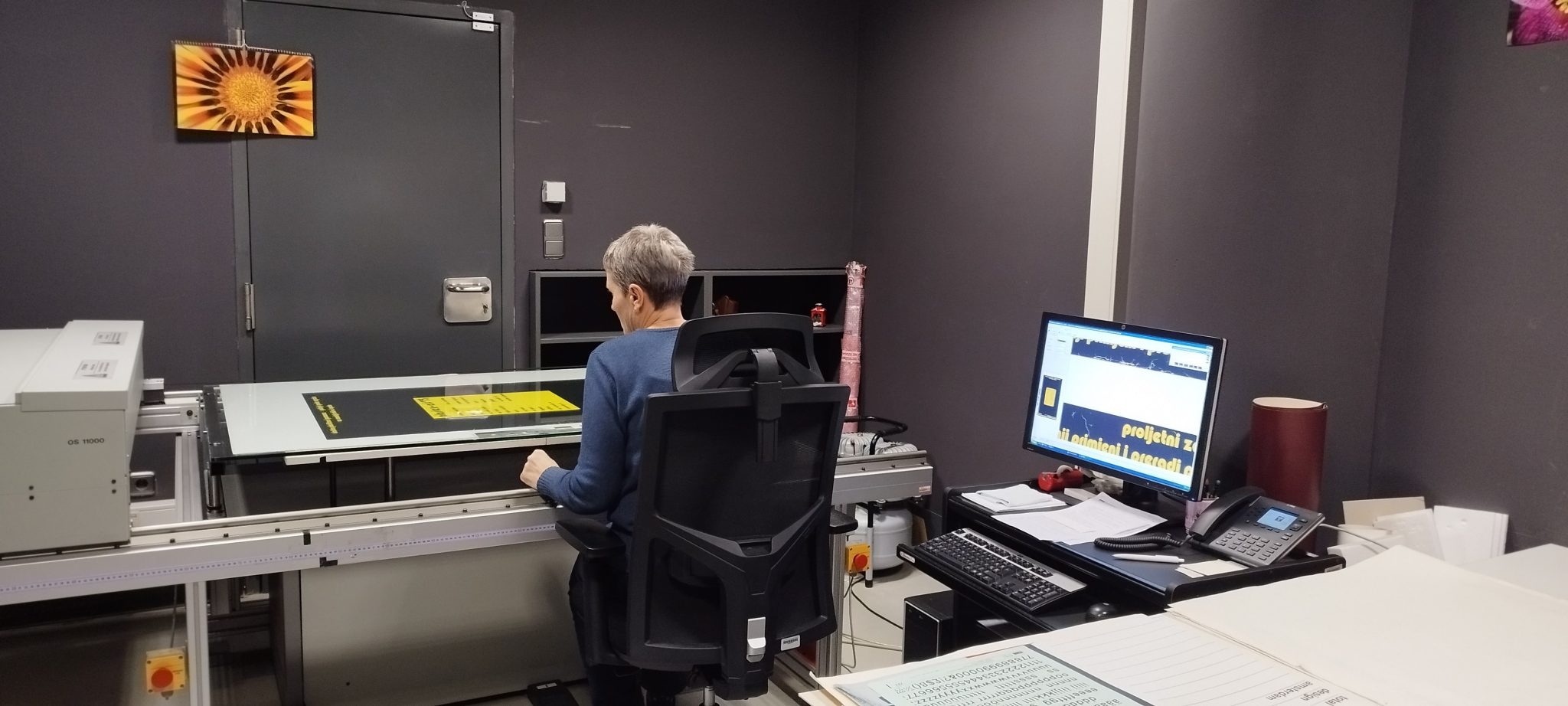
The Head of the Department for Preservation and Storage of Materials at the National and University Library in Zagreb presented the work of the Department to the students. Using examples, Department staff demonstrated conservation and restoration procedures that are regularly carried out, as well as methods of housing materials using archival-quality materials. The students had an opportunity to see the equipment used in the Department’s daily work, as well as the process of preservation imaging and the creation of digital copies of materials stored by the National and University Library. As part of their tour of the Library, the students also visited the closed stacks and the NUL Print Collection.
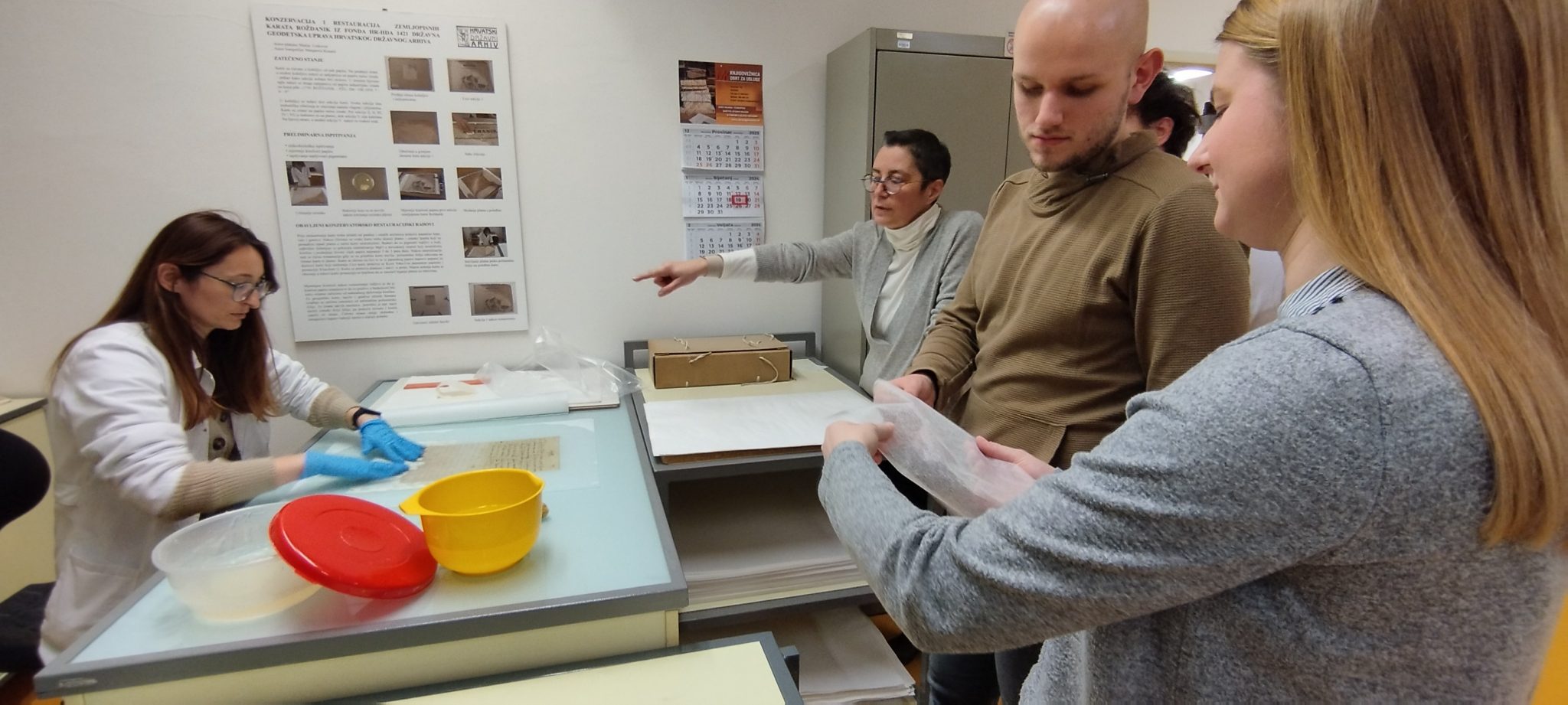
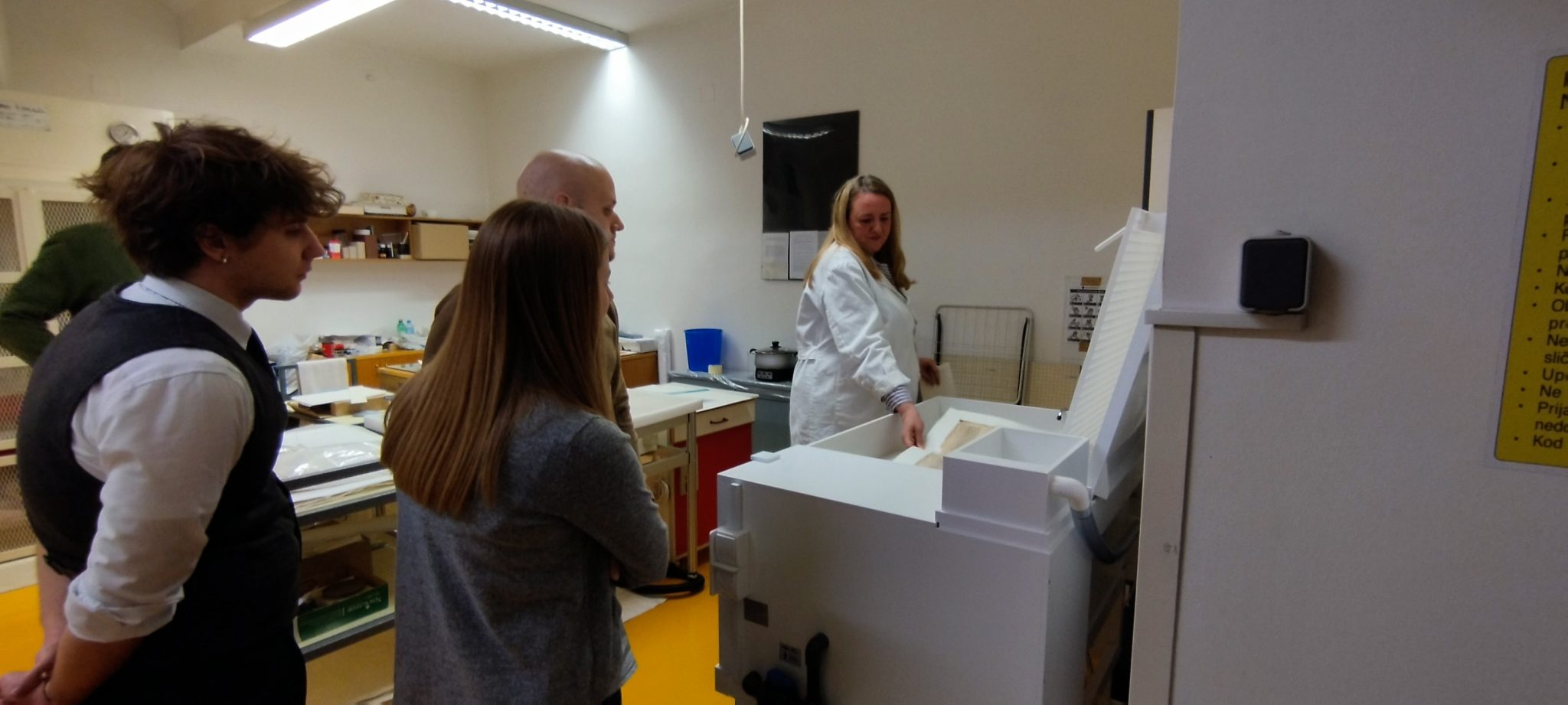
This was followed by a visit to the Croatian State Archives in Zagreb, which included a tour of the Archives building and the Central Laboratory for Conservation and Restoration at the Croatian State Archives in Zagreb. The tour of the Laboratory began with a brief theoretical introduction to the history of paper, after which the students had an opportunity to see restorers at work – removing dirt and dealing with the specific requirements of cartographic materials and bindings. Laboratory staff also highlighted the cultural value of conservation and restoration and the potential for research into written heritage. The final part of the Archives tour was a visit to the building itself, during which the students, accompanied by an expert guide, visited the reading room, lending department, catalogue-card room and professors’ room.
The field trip gave students a clear insight into practice, successfully complementing the theoretical knowledge acquired in the course Methods of Paper Material Preservation.
Martina Hranić, Barbara Mihaljik, Maja Vučković, Tina Jakić and Ana Kovačević
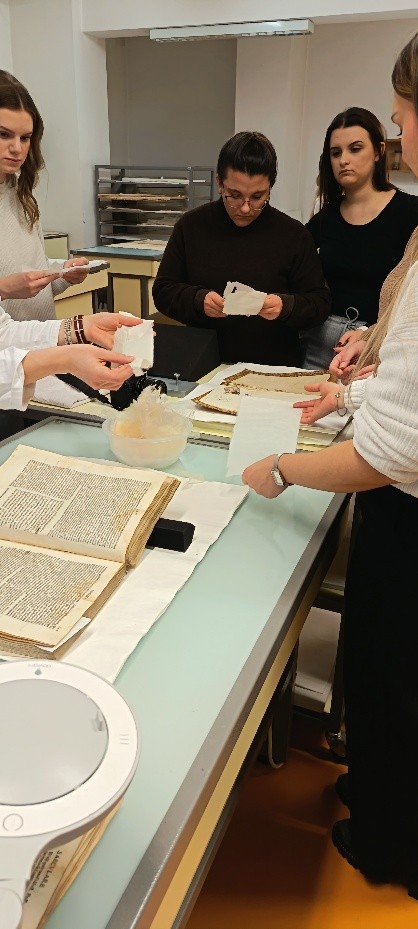


Field Trip to Zagreb
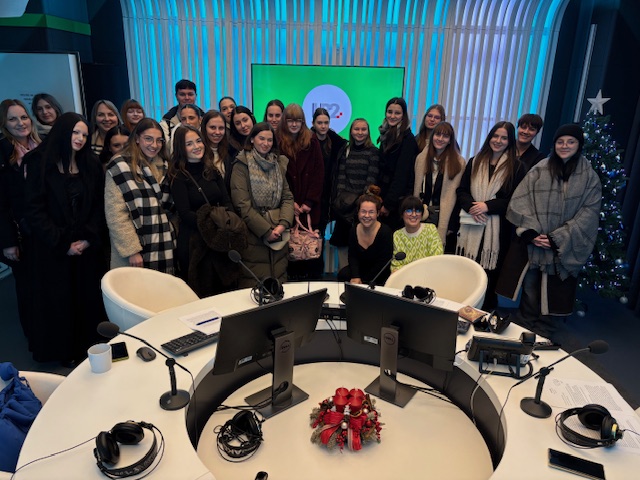
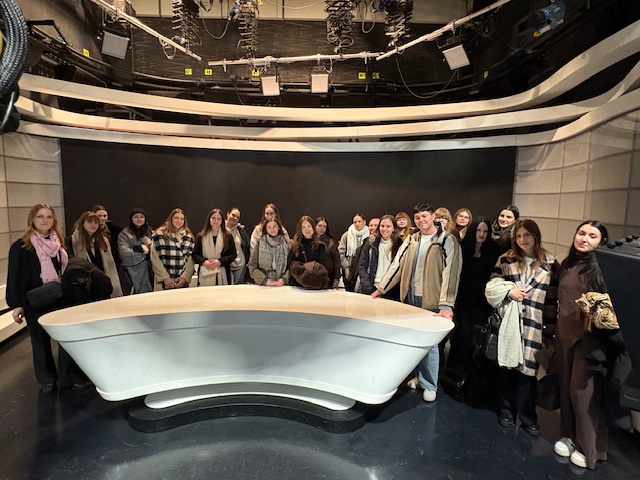
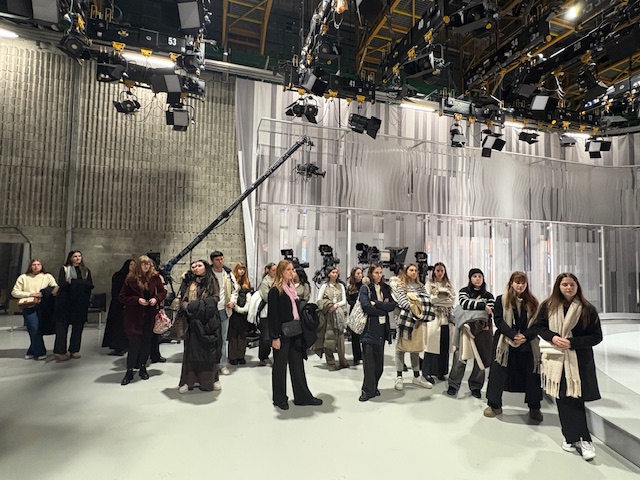
On 17 December, first- and second-year students of the single-major and double-major study programmes in Croatian Language and Literature, as well as participants in the lifelong learning programme “Croatian for Foreigners” at the Faculty of Humanities and Social Sciences in Osijek, took part in a joint field trip to Zagreb. The trip was organised by Assoc. Prof. Ana Mikić Čolić, PhD, and Assoc. Prof. Maja Glušac, PhD.
The students’ working destination was the Croatian Radiotelevision building at Prisavlje. The main purpose of the field trip was to learn how radio and television programmes are created, from the initial idea and editing to broadcasting, and also to find out whether there are employment opportunities for Croatian language teachers in a system that employs more than two thousand people.
This was followed by a tour of the archive and a visit to the Croatian Radio control room, where the students met journalists and editors of the programme “blablaONA” Jelena Pajić Ćulibrk, Monika Lelas Halambek and Lucija Ćustić.
The tour then continued through the enormous building, which has 32 kilometres of corridors. Mr Gordan Sirotić from the Public Relations Department guided us through these corridors and other areas. The students visited numerous studios in which well-known radio and television programmes such as Potjera and Dnevnik are recorded.
After 2 p.m., the optional part of the programme began and the students headed to Zagreb’s Upper Town. After a short walk around Ban Jelačić Square and the surrounding areas filled with numerous festive Christmas stalls and decorations, the students visited the Chocolate Museum. At the Museum, the students learned about the history of chocolate, which reaches back to the ancient indigenous peoples of South and Central America, tasted nine types of chocolate from the museum tasting box, took photographs in the unique setting of a lavish Baroque court and Willy Wonka’s magical factory, tried to grind cocoa beans on a metate like the Aztecs and froth liquid chocolate with a molinillo…
After visiting the Museum, the students toured the centre of Zagreb and the Advent market.
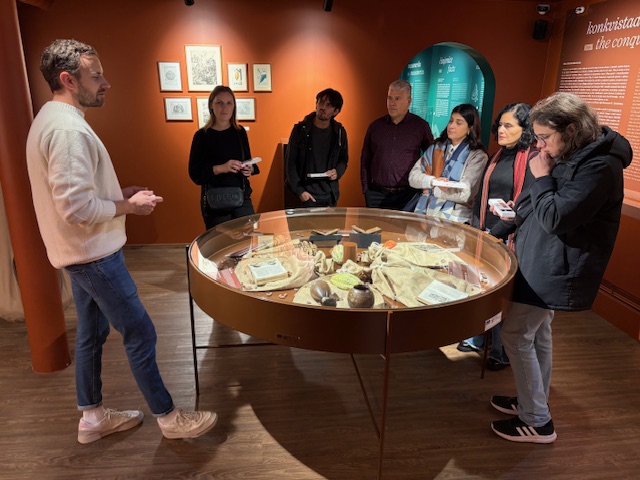
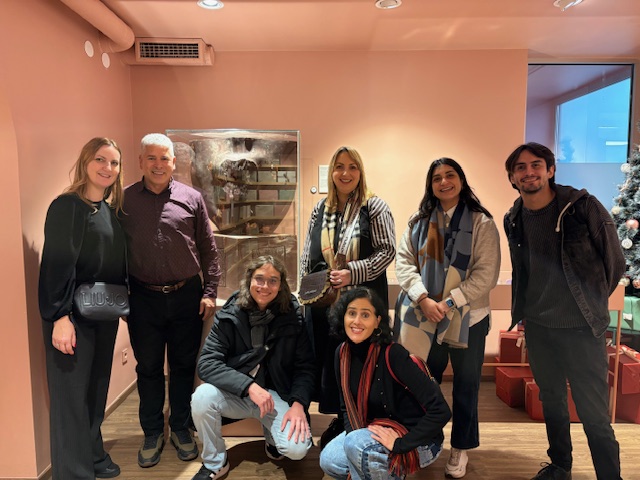
Field Trip Held as Part of the Course Psycholinguistics
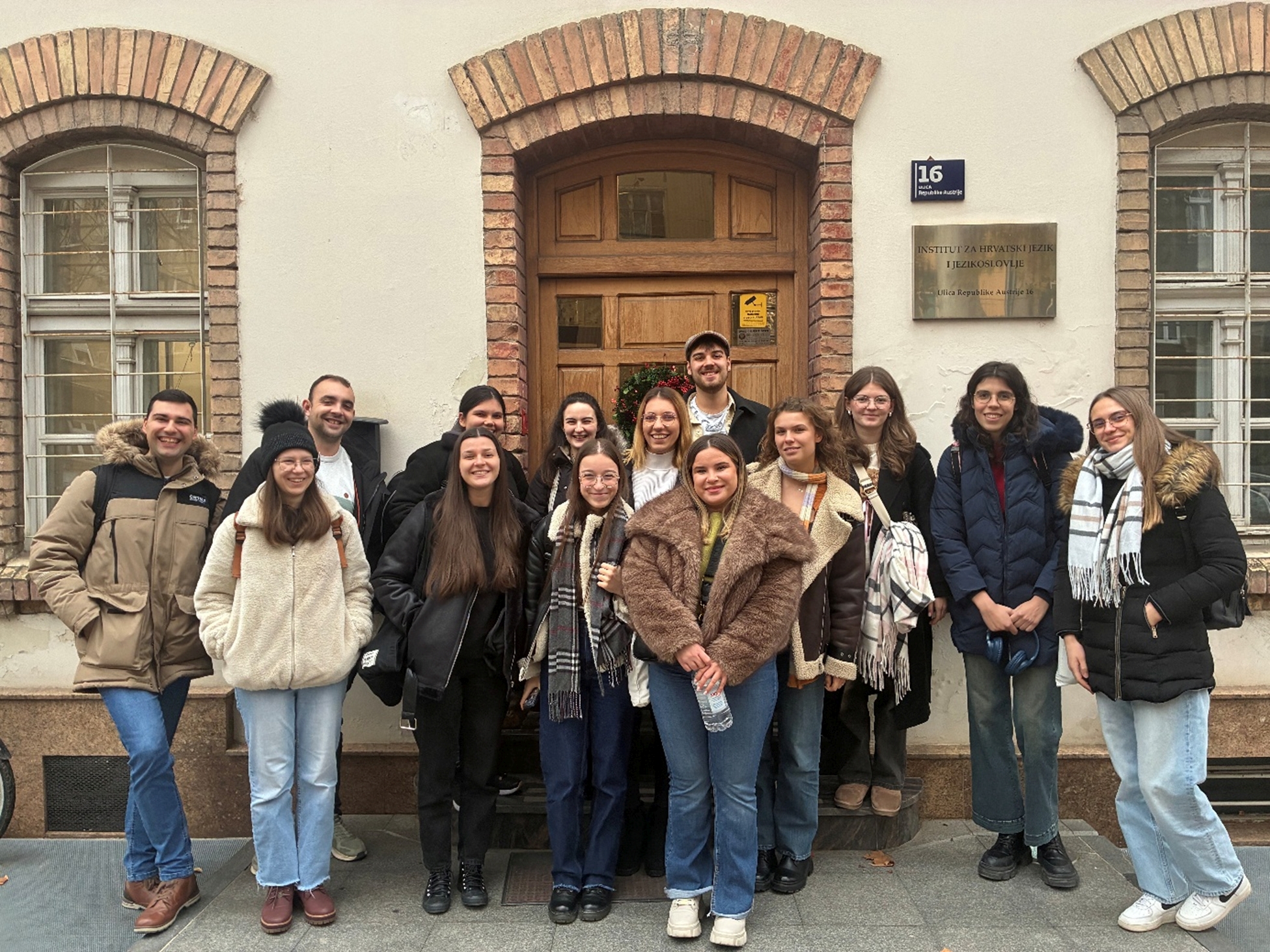
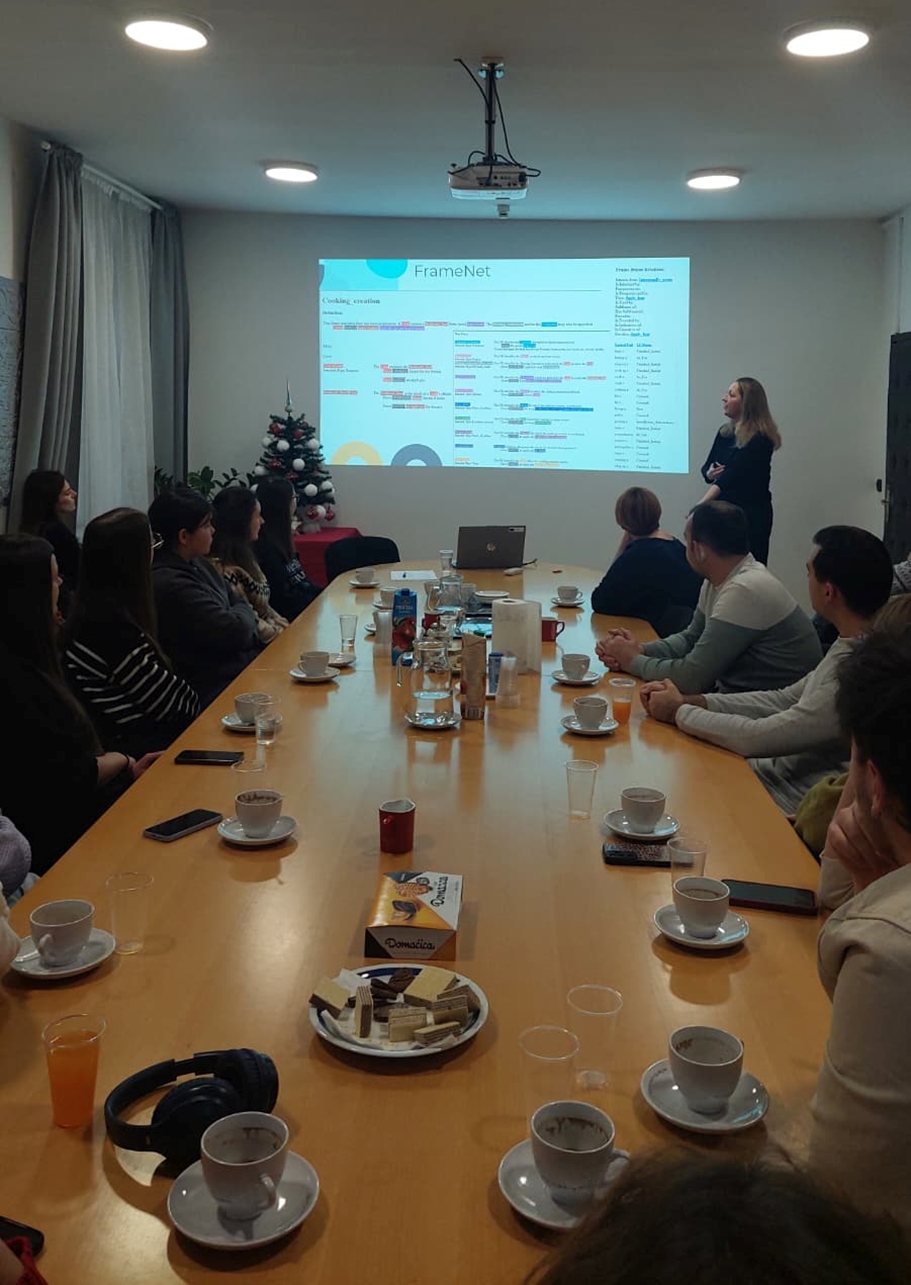
As part of the course Psycholinguistics, taught in the graduate study programme in English Language and Literature, 14 students and their professor Ana Werkmann Horvat visited Zagreb on 2 and 3 December 2025.
The first day of the field trip was devoted to research projects, and we attended three lectures at the Institute for the Croatian Language. The first lecture was given by Goranka Blagus Bartolec, PhD, who spoke about the Foundation-funded MWE-Cro project dealing with multiword expressions in the Croatian language. The students were particularly interested in the multilingual databases to be created as part of the project. The second lecture was given by Ivana Brač, PhD, who spoke to the students about her Croatian Science Foundation project SemTactic. The final lecture was given by Ana Ostroški Anić, PhD, who spoke about several projects dealing with semantic frames.
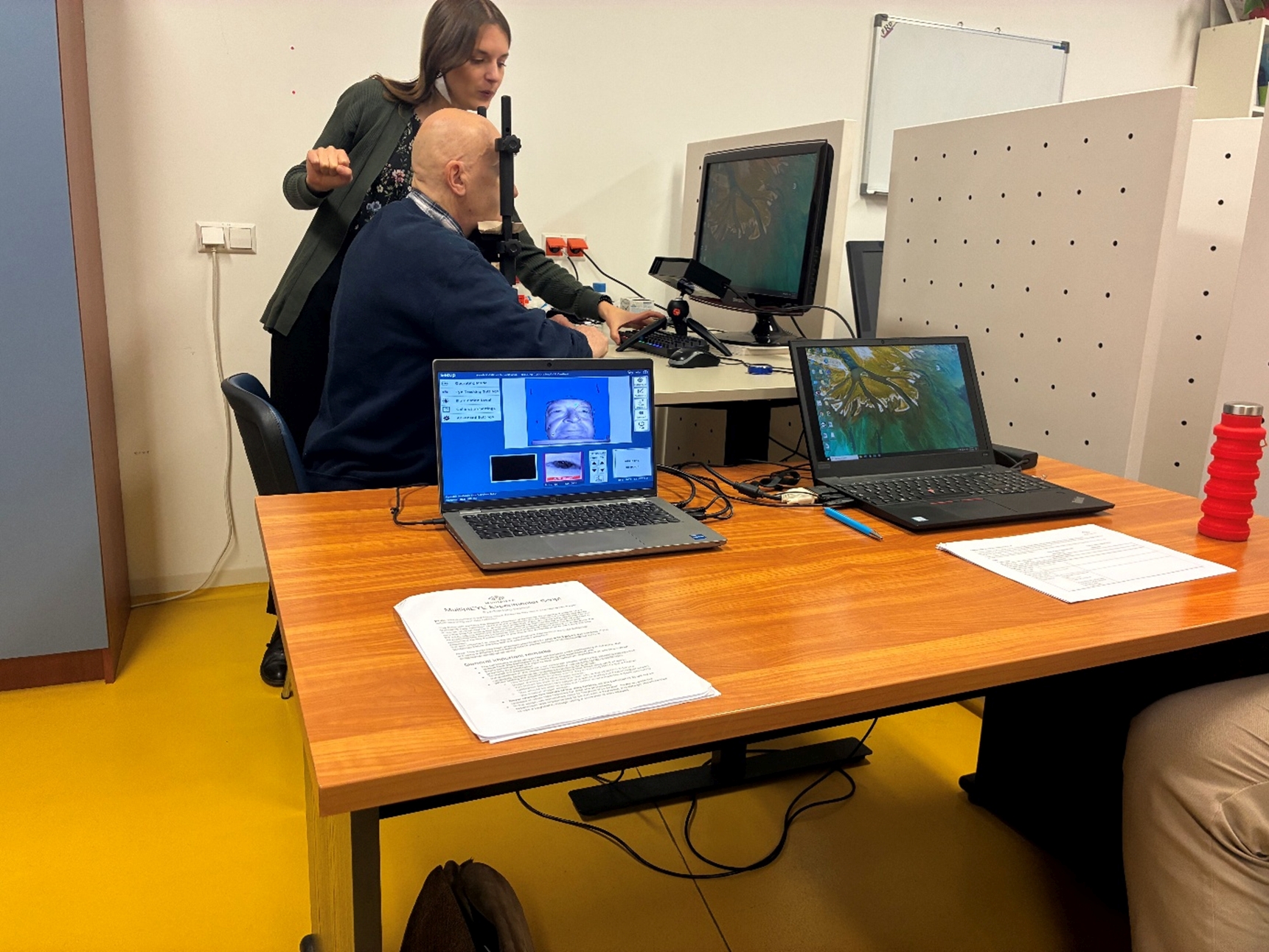
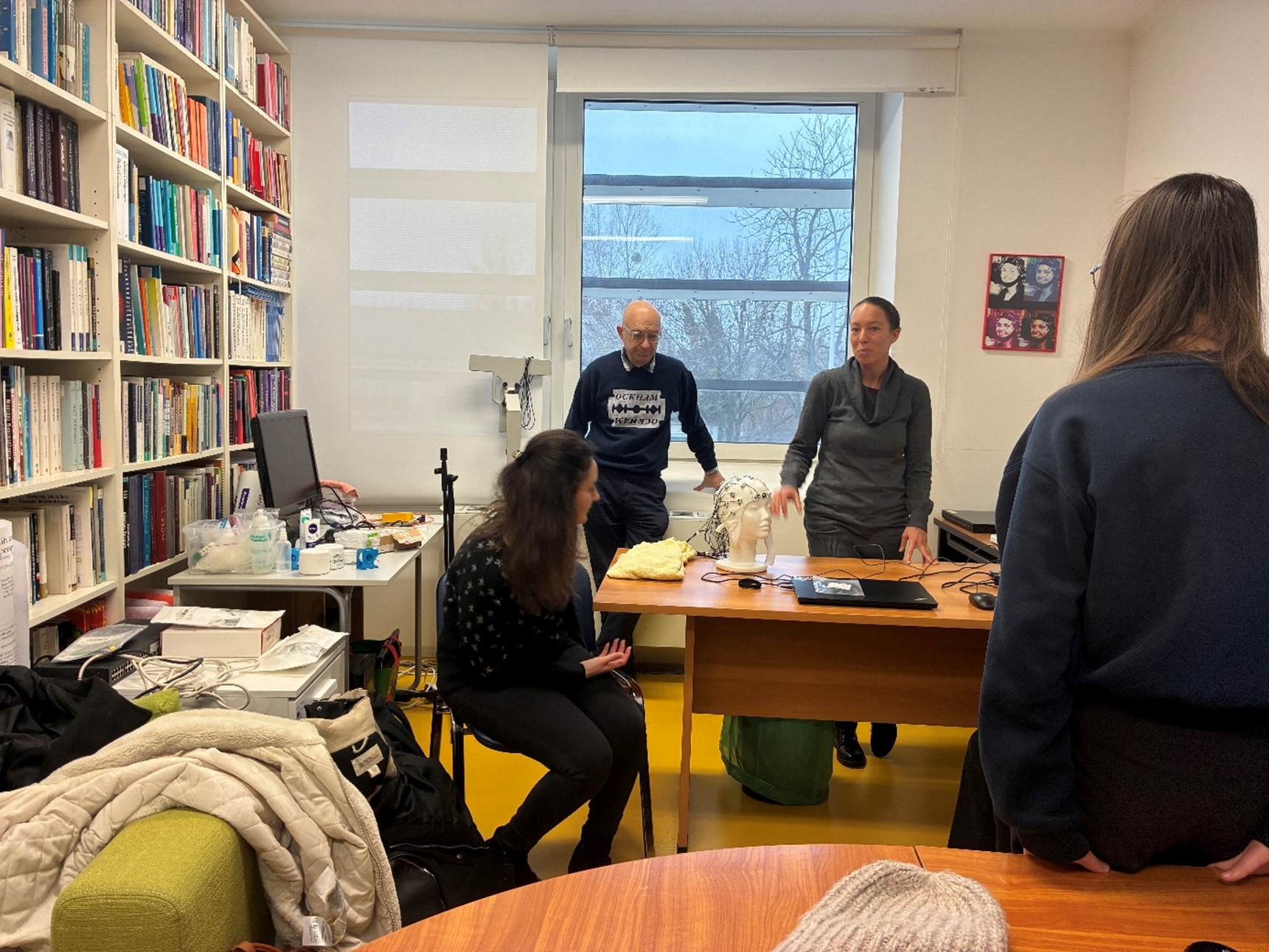
On the second day, we visited the Faculty of Education and Rehabilitation Sciences, where we were welcomed by Assoc. Prof. Gordana Hržica, PhD, from the Department of Speech and Language Pathology, who introduced us to the work of the Faculty. It was particularly interesting to hear about the speech and language pathology study programme, language difficulties and the research conducted at the Faculty. We then visited the Laboratory for Psycholinguistic Research, where we were hosted by Prof. Marijan Palmović, PhD, Assoc. Prof. Kristina Cergol, PhD, Eva Pavlinušić Vilus, PhD, and Asst. Prof. Ana Matić Škorić, PhD. There we learned more about methods that we had already discussed in class but had not previously had an opportunity to see in practice. Members of the Laboratory showed us how event-related potential measurements are conducted and introduced us to their research using this method. We also had an opportunity to see the eye-tracking method and what an experiment conducted using this method looks like. The researchers spoke about the various projects they are working on and how they apply different research methods within them.
Field Trip Held as Part of the Course Introduction to the Protection of Vulnerable Groups
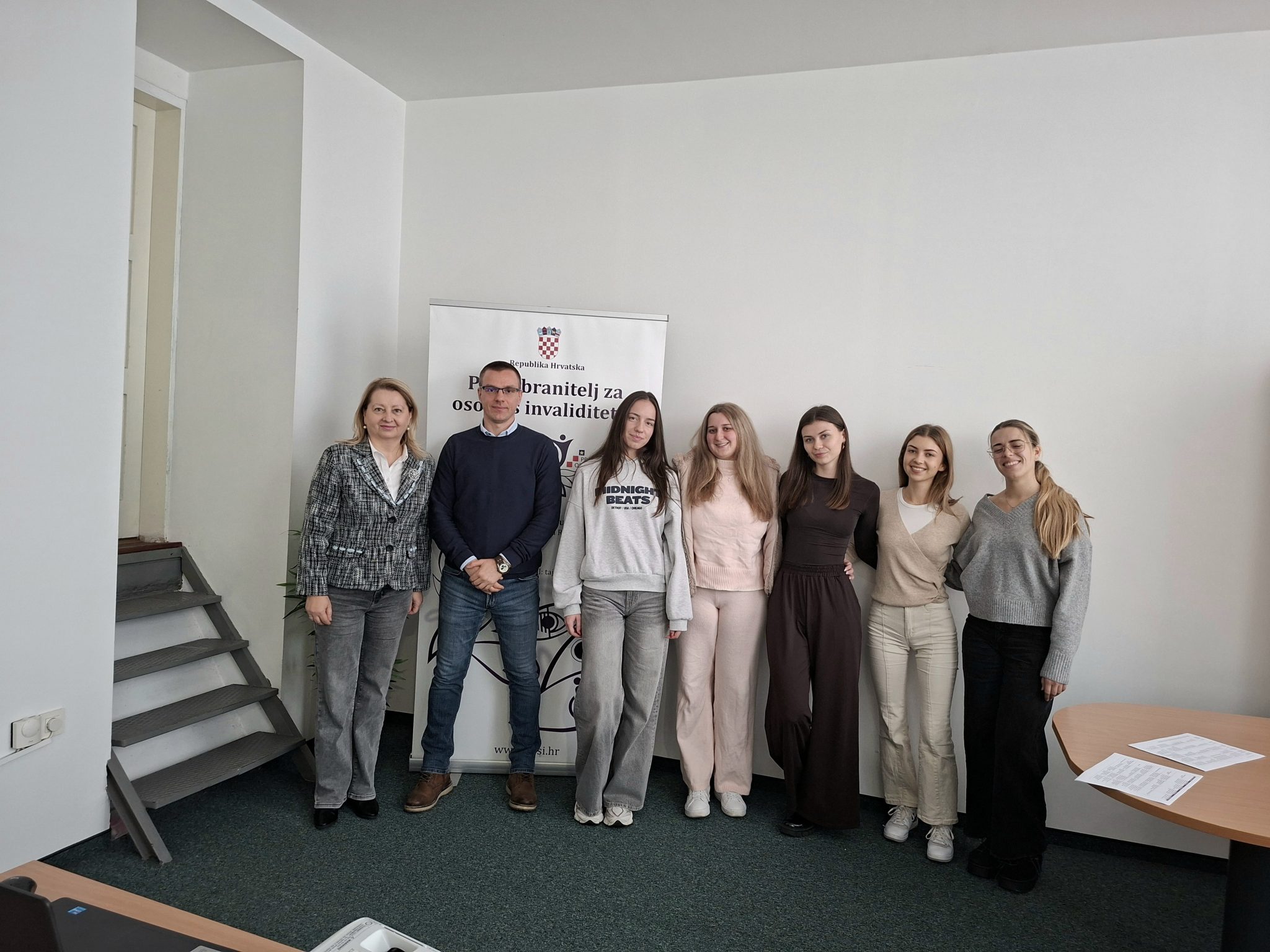
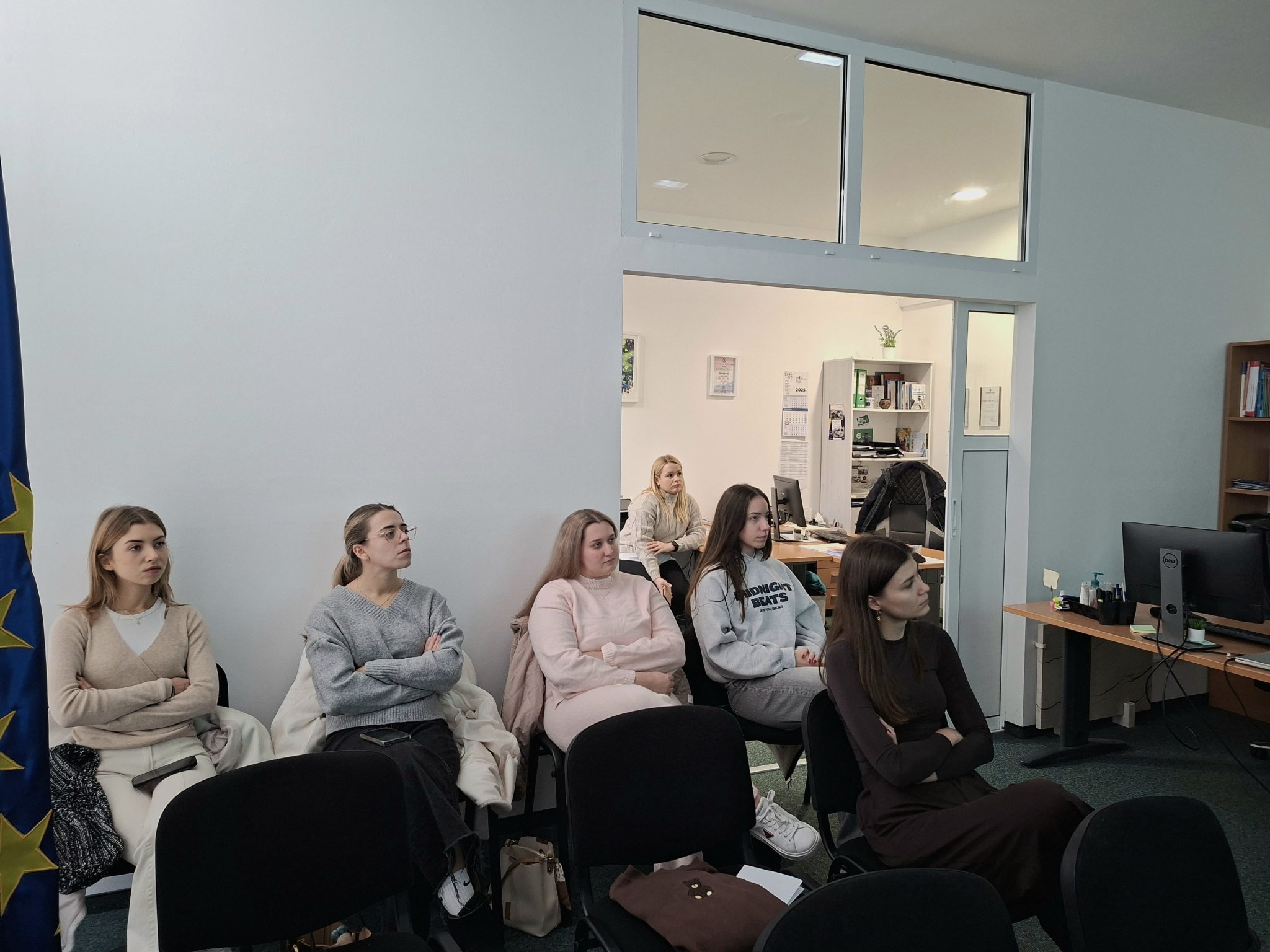
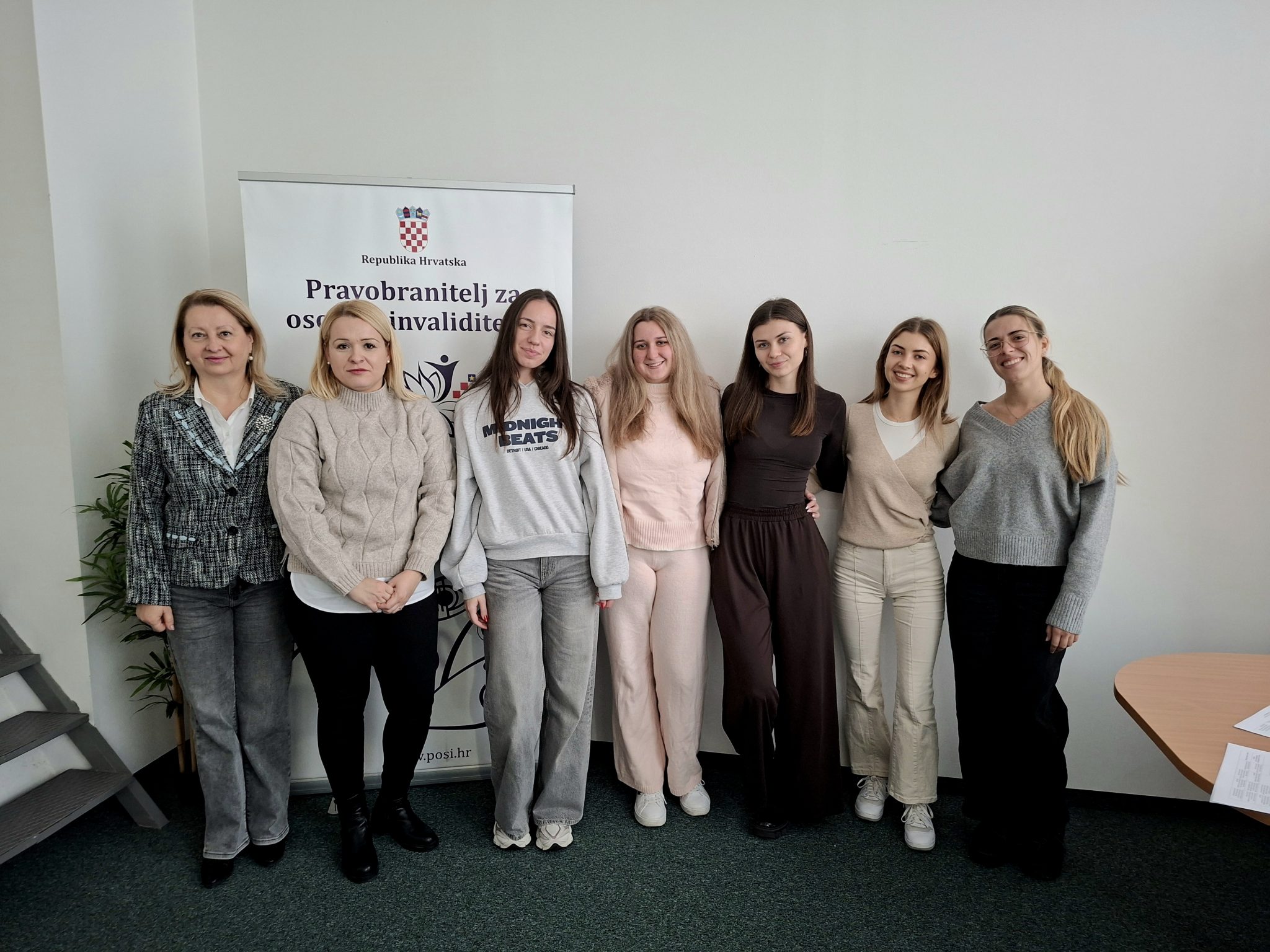
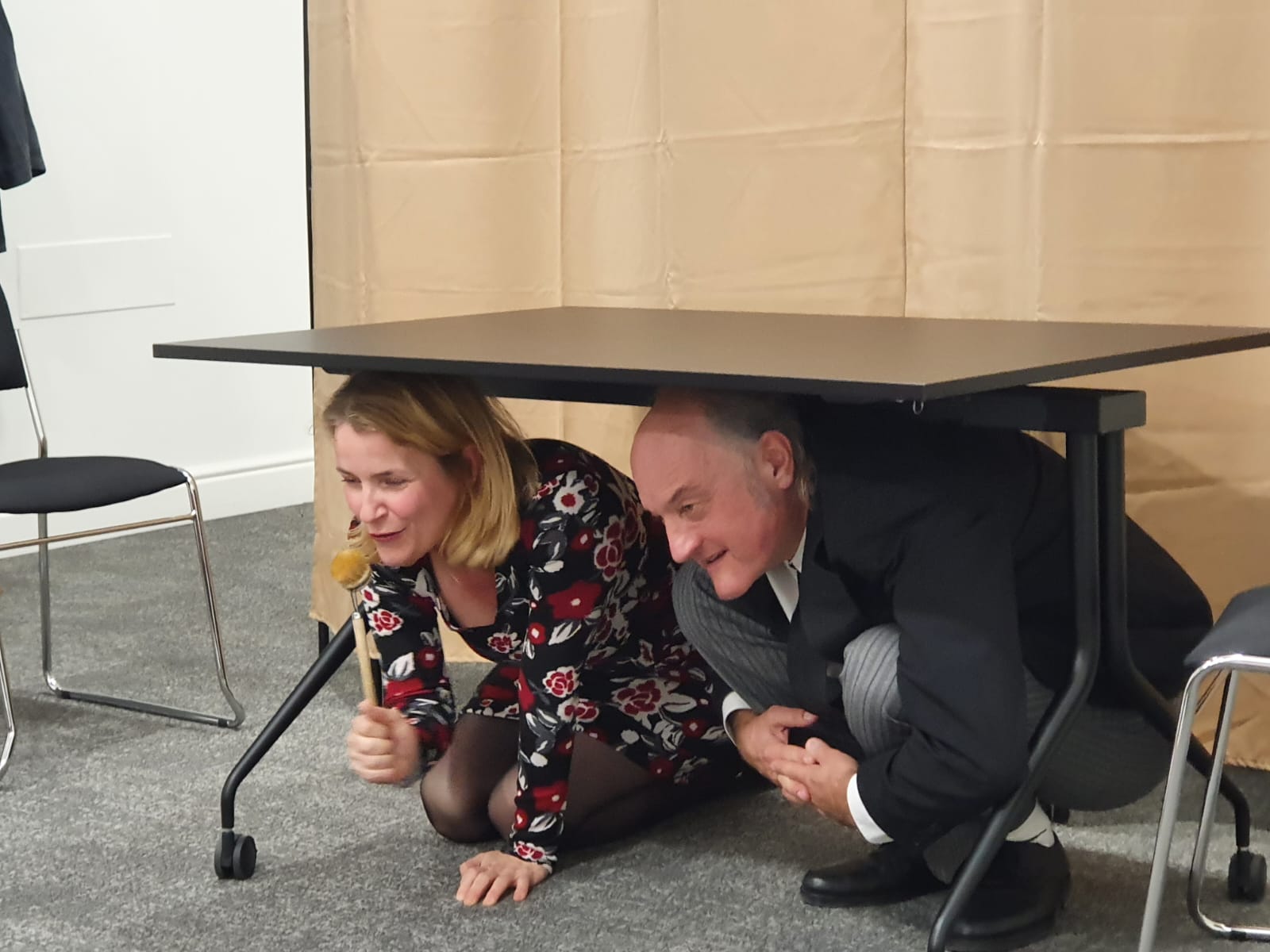
As part of the course Introduction to the Protection of Vulnerable Groups, second-year students of the graduate university study programme in Psychology, together with their teacher Narcisa Vrbešić-Ravlić, University Master of Laws, Specialist in Human Rights Law, visited the Office of the Ombudsperson for Persons with Disabilities, Regional Office in Osijek. On behalf of the Ombudsperson’s Office, they were welcomed by Mario Burek, adviser to the Ombudsperson, who introduced them to the functioning of the Ombudsperson’s Office and the Regional Office and, together with his colleague Tatjana Kukec, presented the role of the Ombudsperson for Persons with Disabilities and the Ombudsperson’s role in protecting persons with disabilities. In addition to the theoretical presentation of the protection of one of the largest vulnerable groups, practical examples and exercises introduced the students to the fundamental changes in the legal framework protecting persons with disabilities and their rights. Particular attention was paid to the section in which concrete examples illustrated the problems faced by persons with disabilities and the need to accept and act in accordance with the principles of reasonable accommodation and universal design in all areas of everyday life. In this way, the students had an opportunity to build on course content by raising awareness of the need for inclusion and active participation of persons with disabilities in society and for their future professional and personal engagement in the community. The lecture and practical demonstrations of the issues encountered by the students during the field trip enable them to recognise violations of the rights of persons with disabilities and discrimination, which can be prevented through systematic education and training or countered through active engagement.
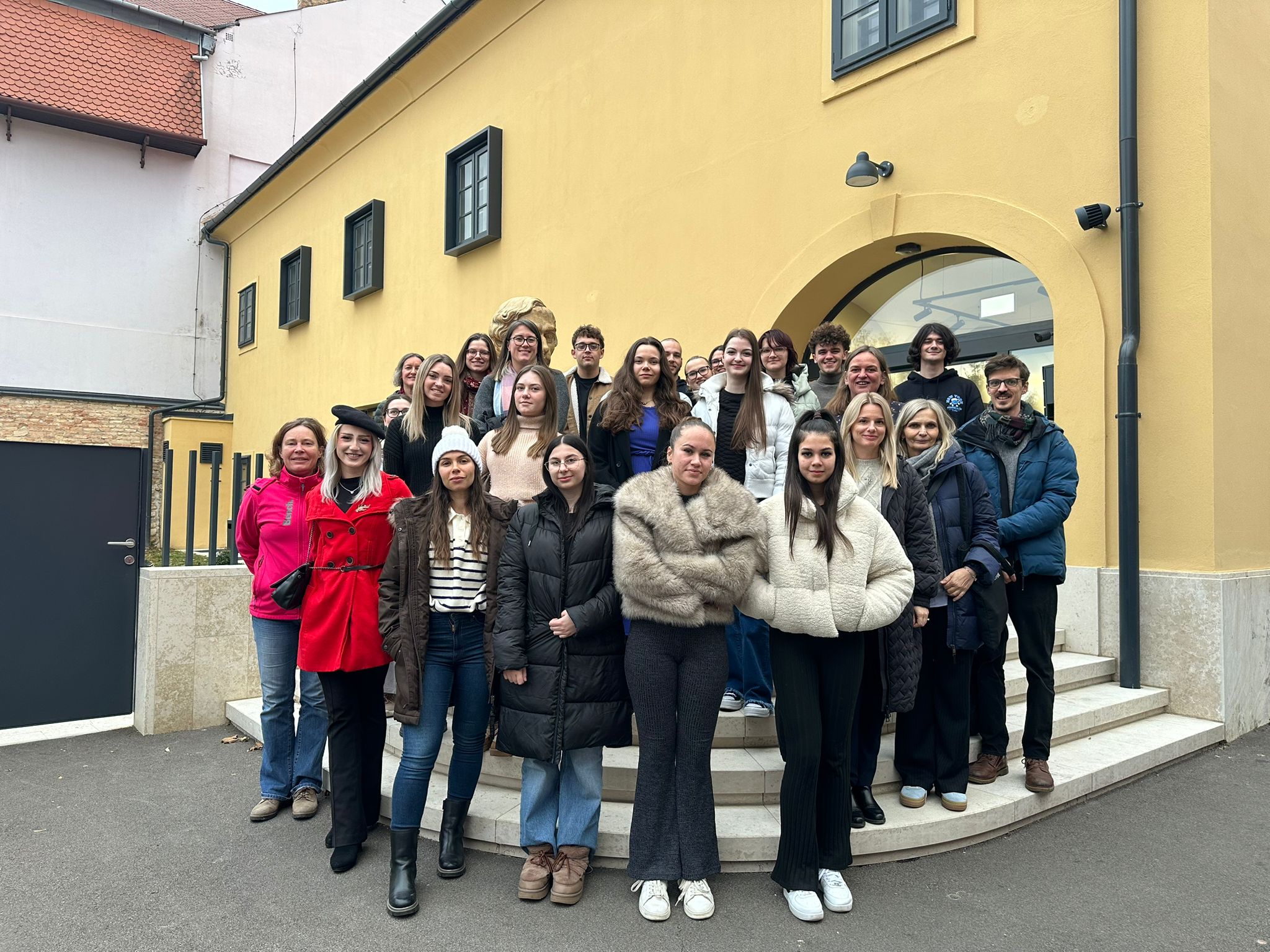
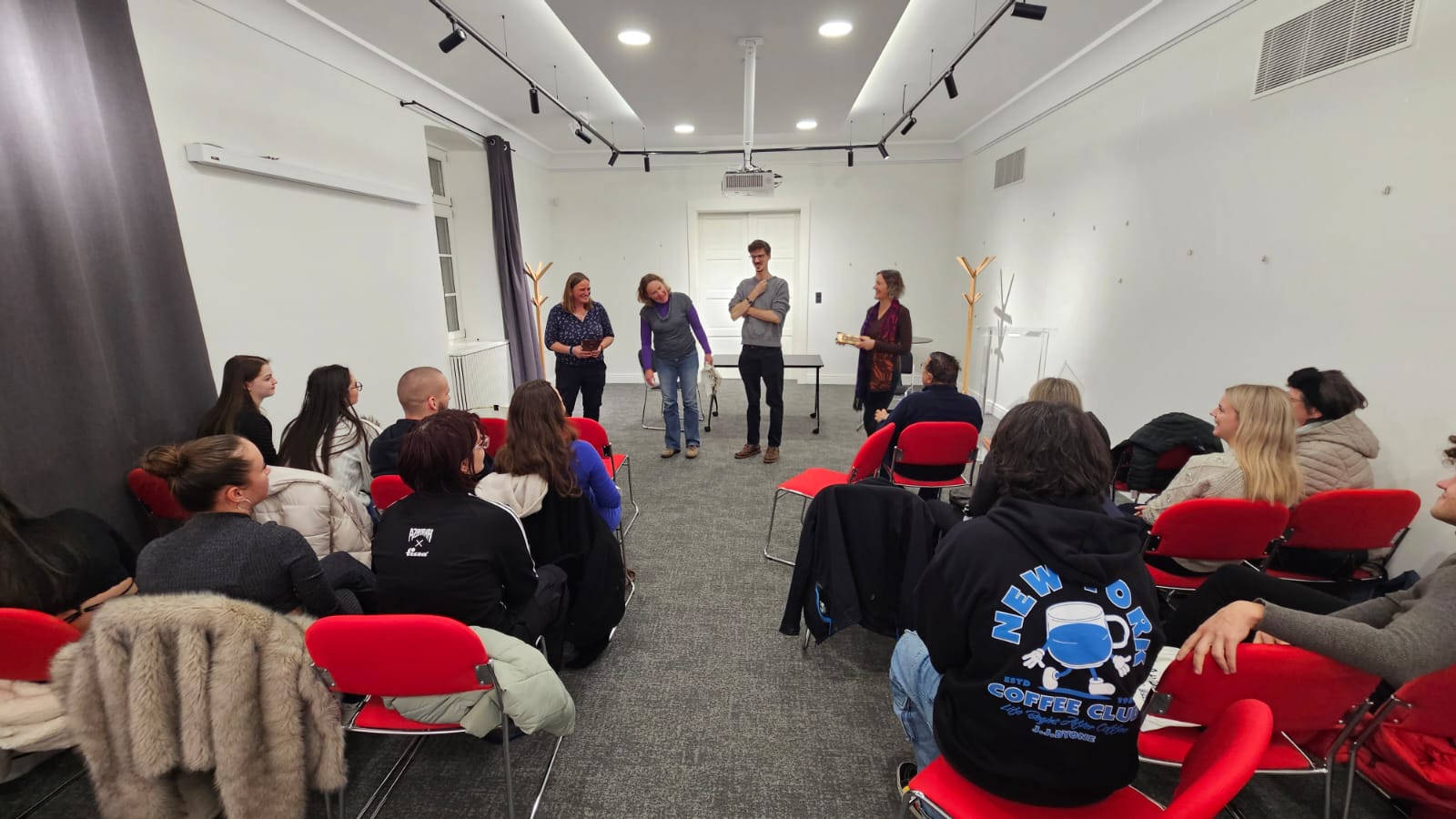
Students of German Language and Literature on a Field Trip to Pécs
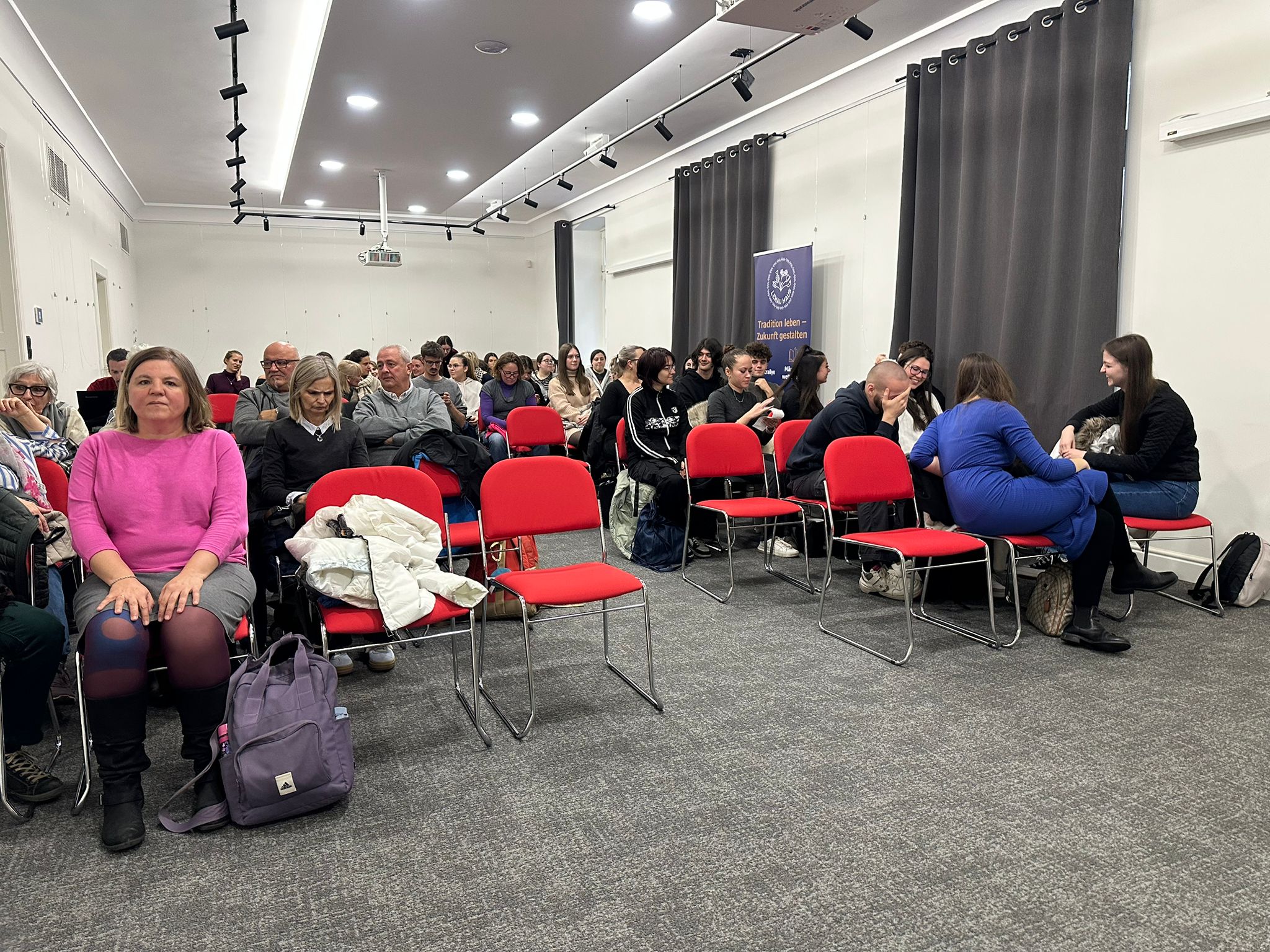
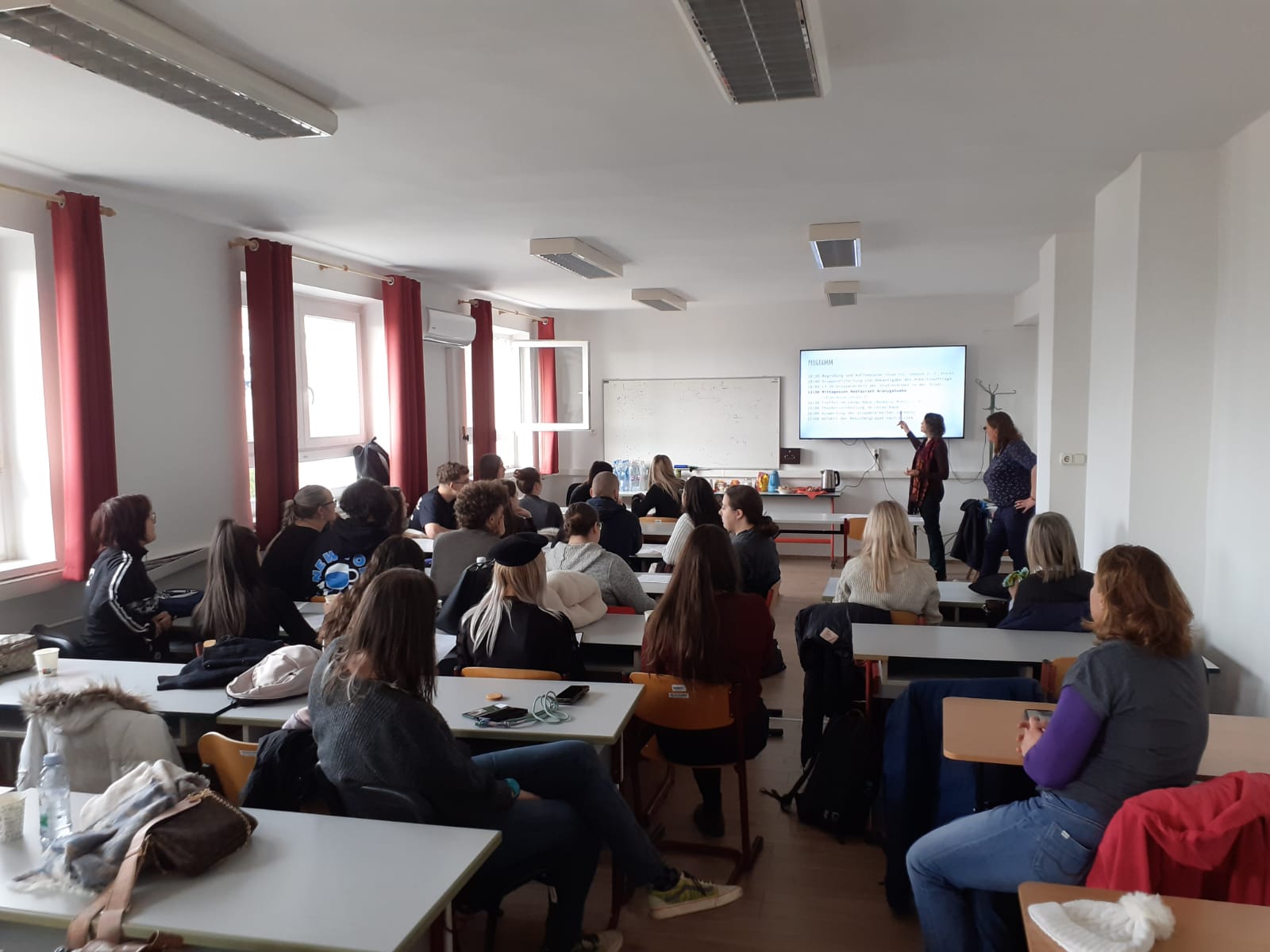
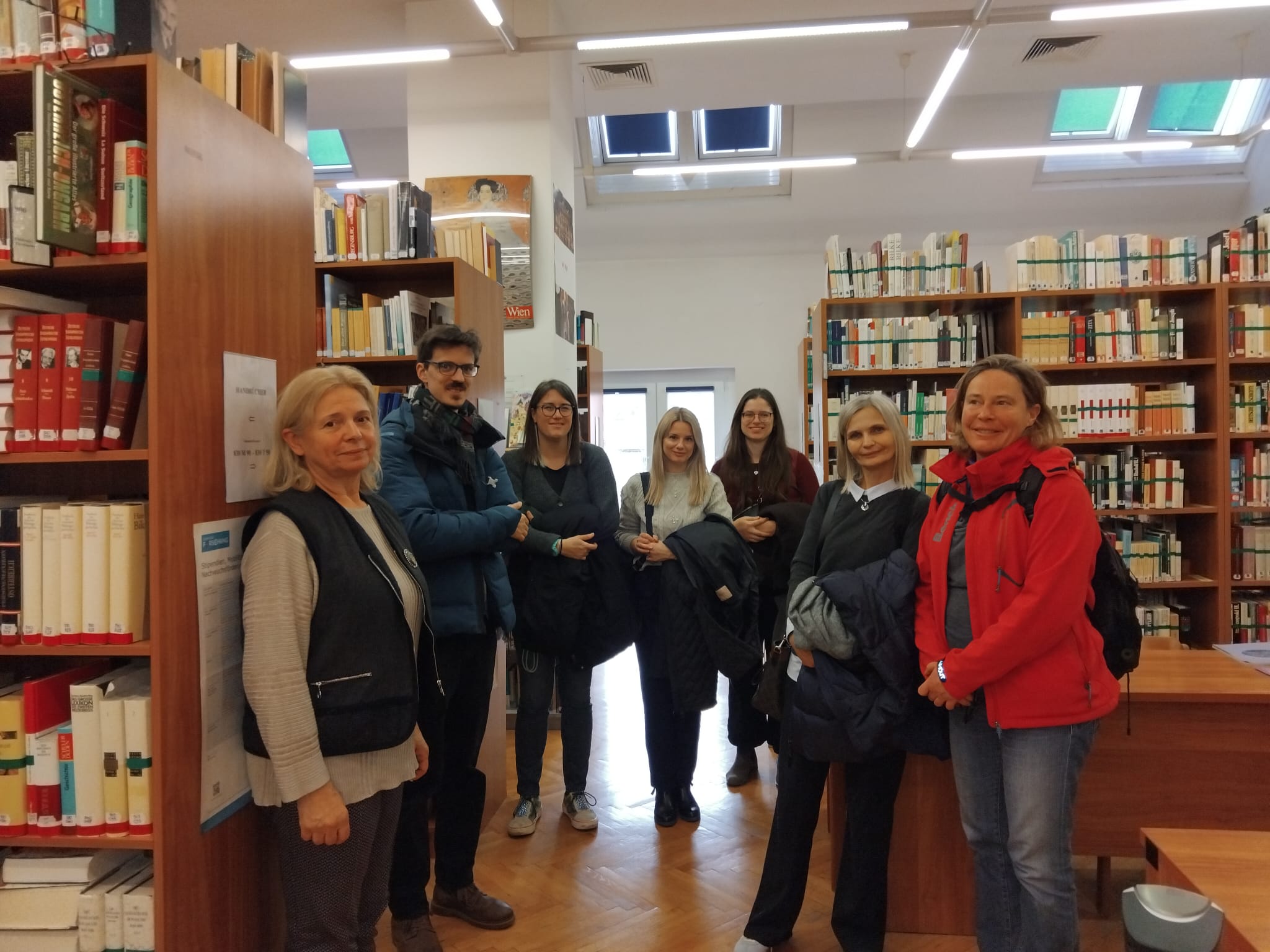
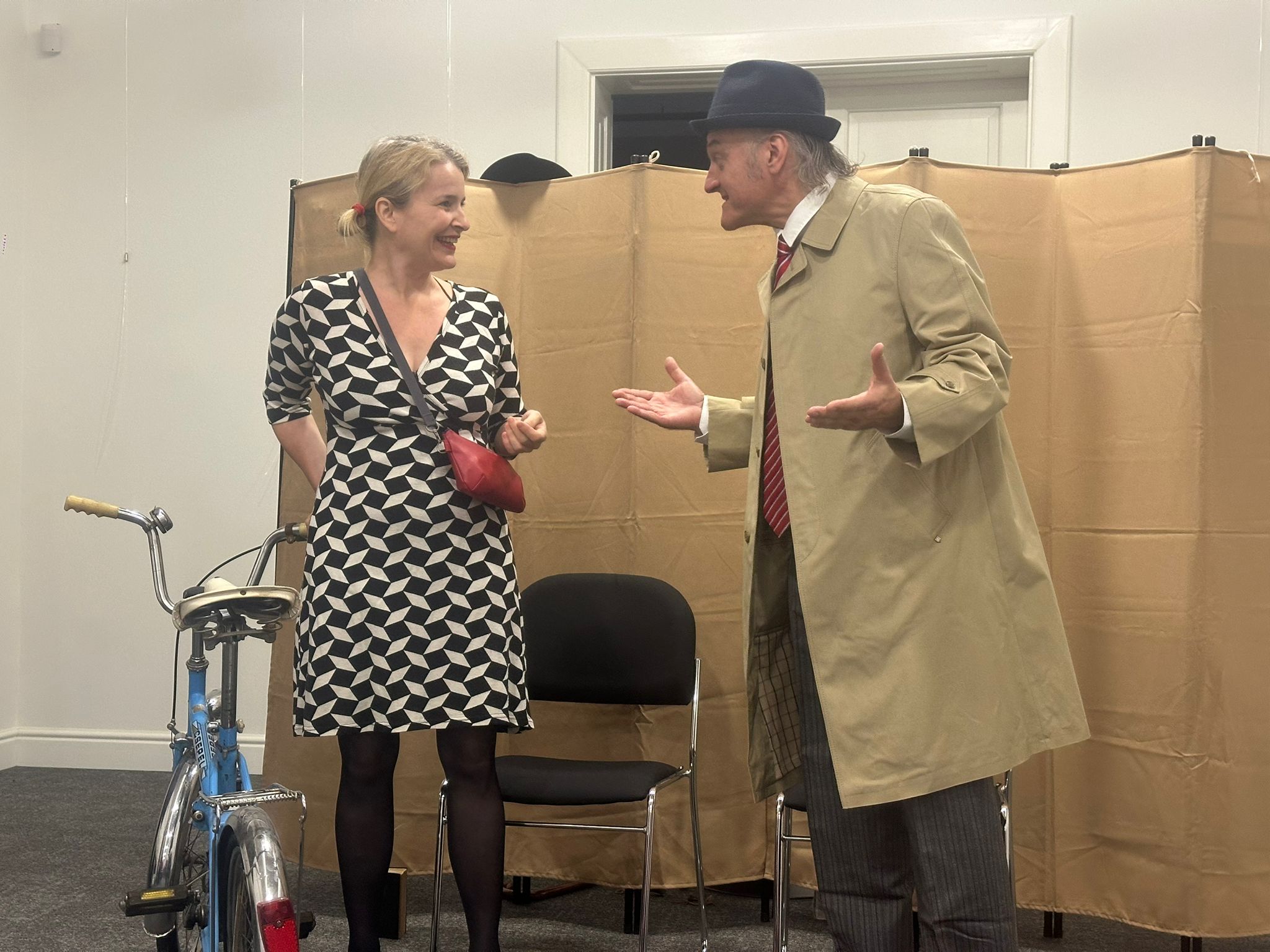
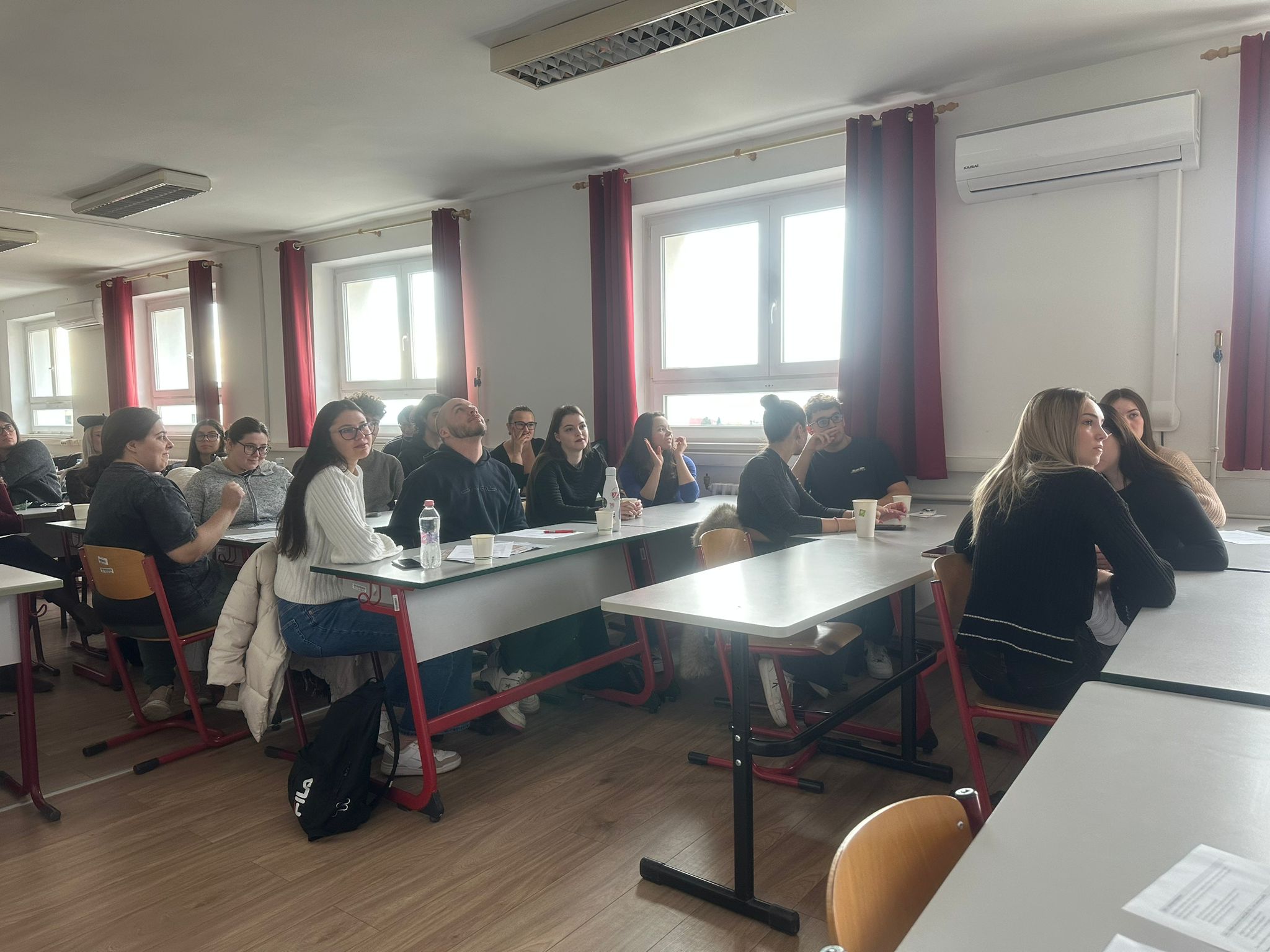
This year, students of the Department of German Language and Literature at the Faculty of Humanities and Social Sciences in Osijek once again took part in a field trip to Pécs, where they were hosted by colleagues from the Institute of German Studies at the Faculty of Humanities and Social Sciences, University of Pécs, who had prepared a rich programme for them. During the visit, the students and teachers toured part of the university campus, the Faculty of Humanities and Social Sciences building and the university library with its Austrian Library and reading room. After the tour, the students worked in mixed groups to produce short videos in German in which they introduced themselves and presented landmarks of Pécs. The programme culminated in a visit to a German-language theatre performance at Lenau Haus, which gave the students further insight into the cultural life of the German community in Pécs.
This German Studies excursion was jointly supported financially and organisationally by the OeAD (Austria’s Agency for Education and Internationalisation) and the DAAD (German Academic Exchange Service), with the assistance of their lecturers in Pécs and Osijek. The idea for the field trip arose from the regional German Studies networking initiative Initiative und Potenziale, launched by the FFOS Department of German Studies and involving colleagues from Pécs, Novi Sad, Tuzla and Osijek as the host.
Sanja Ivanović Grgurić, Teaching Assistant
Field Trip Held as Part of the Course Human Rights: Fundamentals and Protection
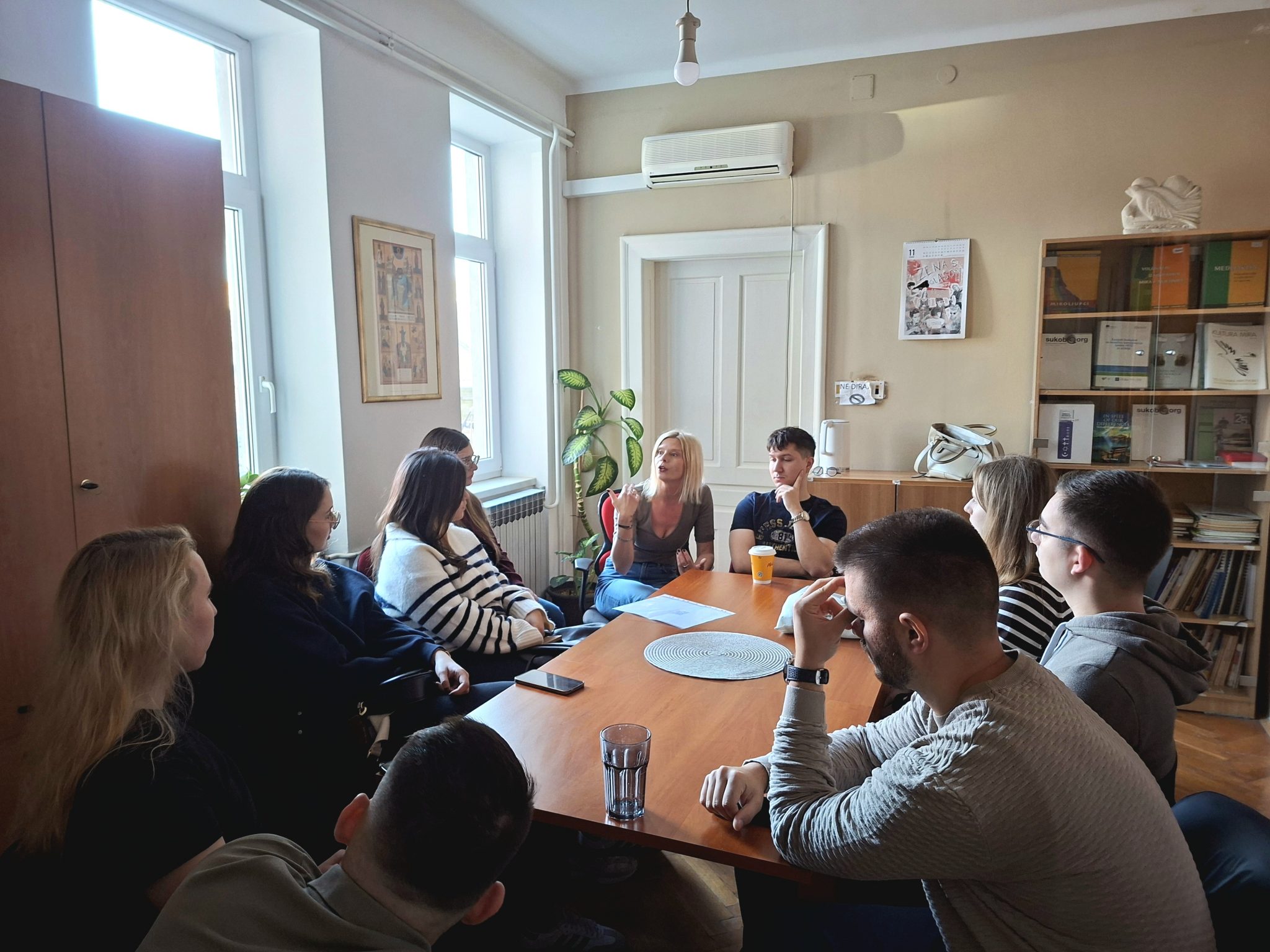
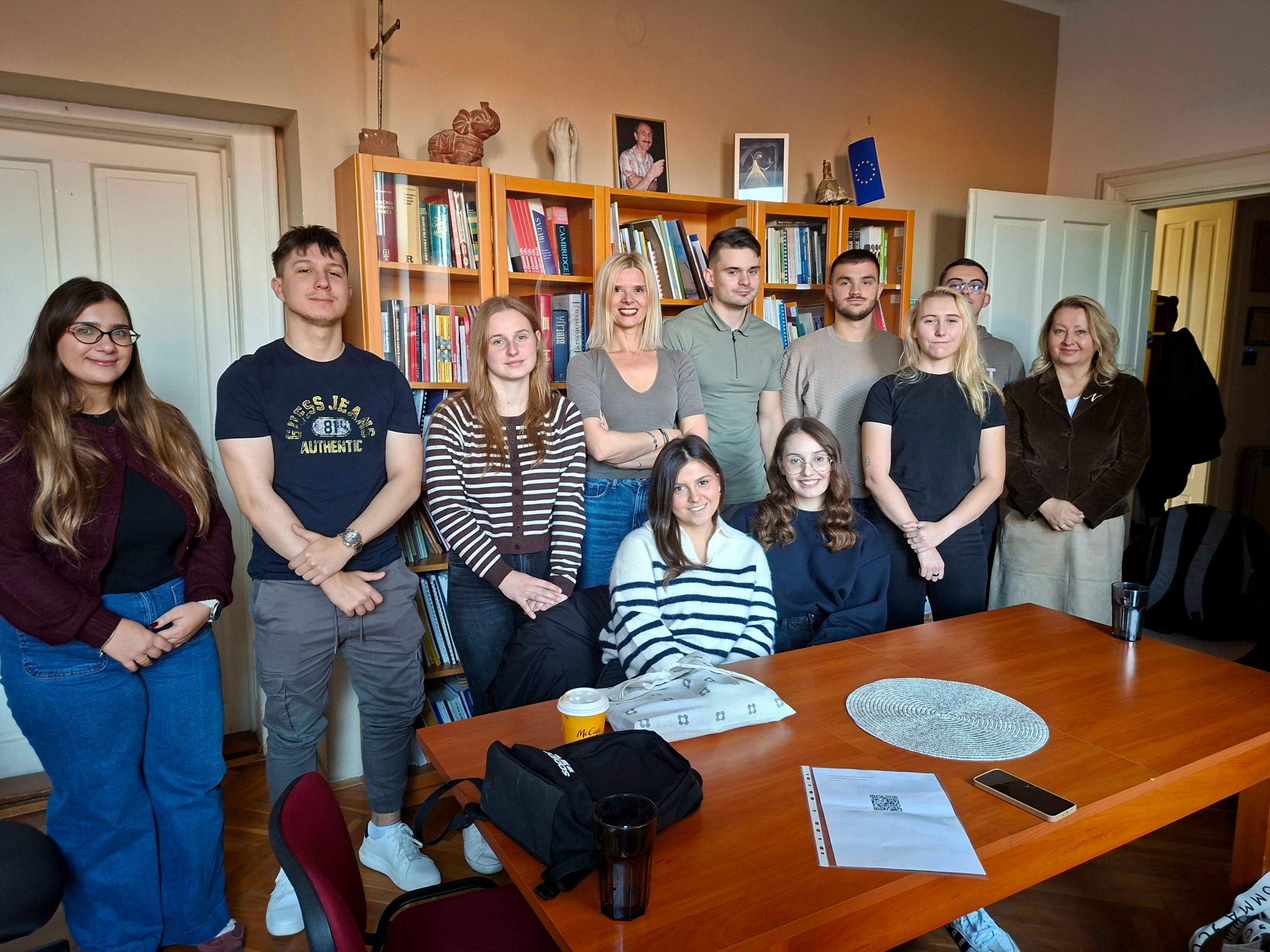
First-year students of the graduate university double-major study programmes in Sociology and Philosophy, as part of the course Human Rights: Fundamentals and Protection with their teacher Narcisa Vrbešić-Ravlić, University Master of Laws, Specialist in Human Rights Law, visited the Centre for Peace, Nonviolence and Human Rights in Osijek. At the Centre, they were welcomed by its director, Natalija Havelka, University Master of Laws, Specialist in Law, who introduced them to the Centre and its activities. During the lecture, students had an opportunity to learn about the human rights most at risk in Croatia, particularly in the local context, and to gain new insights into methods of protection and raising awareness of the need to protect the most vulnerable groups. The lecture on human rights provided insight into the practical application of the content students study during classes and, within this framework, helped develop knowledge and the ability to recognise the need to protect fundamental human rights and apply systems and methods for their protection. By gaining insight into the actual situation and the problems arising from threatened human rights that the Centre addresses, the students were able to recognise the growing need to protect endangered human rights in practice and everyday life. The Osijek Centre for Peace, Nonviolence and Human Rights is the oldest centre of its kind in Croatia and, as such, also presents the “Miroslav Sukić” Award for the Promotion of Peacebuilding, Nonviolence and Human Rights, which this year will be awarded on 9 December 2025. The students were invited to the presentation of this important award. Director Natalija Havelka praised the students’ active participation during the lecture, as well as the Faculty of Humanities and Social Sciences in Osijek, which, by introducing courses in the field of human rights, has taken a step towards contemporary teaching approaches and much-needed knowledge about human rights and ways of protecting them.
Field Trip – Interliber 2025
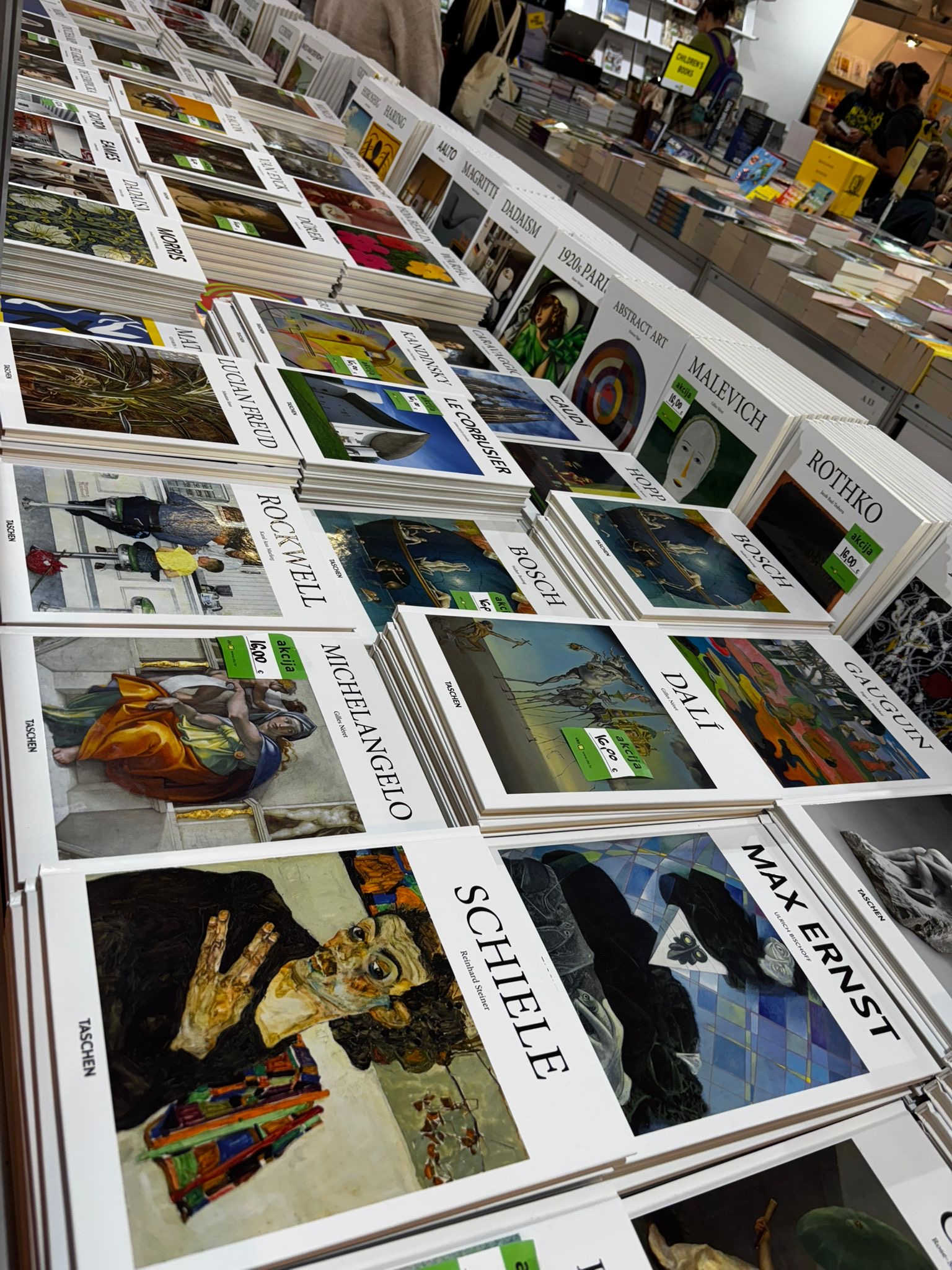
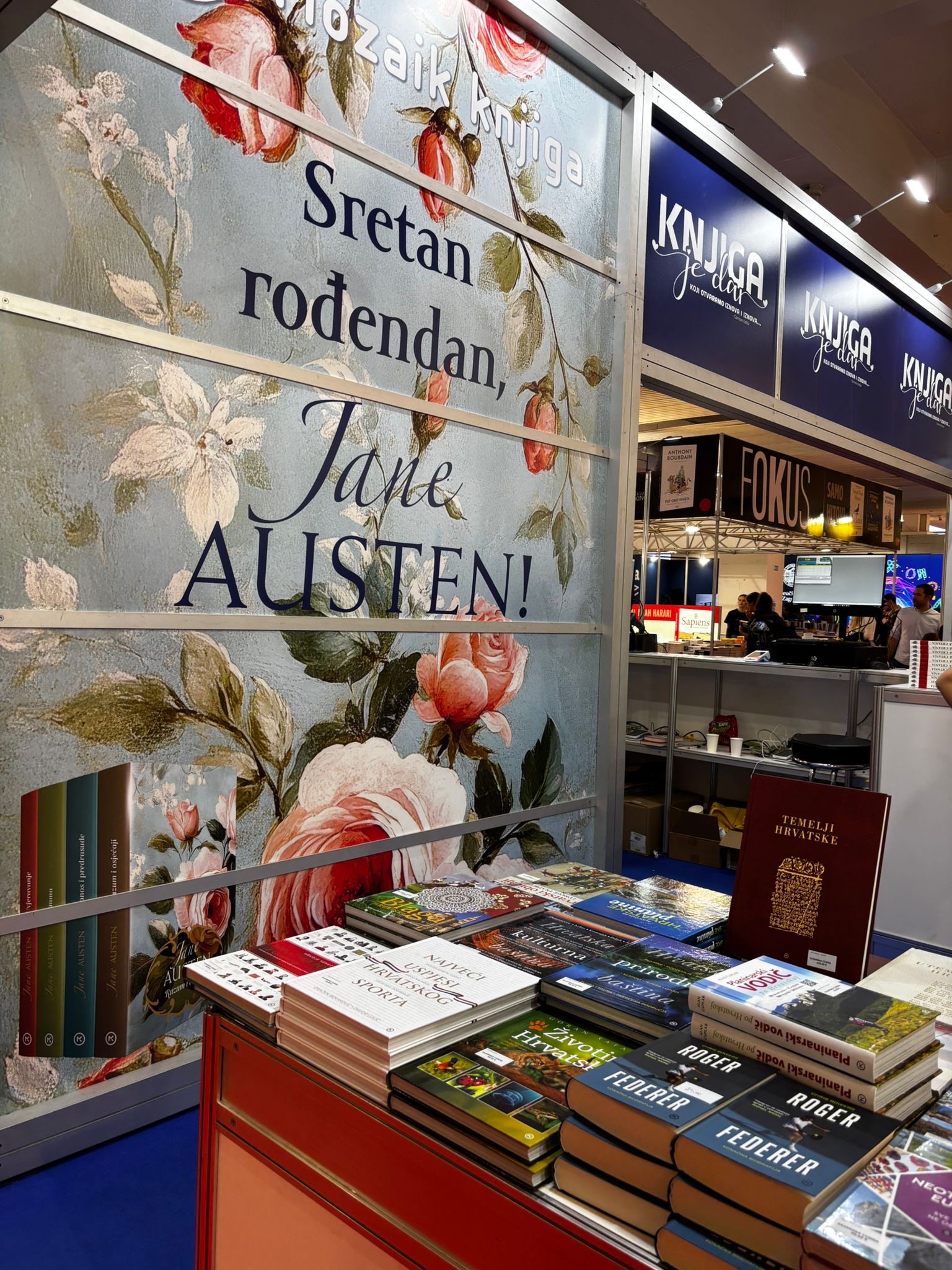
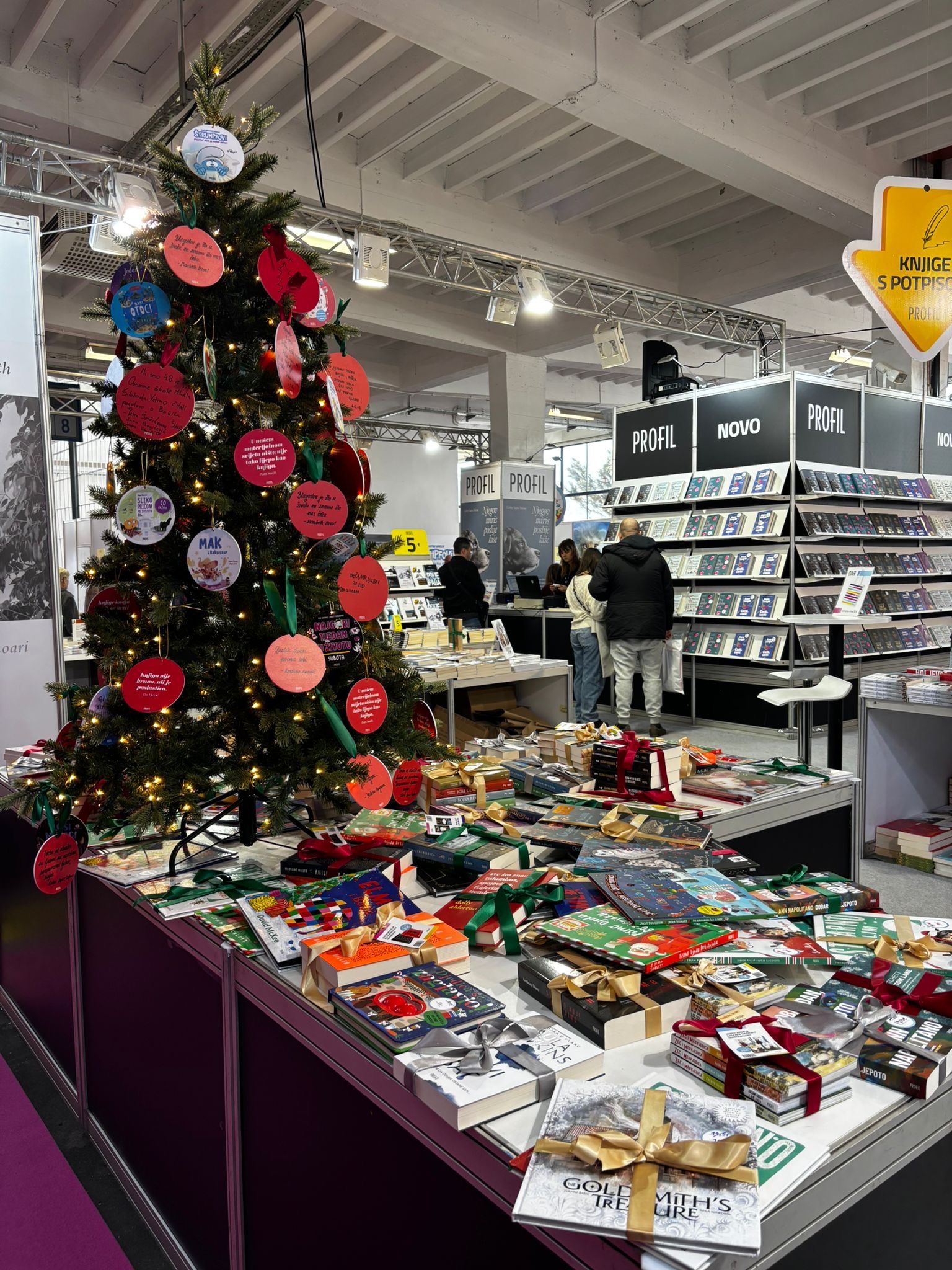
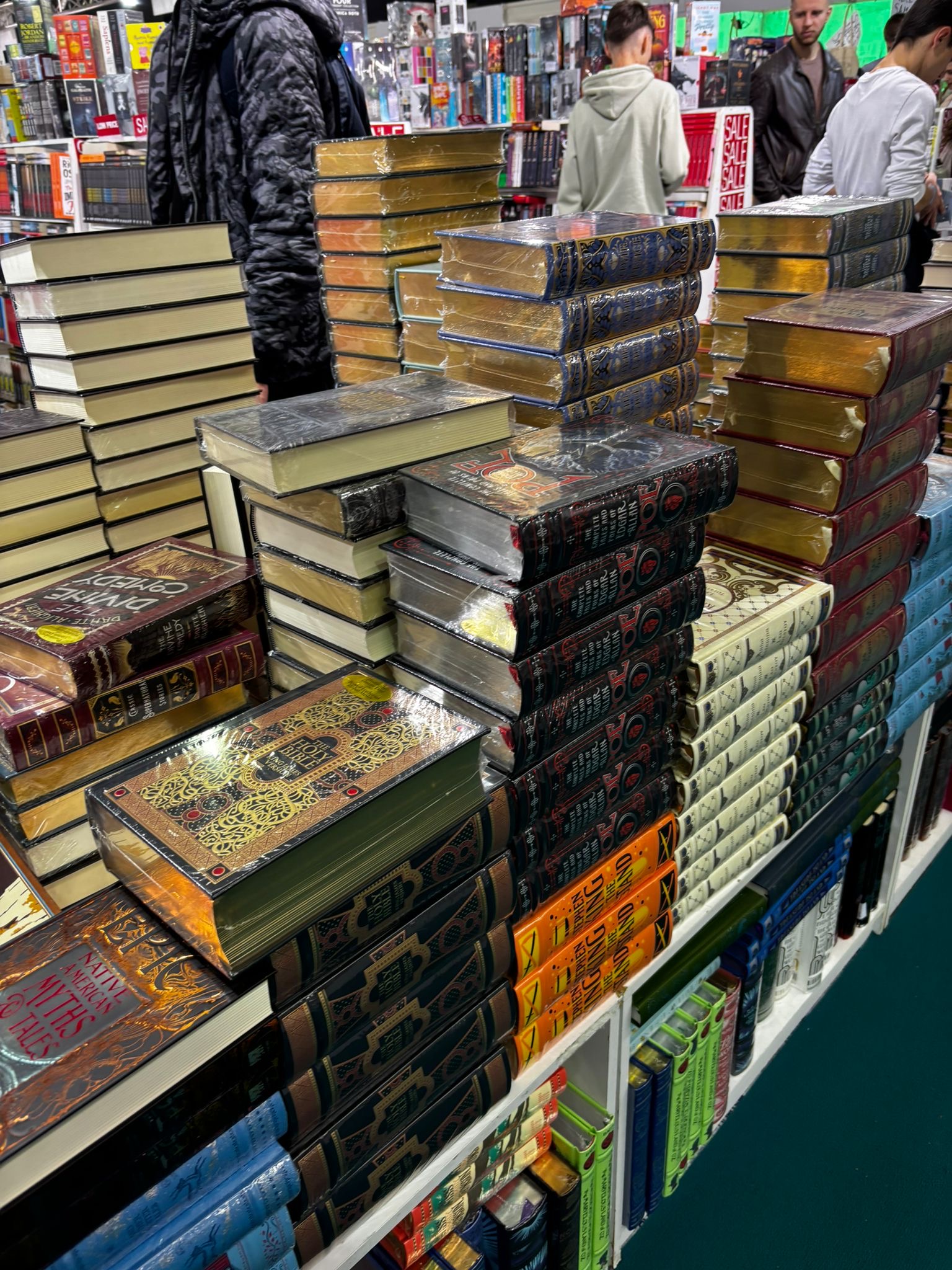
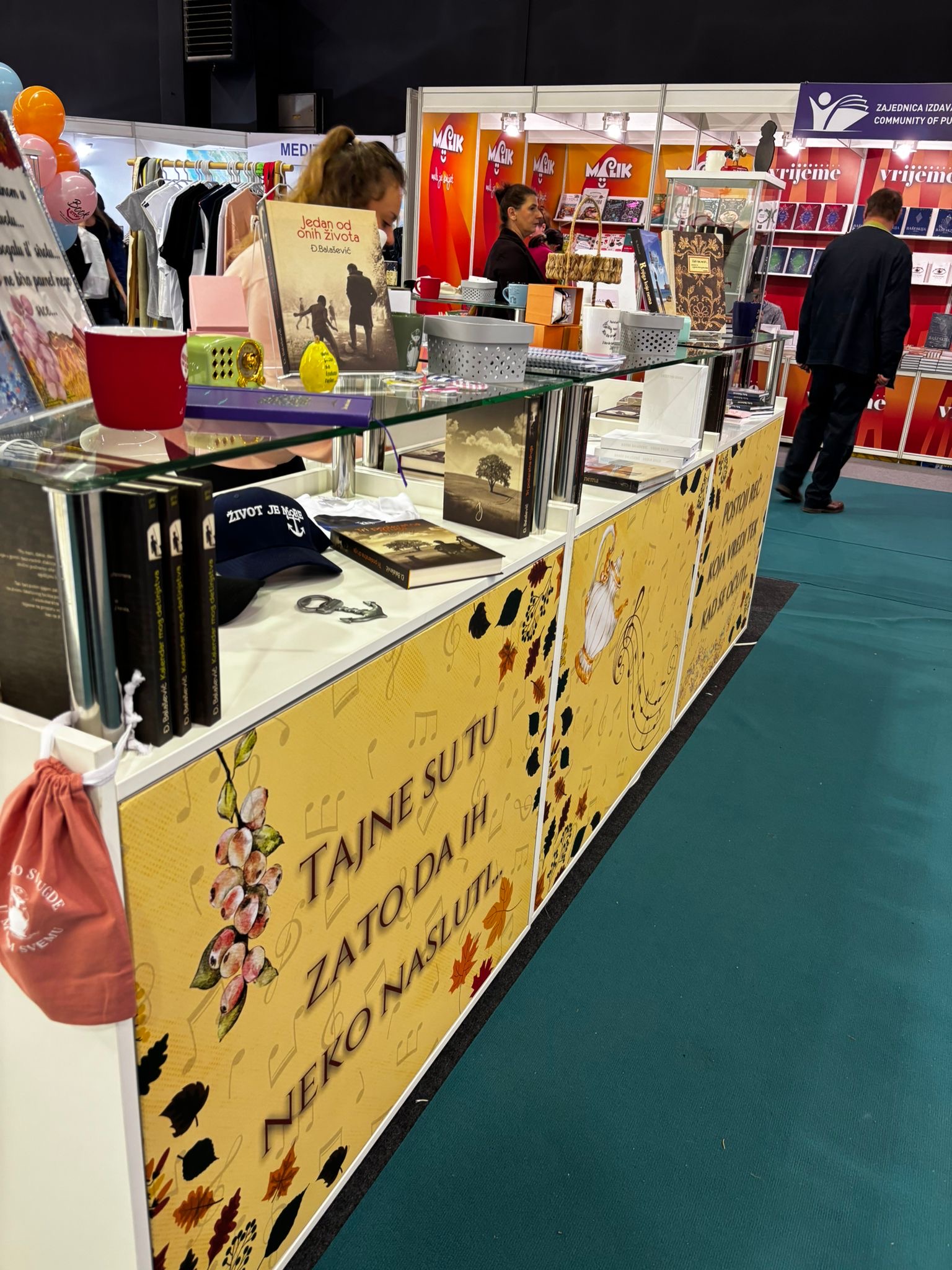
On 14 November 2025, third-year undergraduate students of Information Sciences and first-year graduate students of Publishing visited the 47th International Book and Teaching Materials Fair Interliber in Zagreb, accompanied by Assoc. Prof. Ivana Martinović, PhD, Assoc. Prof. Josipa Selthofer, PhD, Ines Hocenski, PhD, and Mirna Gilman.
The visit took place as part of the courses Information Systems in Education, Publishing Fields and Digital Publishing, with the aim of linking course content with practice in the information and publishing sectors. By touring stands, talking to publishers and learning about publishing processes and activities, the students gained a more concrete insight into how publishing projects are conceived, designed, presented and placed on the market. This form of learning outside the classroom enabled them to better understand the professional roles, organisational processes and communication practices behind the functioning of the contemporary publishing and information environment, which is particularly important for developing competencies in both study tracks.


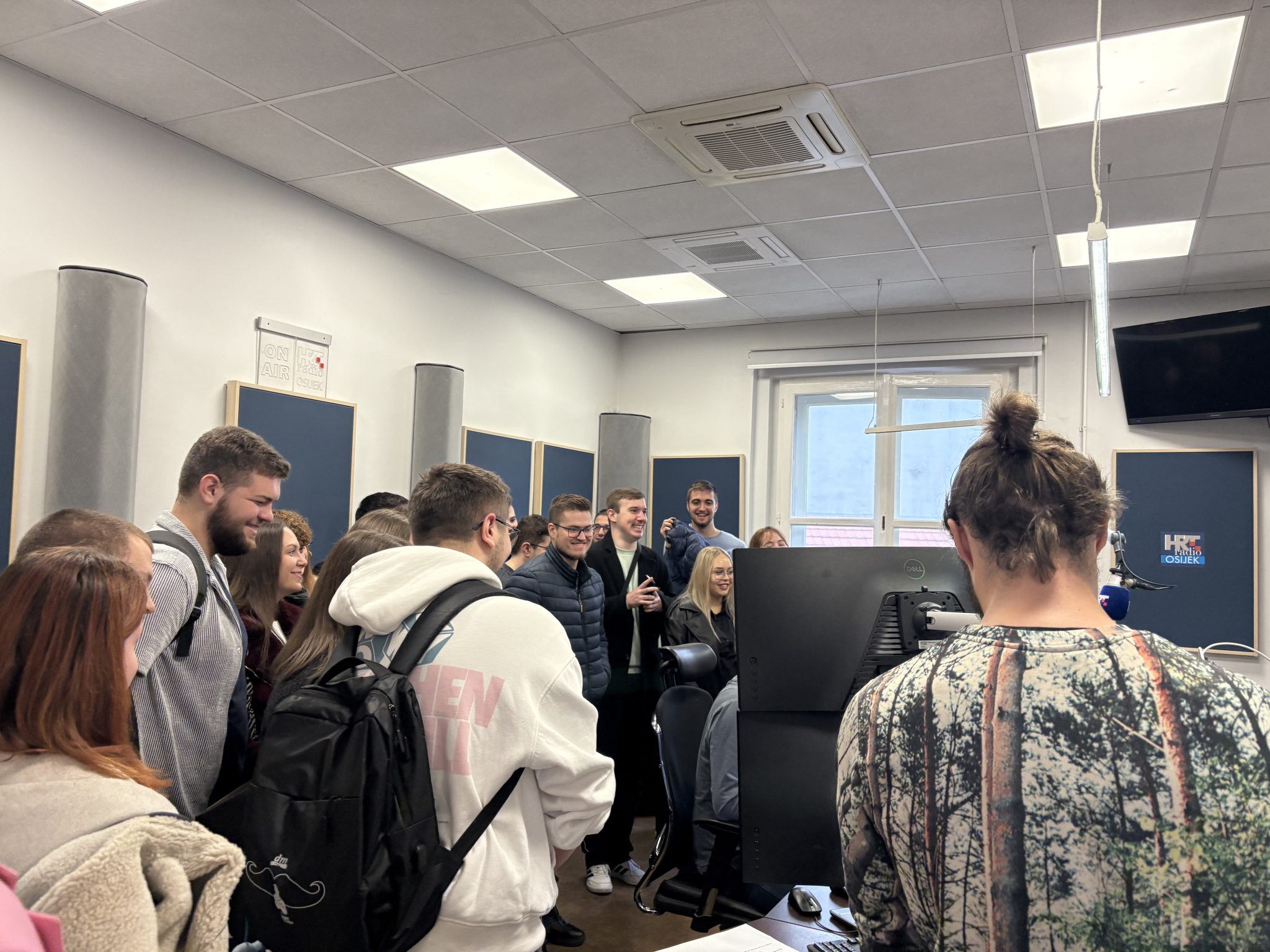
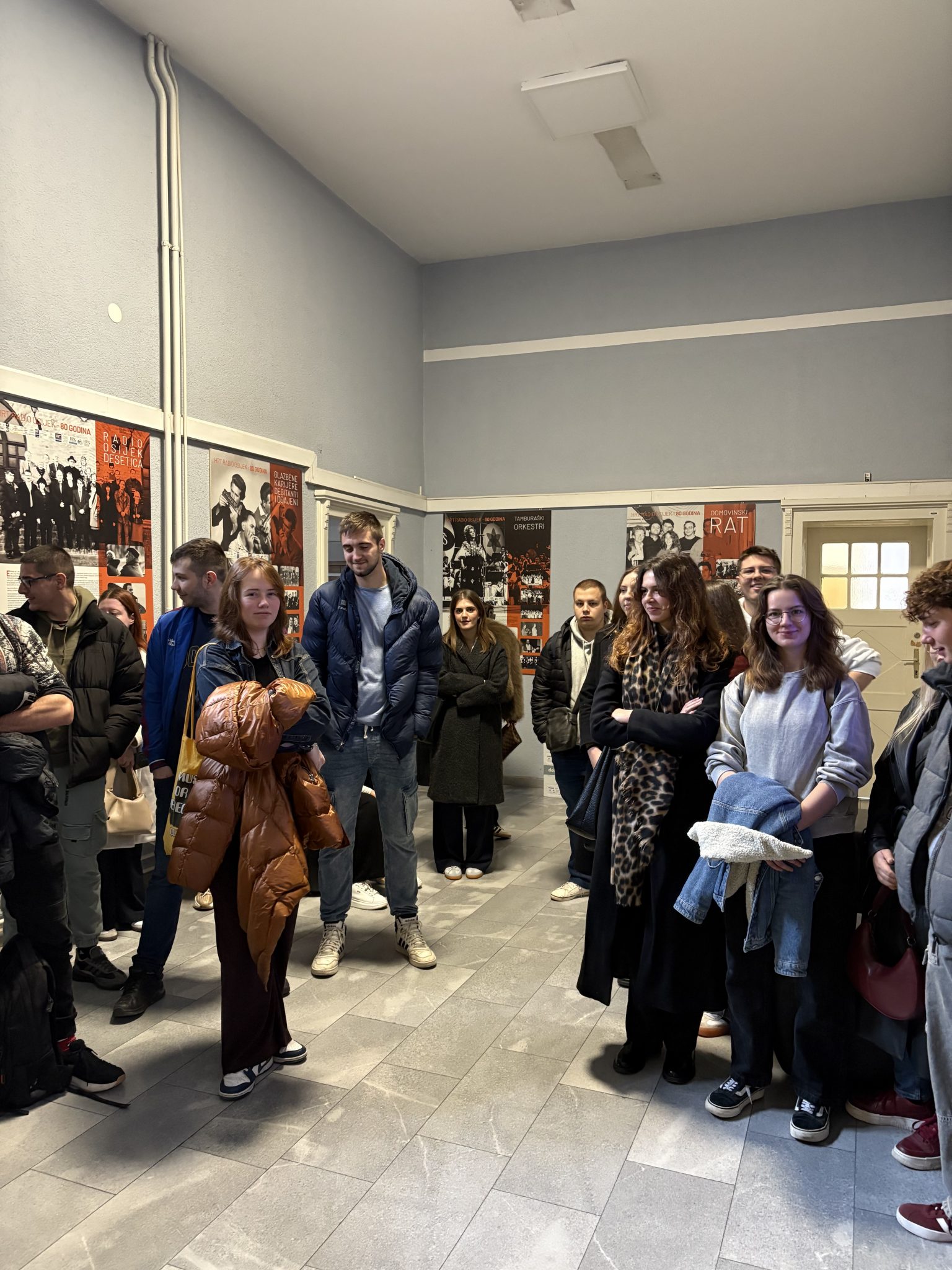
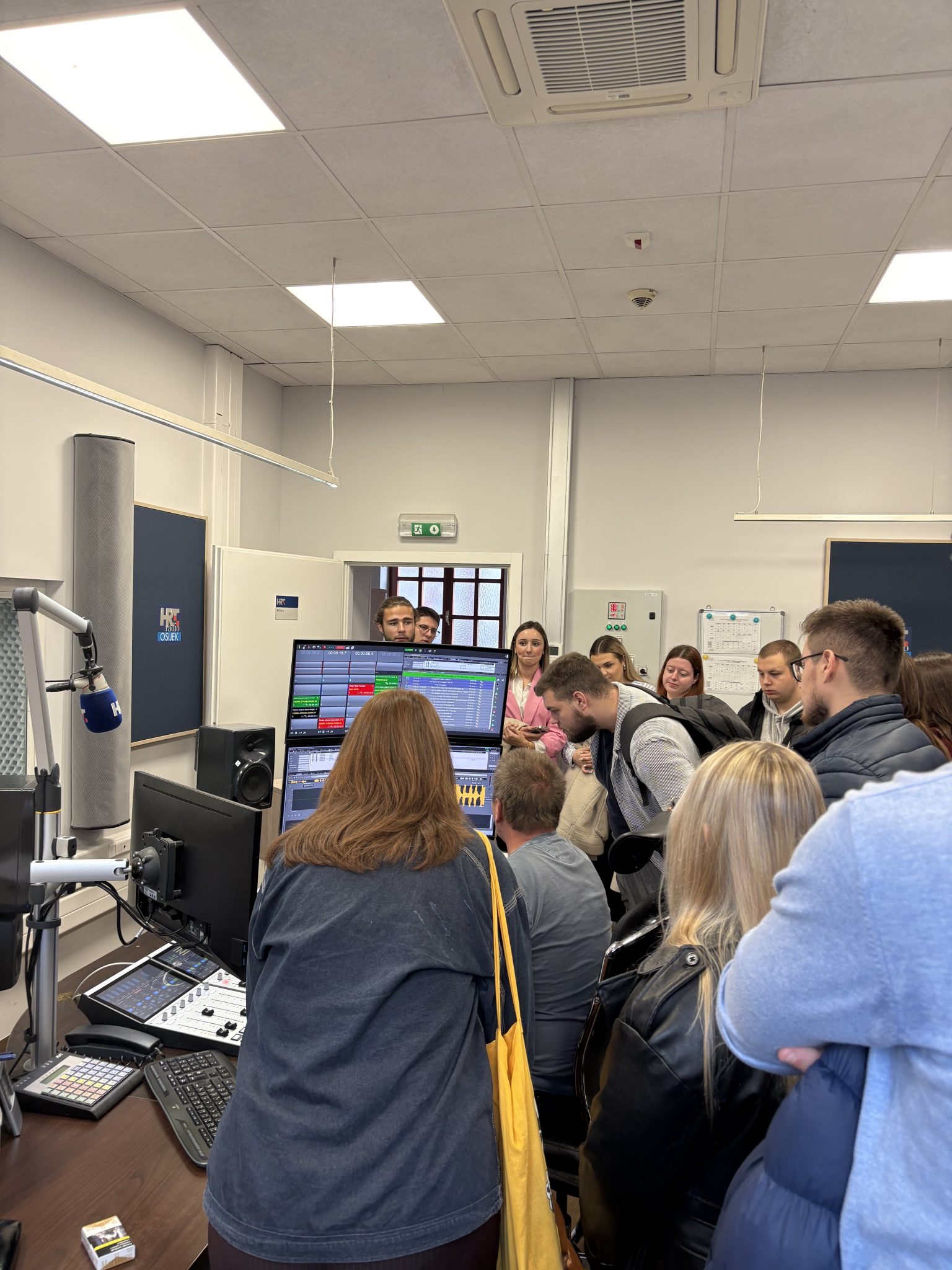
Visit by Sociology Students to the Regional Radio Station HRT – Radio Osijek
As part of the course Media and Communication Theories, taught by Asst. Prof. Ivana Perkušić, PhD, first-year graduate students of Sociology visited the regional radio station HRT – Radio Osijek on 12 November 2025.
The students were hosted by Dario Vračević, known for his many years of work at Radio Osijek, who introduced them to different segments of the work: from the archive and the history of production to work in the radio studio and everyday editorial challenges.
The visit provided the students with a deeper insight into the functioning of the public service broadcaster as a key provider of information and social engagement. Through active discussion, students connected their theoretical knowledge of media and communication with practical examples from the everyday work of a radio station.
All of this confirmed that providing accurate and timely information, building citizens’ trust and encouraging critical thinking form the foundations for preserving our culture and citizens’ identity.
Ivana Perkušić
Field Trip for Students of Hungarian Language and Literature
On Wednesday, 28 May, first-year graduate students of Hungarian Language and Literature, Communication Studies track, visited Bilje and Tikveš as part of the course Fundamentals of Multimedia. The field trip began at 8 a.m. when, accompanied by Professor Timea Bockovac, they set off for Bilje, where they visited the headquarters of the Democratic Union of Hungarians of Croatia (Horvátországi Magyarok Demokratikus Közössége), i.e. the Media Centre of Hungarians in Croatia, the editorial office of the weekly Új Magyar Képes Újság and the programme Drávatáj. The students and their professor were hosted by editor and journalist Monika Molnar, who showed them around the building and explained what their work entails and what opportunities students have if they choose this profession. The editor also emphasised the complexity of the journalistic profession and the challenges they face every day given the limited number of staff.
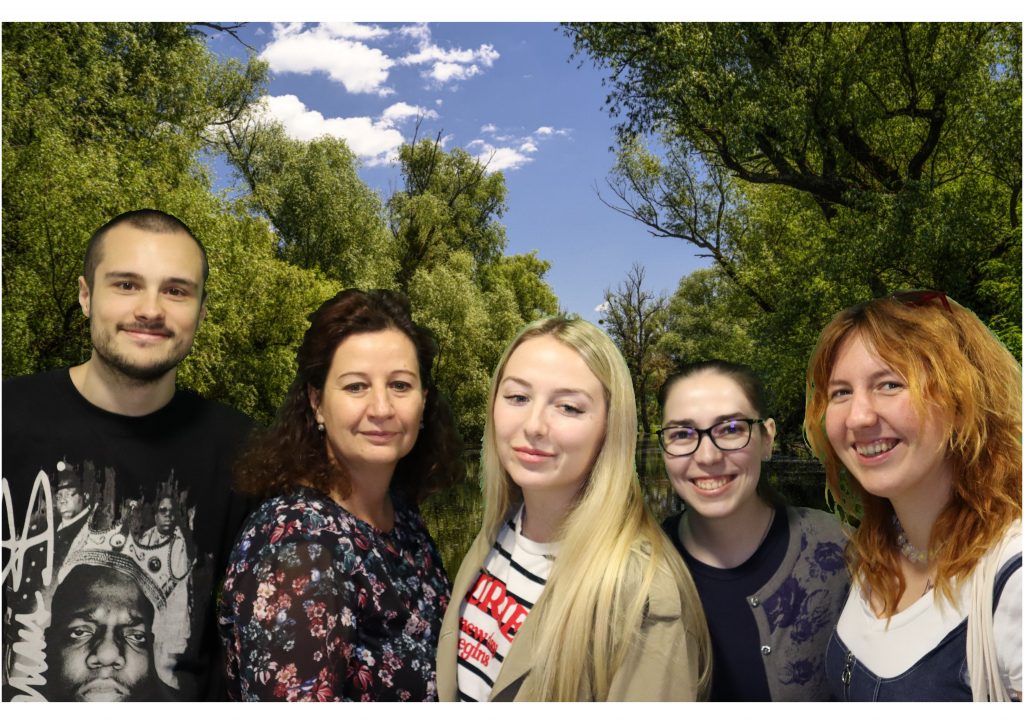
This was followed by a trip to Tikveš, more precisely to the Tikveš Presentation and Education Centre, located in the northern part of the Kopački Rit Nature Park. The Centre houses a unique multimedia and interactive exhibition that introduces visitors to the most important features and natural phenomena of Kopački Rit. Under expert guidance, the students toured the multimedia and interactive Centre. The tour was divided into two parts, consisting of lectures on nature and history. The northern part of the Nature Park is characterised by forests and is home to many plant and animal species, the best known of which is the white-tailed eagle, which is also the symbol of the Park. Economic activities are permitted in this part, unlike in the southern part. The second part of the tour consisted of a lecture on history. One of the earliest references to Kopački Rit dates from 1699, when the area was granted to military commander Eugene of Savoy for his wartime merits in the fight against the Ottomans. After his death, the estate came into the possession of the Habsburg family, where it remained until the dissolution of Austria-Hungary in 1918. At the end of the 19th century, Archduke Friedrich of Habsburg and his wife Isabella came to Kopački Rit and built Tikveš Castle at the beginning of the 20th century. Isabella owned a camera and thus recorded the appearance and everyday life of Tikveš. She was also involved in hunting, which was highly unusual for a woman at the time. During the Croatian War of Independence, Tikveš infrastructure suffered extensive destruction, but after reconstruction the Centre was opened in 2022. The students’ field trip to Tikveš was extremely useful because they had an opportunity to explore the museum exhibition in detail and try out all of the multimedia content in practice. Through audiovisual effects, interactive maps and holograms, they were able to deepen the knowledge acquired in the course in an innovative way. After completing the tour, they had an opportunity to test their knowledge by taking a quiz, on which they achieved an excellent result.
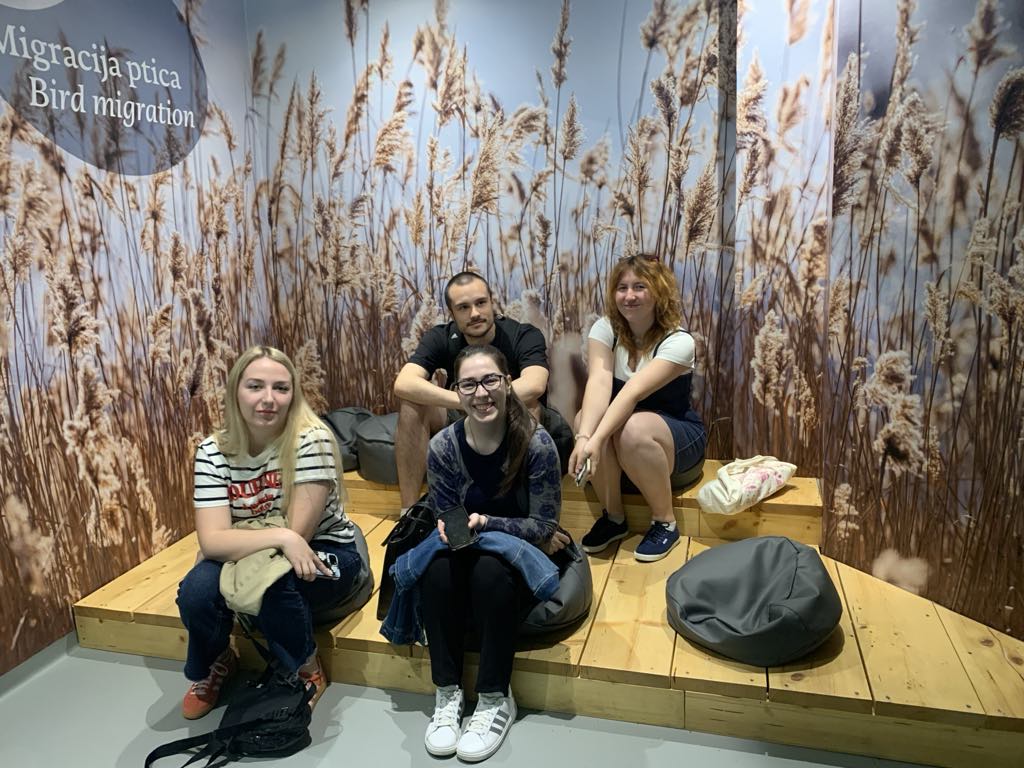
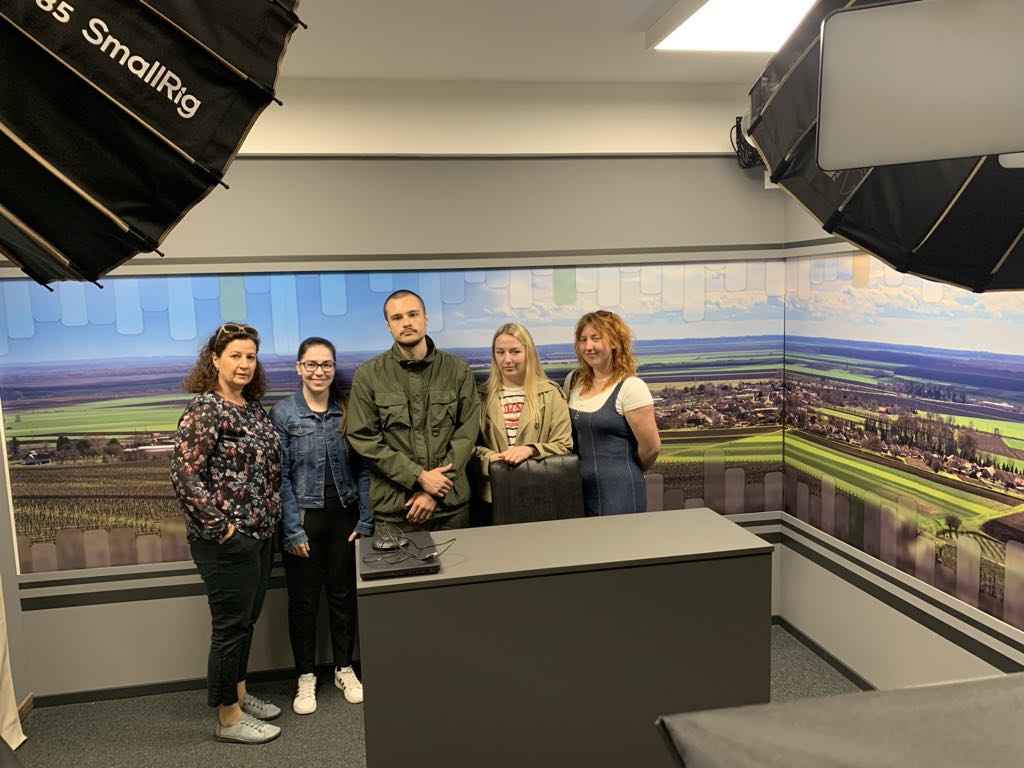
Ivona Čizmadija, Rebeka Puhalo, Ina Prigl, Ante Škalić
In Search of Slavonian Glagolitic Script
Another field trip for first-year students of the undergraduate single-major and double-major study programmes in Croatian Language and Literature took place on 2 June 2025. The students visited Brodski Drenovac, Lovčić and Pleternica as part of the courses Old Church Slavonic 2 and Slavic Scripts. The field trip was led by Prof. Milica Lukić, PhD – who deserves particular credit for including the Slavonian area in textbook definitions of Croatian Glagolitism, i.e. the Cyrillo-Methodian heritage in the Croatian national territory – and Asst. Prof. Vera Blažević Krezić, PhD. The students were thus given an opportunity to encounter medieval Glagolitic (as well as Cyrillic and Latin-script) graffiti from Slavonia, in accordance with the understanding that – alongside the “promised Glagolitic land”, i.e. the Istrian-Kvarner, Lika and (northern) Dalmatian regions – medieval Glagolitic script (as well as Western Cyrillic and the oldest Croatian Latin script) can indeed also be sought in the Slavonian homeland.
We first visited the cemetery Church of St Demetrius in Brodski Drenovac, where the students received a warm welcome from the young historian and archivist Mario Katić, who served as our guide at all stops of the field trip. We were also accompanied throughout by Krešimir-Petar Putrić, a dedicated parishioner of the Bučje Parish, in his capacity as a theology student at the Jesuit Institute of Philosophy and Theology in Zagreb and as a correspondent for Lipički Compas, a local online portal and monthly magazine of the town of Lipik. The Church of St Demetrius was built in the 14th century; more precisely, its construction can be placed between 1350 and 1400. With its massive bell tower and tower featuring arrow slits, it gives the impression of a fortress guarding the entrance to the Požega Valley, while the vestibule at the entrance was built in the 19th century. Although its exterior reveals Gothic architectural elements and a somewhat austere strength, the church interior is of very delicate Gothic design, with immediately noticeable local oak motifs on the capitals and wall paintings – frescoes – depicting the Adoration of the Magi, the crucified Christ and, of course, St Demetrius, before whom the fathers of Slavic literacy – the Holy Brothers Constantine-Cyril and Methodius – bowed. What makes the little church particularly special is the presence of Glagolitic script – the Slavic script characteristic of the Kvarner, Istrian, Lika and northern (central) Dalmatian regions. It was the Church of St Demetrius that disproved prevailing assumptions according to which Glagolitic script was virtually absent from pre-Ottoman (and to a large extent post-Ottoman) Slavonia, because it preserves as its treasure as many as nine medieval Glagolitic graffiti (created between the 12th and 14th centuries), alongside traces of Latin and Western Cyrillic literacy, accompanied by numerous pictorial graffiti reminiscent of stećak motifs (birds, crosses, hands, human and other animal figures). At the very entrance to the church there is a motif of a human hand carved in stone, also known from Croatian Glagolitic liturgical codices, for example the Mavro Breviary (1460) by Blaž Baromić. Nearby, we see an interesting Glagolitic epigraph signed by its author, which reads: U DRÊNOVÊCE TO E PISALЬ BR(A)T RÊČIĆ/Ь/. On the front left wall of the church nave is a fresco on which the words “this was written by one man” (“/s/e pisa ed(a)nь člov/ê/k”) were later inscribed, indicating that a pilgrim or monk wanted to leave a trace without attributing greatness to himself, referring to himself merely as an unknown man. Among the church furnishings is a medieval sedilia containing graffiti and various carved and painted motifs – a cross motif and the Slavic name Dragovit, or Drago. The graffiti are written in an almost fully developed angular Glagolitic script in four lines, with elaborate ligatures, and can be read as: DRAGO, VIOT’, ÊŠR, TORO.
This was followed by a visit to the sister medieval Church of St Martin in Lovčić, located in the very heart of the local cemetery. Built between the 11th and 13th centuries, the church ranks among the oldest examples of Romanesque sacral architecture in this part of continental Croatia. Passing through the Romanesque portal in the western wall of the church, we entered its unfortunately neglected interior, learning that the little church lost some of its Romanesque charm during the 18th-century Baroque renovation, as well as in the 20th century when it was damaged by an earthquake in 1964. The walls of this single-nave church with a semicircular vaulted sanctuary are decorated with Early Gothic frescoes, including a depiction of the twelve apostles and the titular saint – St Martin on horseback. As a precious jewel, it preserves two, or in fact as many as three, Glagolitic graffiti, which the students were able to view and read with the same expert guidance and even feel under their fingers. These Glagolitic graffiti – which indicate the development of formal Glagolitic script from its preceding formative phase – are distributed along the wall bearing Martin’s “fresco image”, while the church also contains traces of Western Cyrillic (Bosančica) and Gothic script. The most striking is a Glagolitic graffito consisting of eleven unusually shaped and arranged letters. According to Milan Paun, the best-known researcher of the phenomena under observation, the size and stylisation of the letters indicate that they were not created accidentally and that they record the name of St Martin, because the key consonants of his name can be distinguished. The second graffito was created in the 13th century and is a typical example of angular Glagolitic script. It is 27 centimetres long and 5 centimetres high, filling two lines. Eight letters are preserved in the first line, while only two and the beginning of another are preserved in the second. The third graffito is the smallest, but its distinctiveness lies in the fact that its three lines of letters are executed in typical (hanging) angular Glagolitic, while some can be interpreted as survivals or traces of rounded Glagolitic (for example the letter r). The third “Lovčić graffito” also records the consonants of the titular saint’s name: BRT …MRT as BR(a)T M(a)RT(in).
The third and final stop on our journey was the Bećarac Museum Interpretation Centre in Pleternica. A field trip focused on local cultural heritage could fittingly begin with one of our intangible cultural assets – Glagolitic script – and end with another – the bećarac. The Museum is located on Bećarac Square, where modern architecture and heritage merge with local geographical features. Visitors are educated and entertained there, enjoying a wealth of interactive content designed to popularise and museumise the rhymed decasyllabic song into which the old Šokac word is inscribed, and through it an echo of the bygone culture of our Šokac ancestors.
Field Trip Held in Zagreb (Art History)
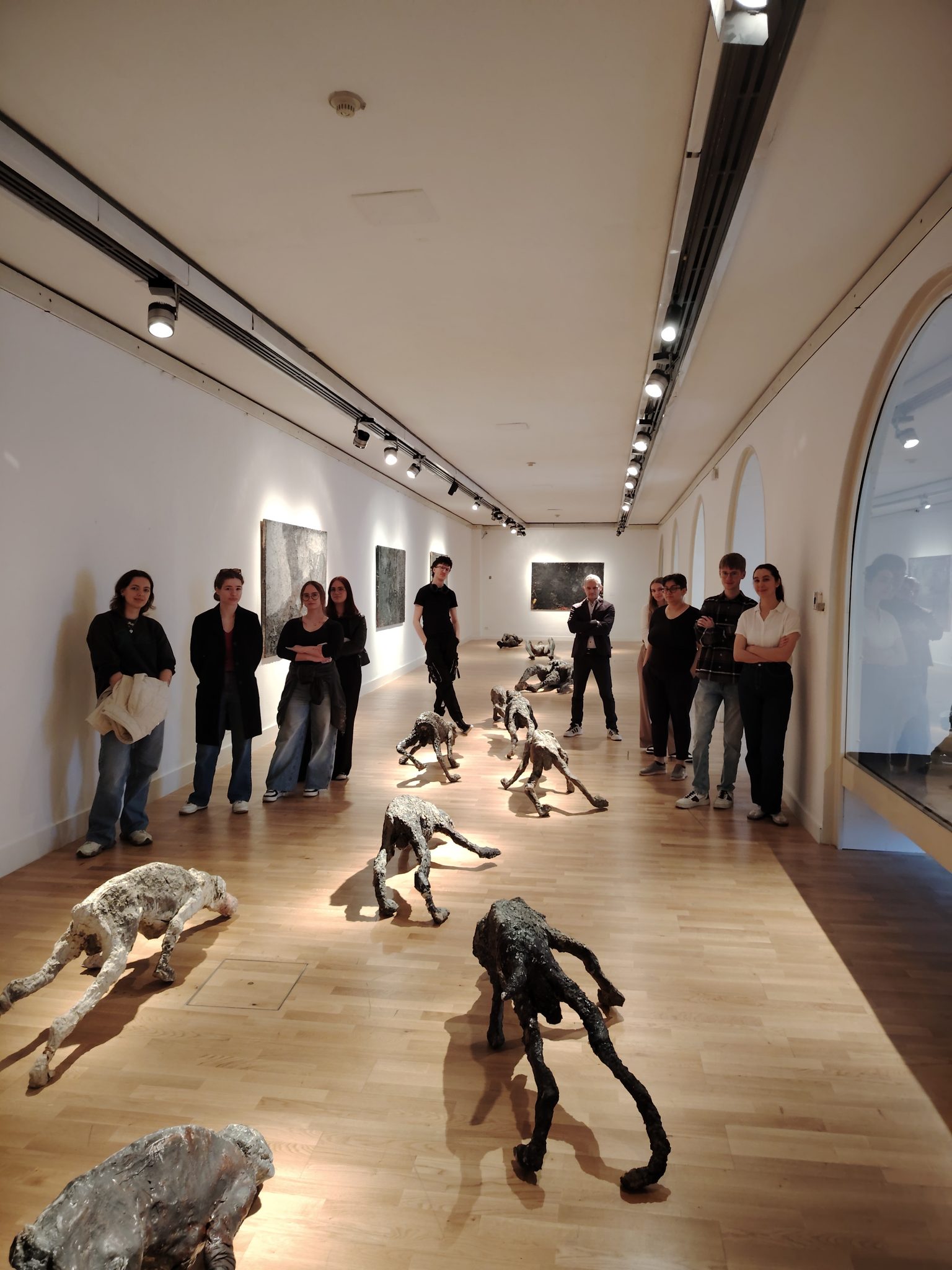
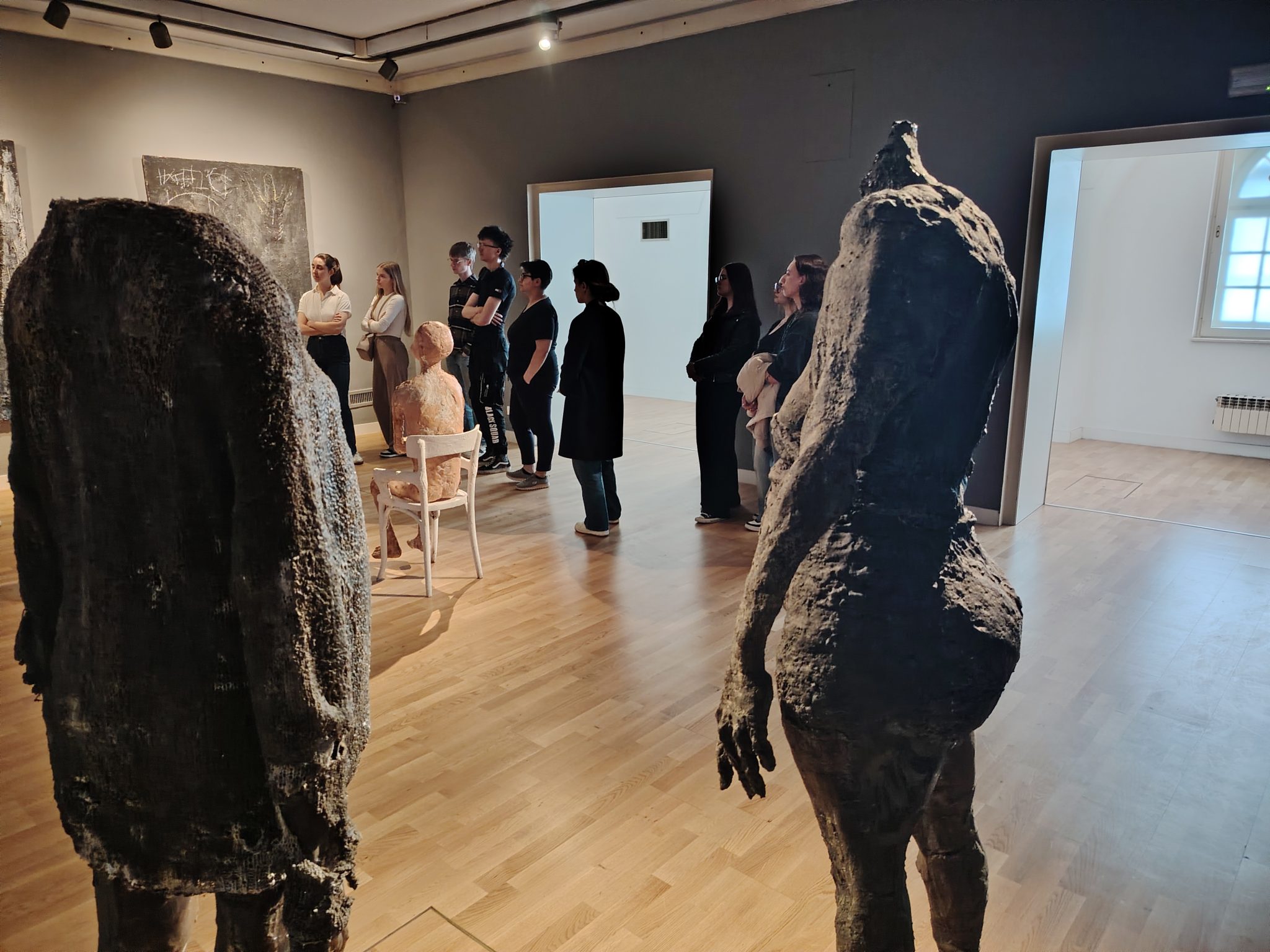
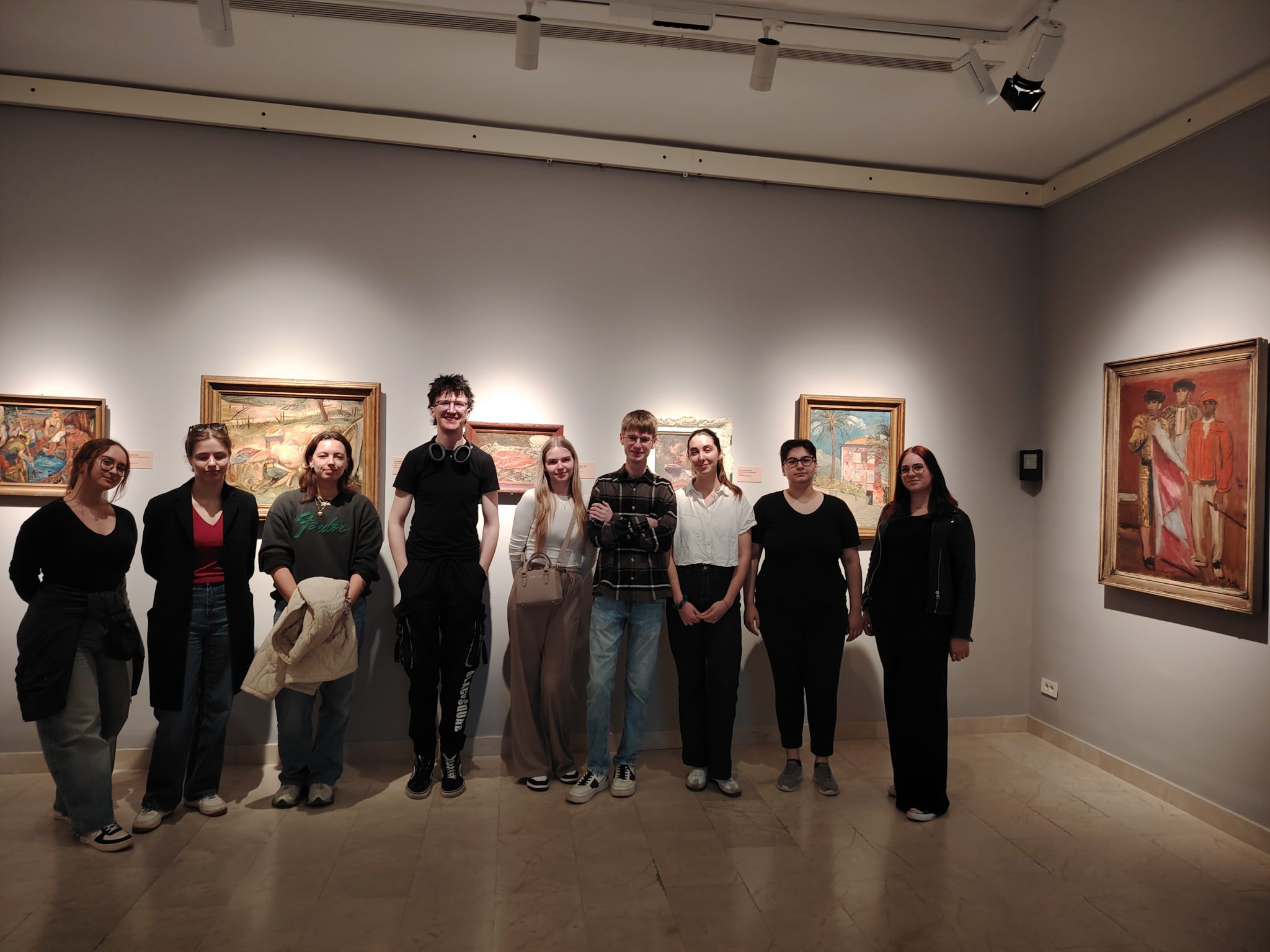
On 24 May 2025, I held a field trip in Zagreb, attended by four of the seven third-year Art History students and five of the ten second-year Art History students.
The institutions in which the field trip activities took place were the Klovićevi dvori Gallery and the Museum of Contemporary Art. The following activities were carried out: at the Klovićevi dvori Gallery, classes were held as part of the exhibition “Kviz Collection – A Small Treasury of Croatian Painting” and the retrospective exhibition of academic sculptor Miro Vuco, “Miro Vuco: As Found”. At the Museum of Contemporary Art, classes were held as part of the permanent exhibition.
The aim of the field trip was to introduce students to specialised art museums and current exhibition programmes and to provide an opportunity to analyse exhibitions for the purpose of writing a seminar paper. The following expected outcomes of the field trip were achieved: familiarising students with the work of one of the most important specialised art museum institutions at the national level (the Museum of Contemporary Art), i.e. with the museological concept of its permanent exhibition; familiarising students with the styles, movements, artists and works of visual art of the 20th and 21st centuries; recognising and identifying 20th-century art styles and examples of modern and postmodern art. By visiting the exhibitions, students gained insight into recent exhibition activities of top-level museum institutions and became familiar with different forms of museum communication, as well as with museological aspects of the interpretation of museum objects.
Osijek, 25 May 2025
Asst. Prof. Daniel Zec, PhD
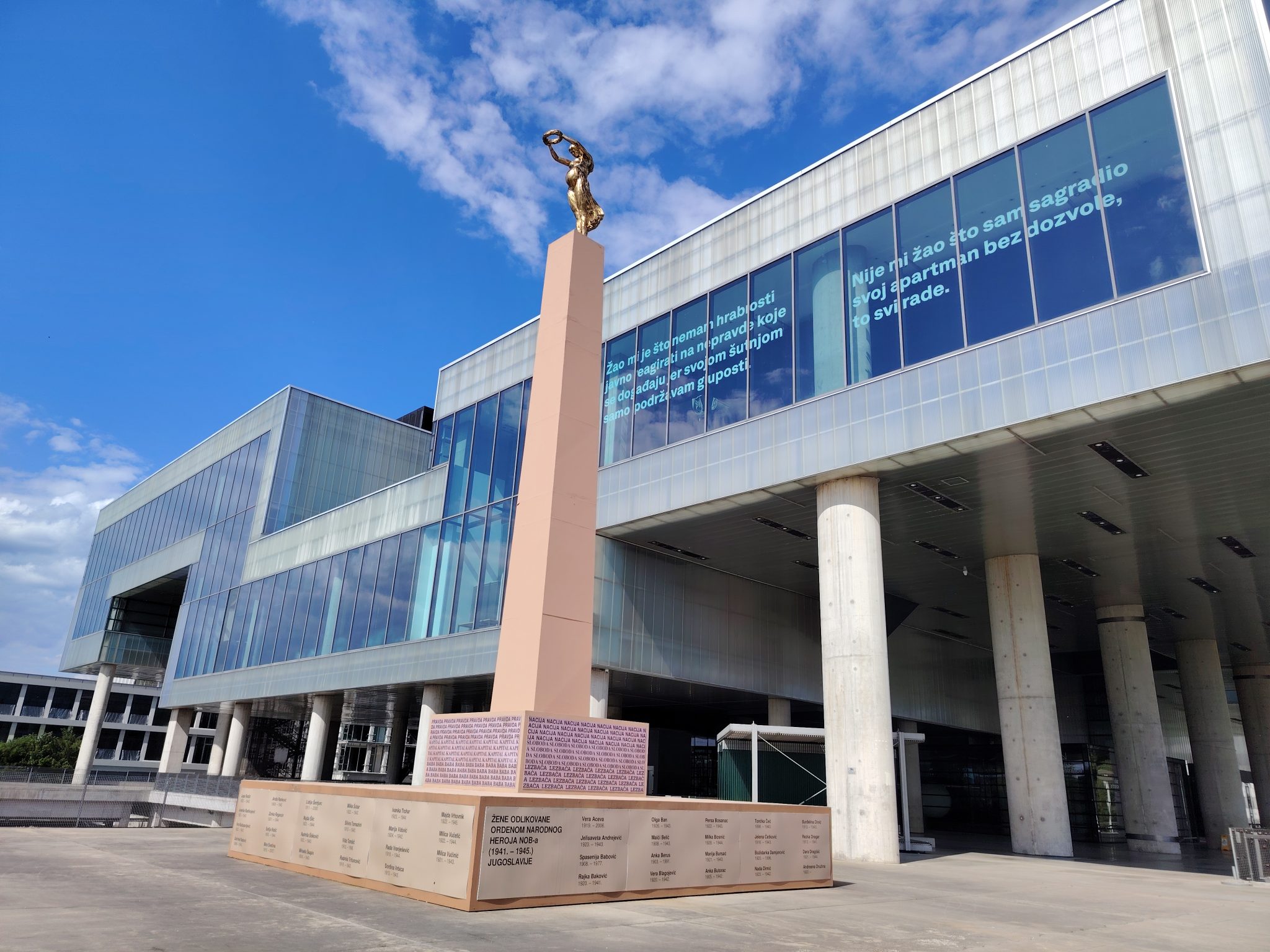
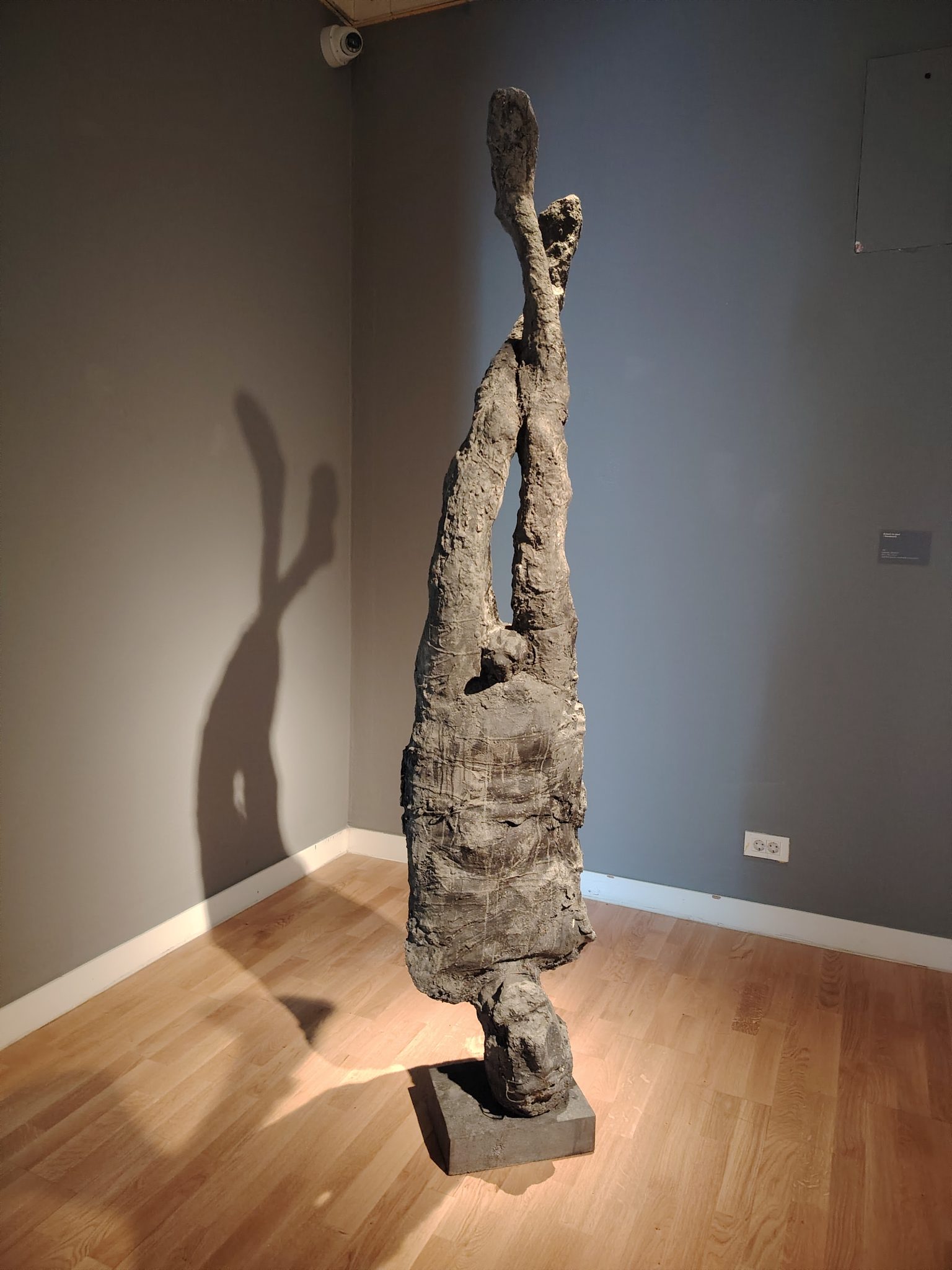
Advent in Podravski Podgajci – Field Trip as Part of the Course Croatian Oral Literature
A field trip for first- and second-year students of the single-major and double-major study programmes in Croatian Language and Literature as part of the course Croatian Oral Literature was held on 14 December 2024 in Podravski Podgajci, a small, picturesque settlement in Podravina, with the aim of becoming more deeply acquainted with the traditions, customs and living oral literature of the area. The field trip brought together Croatian Studies students, storytellers, ethnologists and members of the Napredak Cultural and Artistic Association from Podravski Podgajci, and was led by Prof. Ružica Pšihistal, PhD, who, together with ethnologist Katarina Dimšić, provided expert guidance to the students in the field. The aim was to explore the winter cycle of customs from 25 November (St Catherine’s Day) and 30 November (St Andrew’s Day) to Christmas.
We set off with prepared questions organised into a semi-structured interview and divided into several working groups with agreed tasks. The visit began at the “Hrvatski sokol” Primary School, where we were welcomed by Sandra Kopić, a dedicated enthusiast of the traditional culture of the area, a primary-school teacher and poet of Šokac poetry collections (Duša puna Slavonije, Študiranja gospoje Šokice), who offered us coffee, juice and cakes as a welcome. First, historian Mihael Sučić introduced us to the history of Podgajci and the surrounding area, after which we began recording the testimonies of eight storytellers from Podravski Podgajci and neighbouring settlements (Ana Kovačević, Slavica Vuksanić, Vlasta Živković, Evica Majdenić, Marica Azapović, Ivan Sklizević, Dubravka Stanić, Antun Petrović). With love and dedication, they shared their memories of life in the area, traditional ways of life and Advent and Christmas customs. The storytellers answered in detail the questions posed to them, which covered various aspects of the winter cycle of customs, from festive roles of men and women and the food prepared for Christmas to unusual customs such as dressing up as Krampus. During the conversations, we learned that festive roles were clearly divided between men and women: men played a key role in pig slaughtering, while women were responsible for breakfast, lunch and dinner, made lard pastries, cleaned intestines and so on. Traditional foods such as aspic were prepared at Christmas, while giving gifts to children was not obligatory at the time. Decorating the Christmas tree was particularly interesting because decorations such as sweets were once used. Greeting songs specific to Christmas included spiritual and cheerful motifs, while the custom of Adam and Eve processions is still present, which is distinctive for this area.
The mystical legend of a dragon that settled on the Drava River was exceptionally interesting and gave a fairy-tale quality to the traditional history of Podravski Podgajci. The storytellers narrated just as they should – authentically, in the original local Šokac speech. With humorous explanations and detailed depictions of life and customs, they enriched our knowledge of the cultural values of their area. They also spoke about how customs that marked their youth are observed less and less today. As they told these stories, youthful energy and the warmth of memories returned to them. Listening to the storytellers, we concluded that despite urbanisation, folklore and traditional heritage are still valued in Podravski Podgajci and that the village is rich in numerous customs (especially religious ones) and cultural heritage that, as we learned from the storytellers, is continuously passed from generation to generation in order to strengthen community identity and preserve traditional and spiritual values. After recording the testimonies, we went to the village ethnographic house, where Vlasta Živković briefly guided us through everyday life in former times. We viewed objects once used on a daily basis – an old stove, furniture, lard containers and many other tools and objects that testify to the modesty of rural life. Particularly interesting was the story of how food was preserved in lard and wells in the days before refrigerators. The hostess spoke about how families, although large, once lived in small houses and did not have large quantities of clothing, which was not washed often but simply aired outdoors. We also saw a loom, while on the wall hung a song copied by hand and preserved for generations. We learned the names of traditional objects such as kolovrat (spinning wheel), tenjica (for drawing wine), piglje (charcoal iron), and surke (part of men’s folk costume). Cooperative household life was an inseparable part of life in Podravski Podgajci. Such a way of life fostered collective strength and power, division of labour and roles, and was particularly characterised by modesty and closeness to nature. From the owner we also learned kinship terms: stara majka – great-grandmother, majka – grandmother, apa – father and starapa – grandfather. At the end of the day, we visited Valpovo, where freshly prepared homemade bean stew was waiting for us, providing an opportunity for informal socialising and an exchange of impressions about the field trip.
Field research in Podravski Podgajci enabled us to immerse ourselves deeply in the winter cycle of customs and traditions, and after transcription the recorded conversations will be ready for analysis in seminar classes and stored in the archive. We expanded the knowledge of Croatian oral literature gained from lectures and books through direct insights into what it truly is – living storytelling. The field research will certainly remain in our memories as an important experience that complemented theoretical knowledge while at the same time bringing us together and reminding us of the importance of preserving and transmitting tradition to future generations.
Saša Dešić, Noa Dulj, Lorena Mandić, Ana Mataić, Nina Majdenić and Apolonija Kiš
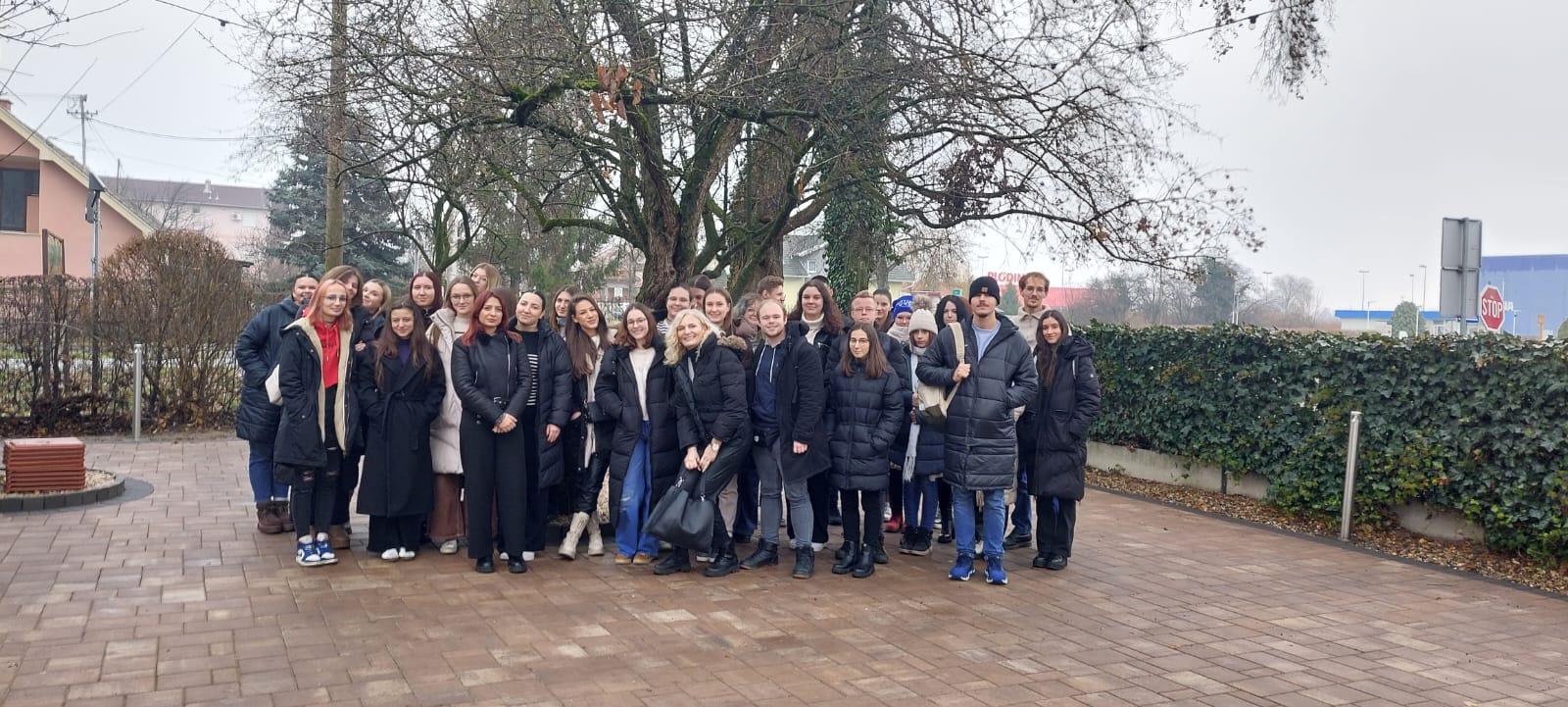
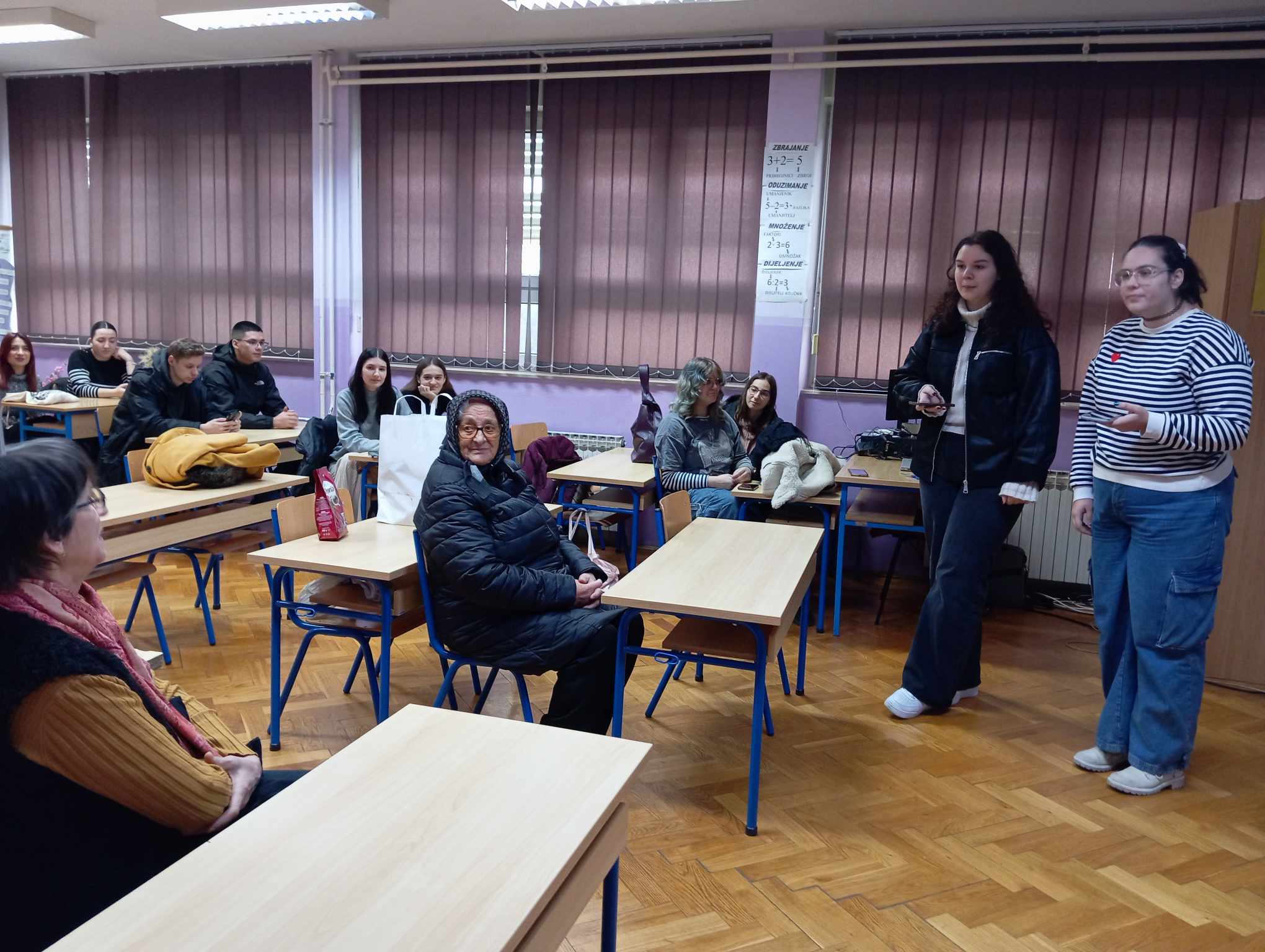
One-Day Visit to the Belišće Museum in Belišće
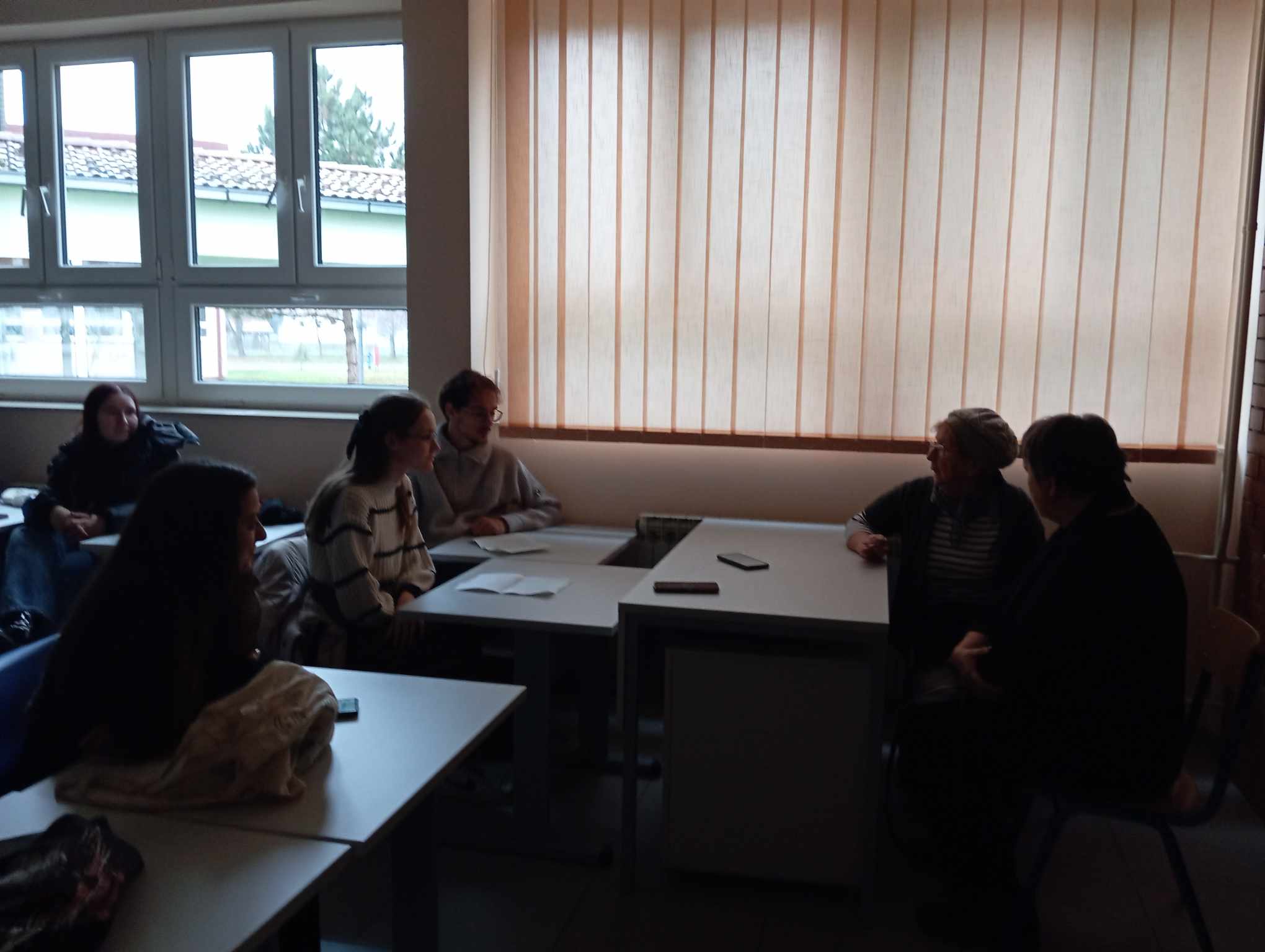
The field trip as part of the course Croatian and Regional Economic History of the 19th and 20th Centuries focused on the industrial heritage museum collection of the Museum in Belišće. Second-year graduate students of History, under the expert guidance of museum director Nada Đilas-Bosanac and course leader Hrvoje Volner, toured the memorial rooms dedicated to the development of the sawmill, chemical and machine-manufacturing industries.
Industry in Belišće has a long tradition dating back to the foundation of the settlement in 1884, and industrial production remains a key source of income in the town today. In addition to the museum exhibition on industry, which formed the backbone of the settlement’s development, the students also visited exhibitions dedicated to the social life of the town. These present important integrative links among the ethnically mixed population, with the selection of immigrants being conditioned by their professional qualifications.
Part of the tour was dedicated to the founders of Belišće, the Gutmann family, as well as to the town’s most important architectural and infrastructural features, including Palej Castle, the Slavonia-Podravina Railway and the Old Mill.
Through examples from the museum exhibitions, students gained a vivid picture of the synergy between various technological processes that stimulated the development of new industries. The phenomenon of Belišće, as a place where industry continues to play a decisive role, serves as a valuable example for understanding the process of nation-state building.
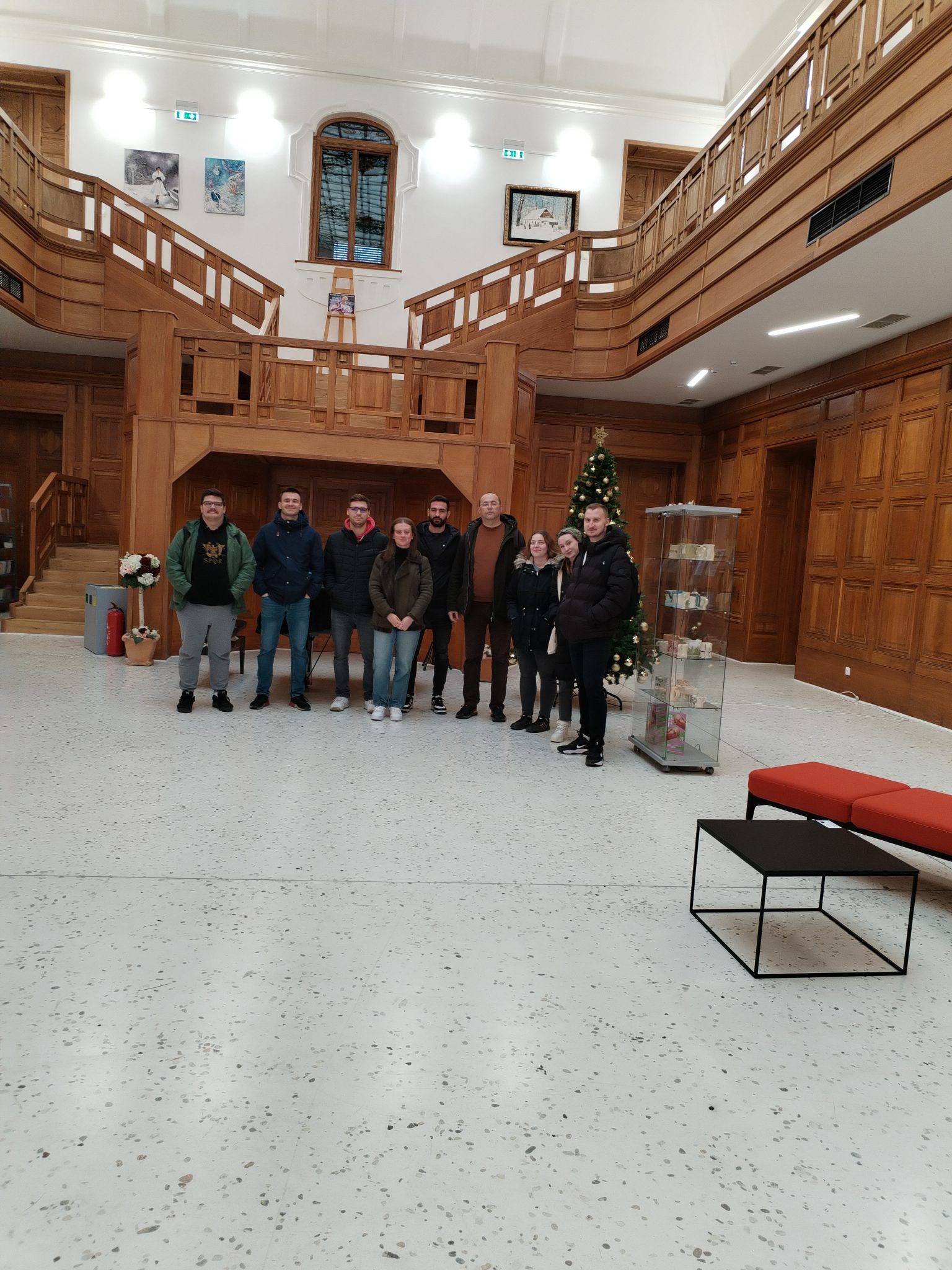
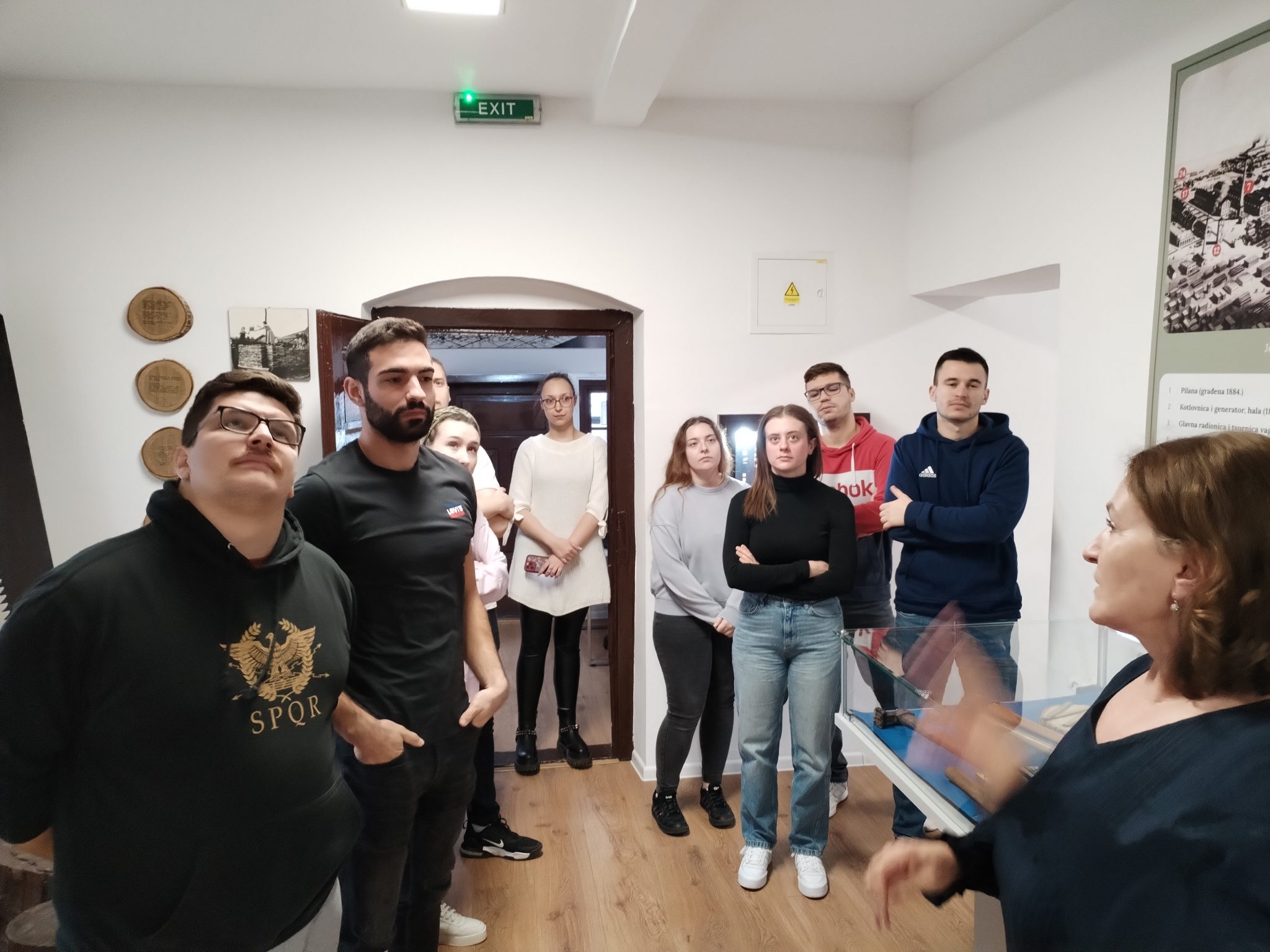
Field Trip for Publishing Students
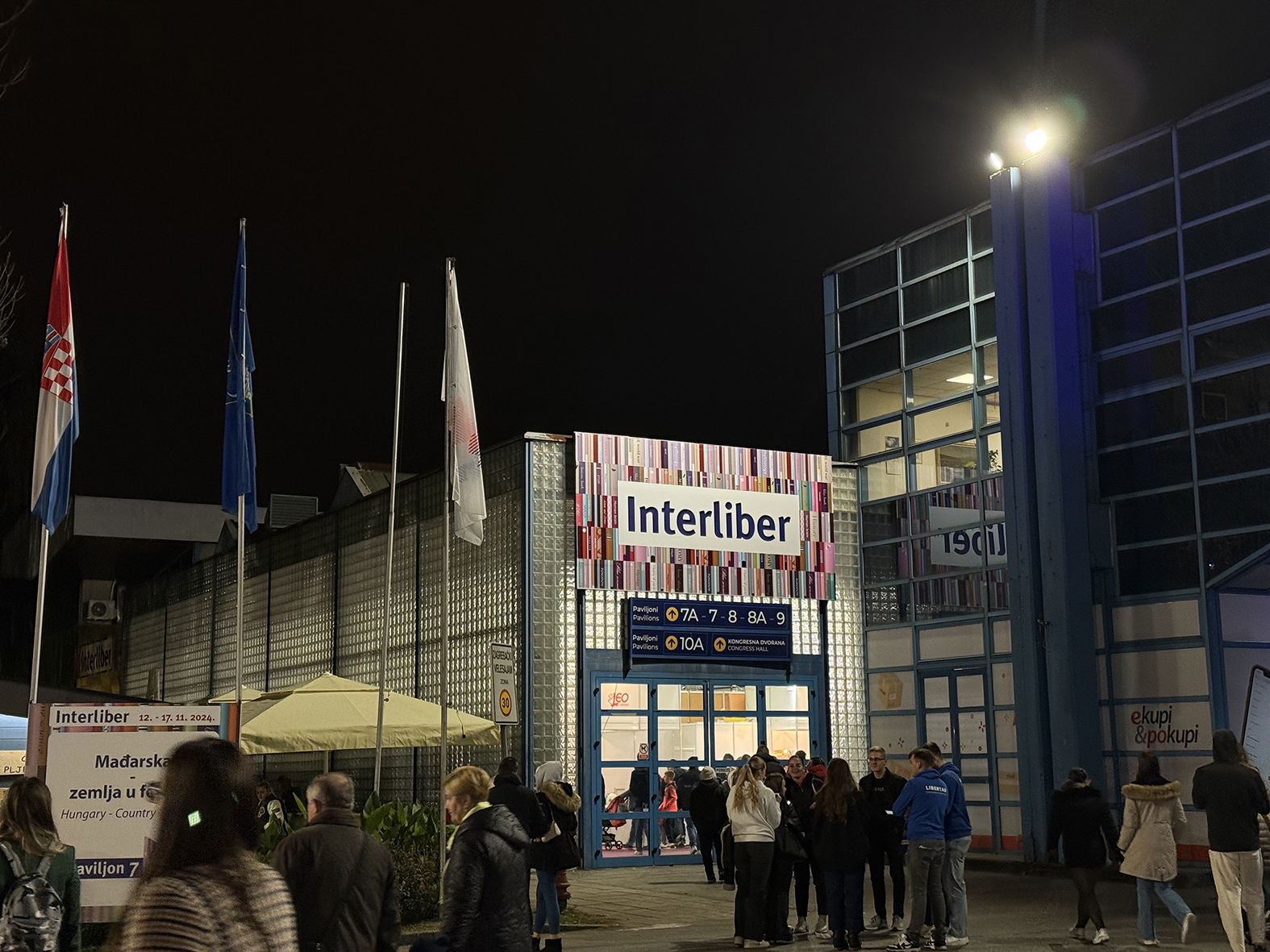
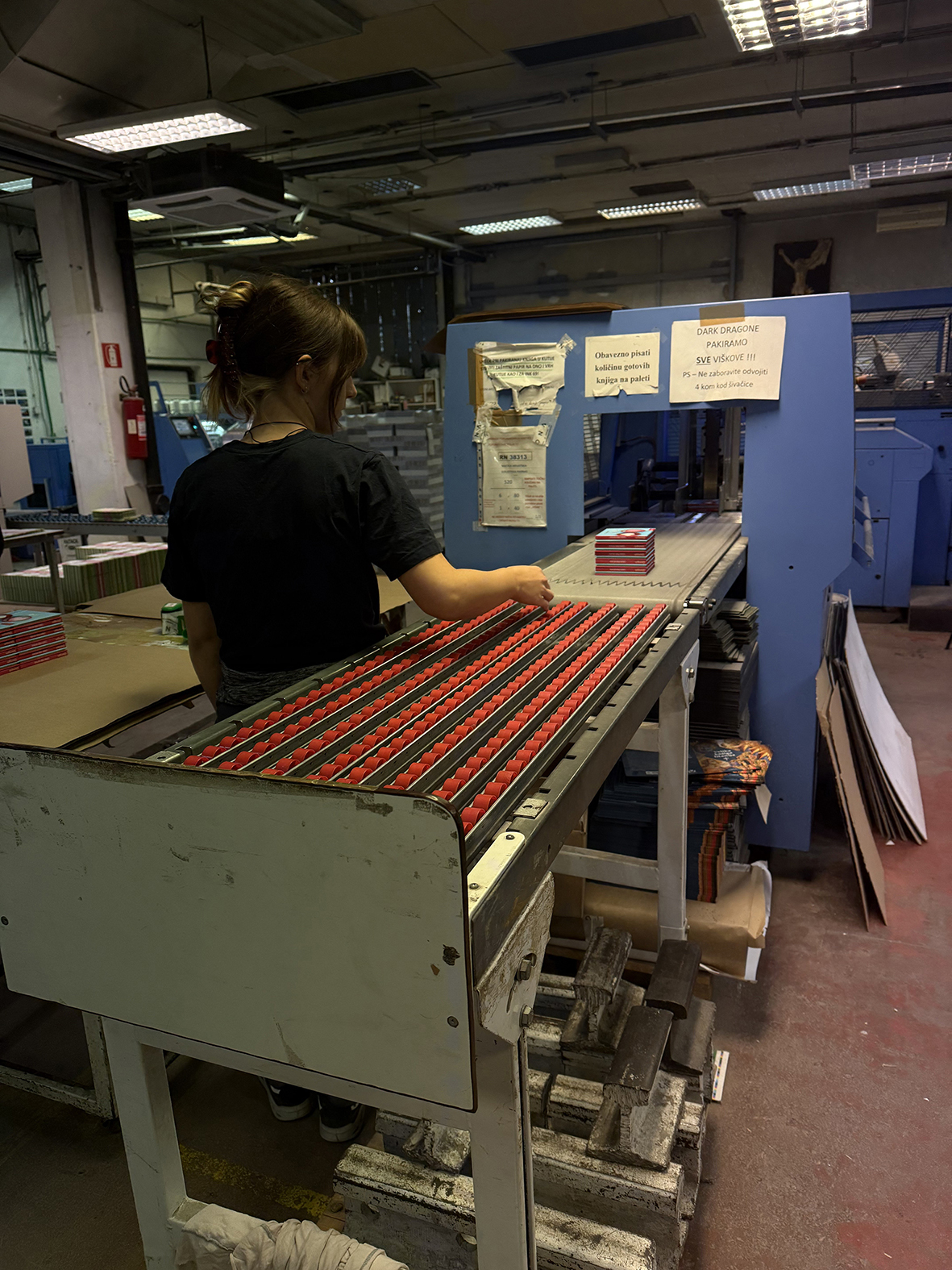
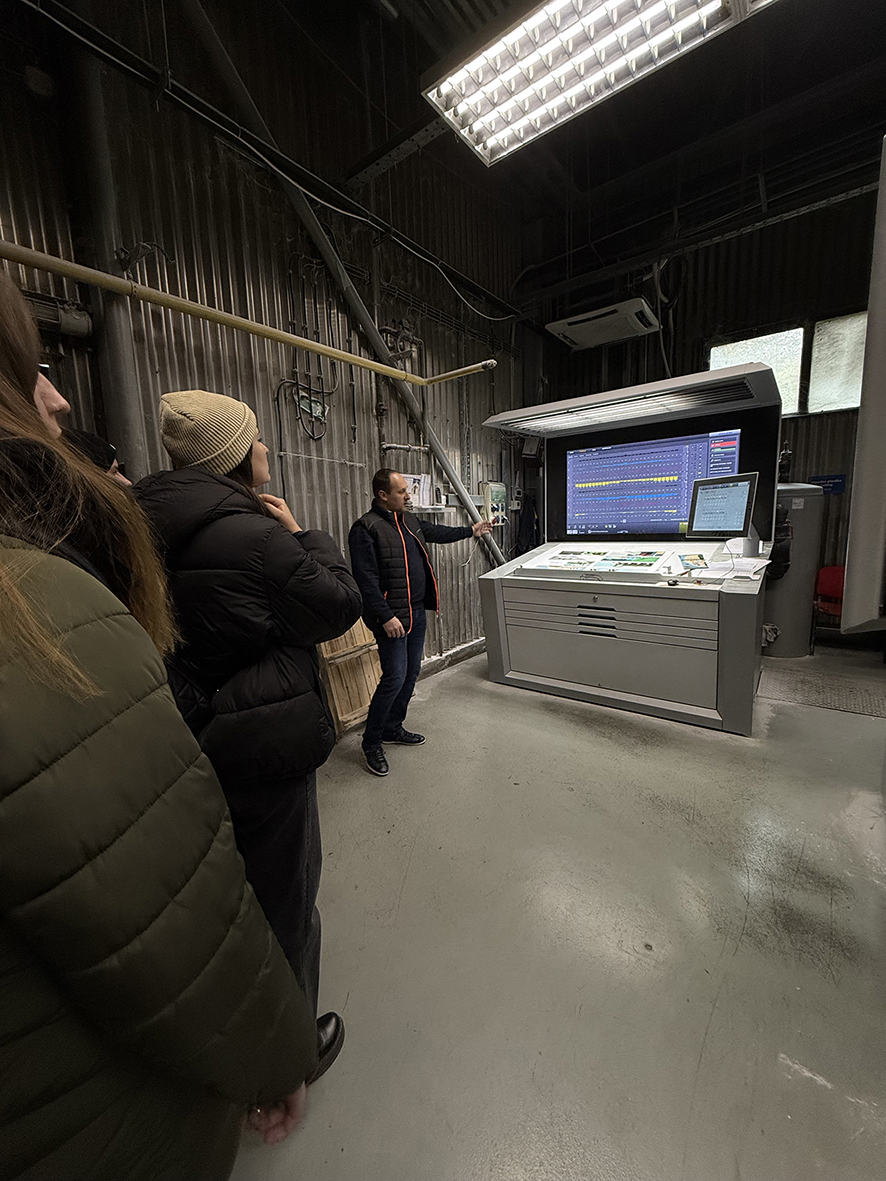
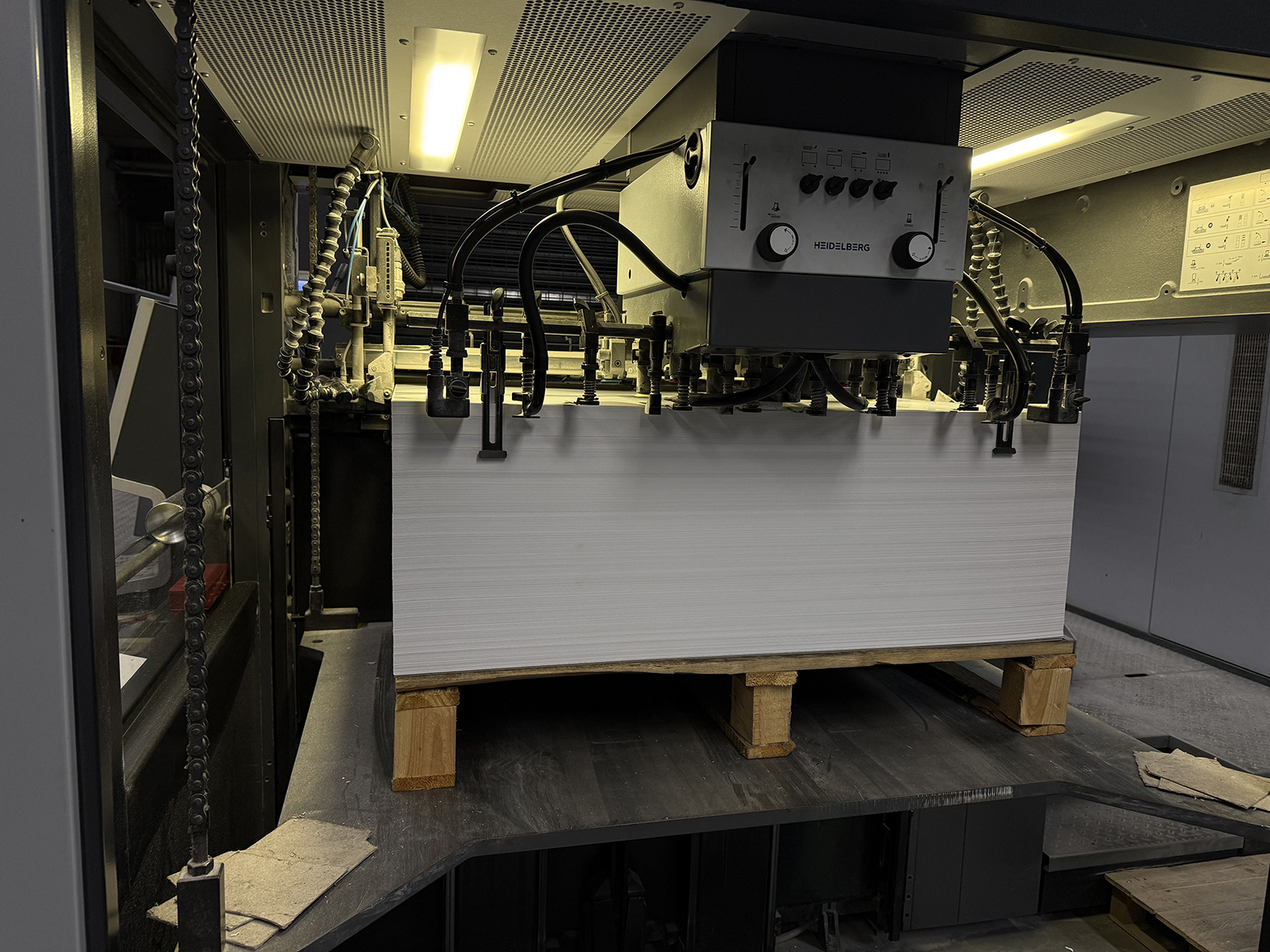
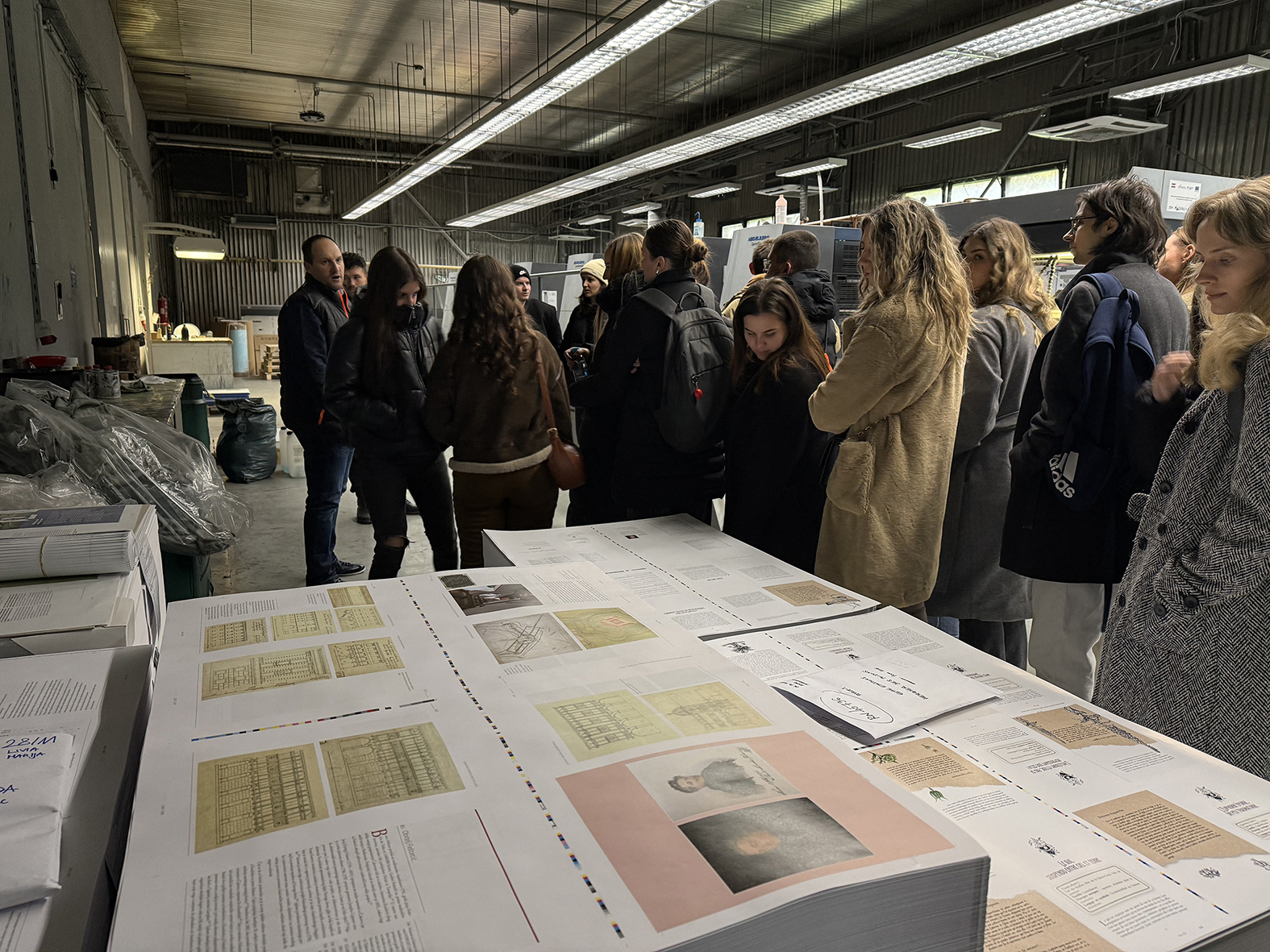
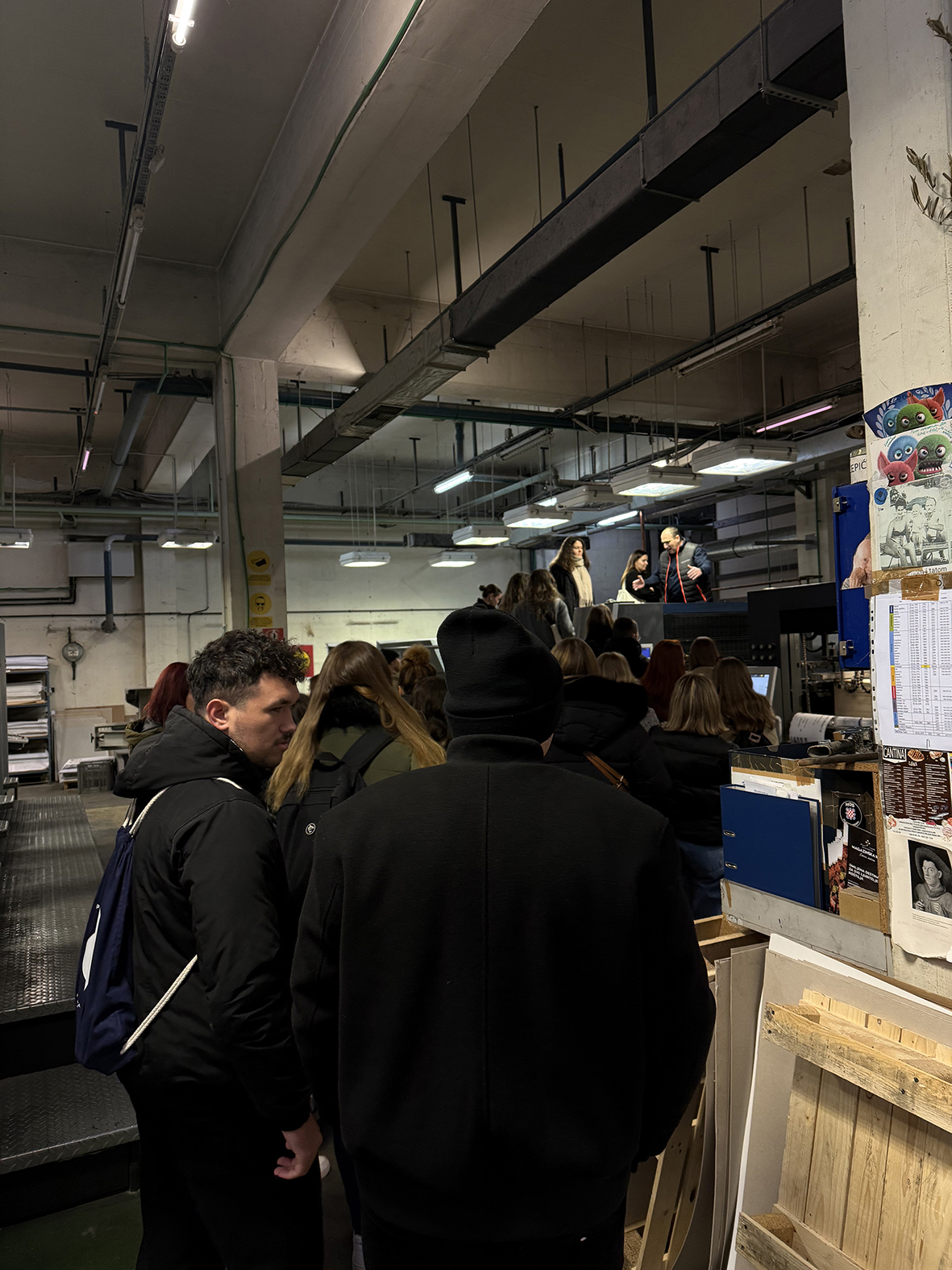
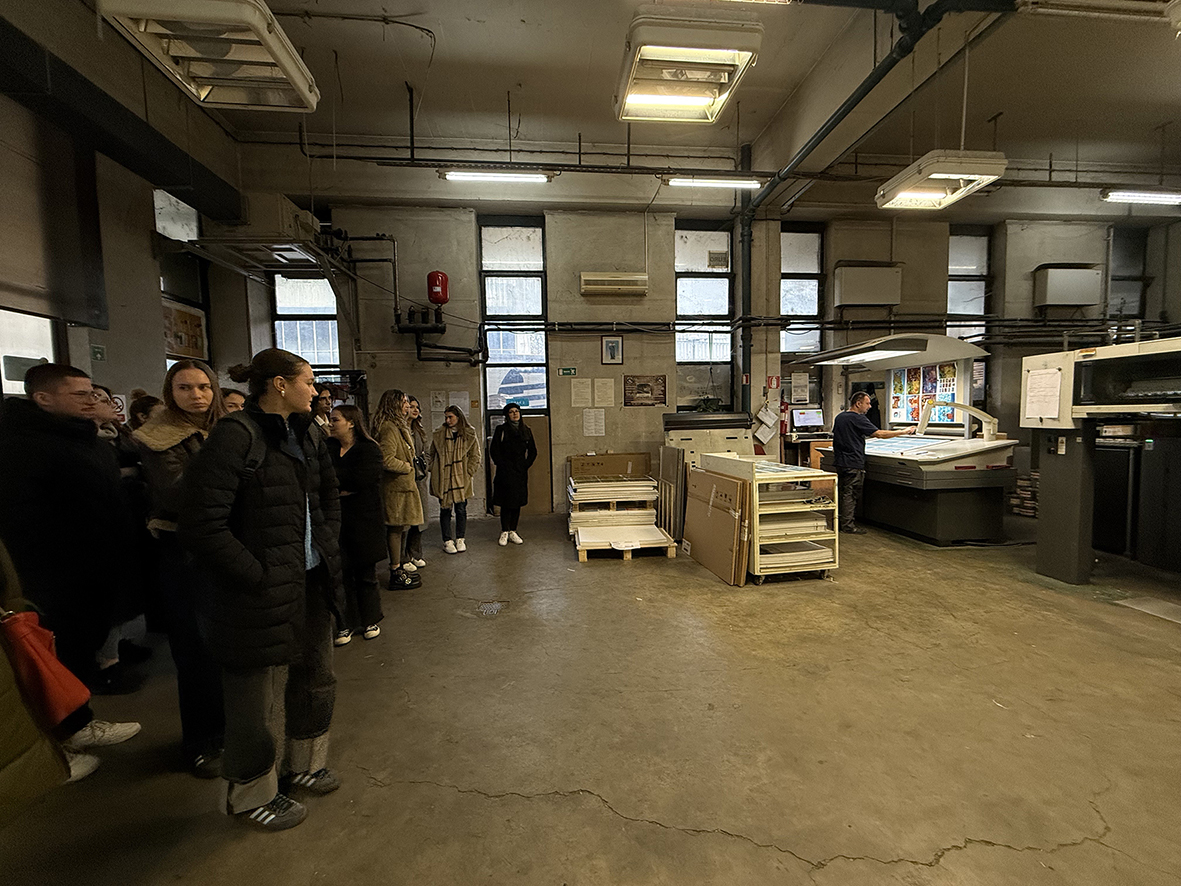
On Thursday, 14 November 2024, first- and second-year graduate students of Publishing visited the Denona printing house in Zagreb and the Interliber Book Fair as part of a field trip.
All expected outcomes of the field trip were achieved:
- students became familiar with the processes involved in designing a publishing product, from preparation and printing to finishing processes
- students became familiar with the organisation and functioning of production in the context of creating a publishing product
- students became familiar with the organisation and presentation of publishing products in different publishing houses (large, medium and small), as well as with their promotion and sale
- students became familiar with the market for publishing products in the Republic of Croatia.
The study trip contributed to achieving the following learning outcomes in the courses:
- identify comparative advantages and differences between publishing fields
- understand the process of organising and producing a publication in a particular publishing field
- recognise the importance of economic planning, business-process monitoring and methods of economic analysis of business operations.
The knowledge, skills and experience acquired during the field trip will be assessed through written examinations after the students return to their home institution.
Assoc. Prof. Josipa Selthofer, PhD
Field Trip to Sarajevo
Students of the third year of the undergraduate study programme in Sociology, as well as first- and second-year graduate students of Sociology, took part in a field trip to Sarajevo on 7 and 8 November 2024. The lectures covered the courses Sociology of Culture, Sociology of Religion, Sociology of Education and Sociology Teaching Methodology. In addition to becoming acquainted with Sarajevo’s cultural heritage, history and present day, the students participated in three interactive lectures followed by discussion and questions. At the St Joseph Catholic School Centre in Sarajevo, sociology teacher Professor Ivan Perić gave a lecture introducing the students to the organisation and everyday work of the school, as well as the specific features of this form of education within the educational system of Bosnia and Herzegovina. A lecture at the Catholic Faculty of Theology, delivered by Dean Assoc. Prof. Mario Bernadić, PhD, and Vice-Dean for Teaching and Students Assoc. Prof. Oliver Jurišić, PhD, focused primarily on trends in religiosity in Bosnia and Herzegovina, interreligious relations and new religious movements. At the University Gender Resource Centre (UNIGeRC), Centre for Interdisciplinary Studies of the University of Sarajevo, Zilka Spahić Šiljak, PhD, and Lamija Subašić gave a lecture on activities within the UNIGEM project (English: Universities and gender mainstreaming), which involves 19 universities from the region, including Josip Juraj Strossmayer University of Osijek. A project on discursive justice and student winter schools was presented, and publications produced within the project were donated (Globalisation and Gender, Women and Work, Discursive Justice, Decolonial Feminism and others).
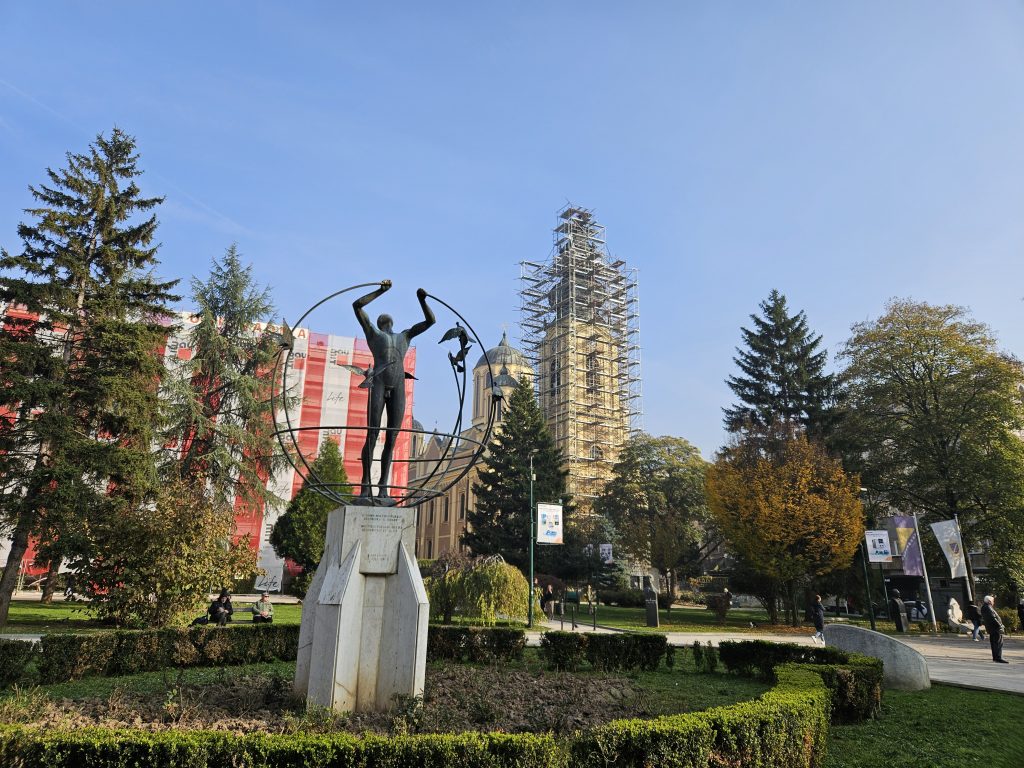
Students of German Language and Literature on a Field Trip to Pécs
On Tuesday, 15 October 2024, thirty-five students and five teachers from the FFOS Department of German Language and Literature visited their colleagues at the Institute of German Studies, Faculty of Humanities and Social Sciences, University of Pécs. The guests from Osijek were welcomed and guided through the programme by several teachers and around twenty German Studies students from Pécs, who joined our students at several points in the programme.
Together with the Osijek group, the hosts toured part of the university campus, the Faculty of Humanities and Social Sciences and the university library with its Austrian Library, and introduced us to the history and some of the activities of the Institute of German Studies in Pécs.
The students then joined their colleagues from Pécs in mixed groups for a “city rally”, during which they had to complete creative tasks together at various city landmarks (for example, staging a scene from a fairy tale in front of the National Theatre).
The programme also included a visit to an interactive German-language theatre performance during which the students were assigned small roles. The play “All das Schöne” (“Every Brilliant Thing”) was performed at the University Theatre by the German Theatre in Hungary. Thanks, among other things, to its interactive format, the performance managed to address the extremely difficult topic of depression and suicide in the family in a surprisingly entertaining way, and was followed by a discussion between the drama educator and our student audience.
Finally, prizes were awarded at the theatre to the teams that had collected the most points in the “city rally”.
The German Studies excursion to Pécs was made possible financially and organisationally by the OeAD (Austria’s Agency for Education and Internationalisation) and the DAAD (German Academic Exchange Service), i.e. their lecturers in Pécs and Osijek. The idea for the excursion originated from the networking meeting “Initiative and Potential” organised by the FFOS Department of German Studies on 11 May 2024, attended by colleagues from Pécs, Novi Sad, Tuzla and Osijek.
Iris Etter, Benedikt Roland and Silvija Berkec
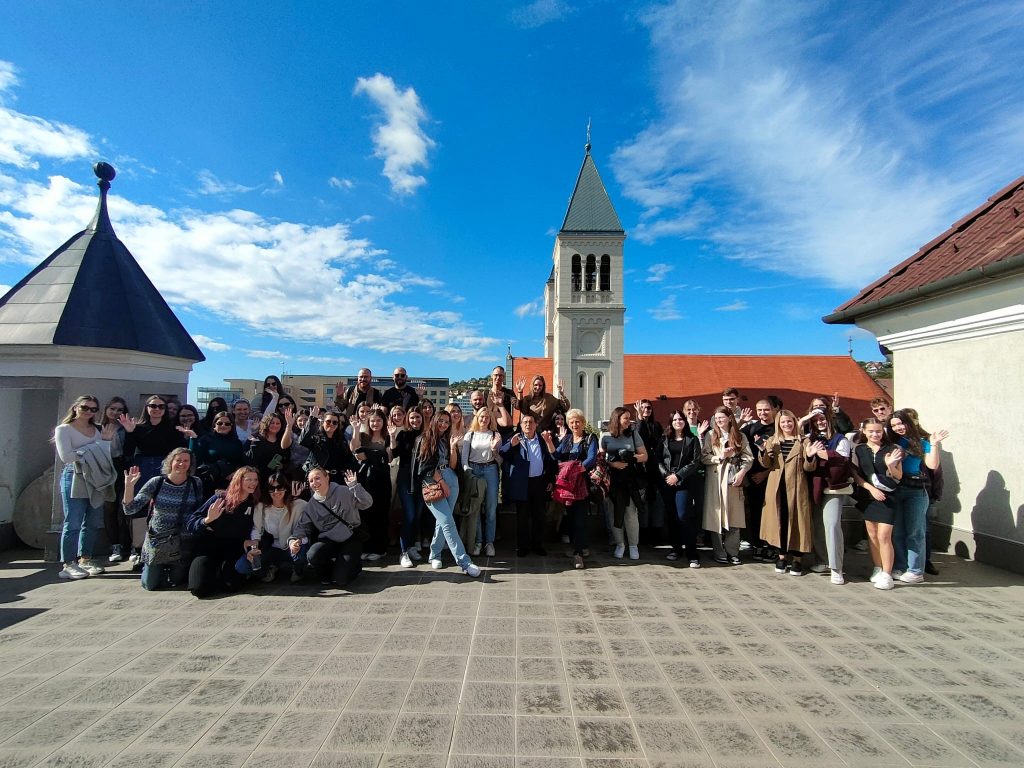
Field Trip to Belgrade
On Wednesday, 5 June 2024, twenty-two students of Croatian Language and Literature and Information Sciences spent the day in Belgrade on a field trip in order to expand their knowledge of Nobel laureate Ivo Andrić by visiting places relevant to his life and work.
We first visited the Ivo Andrić Foundation, located in the very centre of Belgrade, in Milutin Bojić Street. We were welcomed by the Foundation’s director, Associate Professor Maja Radonić, who introduced us to the history and organisation of the Foundation and to the very strict rules it applies when granting rights to use Andrić’s works in different media and for a wide variety of purposes. In addition to overseeing Andrić’s oeuvre, critical editions, reissues, translations, digitisation of materials and the distribution of Andrić’s works throughout the world, as well as the publication of previously unpublished texts regardless of whether they are held at the Foundation or another institution, the Board also closely monitors how Andrić’s work is interpreted and received in public. In addition, the Foundation continuously organises public forums whose purpose is primarily to involve the academic community, and then all interested citizens, in discussions of current issues related to Andrić’s work. The Foundation also awards the Andrić Prize once a year for the best short story.
At the end of the exceptionally interesting lecture and discussion, we also received the latest issue of Sveske. This is a publication issued by the Foundation whose main task is scholarly and professional reflection on Andrić’s work.
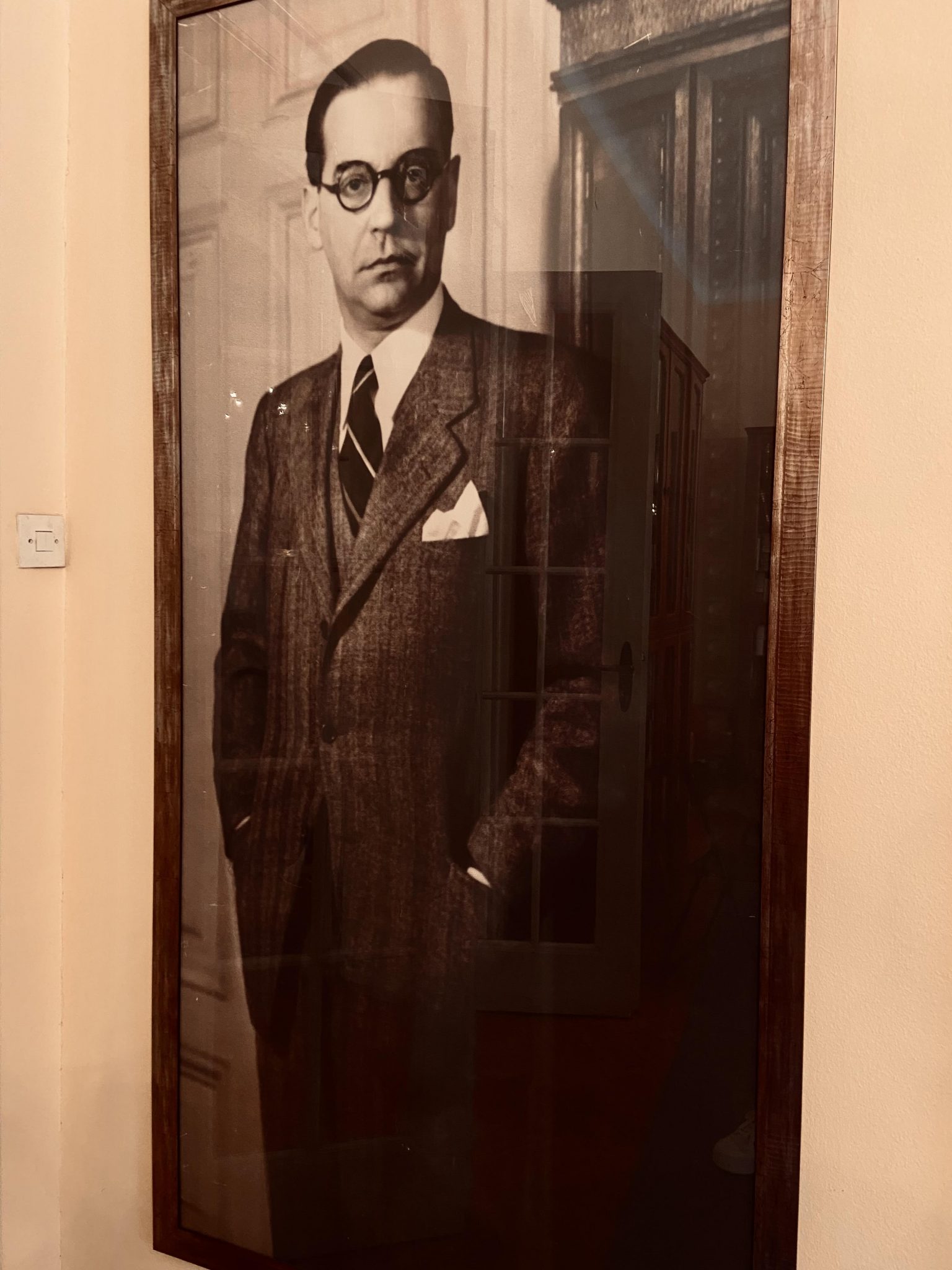
Our second stop was the Ivo Andrić Museum, located not far from the Foundation. The Museum is actually the apartment in which Ivo Andrić lived from 1958 until his death. Although the space has been adapted for museum purposes, some rooms (for example the study) have remained as they were during the writer’s lifetime. The Museum holds numerous objects from Andrić’s childhood, such as school certificates from Višegrad, through objects related to his studies in Zagreb, Vienna and Kraków, to the unusual uniform he wore at an inauguration ceremony in Berlin. Naturally, a special place is occupied by objects connected with the award of the Nobel Prize in Literature in 1961: the diploma containing the Nobel Committee’s citation for awarding the prize to Ivo Andrić and Andrić’s name, and the gold medal bearing Nobel’s portrait and the immortal verses from Virgil’s Aeneid.
At the end of an exceptionally full day, we were delighted by a performance at the National Theatre, Carlo Goldoni’s comedy Fishermen’s Quarrels in Dalmatian Chakavian.
Marica Liović
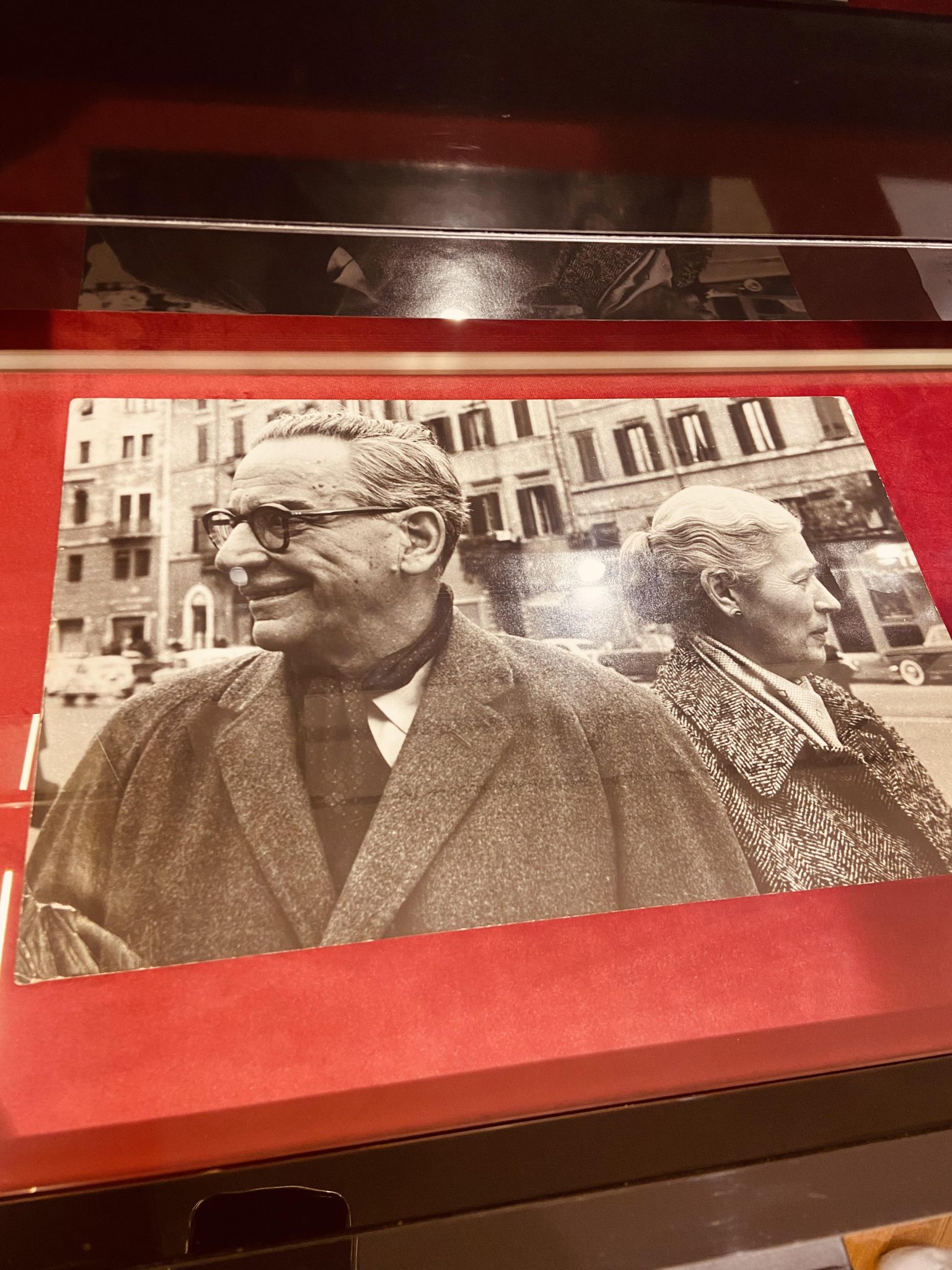
Field Trip to Zagreb as Part of the Art History Study Programme
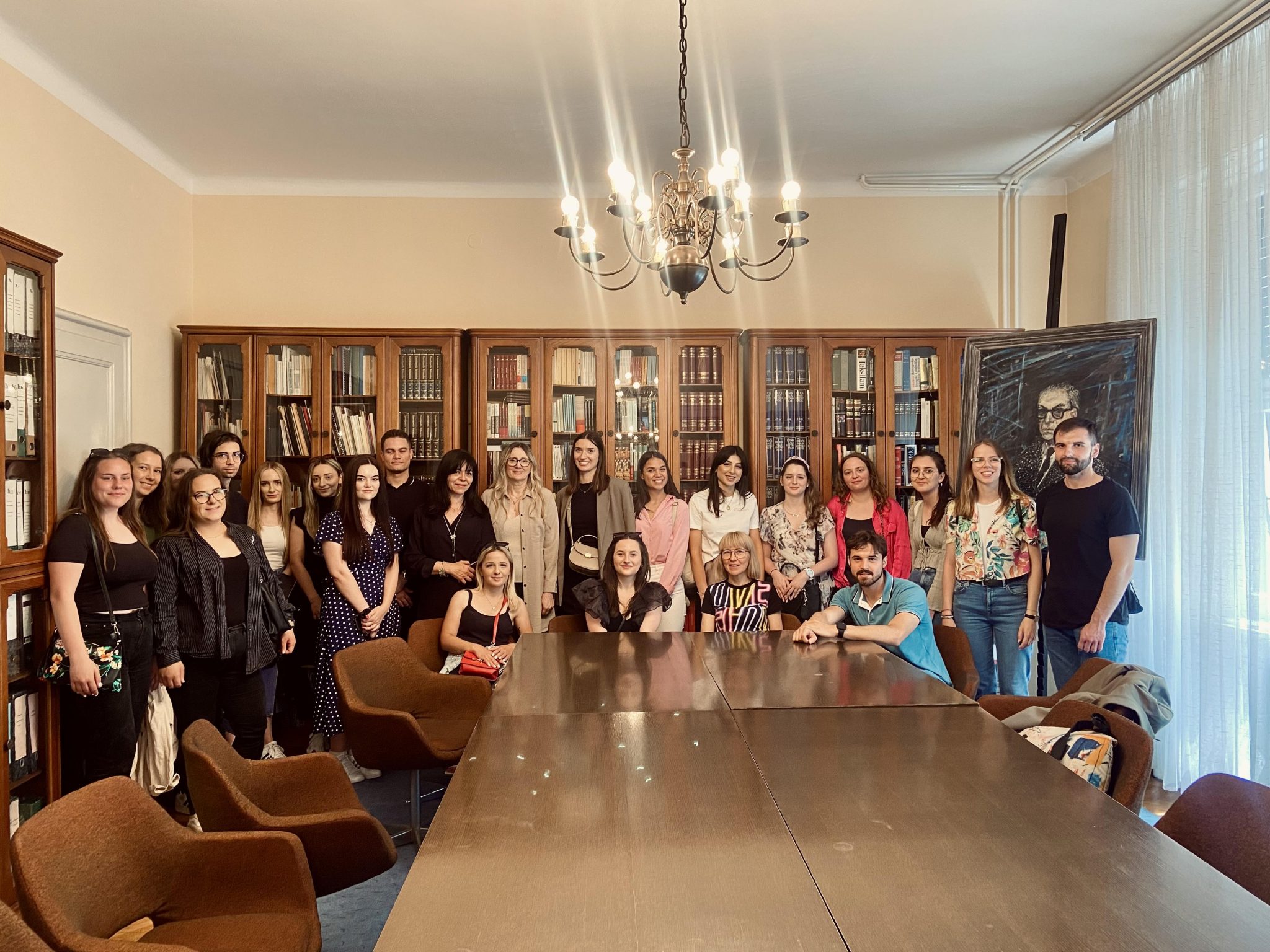
On 18 May 2024, I held a field trip in Zagreb, attended by three of the five third-year Art History students and nine of the ten second-year Art History students.
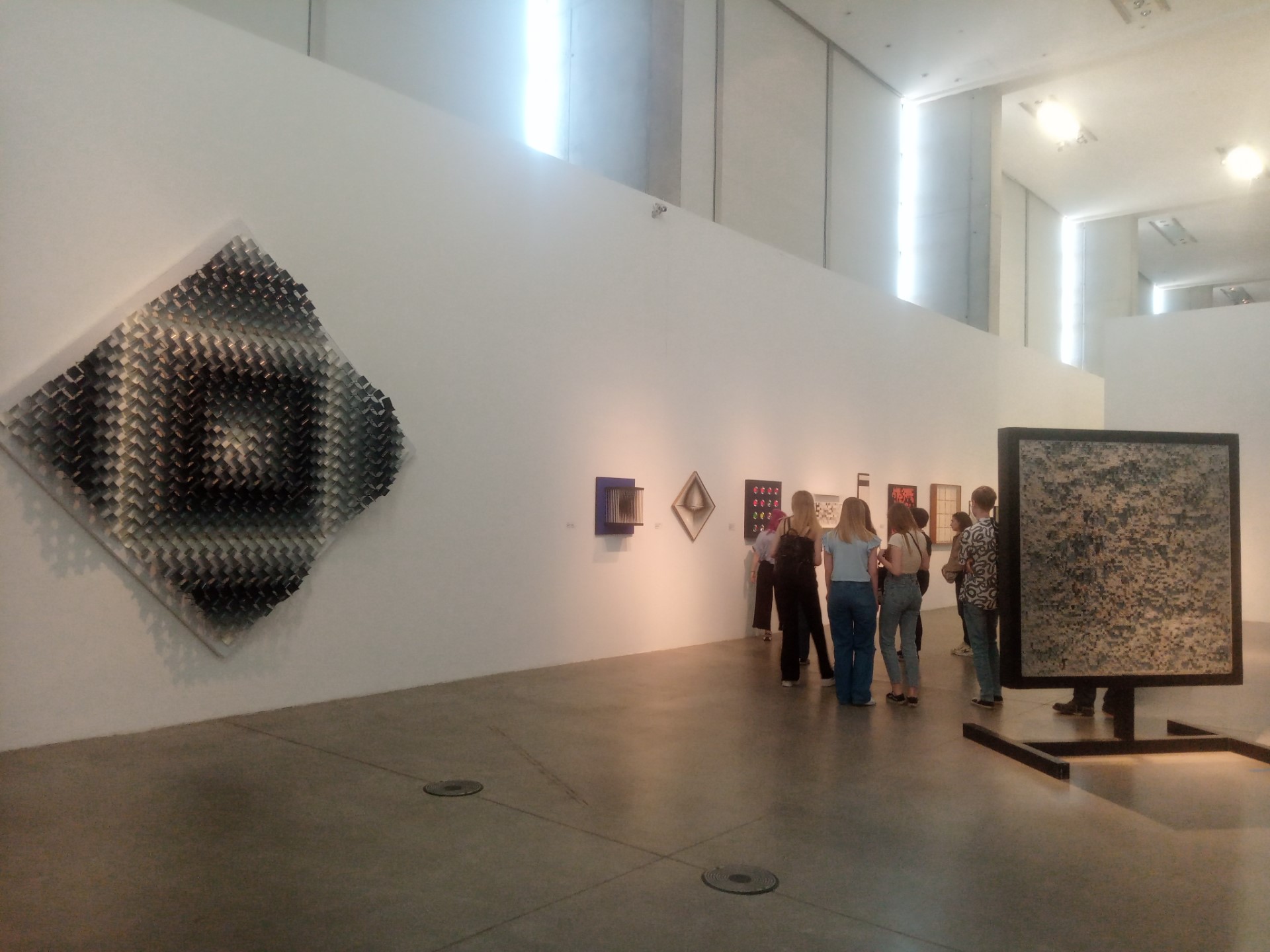
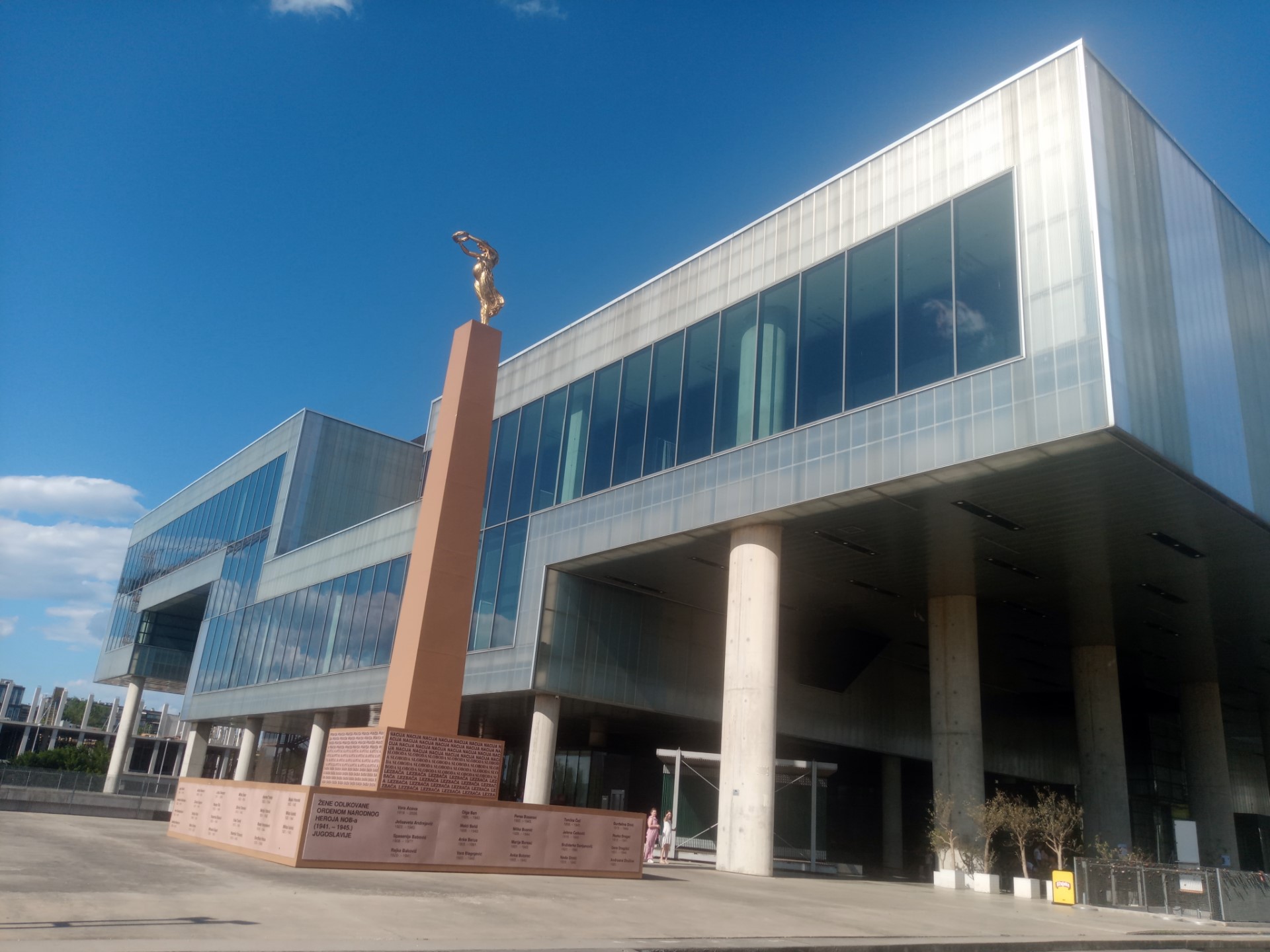
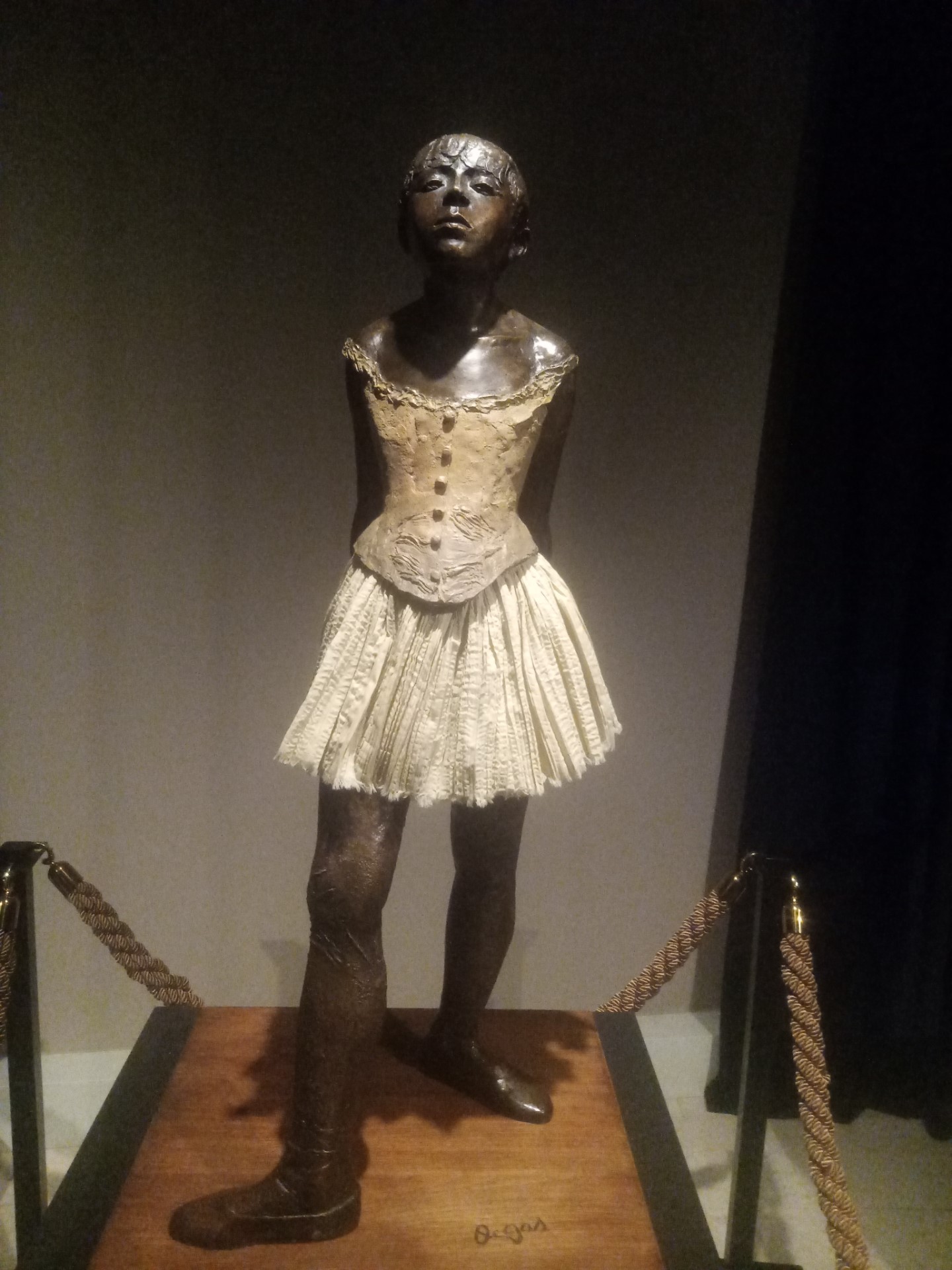
The institutions in which the field trip activities took place were the Zagreb City Museum, the Klovićevi dvori Gallery and the Museum of Contemporary Art. The following activities were carried out: a tour of the permanent exhibition of the Zagreb City Museum and a tour of the permanent exhibition of the Museum of Contemporary Art presented through the exhibitions Futures and Comradeship. At the Klovićevi dvori Gallery, we viewed the 9th Croatian Triennial of Graphic Arts and the exhibition “From Bohemia to Eternity”, which presented works by some of the most important artists of European modernism (Matisse, Modigliani, Degas).
The aim of the field trip was to introduce students to museum institutions – specialised art museums – by visiting current exhibitions for the purpose of analysing exhibitions and conducting research for seminar papers. The following expected outcomes of the field trip were achieved: familiarising students with the museological concept of the permanent exhibition of the Zagreb City Museum; familiarising students with the work of one of the most important specialised art museum institutions at the national level (the Museum of Contemporary Art), as well as with part of that museum’s holdings presented in two exhibitions; familiarising students with the styles, movements, artists and works of visual art of the 20th and 21st centuries; recognising and identifying 20th-century art styles and examples of modern and postmodern art. By visiting the exhibitions, students gained insight into recent exhibition activities of top-level museum institutions and became familiar with different forms of museum communication, as well as with museological aspects of the interpretation of museum objects.

Daniel Zec
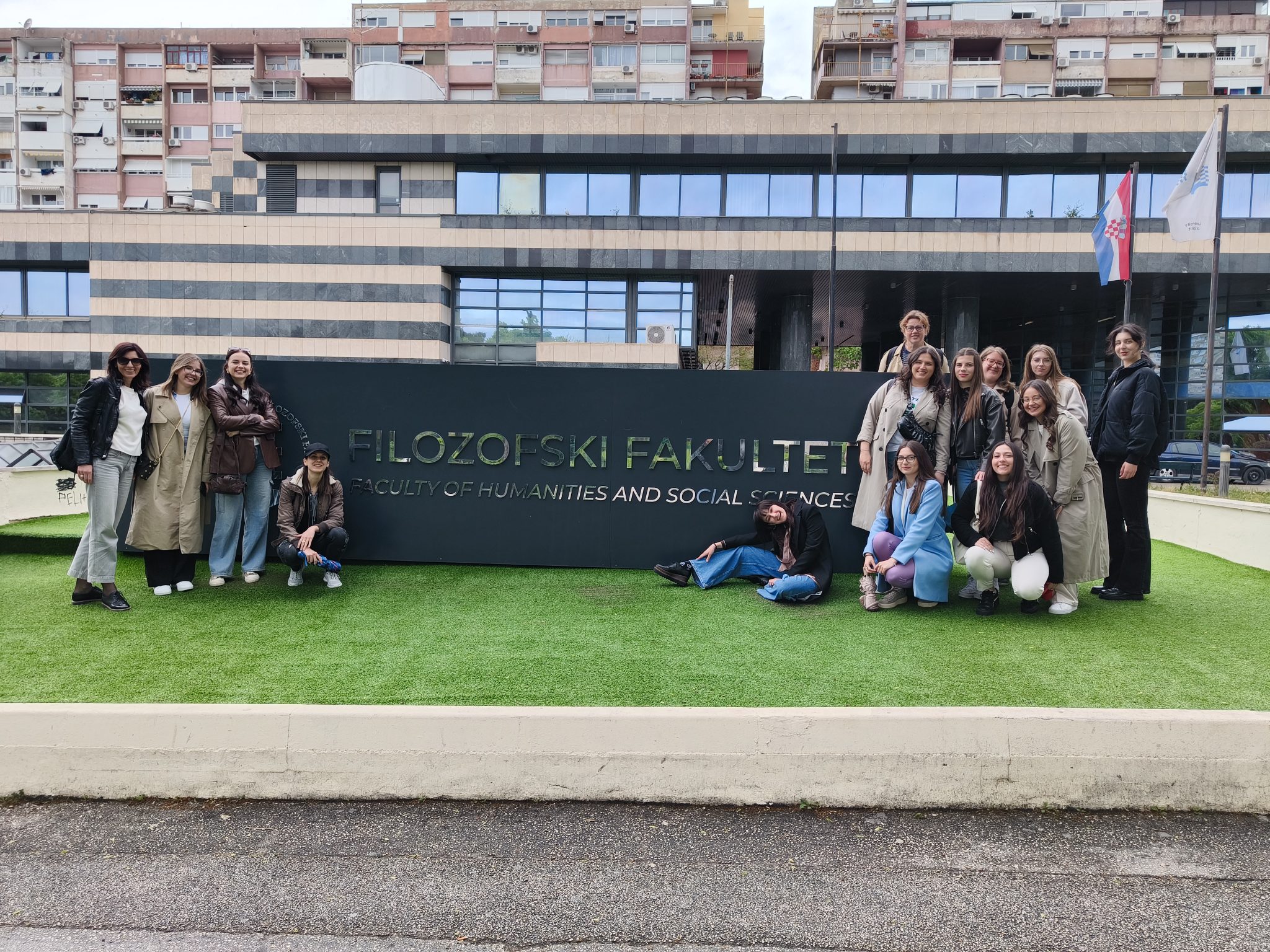
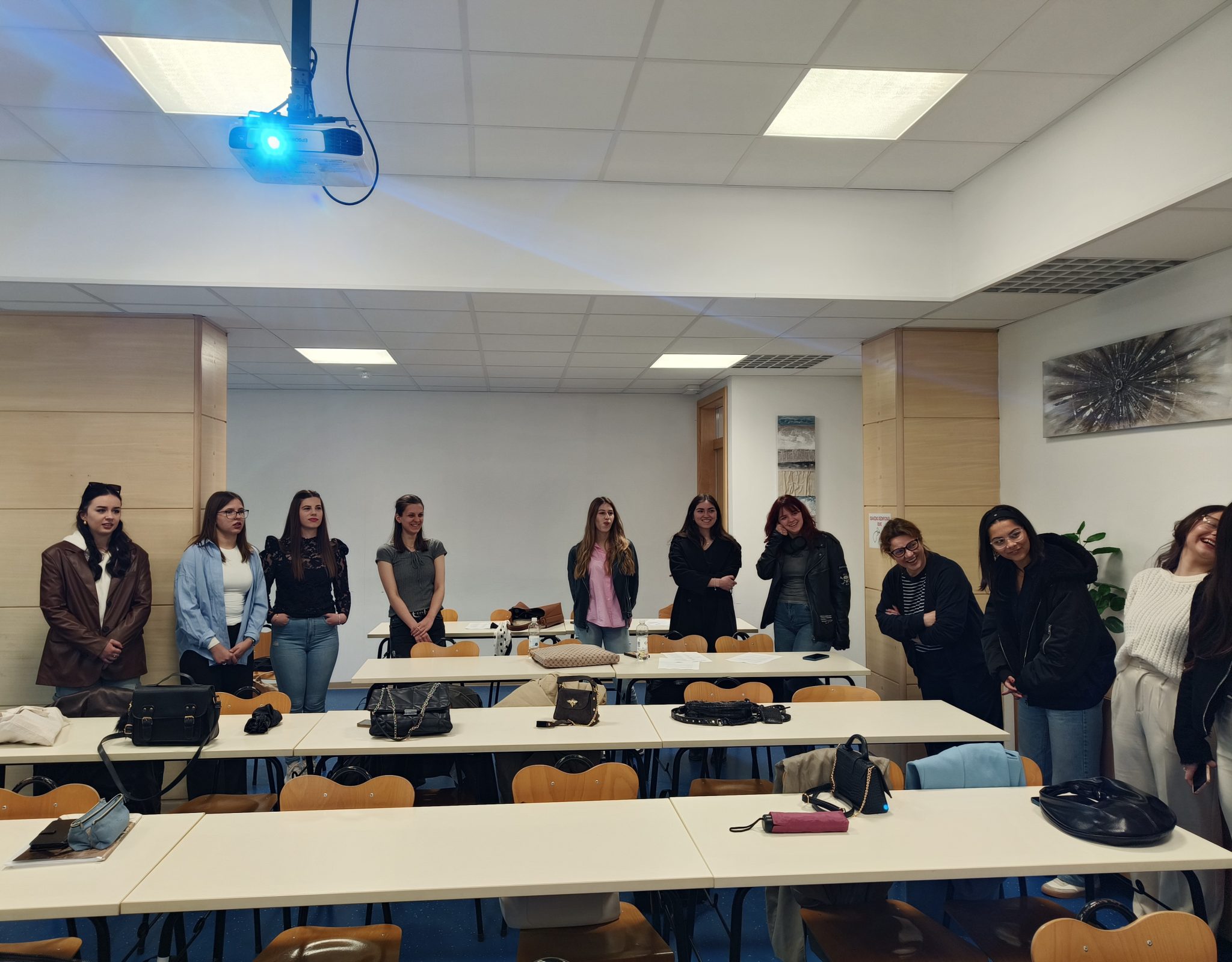
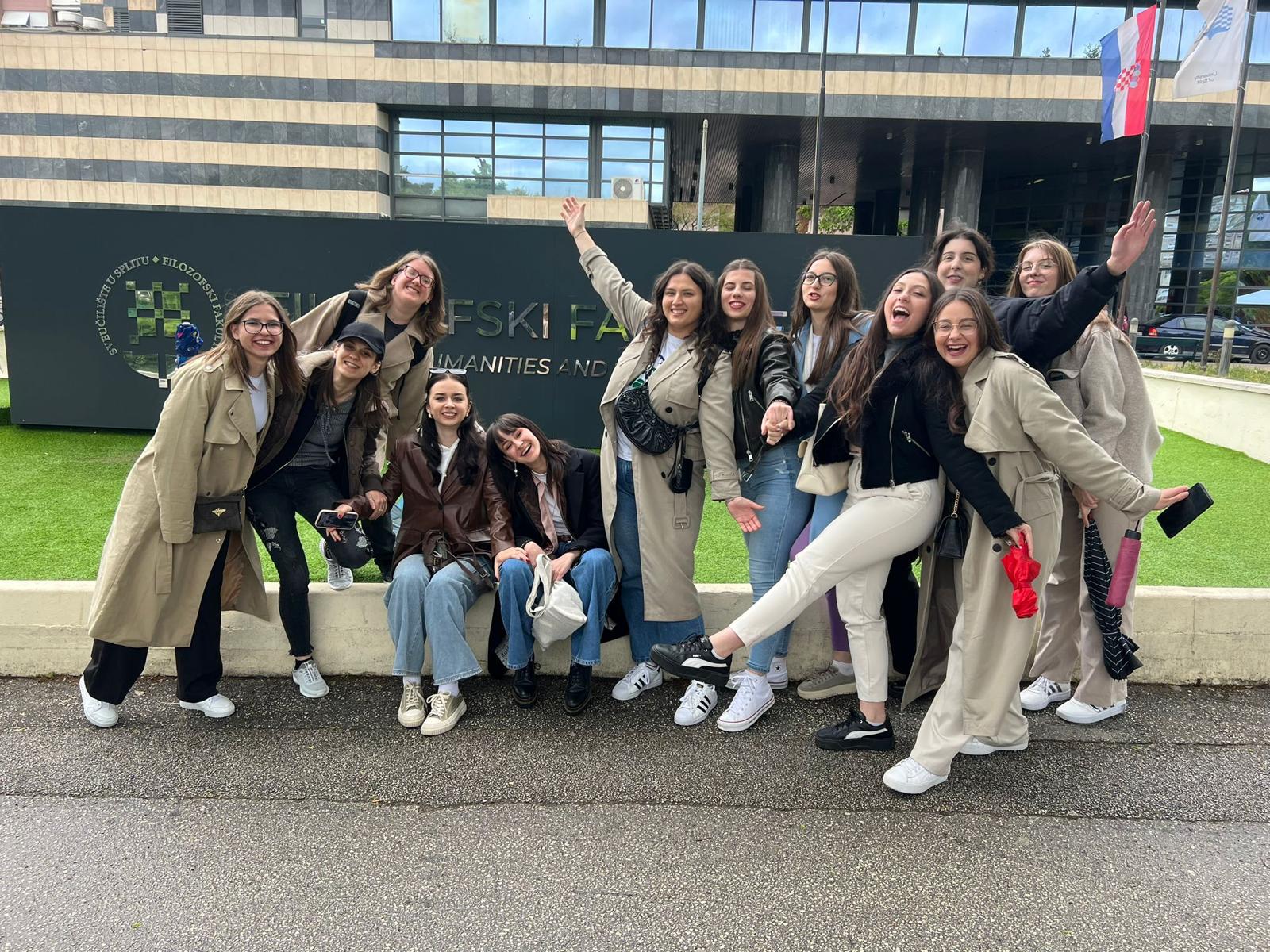
We Visited the Faculty of Humanities and Social Sciences in Split
During April 2024, second-year undergraduate Psychology students took part in a field trip with Professor Mirna Varga as part of the course English for the Humanities and Social Sciences 4.
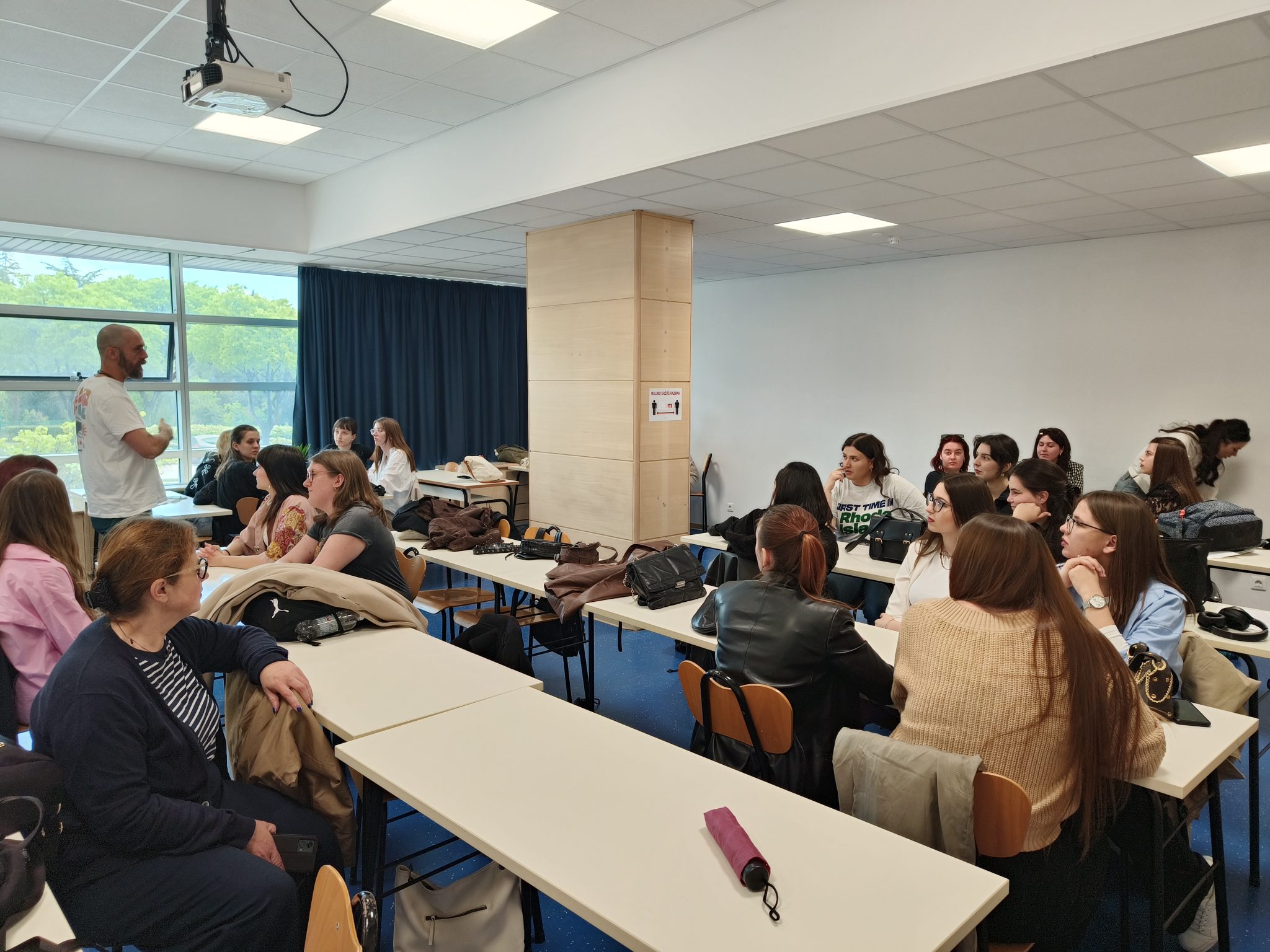
The field trip was held at the Department of Psychology of the Faculty of Humanities and Social Sciences in Split, where the Psychology study programme is taught in English.
Teaching at the host department was organised as part of the course Qualitative Research Designs, taught by Assoc. Prof. Darko Hren, PhD. The central activity was a semi-structured interview carried out in pairs by students from Osijek and Split according to instructions prepared in advance.
We would like to thank our hosts for this valuable and unforgettable experience in Split and look forward to future cooperation!
Information Sciences Students Visit the National and University Library in Zagreb and the Croatian State Archives
On 19 January 2024, first-year students of the double-major graduate study programme in Information Sciences, together with their teachers Prof. Damir Hasenay, PhD, and Ines Horvat, PhD, visited the National and University Library in Zagreb and the Croatian State Archives as part of the field trip for the courses Methods of Paper Material Preservation and Digital Data Preservation.
At the National and University Library, they visited the Department for Preservation and Storage, where they saw first-hand some of the procedures used in the conservation and restoration of paper materials, archival-quality materials and storage containers, as well as the basic principles of preparing and binding materials. They also became acquainted with the process of preservation imaging and the creation of copies of materials and the infrastructure required for this, and visited the closed stacks, where they saw examples of good storage practice.
They then went to the Croatian State Archives, where, after a guided tour of the building, they had an opportunity to see cleaning and stain-removal procedures on several examples of old and valuable archival material and, among other things, the repair of paper damage by leaf-casting with paper pulp as an example of good practice in traditional preservation methods. They became familiar with the tools, materials and equipment required for restoration and were also shown several previously completed restoration projects.
Both visits provided the students with a vivid view of the practical implementation of the theoretical principles of paper-material preservation methods learned so far and, as future information professionals, emphasised the importance of considering preservation processes at all levels.
Borna Petrović
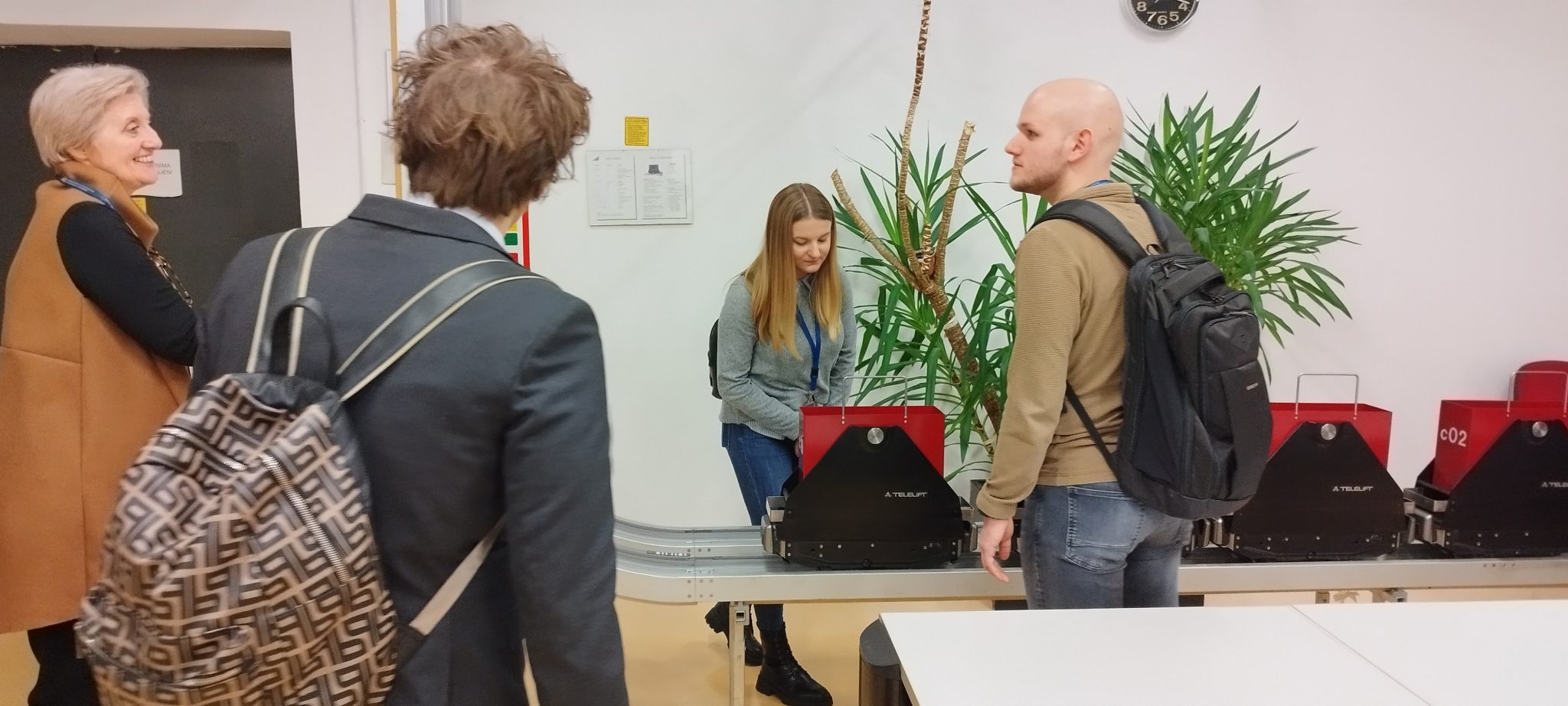
Field Trip of the Department of Croatian Language and Literature
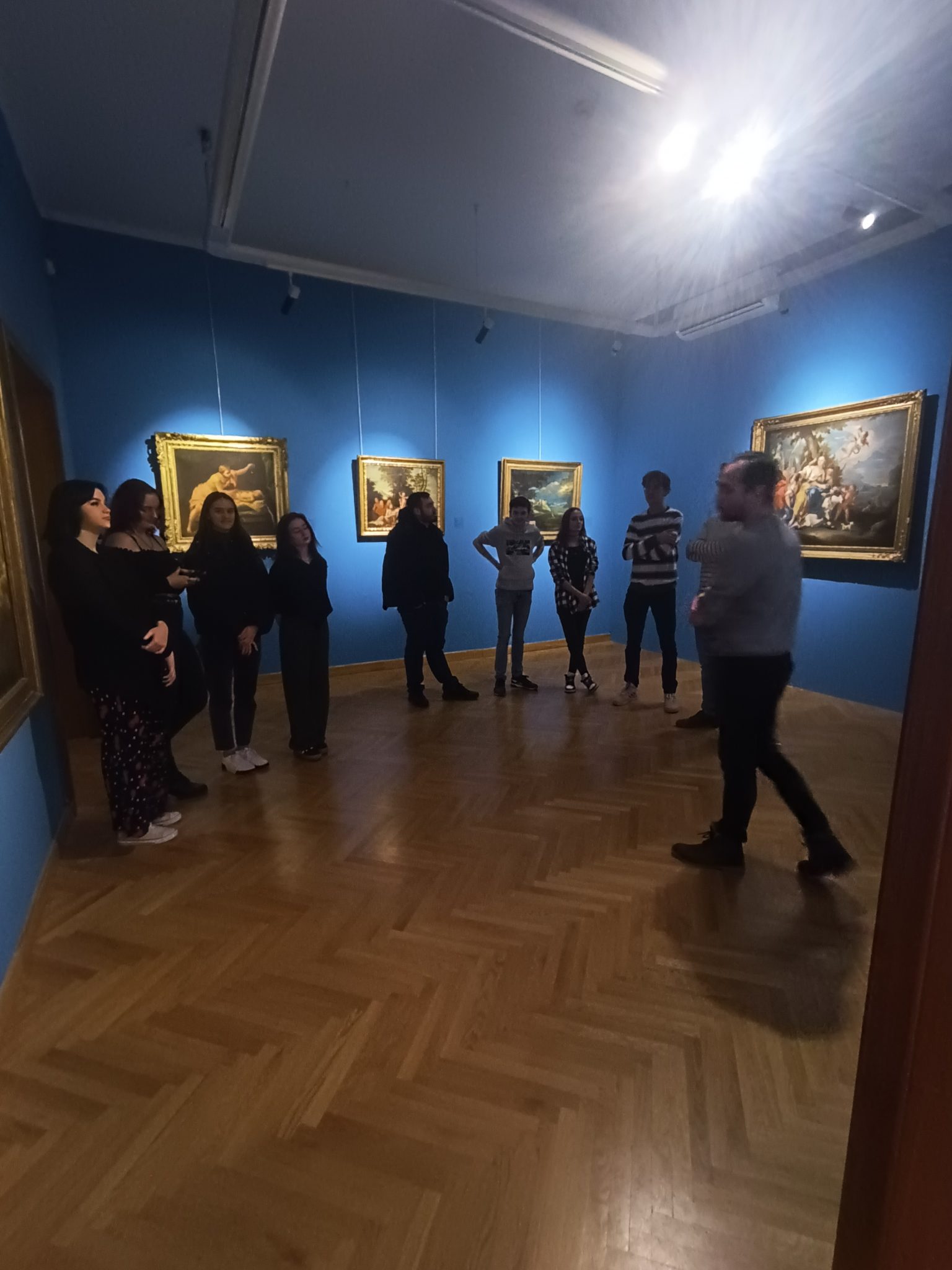
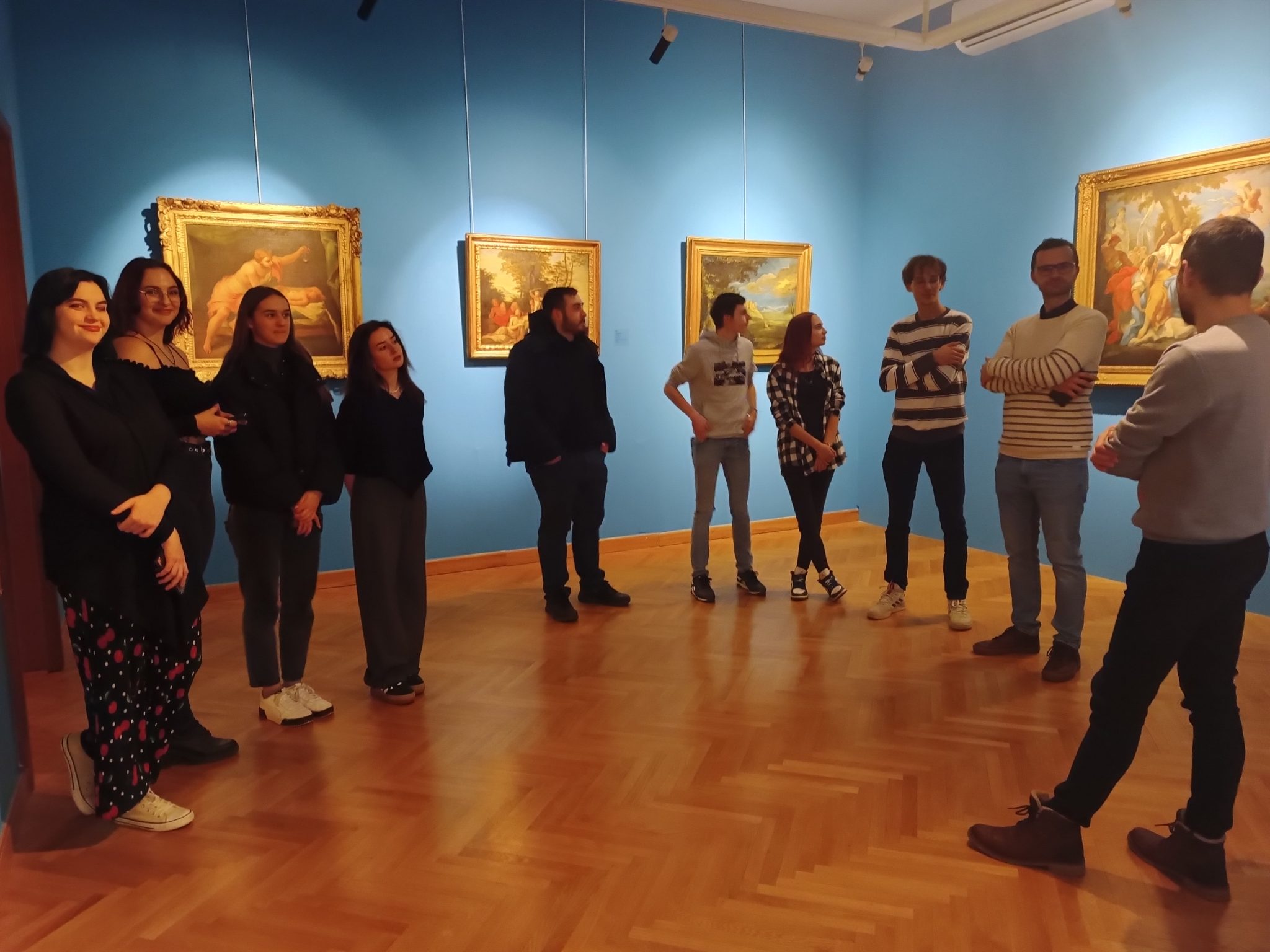
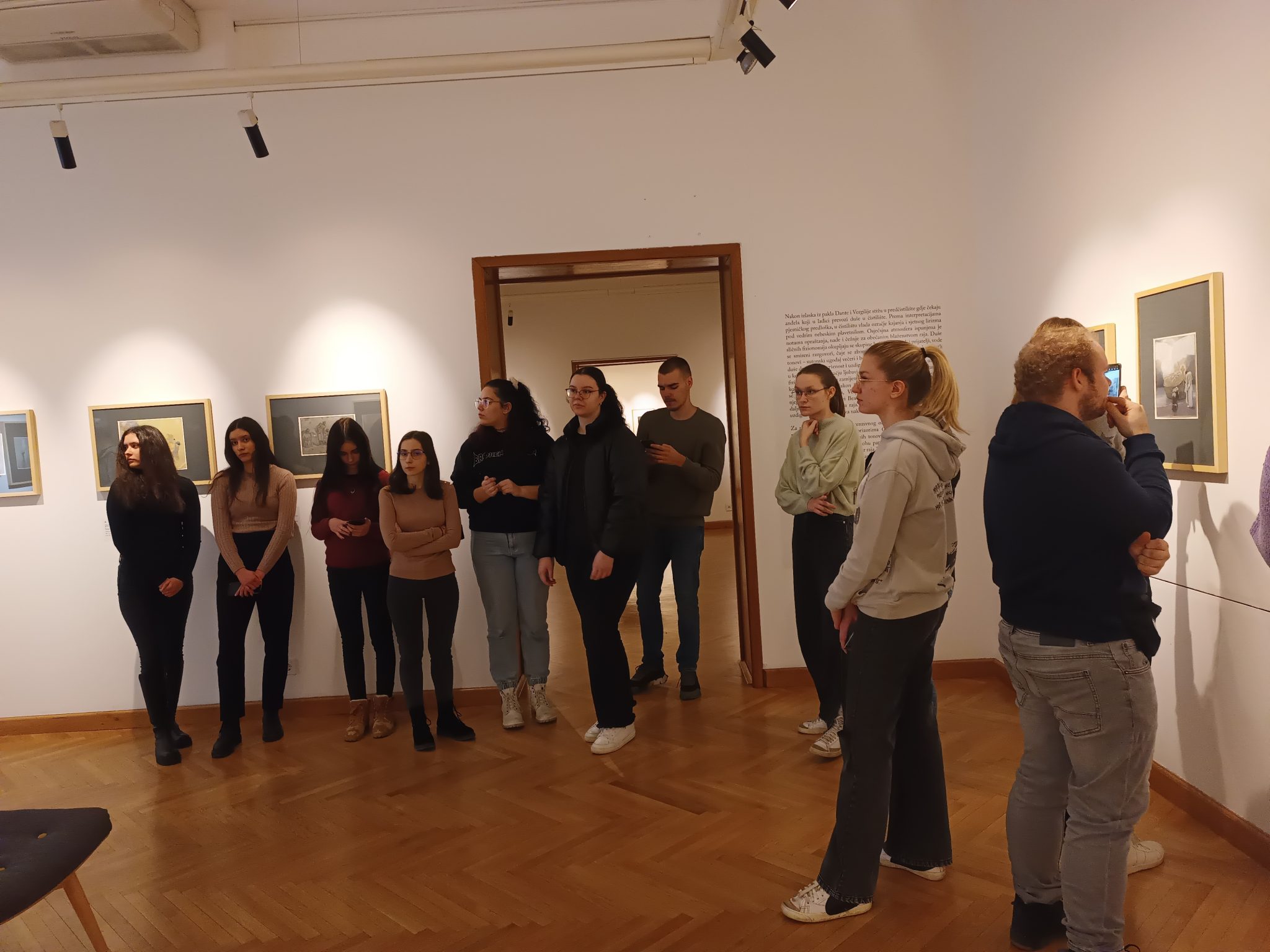
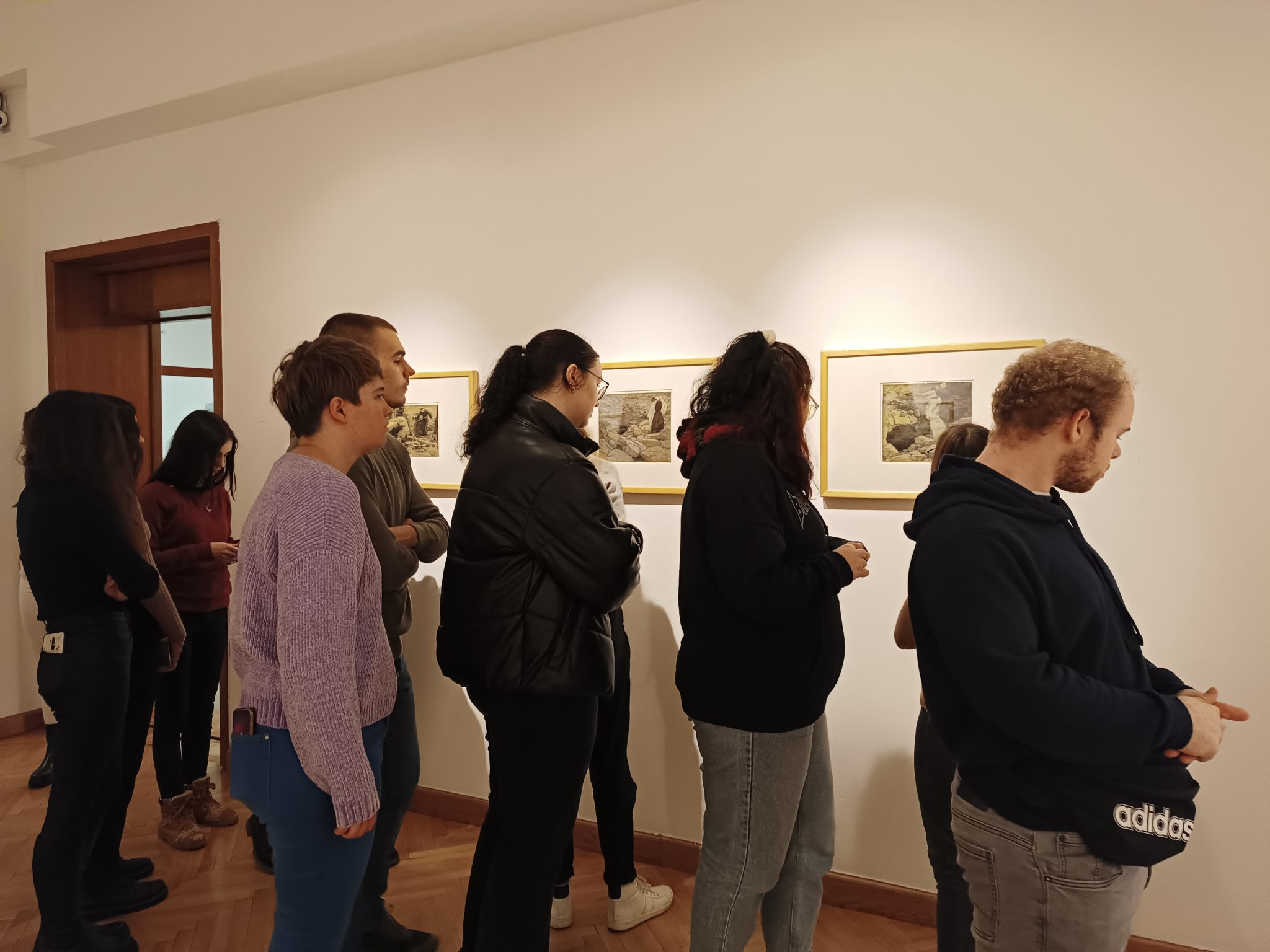
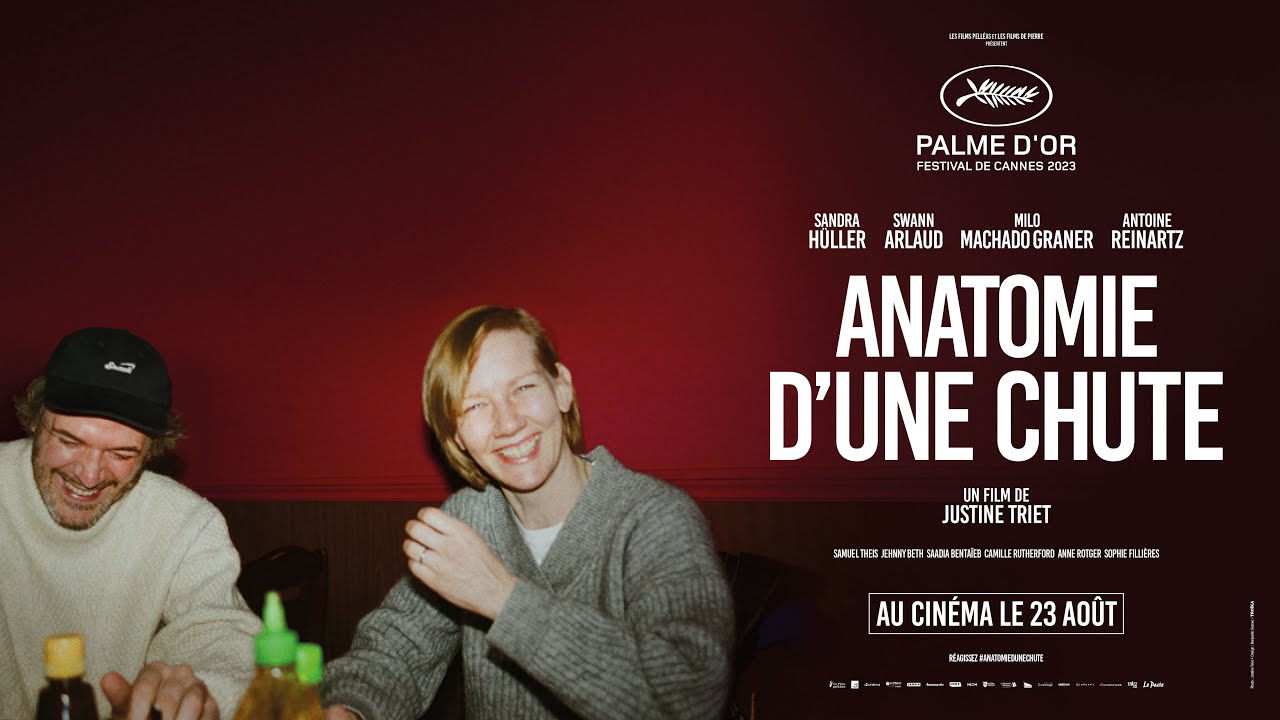
During January, undergraduate students of Croatian Language and Literature took part in field trips with professors Kristina Peternai Andrić and Dejan Varga. A field trip for the elective course Narrative Representations of Disability was organised at Urania Cinema on 19 January 2024. The students attended a screening of the film Anatomy of a Fall (Anatomie d’une chute), which won the Palme d’Or at that year’s Cannes Film Festival, and from the perspective of the course the portrayal of the disability of one of the main characters was particularly relevant. A field trip for the compulsory course Literary Theory 1 was held at the Museum of Fine Arts, where, under expert guidance, the students viewed 53 drawings illustrating Dante’s Divine Comedy by Mirko Rački from the holdings of the HAZU Department of Prints and Drawings, as well as a selection from the holdings of the Strossmayer Gallery of Old Masters.
Advent in Baranja – Field Trip for Students of Croatian Language and Literature
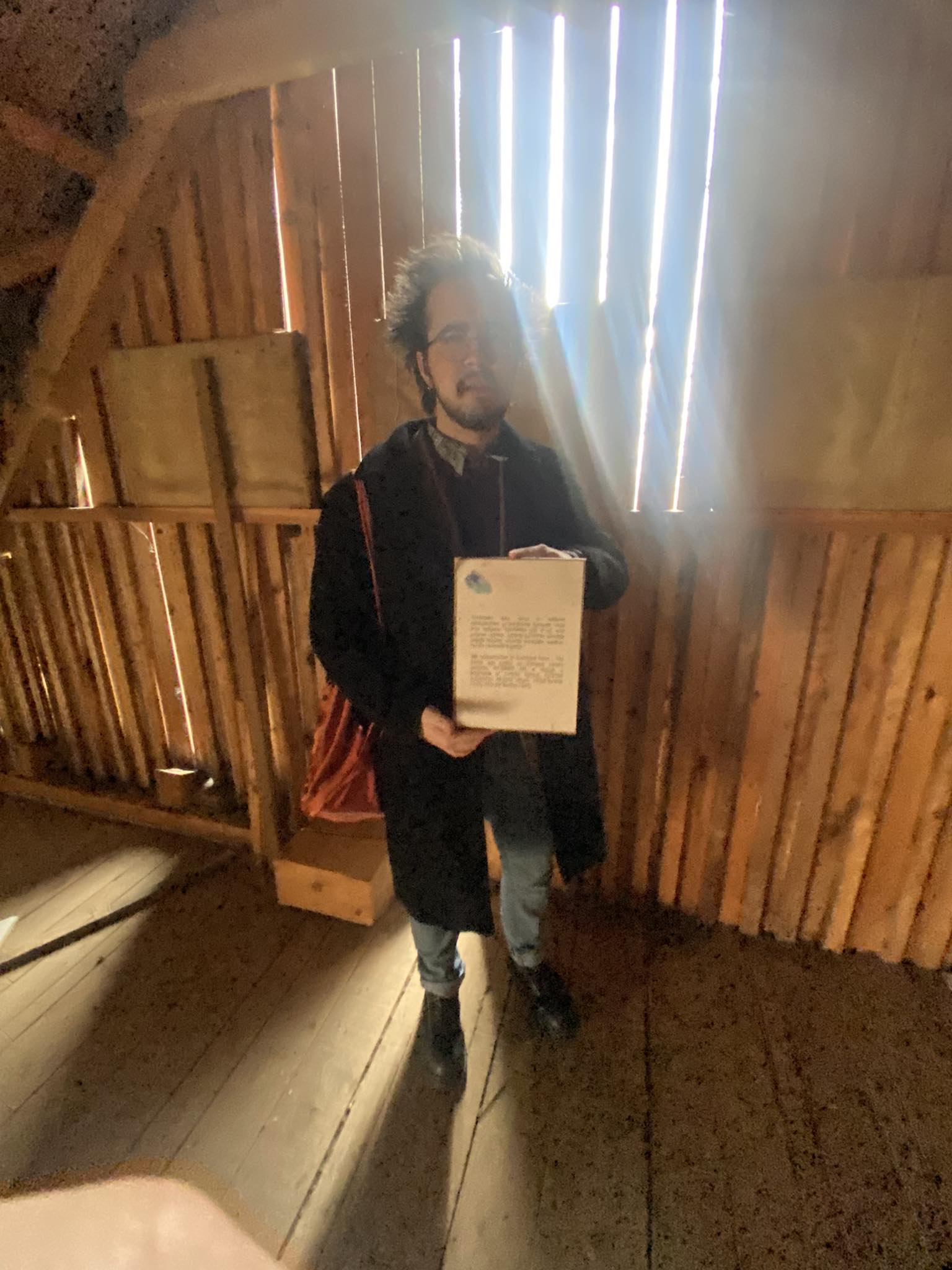
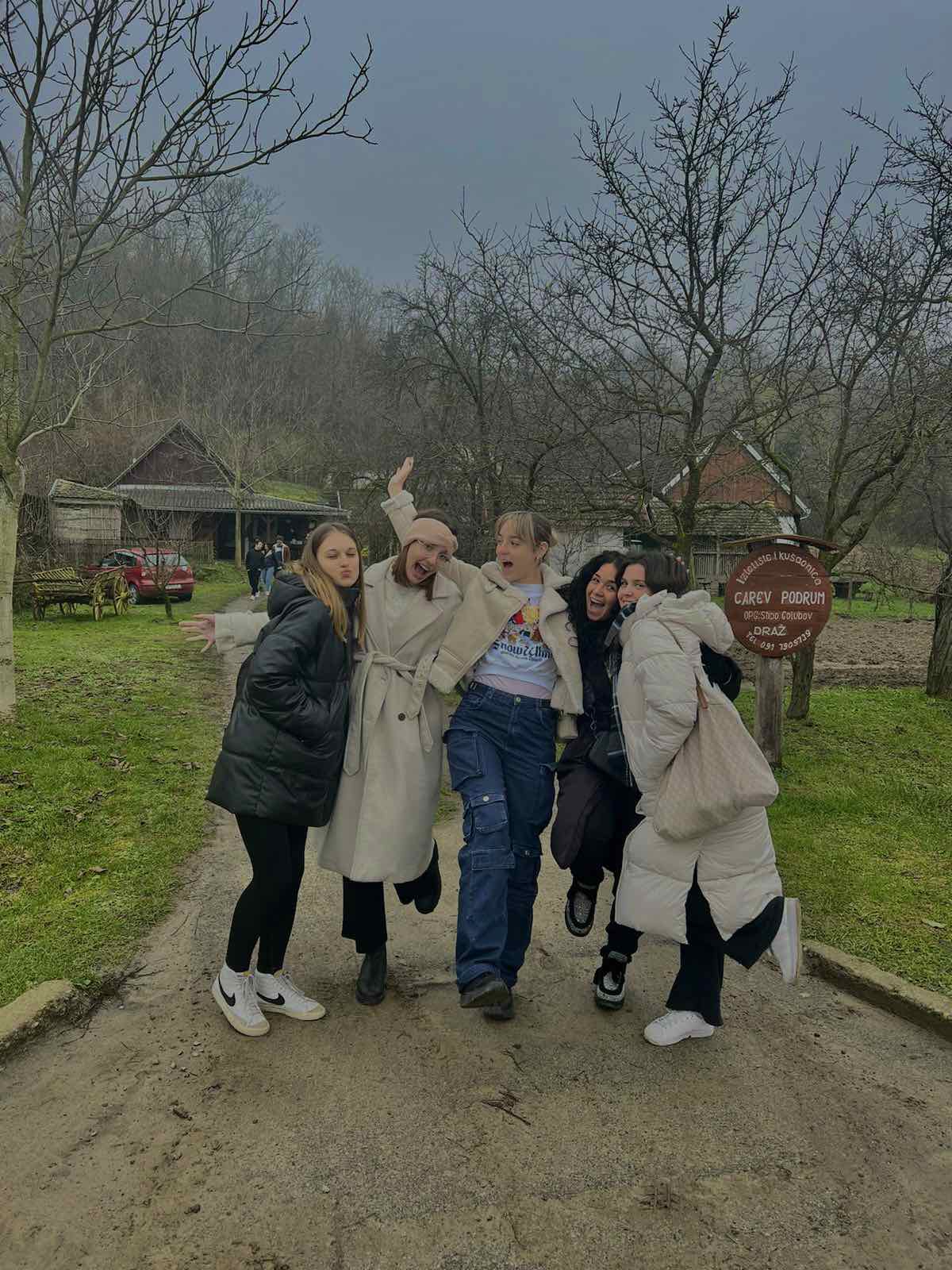
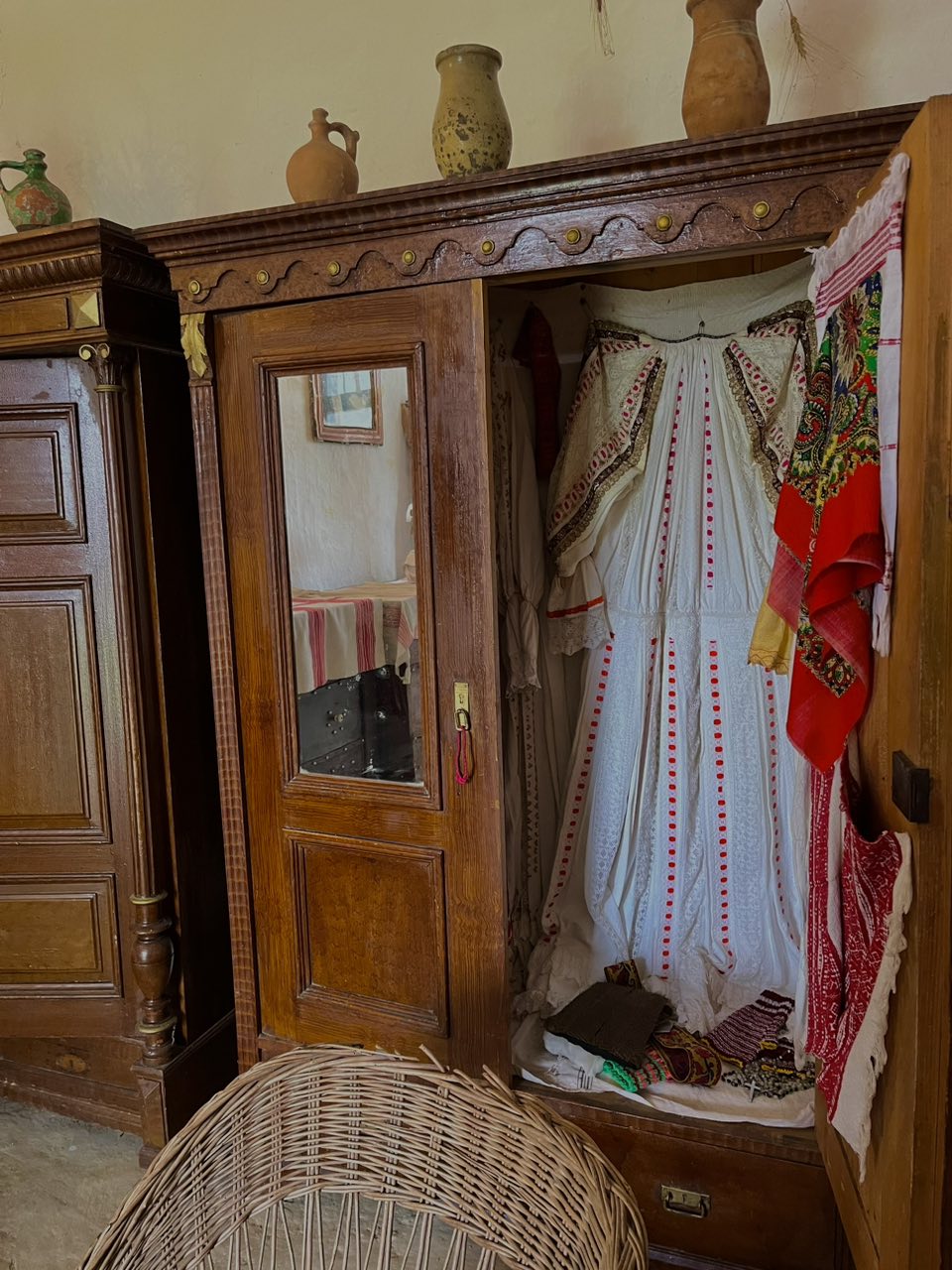
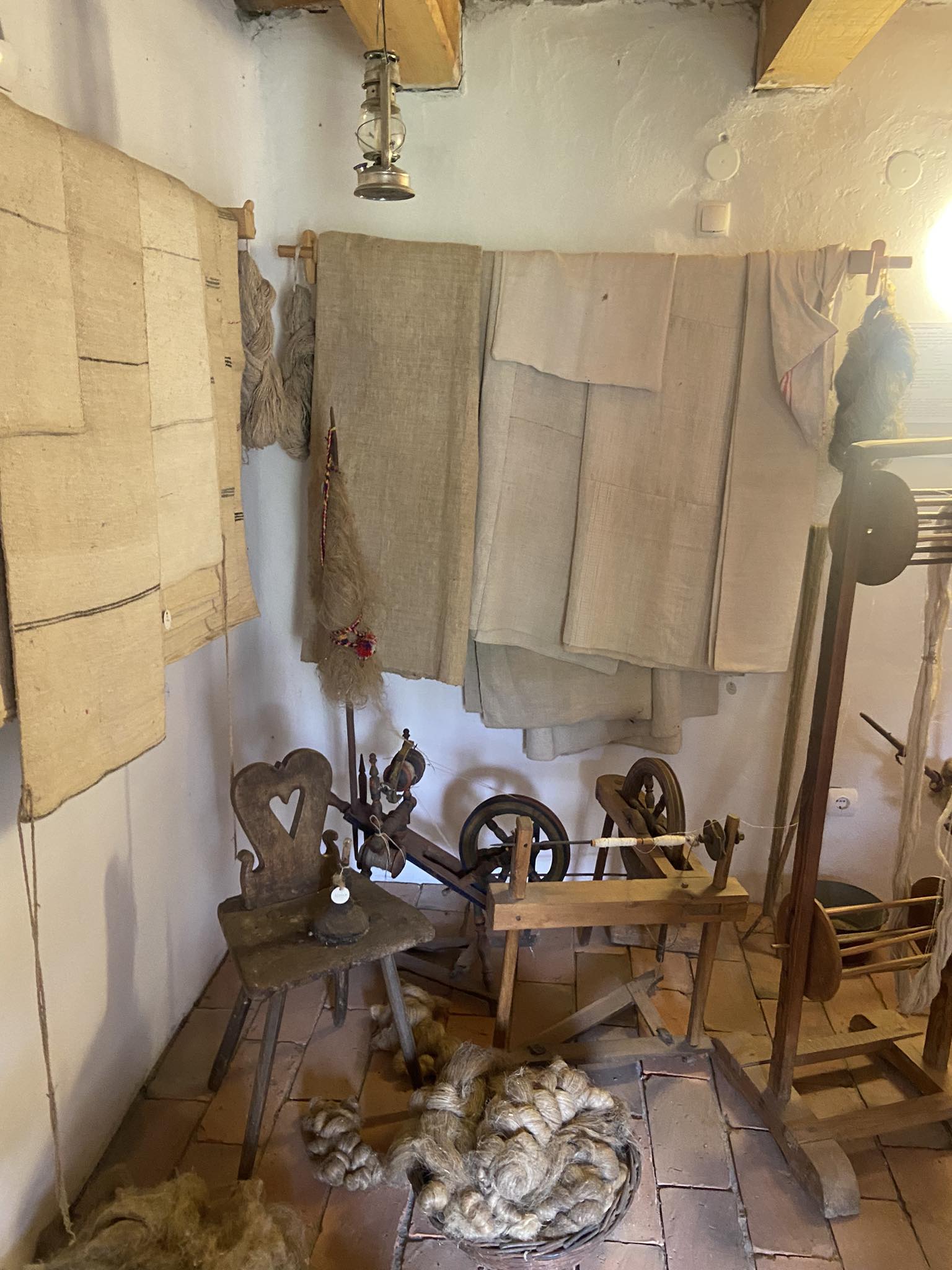
A field trip for the course Croatian Oral Literature was held in the Baranja villages of Topolje and Draž on 9 December 2023 for students of the single-major and double-major undergraduate study programmes in Croatian Language and Literature under the guidance of Prof. Ružica Pšihistal, PhD. The trip began with a visit to the Šokac House in Topolje, where, under expert guidance and with an accompanying lecture by Boban Đurić, the students toured the house, which is protected cultural property dating from the beginning of the 20th century. The house contains authentic furniture, folk costumes and numerous handmade objects that faithfully depict the former way of life of the Šokci. Through questions addressed to our host, we learned about their everyday life, when and how marriages were arranged, family relationships and customs. Meals were a special ritual at the time because the entire family had only one wooden spoon and one bowl, they kept warm by an earthen stove (blatnjara) in a single communal room heated from the kujina, while young married couples in large extended-family households were provided privacy in a separate room – the kijer, furnished with the bride’s furniture. The homestead also includes an auxiliary outbuilding roofed with reeds, housing hand- and foot-operated tools for making homespun cloth from hemp and flax, and later cotton (trlica, hand spinner, spinning wheel), display cases containing rich folk costumes (shirts, woollen aprons, bekeši, čovene, glotane, woollen and silk scarves, various caps and head coverings), a chest for a girl’s trousseau and valuable family photographs. The field trip continued with a visit to the Church of St Peter and Paul in Topolje. Built in 1722 as a votive gift from Prince Eugene of Savoy, the church is one of the most important Baroque sacral buildings in the region and is associated with numerous legends. One of them concerns the bell tower, which collapsed three times for mysterious reasons. The central destination was the wine cellar – Carev podrum – where our host Filip Golubov welcomed us with freshly prepared Baranja bean stew. After a short break, we interviewed several residents of Gajić, Topolje and Draž in groups (Filip Golubov, Stipo Golubov, Eva Balatinac, Eva Kostolić). Stipo Golubov enriched his stories about Šokac customs with verses from his own collection Biserje duha, smijeh kroz suze, while Filip Golubov gave us a collection of stories and poems, Pripovidam pripovićku, dedicated to his grandmother Jela Golubov, a faithful storyteller who raised him with the words: “Don’t forget!” We recorded the interviews and, after transcription, will analyse them in seminar classes and store them in the archive of the Chair of Croatian Literature. At the end, our host Filip Golubov also treated us to a musical performance on the bagpipes. Full of impressions of traditional culture, Advent and Christmas customs and living oral literature, we returned to Osijek grateful to the storytellers and our host for an unforgettable experience of life in magical Šokac Baranja.
Luka Cvitković, Ivan Nemet and Nika Škugor
Field Trip for Graduate Students of English Language and Literature
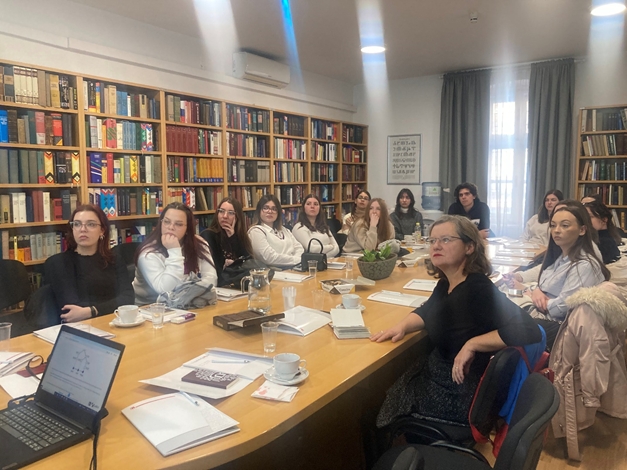
As part of the course Psycholinguistics, taught in the graduate study programme in English Language and Literature, 15 students and Professor Ana Werkmann Horvat visited Zagreb on 4 and 5 December 2023.
The first day of the field trip was devoted to research projects, and we attended three lectures at the Institute of Croatian Language and Linguistics. The first lecture was delivered by Lana Hudeček, PhD, from the Institute, who spoke about the creation of the first Croatian online dictionary, Mrežnik. The students were interested in the dictionary-development process itself, as well as possible problems encountered by researchers during the project. The second lecture was given by Prof. Anita Peti Stantić, PhD, from the Faculty of Humanities and Social Sciences in Zagreb, who spoke to the students about her completed Foundation-funded MEGAHR project, within which the first Croatian psycholinguistic database was created. It was particularly interesting to hear how an idea for a research project is developed, what implementation looks like and what the results are. The final lecture was given by Kristina Despot, PhD, from the Institute, who spoke about her completed MetaNet.HR project. The students were particularly interested in hearing about experimental work related to metaphorical language in different languages, as well as about the final results of the project.
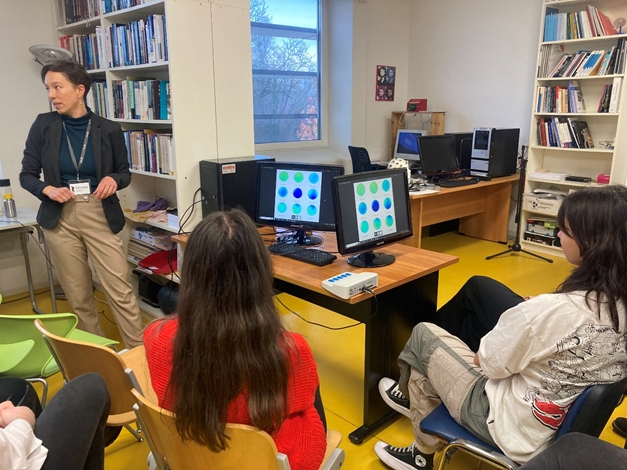
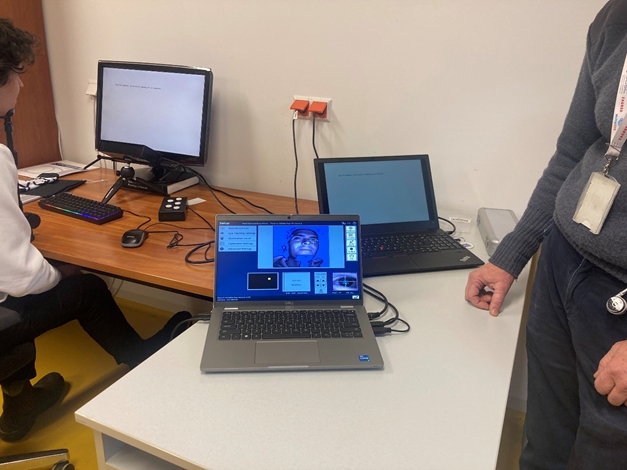
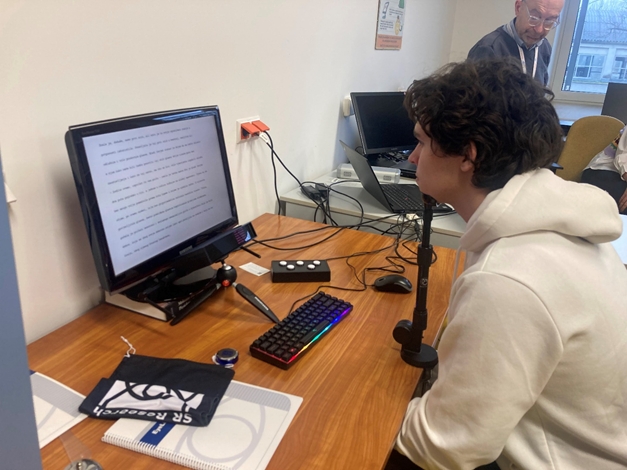
On the second day, we visited the Faculty of Education and Rehabilitation Sciences, where we were welcomed by Assoc. Prof. Gordana Hržica, PhD, from the Department of Speech and Language Pathology, who introduced us to the work of the Faculty. It was particularly interesting to hear about bilingualism research, given the focus of our study programme. We then visited the Laboratory for Psycholinguistic Research, where we were hosted by Prof. Marijan Palmović, PhD, Assoc. Prof. Kristina Cergol, PhD, and Eva Pavlinušić Vilus, PhD. There we learned more about methods that we had already discussed in class but had not previously had an opportunity to see in practice. Members of the Laboratory showed us how electroencephalographic measurements, i.e. event-related potential measurements, are conducted and introduced us to their research using this method. We had an opportunity to try eye-tracking, during which Lovro read a text (see photos) while we followed his eye movements. Professor Palmović spoke about his new project and various studies in which they use this method.
All of the lectures were interesting and motivating, and at both institutions we felt more than welcome. We would like to thank our hosts for their effort and time.
Ana Werkmann Horvat
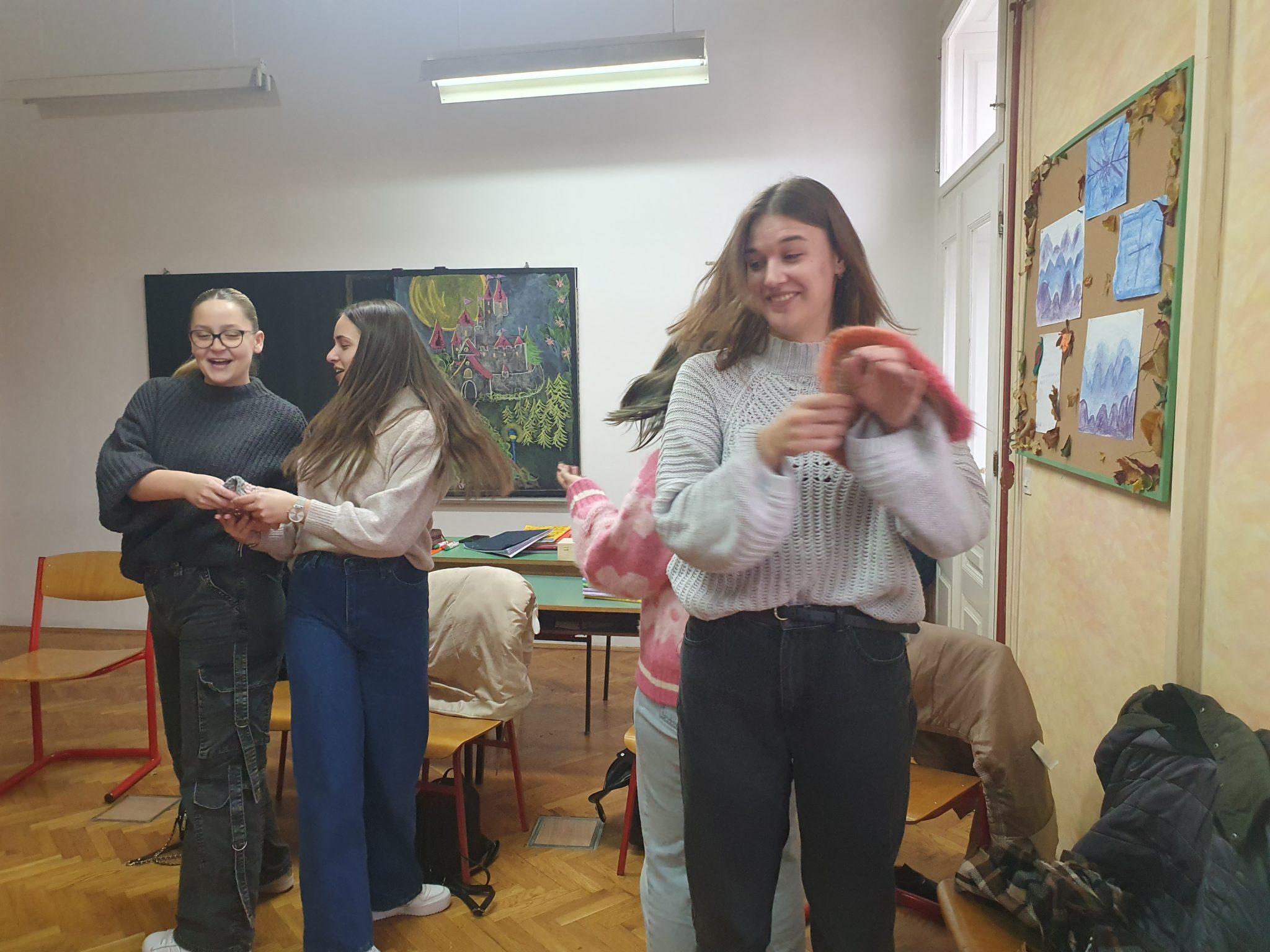
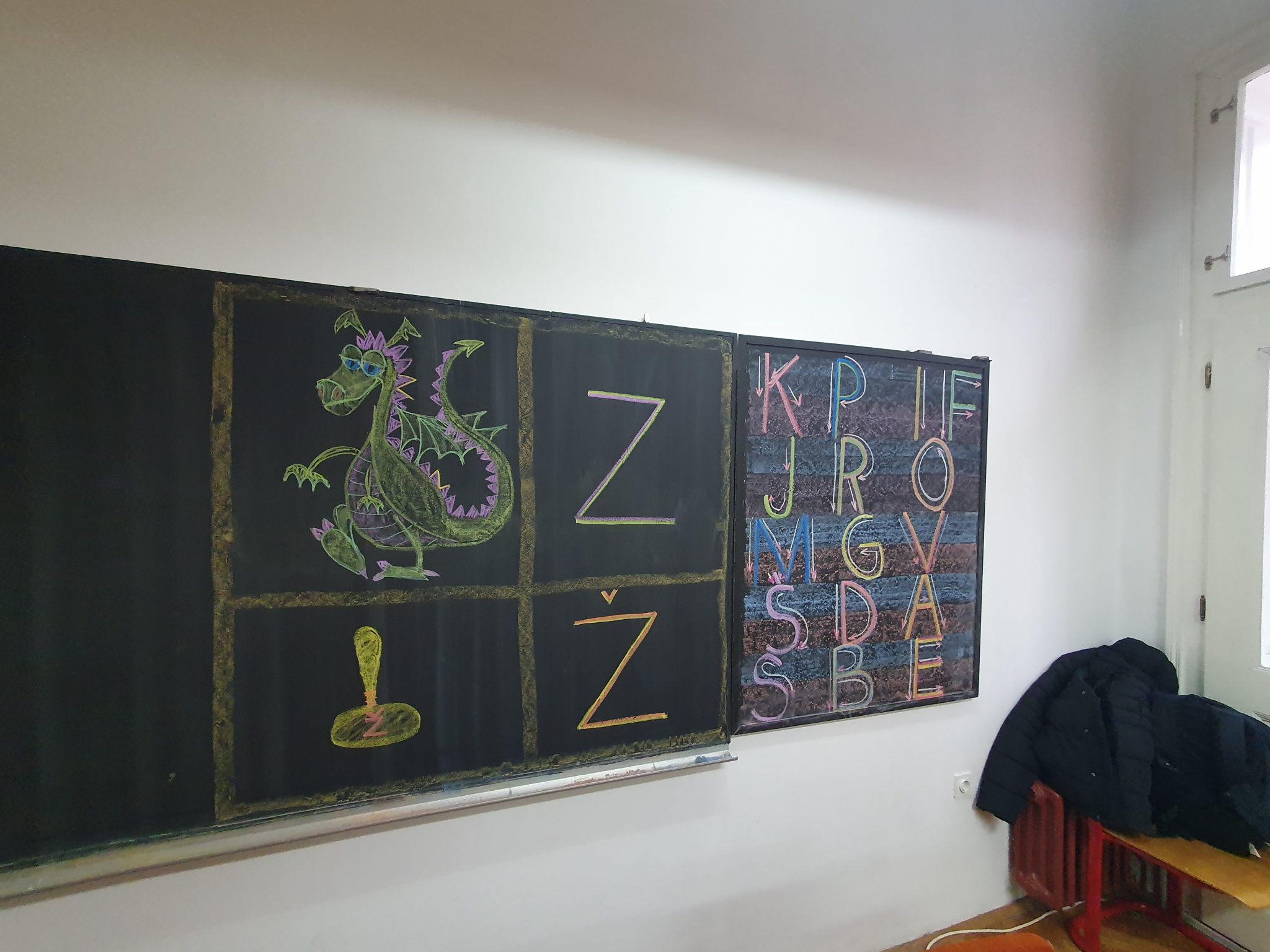
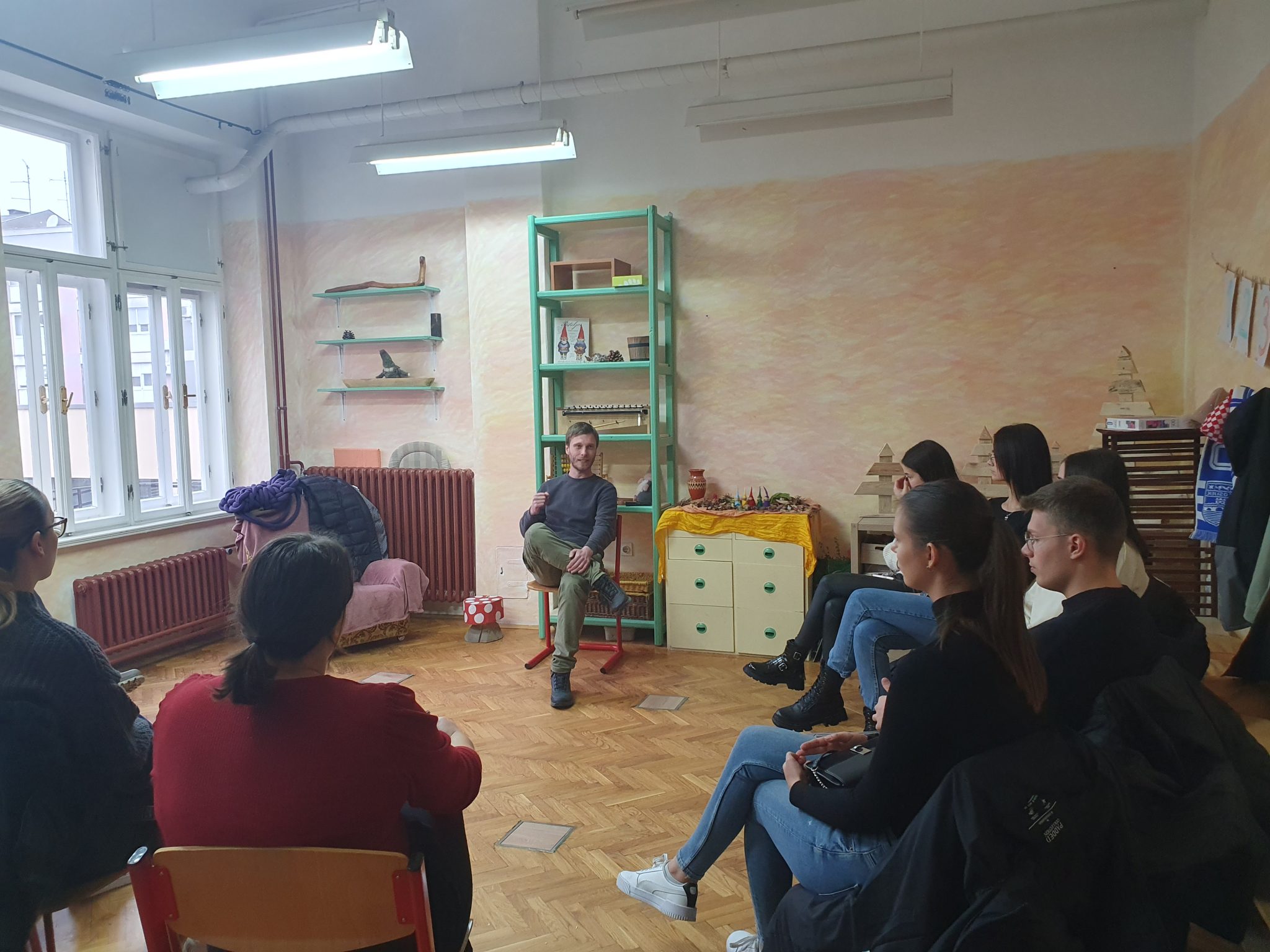
Students of the Course Alternative Schools Visit the Waldorf School in Osijek
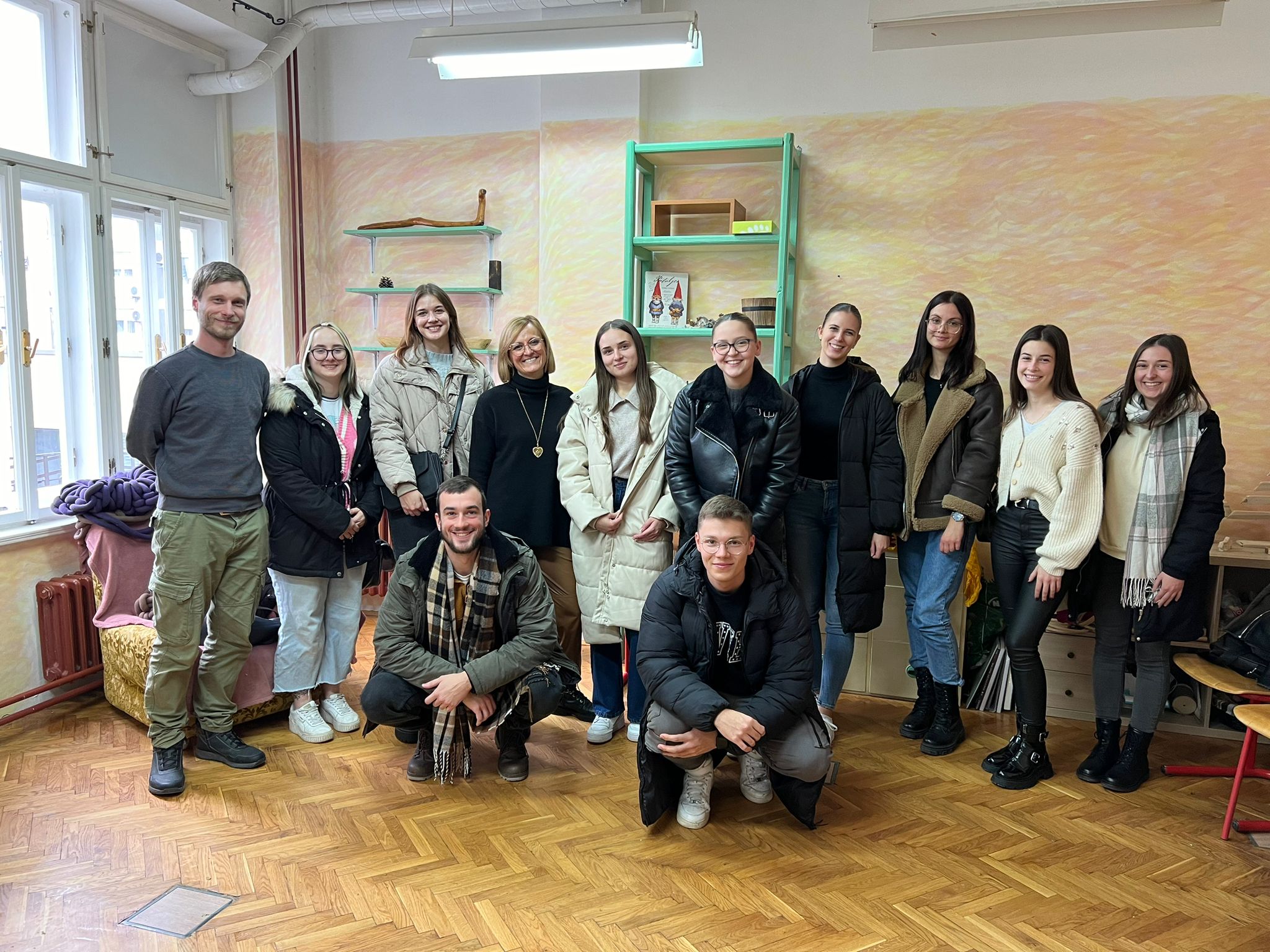
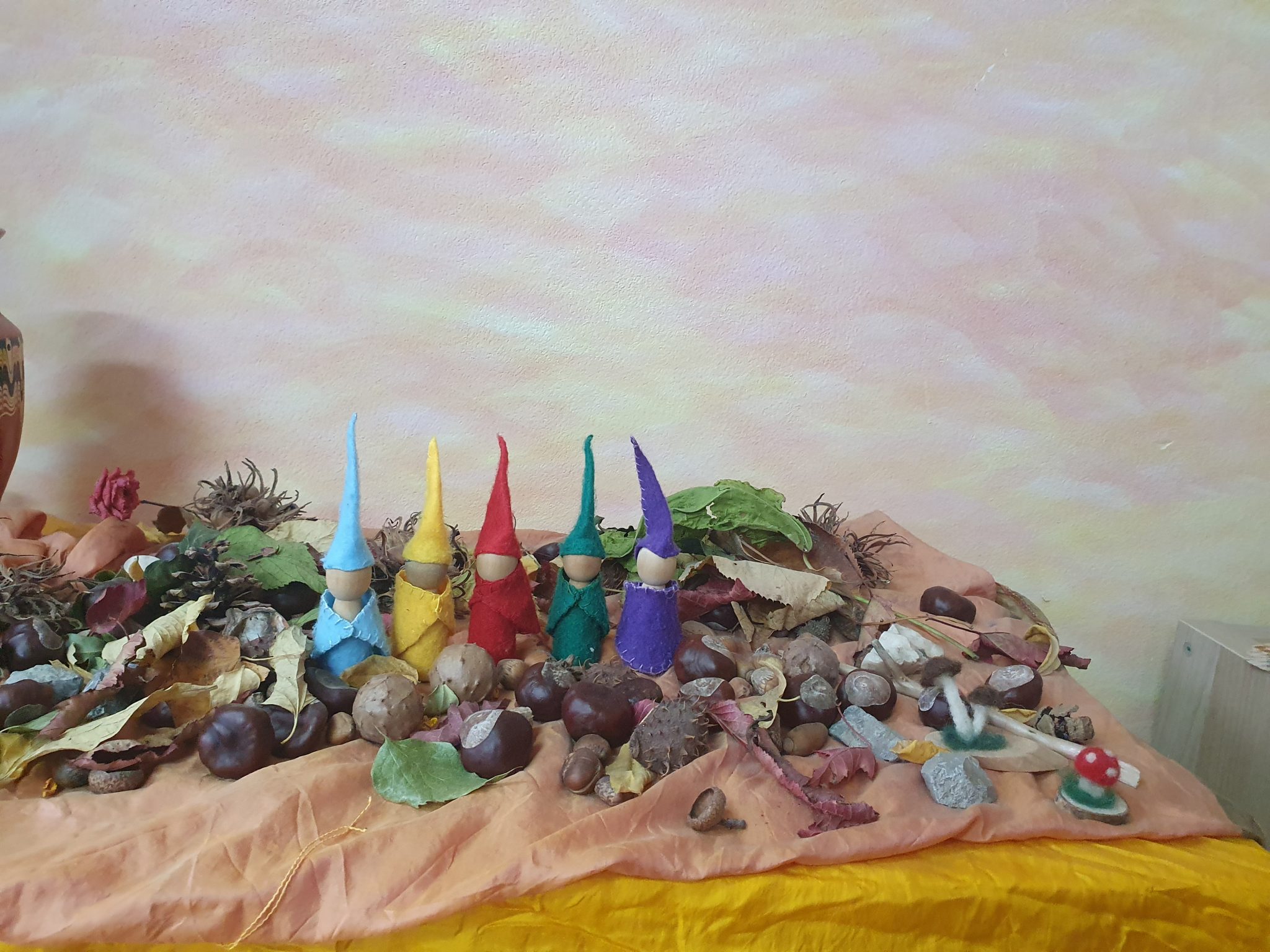
Third-year undergraduate Pedagogy students visited the Waldorf School in Osijek as part of the course Alternative Schools. The school principal, Waldorf teacher Srđan Ferenčak, introduced the students to the fundamental principles of Waldorf education. The students also had an opportunity to become familiar with Waldorf teaching methodology, which is oriented towards the holistic development and health of the child.
We are pleased that some former Pedagogy students continue their professional development by working at the Waldorf School.
Marija Sablić
Students of Croatian Language and Literature at the Museum of Slavonia
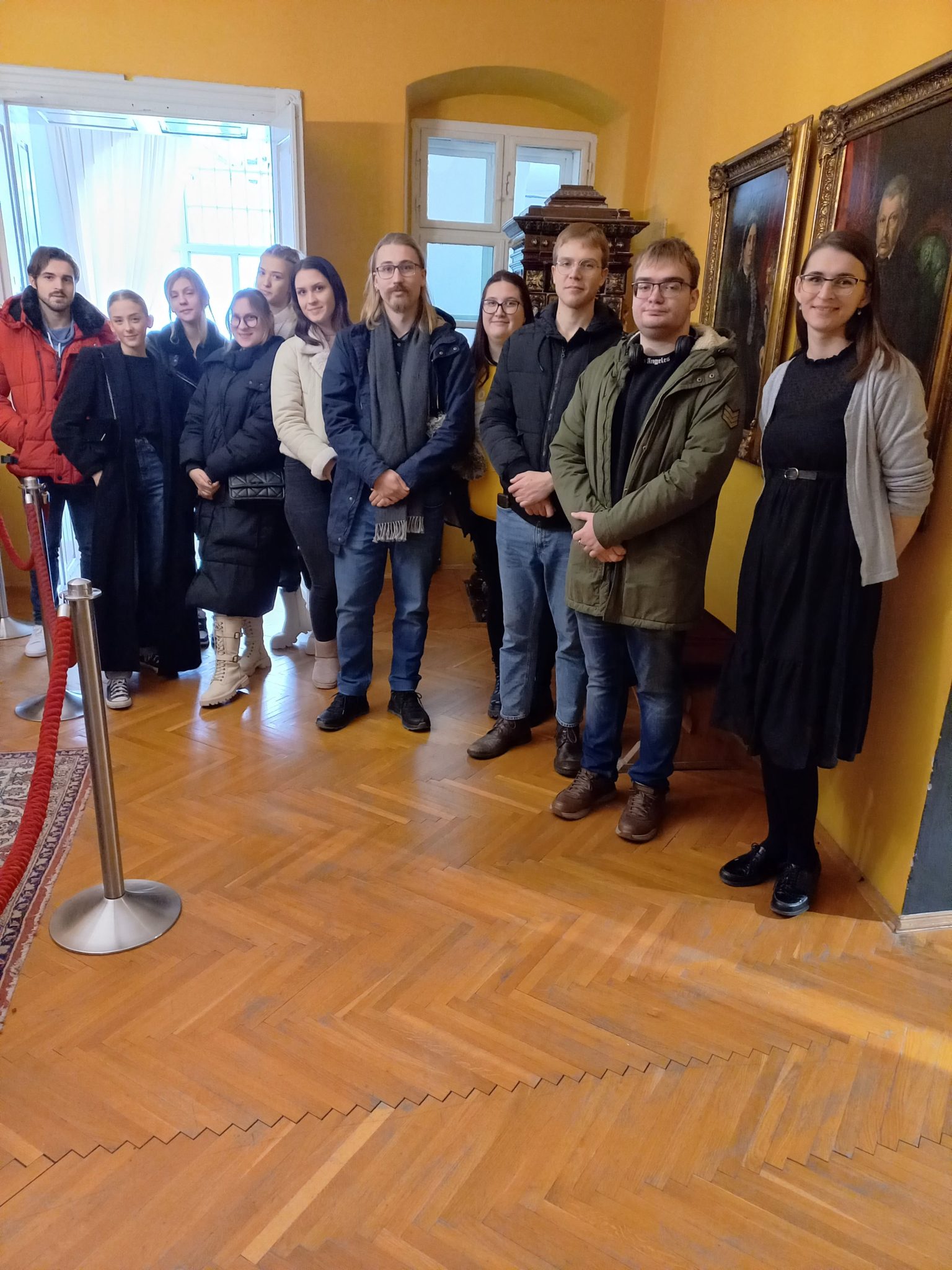
On Friday, 24 November 2023, a field trip was held as part of the course Modern Croatian Literature 1. Second-year students of the single-major undergraduate study programme in Croatian Language and Literature, under the guidance of Assoc. Prof. Dubravka Brunčić, PhD, visited the Museum of Slavonia and viewed the exhibition “MUO in Slavonia – Slavonia in MUO”. This exhibition by the Museum of Arts and Crafts in Zagreb, organised in cooperation with the Museum of Slavonia, presents objects from its holdings in Osijek. Art historian and curator of the Museum of Slavonia Gabrijela Odobašić introduced the students to the exhibition display.
During the visit, the students became acquainted with the history and organisation of two museums founded in the second half of the 19th century, during a period when numerous Croatian national cultural institutions were being established. Through an interesting and highly informative presentation by curator Gabrijela Odobašić, the students learned about the “Slavonian connections” of the Museum of Arts and Crafts, whose foundation owes much to two Slavonian cultural patrons: art historian and cultural figure Isidor Kršnjavi, who initiated the establishment of the Museum, and Bishop Juraj Strossmayer, who donated the first objects to the future museum. They then viewed objects from various Museum collections, including painting, sculpture, printing, musical instruments, textiles, furniture and glass. As part of the field trip, the students thus had an opportunity, among other things, to become acquainted with the broader Croatian socio-cultural circumstances of the 19th century (artistic creation, lifestyle and social everyday life) and at the same time to assess the role of cultural institutions in shaping national and regional identities.
Dubravka Brunčić
Information Sciences Students Visit the Osijek City and University Library
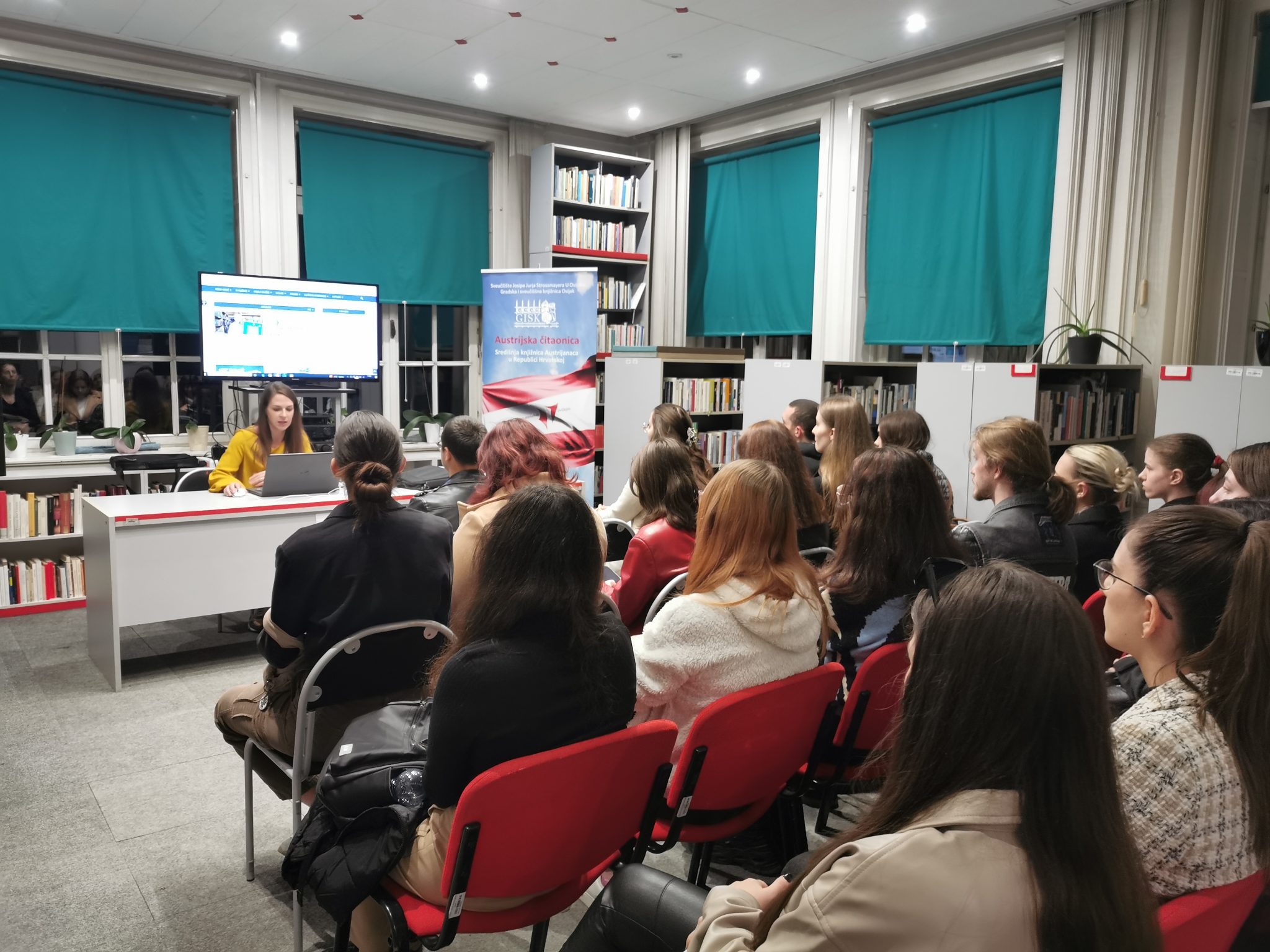
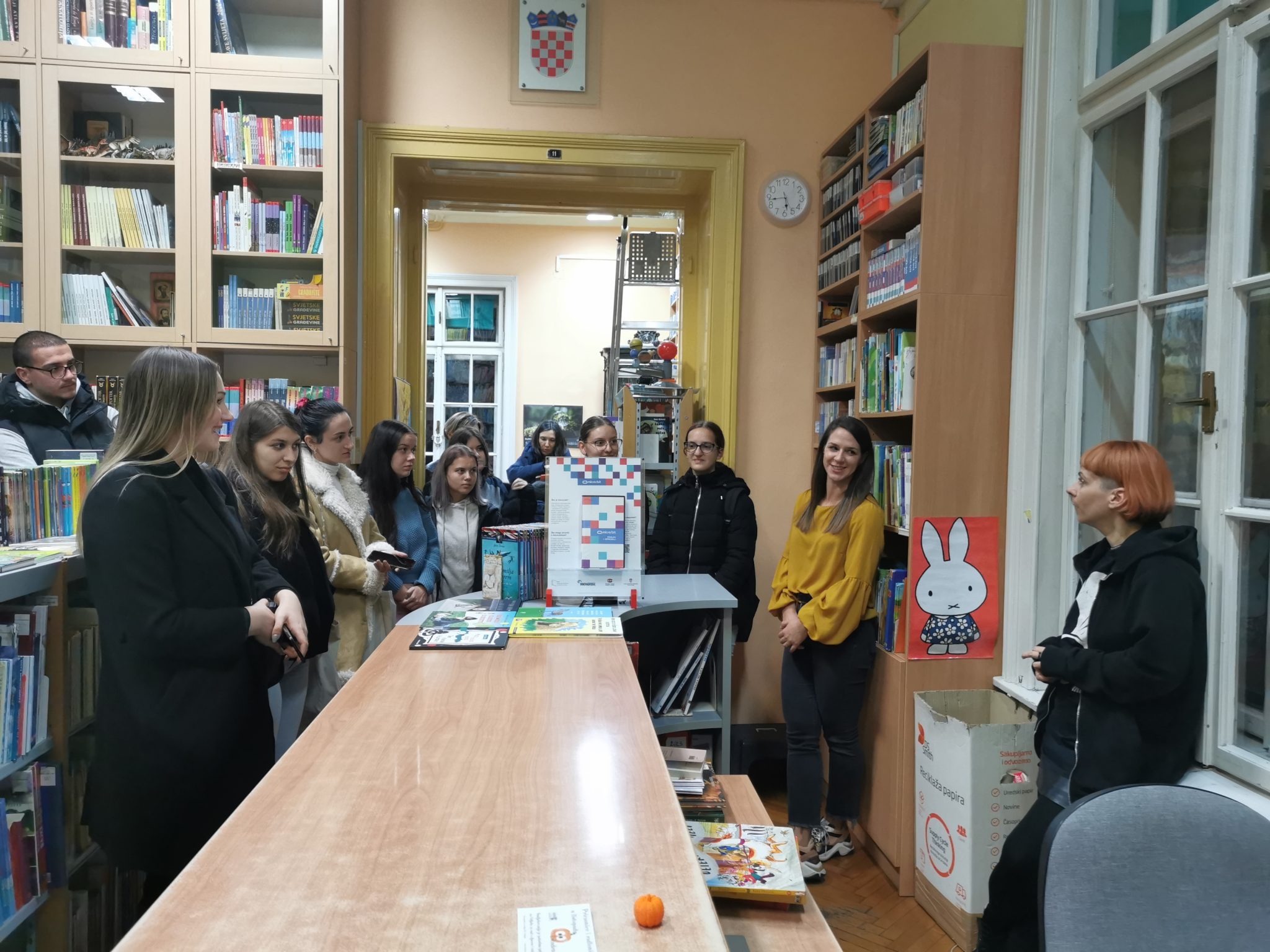
On 16 November 2023, first-year undergraduate students of Information Sciences visited the City and University Library as part of the course Fundamentals of Information Activities. Andrea Sudarević, MA in Information Sciences, introduced them to the library premises, departments, collections and services.
Sanjica Faletar
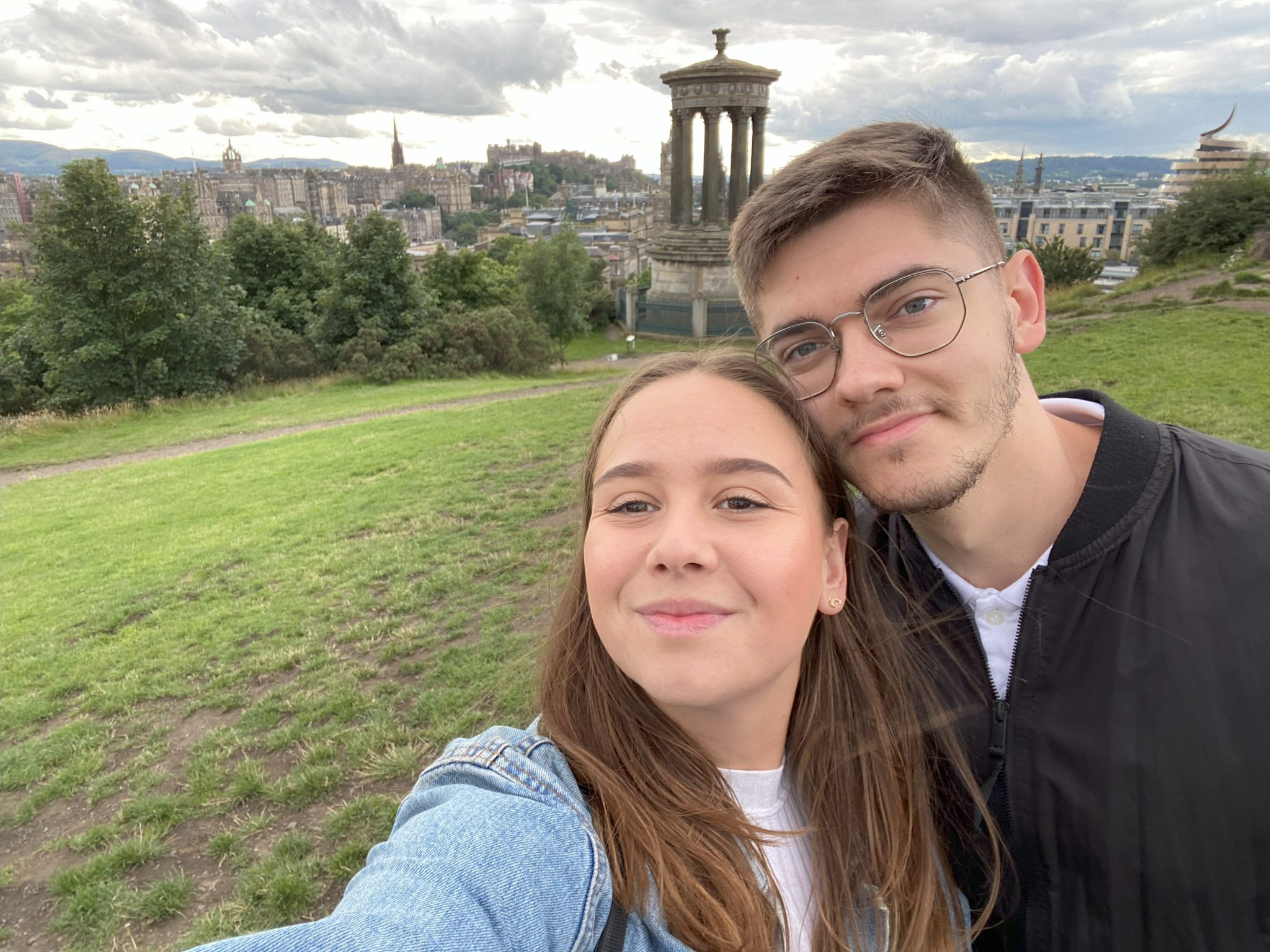
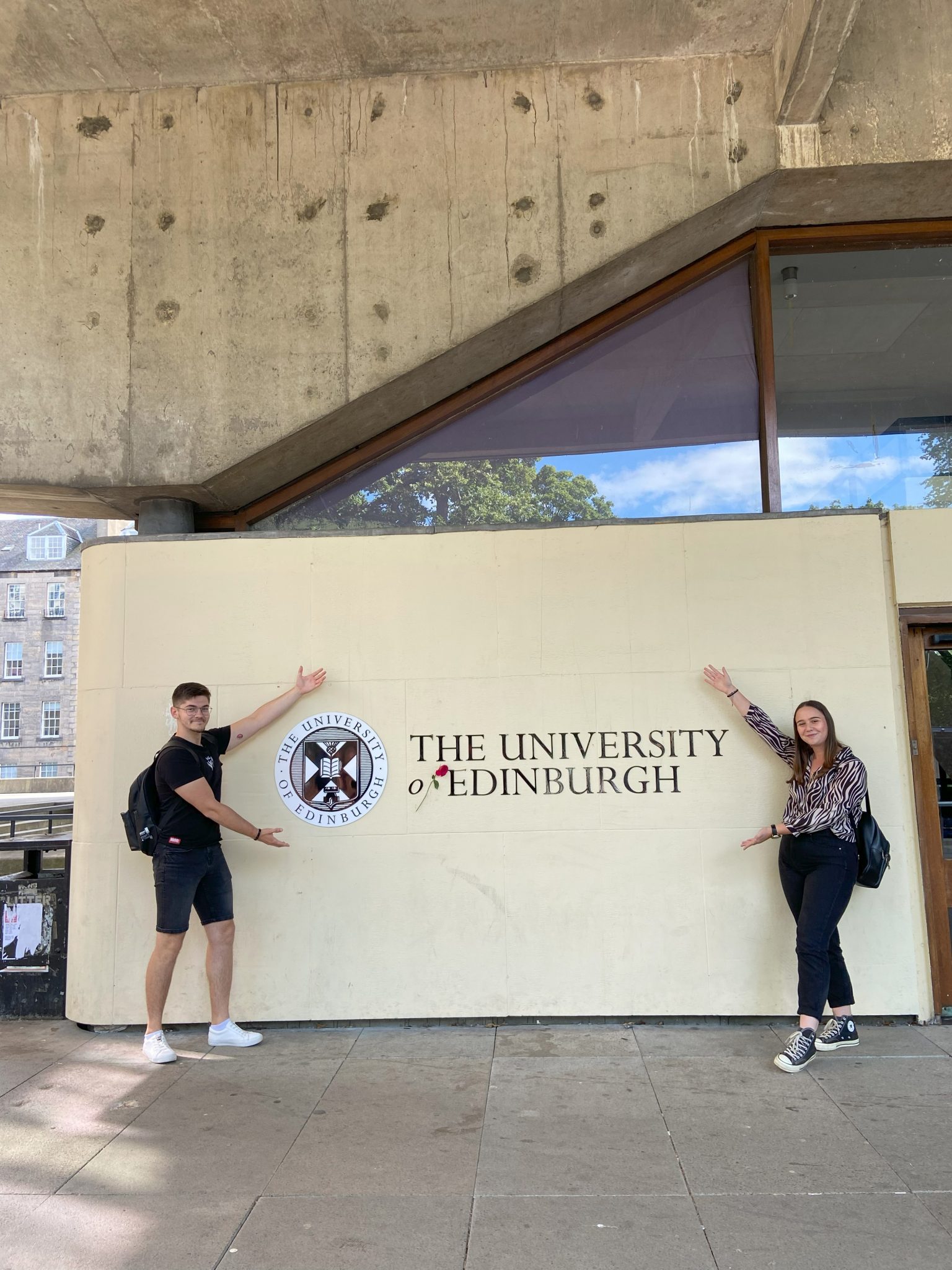
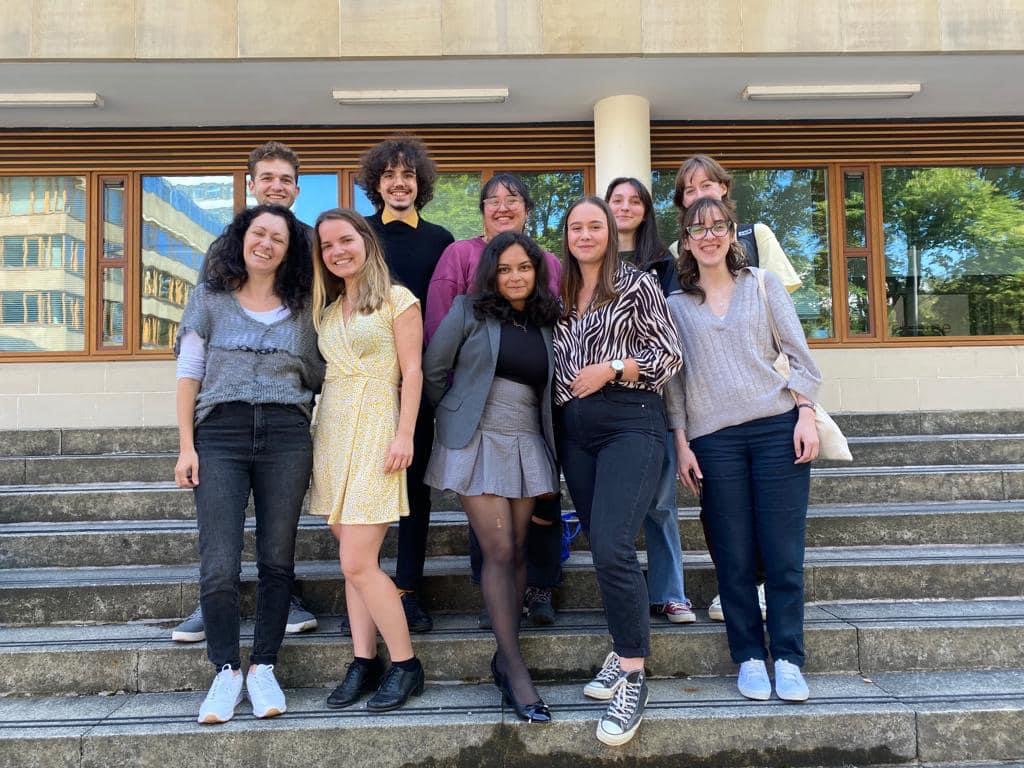
FFOS STUDENTS in Edinburgh
We Participated in a Summer School on Modernism in British and Irish Literature
Thanks to the support of the Faculty, in July we participated in a Summer School on Modernism in British and Irish Literature in Edinburgh, the capital of Scotland.
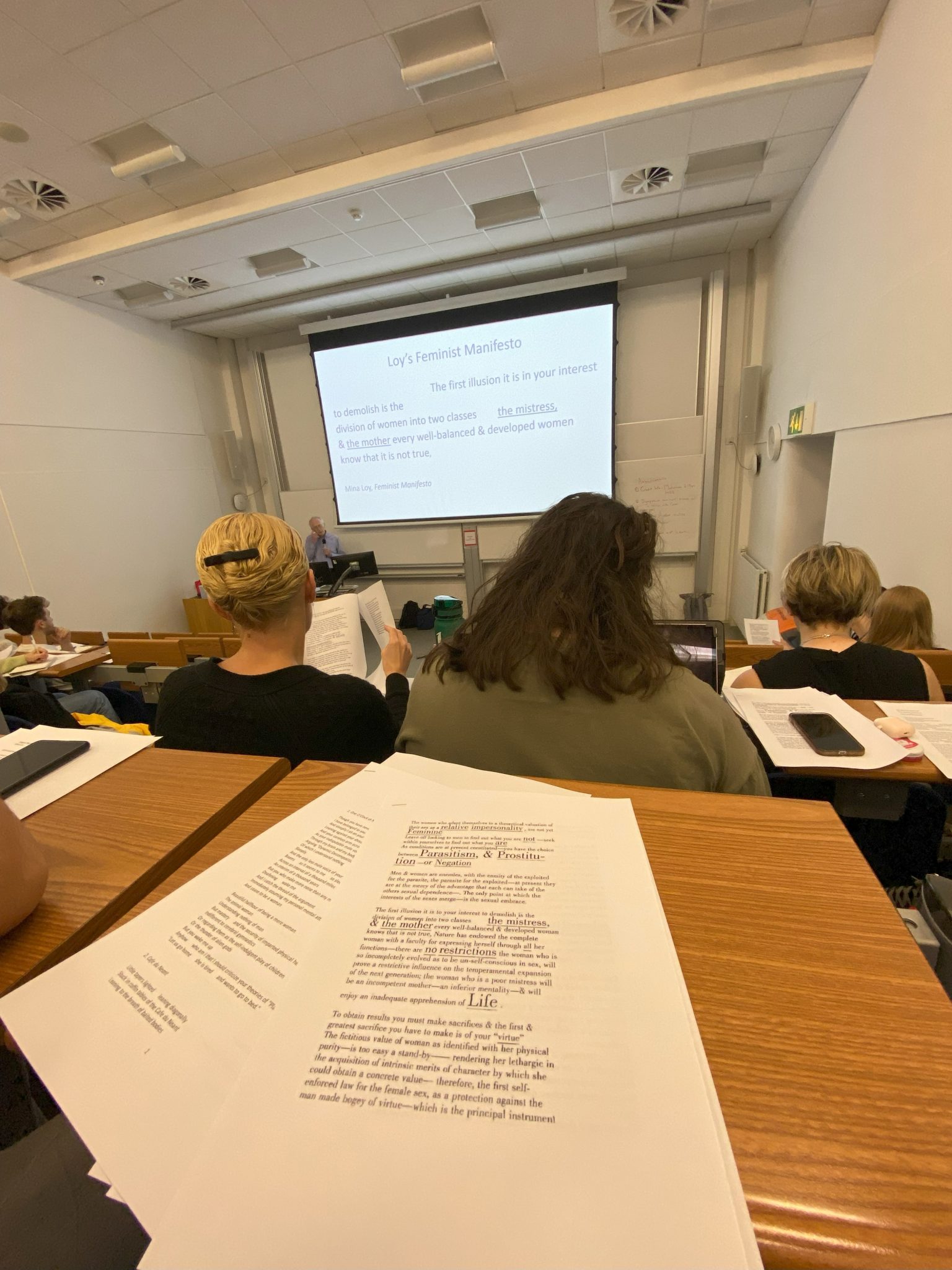
The Summer School was organised by an association of Scottish universities under the name SUISS: Text & Context from 10 to 21 July, giving the students an opportunity to become more closely acquainted with the Scottish capital, Scottish culture and numerous important and recognisable locations.
On the first day of the Summer School, participants moved into student accommodation, socialised together and met the other participants. Lectures began the very next day and were delivered by distinguished professors from numerous universities throughout the United Kingdom. The lectures were followed by seminar sessions in which participants, together with their colleagues and lecturer-mentors, had an opportunity to continue discussing the work and author covered that day.
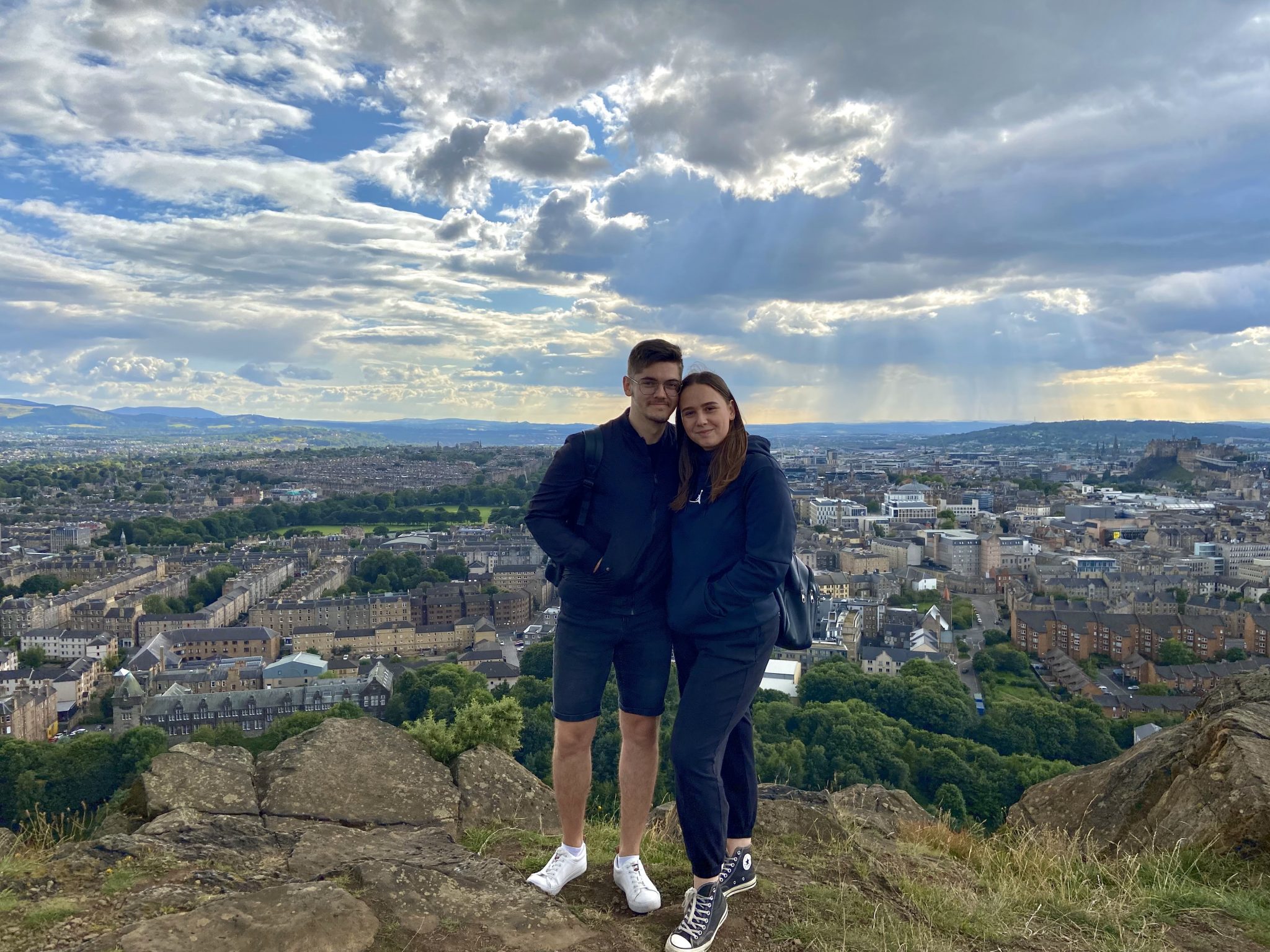
After the seminars and shared lunch, numerous activities were organised, beginning on the second day of our stay in Edinburgh with a climb to the peak known as Arthur’s Seat, which, like many other places of a similar name, is associated with the legend of King Arthur. The next activity we attended was a meeting with Scottish author Rachel Plummer. During the event, we had an opportunity to hear some of the author’s works, buy a book and have it signed. Visits were also organised to the modern Scottish Parliament, Mansfield Traquair, a church regarded as Scotland’s equivalent of the Sistine Chapel, and another meeting with an author, this time Susan Sellers. We also participated in organised tours of local and university libraries and bookshops.
We used our free time to explore and get to know the city and its surroundings. We visited the National Museum of Scotland and the National Gallery, the botanical garden, Hibernian Football Club stadium, the palace of the British royal family and numerous landmarks such as Calton Hill.
We also experienced unforgettable moments during the jazz festival and the Edinburgh Carnival, which featured performers from all over the world and showcased many cultures represented by communities living in Scotland.
Visits to castles were also indispensable, including Craigmillar Castle, one of the best-preserved castles in Scotland, and Edinburgh Castle. The visit to Edinburgh Castle, one of the best-known and most visited symbols of Edinburgh and Scotland, was organised on the final day of our stay in Edinburgh, rounding off our Scottish experience. We saw numerous glimpses of Scottish military history, the Crown Jewels and the Stone of Destiny used in the coronation of every British monarch. We said goodbye to Edinburgh by witnessing the firing of the cannon known as the One o’Clock Gun, which for a long time has traditionally reminded sailors every day at one o’clock that they should set their clocks.
The Summer School also proved to be an excellent opportunity not only to improve our knowledge of English through interaction with colleagues from different parts of the world, but also to deepen our knowledge of modernism in English-language literature. Furthermore, through numerous discussions and conversations about works, as well as the history and culture of the modernist period, we also engaged in interdisciplinarity, an extremely important concept with numerous applications in teaching. Finally, the Summer School gave us space for creativity and expressing our own opinions, while emphasising the need to prepare for lectures and, consequently, for conducting our own classes in our future profession.
Gloria Benčina, Karlo Čavlović
Field Trip for Students of Hungarian Language and Literature
On 8 and 9 June 2023, a field trip was held for first-year students of the graduate study programme in Hungarian Language in connection with the course Professional Translation taught by Assoc. Prof. Ana Lehocki-Samardžić, PhD. The trip to Budapest was designed as a supplement to classroom activities so that students could gain insight into what to expect from the translation profession, what translators’ work looks like in real-life circumstances, and how it is connected with the tasks carried out by communication professionals and language mediators in general. Since the learning outcomes of the graduate study programme in Hungarian Language can be divided into two thematic groups (translation and communication), the activities were selected so as to meet one of the translation competencies while also being linked to one of the learning outcomes of the study programme, thereby maximising the effectiveness of the field trip.
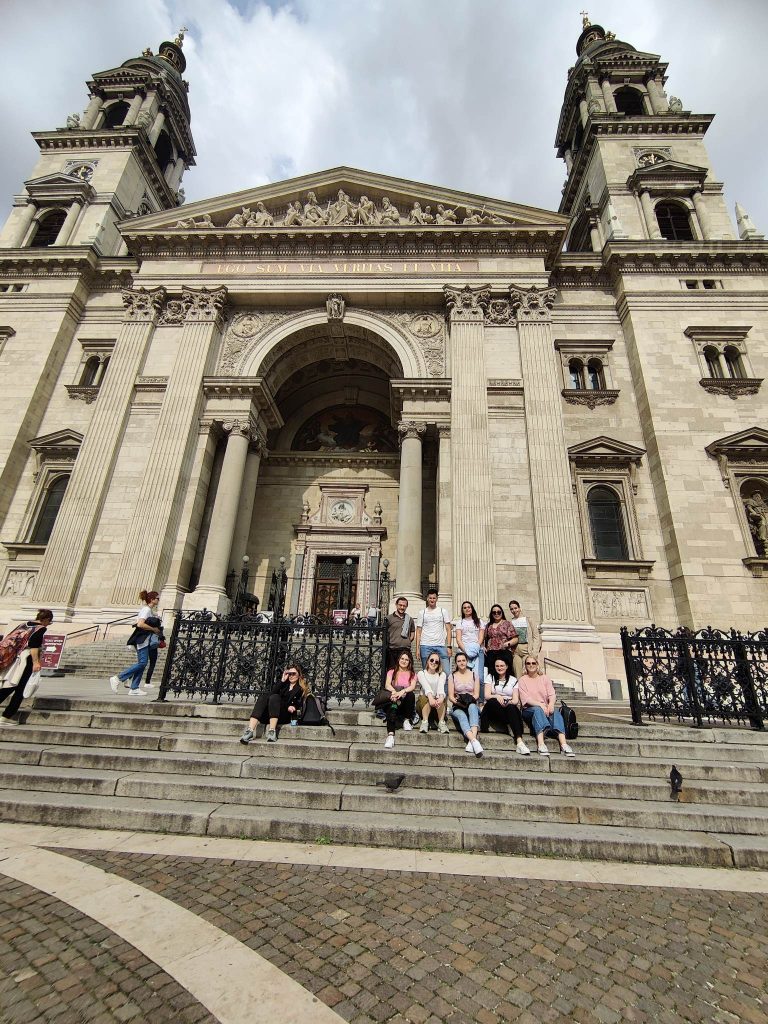
The first day of the field trip, the so-called communication day, included student training in the field of communication studies. Renata Forjan, an alumna of our Faculty who runs her own translation business as well as a service and tourism business, joined the activities and held a workshop introducing students to Budapest in such a way that they discovered interesting facts about the city themselves on the basis of tasks they had been given. Ms Forjan incorporated translation tasks into all of the activities. Although the weather was not favourable, we had an opportunity to see most of the planned landmarks.
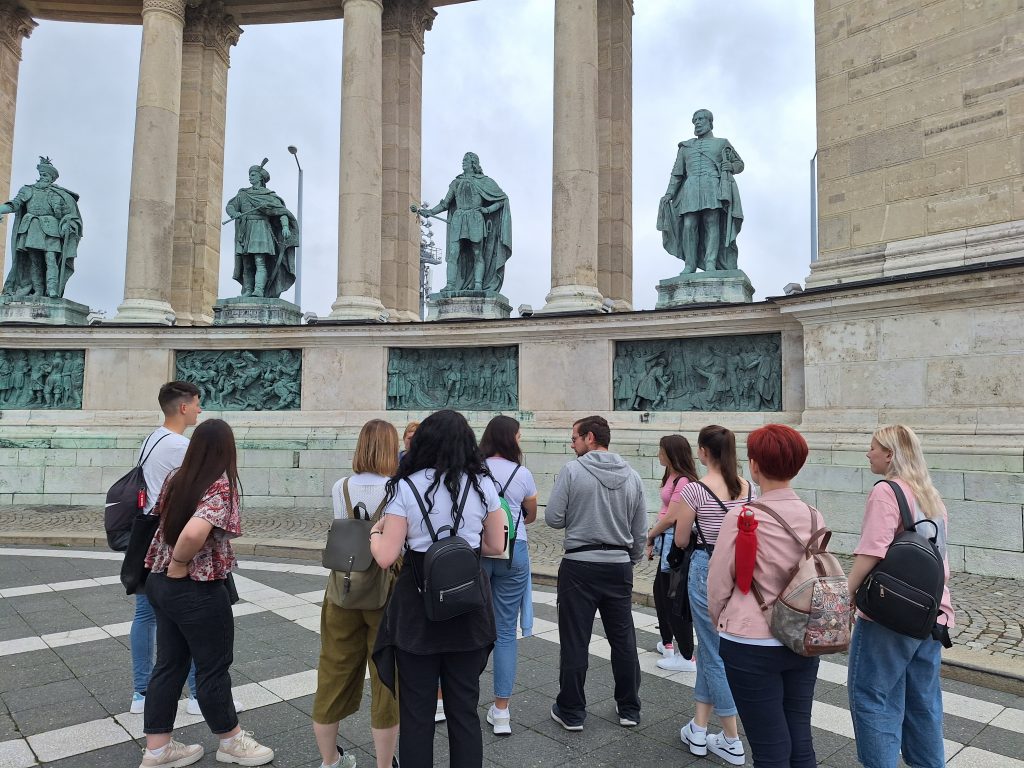
The programme on the first day also included a visit to the Museum of Ethnography, which was likewise connected with the communication and translation theme and brought students multiple benefits. Cultural competence is one of the competencies required of translators, and in addition to the Hungarian language students also learn about traditional and modern Hungarian culture, which is precisely why this museum was selected. There we viewed the exhibition ZOOM, whose central idea is a change of perspective in the work of ethnographic museums and museums in general. During the visit, the students completed tasks set by the curator and thus learned how to use objects once used in everyday life and gained a tangible insight into life in the past. We concluded the day by exploring the Art Nouveau part of the city and attending a workshop on the operation of translation companies and businesses in Croatia, led by Renata Forjan and Ana Lehocki-Samardžić.
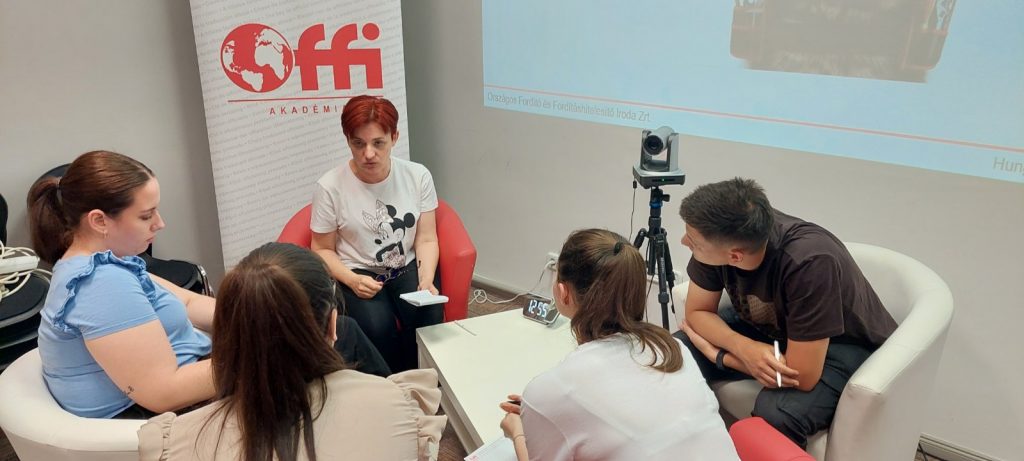
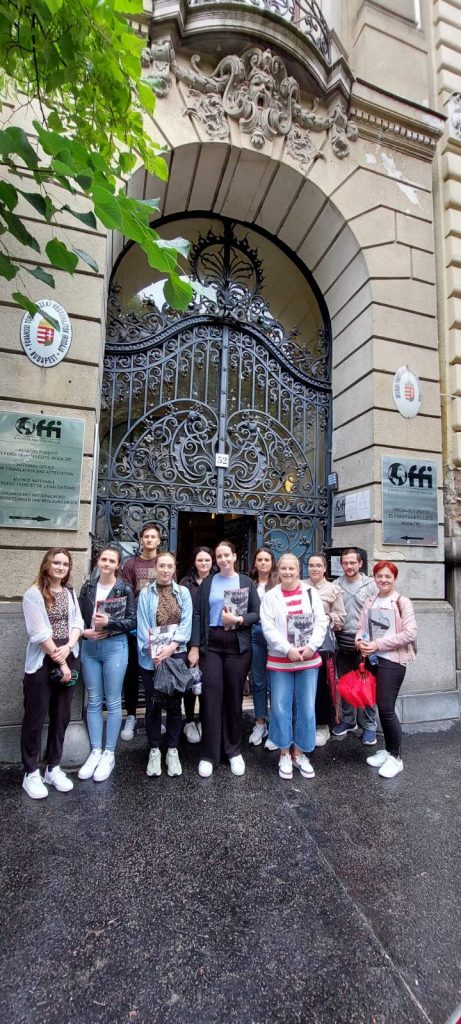
The second, so-called translation day, included a visit to the Hungarian Office for Translation and Attestation Ltd. (OFFI) in Budapest, where the heads of the company’s main departments welcomed us with a rich programme. Our Faculty has a cooperation agreement with the company and two internship places are available each year. Head of Proofreading Szilvia Szoták spoke about the beginnings of the Agency, which has operated continuously for 154 years, its mentoring and internship programme, and the results of its work to date. This was followed by lectures by Annamária Novakov (Head of the Quality Assurance Office) on the organisation and work of the company and Dóra Mária Tamás (Head of the Terminology Office) on the company’s terminology work and the creation of terminological databases that support translators both in traditional work and when using CAT tools. After a short quiz on what they had learned, during which the students won valuable prizes, Edina Polácska (Head of the CAT Tools Office) gave a lecture and workshop on the use of CAT tools. This particularly impressed the students because there is very little time during classes for translation using CAT tools. Young translators and beginners first learn to work using traditional methods so that they understand why greater emphasis is placed on certain problems in the translation process; therefore, the 15 weeks of Professional Translation classes are nowhere near sufficient to also become acquainted with CAT tools. After the CAT-tools session, the students participated in a WORDCAFÉ in which they received guidelines on what a good translator should be like, what a good interpreter should be like and what a good translation should be like. We concluded the workshop part of the visit with a translation exercise of a Certificate of No Criminal Record into Croatian as an example of a fixed-form document that we had not translated in class. At the end of the day, we visited the Customer Service Office of the Hungarian Office for Translation and Attestation Ltd. (OFFI), where the students saw in situ how a document is submitted for translation and processed before being sent to a translator, and received basic information from active translators about working at OFFI. As a joint-stock company, OFFI is also profit-oriented while at the same time complying with the rules governing state-owned companies, which is an exceptionally demanding task.
All materials produced during the two days of the field trip form a compulsory part of the portfolio required for earning ECTS credits in the course and submitted by students at the end of the semester, so these activities also contribute to the final assessment of their course work. A compulsory part of the portfolio is also a self-reflection on translation work, which will likewise include a reflection on the activities described and thus form part of the final assessment of the course work.
The group returned to Osijek on 9 June 2023 at 8 p.m.
Text: Ana Lehocki-Samardžić
Photographs: Szilvia Szoták, Ana Lehocki-Samardžić, Renata Forjan and Magdalena Bilić
In the Footsteps of Slavonian Glagolites
A field trip for first- and second-year undergraduate students of Croatian Language and Literature took place on 31 May 2023. The students visited Brodski Drenovac, Lovčić and Pleternica as part of the courses Old Church Slavonic 2, Slavic Scripts, History of the Croatian Literary Language and Language of Medieval Symbols. The field trip was led by Prof. Milica Lukić, PhD – who deserves particular credit for including the Slavonian area in textbook definitions of Croatian Glagolitism – and Asst. Prof. Vera Blažević Krezić, PhD. Through their great dedication and careful organisation, they enabled the students to encounter medieval Glagolitic graffiti from Slavonia and experience in a truly unique way everything they were about to witness – for example, the fact that many centuries ago someone’s hand felt the need, at a particular moment and in a particular place, to record its existence, making us aware even today of the spirit of the free creators – Glagolites – whose work left indelible traces in Croatian culture. The aim of the field trip was to expand knowledge and awareness that, alongside the promised Glagolitic land – the Istrian-Kvarner, Lika and (northern) Dalmatian regions – medieval Glagolitic script (as well as Western Cyrillic and our oldest Latin script) can indeed also be sought in the Slavonian homeland.
The first stop on the journey was the cemetery Church of St Demetrius in Brodski Drenovac, where the students were warmly welcomed by Friar Mirko Mišković and the young historian and archivist Mario Katić (Pleternica Public Institution), eagerly waiting to step together with us into the history and legacy of former Slavonian Glagolites. Through their impressive account, they introduced the students to the beginnings of the Church of St Demetrius, built in the 14th century; more precisely, its construction can be placed between 1350 and 1400. With its massive bell tower and tower with arrow slits, the church gives the impression of a fortress guarding the entrance to the Požega Valley, while the vestibule at the very entrance was built in the 19th century. Although its exterior reveals Gothic architectural elements and a somewhat austere strength, the church interior is of very delicate Gothic design, and the plant ornaments on its capitals and wall paintings – frescoes – depicting the Adoration of the Magi, the crucified Christ and, of course, St Demetrius, before whom the fathers of Slavic literacy – the Holy Brothers Constantine-Cyril and Methodius – bowed, immediately attract attention. Yet its greatest value and what makes it so special is precisely the Glagolitic script – the Slavic script characteristic of the Kvarner, Istrian, Lika and northern (central) Dalmatian regions. It was the Church of St Demetrius that disproved prevailing assumptions according to which Glagolitic script was almost non-existent in pre-Ottoman (and to a large extent post-Ottoman) Slavonia, because it preserves as its treasure as many as nine medieval Glagolitic graffiti (created between the 12th and 14th centuries), alongside traces of Latin and Western Cyrillic literacy and numerous pictorial graffiti reminiscent of stećak motifs (birds, crosses, hands, human and other animal figures). At the very entrance, as part of a larger pictorial whole, the attentive eye notices a motif of a human hand, also known from Croatian Glagolitic liturgical codices, such as Blaž Baromić’s Mavro Breviary (1460), which we had an opportunity to learn about thanks to last year’s field trip Along the Paths of Zagreb Glagolitic Script. Nearby, we see an interesting epigraph signed by its author, which reads: U DRÊNOVÊCE TO E PISALЬ BR(A)T RÊČIĆ/Ь/. The name of the village is written with two yat characters, followed by the sentence THIS WAS WRITTEN BY BROTHER REČIĆ (or RIČIĆ). On the front left wall of the church nave is a fresco on which the words This was written by one man (/S/e pisa ed(a)nь člov/ê/k) were later inscribed, indicating that a pilgrim or monk wished to leave a trace without attributing greatness to himself, referring to himself merely as an unknown man. Among the church furnishings is a medieval sedilia containing graffiti and various carved and painted motifs – a cross motif and the Slavic name Dragovit, or Drago. The graffiti are written in an almost fully developed angular Glagolitic script in four lines, with elaborate ligatures, and can be read as: DRAGO, VIOT’, ÊŠR, TORO. After touring the interior and absorbing the free creative spirit of the Glagolites, the students also viewed the exterior of the church, while the professors enriched the Slavonian Glagolitic story with lectures from the perspective of philological experts. Immersed in the value of what they had seen, in someone’s careful strokes and traces recorded for eternity, the students set off for the second stop on their journey.
The second stop was the sister medieval Church of St Martin in Lovčić, situated in the heart of the local cemetery. Part of the road leading to it was so steep that we were almost fooled into thinking that this field trip was actually a mountaineering lesson. Its most numerous inhabitants are stink bugs, locally called smrdljivi martini, which – we believe – is no coincidence. At its foot lies the disappearing Slavonian village of Lovčić, which has only around thirty inhabitants. Built between the 11th and 13th centuries, the little church ranks among the oldest examples of Romanesque sacral architecture in this part of continental Croatia. Passing through the Romanesque portal in the western church wall, we entered its unfortunately neglected interior, learning that the church lost some of its Romanesque charm during the 18th-century Baroque renovation and again in the 20th century when it was damaged by an earthquake in 1964. The walls of this single-nave church with a semicircular vaulted sanctuary are decorated with Early Gothic frescoes, including a depiction of the twelve apostles and the titular saint – St Martin on horseback. As a precious jewel, it preserves two, or in fact as many as three, Glagolitic graffiti, which the students were able to view with the same guides and even feel beneath their fingers. These Glagolitic graffiti, which testify to the development of formal Glagolitic script from its preceding formative phase, are distributed along the wall bearing Martin’s fresco image, while the church also contains traces of Western Cyrillic (Bosančica) and Gothic script. The most striking is a Glagolitic graffito consisting of eleven unusually shaped and arranged letters. According to Milan Paun, the best-known researcher of the phenomena under observation, the size and stylisation of the letters indicate that they were not created accidentally and that they record the name of St Martin because the key consonants of his name can be distinguished. The second graffito can be dated to the 13th century and is a typical example of angular Glagolitic script. It is 27 centimetres long and 5 centimetres high, filling two lines. Only eight letters are preserved in the first line, while only two and the beginning of another survive in the second. The third graffito is the smallest, but its distinctiveness lies in the fact that three lines of letters are executed in typical (hanging) angular Glagolitic, while some can be interpreted as survivals or traces of rounded Glagolitic (for example the letter r). The third Lovčić graffito also records the consonants of the titular saint’s name: BRT …MRT as BR(a)T M(a)RT(in). Seeing the material first-hand showed the students that although these traces may come from different periods, letter styles and hands, the movements behind them nevertheless shared the same goal – to leave a trace and ensure the permanence of their hand-drawn letters, signs and symbols communicating both ordinary everyday matters and elevated spiritual themes of their time.
The third and final stop on our journey was the Bećarac Museum Interpretation Centre in Pleternica. A field trip focused on local cultural heritage could fittingly begin with one of our intangible cultural assets – Glagolitic script – and end with another – the bećarac. The Museum is located on Bećarac Square, where modern architecture and heritage blend with local geographical features. Visitors are educated and entertained there, enjoying a wealth of interactive content designed with a single goal – the popularisation and museumisation of the rhymed decasyllabic song that used to make Reljković’s hair stand on end, bearing witness to the richness of the old Slavonian word, Šokac culture and, at times, lack of culture.
Enriched with new knowledge – or for some simply having refreshed what they already knew – the students set off for Osijek in the late afternoon. The stops on their journey may have come to an end, but their path towards further enriching their minds, expanding their existing knowledge and creating indelible memories will continue in the academic years ahead. In any case, under the guidance of professors wholly devoted in spirit and being to transmitting knowledge and love for the Slavic literary-linguistic and cultural heritage, every future journey will be richer, as our footsteps continue to follow the traces of ancestral creativity, whether our ancestors were Glagolites or not!
Ivona Martić, second-year student
of the single-major undergraduate study programme in Croatian Language and Literature
-

- Brodski Drenovac (crkva sv. Dimitrija)
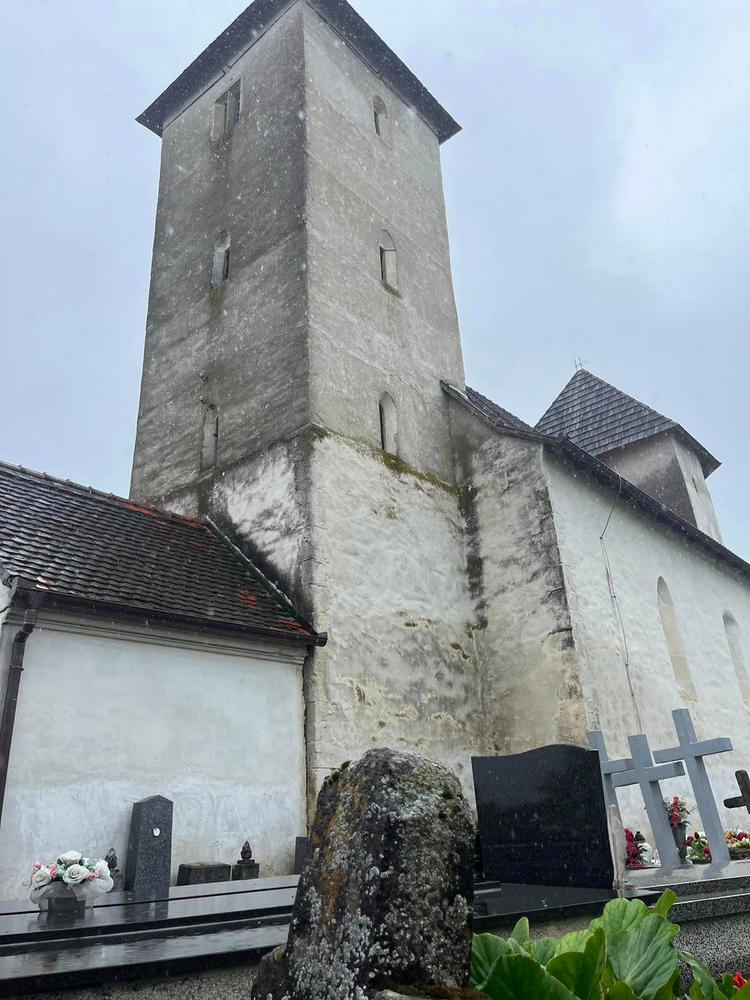
-
- Brodski Drenovac (crkva sv. Dimitrija)
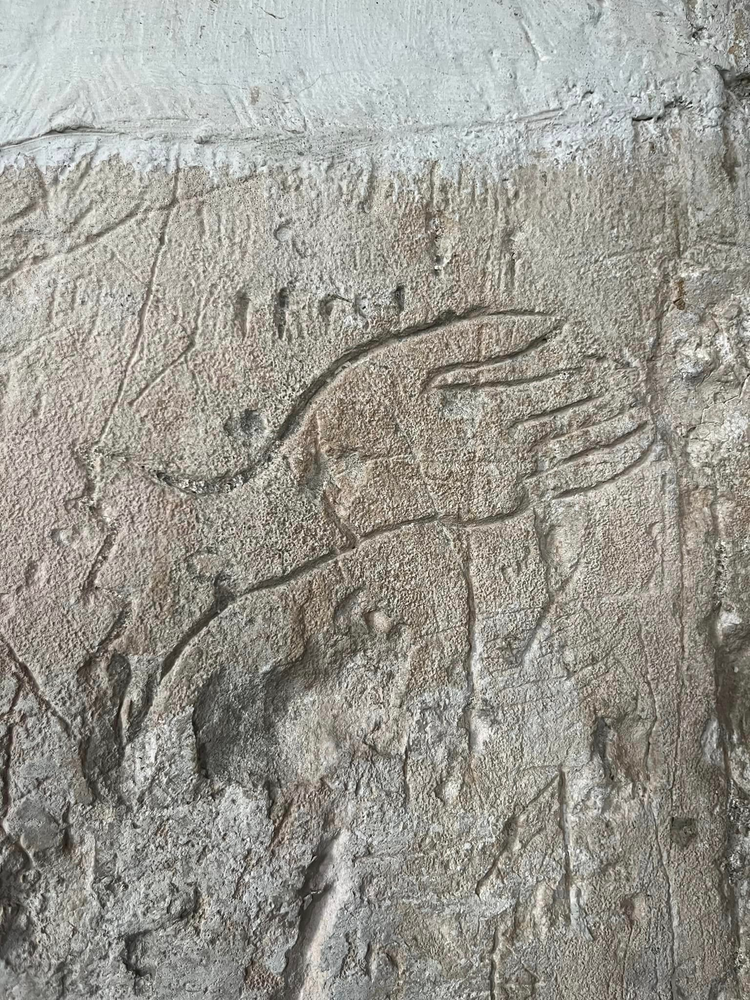
-

- Brodski Drenovac (crkva sv. Dimitrija)
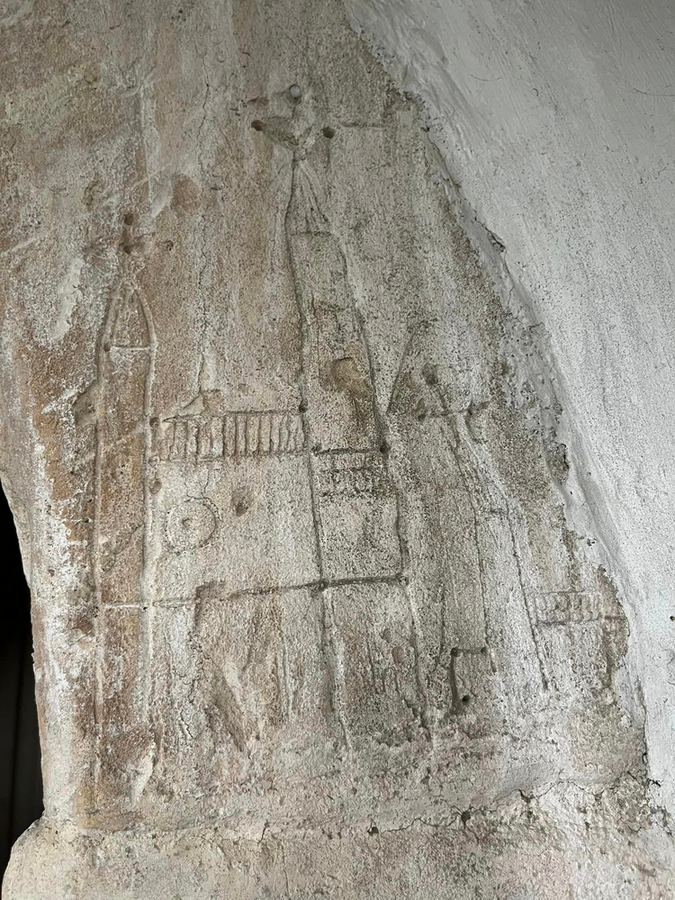
-
- U DRÊNOV ǀ ÊCE ǀ TO E PISALЬ ǀ BR(A) ǀ T RÊČIĆ/Ь/
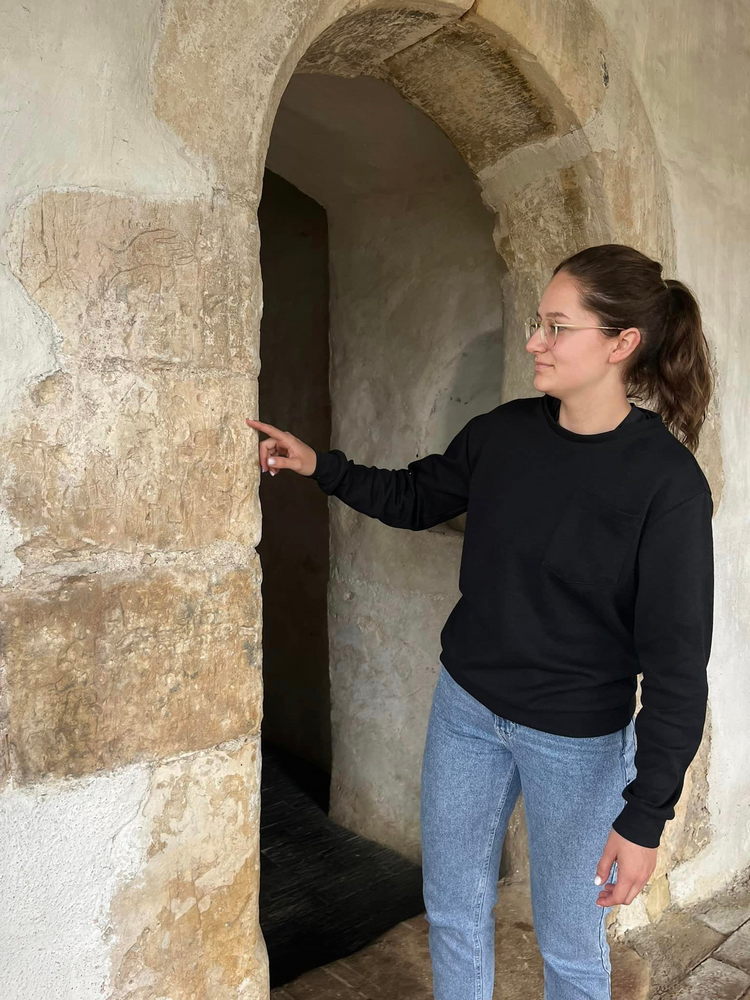
-
- Brodski Drenovac (crkva sv. Dimitrija)
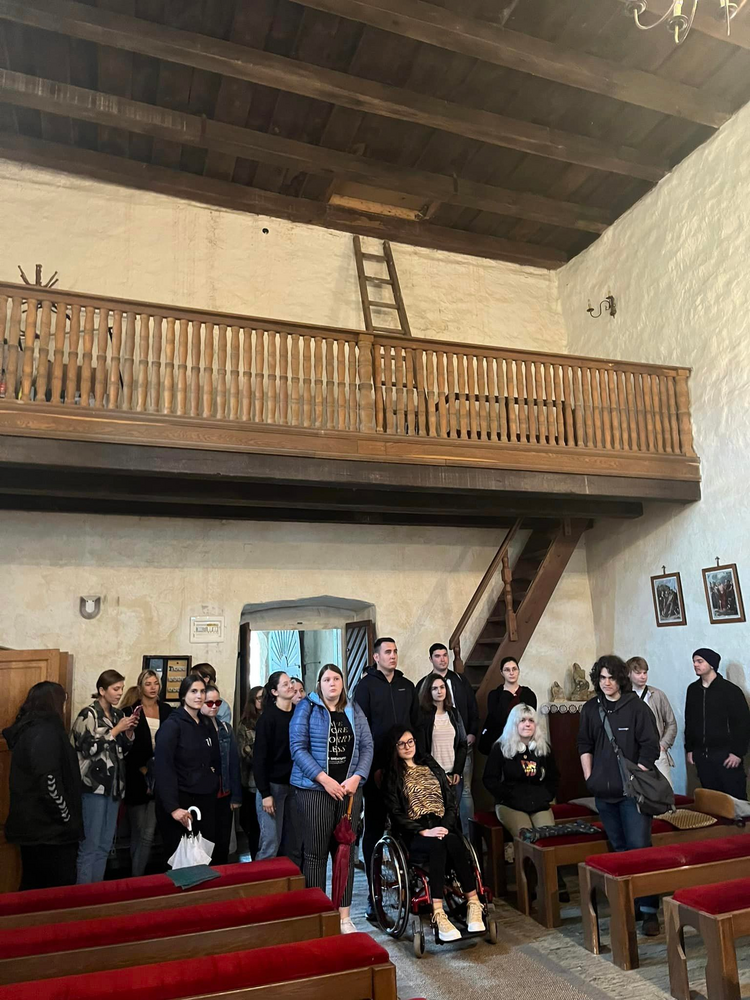
-
- Brodski Drenovac (crkva sv. Dimitrija)
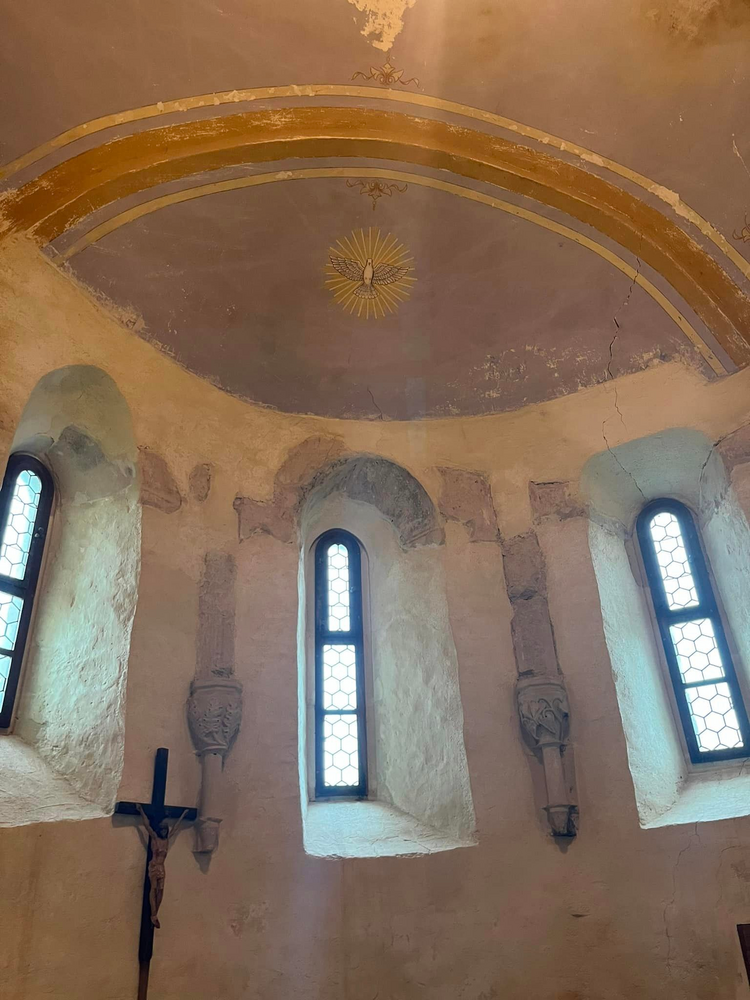
-
- DRAGO, VIOT’, ÊŠR, TORO
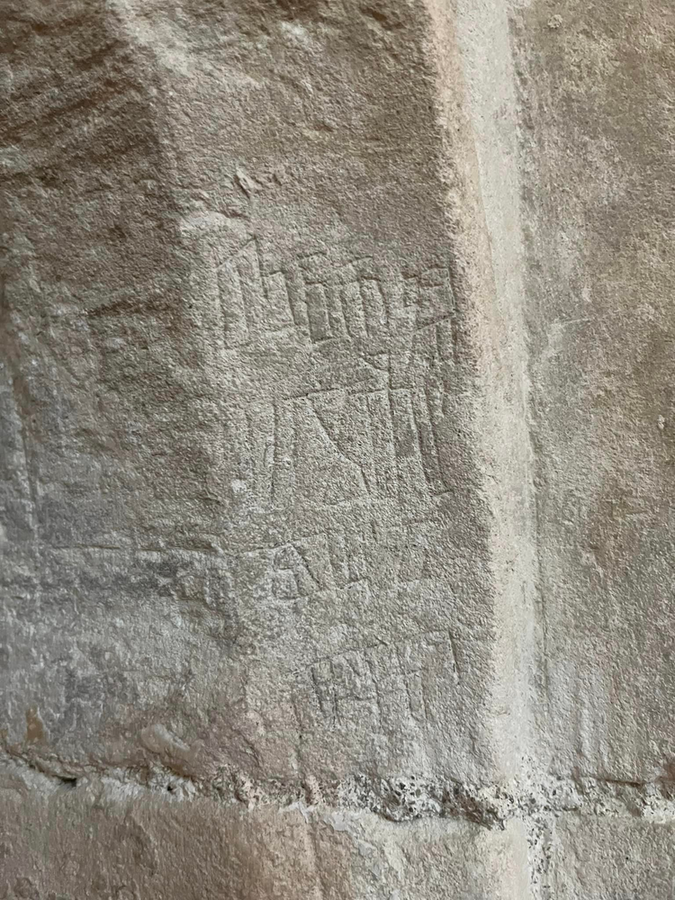
-

- /S/e pisa ed(a)nь člov/ê/k
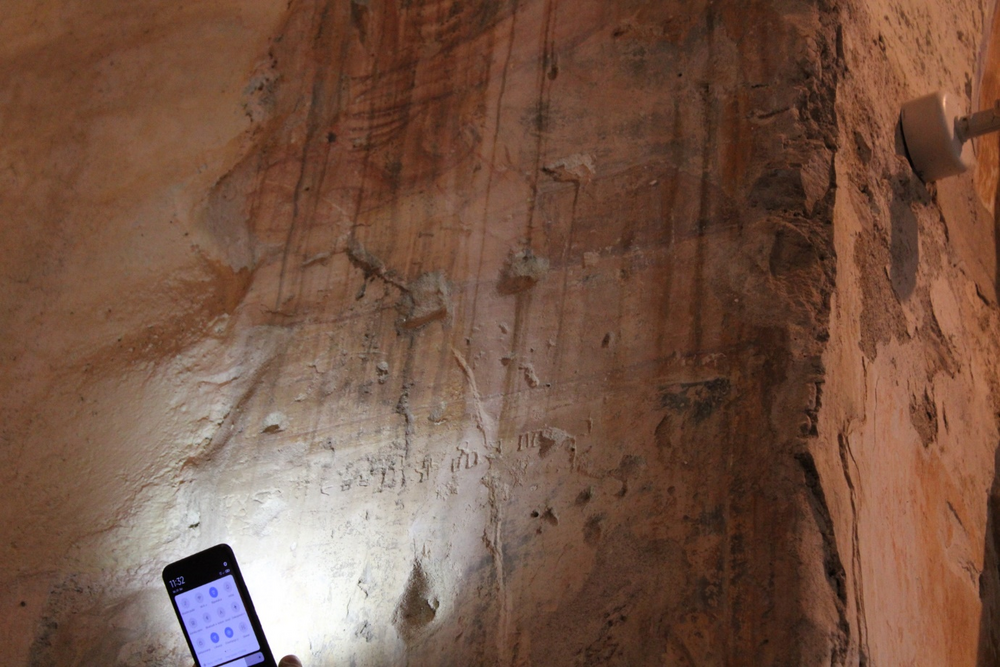
-
- Brodski Drenovac (crkva sv. Dimitrija)
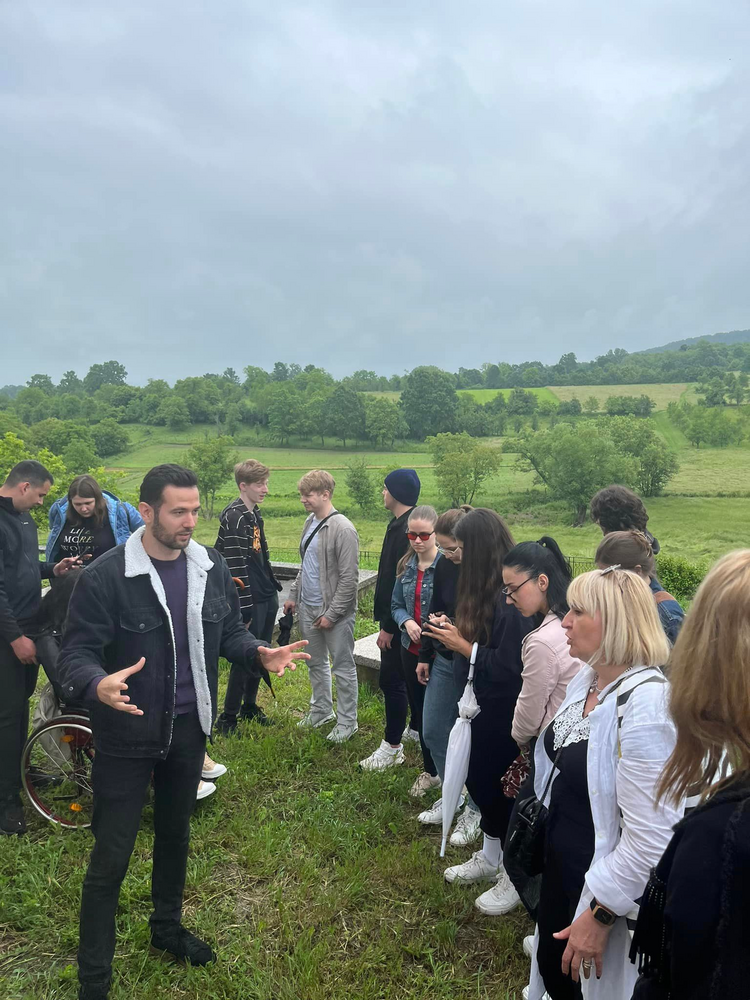
-

- Brodski Drenovac (crkva sv. Dimitrija)
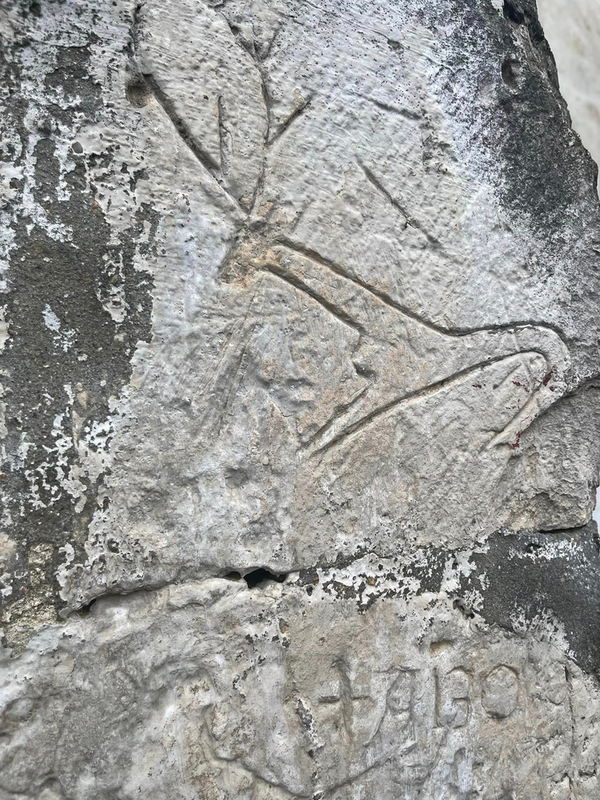
-
- Lovčić (crkva sv. Martina)
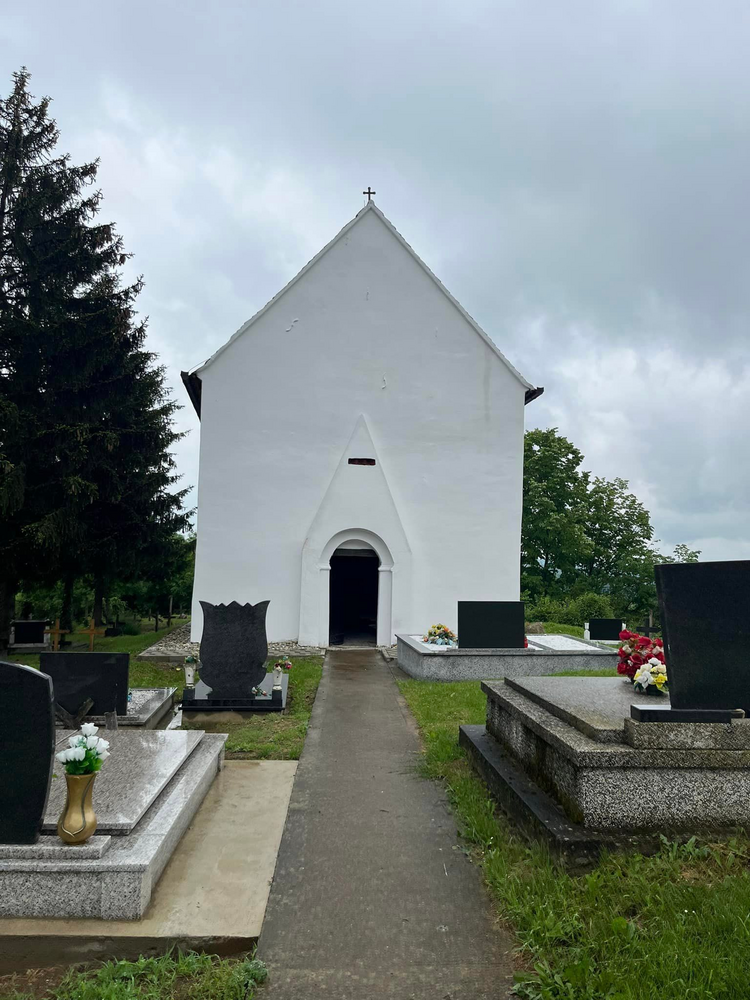
-
- Lovčić (crkva sv. Martina)
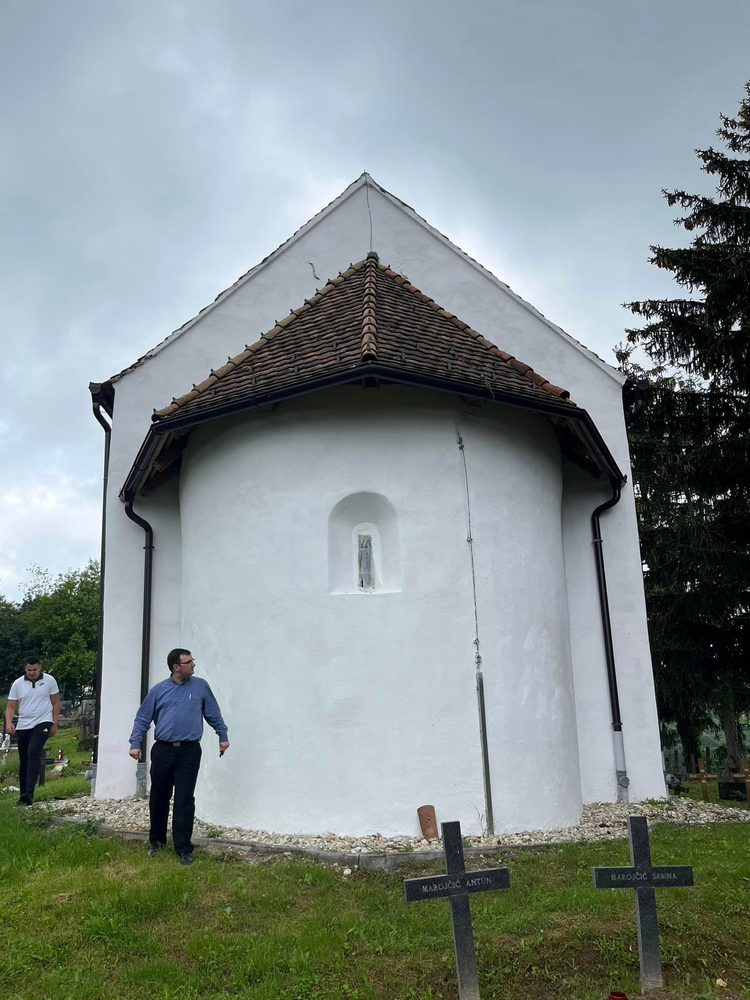
-
- Lovčić (crkva sv. Martina)
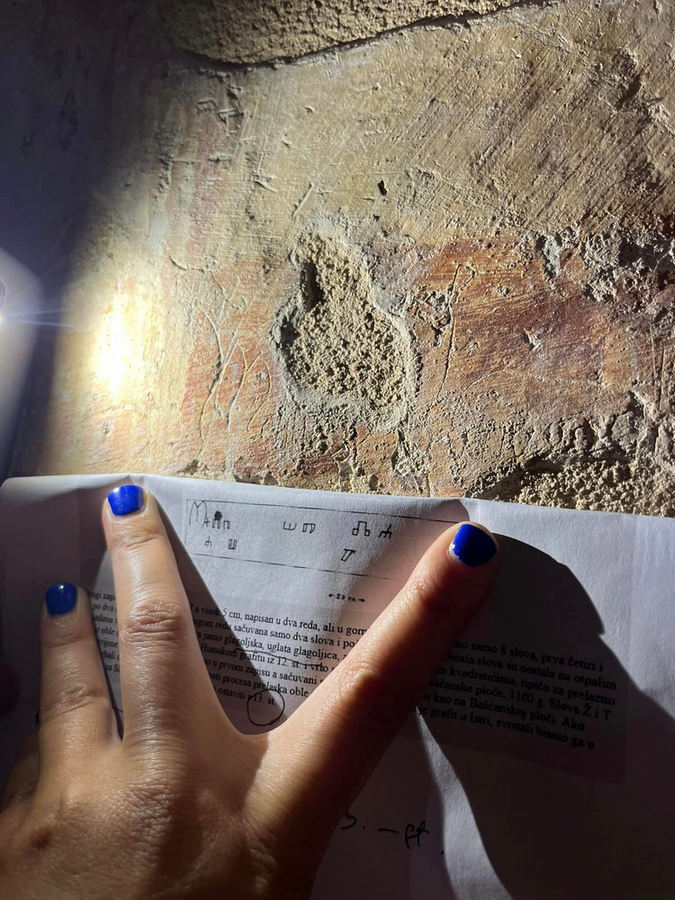
-

- Lovčić (crkva sv. Martina)
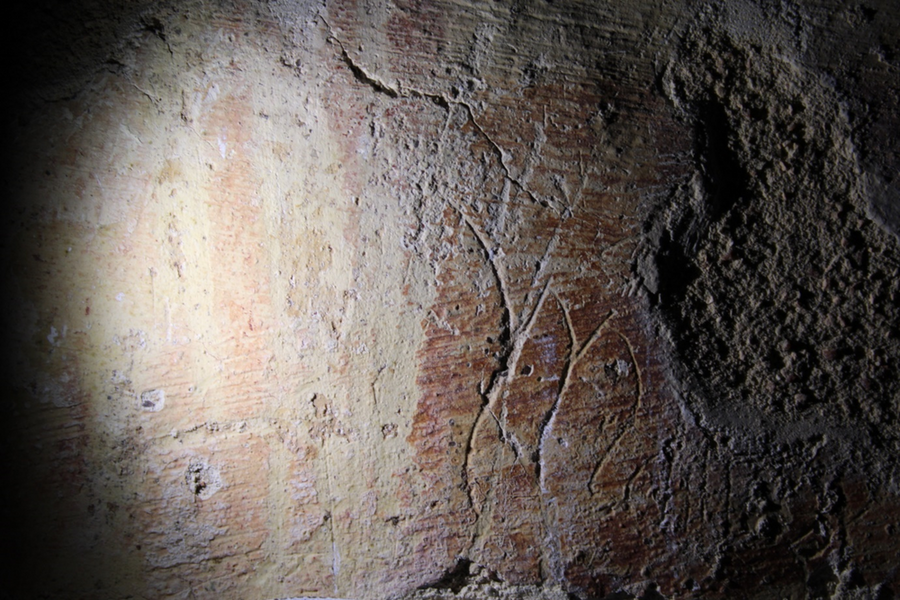
-
- Br(a)T M(a)RT(in)
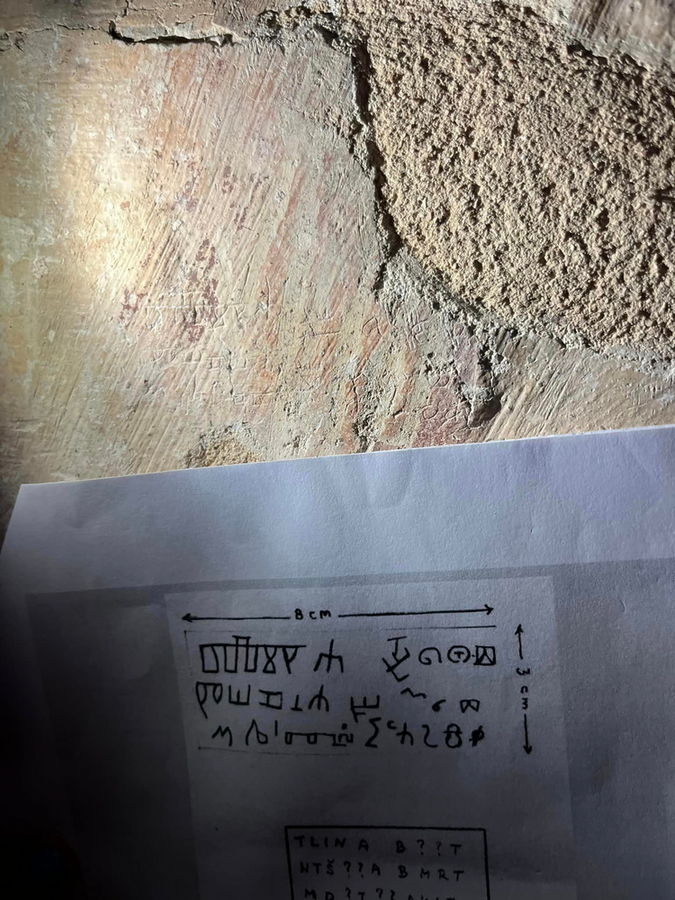
-
- Lovčić (crkva sv. Martina)
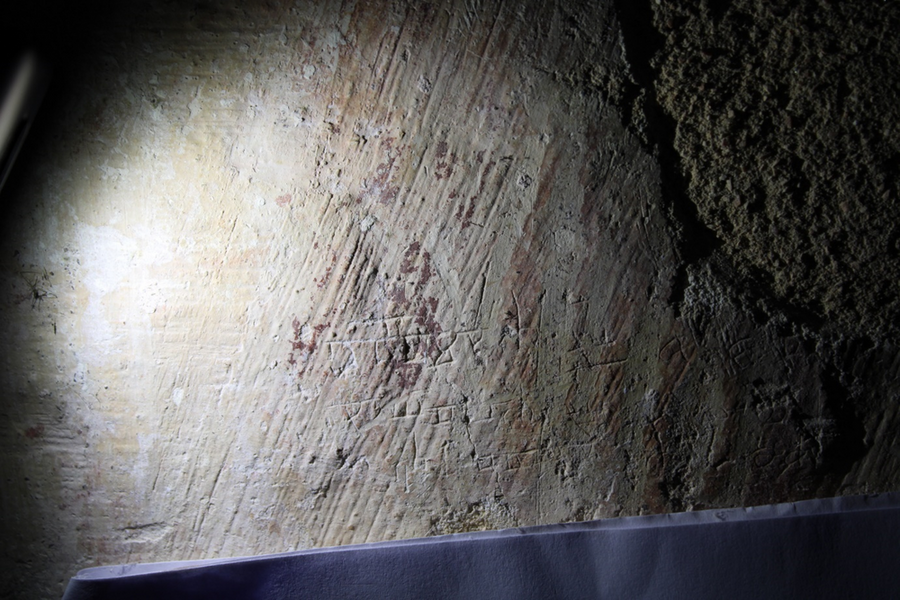
-
- Pleternica (Muzej bećarca)
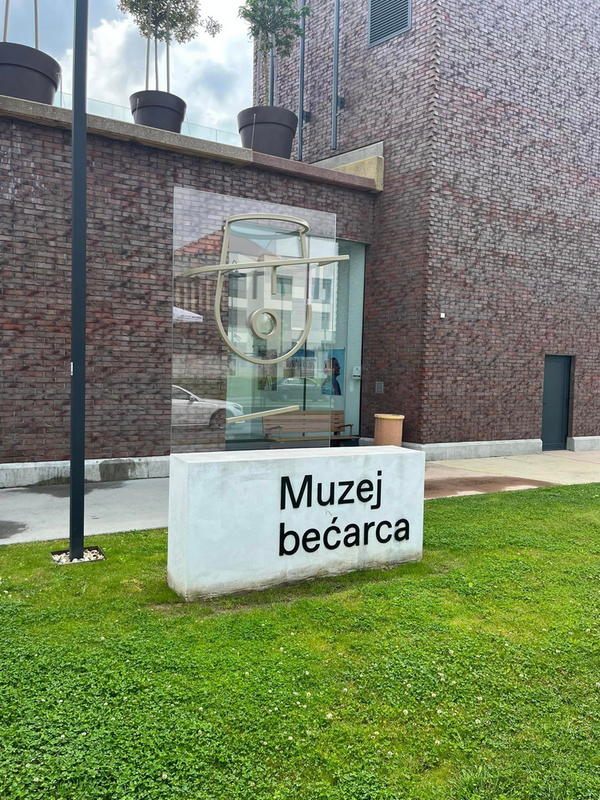
-

- Pleternica (Muzej bećarca)
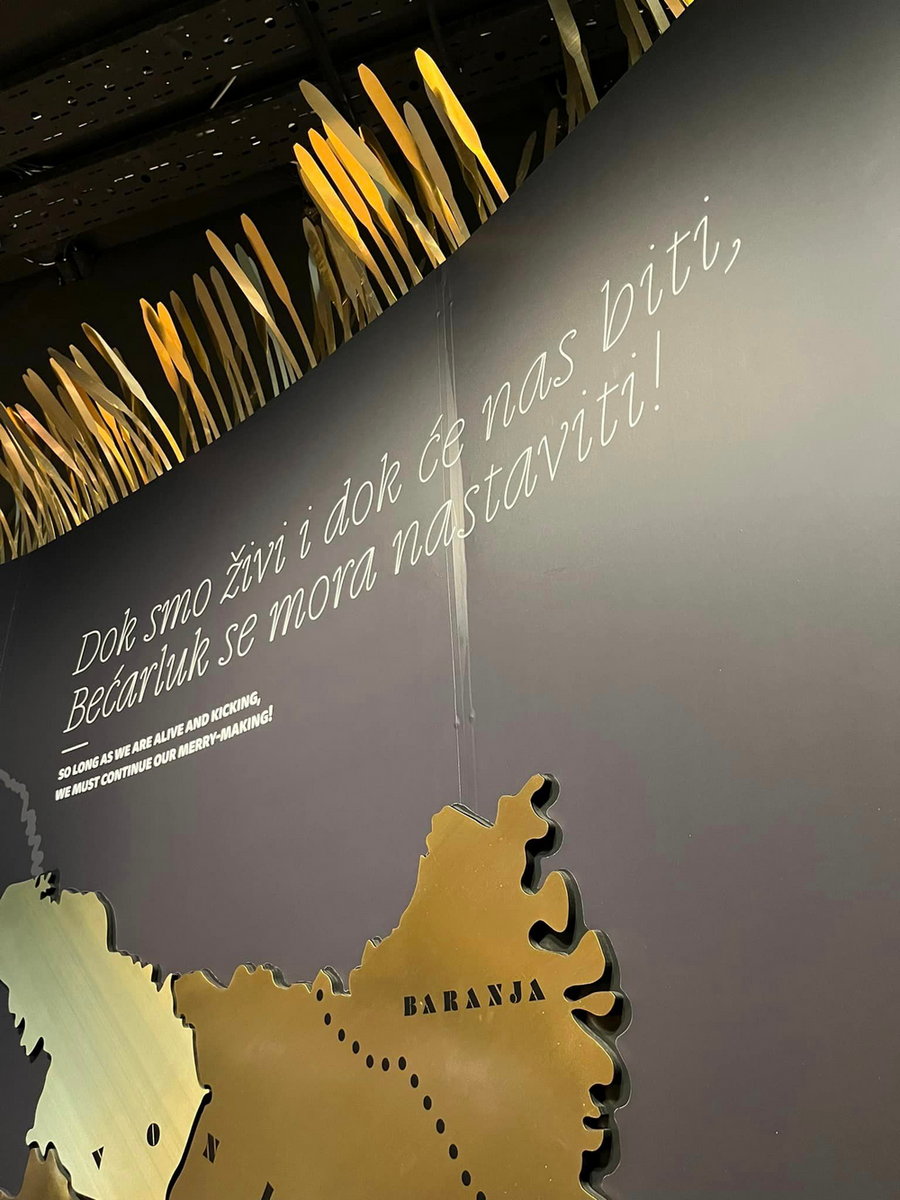
-
- Pleternica (Muzej bećarca)
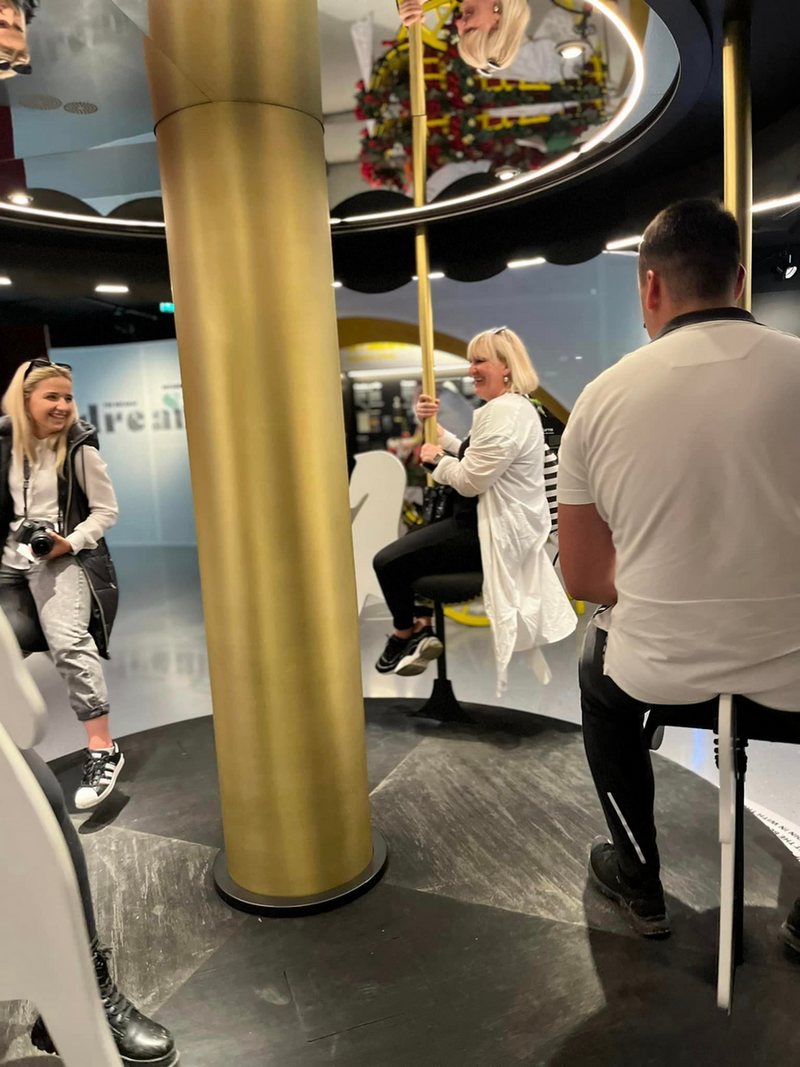
-
- Pleternica (Muzej bećarca)
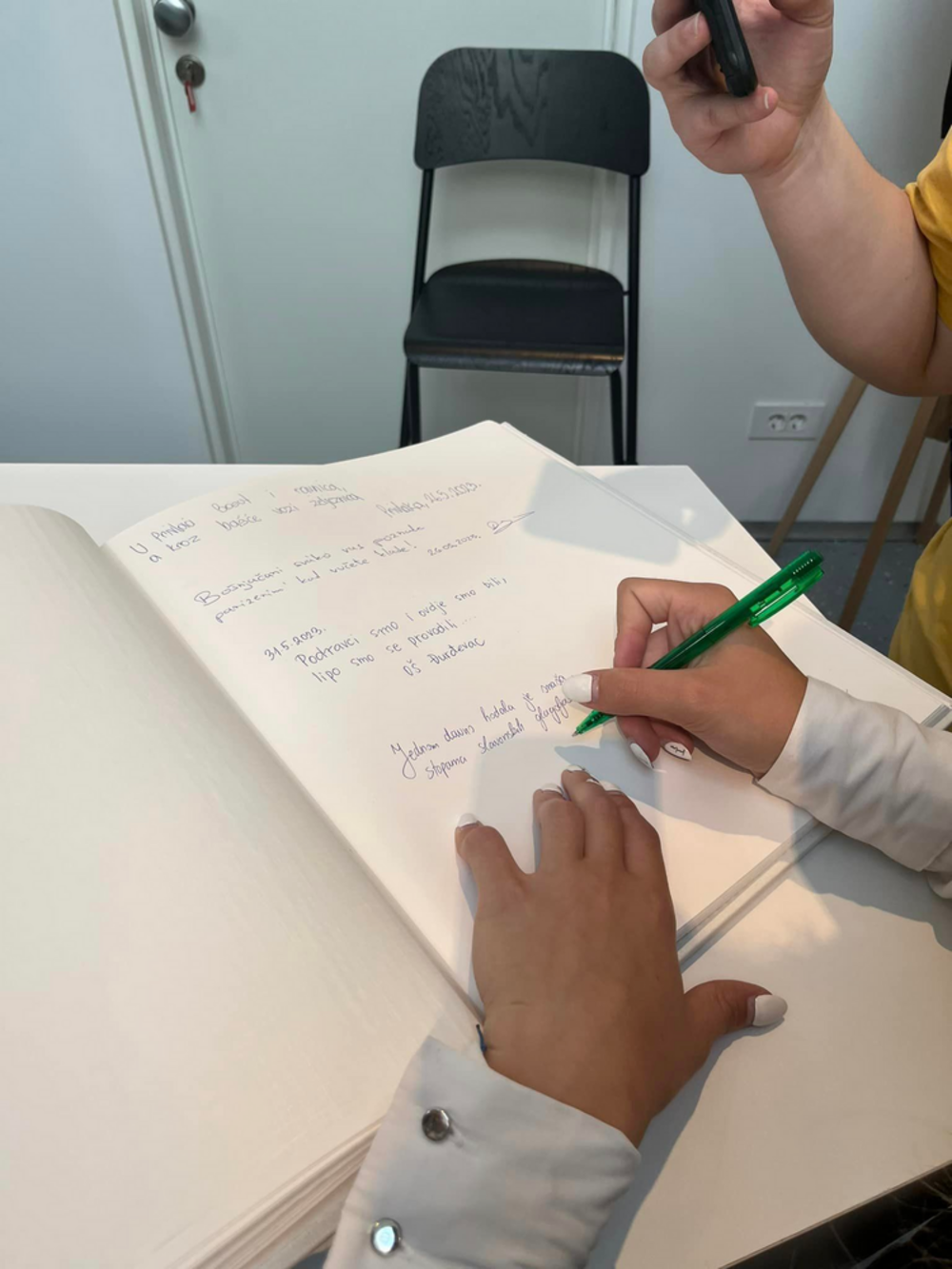
-
- 4. Zajednička spomenička fotografija!
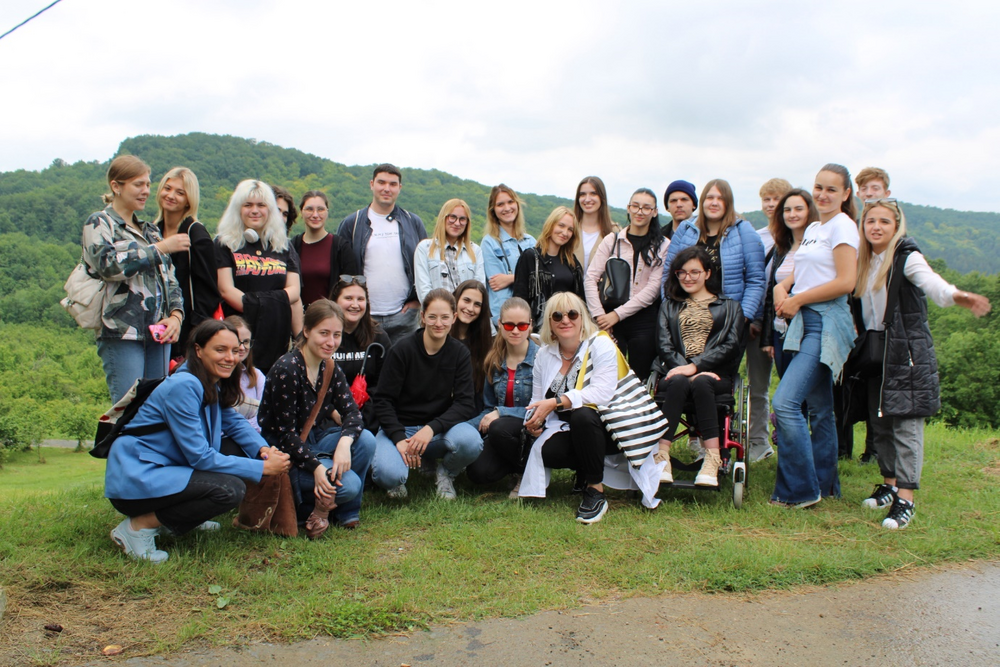
Field Trip for Art History Students
On 27 May 2023, I held a field trip in Zagreb, attended by five of the nine third-year Art History students, two of the six second-year Art History students, and one second-year Erasmus student. The day before the trip, one student apologised because she was unable to travel for personal reasons.
The institutions in which the field trip activities took place were the Klovićevi dvori Gallery and the Museum of Contemporary Art. The following activities were carried out: a tour of the permanent exhibition of the Museum of Contemporary Art presented through the exhibitions Triggers and Futures, as well as the exhibition Visible. At the Klovićevi dvori Gallery, we viewed the exhibitions: Oton Iveković Retrospective; Vis-à-Vis 200 – Archaeological Heritage of the Island of Vis; Medulićeva Studios – Memory of Oblivion.
The aim of the field trip was to introduce students to museum institutions – specialised art museums – by visiting current exhibitions for the purpose of exhibition analysis and research for seminar papers. The following expected outcomes of the field trip were achieved: familiarising students with the work of one of the most important specialised art museum institutions at the national level (the Museum of Contemporary Art), as well as with part of the museum’s holdings presented in two exhibitions; familiarising students with the styles, movements, artists and works of visual art of the 20th and 21st centuries; recognising and identifying 20th-century art styles and examples of modern and postmodern art. By visiting the exhibitions, students gained insight into recent exhibition activities of top-level museum institutions and became familiar with different forms of museum communication, as well as with museological aspects of the interpretation of museum objects.
Daniel Zec
Information Sciences Students Visit the Museum of Personal Stories
As part of the course “Introduction to Museology”, on 22 May 2023 first-year undergraduate Information Sciences students visited the exhibitions “Roma Stories” and “Jewish Stories” at the Museum of Personal Stories. The aim of this museum, which preserves the life stories of minorities in the city of Osijek, is to combat stereotypes and prejudices towards others and those who are different in our surroundings and to encourage understanding and empathy within the wider community towards minority groups. The students became acquainted with an innovative approach – personal narrative – which this museum uses in an original way to present minority groups and develop empathy.
Sanjica Faletar
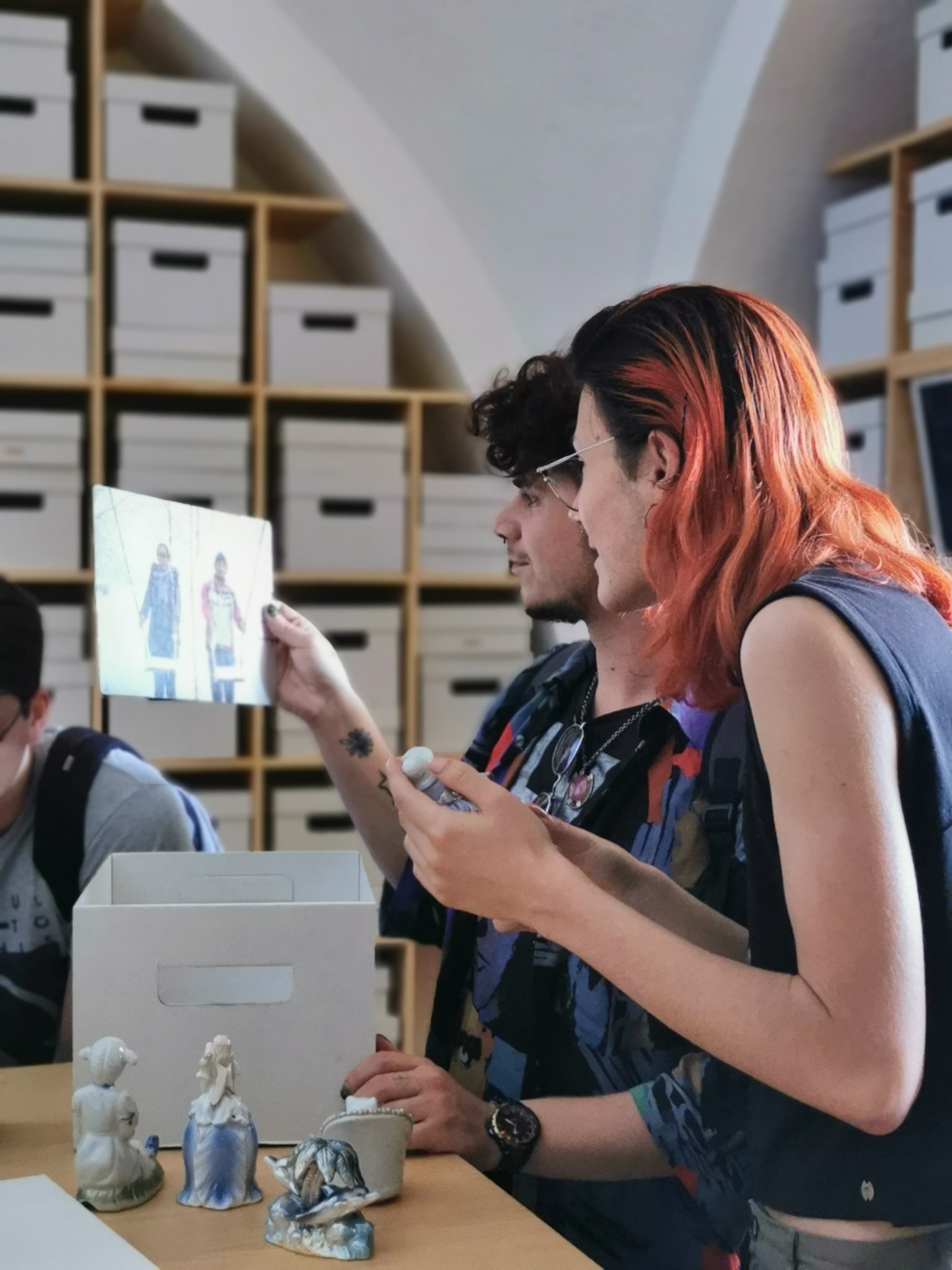
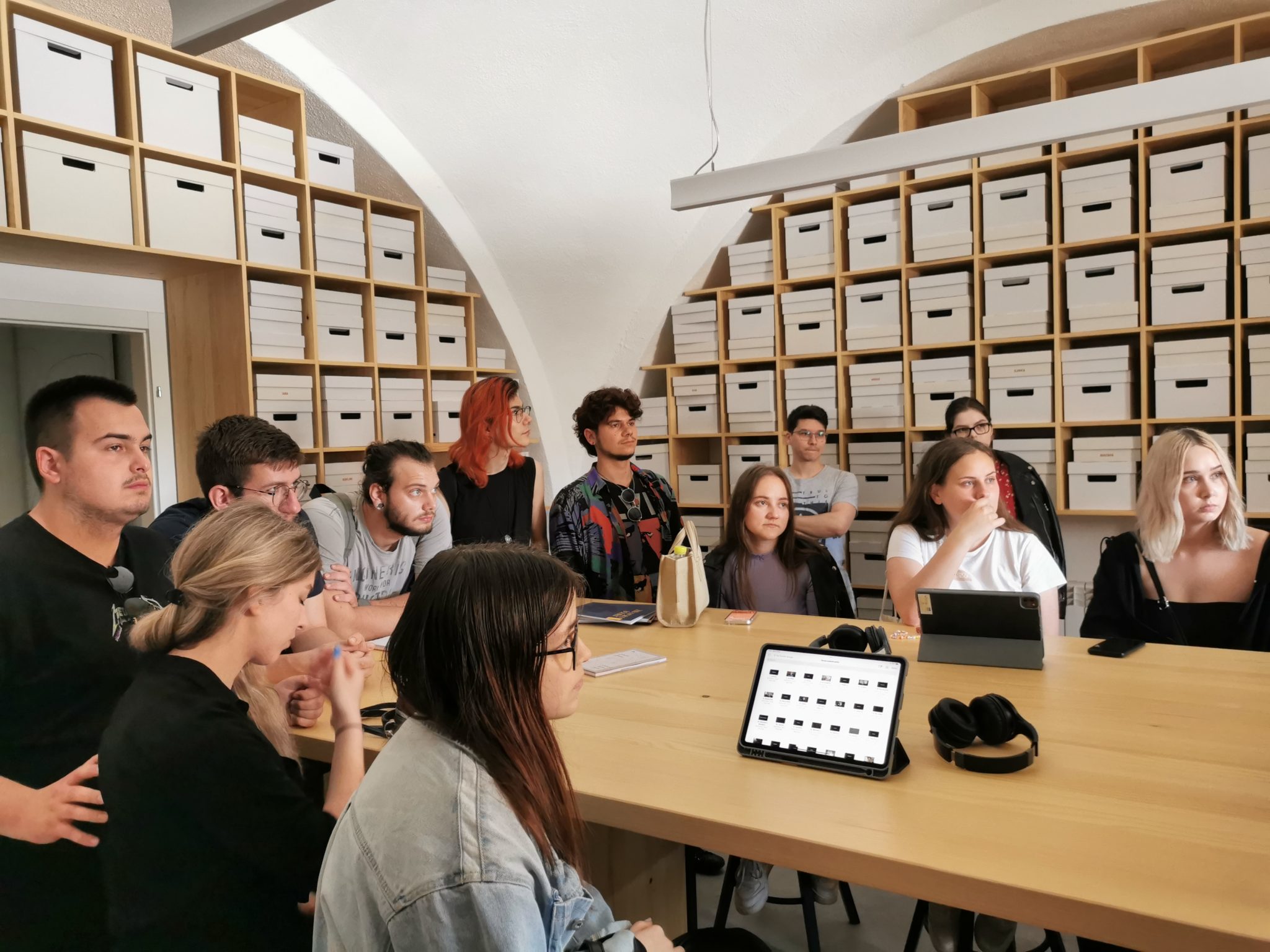
Information Sciences Students Visit the Archaeological Museum Osijek
On 8 May 2023, first-year undergraduate Information Sciences students visited the Archaeological Museum Osijek as part of the course “Introduction to Museology”. Senior curator Dragana Rajković, PhD, and Antonio Lovrinčević, MA in Archaeology, guided the students through the museum exhibition and gave a lecture on archaeological research, museum documentation and the scholarly processing of museum materials. The students also became acquainted with museum software (M++, S++) used for processing museum materials and documentation.
Sanjica Faletar
Field Trip to Zagreb
On 20 and 21 April 2023, first-year graduate Information Sciences students visited four information institutions in Zagreb as part of the field trip for the courses Collection Management in Information Institutions and Application User Experience Development.
On the first day of the field trip, the students visited the City Library within the Zagreb City Libraries network (ZCL) and the Library of the Faculty of Humanities and Social Sciences. After becoming acquainted with the largest network of public libraries in Croatia (the Zagreb City Libraries network), the students visited all departments of the City Library under expert guidance (information and lending department, processing and acquisition department, children’s department, music department and the Central Library of Ruthenians and Ukrainians of the Republic of Croatia) and learned about their activities and plans for the future library building. Senior librarian Jasmina Kenda then gave a lecture on coordinated acquisition of materials within ZCL (a unique model in the entire country) and on e-book management in public libraries. The students then visited the Library of the Faculty of Humanities and Social Sciences, one of the few purpose-built higher-education library buildings in the country. After touring the library building with senior librarian Jasmina Sočo, Head of the West Slavic Languages and Literatures Collection, and learning about innovative library services, the students visited the Office for Students with Disabilities, where they became acquainted with the service for adapting examination literature. Finally, the students met Irena Kranjec, Head of the Information Sciences Collection, who introduced them to the challenges of developing a collection in this field.
On the second day of the field trip, the students visited the Croatian Library for the Blind, which for more than fifty years has produced titles in accessible formats (audiobooks, Braille books and machine-readable formats) and provided services to persons with print disabilities. This library is distinctive because it provides access to library materials and information for users with print disabilities according to their needs and requirements. Since it produces its own collection, it also contains studios for recording audiobooks and a Braille printing facility, which the students also visited.
At the National and University Library (NUL), the students toured all library departments, becoming more closely acquainted with the Official Publications Collection and the Foreign Croatica Collection. They then attended a presentation on the work of the Croatian Digital Library Development Centre. At the very end, the students visited the NUL Digital Laboratory, opened in January 2020 with the aim of fostering a culture of innovation and providing users and librarians with a safe space to become acquainted with new technologies. It also serves as a support and reference point for all types of libraries in Croatia when introducing digitally oriented services and development projects in this field. In this specialised space, designed as a makerspace – a physical and virtual space for the creative use of, learning about and experimentation with new digital technologies – educational and development programmes and services such as 3D printing, podcast recording and similar activities are offered. The first major project of the NUL Digital Laboratory was Smart Library, a mobile application, i.e. a virtual guide through NUL premises and services. Former FFOS student Dragana Koljenik, the Laboratory Coordinator, also participated in the development of this application.
Sanjica Faletar
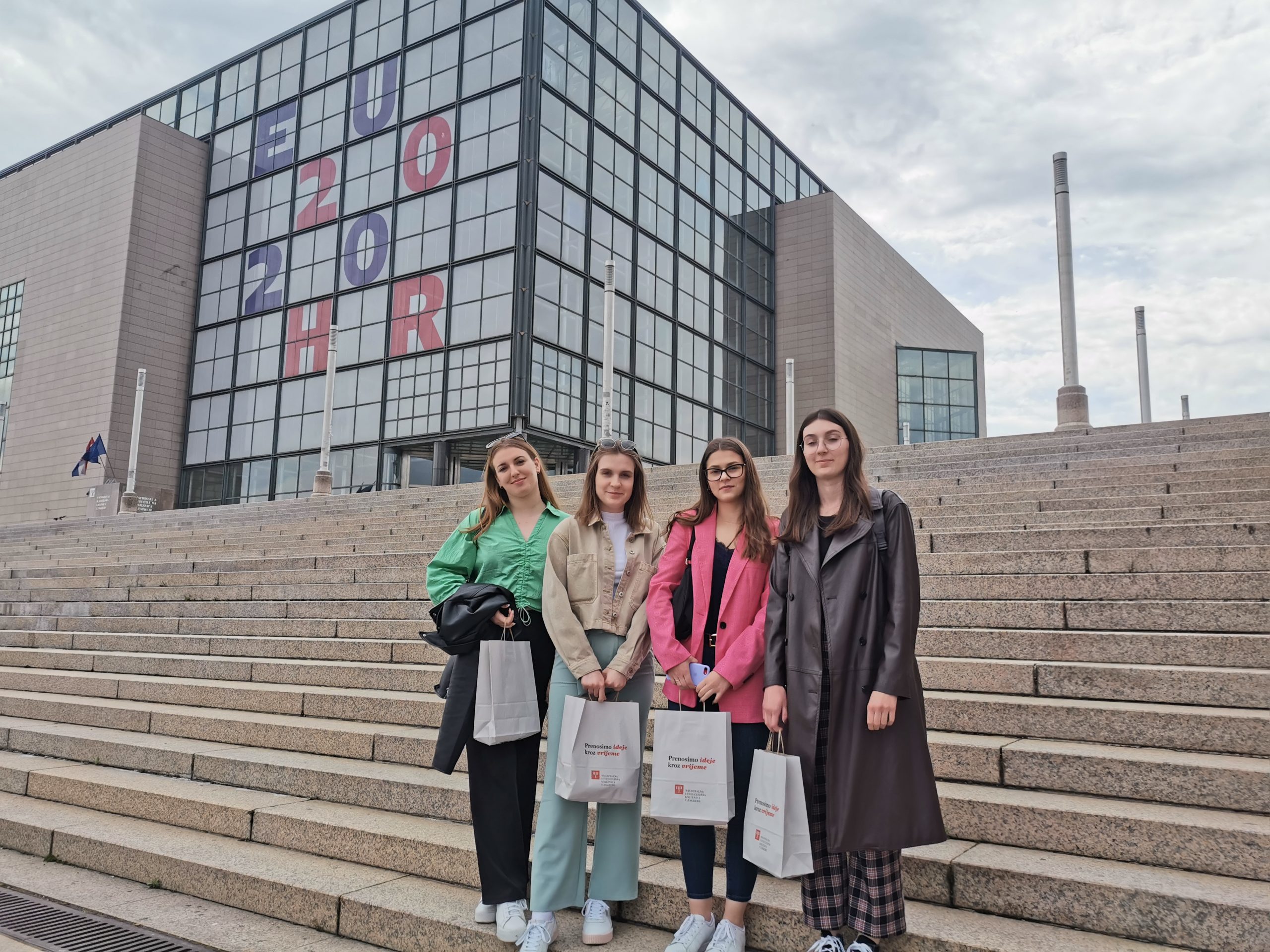
-

- rpt
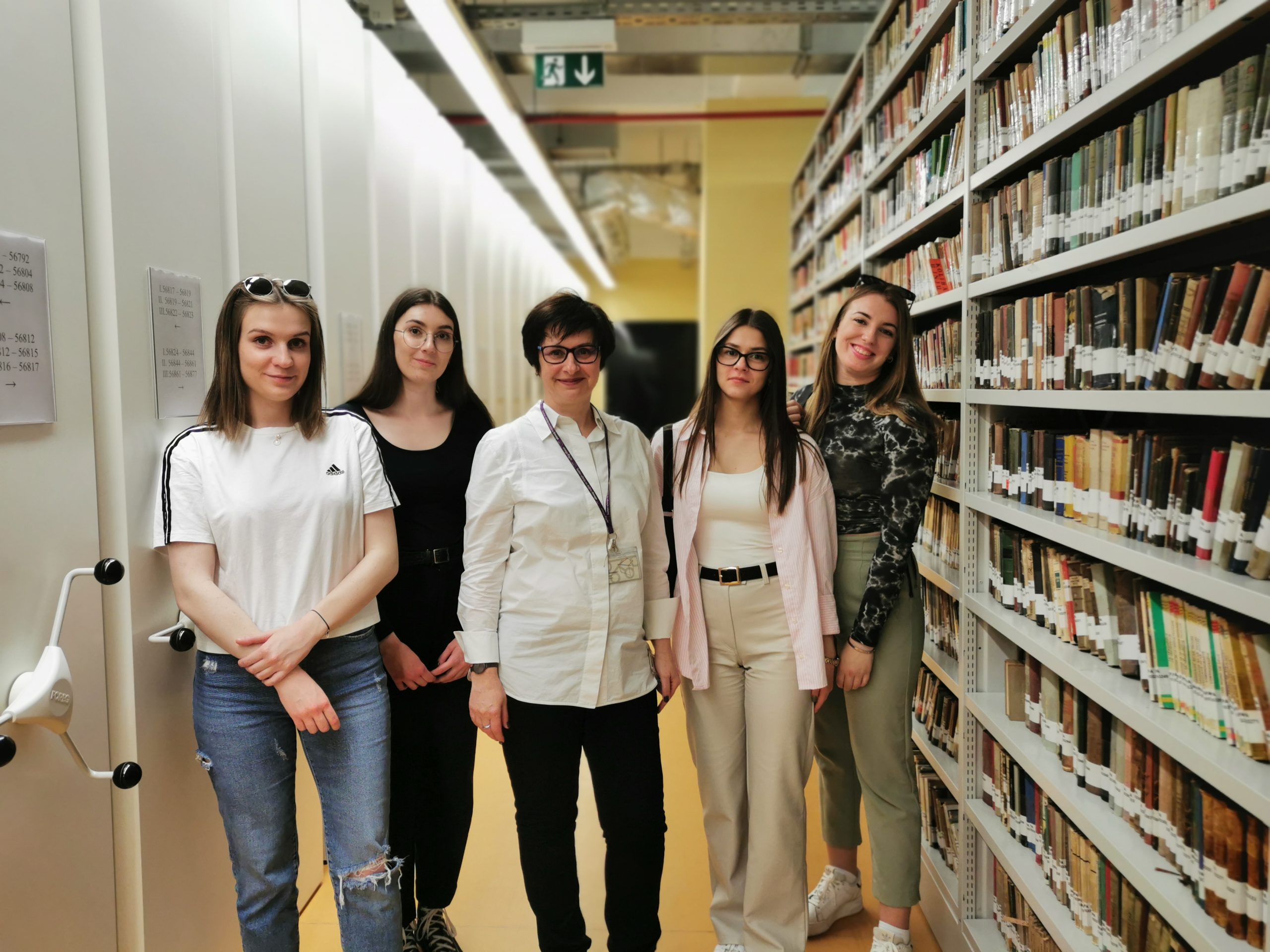
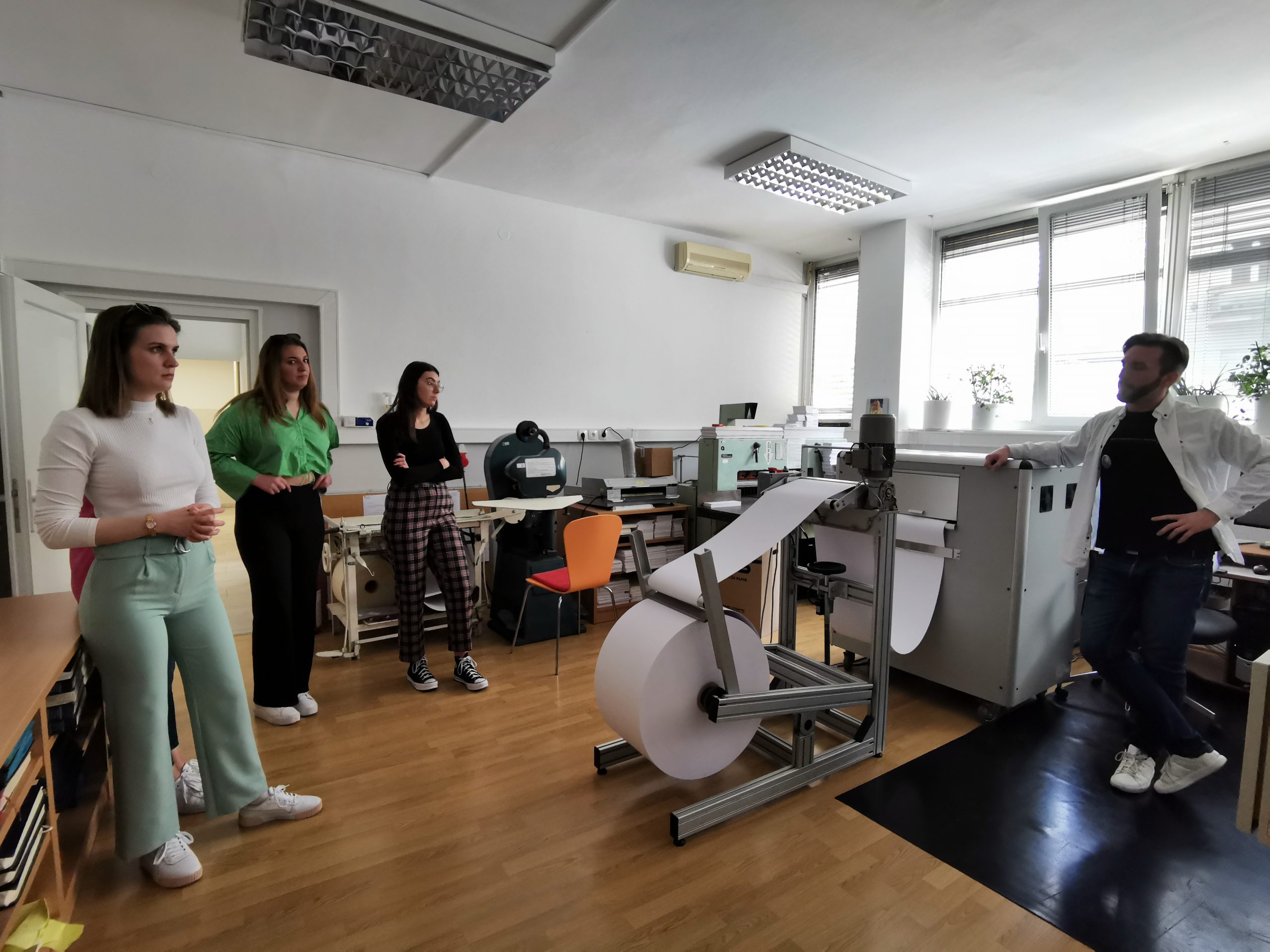
-
- rpt
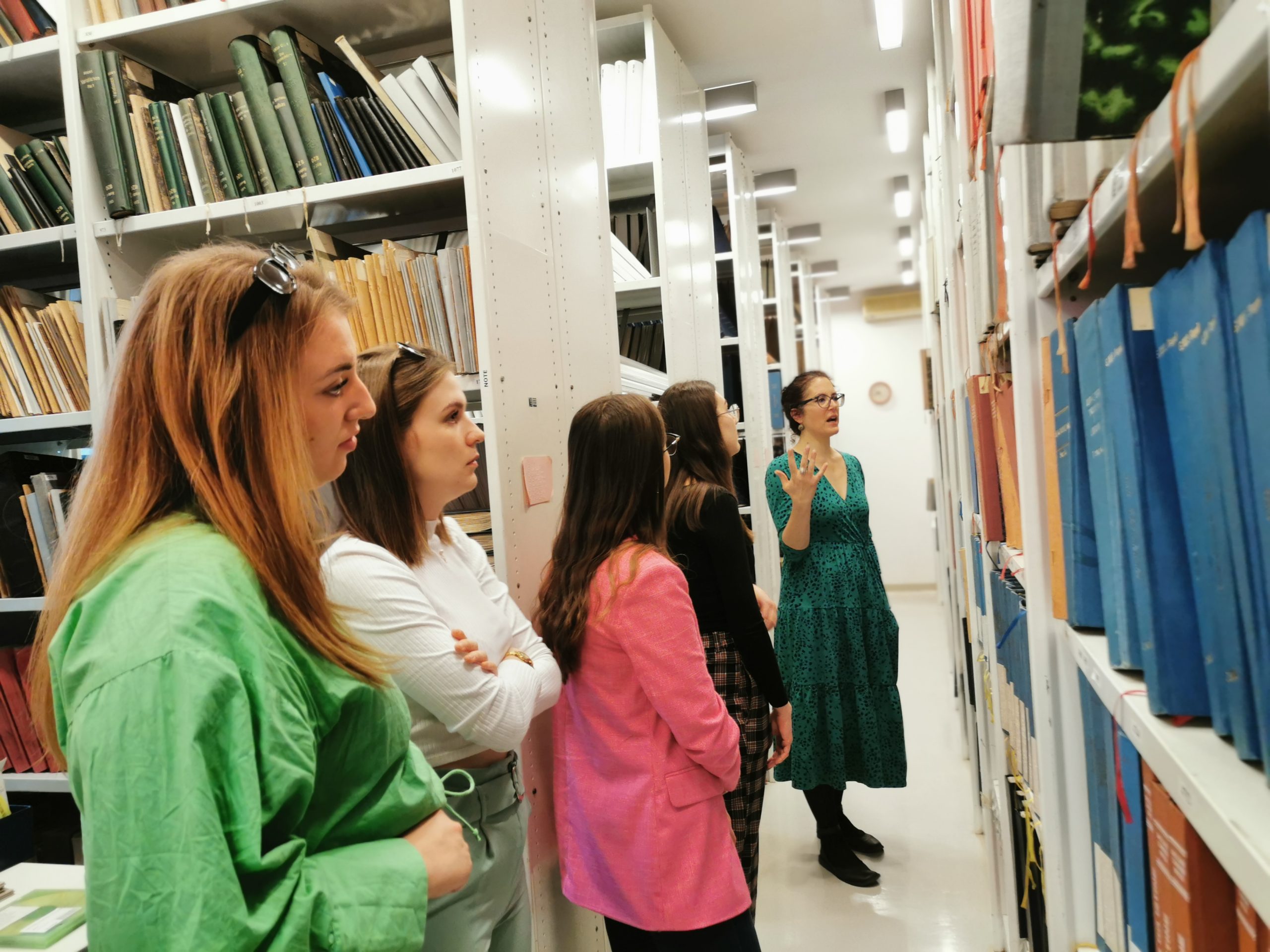
Field Trip to Travnik and Sarajevo
On Monday, 17 April 2023, students of the Department of Croatian Language and Literature and the Department of Information Sciences took part in a field trip to Travnik and Sarajevo under the guidance of Assoc. Prof. Marica Liović, PhD, and Prof. Kristina Peternai Andrić, PhD.
Our encounter with Travnik began at Plava voda by the Šumeća stream, which forms the opening and closing image of Andrić’s most extensive chronicle, Bosnian Chronicle. After Šumeća, Amela Tiro, museum educator at the Travnik Regional Museum, guided us through the streets of Travnik to the Old Town Fortress, one of the fortification structures of medieval Bosnia built at the beginning of the 15th century. From the walls of the Fortress, which today has the status of a national monument of Bosnia and Herzegovina, we had an opportunity to enjoy a panoramic view of the town and become acquainted with Travnik’s most important cultural and historical sites (the Clock Tower, numerous mosques, perhaps the most picturesque of which is the Colourful Mosque, the Vizier’s Residence, the Catholic School Centre, the Catholic Church of St John the Baptist where Ivo Andrić was baptised…), as well as places mentioned by Nobel laureate Andrić in his literary works, particularly the novel Bosnian Chronicle.
Since the main task of the field trip was to expand knowledge of Ivo Andrić and his literary work, the tour of Travnik continued at the Ivo Andrić Birth House Memorial Museum, where the students had an opportunity to see the birthplace of the Nobel laureate in literature. There they saw the writer’s birth room furnished with traditional furniture dating from the time of his birth (1892), and a library containing more than 700 literary journals and books presenting Andrić’s literary oeuvre. Of particular value are the journals in which Andrić published his first poems, first editions of his collections and novels, and books bearing his signature that were personal gifts from Ivo Andrić to the Travnik Museum. In the room dedicated to Bosnian Chronicle, the students also saw facsimiles of the manuscript and the first edition of Bosnian Chronicle (published in Belgrade in 1945), as well as numerous photographs, drawings and works of art depicting Travnik at the time when the novel is set.
After touring Travnik and Ivo Andrić’s birth house, the field trip continued in Sarajevo. In the afternoon, we walked along the Miljacka River (Latin Bridge – Latinluk) and through one of the oldest and most picturesque oriental marketplaces in this part of Europe – Baščaršija. Enriched with much new knowledge about Ivo Andrić and his literary work, we set off for Osijek in the evening, and the experience of the field trip to Travnik and Sarajevo will certainly remain a fond memory for all of us.
Ivana Majksner
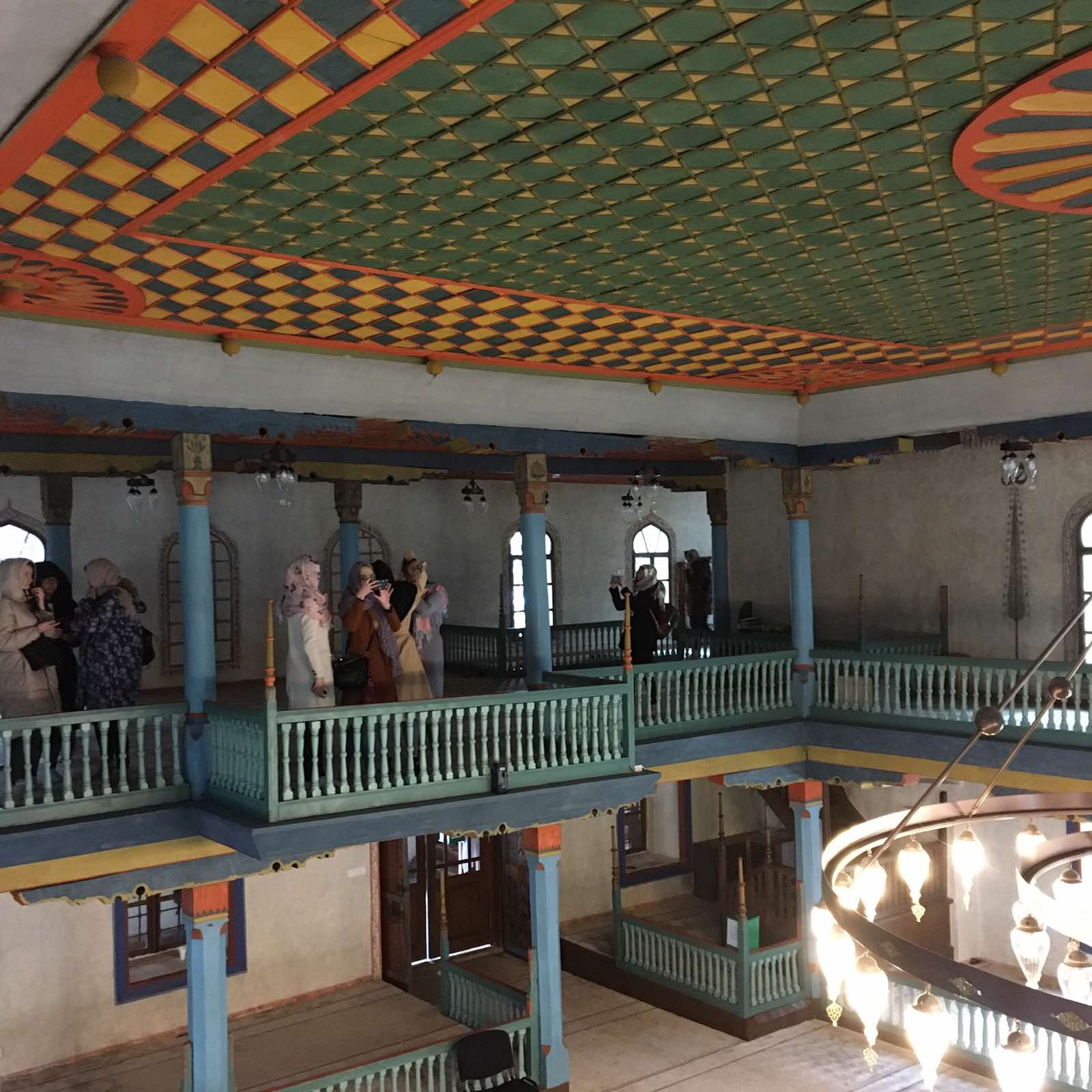
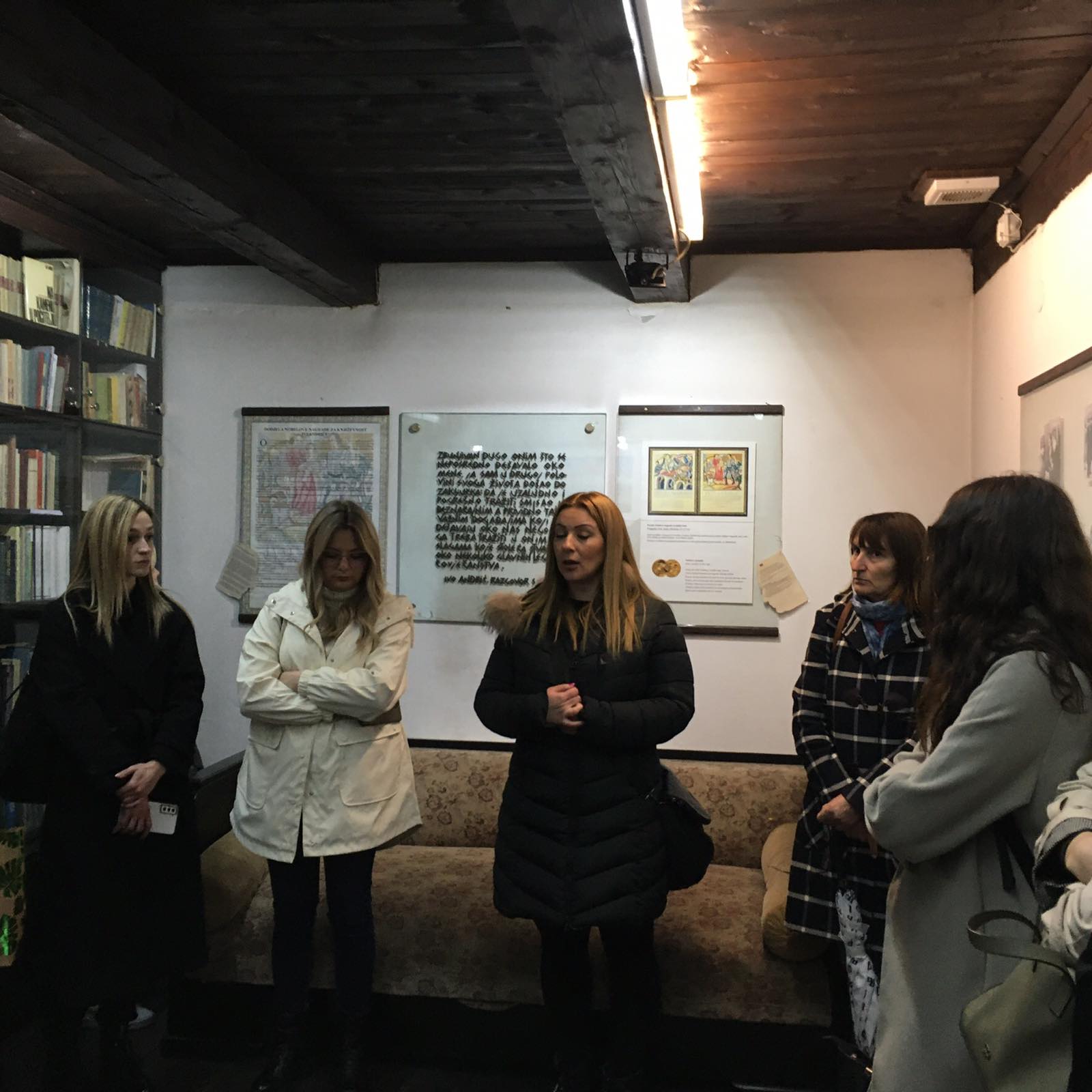
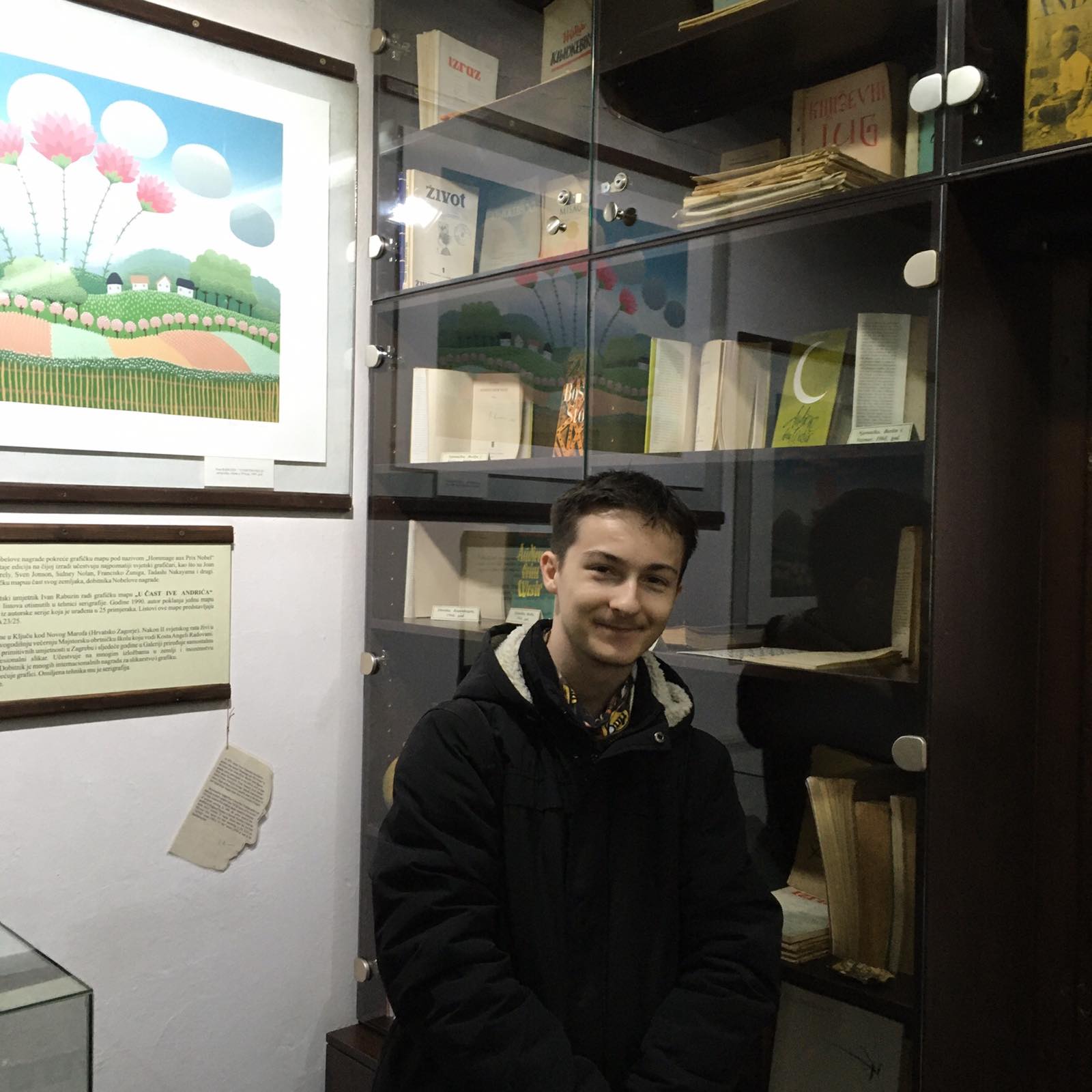
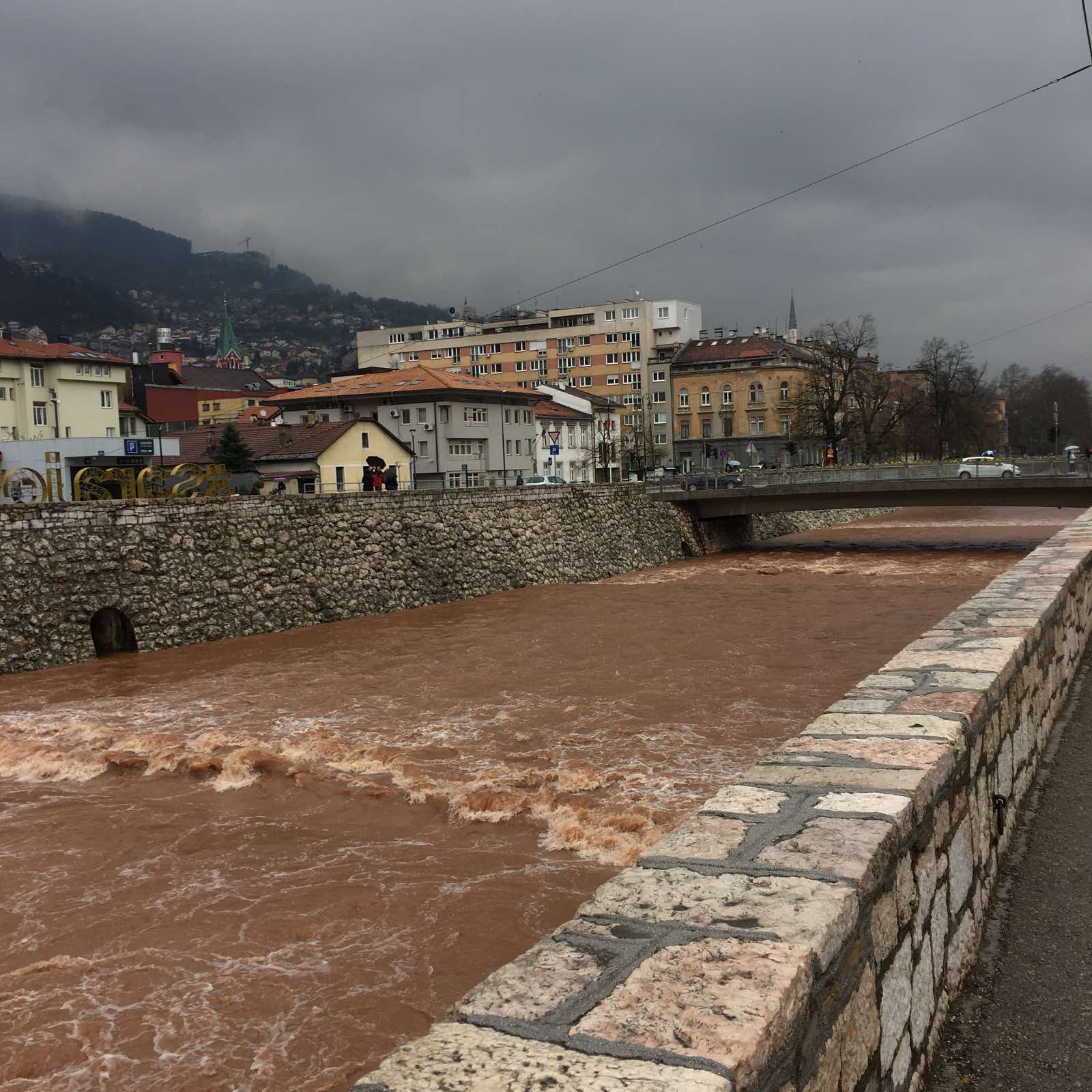
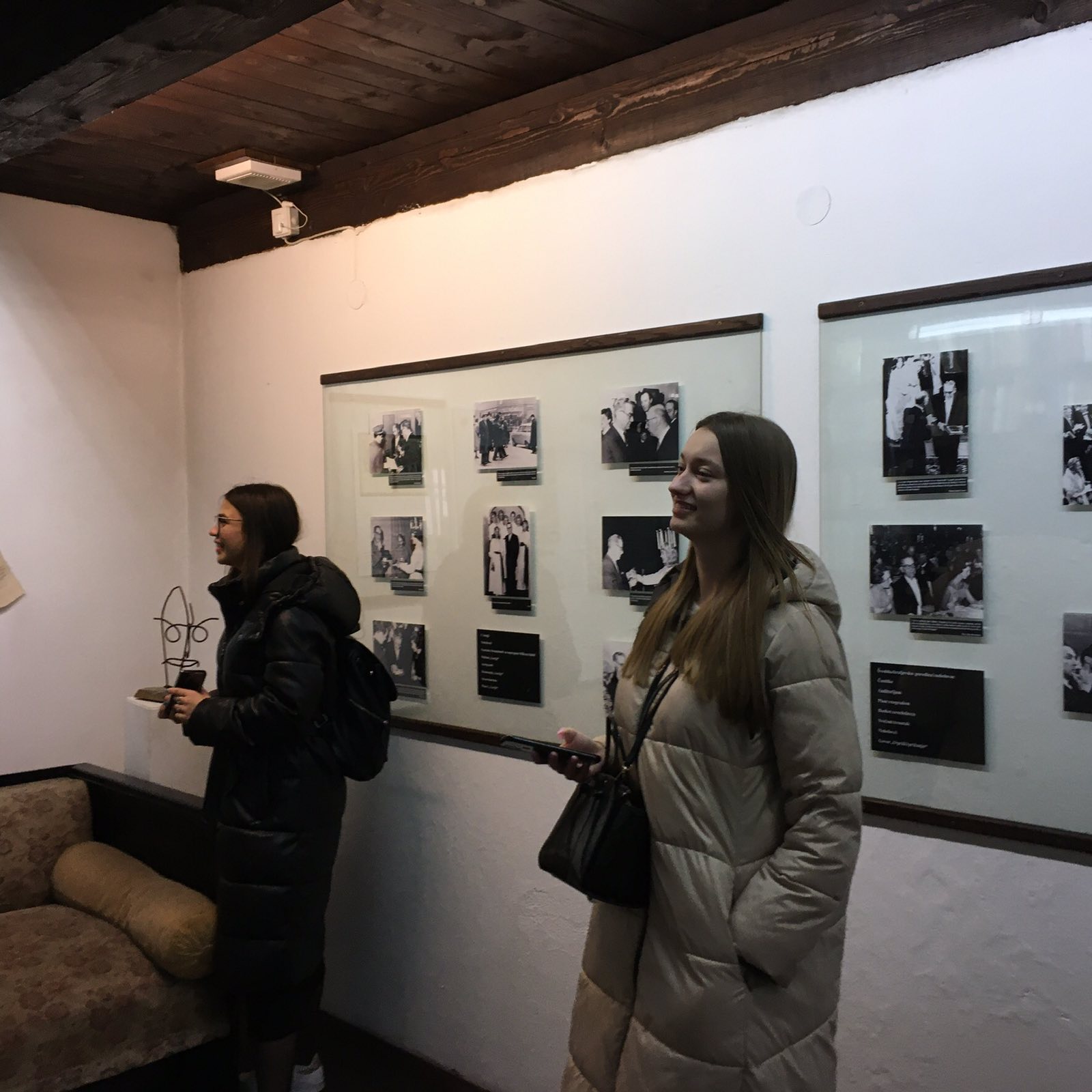
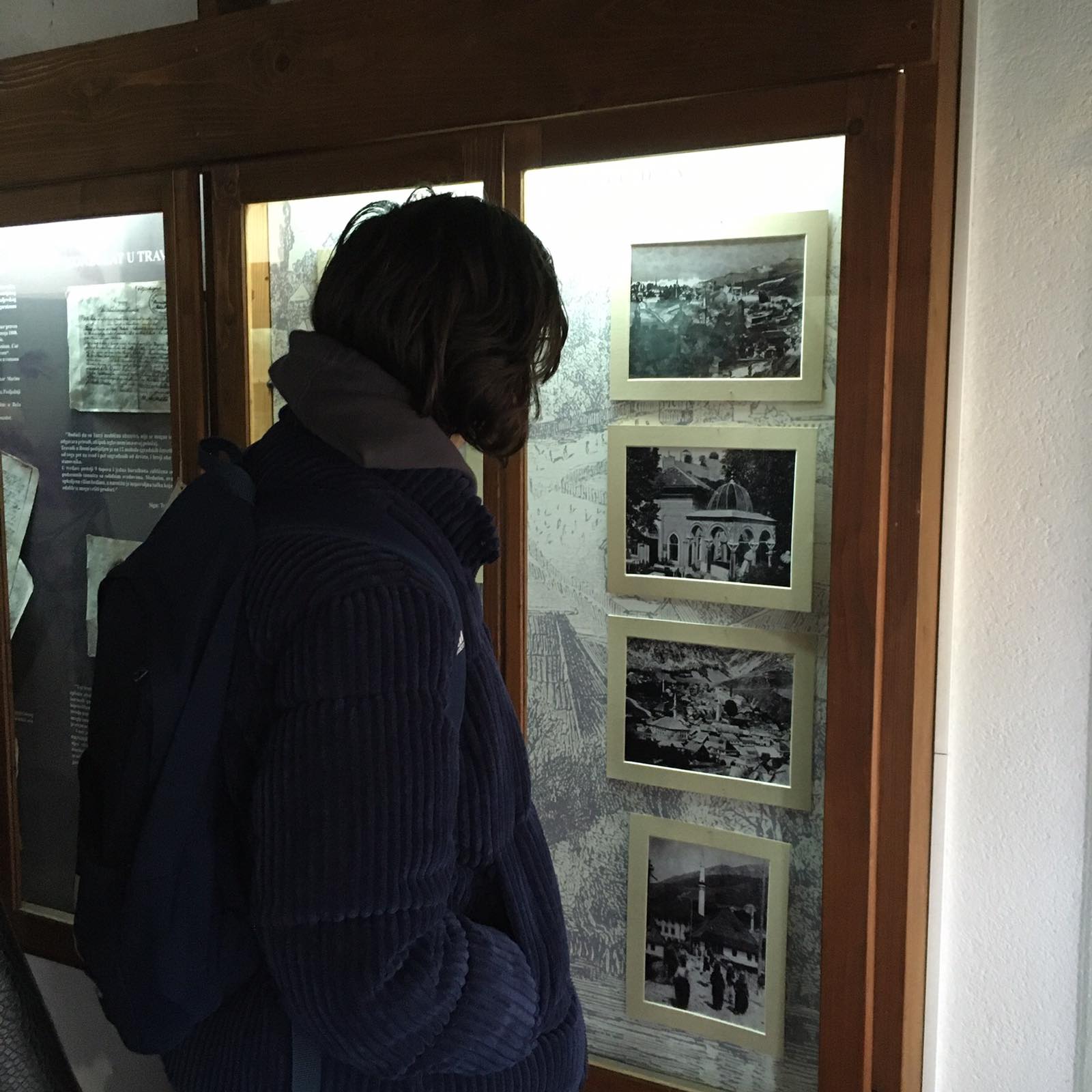
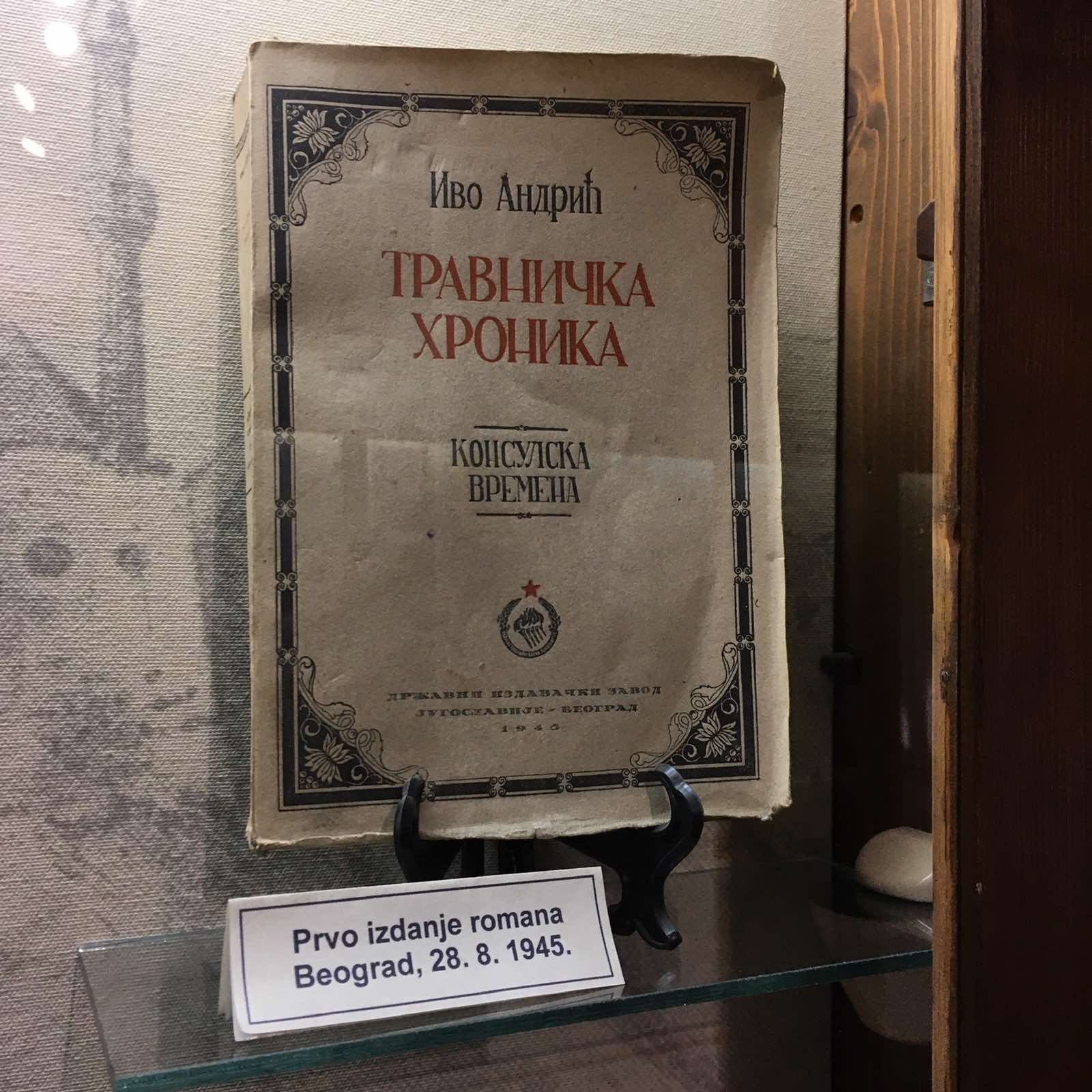
Students of the Faculty of Humanities and Social Sciences in Osijek Visit a Phonetician at HRT
On 20 March 2023, students of the Faculty of Humanities and Social Sciences in Osijek and Asst. Prof. Alma Vančura, PhD, visited HRT Osijek Centre, where they had an opportunity to observe the work of a phonetician. The visit was organised as part of the course English Speech Exercises, which uses theoretical knowledge to raise awareness of the voice, while practical exercises strengthen and improve voice and pronunciation and compare the characteristics of English and Croatian. Phonetician Željana Nenadić El Mourtada showed the students the entire process of producing news reports, from developing a topic, carrying out an assignment, reading and editing a report to the actual spoken performance of a journalist/presenter during a news programme. While in the studio, the students were able to take part in exercises for warming up the speech apparatus and see how the phonetician gives final instructions to the presenter while she rehearses introductions only a few minutes before the live broadcast of the programme Županijska panorama. The students realised that speaking in front of a camera is the final stage of extensive preparation involving verbal and non-verbal exercises, and also that numerous collaborators are involved in the entire process to help the journalist/presenter appear convincing and professional. The importance of good and correct speech and pronunciation should never be overlooked!
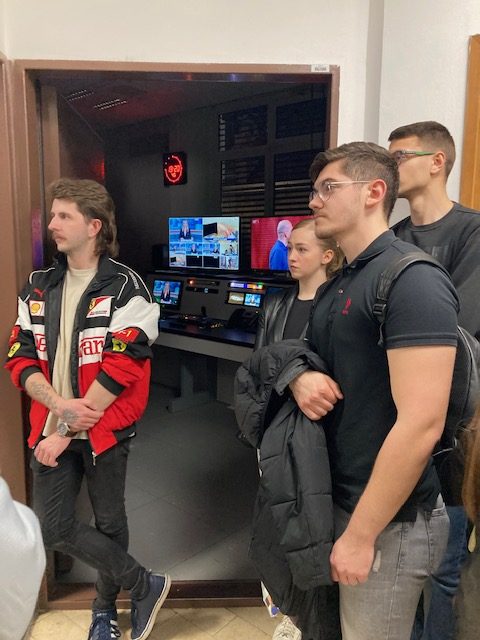
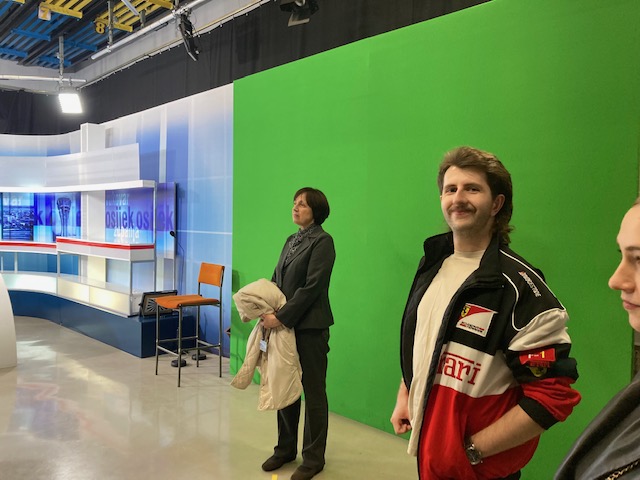
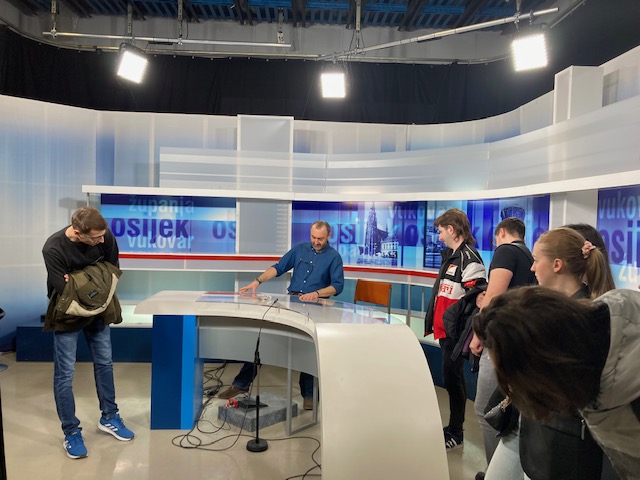
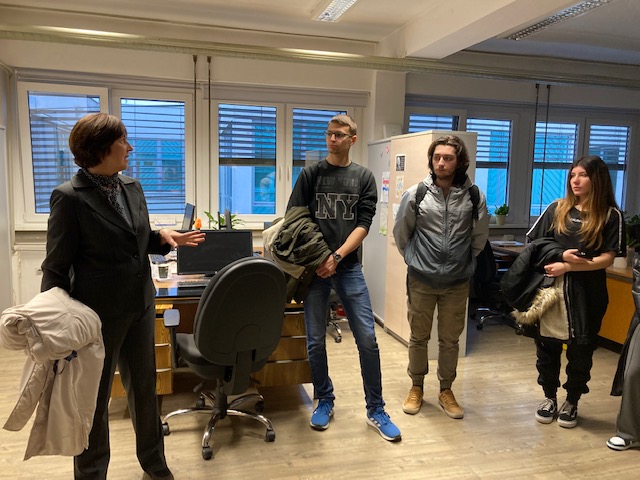
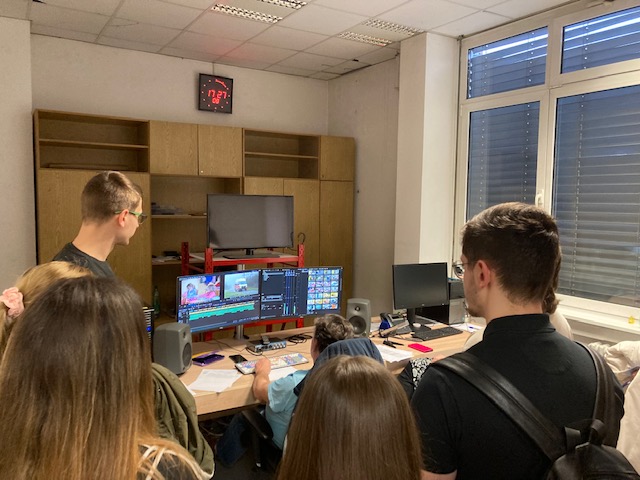
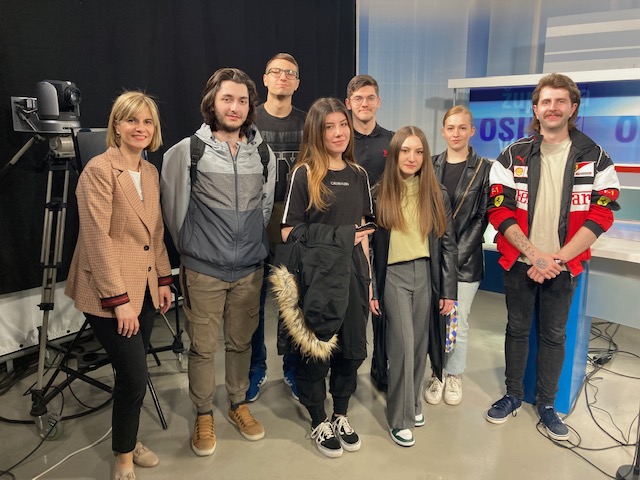
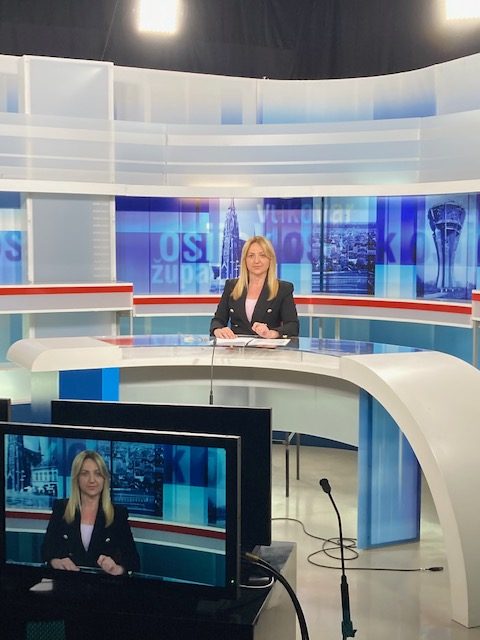
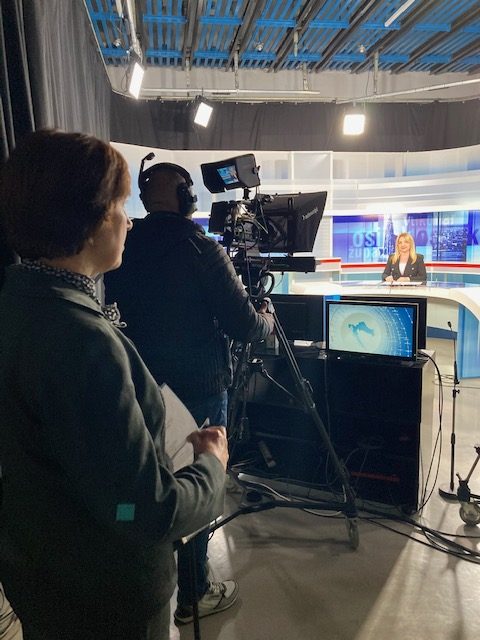
Pedagogy Students Visit the Dokkica Children’s Creative Centre
First-year graduate Pedagogy students visited the Dokkica Children’s Creative Centre on 27 January 2023 as part of the field trip for the elective course Creativity Management taught by Asst. Prof. Sanja Simel Pranjić, PhD. The Centre provides social services for children and parents, i.e. educational programmes. Association president Ines Novak warmly welcomed the students and introduced them to Dokkica’s activities, as well as to the premises themselves, their design and various tools and techniques for encouraging creativity among children and young people. The students had an opportunity to hear about various projects completed to date, such as “Sustainable Development through Drama Education”, “Community Learning”, “Dad Is Important Too” and “Peace Is My Thing”, as well as current projects including “Integrative Centre for Counselling and Support”, “Heroes of Nature” and “Media Education Matters”. In addition, they gained insight into volunteering opportunities at Dokkica and further recognised the importance of continued professional development after graduation. The students considered the insight into employment opportunities in the civil sector particularly valuable, as this is another area in which they can contribute to the education of children and young people. Through this visit to Dokkica, we identified opportunities for further cooperation, which we are very much looking forward to!
Sanja Simel Pranjić
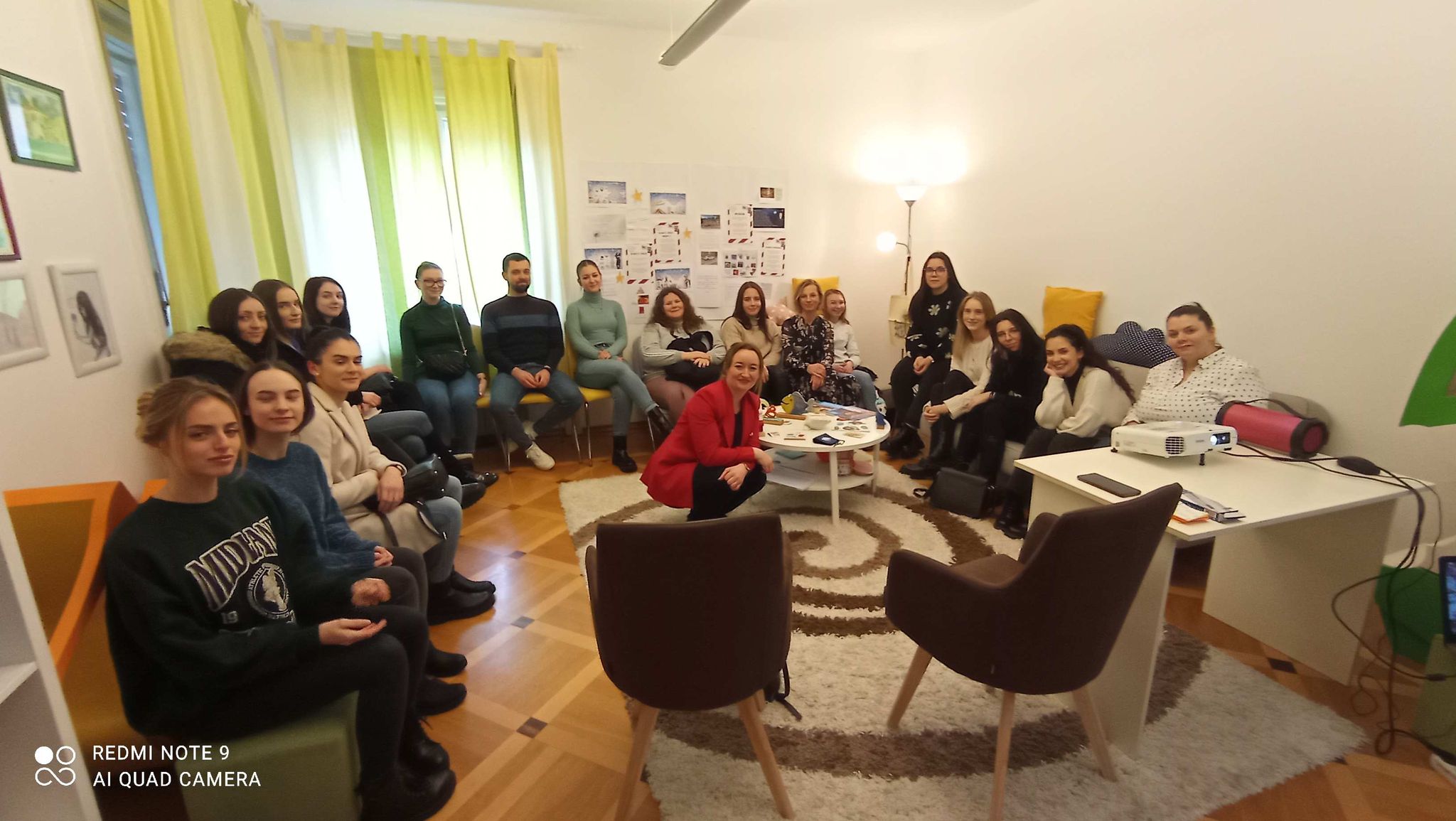
Sociology Students on a Field Trip to Pécs
Last week, second-year graduate Sociology students took part in a two-day field trip to Pécs as part of the course Teaching Practice under the guidance of Professor Krunoslav Vukelić.
As part of the field trip programme, they visited the Consulate General of the Republic of Croatia, where they learned interesting information about the work of the Consulate and the coexistence of Croats and Hungarians. They then attended a varied and engaging lecture by Professor Stjepan Blažetin at the Faculty of Humanities and Social Sciences in Pécs.
Over the two days, they visited three museums in the Zsolnay Cultural Quarter – Zsolnay, Vasarely and Csontváry – where Assoc. Prof. Željko Pavić, PhD, also joined them. Before returning to Osijek, they visited the TV tower on Mount Mecsek, where, naturally, they had coffee.
Given the students’ satisfaction and the successful trip, we hope this field trip will become a tradition!
Marta Keglević
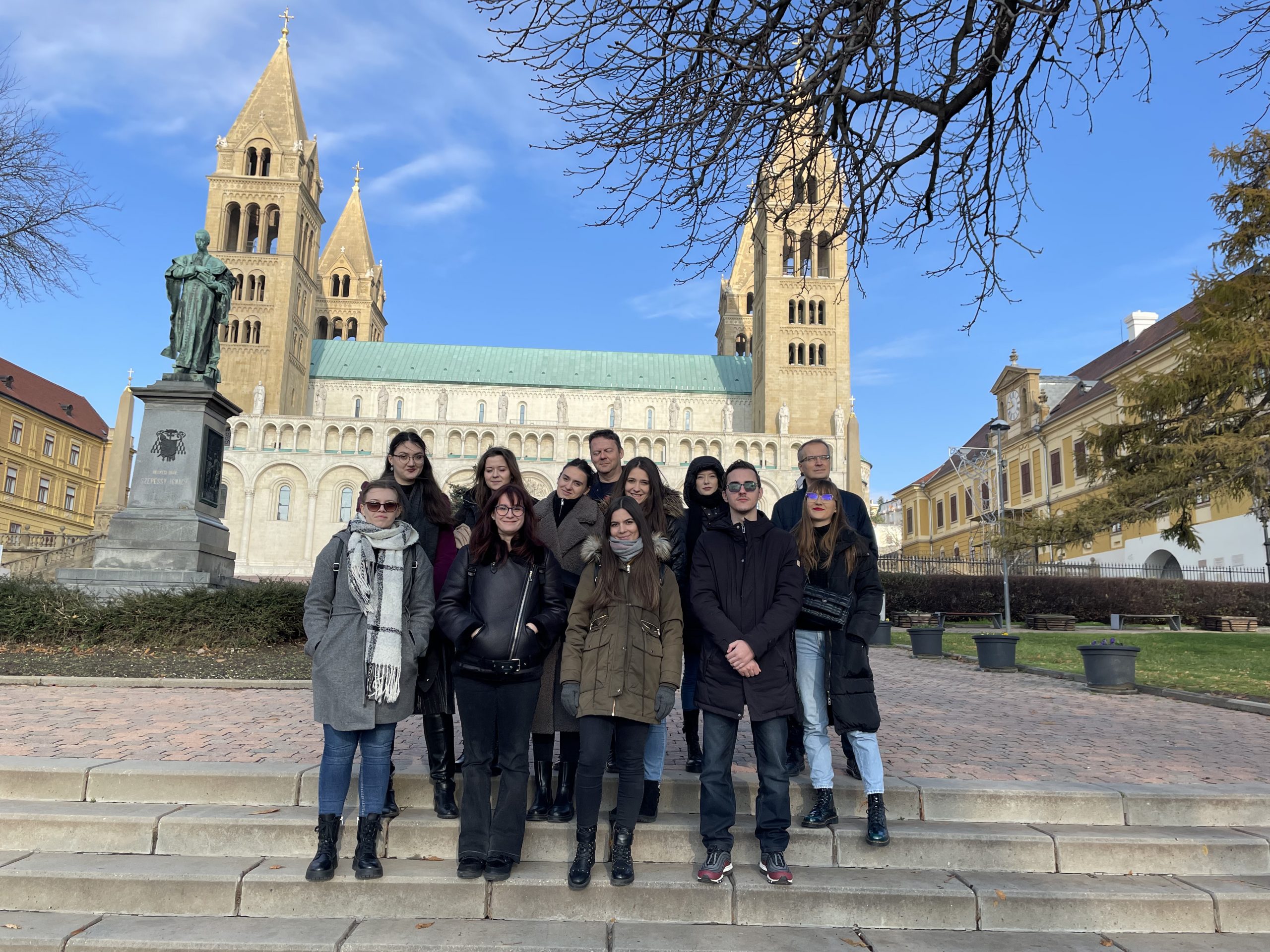
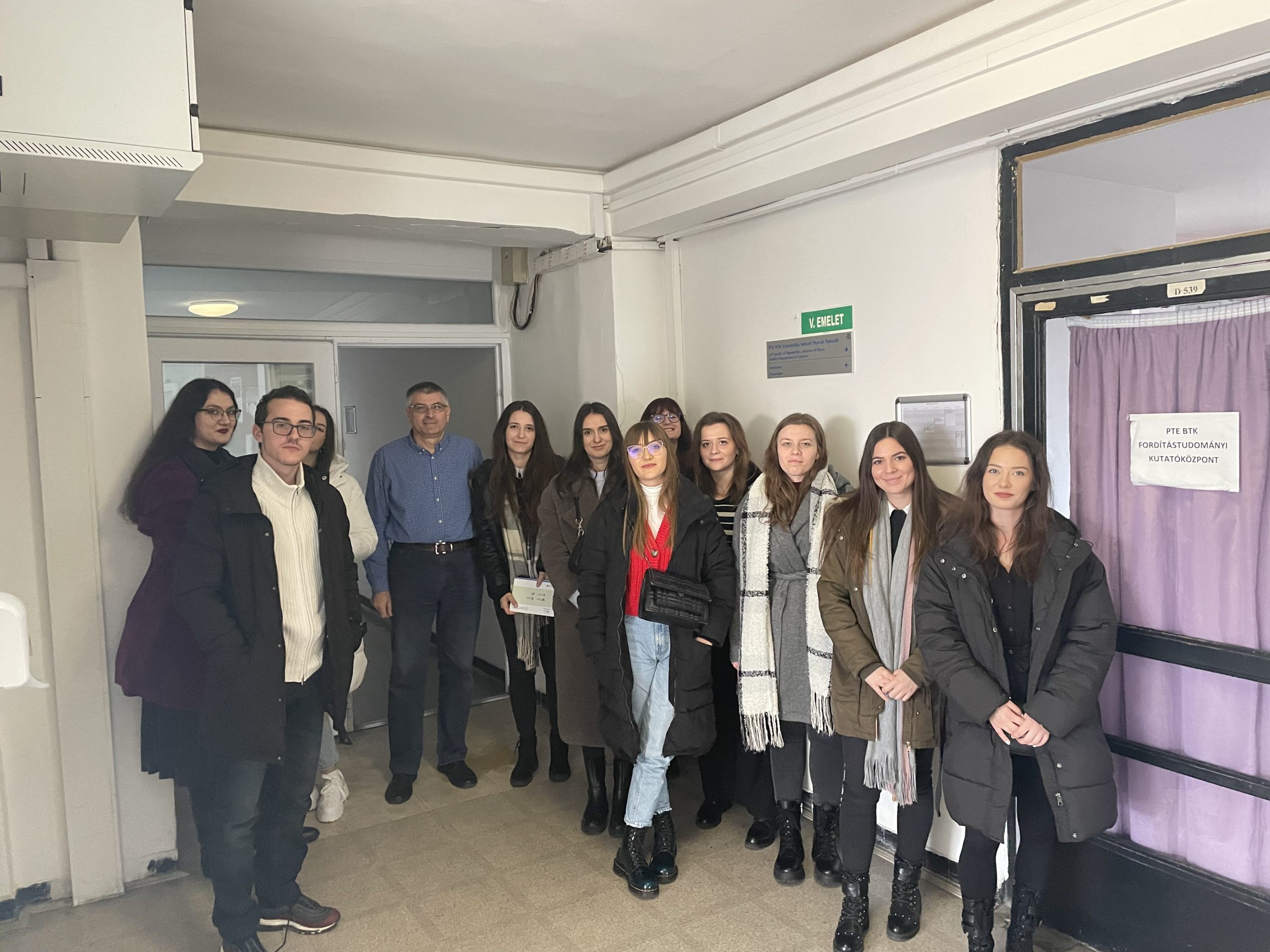
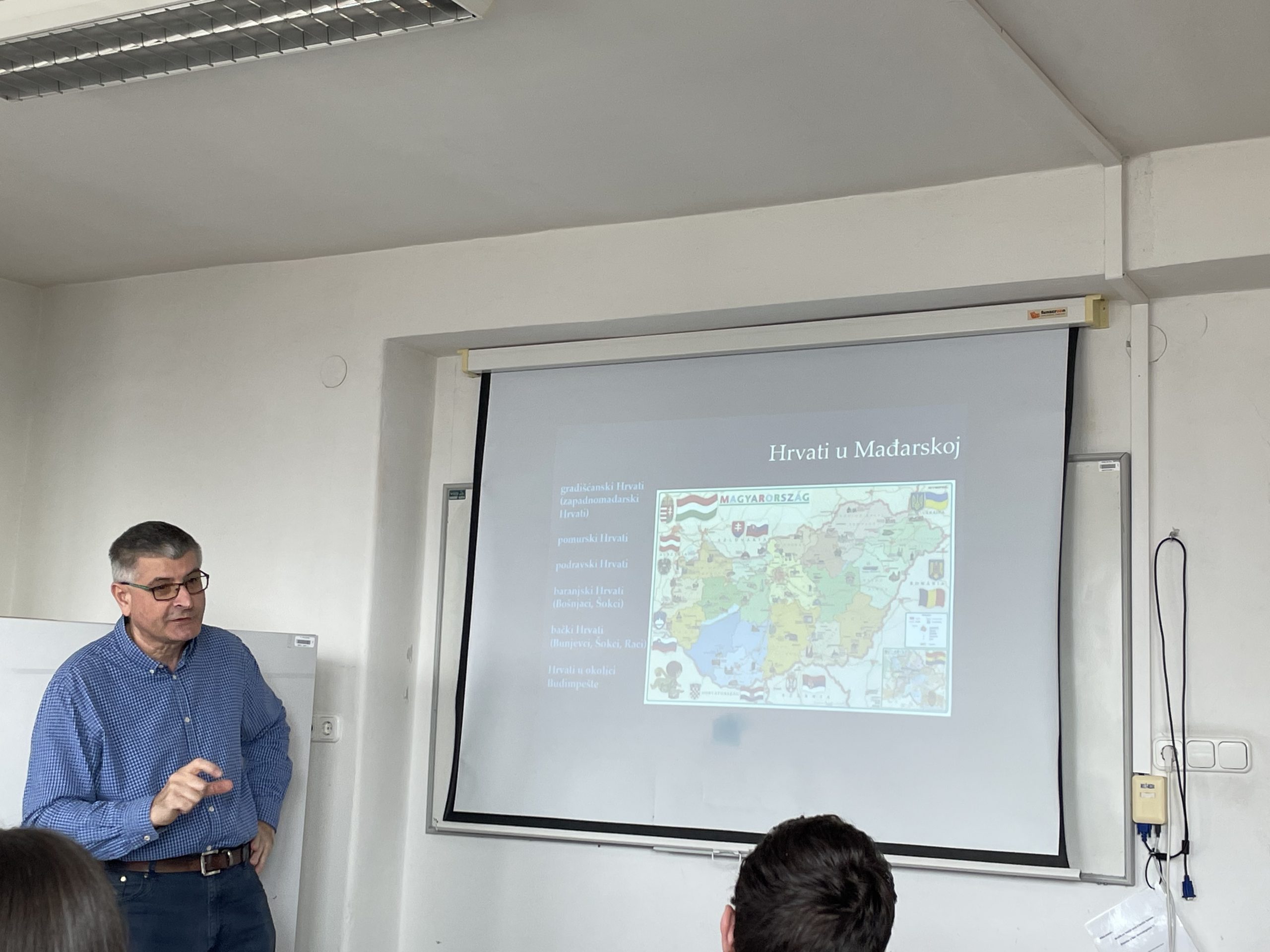
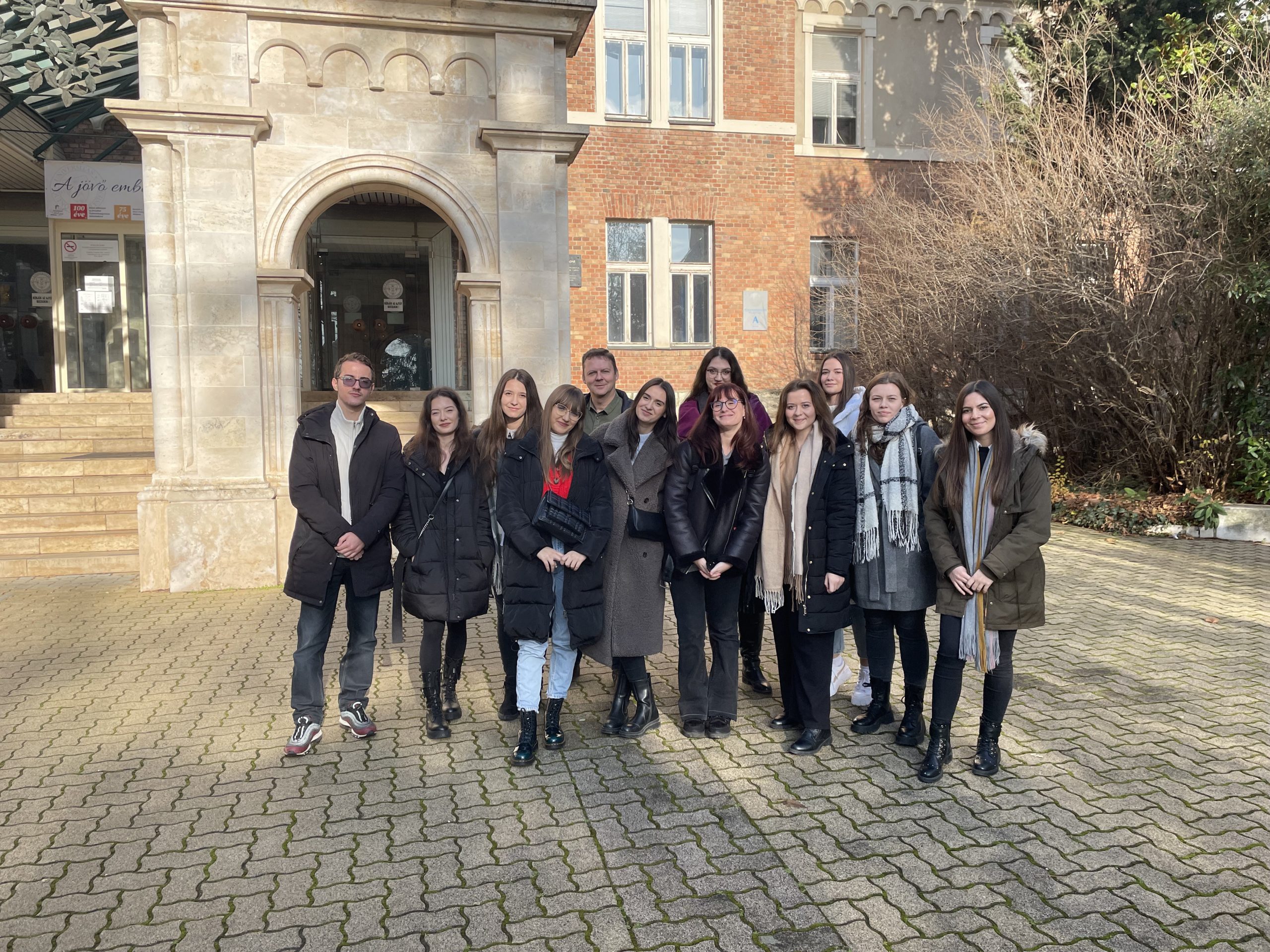
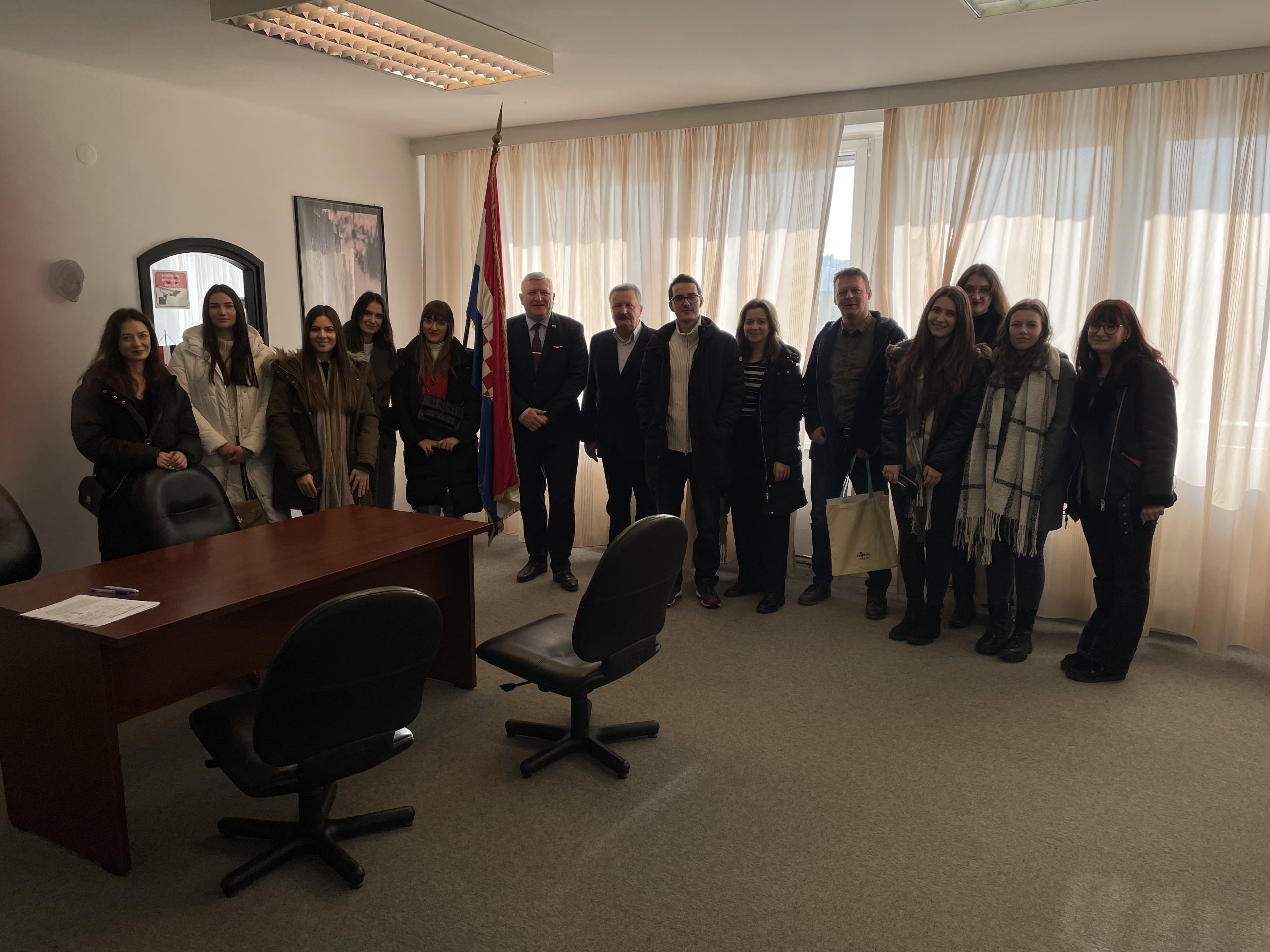
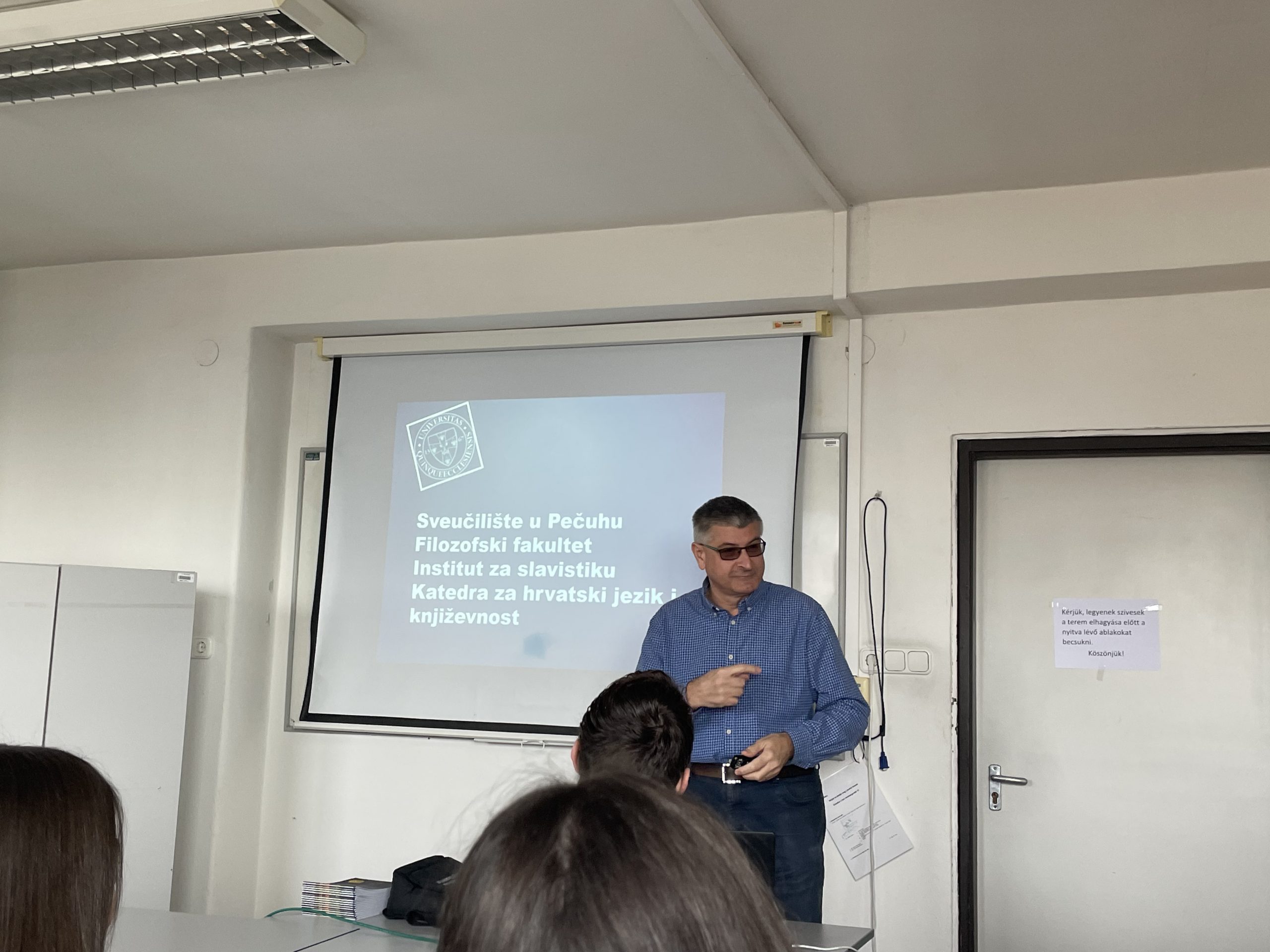
Field Trip to Požega
On 16 December 2022, first-year undergraduate Information Sciences students visited Požega City Library and Požeška kuća as part of the field trip for the course Fundamentals of Information Activities.
Since Požega City Library has recently moved into a renovated and partly newly constructed building, the students gained first-hand insight into the challenges of planning a new library space and the role that physical space plays in the operation of a public library. Library director Aleksandra Šutalo guided the students through the library and also gave an introductory lecture. The heads of the children’s department, literature department, research and study department, and youth and multimedia department provided brief overviews of the work of their respective departments.
After visiting the library, the students visited the newly opened Požeška kuća interpretation centre, where Centre manager Matej Peharda introduced them to the rich history and culture of the city of Požega. The bravest students even tried riding a “drunk bicycle” and duelling with Baron Trenck.
Maja Žebčević Matić, manager of the Museum in a Pot project, then presented this exceptionally interesting project, whose main aim is to research, document and revive the skills involved in preparing forgotten dishes of Požega and the Požega area.
Finally, accompanied by curator Ivana Domanović of the Požega City Museum, the students toured the city using the Treasures of Požega mobile application, which enables users to explore the city through several routes (famous people of Požega, Požega architecture, etc.).
Sanjica Faletar
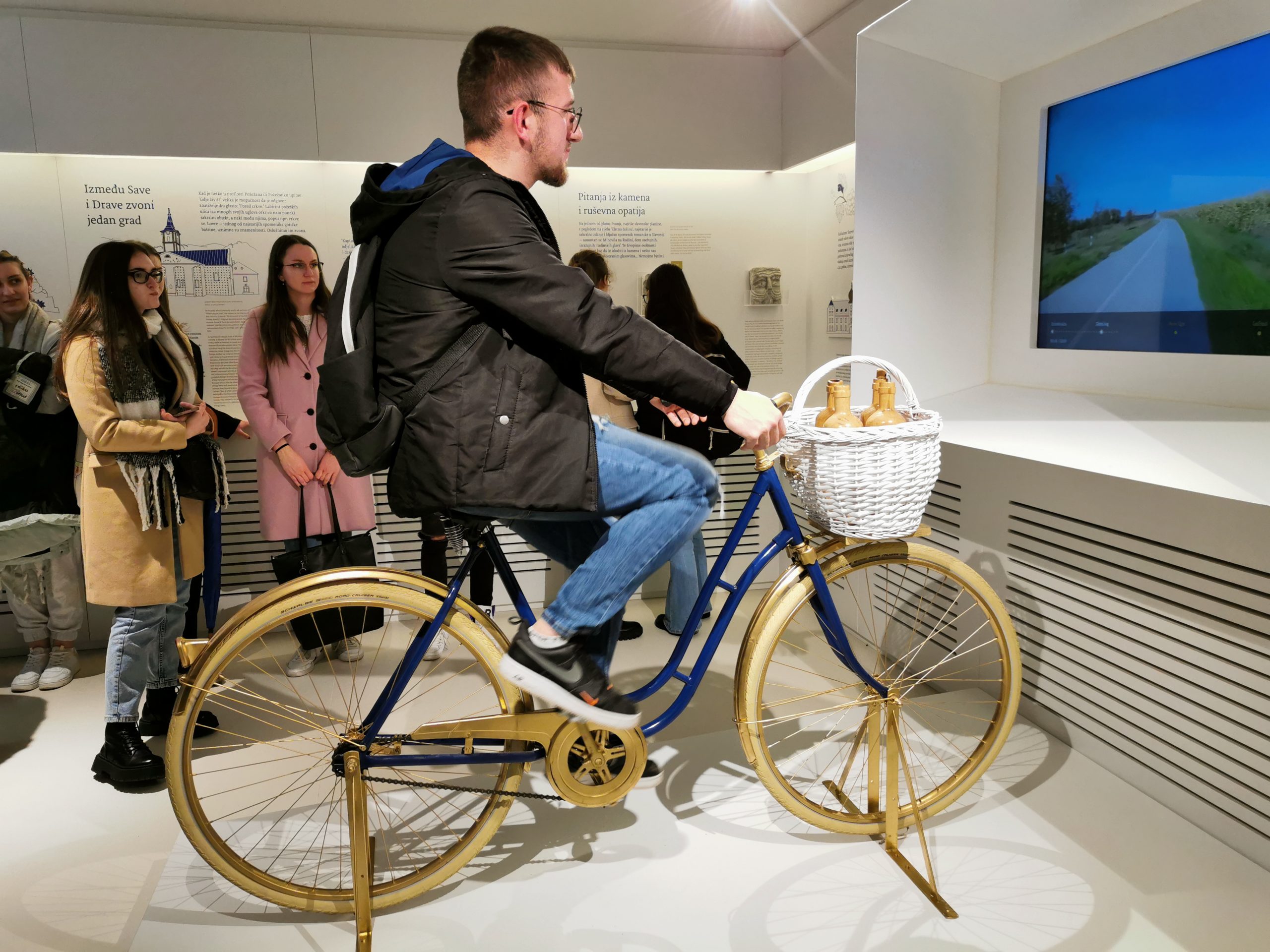
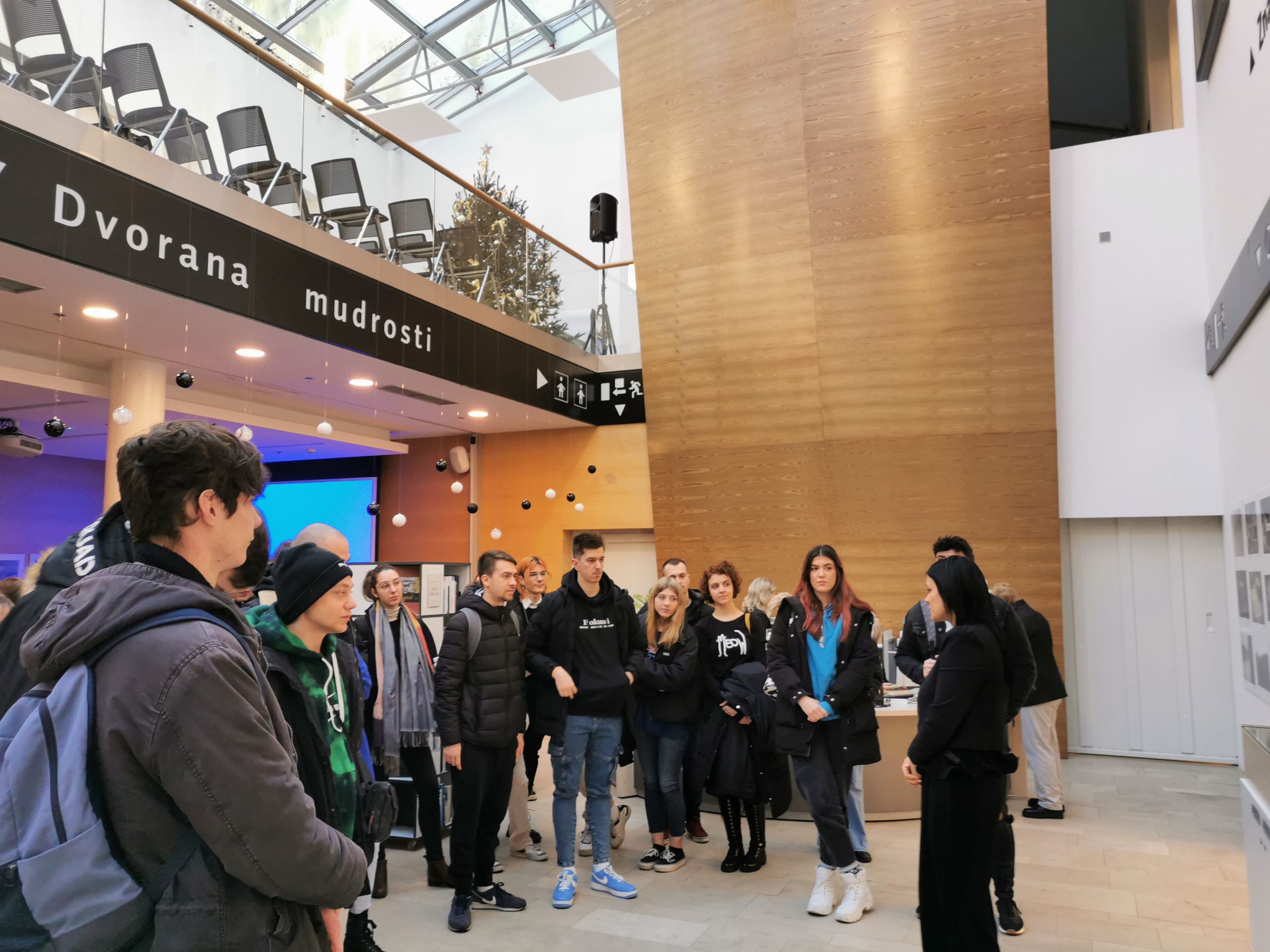
-

- rpt
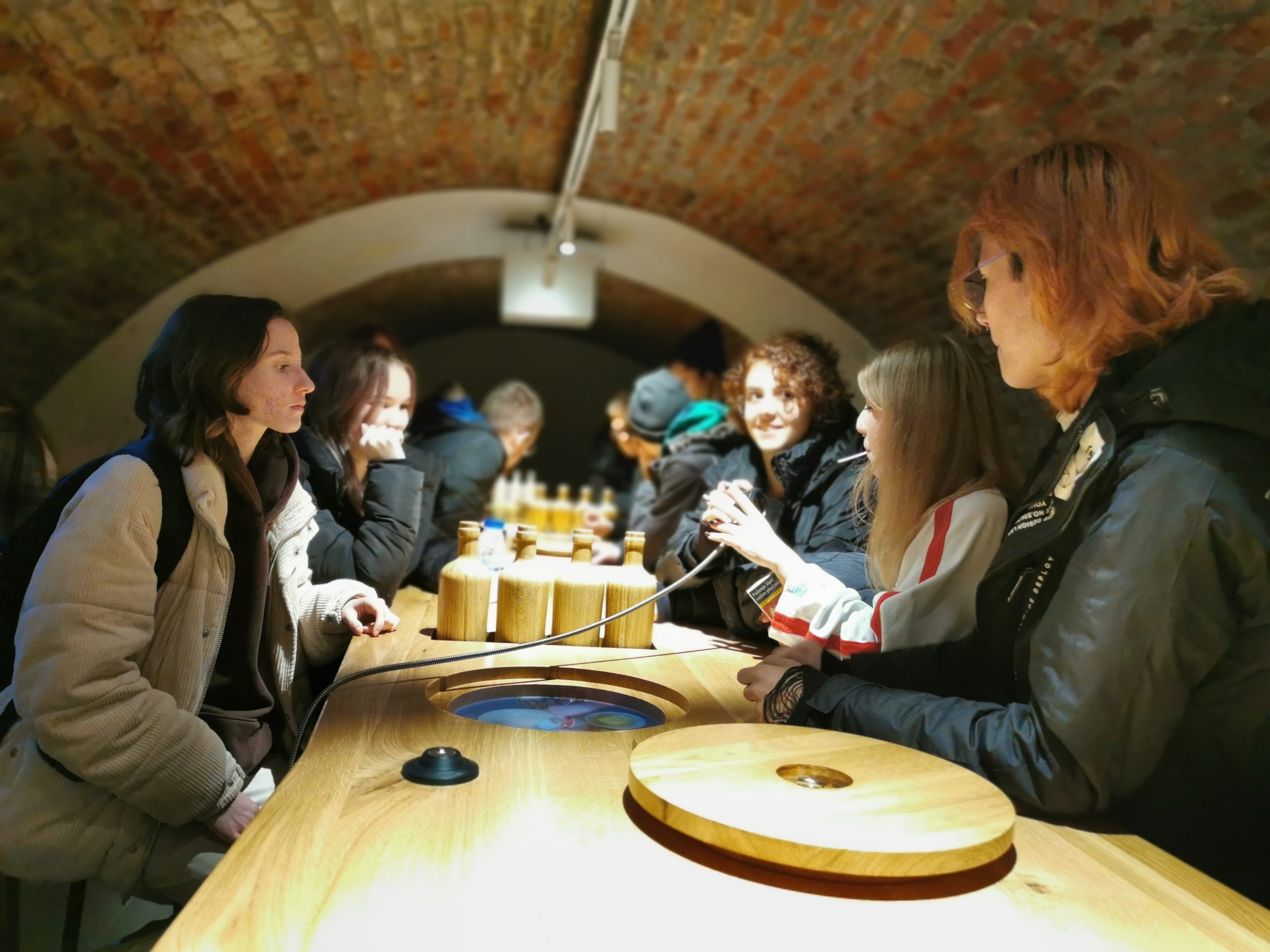
Field Trip to Zagreb
Zagreb, 8 December 2022 – Visit to the National Centre for External Evaluation of Education
Inspired by the content of the course Error Analysis and Foreign Language Teaching, in which we analyse typical errors made by students of English, their types and sources, we decided to visit the National Centre for External Evaluation of Education, an institution responsible for one of the most important processes in the Croatian education system – the State Matura – and which, in addition to testing knowledge, also deals with errors that arise in the process.
Vinko Filipović, Director of the National Centre for External Evaluation of Education, welcomed the students and added that being a teacher is the most beautiful and most responsible profession. Following the Director’s introduction, Ira Tretinjak, Head of the Department for Subject Coordinators, introduced herself. She is also involved in psychometric analysis of State Matura examinations and has worked at the NCVVO since the pilot State Matura in the 2008/2009 school year.
Through two parts of interactive lectures, the students learned how State Matura examinations in English are developed and evaluated.
The first part was led by Cvjetanka Božanić and Sanja Vrhovec-Vučemilović, members of the expert working group who have been developing English-language examinations since the early days of the State Matura. Cvjetanka Božanić, who teaches Spanish and English at Zagreb’s X Gymnasium, emphasised that she is happy with her profession, has never regretted choosing it and spent only three months working outside the profession. Sanja Vrhovec-Vučemilović is Head of the Expert Working Group for English. She explained that the test-development cycle lasts around two years and consists of planning, designing and developing tasks, noting that they have no separate group on whom to pilot the tasks, so they test them among themselves, administer them and monitor the results. Božanić and Vrhovec-Vučemilović also presented a possible new State Matura for 2024. For the new examination, they were considering changes to the tasks, with an emphasis on small changes so as not to surprise candidates too much. The introduction of a speaking component (English: speaking) was also discussed, which would require extensive preparation and would be logistically very demanding. The absence of this component prevents the Croatian State Matura from being recognised at the level promoted by the international organisation ALTE – The Association of Language Testers in Europe. Another change under consideration was the introduction of a new type of essay in the writing section (English: writing). In response to a student’s question about levels in the State Matura, the experts explained that introducing C1 as the higher level of the English State Matura would not be fair to everyone, so B2 would remain, even though results show a high success rate of over 80%. They stated that when the State Matura was introduced, testing first- and second-year secondary-school students showed that students were at A2 level, indicating that the level of English proficiency has clearly increased. After the discussion, they presented an overview of the curriculum on which the examination is based. They also addressed the problem of the number of subjects taken by fourth-year secondary-school students, suggesting the introduction of modules as a solution so that, for example, students wishing to study medicine would not have to learn programming but could instead take subjects useful for their future profession or area of interest. Continuing the presentation of the curriculum, they explained the scoring method and stated that an argumentative essay is preferable because it requires consideration of the other side and both arguments. They presented examination-preparation methods and advised practising different text structures such as messages, emails, essays and similar forms. Topics should also be discussed in advance during classes so that students immediately know what they can write about. The methodology of marking essays in the State Matura was discussed, and seven marked essays per hour was given as the average for experienced markers. They also spoke about appeals, stating that they receive 400–500 appeals in each examination period. Every essay is reviewed by at least two people. The norm for markers is 50–70 essays per day, but if a marker becomes tired, they stop marking in order to avoid mistakes. Towards the end, examples of essays at the basic level were presented and the experts explained the instructions for markers. At the end of the first part, Cvjetanka Božanić and Sanja Vrhovec-Vučemilović were open to questions and a lively discussion.
The second part of the presentation on the work of the NCVVO was delivered by psychologist Natalija Ćurković, PhD, from the Research Department, who spoke about psychometric analyses of the validity of State Matura examinations. She presented and explained forms of measurement such as norm-referenced and criterion-referenced measurement, in which students are given an examination and compared with one another, while criteria are established only within the group (for example, a class). Formative and summative assessment was explained as continuous measurement that informs students where they currently stand. She stated that the entire State Matura examination process costs around HRK 20 million per year. The main question is whether we are measuring what we actually want to measure, as well as whether the results are reliable, whether the examination is appropriate for students and whether the tasks are related. Psychometric analysis was presented as a method for determining examination validity, while the purpose of the State Matura is to distinguish the strongest candidates; the aim is not for students to achieve the maximum score, because that would not show how much further they could go. Instead, the limits are tested and selection is carried out on that basis. The discussion also addressed the fact that task difficulty does not determine whether a task is good or bad, as well as task discrimination as an indicator distinguishing stronger and weaker students. The conclusion was that psychometric analysis is essential for drawing conclusions about the quality of examination materials.
After the second part, an informal conversation continued with Cvjetanka Božanić and Sanja Vrhovec-Vučemilović, who presented the most problematic tasks in light of the results discussed in the second part, while the students’ questions guided the discussion.
9 December 2022 – Visit to the Publishing House Školska knjiga d. d.
In the course Error Analysis and Foreign Language Teaching, we also analyse teaching materials, which is why we decided to visit a company that works precisely in this field. Školska knjiga d.d. is a leading publishing house in Croatia with a rich tradition and a diverse range of textbooks and handbooks, particularly for foreign-language teaching.
At Školska knjiga, the students attended an interactive presentation on the textbook-development process with Vlasta Čeliković (English-language editor), Adam Vuk (German-language editor) and Melita Jurković (textbook author). After the presentation, and in discussion with the editors and authors, the students took a quiz about foreign publishers of German- and English-language materials, the approximate number of English and German teachers in Croatian schools, the number of primary and secondary schools, and the process and stages involved in producing a textbook. The students first independently arranged the stages of textbook production and then, together with the experts, listed them in order: market research, study of the Ministry’s curriculum/programme, development of the manuscript concept, writing the manuscript, developing the design, the review process, language editing, graphic design of the manuscript, proofreading and, finally, printing. The curriculum and the CEFR (Common European Framework of Reference for Languages) were discussed, as were foreign-language proficiency levels in general. They stated that developing one complete textbook package takes an average of two years, and that in addition to textbooks they also produce various dictionaries for all age groups. In response to a student’s question, they emphasised that authors must be aware of students’ interests, leading to a discussion about balancing general knowledge. The textbook Forward 4 by Anica Gregović, Vlatka Ivić, Melita Jurković and Aleksandra Pavličević was presented. Forward 4 is intended for grammar-school and secondary-school students, and its units cover medicine, art history (from classics to modernity), law for students interested in law, science and so on, with literature appearing at the end. In response to students’ questions, they explained how textbook authors are found – mainly through conferences, professional councils and competitions, where they observe teachers and identify those who are creative and inclined towards authorial expression and methodological approaches to language teaching. They invited the students to join HUPE (Croatian Association of Teachers of English) after graduation, as well as its German-language equivalent, KDV (Croatian Association of Teachers of German). In response to questions, they said they had never calculated the figure precisely, but that textbook-development costs average around HRK 50,000, while authors have complete creative freedom within the thematic area defined by the curriculum.
Melita Jurković emphasised the importance of gradual development when writing a textbook, as well as the importance of cooperation and teamwork with a good editor. She stated that developing the initial concept of what a textbook should be like takes 3–4 months, while authors spend many hours researching topics. She also discussed comparing films for students, introducing literature as an activity and other creative tasks.
Commenting on cooperation, Adam Vuk said: “Everything is based on good cooperation between the author and the editor”, while Vlasta Čeliković listed good knowledge of English, strong teaching methodology and work experience with at least two or three generations of students as criteria for selecting an author.
In response to a student’s question, a discussion developed around the listening component in textbooks, highlighting the importance of different accents and dialects, as well as control and balance between native and non-native speakers.
At the end, the students visited the graphic-design department of Školska knjiga and learned about the basic processes involved in the visual and graphic design of textbooks.
We spent our free time at Zagreb’s beautiful Advent market!
Tanja Gradečak
Nera Kovač
Lea Vadas
Field Research in Bošnjaci
A field trip for the course Croatian Oral Literature was held in Bošnjaci on 10 December 2022 for students of the single-major and double-major undergraduate study programmes in Croatian Language and Literature under the guidance of Prof. Ružica Pšihistal, PhD. A meeting with local storytellers was organised at the Forestry Museum, where the course leader first introduced them to the aims and methodology of field research and asked them for informed consent. Divided into groups, the students took notes and recorded the storytellers during loosely structured interviews. The field trip also included a guided visit to the parish church and shrine and a tour of the Forestry Museum. Before returning, the programme also included a visit to the “Slavonska kuća” Centre for the Promotion of Agriculture and Rural Development, where the students became acquainted with the basic elements of traditional Slavonian culture.
As part of the planned seminar assignments, the students will transcribe the recorded material and prepare it for oral-literature analysis.
Ružica Pšihistal
Field Trip to Pula and Rijeka
Students enrolled in the course Information and Digital Literacy in Teaching (first-year graduate students of Information Sciences, Information Technology, Publishing, English, German and Hungarian Language and Literature, as well as third-year undergraduate Information Sciences students) took part in a field trip from 30 November to 2 December 2022, organised by Assoc. Prof. Ivana Martinović, PhD, in cooperation with Dejan Golenko, PhD, from the Faculty of Law in Rijeka and Asst. Prof. Martina Mavrinac, PhD, from the Faculty of Medicine in Rijeka. The first day of the field trip was devoted to the Book Fair(y) in Istria, which has been held in Pula for 20 years, and to the presentation of two books: Border by Bulgarian author Kapka Kassabova and Sunken City by Italian writer Marta Barone. The following day, we visited the Rijeka City Museum – Sugar Palace and the Children’s House, and at the Faculty of Medicine in Rijeka we participated in a programme on information literacy in medicine. On the third day of the field trip, at the Library of the Faculty of Law in Rijeka, we participated in an information and digital literacy programme together with first-year law students as part of the course Legal Writing.
Ivana Martinović
Field Trip to Novi Sad
On Tuesday, 22 November 2022, students and professors of the Department of Croatian Language and Literature and the Department of Information Sciences took part in a field trip to Novi Sad. The aim of the field trip was to expand knowledge of Nobel Prize-winning author Ivo Andrić and one of his best-known novels, The Bridge on the Drina. Twenty-six students took part and, under the guidance of Assoc. Prof. Marica Liović, PhD, Prof. Kristina Peternai Andrić, PhD, Assoc. Prof. Maja Glušac, PhD, and Assoc. Prof. Ana Mikić Čolić, PhD, watched a performance of The Bridge on the Drina at the Serbian National Theatre in Novi Sad, a stage adaptation of Andrić’s novel directed by Kokan Mladenović.
The production of The Bridge on the Drina is lavishly conceived and staged in terms of scenography, choreography and music, while its plot, like that of Andrić’s novel, spans several centuries. The dramatic action is enriched by a multilingual performance, so in addition to dialogue and monologues in Serbian, Bosnian and Croatian, Turkish, German and Hungarian can also be heard (naturally accompanied by translation). The most interesting and striking scenes are the excellent monologues and dialogues that bring to the stage, in an Andrić-like manner, prominent and, interestingly, mostly female characters from the novel, such as the monologue of the madwoman Ilinka, the depiction of the tragic fate of the beautiful and wise Fata Avdagina (accompanied even by a staged musical performance of the song about Fata taken from the pages of The Bridge on the Drina), and the portrayal of Lotika and her hotel, as well as the scene depicting Ćorkan’s dancing walk across the frozen railing of the bridge over the Drina. The weakest aspects of the production may be considered the fact that, compared with Andrić’s novel, its plot is extended to the end of the 20th century, i.e. it does not end in 1914 but continues all the way into the 1990s – a choice in which, together with pronounced directorial politicisation, Andrić’s original text is lost – and its running time of two hours and thirty minutes without an interval.
Nevertheless, taking into account the fact that a dramatic text must always be adapted to the requirements of stage performance, and most often also to contemporary socio-political circumstances, the field trip gave the students an opportunity for further discussion about the continuing relevance of Andrić’s literary work and the different ways in which it can be brought into a contemporary context.
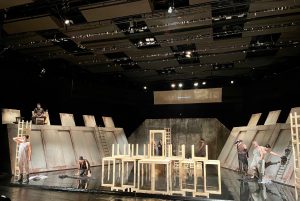
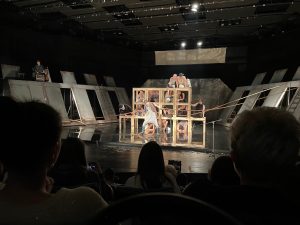
Field Trip to Gorjani
Oral Literature in Its Original Context
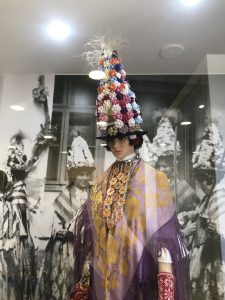 A field trip for first- and second-year students of the university undergraduate single-major study programme in Croatian Language and Literature was held in Gorjani on 4 June 2022. As part of the course Croatian Oral Literature, we visited a village house in Gorjani and the Parish Church of St James, and on our return we stopped at St Peter’s Cathedral in Đakovo and the Museum of the Đakovo Region. Prof. Ružica Pšihistal, PhD, guided us through this challenging and entirely new experience. The aim of the field trip was to expand our knowledge of places where tradition is cultivated, as well as the way in which people relate to it. Professor Pšihistal sought to bring living oral literature closer to the students – literature that can be heard and seen, and even spoken with! In conversations with the female storytellers who welcomed us most warmly, we broadened our understanding of oral literature and of a tradition that has been carefully cultivated for many years. Each group was assigned one storyteller and, through conversation, tried to gather information about life in earlier periods. Croatian oral literature appeared before us not merely as a course but as a living person, embodied precisely by these storytellers, whose oral traditions demonstrated its continuity. Tradition is accompanied by customs and includes the singing of songs characteristic of particular events and feast days. On Pentecost, the Ljelje – girls from the village of Gorjani – dress as queens, walk through the village and perform songs and a dance known as the “sword dance”. The event attracts a large turnout, while other feast days are celebrated just as socially and in the spirit of tradition. After speaking with the storytellers, guide Ivan Lović took us into the museum section of the house, where he introduced us in greater detail to the Ljelje and we had an opportunity to see what their costumes looked like. This section also contains several rooms in which visitors can stay, while various events take place there every day and bring the space to life. In addition to the vocal element, which included conversation, the instrumental part, during which guide Ivan Lović played the bagpipes, was a genuine novelty and refreshment for us. The Museum of the Đakovo Region was a real pleasure because everything we already knew took on a clear image once we entered it. The Museum is housed in the former district building, constructed at the end of the 19th century in today’s Ante Starčević Street in Đakovo. Its permanent exhibition is based on ethnological, cultural-historical and archaeological collections and was opened in stages. The ethnological section, with its diverse and colourful costumes peeking out from glass display cases, caused the greatest enthusiasm. In the Parish Church of St James, we saw altar paintings and painted walls, while the portrait of the distinguished Gorjani parish priest Adam Filipović Heldentalski will remain in our memory. At St Peter’s Cathedral, we attended an educational lecture on its past and the very beginnings of its construction. It is the largest Catholic church in Croatia, and Josip Juraj Strossmayer made a major contribution to its creation after being appointed Bishop of Đakovo or Bosnia and Syrmia in 1849, with the motto “Everything for Faith and Homeland”. Bishop Josip Antun Čolnić extended the cathedral in 1761 and built the bishop’s palace. Beneath the main altar and transept is a large crypt containing the tomb of Bishop Josip Juraj Strossmayer (Osijek, 1815 – Đakovo, 1905). The cathedral crypt also contains the tombs of bishops who served before and after Strossmayer. After the extensive and educational final tour, we rested in a restaurant and then set off home enriched by knowledge and new, unusual experiences.
Ivona Martić