Developing Students’ Communication Skills and a Positive Classroom Atmosphere
On 12 January 2026, Branka Gale held a series of workshops aimed at developing creative thinking, logical reasoning, recognition of specific emotions, respect and acceptance of differences.
The workshops were adapted to the age and level of students enrolled in the Pedagogy study programme. Future pedagogues need to be prepared for new generations of children and students who are increasingly detached from reality, cooperate less, rarely respect other people’s opinions, hold prejudices, judge one another, are reluctant to accept those who are different from themselves and often fail to consider another person’s perspective. The students actively participated in all workshops and readily accepted the rules, which had been explained to them in detail beforehand. Each activity was followed by a reflection session. The story about villagers and giants encouraged them to explore their deepest feelings, their attitudes towards people who are different, their expectations of themselves, recognition of their own strengths and the importance of helping others in need. They expressed a desire for these forms of work and learning to be used more often so that they could be better prepared for their future workplace, the challenges of reality and everyday life. The lectures and workshops were interconnected and seamlessly integrated. There is an increasing need to use such activities from preschool age onwards, including at university level. Creating better conditions for further learning and strengthening connections within the social community are key to the success of all future learning and work. The students’ positive attitude towards their future profession was further strengthened. The workshops began at 1:15 p.m. and ended at 2:10 p.m. in Lecture Room 32, under the supervision of Assistant Professor Sanja Španja, PhD. The workshops were followed by an analysis and positive feedback from both sides.
The satisfaction generated by this method of work and by connecting professionals who present practical examples with university lecturers strengthens students, enriches their observations, experience and knowledge, and increases their desire to explore new topics beyond established frameworks.
Career Day: Self-Employment and the Social Sciences and Humanities
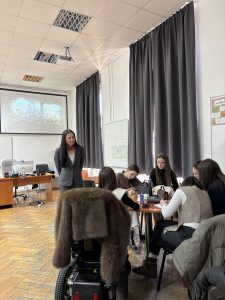
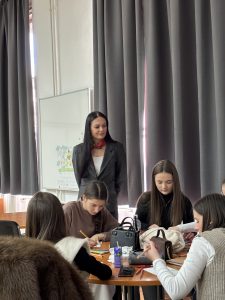
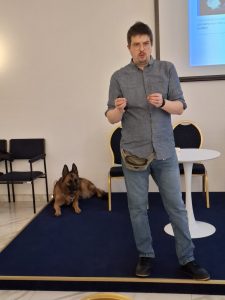
Luka Matić, an alumnus of the Faculty of Humanities and Social Sciences in Osijek and a member of the FFOS Alumni Association, gave a presentation on self-employment as part of FFOS Career Day on 22 October 2025. He emphasised the need for continuous development of knowledge and skills, which must be applied in today’s labour market to a complex and broad range of market needs and demands. His experience is based on six years of independent work and the co-founding of the deep-tech start-up CyberArrange Security Solutions. In addition, Matić worked for several years as a consultant, preparing applications for Croatian Employment Service self-employment grants.
Through his consulting work, Matić gained insight into a wide range of business models, from sole proprietors in the intellectual services sector to companies that now generate multimillion-euro revenues. His presentation on self-employment combined entrepreneurial experience in high technology with practical knowledge of government support programmes, with the aim of passing his knowledge and skills on to new generations of students at the Faculty of Humanities and Social Sciences in Osijek, who acquire a broad range of skills during their studies that can help them meet various market demands.
Workshop “Developing Students’ Communication Skills”
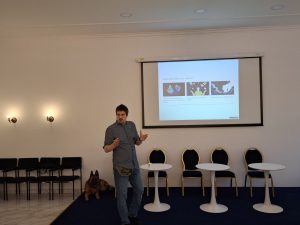
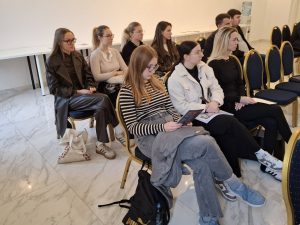
As part of the FUZ&JA programme at the Faculty of Humanities and Social Sciences in Osijek, the workshop “Developing Students’ Communication Skills”, led by Branka Gale, was held on 21 May 2025. The workshops focused on developing creative thinking, concentration, cooperation, group cohesion and the integration of all members of society.
The workshops were adapted to the age and level of students enrolled in the Pedagogy study programme. The aim was to prepare future pedagogues to work with new generations of children and students who increasingly show a reduced connection with reality, weaker cooperation and communication, and a lower willingness to share ideas and participate in collaborative learning. The students actively participated in all activities and accepted the previously explained rules with understanding. Each activity was followed by a reflection session.
The workshops resulted in numerous positive comments, expressions of satisfaction, the awakening of the inner child and a stronger sense of unity within the group. The students expressed interest in using such forms of work and learning more frequently in order to prepare more effectively for the challenges of their professional environment and everyday life. The need to apply these activities from preschool age onwards, particularly in higher education, was emphasised. Establishing better conditions for learning and encouraging stronger connections within the social community were recognised as the foundation of successful further learning and work. Each activity was accompanied by additional guidance on working with different groups of students, resolving conflicts and supporting the development of a positive self-image. The students’ positive attitude towards their future profession was further strengthened.
Children with Developmental Disabilities
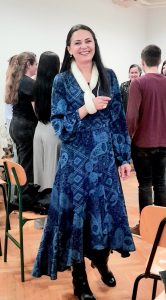
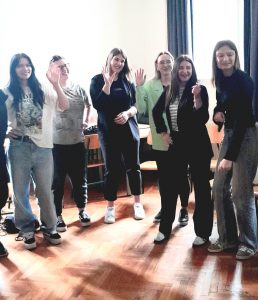
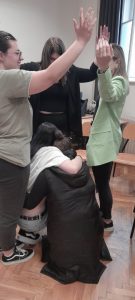
FUZ&JA, short for Philosophy in the Community – and Me, is a science popularisation project of the Faculty of Humanities and Social Sciences in Osijek. As part of the FUZ&JA programme, the lecture “Children with Developmental Disabilities” was held at the Faculty on 13 March 2025. The lecture was attended by first-year Pedagogy students. The lecturer, Mirta Vladić, is a teacher of Croatian Language and Literature, a drama educator, a senior master storyteller and mentor, and the coordinator of extracurricular activities for Osijek-Baranja County. She works at the Osijek Medical School. She also works with children with developmental disabilities and children with Down syndrome as the leader of drama and creative workshops. The students watched several drama performances involving children with Down syndrome, as well as a range of drama education activities that stimulate imagination and support the development of speech, language and motor skills in children with developmental disabilities. Special thanks go to Professor Goran Livazović, PhD, who supported and praised the activity and expressed an interest in future cooperation.
Audiovisual Translation Workshop
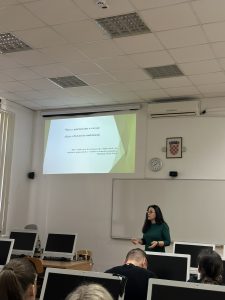
On 10 March 2025, as part of FUZ&JA, the science popularisation project of the Faculty of Humanities and Social Sciences, the FFOS Alumni Association organised its first activity of the summer cycle. The audiovisual translation workshop “The Art of Condensation” was led by Mišo Grundler, MA in English and Swedish Language and Literature. An award-winning literary translator from those languages, as well as Danish and Norwegian, a court interpreter, Vice-President of the Croatian Literary Translators Association, member of the Executive Board of the Croatian Association of Audiovisual Translators, and external associate and assistant at the Chair of Scandinavian Studies at the Faculty of Humanities and Social Sciences in Zagreb, Grundler presented his extensive and diverse translation experience to students of the Translation Studies track of the graduate programme in English Language and Literature. The workshop was also attended by other students and professors from the departments of English and German Language and Literature.
He highlighted the accessibility of tools that enable working from home and the variety of content as the main advantages of audiovisual translation, but also warned about short deadlines and low fees. For this reason, he advised translators to become familiar with their rights through professional associations such as the Croatian Association of Audiovisual Translators and to seek support if those rights are violated.
In addition to practical skills and the formal features of audiovisual translation, Grundler identified excellent command of language across all registers, awareness of the temporal and spatial context of the content, including units of measurement and words with multiple meanings, good cooperation with proofreaders, flexibility, a willingness to research complex concepts and networking with other professions as prerequisites for quality. The Croatian market does not allow for narrow translator specialisation. He also highlighted the inevitable rise of artificial intelligence in most forms of translation as a fast and inexpensive form of labour. However, through numerous examples of his own creative solutions in translating humour, an area in which good, poor and machine translation can be distinguished particularly easily, he emphasised the importance of human creativity and the need to preserve natural language from machine influence. He concluded that continuous investment in one’s knowledge and respect for one’s own work and time are the best path to success.
School Support Services and Cooperation with Parents
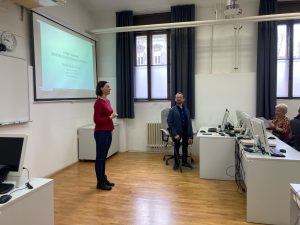
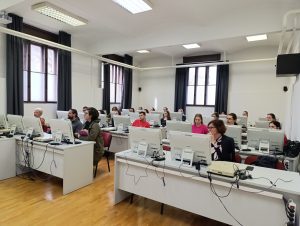
On 16 January 2025, Iva Šlogar, a school pedagogue and professional associate, gave a lecture entitled “School Support Services and Cooperation with Parents”, organised by the Alumni Association. The aim of the lecture was to present opportunities for cooperation in contemporary schools. The presentation covered the work of a school pedagogue through the three main areas of their professional activity, together with examples of activities carried out in cooperation with parents. The lecture also included participant work on developing their own activity proposals within the area of cooperation with parents.
The lecture was attended by fourth- and fifth-year students of the graduate Pedagogy programme. The participants gave excellent feedback, emphasising that the content would be useful in their future pedagogical practice. They showed strong motivation for the interactive lecture, and the organisers thank them for their comments.
Drama Techniques and Methods in Literature Teaching
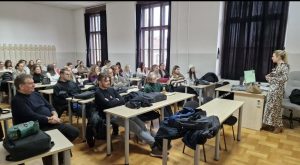
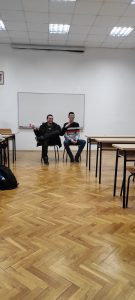
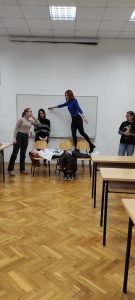
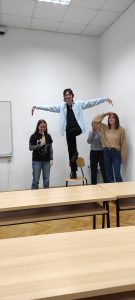
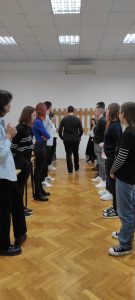
As part of the FUZ&JA programme at the Faculty of Humanities and Social Sciences in Osijek, on 13 December 2024, FFOS Alumni Association member Mirta Vladić, a teacher of Croatian Language and Literature, drama educator and senior master storyteller, held a workshop entitled “Drama Techniques and Methods in Literature Teaching”. The workshop was held as part of the Literature Teaching Methodology course taught by Professor Jakov Sabljić, PhD. Using excerpts from novels, fairy tales and lyric poems, the lecturer demonstrated how narrative texts can be approached in a more contemporary way. The students readily participated in the interactive activities. The drama techniques they used included freeze frames, inner monologue, thought tunnel, hot seating and improvisation exercises. The lecturer only briefly introduced drama methods such as forum theatre, process drama, mantle of the expert and devised theatre. As these forms follow a predefined structure, they require more time to carry out. In drama education, play is a path to the hearts and minds of students. Imagination stimulates creativity and helps us understand the world in which we live.
The Alumni Association and the lecturer Mirta Faktor thank Professor Sabljić and the students for their cooperation.
Book Launch – Pedagogical Axiology
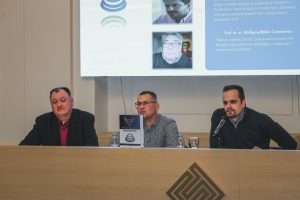
On 20 November 2024, the academic book Pedagogical Axiology was launched in the Ceremonial Hall of the Faculty of Humanities and Social Sciences in Osijek. The event was organised by the Association of Graduates of the Faculty of Humanities and Social Sciences in Osijek and Ivan Lenard, PhD.
The opening remarks on behalf of the Department of Pedagogy were delivered by Associate Professor Renata Jukić, PhD, while Ivan Lenard, PhD, acting as moderator, introduced the authors of the book: Professor Mirko Lukaš, PhD, from the Department of Pedagogy at the Faculty of Humanities and Social Sciences in Osijek, and Dean Cikovac, PhD. The publication, issued in March 2024, aims to establish pedagogical axiology as a distinct academic field devoted to value systems within pedagogical processes.
Professor Mirko Lukaš presented the book as an interdisciplinary work combining philosophical methodology and pedagogical practice. He emphasised the innovative concept of a spiral approach to values, symbolically represented on the book’s cover.
Dean Cikovac, PhD, highlighted the importance of internal values as intangible heritage that shapes pedagogical practice. In his view, the education system should strive to teach values, rather than merely transmit facts. Introspection and moral foundations are essential for shaping generations that will build the future.
The discussion with the audience emphasised the book’s holistic and anthropological approach, as well as the need for values to serve as an unchanging foundation of pedagogical work. The work represents a significant contribution to the theory and practice of pedagogy, focusing on the understanding and implementation of values in the contemporary educational context.
Second International Scientific Conference “Innovative Approaches in Education”
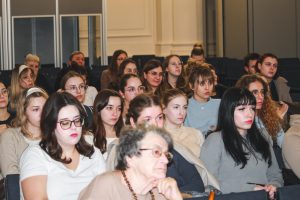
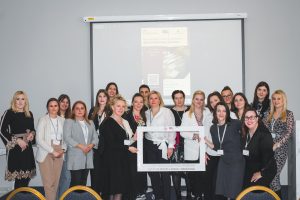
The Second International Scientific Conference “Innovative Approaches in Education”, held on 15 and 16 November 2024, brought together leading academics, researchers and professionals from different fields of education. The conference was organised through cooperation between doctoral students of the doctoral programme Pedagogy and the Culture of the Contemporary School at FFOS and the FFOS Alumni Association.
The conference was attended by 31 participants from Croatia, Bosnia and Herzegovina, Hungary and Belgium. In addition to the other participants and two plenary lectures, all doctoral students of the 2022/2023 generation successfully presented their own research papers. A total of 24 research papers were presented across five thematic sessions, during which the latest innovations and challenges in education were discussed.
The conference was held with financial support from the Faculty of Humanities and Social Sciences, the City of Osijek and Osijek-Baranja County.
Participant feedback was positive, with particular praise for the high quality of the presentations and organisation.
Storytelling as a Teaching Method
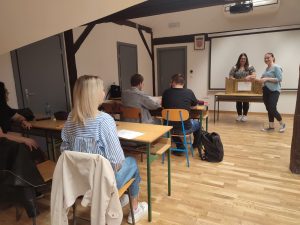
As part of the FUZ&JA science popularisation programme at the Faculty of Humanities and Social Sciences in Osijek, a lecture entitled “Storytelling as a Teaching Method” was held on 13 May 2024. Master storyteller Mirta Vladić told the students two stories: “A Sack Full of Lies” and “The Petrified Nobleman”. The storytelling was followed by a lecture on storytelling as a teaching method. Several drama-based teaching methods were demonstrated. At the end of the lecture, the students told the story of Little Red Riding Hood themselves using the kamishibai technique.
“Raindrops” – Workshop and Lecture
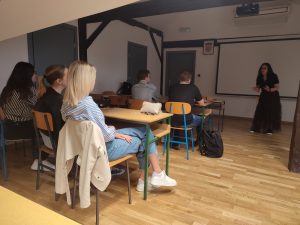
On 12 March 2024, Mirta Vladić held a lecture and workshop at the Faculty of Humanities and Social Sciences in Osijek. She told a story to first-year students of Croatian Language and Literature as part of the Children’s Literature course taught by Full Professor Dragica Dragun, PhD. In the introductory part, she presented the first Croatian Storytelling Study Programme in Varaždin. Mirta Vladić was then in the third year of the programme and held the title of master storyteller. The importance of storytelling in everyday life was discussed. The participants recalled who had told them stories as children and in what way. The students narrated events from their own lives, adding humorous words, slang, filler words and similar elements to their storytelling. Afterwards, Vladić told her original therapeutic story “Raindrops”. The students were then divided into groups. Each group received the story Born to Be King. They divided the story into four mental images and drew illustrations or symbols from the excerpt to support their narration. They then told the story using the kamishibai technique.
LECTURE: WHY ARE DOCTORS LEAVING CROATIA?
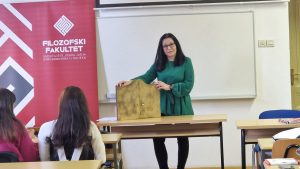
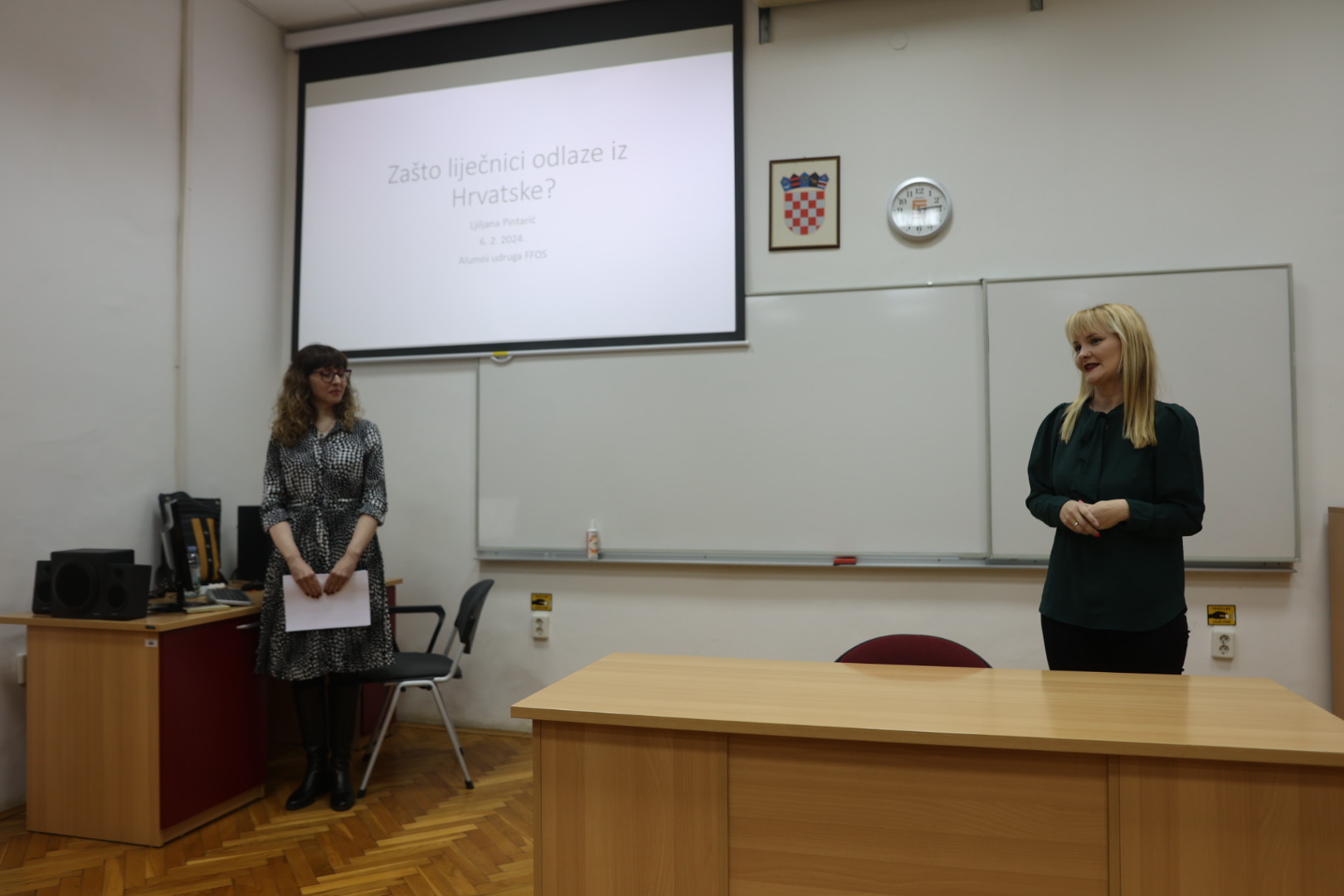
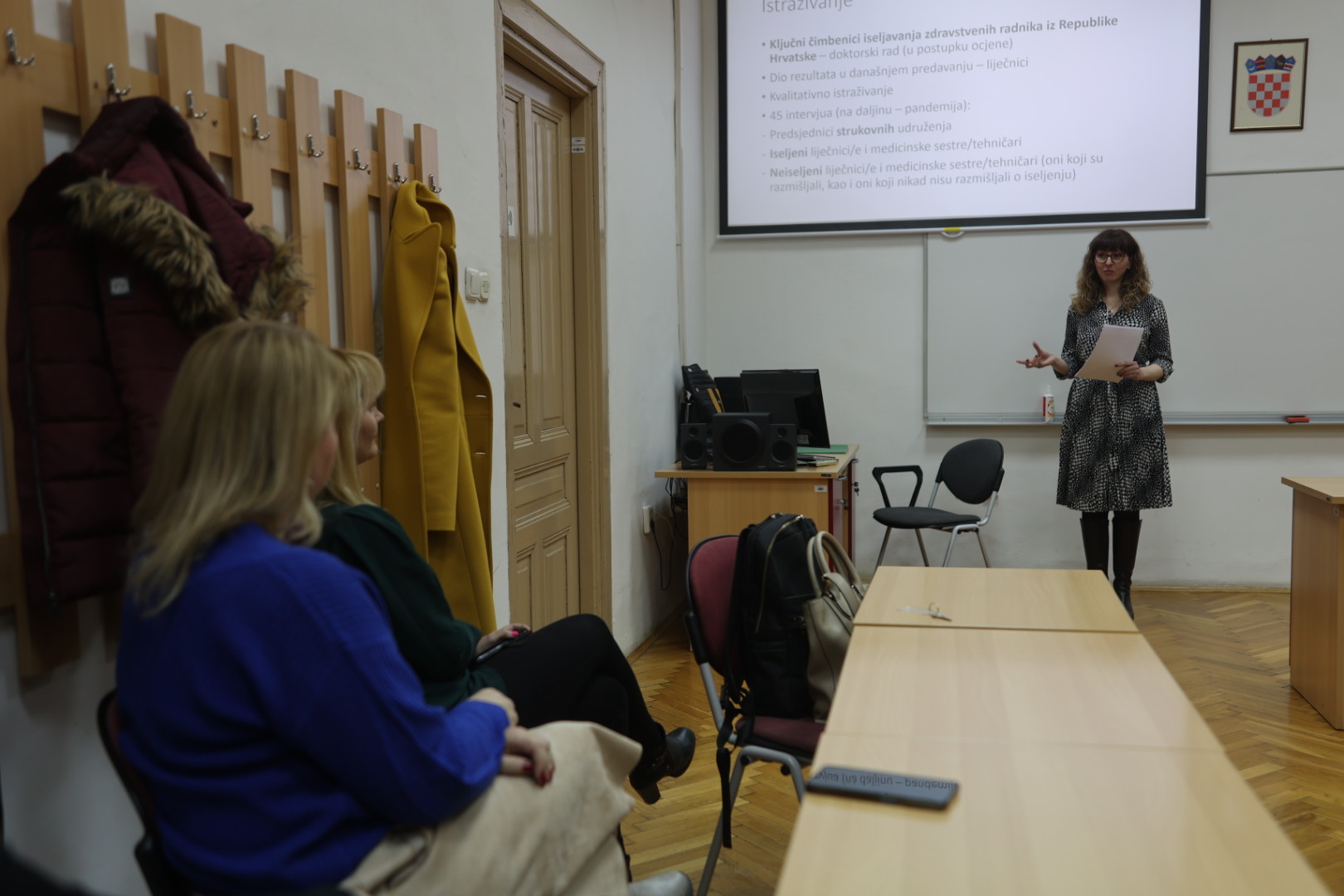
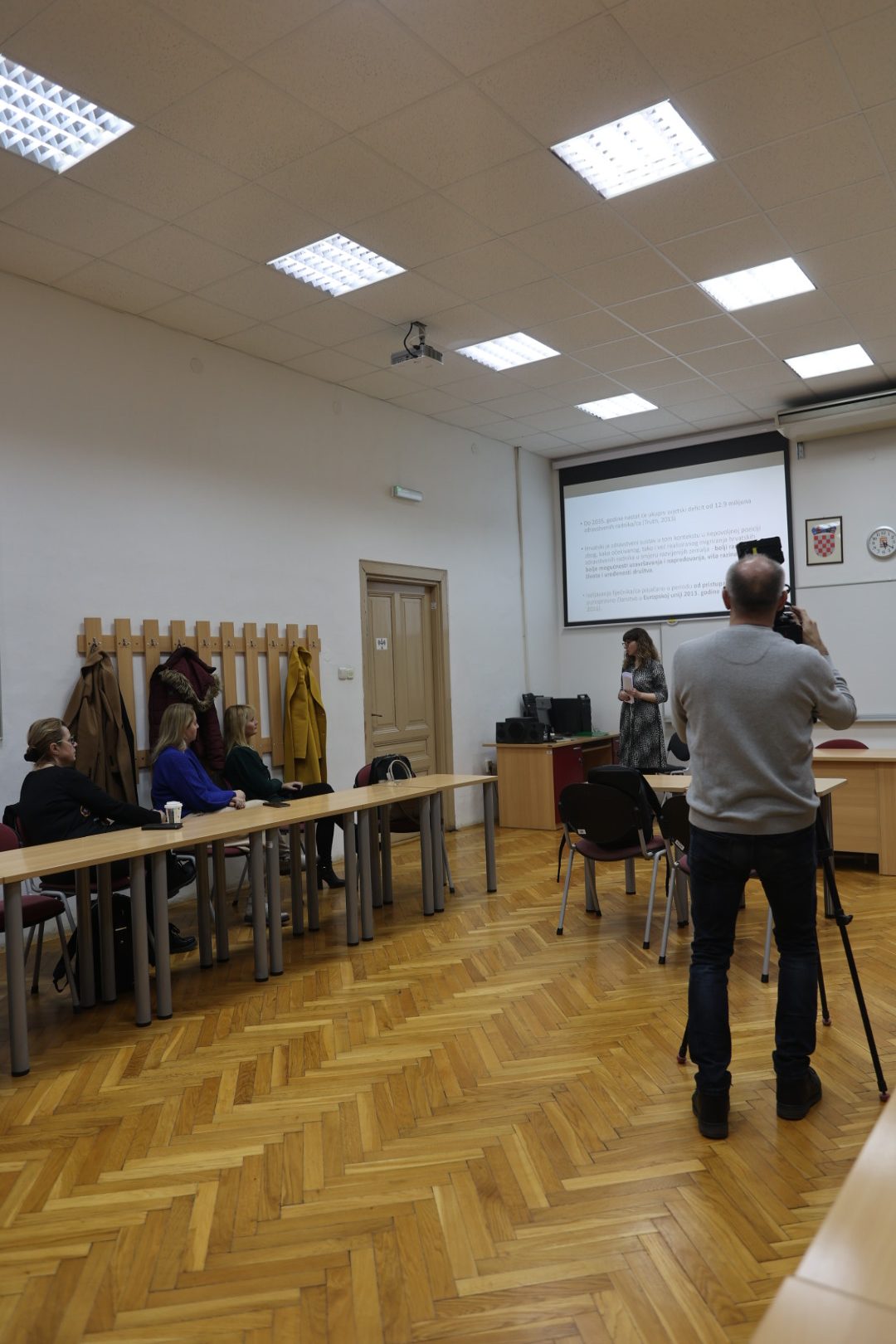
On Tuesday, 6 February, at 5 p.m., the lecture Why Are Doctors Leaving Croatia? was held as part of the FUZ&JA programme. The lecture was delivered by sociologist Ljiljana Pintarić, who presented the results of her doctoral research on the emigration of healthcare professionals from Croatia. The aim of her research was to identify and understand the key and other relevant factors involved in healthcare professionals’ decisions to emigrate, as well as the various contextual variables that may influence this process.
A qualitative study was conducted using semi-structured interviews. The target population included both emigrated and non-emigrated healthcare professionals, including those who had considered or were considering emigration and those who did not view it as an option. A total of 45 healthcare professionals were interviewed. Because the research was conducted during the COVID-19 pandemic, all interviews were carried out remotely through online communication platforms. The collected material was analysed using thematic analysis and a pattern-based approach. The examples were transcribed and anonymised, and selected accounts were presented to the public, who were appalled by some of them, particularly those involving workplace bullying or gender-based violence.
Five themes were identified as grouping the factors relevant to the emigration of healthcare professionals from Croatia: the organisational context of the Croatian healthcare system, the socio-political context of contemporary Croatian society, healthcare professionals’ career aspirations, quality of life and systemic violence. The key drivers of emigration included the disorganisation and high degree of politicisation of the healthcare system, the perception of widespread corruption and nepotism in both the healthcare system and society, the absence of meritocratic principles in the system and broader society, and a general climate of apathy and hopelessness.
The lecture attracted considerable public interest. Audience members asked numerous questions, opening up further issues and drawing attention to social problems that the lecturer finds professionally relevant and wishes to continue researching.
LECTURE: EXPERIENCING ART
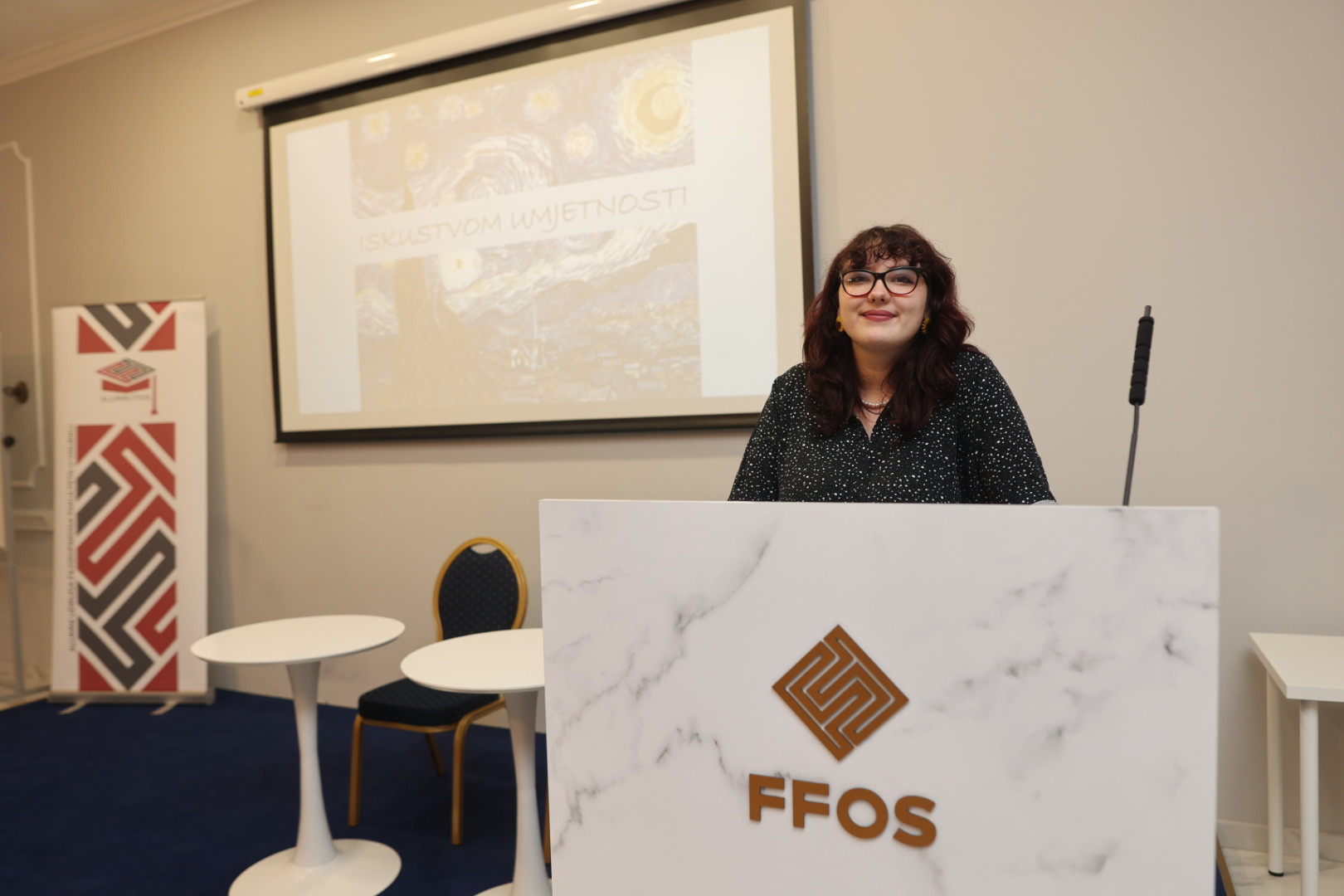
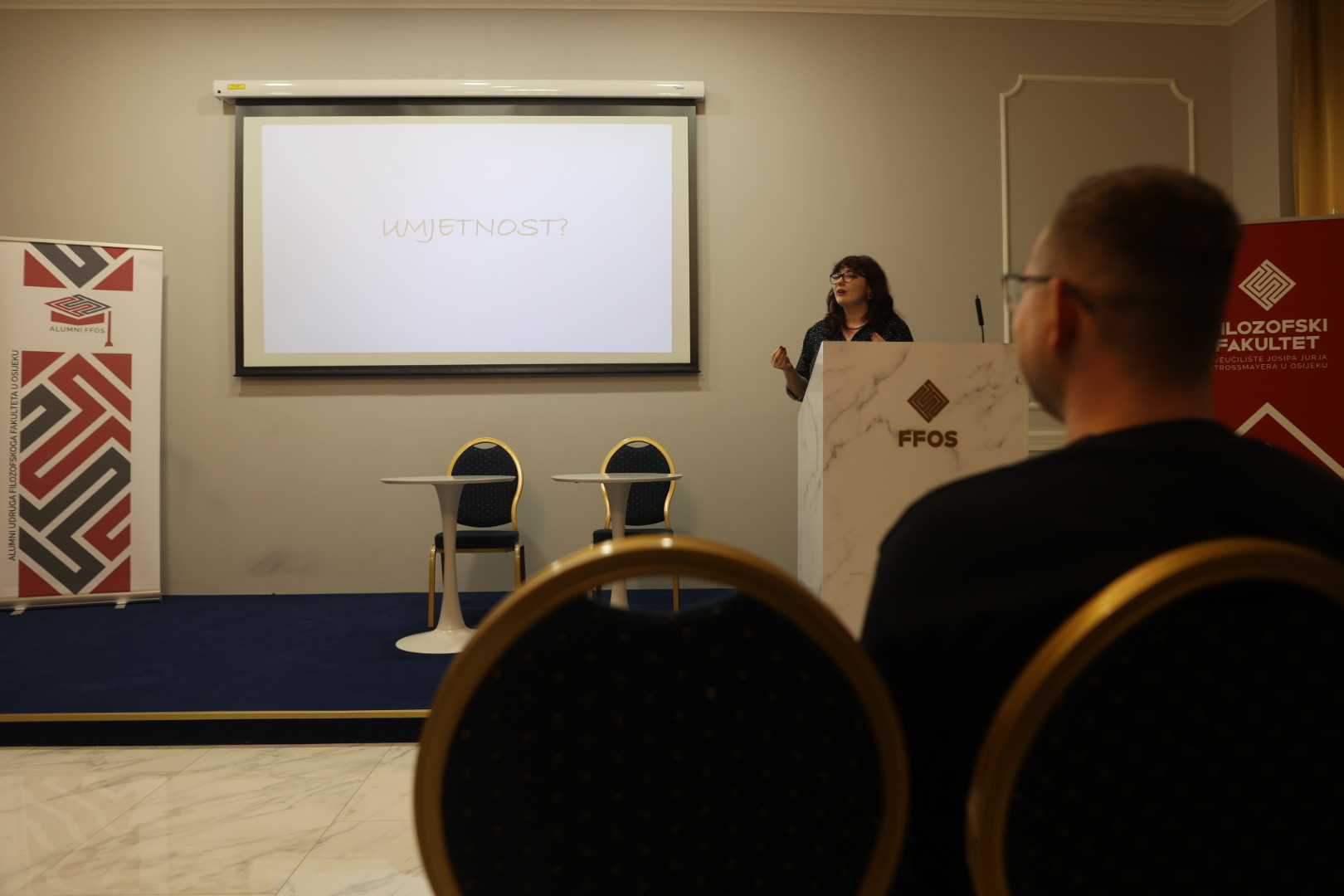
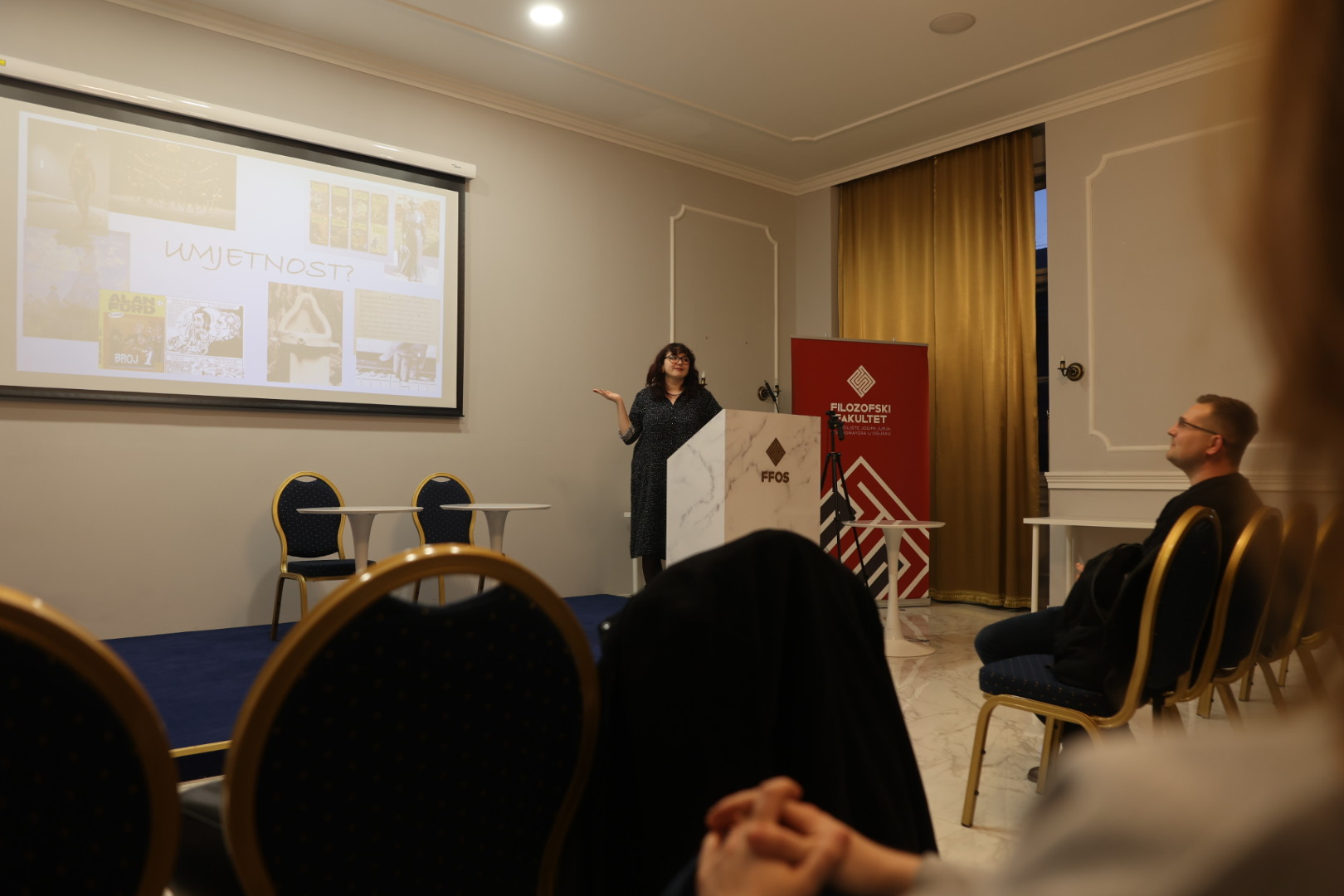
The lecture Experiencing Art was delivered by Martina Ivanović on 30 January 2024 in Room 39 of the Faculty of Humanities and Social Sciences in Osijek. The lecture aimed to reopen and highlight questions concerning the work of art, authenticity and the limits of understanding the concept of art itself. After a brief presentation of the topic, selected works of art were shown, including examples from comics, theatre, musical notation and piano performance, as well as two sculptures by the Osijek artist Gračan. The purpose was to explore the audience’s views on the possible boundaries of art, what may be considered art today and whether gradations exist within the concept, including whether one work of art may be regarded as “better” than another and according to which criteria. The lecture concluded with questions and comments from the audience.
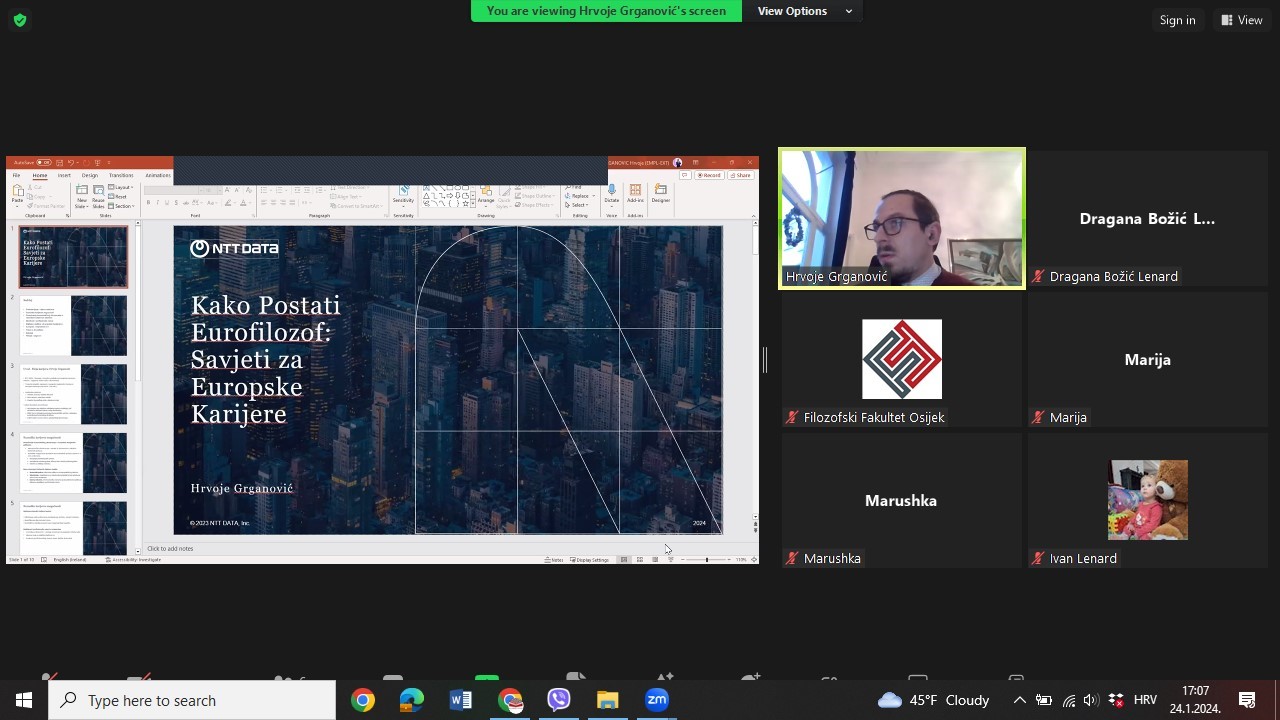
LECTURE: HOW TO BECOME A EUROPHILOSOPHER – ADVICE FOR EUROPEAN CAREERS
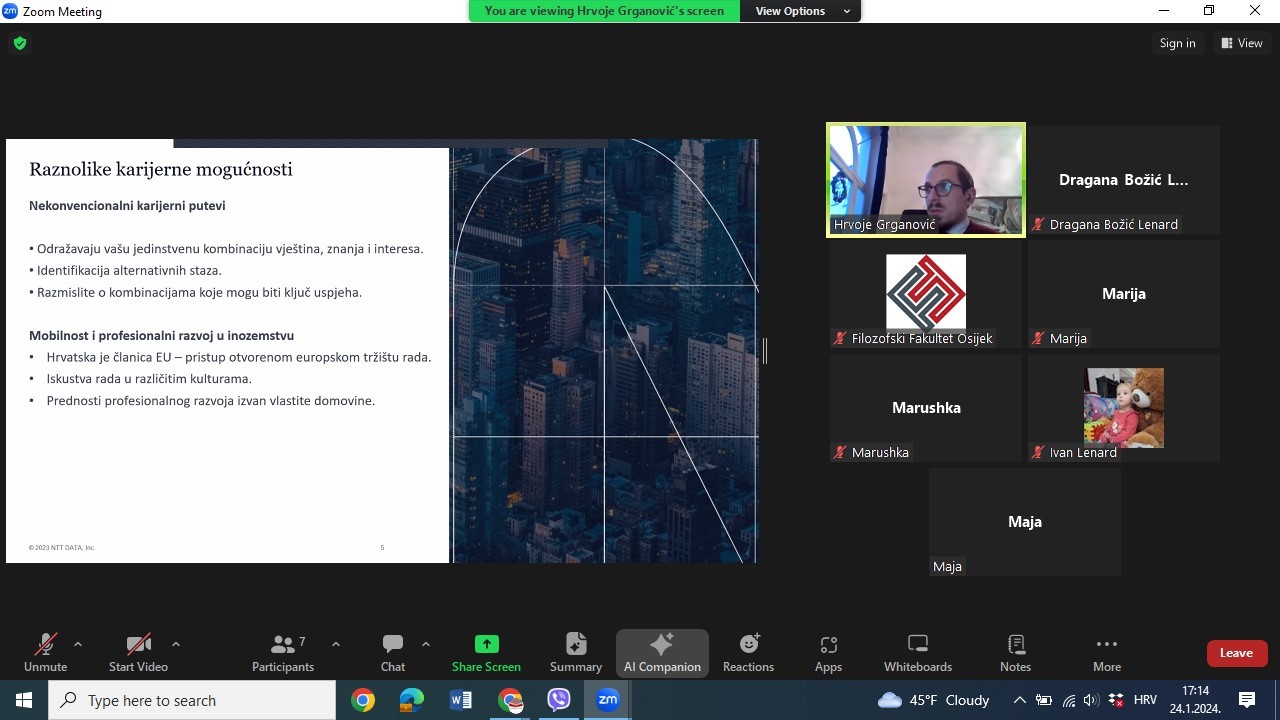
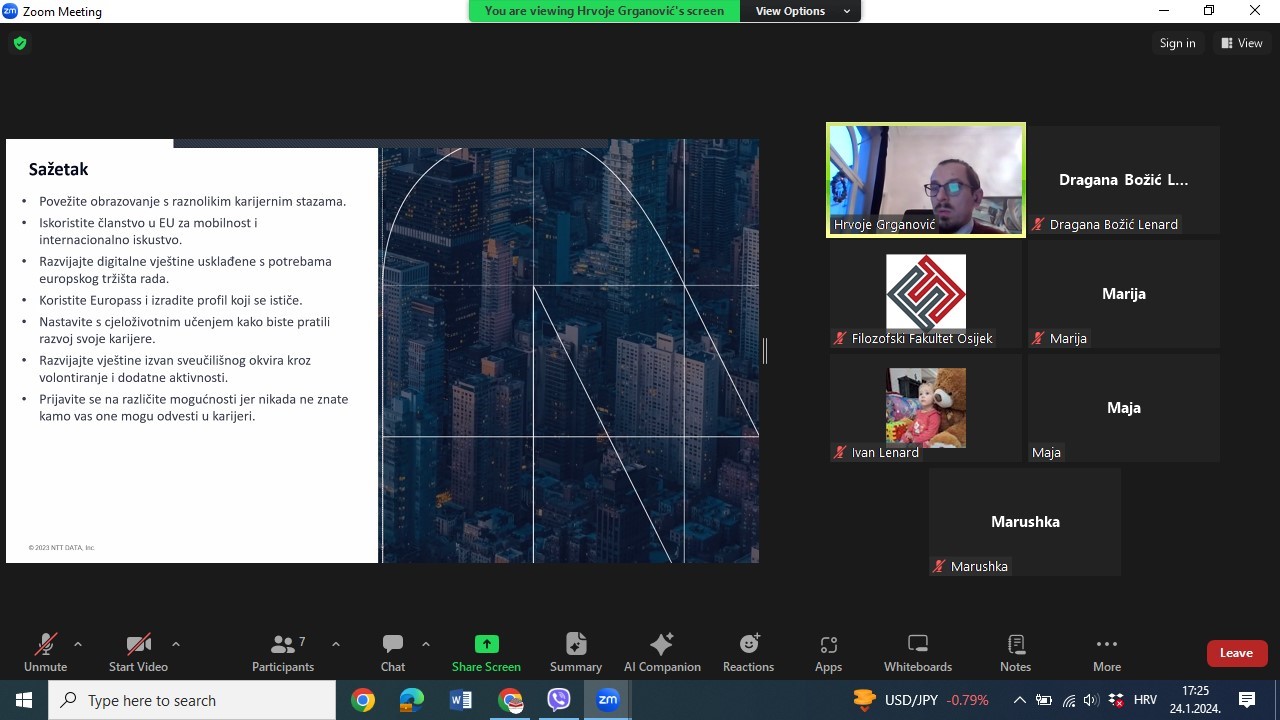
On Wednesday, 24 January 2024, former student of the Faculty of Humanities and Social Sciences in Osijek Hrvoje Grganović delivered an online lecture entitled How to Become a Europhilosopher: Advice for European Careers. The lecture was open to the public. Although the lecturer is a linguist with most of his experience in translation-related work, the lecture was useful to all students in the social sciences and humanities interested in international careers.
The lecturer emphasised the wide range of career opportunities available to humanities students because, regardless of their field of study, all humanities programmes, as well as most social science programmes, help students acquire transferable skills such as presentation, interpersonal and communication skills, which are valued across all sectors. He encouraged students to recognise early the importance of gaining international experience and networking through student jobs, volunteering, exchange programmes and internships.
He presented the application process for jobs in EU institutions, the private sector and non-governmental organisations and provided useful practical advice on writing a CV and presenting oneself to potential employers in a job interview. As he is personally involved in student recruitment, he understands what it is like to be “on the other side of the table”, making his advice particularly valuable.
The lecture was followed by questions from the audience, which the lecturer answered patiently and confidently.