
2026.
Theory under the Spotlight: Workshop in Osijek Brings Together a New Generation of Historians
Organised by the Faculty of Humanities and Social Sciences, Josip Juraj Strossmayer University of Osijek, and the Doctoral Study Programme in Modern and Contemporary Croatian History in the European and Global Context at the Faculty of Humanities and Social Sciences, University of Zagreb, the second Social History Workshop entitled “What Is Theory For?” was held on 23 May 2026. This year’s workshop raised the question of the extent to which a theoretical framework is necessary for historical research and how it influences the formulation of research questions and the interpretation of historical sources.
At the beginning of the programme, Asst. Prof. Luka Pejić, PhD, welcomed the participants, emphasising that the aim of the Social History Workshop is to create an institutional platform for young historians interested in social history. He highlighted the importance of presenting current research, networking, and exchanging research experiences among young historians, noting in particular that, thanks to its co-organisation, this year’s workshop went beyond a local framework and included doctoral students from other universities. He especially stressed the importance of theoretical literacy among historians for high-quality historiographical production. As chair of the programme and organising committee, he also thanked his collaborators Valentina Kezić, Franka Maslov, Nikola Tomašegović, PhD, and Veronika Završki.
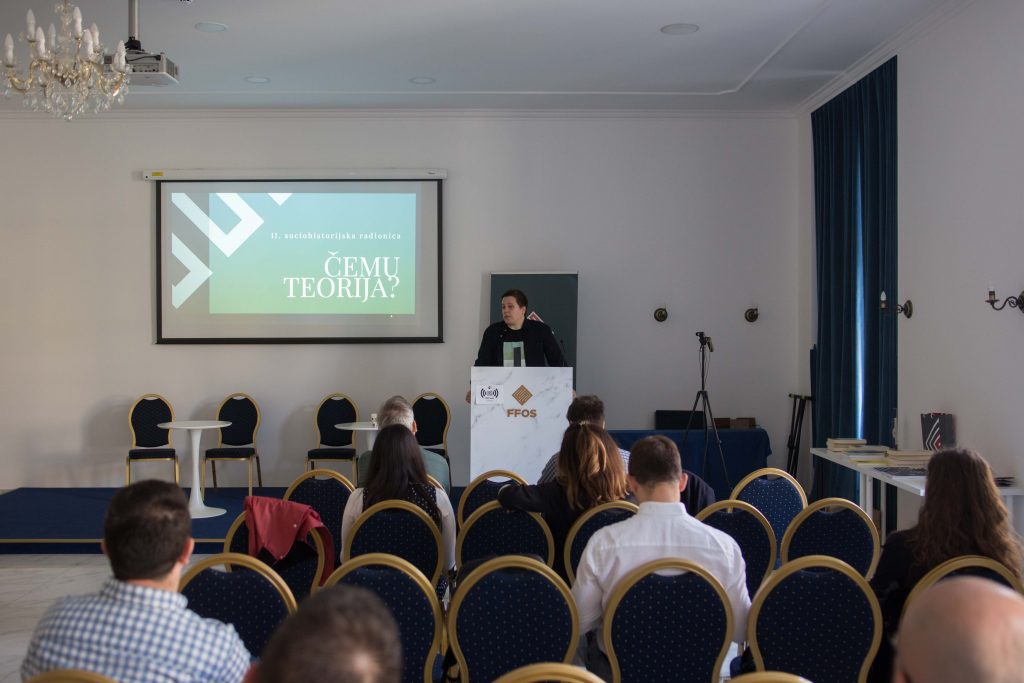
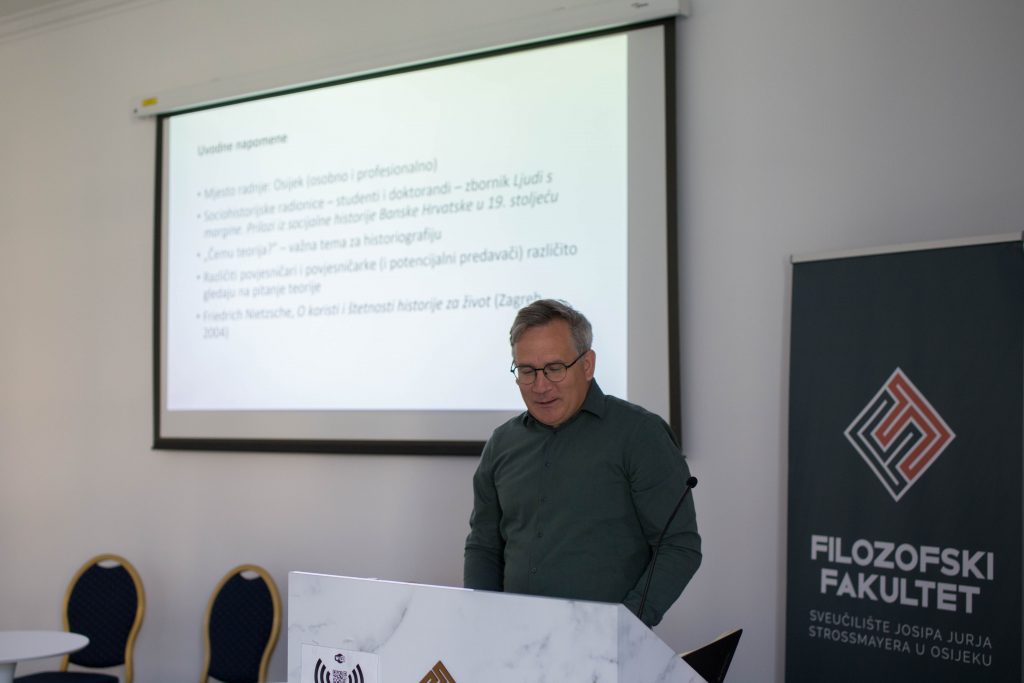
The workshop opened with a plenary lecture by Assoc. Prof. Branimir Janković, PhD, from the Faculty of Humanities and Social Sciences in Zagreb, entitled “On the Use and Abuse of Theory for the Life of a Historian”. The lecture provided a valuable introduction to theoretical and methodological issues that were further developed throughout the workshop. A very engaging discussion on the state of contemporary Croatian and regional historiography followed the plenary lecture.
The programme was divided into three thematic blocks. In the first, Franka Maslov presented theoretical and methodological approaches used in her doctoral research on male and female homosexuality in Croatian society from the late 19th to the early 20th century. Doctoral student Marko Kolić spoke about gender history through the example of studying the role and position of women in medicine in Croatia between the two world wars, while Perica Vujić presented on the language of historiographical discourse using history textbook discourse as an example.
The second block was opened by Nina Gagulić with a presentation on the theory and methodology of oral history and contemporary perspectives and challenges related to this research method. Doctoral student Dora Tomljanović problematised the issue of economic nationalism “from below”, while Martin Zelić presented theoretical and methodological problems of new cultural history using the Croatian National Theatre in Osijek during the First World War as a case study.
In the final block, Rebeka Puhalo discussed the role of theory in military history research using the example of the 761st Tank Battalion in the Second World War. Ilija Šušak emphasised the necessity of interdisciplinarity in contemporary historiography, while Luka Vrbanić concluded the workshop with a presentation devoted to archival arrangement and the role of archivists in shaping future historiography and collective memory.
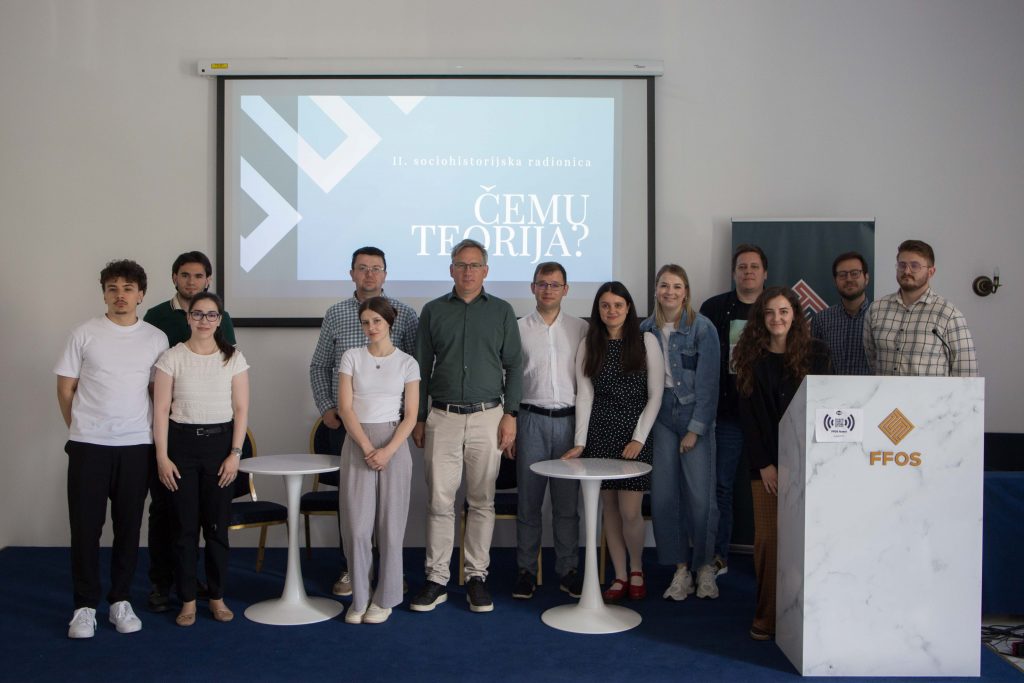
Each block was followed by discussions in which participants and members of the audience asked questions, offered comments, and exchanged research experiences, further fulfilling the fundamental idea of the workshop.
Through its diverse presentations and stimulating discussions, the workshop once again opened important questions concerning established theoretical and methodological models and historiographical paradigms. Ultimately, this new edition of the Social History Workshop reaffirmed the necessity of theoretical literacy and constructive discussion for high-quality historical scholarship.
Text: Lana Trabak
Photographs: Danijel Jelaš
2025.
Social History in Focus: First Social History Workshop Held at FFOS
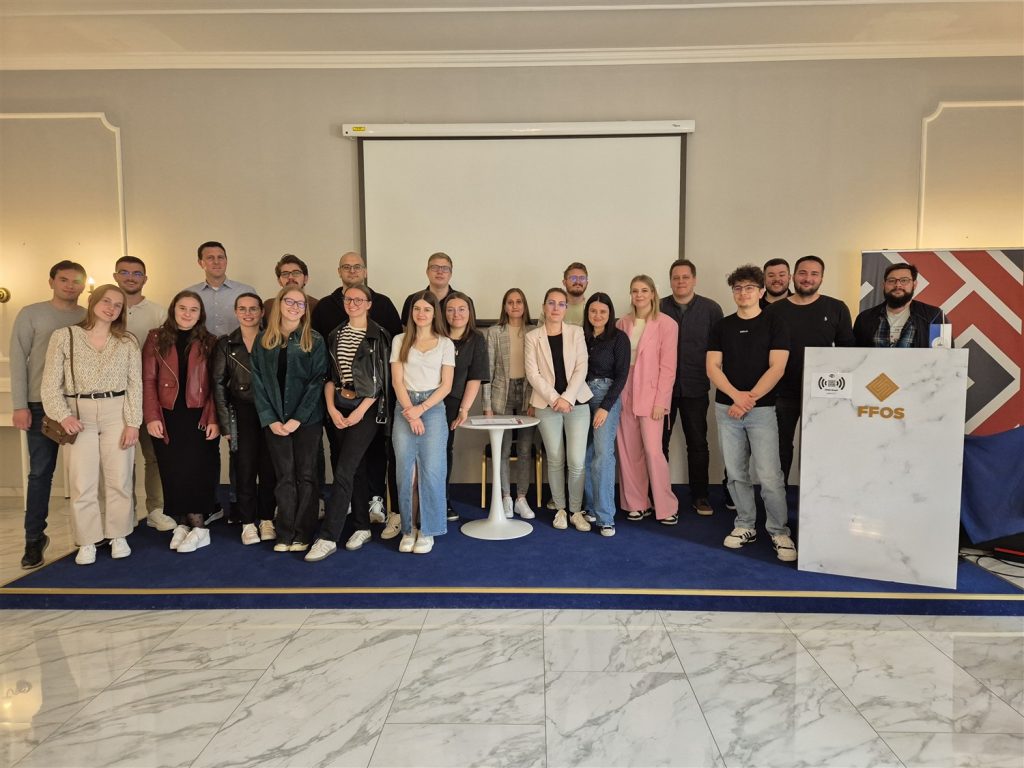
On Friday, 9 May, the first Social History Workshop was held at the Faculty of Humanities and Social Sciences in Osijek. The event, conceived as a platform for the exchange of knowledge and research experience on certain aspects of history from below, with an emphasis on the social history of the 19th century, brought together around twenty participants. In addition, the workshop provided a new opportunity for historians interested in social history topics to network.
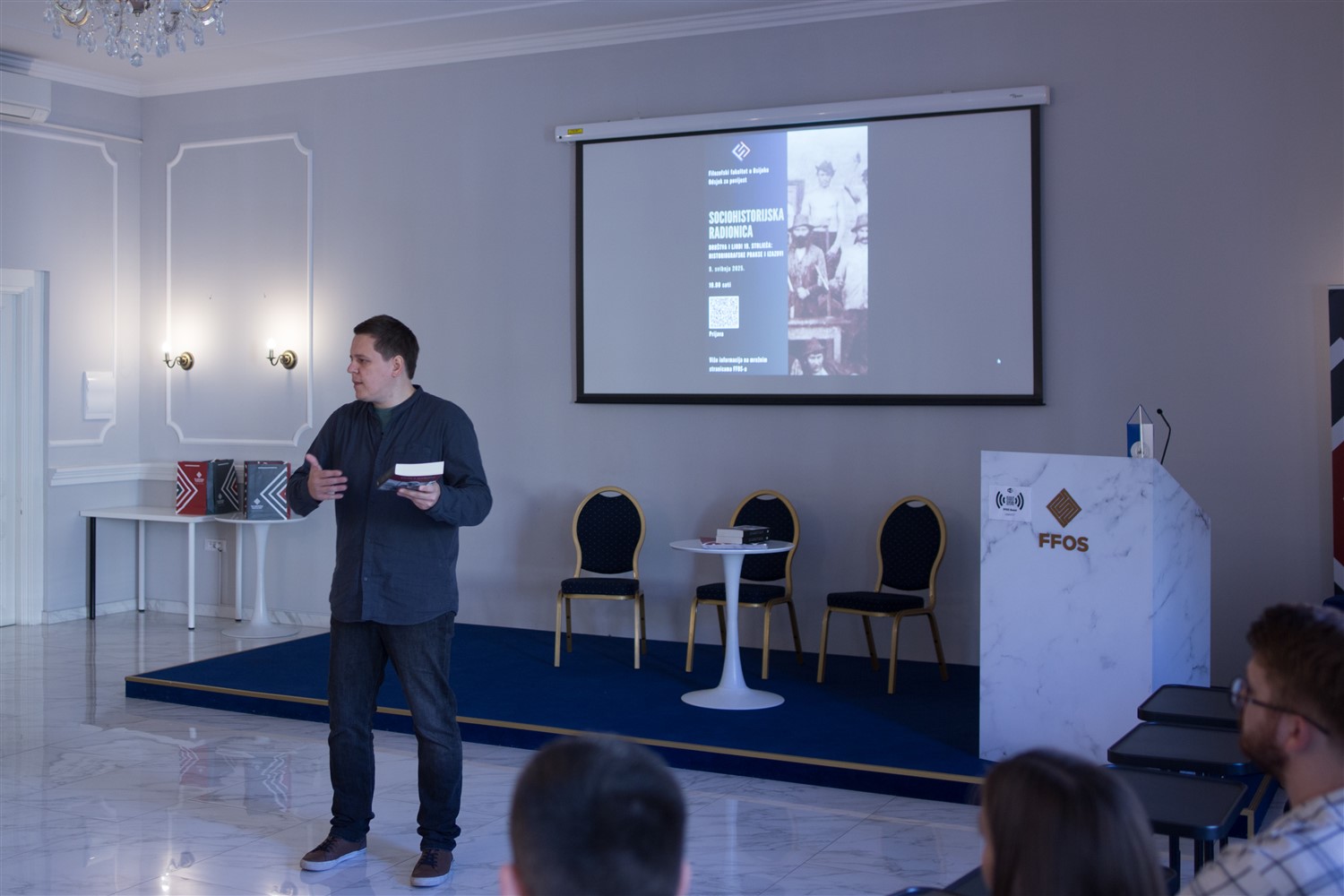
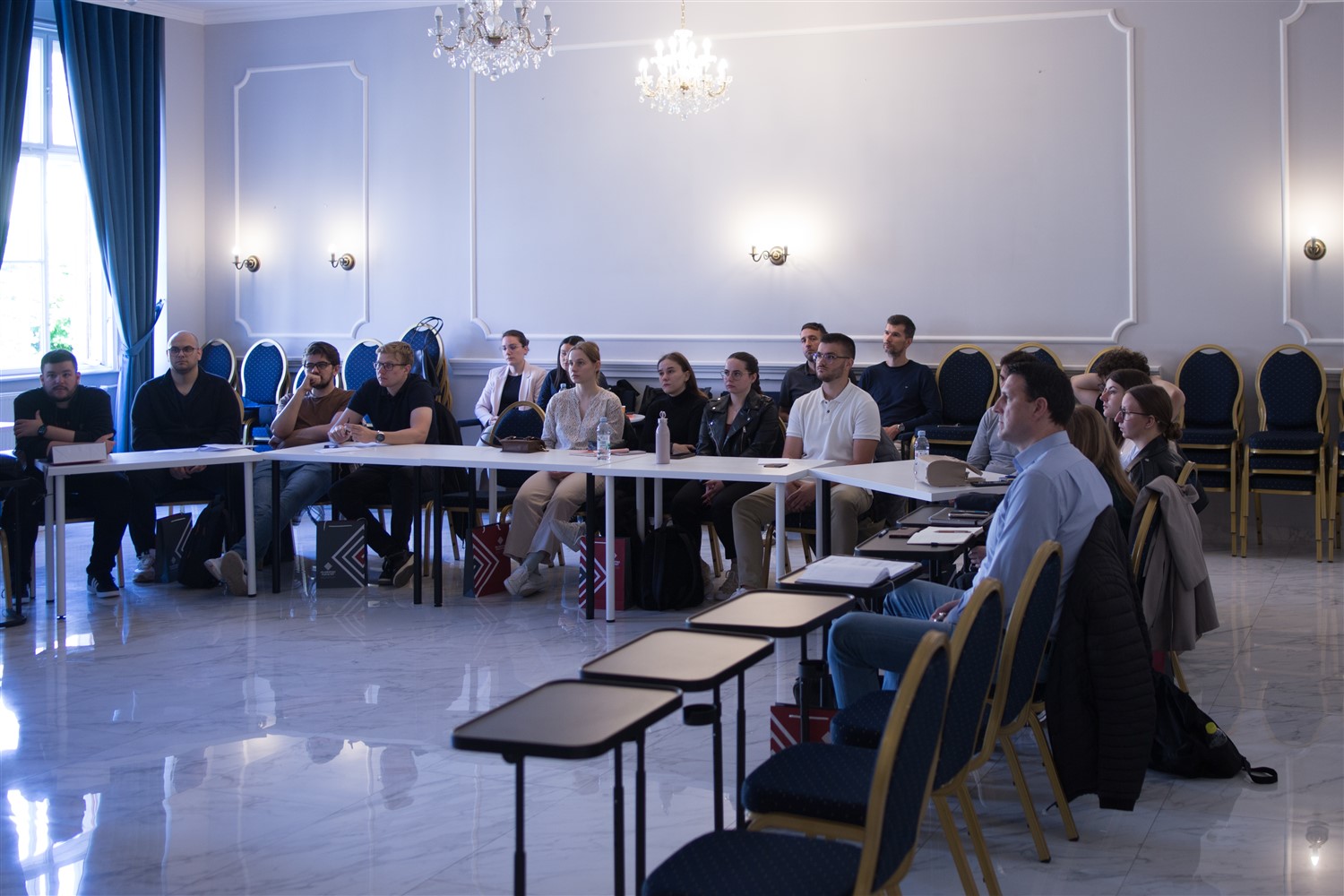
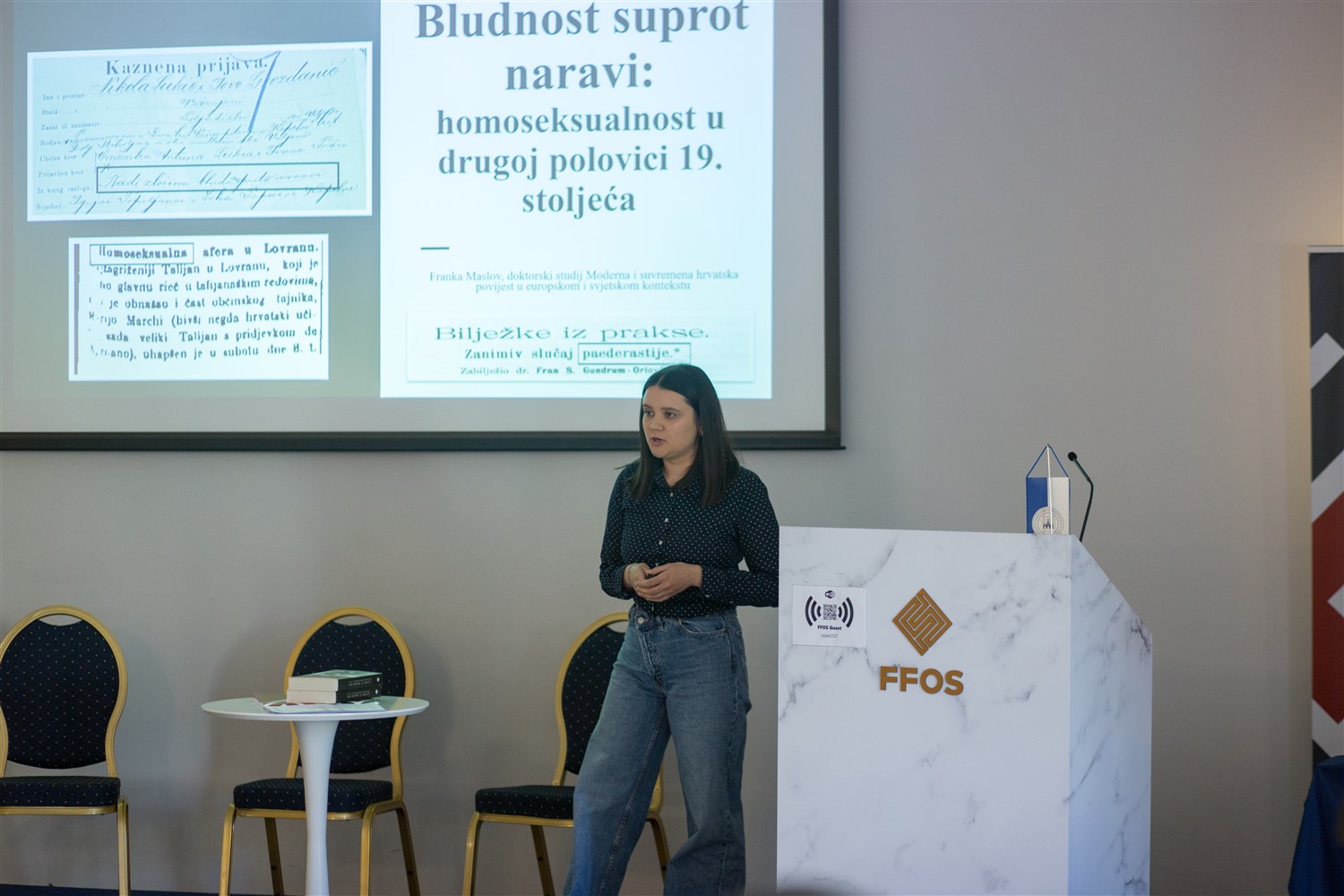
As part of the first workshop, three lectures were held, followed by an analysis of selected primary and secondary sources. The lectures were delivered by doctoral students of the postgraduate study programme Modern and Contemporary Croatian History in the European and Global Context at the Faculty of Humanities and Social Sciences in Zagreb: Franka Maslov, Veronika Završki and Valentina Kezić. In her presentation entitled “Lewdness against Nature: Homosexuality in the Second Half of the 19th Century”, Franka Maslov pointed to the limited research on the topic, particularly in the context of Croatian historiography. She emphasised that analysing the treatment of homosexuals at the turn of the 20th century requires examination of a number of phenomena, such as the functioning of the judicial system and the characteristics of contemporary medical discourse. She noted that her doctoral research includes analysis of a range of studies produced in the late 19th century, such as the works of Italian criminologist Cesare Lombroso and German psychiatrist Richard von Krafft-Ebing. She also added that it is necessary to work with highly dispersed and only partially preserved archival documents (e.g. records concerning arrests and trials of homosexuals, preserved patient records produced at the Royal and Provincial Institute for the Mentally Ill in Stenjevec, etc.), as well as digitised newspaper material. Maslov reminded the audience that most such materials were produced by particular centres of power, making it extremely challenging to reconstruct the voices of homosexuals themselves, who were subjected to repression or medical analysis in the 19th century.
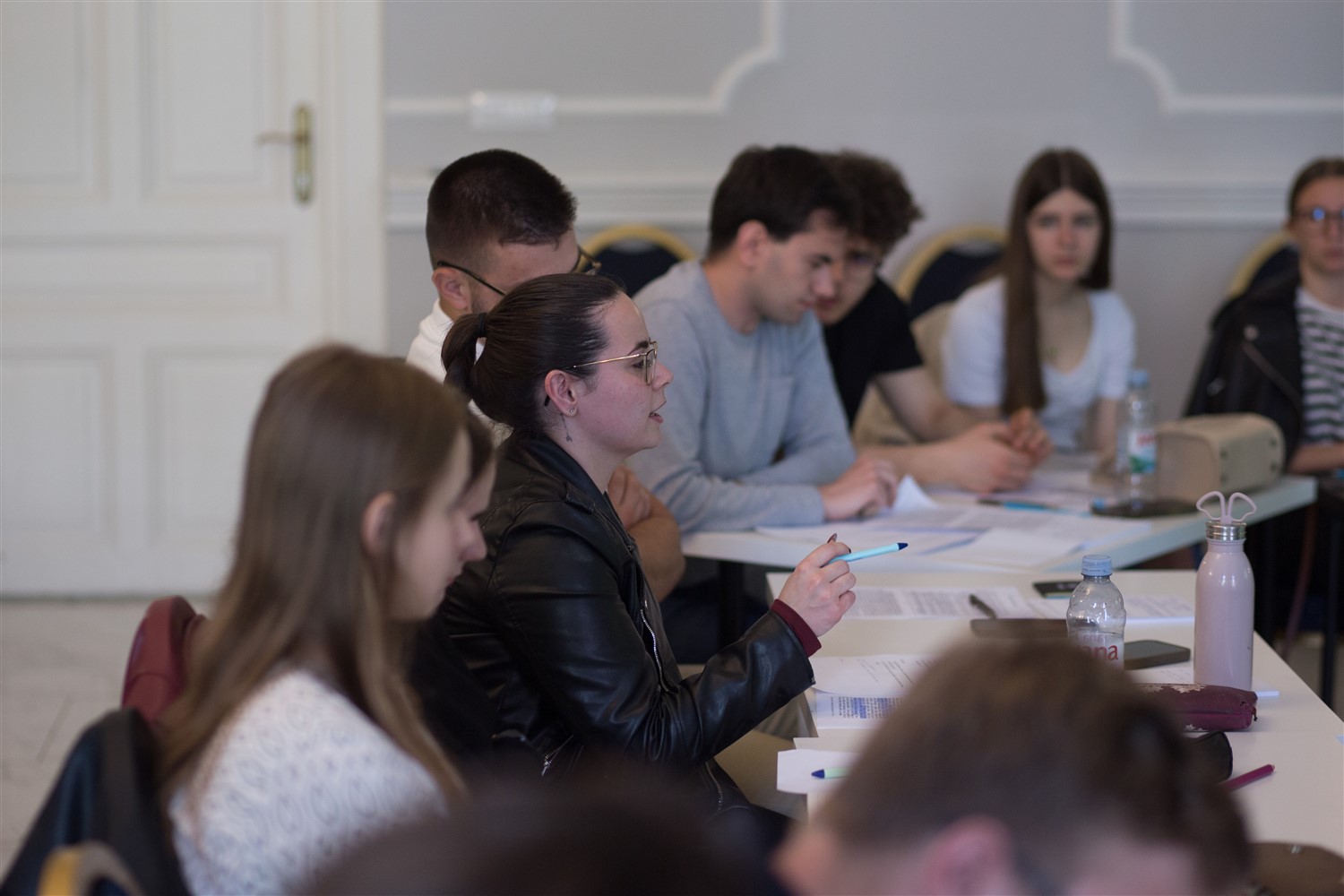
In the presentation “Education and the First World War: Possibilities and Challenges”, Veronika Završki presented the results of her doctoral research to date. She explained that the central focus of her dissertation is the analysis of the use of the school system for the mobilisation of young people during the First World War, with the city of Osijek selected as a case study. Završki drew attention to the fact that the wartime period of 1914–1918 was one in which the Austro-Hungarian authorities sought to affirm new educational tasks, intensifying the reproduction of desirable civic identities based on obedience, self-sacrifice and patriotism. In this sense, the home front, or so-called school front, was of enormous importance. She also reviewed existing historiographical production and major authors dealing with the history of education and the social history of the First World War. She explained that scholarly interest among Croatian researchers in education during the First World War emerged during the 2000s, primarily thanks to major anniversaries marking the beginning and end of the war in 2014 and 2018. In her further research, she plans to include numerous sources – the archives of individual schools, school chronicles, local newspapers, the holdings of the Osijek City Council, the holdings of the Department of Religious Affairs and Education of the Provincial Government, etc. Finally, she added that she hopes her research will contribute to a broader understanding of the functioning of the education system in the Austro-Hungarian Monarchy under wartime conditions.

The final presentation was delivered by Valentina Kezić. In the lecture entitled “Support Our Struggle for Your and Our Just Cause: The Workers’ Press and Labour Movement in the Late 19th Century”, she presented in detail the development of the labour movement in Civil Croatia – from the first known strikes and the formation of workers’ associations in the late 1860s and 1870s to the emergence of the workers’ press and the founding of the Social Democratic Party of Croatia and Slavonia (1894). She identified the goal of her doctoral research as a comparative analysis of Radnički prijatelj (Der Arbeiterfreund) (1874–1875), Radnički glasnik (1887–1889), Sloboda (1892–1902) and Nova sloboda (1902) as modern political newspapers in the context of the development of the labour movement in Zagreb in the late 19th and early 20th centuries. Kezić added that these newspapers were characterised by a modern editorial approach that followed developments in Croatian political journalism at the time, as well as in the European workers’ press. Given that these newspapers represented the main medium of the labour movement in Zagreb, it can be assumed that they were also of crucial importance for its ideological formation. In addition, she proceeds from the hypothesis that by highlighting workers’ problems, these newspapers exerted an important influence on the affirmation of the labour question in the broader public sphere. Like the other speakers, Kezić also reviewed previous historiographical production, the methodological specificities of researching this topic, and the challenges she faces while working with numerous archival documents.

As already noted, the lectures were accompanied by stimulating discussions and analyses of various sources. The presentations by the doctoral students also highlighted the necessity of a high level of methodological literacy and interdisciplinarity, whether through the unavoidable connection of historiography with certain aspects of law, medicine, sociology or gender studies. This is precisely what makes social history a dynamic and increasingly relevant academic field. Ultimately, the workshop participants expressed a desire to gather again the following year and continue discussing similar topics.
Text: Luka Pejić
Photographs: Danijel Jelaš, Anđelko Vlašić