
Within the framework of the Centre for Popular Culture of the Faculty of Humanities and Social Sciences in Osijek and as part of Kliofest, history and English studies students, together with one student from the Faculty of Agrobiotechnical Sciences (Branimir Kovačević), in collaboration with professors Danijel Jelaš, Ljubica Matek and Valentina Markasović, organized a scientific colloquium entitled Bridge over Troubled Waters: Looking back at the 1970s.
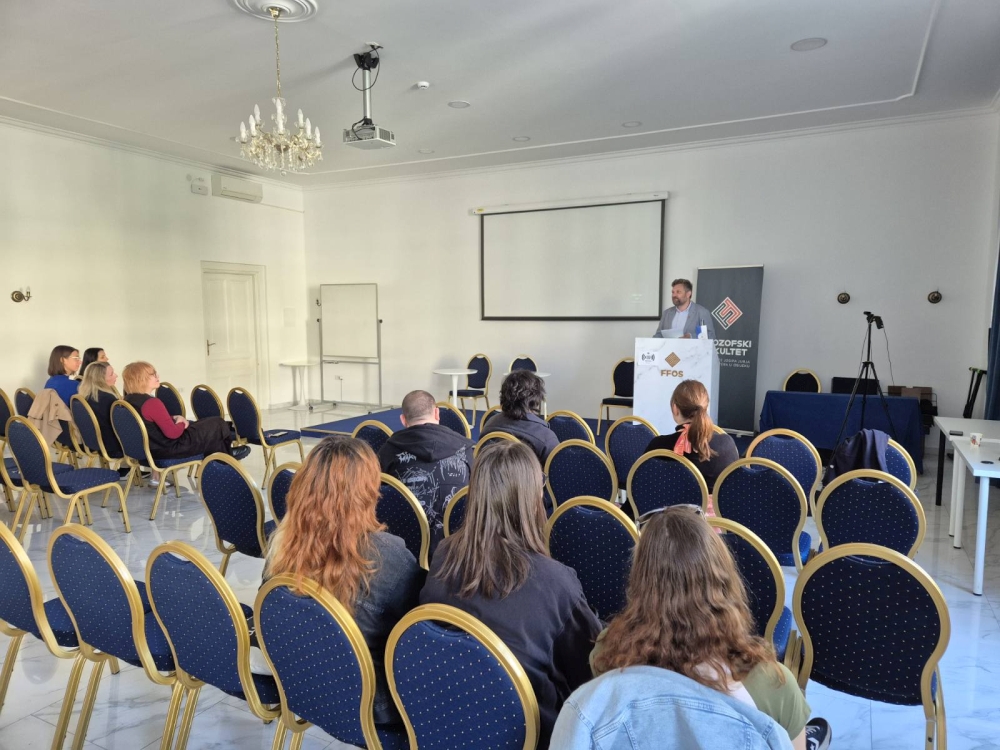
In the Small Ceremonial Hall of FFOS on 14 May 2026, participants brought the era to life through three sections (Popular Culture, Music and Gender Politics), exploring a period from which we can still learn a great deal today.
The presenters of the first section, Popular Culture – Doris Radnić, Ivan Nemet and Branimir Kovačević, moderated by Sanja Hes, explored the ways individuals expressed themselves at the time, filmography and characteristics of the horror genre, as well as the question of why New York earned the nickname Fear City.
The Music section was moderated by Lara Žarinac, with presentations by Lana Trabak, Snežana Pavković, Daniel Huseinović, Ema Rosotrunović and Katarina Terzić. By examining the artistic expressions of 1970s music icons, the presentations confirmed that such colloquia are necessary in order to gain a more comprehensive understanding of the past through, for example, art and popular culture, as well as of the ways in which that period has continued to influence contemporary society.
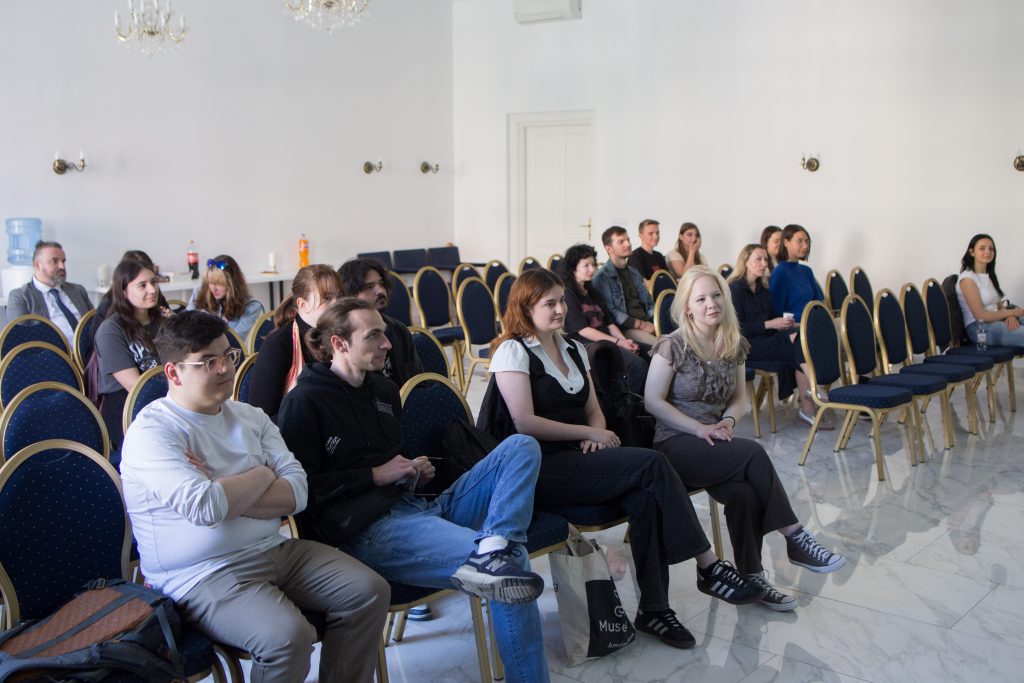
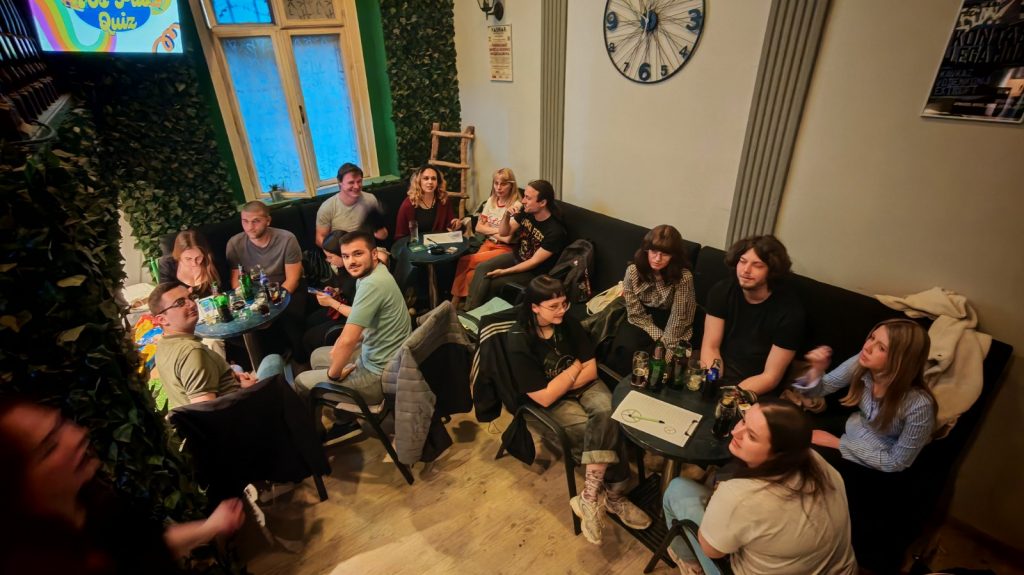
The final section, Gender Politics, was moderated by student Doris Radnić and featured two presentations: Antonija Roguljić presented the topic entitled The Feminist Art Movement in the USA in the 1970s, while Lorena Jukić presented Roe v. Wade and the Social Transformation of American Women in the Seventies. Through detailed research and analysis of their topics, the presenters explored the socio-political changes that shook society at the time, but remain relevant today, encouraging the audience to engage in (critical) reflection and, perhaps more importantly, dialogue. In addition to the educational colloquium, students gathered in the evening for a themed quiz and listening session, enjoying excellent music from the 1970s.
The participants of the colloquium creatively demonstrated that the study of history can emerge from different perspectives, opening opportunities for further, including interdisciplinary, research.
Text: Luka Prijić
Photographs: Danijel Jelaš