
Notice on the Enrolment Period for the 2026/2027 Academic Year
Read more >
The Programme for Acquiring Pedagogical Competences for Vocational Teachers and Teaching Assistants is one of the lifelong learning programmes offered at the Faculty of Humanities and Social Sciences in Osijek. It is based on the Faculty’s core study programmes provided by the Department of Pedagogy, the Department of Psychology, and the Department of Croatian Language and Literature.
Mission: The Programme for Acquiring Pedagogical Competences for Vocational Teachers and Teaching Assistants prepares future vocational teachers and teaching assistants who will apply and further develop the pedagogical competences they have acquired in their educational work at vocational education institutions.
Programme Objectives:
Contemporary models of education increasingly incorporate the internet, which provides numerous opportunities for the use of technology and thereby broadens the possibilities of teaching and learning. The use of various tools and applications enables not only the delivery of teaching content but also the development of social and interactive skills among teachers and participants. Recognising the benefits of different media in learning and teaching, the Faculty of Humanities and Social Sciences has acknowledged the value of virtual teaching. Therefore, online teaching within our programme is organised in a hybrid format as well as in independent online groups.
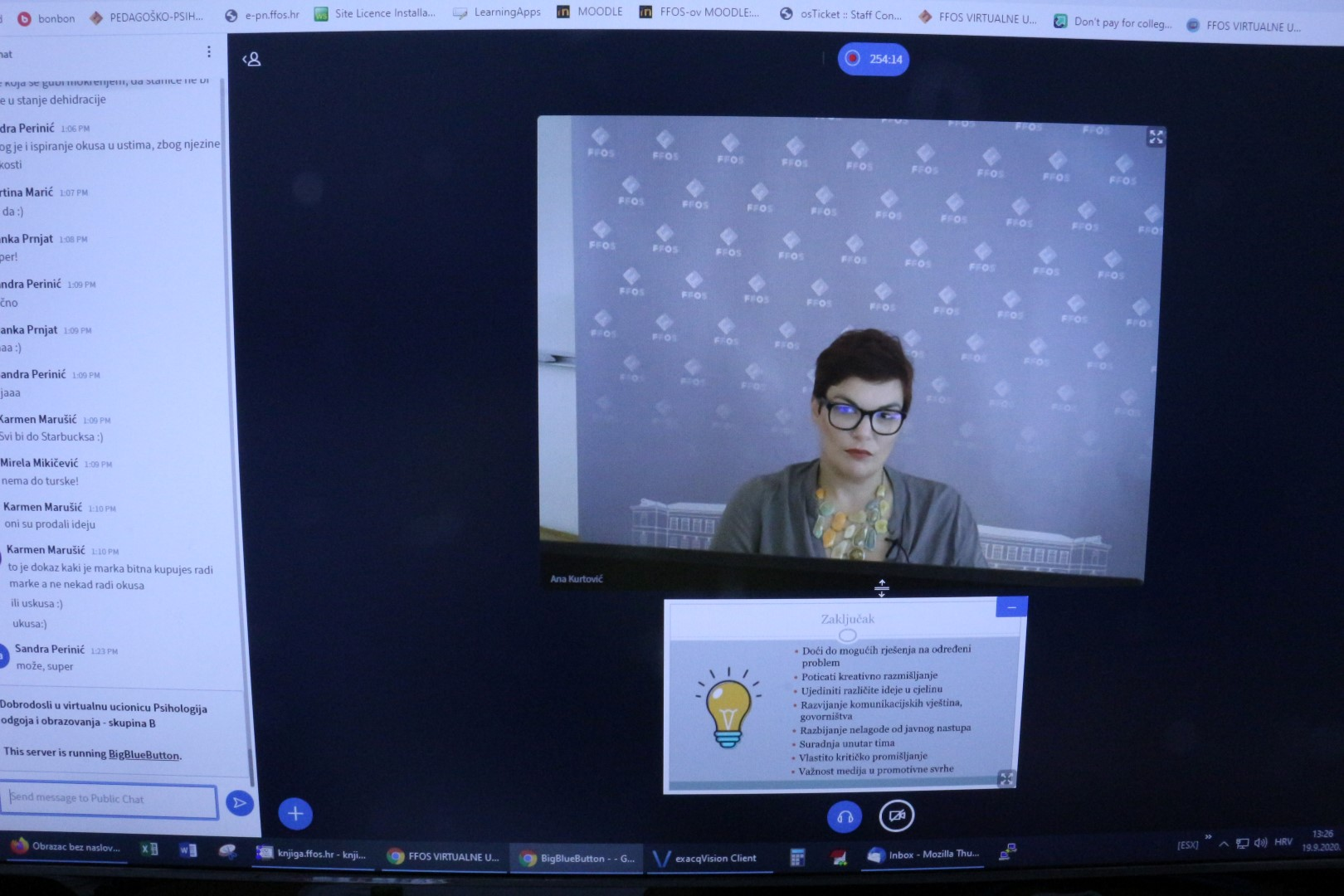
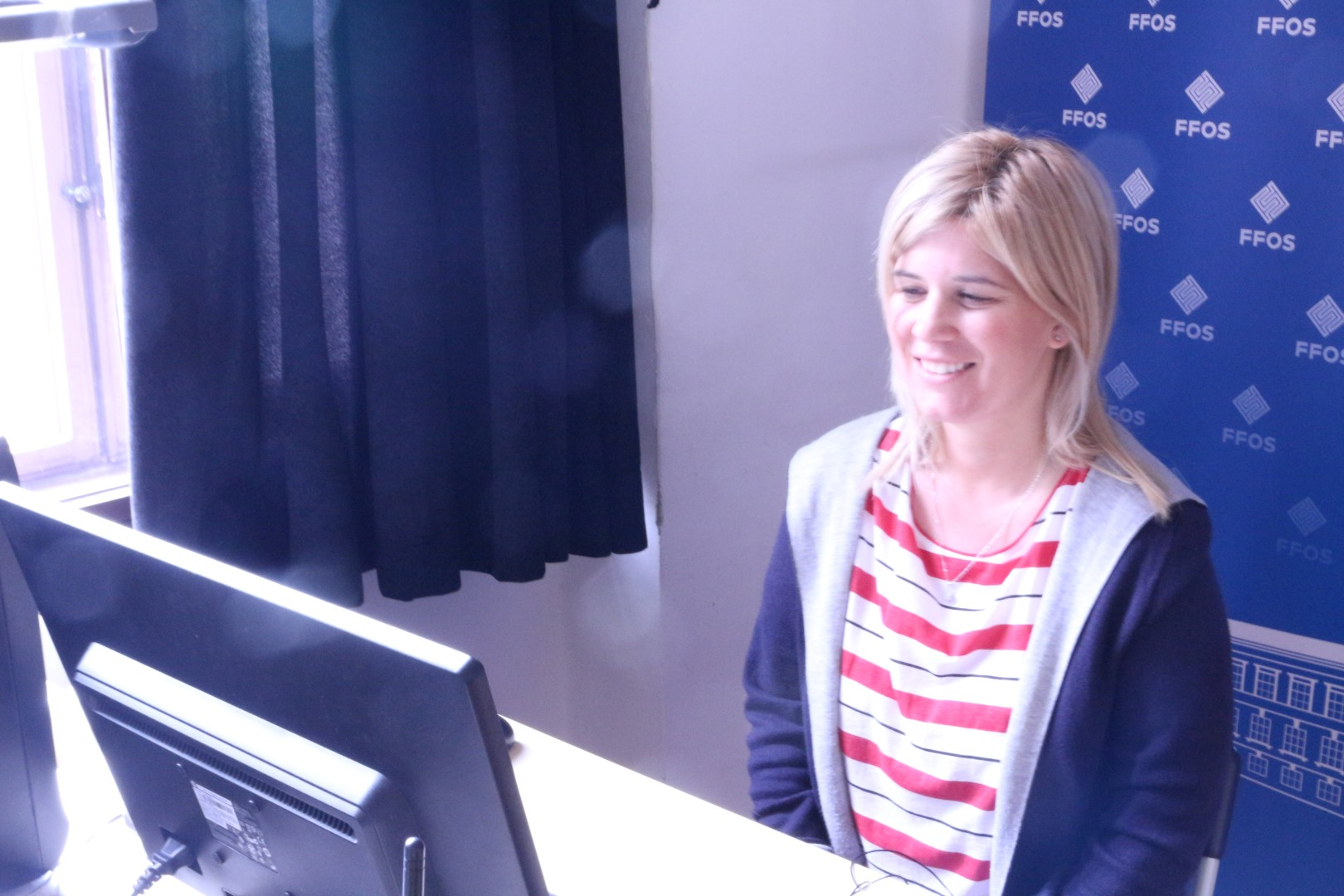
In the hybrid teaching format, some participants attend classes in the classroom, while others participate online. This form of teaching has its own specific characteristics, particularly the dynamic involvement of participants in completing various written and oral tasks, which facilitates multidirectional communication and the active engagement of all participants. In this combination of classroom and virtual environments, participants become active and creative collaborators. The different types of interaction that take place in hybrid teaching contribute to an even stronger connection between teachers and participants, as well as among the participants themselves. Teaching is also conducted in real time, enabling teachers to gain valuable insight into the achievement of learning outcomes and providing participants with effective feedback on their progress.
Online teaching involving only “online participants” is also conducted in real time. Its distinctive feature is that it further encourages the development of a wide range of competences expected from all participants, from technical skills to methodological, social, communication, and media competences. This form of teaching focuses on personalised learning transformed through various digital communication tools and online applications, with full attention devoted to participants. This means that the design and delivery of teaching are guided by participants’ interests and needs. Within the virtual environment of online teaching, teaching and learning can be adapted to participants, while decisions can be made regarding the selection of tools and the configuration of the environment best suited to the planned learning outcomes.
Online teaching within our programme enables active online dialogue and the involvement of participants in the teaching process by raising their hands, communicating in writing through the interface, and communicating orally by activating their microphones. It also encourages participants to take responsibility, develop autonomy, and work independently with teaching materials.
The information system enables audiovisual communication between participants attending classes online and teachers delivering classes in the classrooms of the Faculty of Humanities and Social Sciences. The overall organisation of online teaching is supported by a professional team and the information system of the Faculty of Humanities and Social Sciences in Osijek. The Moodle learning management system is used for distance learning and has been enhanced with the BigBlueButton videoconferencing tool. BigBlueButton is an open-source tool that enables web-based communication and collaboration among Moodle users and offers features comparable to desktop videoconferencing systems. Participants join classes through the Moodle distance learning system. Participants attending classes in this manner are provided with user accounts, which they use to log in to Moodle and access classes via a designated link.
Live streaming of classes includes video from a web camera, audio from a wireless microphone worn by the teacher and a microphone available to participants in the classroom when they wish to comment or ask questions, as well as the presentation prepared by the teacher. The BigBlueButton application enables the recording of entire classes for subsequent viewing. Moodle is also used to provide participants with learning materials, distribute announcements, and administer online examinations.
Prof. Vesna Bjedov, PhD
office 45
telephone: 031 494 664
e-mail: vbjedov@ffos.hr