
On Wednesday, 3 June 2026, Asst. Prof. Irena Pavela Banai, PhD, gave a lecture entitled “Female Sexuality: The Psychobiology of Desire and Behaviour” at the Faculty of Humanities and Social Sciences in Osijek as part of the FUZ&JA project. At the beginning of the first part of the lecture, the speaker pointed out that female sex hormones, unlike male sex hormones, are among the most variable biological systems in the human body. This is demonstrated by the fact that female hormones fluctuate more within a few days than male hormones do over the course of an entire lifetime. She also noted that humans are the only species that engage in sexual relations outside the fertile period. The speaker therefore explained concealed ovulation in women and the role of hormones in the ovulatory shift in preference, according to which women unconsciously prefer more masculine men during their fertile period. It is also important to highlight the interesting changes in women’s behaviour during this period. Namely, women pay more attention to clothing, cosmetics and diet in order to emphasise femininity. Referring to several studies, the speaker showed that although women have concealed ovulation, men can unconsciously sense when they are in their fertile period. However, it was repeatedly emphasised during the lecture that this shift and significant hormonal changes do not affect women who use hormonal contraception.
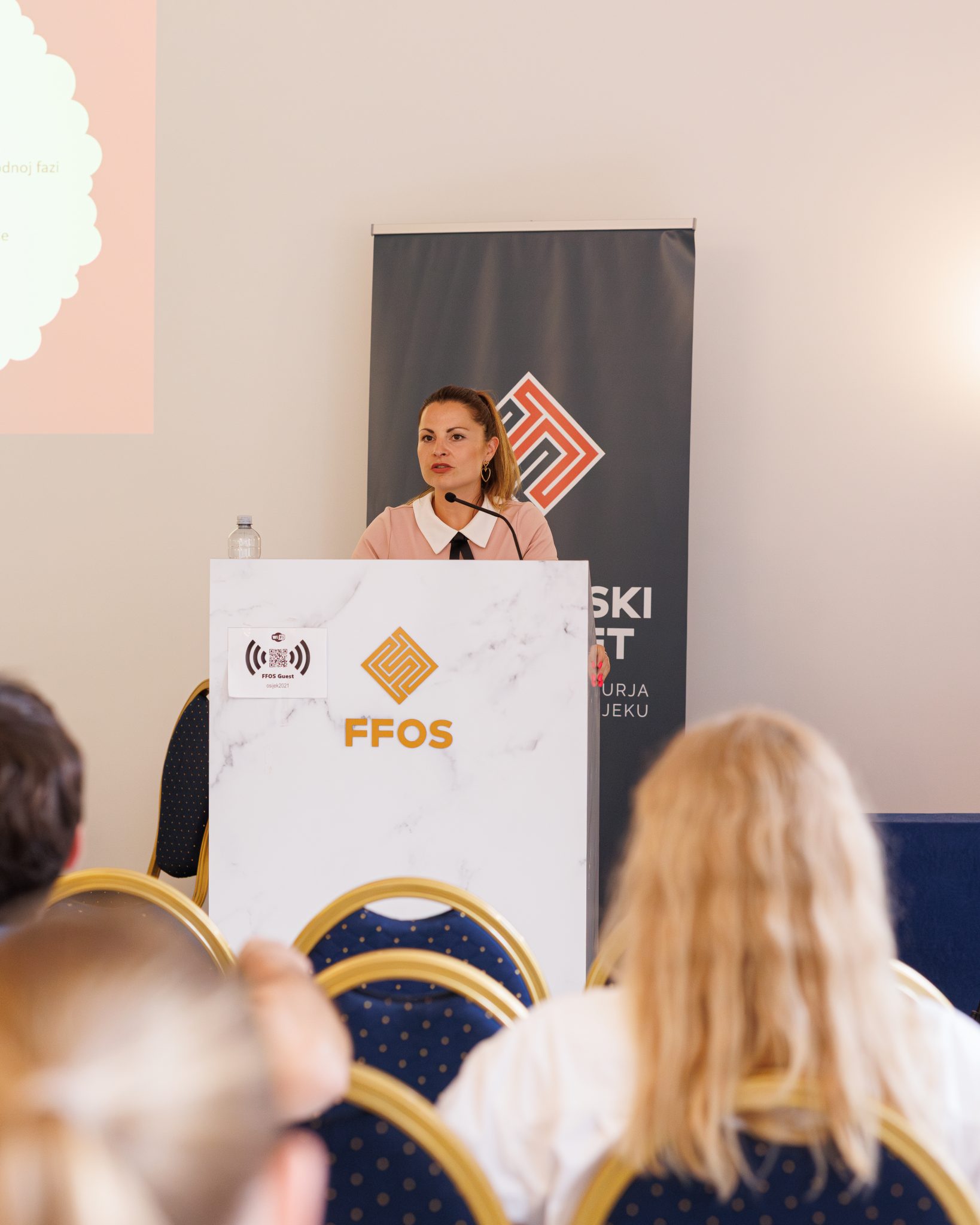
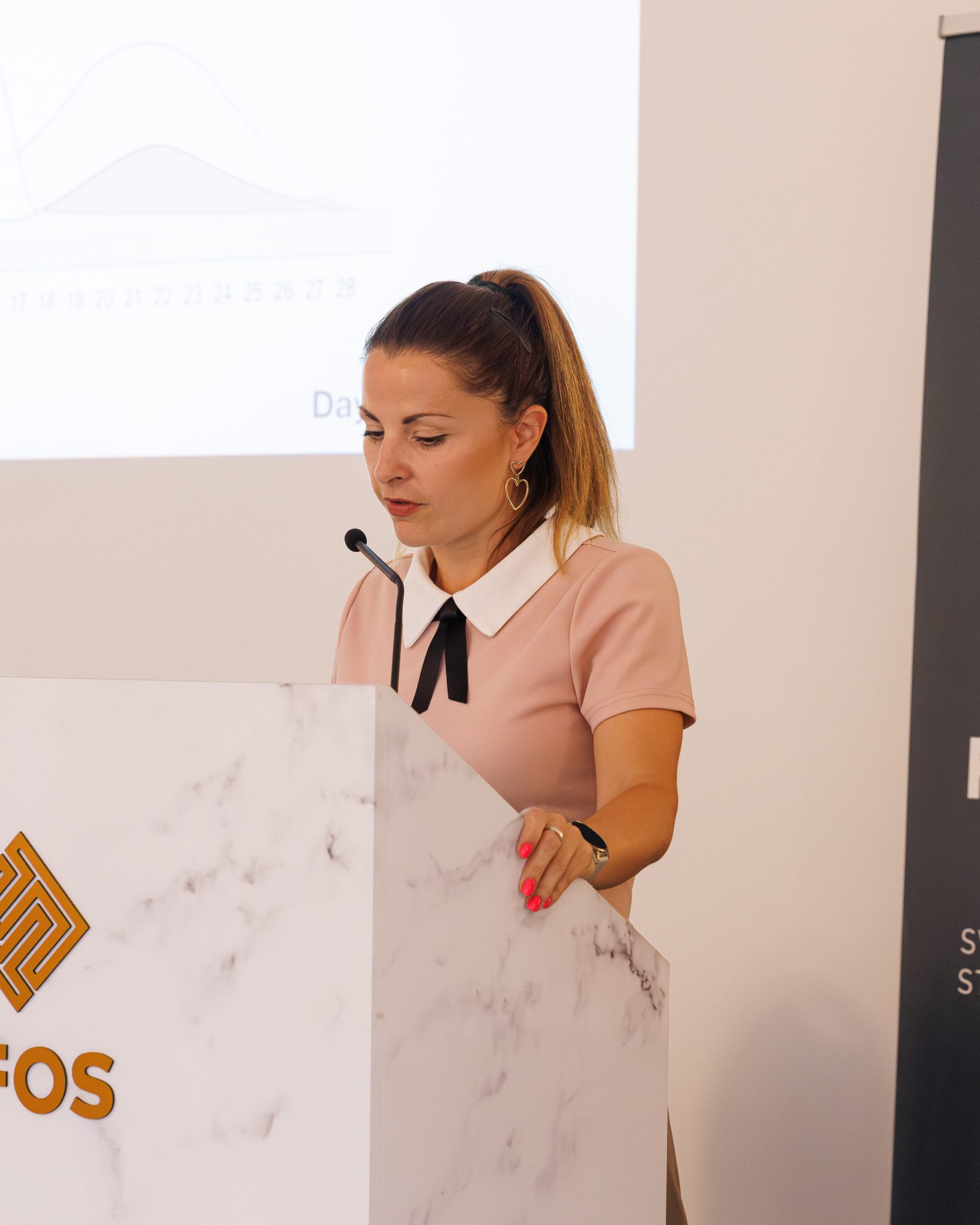
The second part of the lecture was devoted to myths about female sexuality, the most prominent of which concerned the female orgasm. Before the 16th century, it was also referred to as “female pleasure”, but the realisation that a woman does not necessarily have to experience orgasm in order to conceive later led to its pathologisation. The (disheartening) fact was highlighted that the clitoris was not fully anatomically described until 1998 (Helen O’Connell). In other words, humankind landed on the Moon before this female sexual organ of pleasure was described in detail. The speaker therefore emphasised that female sexuality has always remained in the shadow of male sexuality. However, not all cultures are centred on fulfilling male needs. In the Mangaia tribe, it is the men who learn from their elders at an early age how to properly satisfy a woman. Sexuality is therefore socially conditioned and consequently prone to taboos, myths and change. The speaker called precisely for such change: open conversations about female pleasure, the body and healthy romantic relationships that can contribute to the destigmatisation of female sexuality.
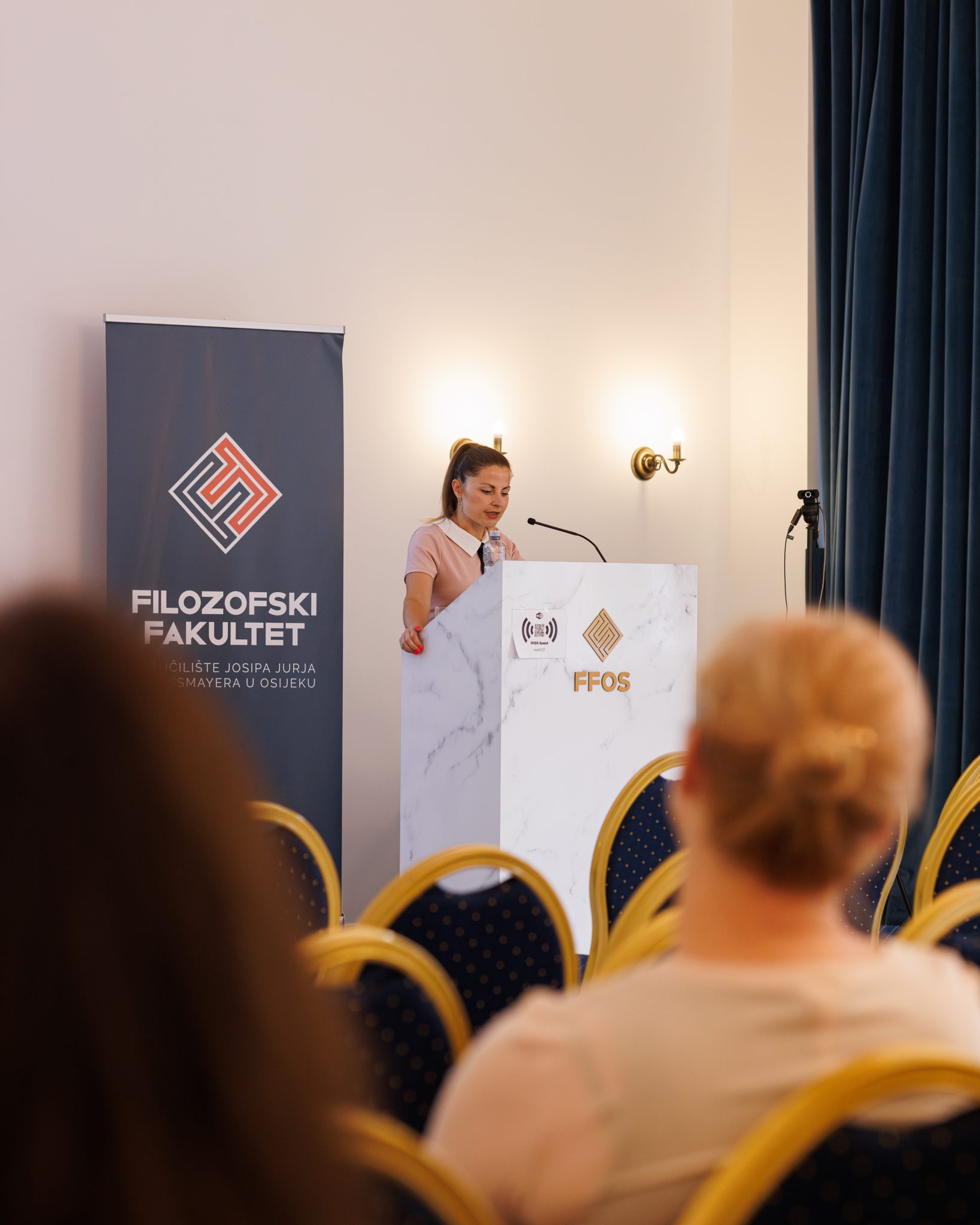
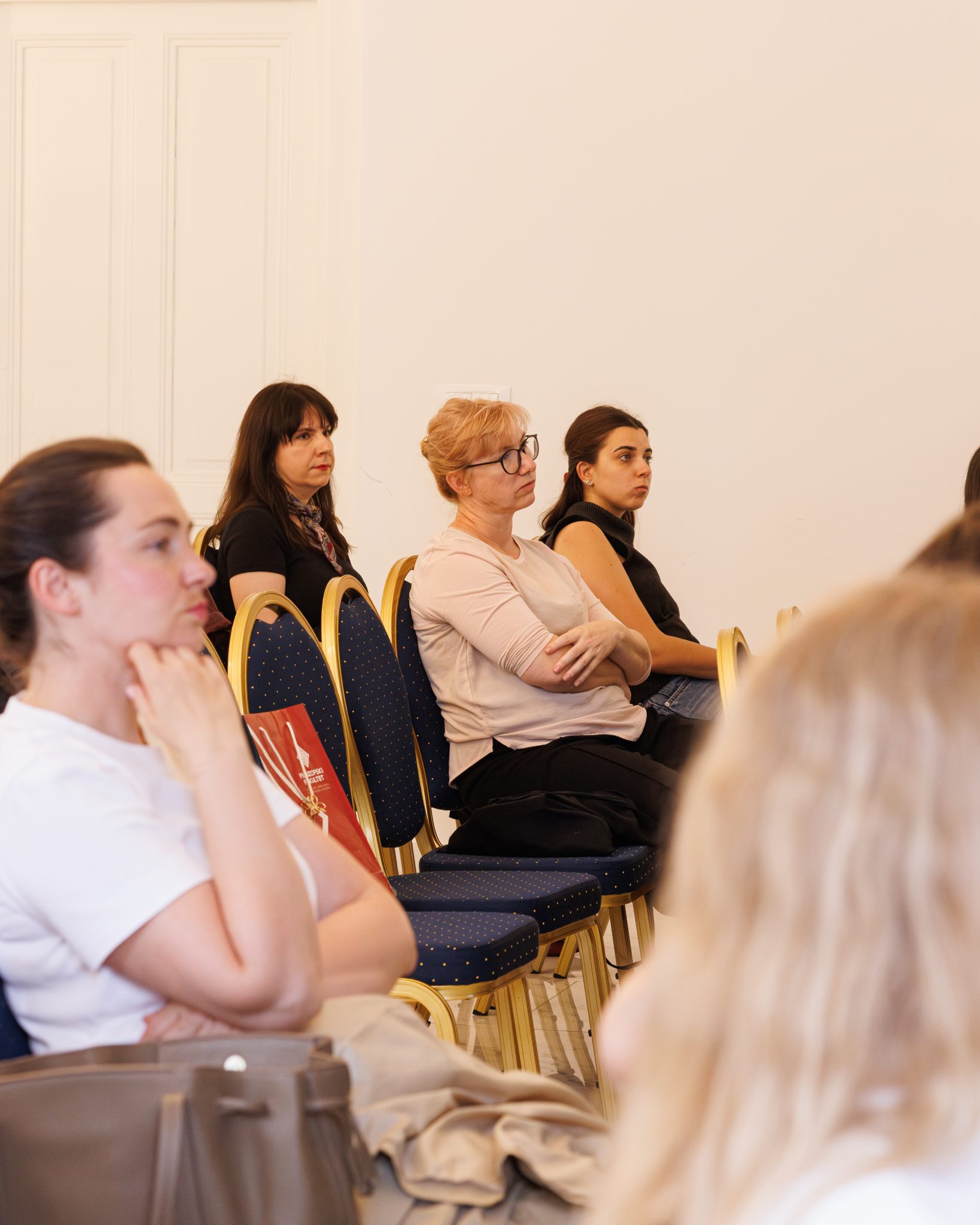
The final part of the lecture was enriched by numerous questions from the audience about changes in female hormones and their impact on partner choice and infidelity, as well as hormonal contraception. The speaker once again emphasised the importance of knowing one’s own body, interoception and needs, as well as working together to challenge myths and taboos related to sexuality.
Text: Matej Gabud