
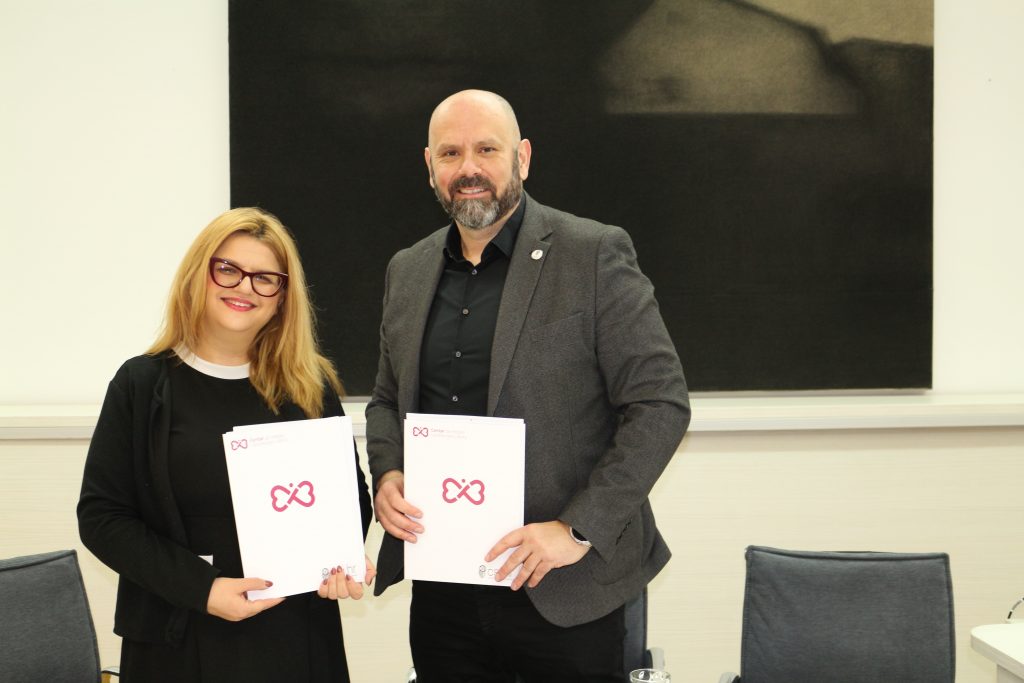
On Tuesday, 3 March 2026, at 11:00 a.m., a cooperation agreement was signed between the Faculty of Humanities and Social Sciences in Osijek and the Centre for Missing and Exploited Children, reaffirming and further strengthening their cooperation, which has been ongoing since 2015.
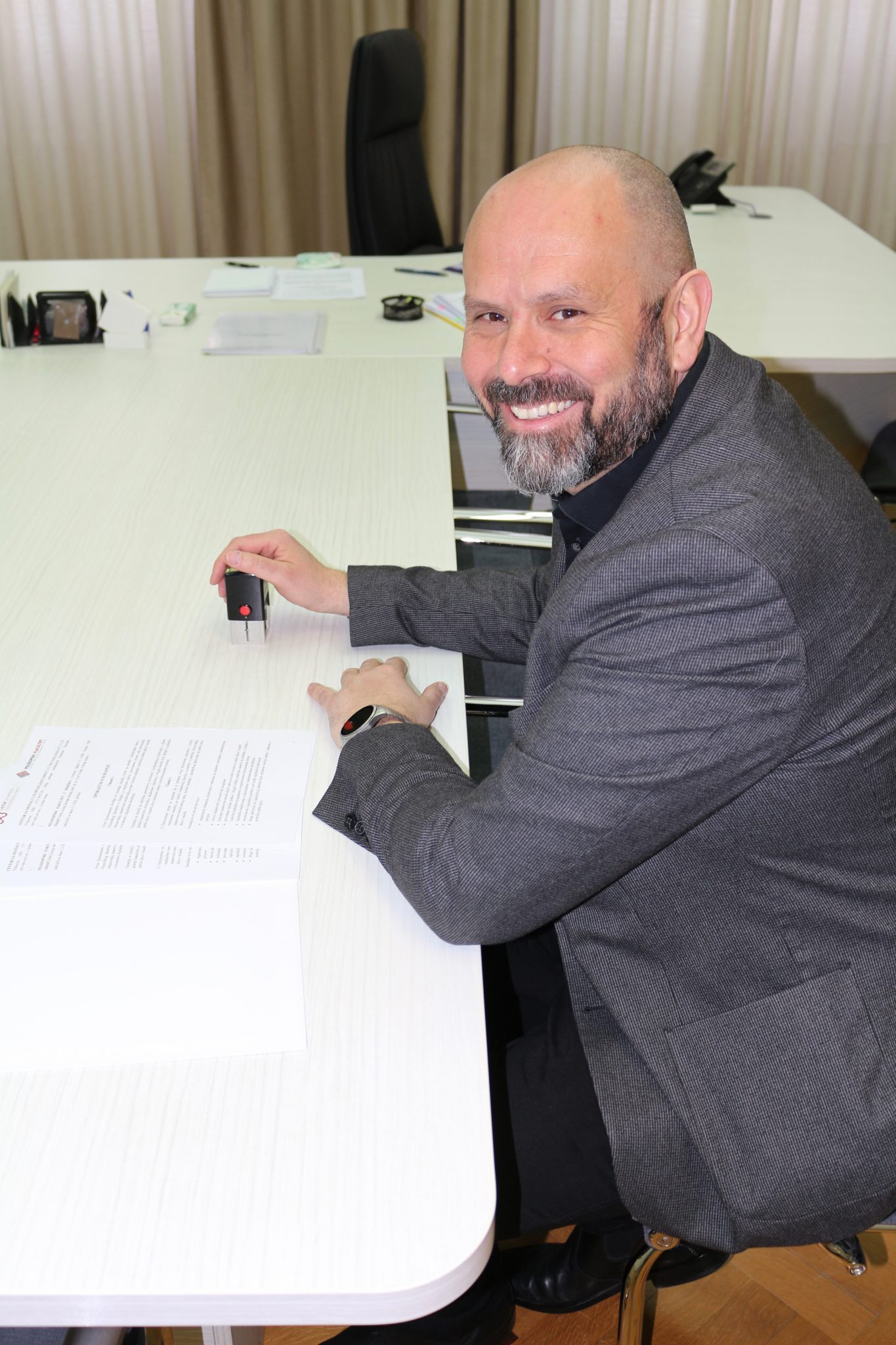
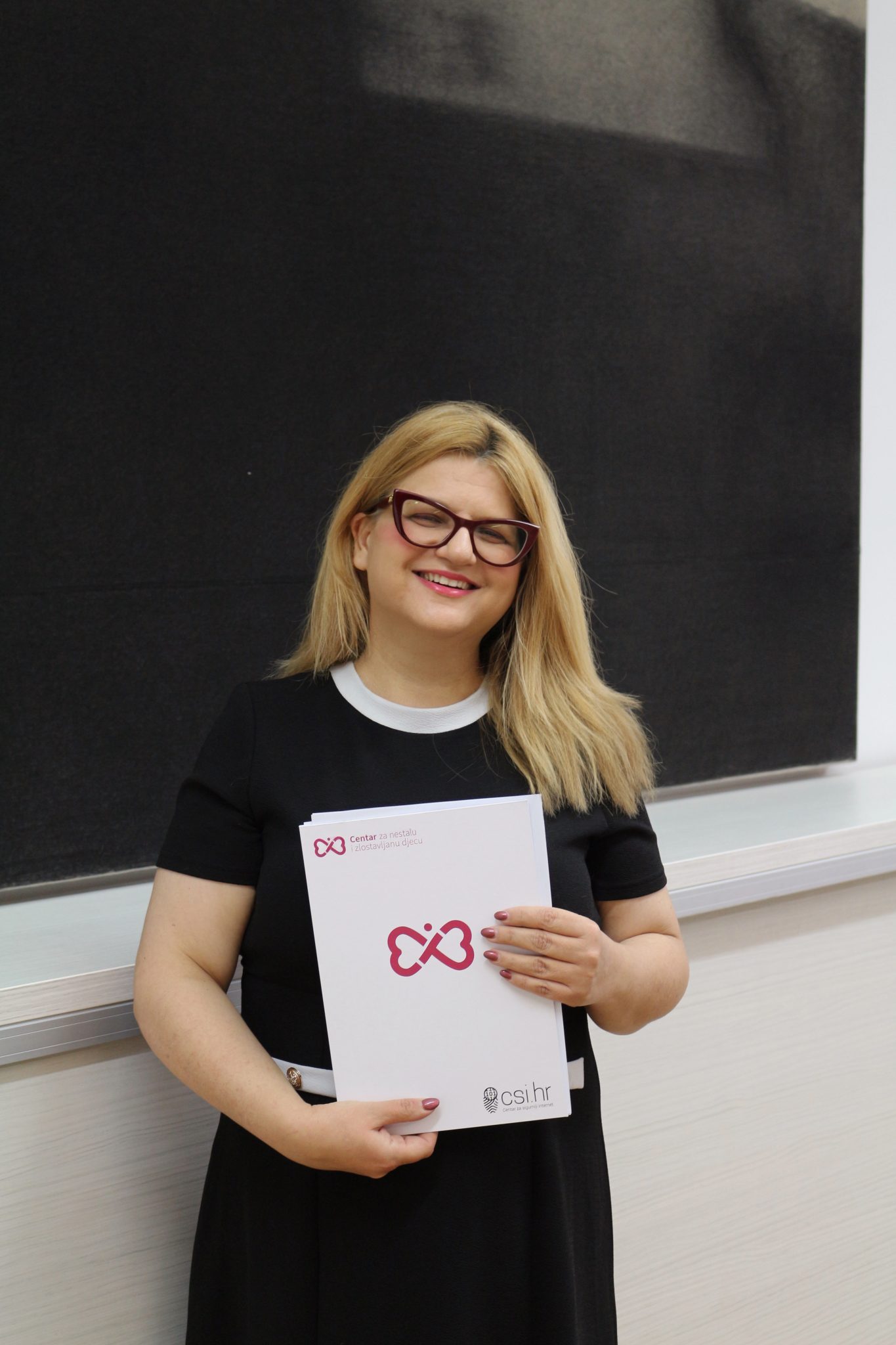
The agreement was signed by the Vice-Dean for Science and International Cooperation, Prof. Daniela Šincek, PhD, on behalf of the Dean, Prof. Ivan Trojan, PhD, and the Head of the Centre, Tomislav Ramljak, University Specialist in Social Work. The signing ceremony was also attended by Vice-Deans Assoc. Prof. Sanja Jukić, PhD, and Asst. Prof. Ivana Marčinko, PhD. During the speeches, it was emphasised that cases of violence were once perceived as isolated and rare incidents, whereas today they are increasingly prevalent and complex – ranging from peer violence to abuse in the digital environment, hate speech and various other forms of risky behaviour in the digital world.

Particular emphasis was placed on the role of artificial intelligence, which is increasingly shaping the everyday lives of children and young people. Mr Ramljak pointed out that, according to a national study conducted by the Society for Communication and Media Culture, as many as 33% of children in Croatia use generative artificial intelligence. Some of them report that it helps them with learning and time management, while also expressing concerns about privacy and the accuracy of information.
Vice-Dean Šincek emphasised that Josip Juraj Strossmayer University of Osijek is increasingly focusing its activities on technology transfer and connecting scientific knowledge with concrete social challenges. Cooperation with the Centre enables students to engage in volunteering, service-learning projects and practical training under the mentorship of experts in psychology and pedagogy, thereby further strengthening the Faculty’s social responsibility and professional relevance. Potential cooperation on project applications was also discussed, which would enable students to participate in research and professional project activities alongside Faculty members and Centre staff.
For the Faculty, this agreement means stronger connections between science and practice, the development of interdisciplinary approaches and an active contribution to addressing increasingly pressing problems – from violence and hate speech to the challenges posed by the digital environment. At a time of rapid technological and social change, cooperation between the academic community and practising professionals is proving essential in responding to the needs of children, young people and the wider community.
Text: Roman Šimunović
Photographs: Karla Bulum