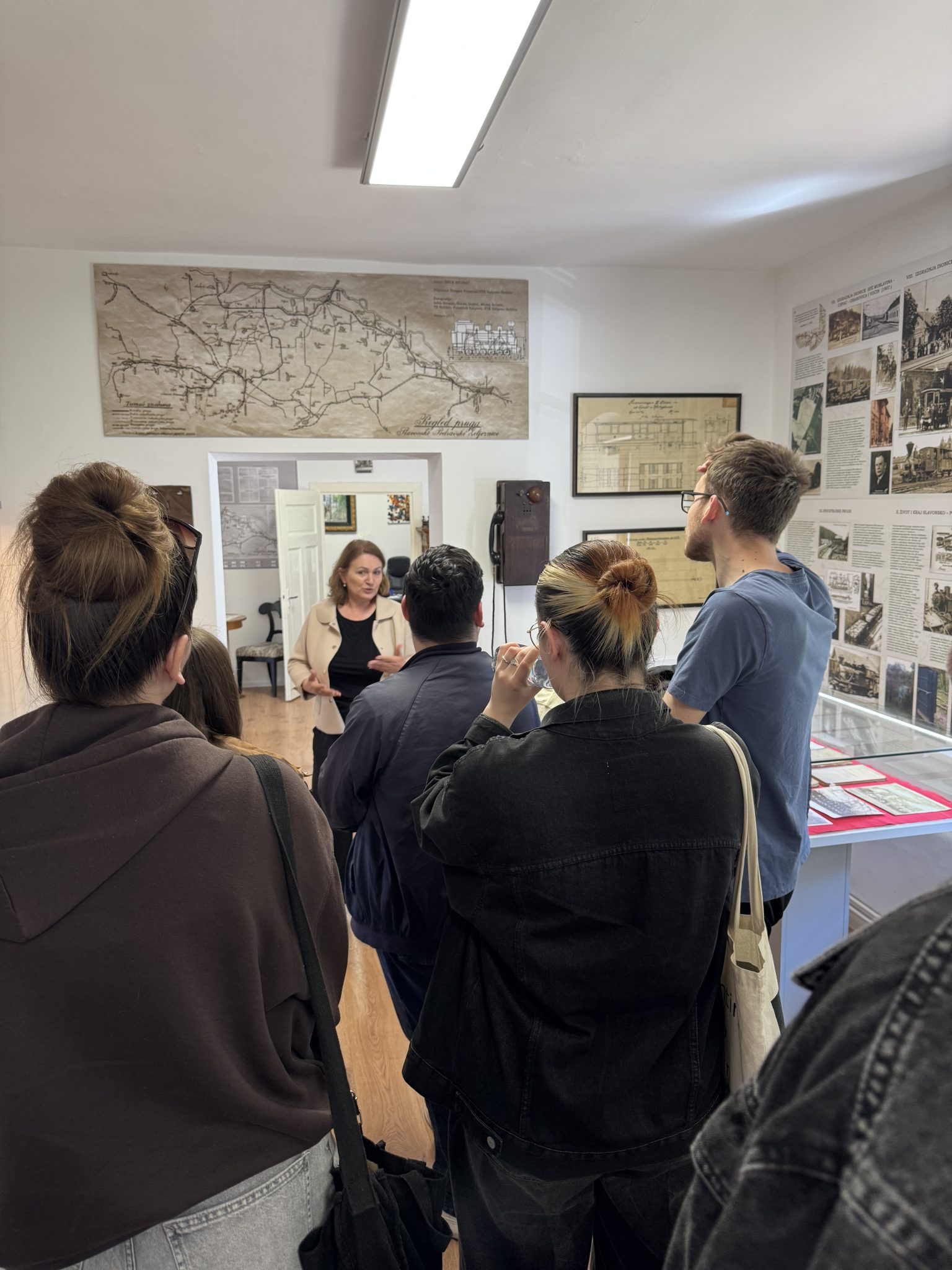
On 20 May 2026, students visited the Belišće Town Museum as part of the course “Croatian and Regional Economic History of the Nineteenth and Twentieth Centuries”. Under the expert guidance of the Museum Director, Nada Đilas Bosanac, the students toured the museum exhibition dedicated to the town’s industrial character.
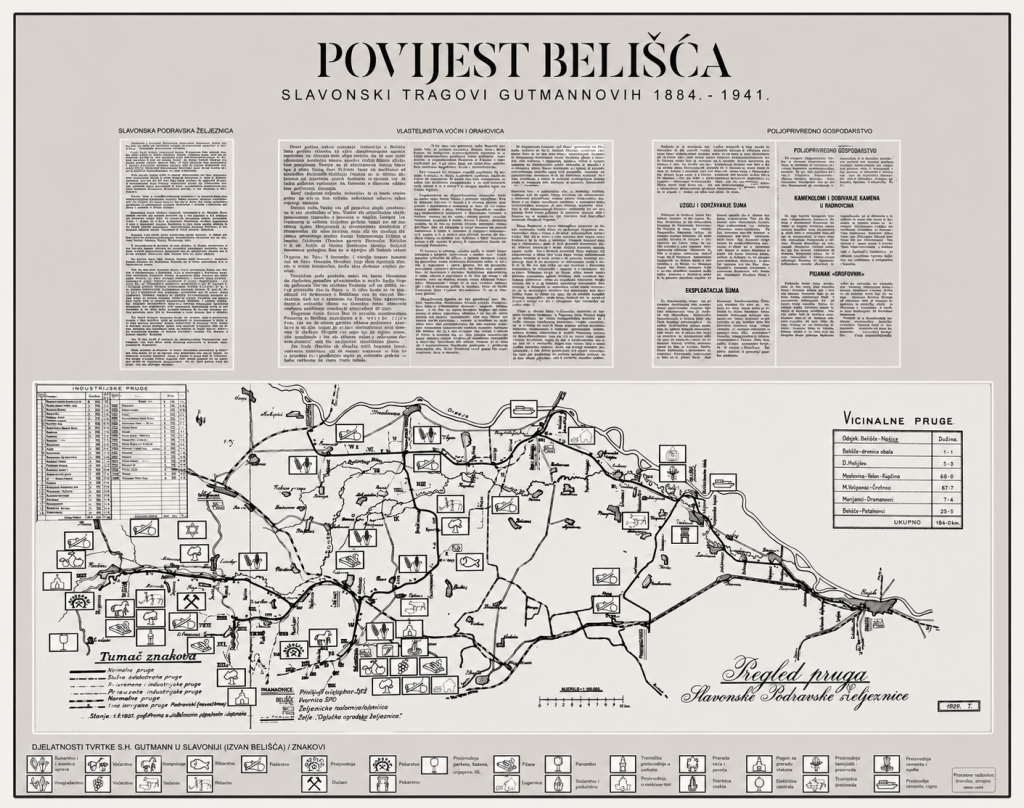
Belišće was founded in 1884 by the company S. H. Gutmann d. d. for the purpose of exploiting Slavonia’s abundant forest resources, which had formed the basis of highly competitive business operations since the mid-nineteenth century. The company developed its operations by relying on the intensive exploitation of timber and its industrial processing. Given the predominantly rural character of nineteenth-century Slavonia, the population of Belišće consisted largely of an immigrant workforce associated with the town’s industrial development from the time of its foundation.
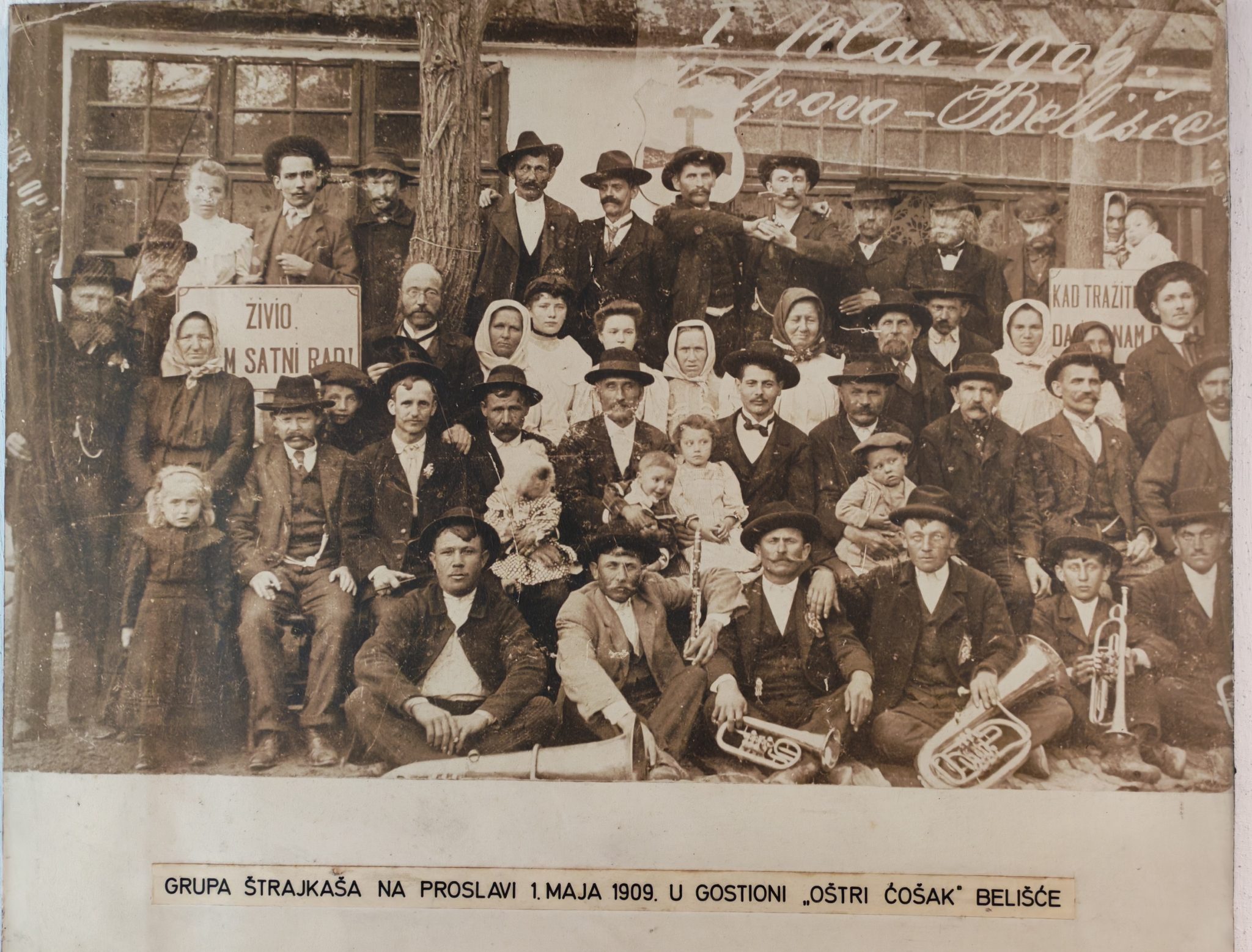
In this context, the Belišće Town Museum presents the development of the industrial colony, including the construction of residential buildings, supporting infrastructure and the railway network that connected forest exploitation sites with the surrounding civilian settlements. To maximise production, the company significantly developed various supporting industries connected with timber processing, particularly the chemical industry. One of Belišće’s distinctive characteristics is that a large proportion of its employed population continues to work in the industrial sector today.