
For Students
For Teaching Staff
About Us
  • EN
    • HR
  • Student Support
    • Vice-Dean’s Office Hour for Students
    • Students’ Union
    • Student Ombudsperson
    • Disciplinary Committee for Students
    • Student Vice-Dean
    • Psychological Counselling
    • Students with Disabilities
    • Alumni
    • Career Centre
    • Erasmus+
    • Extracurricular Activities
      • Student Associations and Clubs
      • Student Journals and Collections of Papers
      • FFOS on Air
      • Commendations for Extracurricular Activities
      • Reports on Student Activities
      • Student Guide to Organising Conferences
  • Studies and Teaching
    • Academic Staff
    • Field Trips
    • Guest Lectures
    • Academic Calendar
  • Departments and Sub-departments
    • Department of Croatian Language and Literature
    • Department of History
    • Department of Information Sciences
    • Department of English Language and Literature
    • Department of German Language and Literature
    • Department of Pedagogy
    • Department of Philosophy
    • Department of Psychology
    • Sub-department of Hungarian Language and Literature
    • Sub-department of Common Courses
    • Department of Sociology
    • Sub-department of Art History
  • Research Portal
    • Projects
    • Activities and Calls for Applications
    • International Cooperation and Mobility
    • Documents
    • FUZ&JA
    • Journals
    • Research Centres
    • Review of the Ethical Acceptability of Research
    • Science Award
    • Databases and Networks
    • Doctoral Study Programmes
    • Project Archive
  • Library
    • About Us
    • Services
    • Online Catalogues
    • User Education
    • Old and Rare Books Collection
    • Collection for Persons with Visual Impairments
    • Access to Databases
    • New Books
  • Lifelong Learning
    • Pedagogical, Psychological, Didactic and Methodological Training
    • Programme for Acquiring Pedagogical Competences for Vocational Teachers and Teaching Assistants
    • Croatian as a Foreign Language
    • Croatian Language and Language Culture
    • German Language Learning for Higher Education Teaching
    • Applied Methodology for Research and Development
    • Social and Emotional Learning in Education
    • Python, Computational Thinking and Programming
    • Digital Competences in Education
    • Academic Writing in English
    • Curriculum for Acquiring Andragogical Competences for Teaching Basic Skills in Adult Education
    • Programme for Acquiring Basic Andragogical Competences
  • Quality
    • Committee
    • Quality Assurance Unit
    • Documents
    • System Review
    • Quality Management System
    • Activities
    • Useful Resources
    • Professional Development Workshops
    • Mentoring System
    • Human Resources Management
      • Strategic Human Resources Management Plan
      • Committee for Monitoring the Implementation of the Strategic Plan
      • Employee Structure
    • Risk Management
      • Risk Management Committee
      • Documents
    • Community Cooperation
    • Digital Transformation Strategy
  • Publishing
    • About Publishing
    • Journals
For Students
For Teaching Staff
About Us

Sixth Event Held as Part of the 14th Open Thursday Cycle

Home » Sixth Event Held as Part of the 14th Open Thursday Cycle

Sixth Event Held as Part of the 14th Open Thursday Cycle

Published 2. April 2026. | Administrator

On Thursday, 26 March 2026, the sixth popular science event within the 14th cycle of Open Thursday was held as part of FUZ&JA, the science popularisation project of the Faculty of Humanities and Social Sciences in Osijek. The lecture, entitled Evolutionary Medicine: 3.5 Billion Years in the Service of Health (and Disease), was given by Asst. Prof. Momir Futo, PhD, from the Faculty of Medicine at the Catholic University of Croatia in Zagreb. At the centre of the lecture was a fundamental question of evolutionary medicine: why does a particular disease exist at all?

Unlike modern medicine, which treats and prevents the development of disease, evolutionary medicine seeks to explain where diseases come from, or why some diseases exist at all. In this sense, our bodies are the result of a long series of evolutionary compromises and adaptations to the conditions of life on Earth. If we consider the history of human development as a species, nature has primarily been concerned with whether we survive long enough to reproduce and thus ensure the survival of the species. One such example concerns childbirth and early childhood development. When our ancestors began walking on two legs, the human pelvis gradually became narrower. At the same time, the human brain, and therefore the head of a newborn child, became larger. This mismatch between the size of the mother’s birth canal and the child’s head makes human childbirth more difficult and dangerous than in other animals. As a kind of solution, human children are born developmentally “unfinished”, unlike an antelope that can run only a few hours after birth, and are therefore completely dependent on their parents for several years. Yet it is precisely this long childhood, during which the brain grows intensively, that enabled the development of the abilities that distinguish humans from other living species.
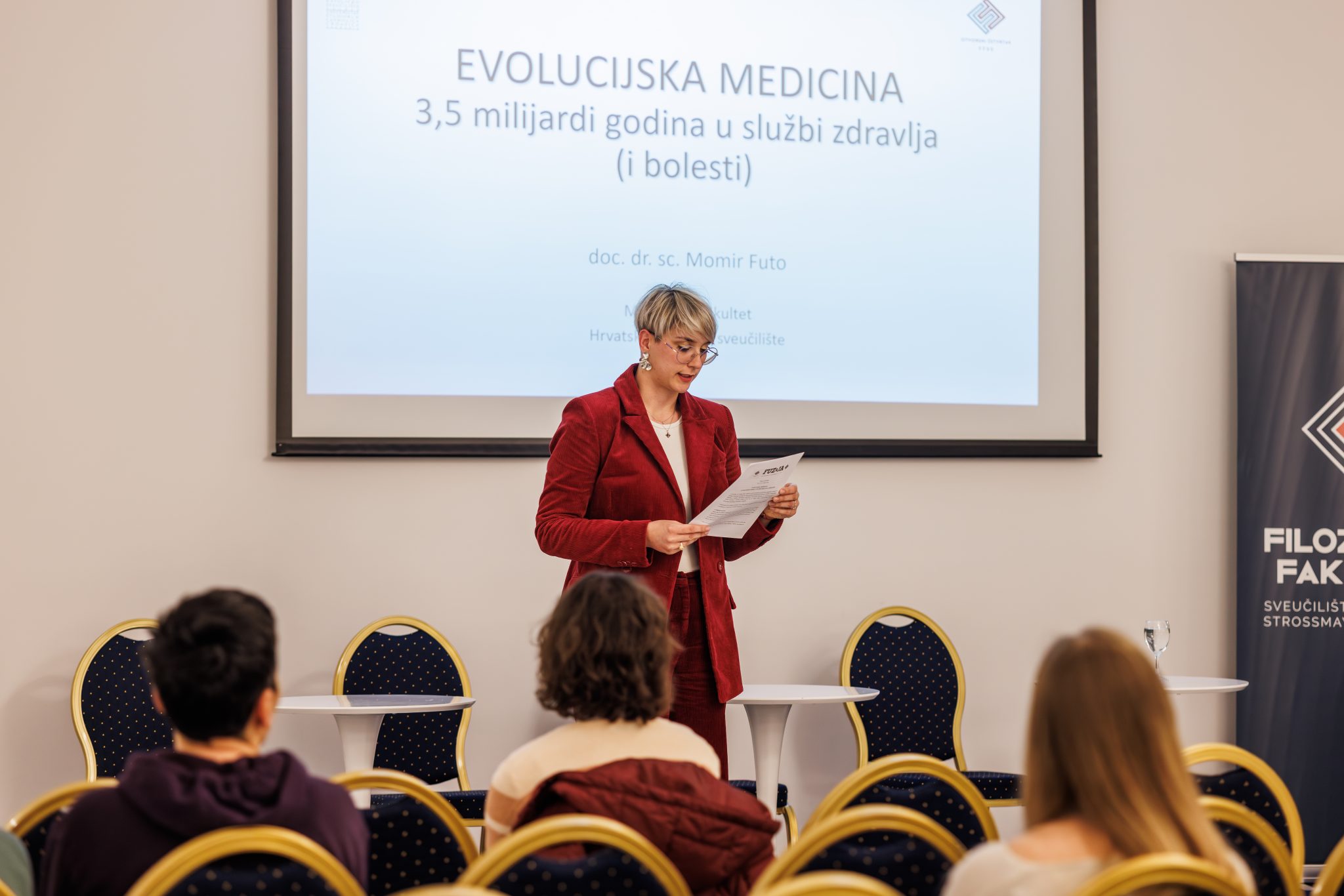
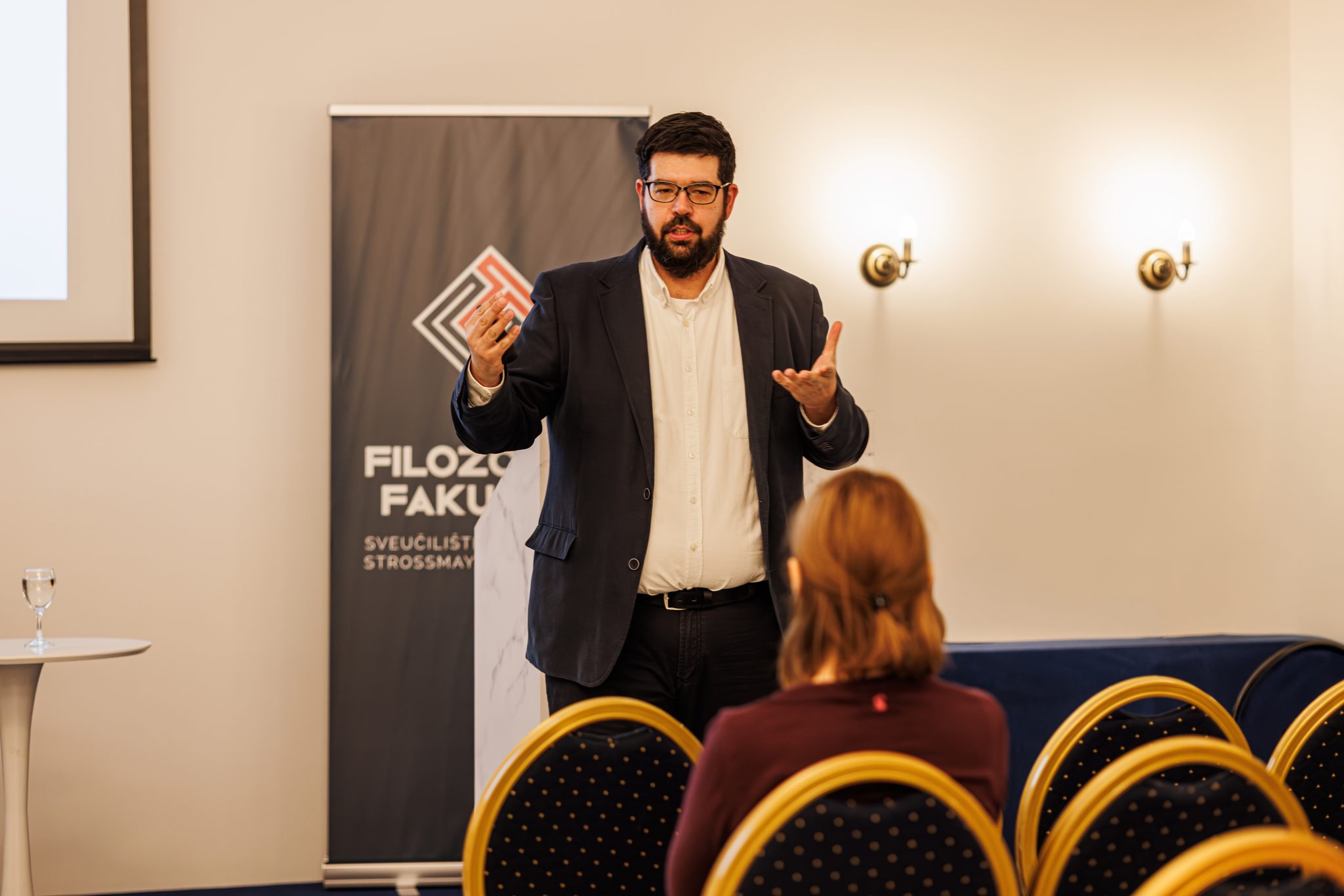
The lecture also addressed the history of human development as a species – from the earliest human ancestors to Homo sapiens in the 21st century – with particular emphasis on human migration across the world. These migrations also had medical consequences: different populations developed specific genetic traits, meaning that different peoples, and even cultures, can respond very differently to certain medicines. The speaker also explained several evolutionarily interesting “solutions”. For example, sickle cell anaemia, which causes serious health problems, also provides protection against malaria. Therefore, in areas where malaria is common, sickle cell anaemia remains present in the population because it offers a certain health advantage. In addition, it turns out that we inherited certain genes from Neanderthals, a species that became extinct long ago, which still influence how our immune system responds to diseases today, including coronavirus. The part of the lecture dealing with antibiotics and their excessive use attracted particular attention from the audience. The speaker pointed out that antibiotics are overused not only in medicine, for example when doctors prescribe them for viral infections as well (for which they are ineffective), but also in livestock farming with the aim of accelerating animal growth. All of this contributes to bacterial resistance to antibiotics, which could seriously endanger one of the most important medical achievements in history in the future. Finally, the speaker turned to the human microbiota, the community of microorganisms that live in and on our bodies. These tiny inhabitants of the human body participate in digestion, help build the immune system and protect us from harmful bacteria. Disruptions to the microbiota may be associated with allergies and metabolic problems, but may also contribute to the development of cancer, various diseases of the nervous system and mental health disorders such as depression.
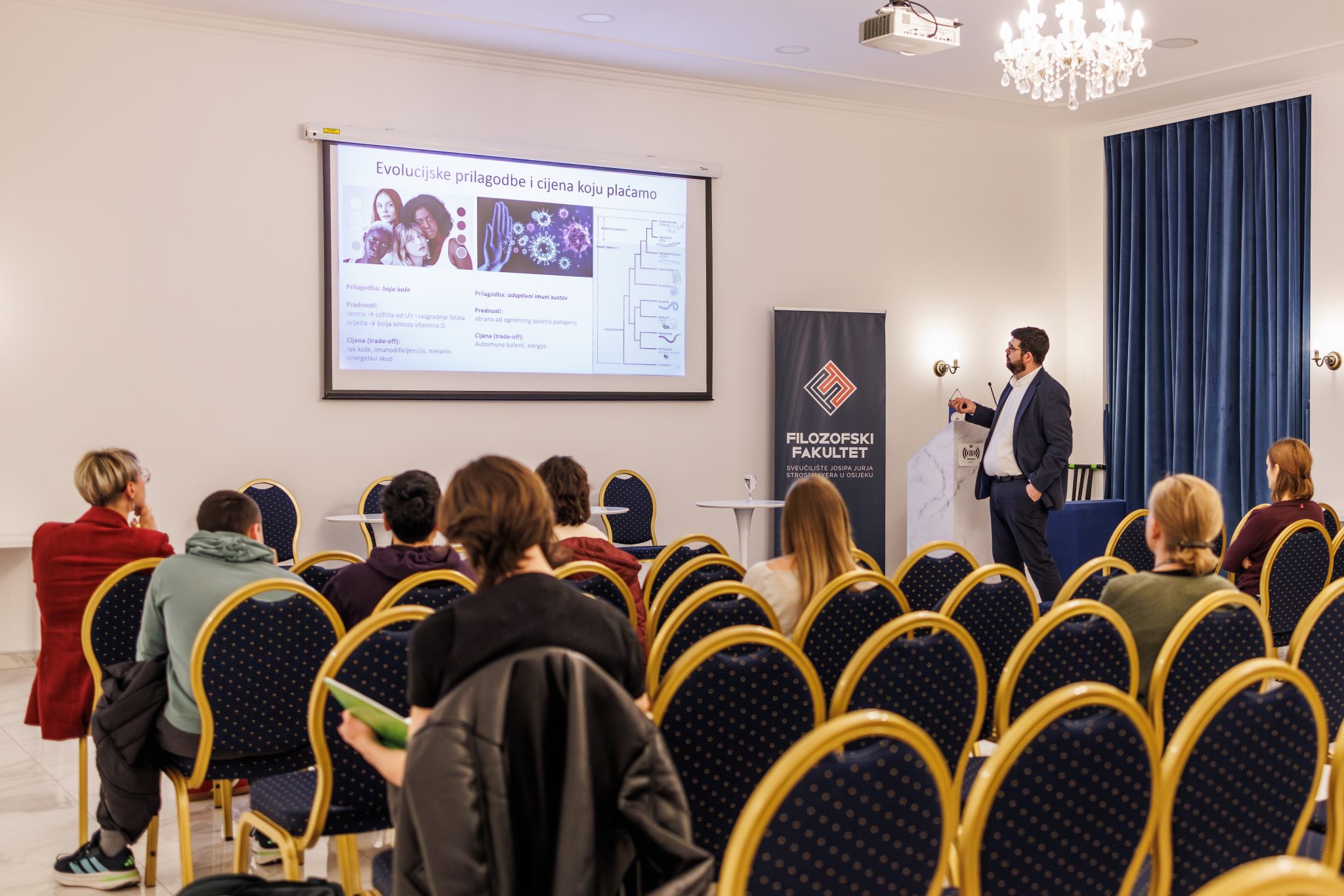
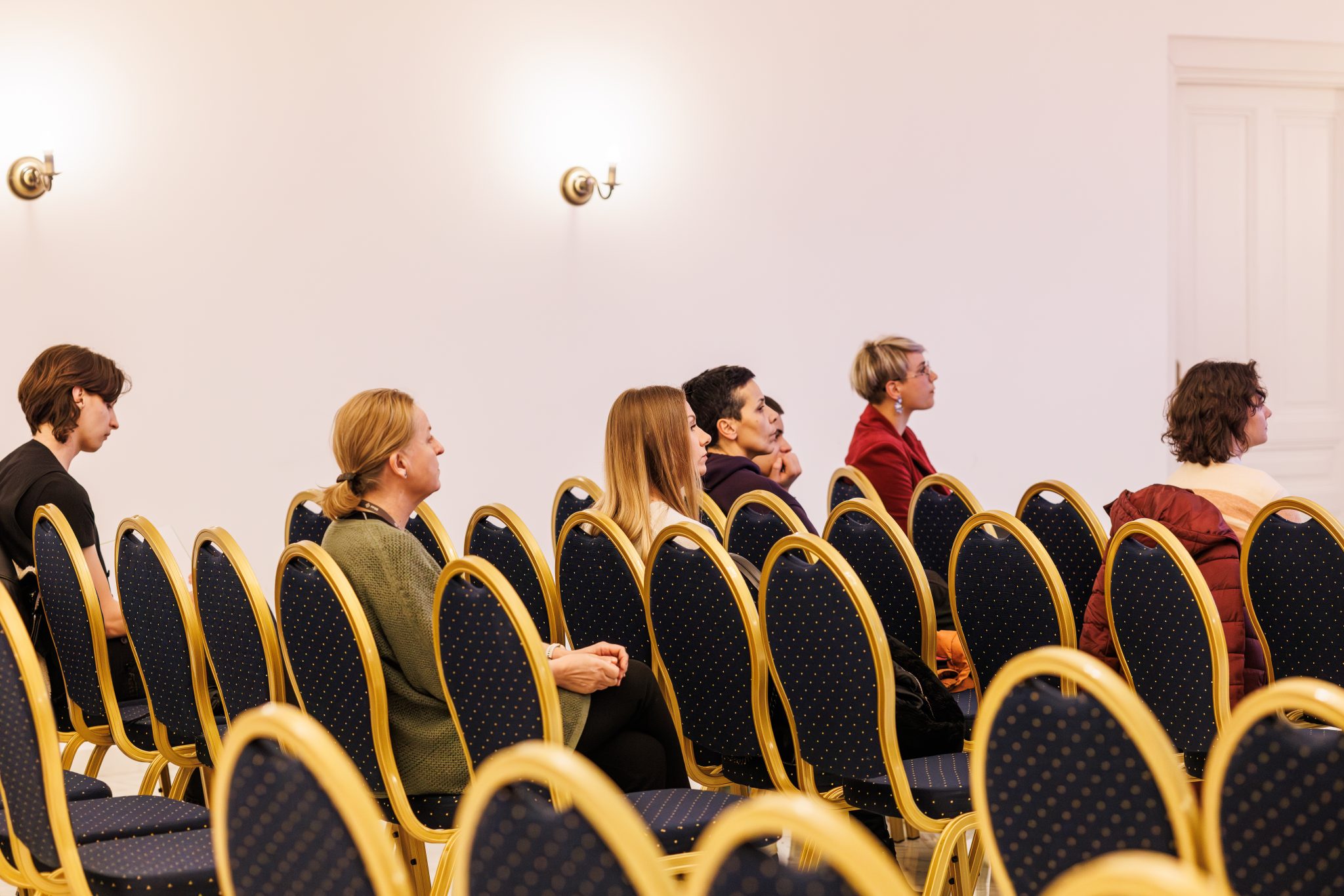
The lecture also raised several questions that were new to the audience, such as why human females are the only females in the living world to go through menopause. As became clear, evolutionary medicine does not always provide ready-made answers, but it does encourage us to think about health and disease from a diachronic perspective.

Mia Filipov, PhD, Assistant,
Co-Host of Open Thursday

Category: News

Search

Latest News

  • 22nd Round Table on the Adaptation and Accessibility of Library Services
  • 1st International Scientific Conference “From the History of Education: Education and Pedagogy Between the Two World Wars”
  • Associate Professor Domagoj Tomas Participated in a Scientific Conference in Prague
  • CHERISH is Looking for Students!
  • Exams with Anita Dremel

Contact

Lorenza Jägera 9, 31000 Osijek, Croatia

tel. + 385 31 21 14 00

MB: 3014185

OIB (Personal Identification Number): 58868871646

IBAN: HR8423600001102484368

SWIFT: ZABAHR2X

  • Email
  • Facebook
  • YouTube

  • Impresum
  • Digital accessibility
  • Privacy policy

©2026.

Made by: Ofir d.o.o.

We are using cookies to give you the best experience on our website.

You can find out more about which cookies we are using or switch them off in .

Privacy Overview

This website uses cookies so that we can provide you with the best user experience possible. Cookie information is stored in your browser and performs functions such as recognising you when you return to our website and helping our team to understand which sections of the website you find most interesting and useful.

Strictly Necessary Cookies

Strictly Necessary Cookie should be enabled at all times so that we can save your preferences for cookie settings.

Analytics

This website uses Google Analytics to collect anonymous information such as the number of visitors to the site, and the most popular pages.

Keeping this cookie enabled helps us to improve our website.

Cookie Policy

More information about our Cookie Policy